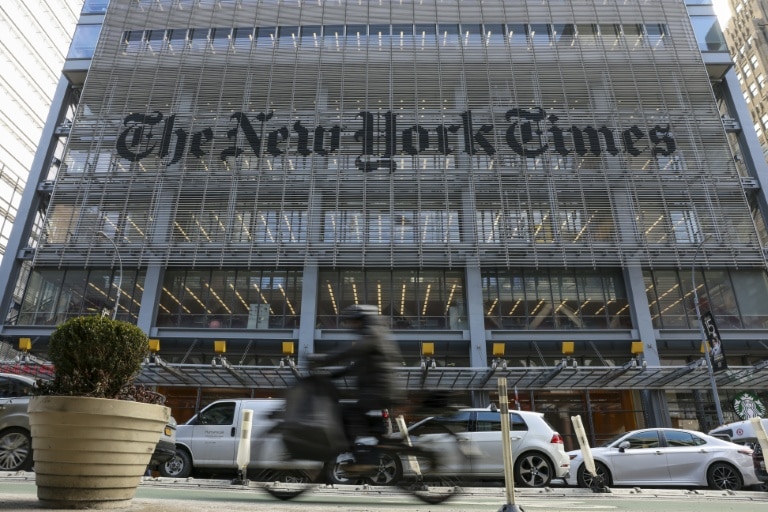
A federal courtroom became the arena for a constitutional clash between The New York Times and the Trump administration regarding the Pentagon’s increasingly restrictive media access policies. The confrontation unfolded before Judge Paul Friedman, who previously ruled this month that the Defense Department’s new credentialing rules violated constitutional protections for journalists.
The legal battle intensified when the administration announced plans to appeal Judge Friedman’s ruling while simultaneously implementing even stricter access controls. These measures included shuttering the Pentagon’s traditional press area known as Correspondents’ Corridor and relocating journalists to an annex in a separate building. The revised policy mandates that “all journalist access to the Pentagon will require escort by authorized Department personnel.”
During Monday’s hearing, Theodore Boutrous, representing The New York Times, accused the administration of acting in “bad faith” and engaging in “gaslighting” tactics. “We’ve seen this movie before,” Boutrous stated. “They made the press credentials that we fought so hard to get back meaningless.”
The practical implications of these restrictions were detailed in a sworn declaration by Times reporter Julian Barnes, who noted journalists could neither access the new press facility on foot nor use the Pentagon shuttle bus without special permission—a situation Judge Friedman described as reminiscent of “Catch-22” and Kafkaesque absurdity.
Following arguments from both the Times and Justice Department lawyer Sarah Welch, the court withheld immediate judgment. The case emerges against a backdrop of numerous news organizations, including AFP, losing their Pentagon credentials in mid-October after refusing to sign the new access agreement. These developments represent the latest in a series of adversarial measures by the Trump administration against media outlets frequently dismissed as “fake news” when their reporting proves unflattering to the government.