分类: politics

  • S. Korea’s ties with China to expand more

    S. Korea’s ties with China to expand more

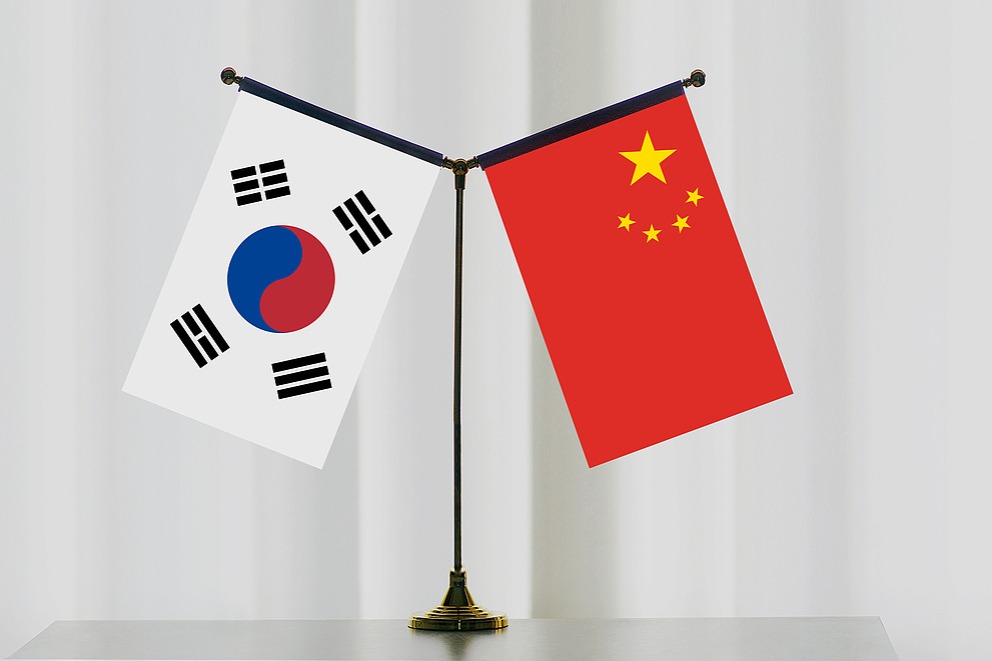
    South Korean President Lee Jaemyung has expressed his commitment to deepening bilateral ties with China during President Xi Jinping’s state visit to South Korea. The visit, which coincides with the 32nd Asia-Pacific Economic Cooperation (APEC) Economic Leaders’ Meeting in Gyeongju, marks the first meeting between the two leaders since Lee’s administration took office. Lee emphasized the special significance of this visit for fostering mutual cooperation and addressing shared challenges.

    In an exclusive interview with Xinhua News Agency, Lee highlighted the historical and philosophical alignment between himself and Xi, both of whom began their political careers at the local government level with a focus on improving people’s livelihoods. Lee underscored the importance of advancing the South Korea-China strategic cooperative partnership, particularly in light of the evolving global landscape since the two nations established diplomatic relations in 1992.

    Lee outlined his expectations for Xi’s visit, including discussions on enhancing practical cooperation in areas such as trade, investment, and supply chain stability. He expressed optimism about accelerating negotiations on the South Korea-China Free Trade Agreement to include services and investment, thereby creating a robust institutional framework for economic collaboration. As major economies, both countries play a pivotal role in promoting regional development and prosperity, with China remaining South Korea’s largest trading partner.

    Beyond economic cooperation, Lee emphasized the need to strengthen cultural and environmental ties, expand people-to-people exchanges, and work together to ensure peace and stability on the Korean Peninsula. He acknowledged China’s constructive role in addressing the Korean Peninsula nuclear issue and achieving denuclearization.

    Lee also highlighted the broader significance of the APEC meeting, which focuses on fostering artificial intelligence innovation and managing demographic shifts. He stressed the importance of multilateralism in tackling global challenges and expressed South Korea’s support for China’s leadership in next year’s APEC meeting, particularly in advancing AI cooperation.

    This visit and the discussions it entails are expected to lay the groundwork for a stronger, more dynamic partnership between South Korea and China, benefiting both nations and the broader Asia-Pacific region.
  • Protests over Tanzania’s electoral results enter a third day

    Protests over Tanzania’s electoral results enter a third day

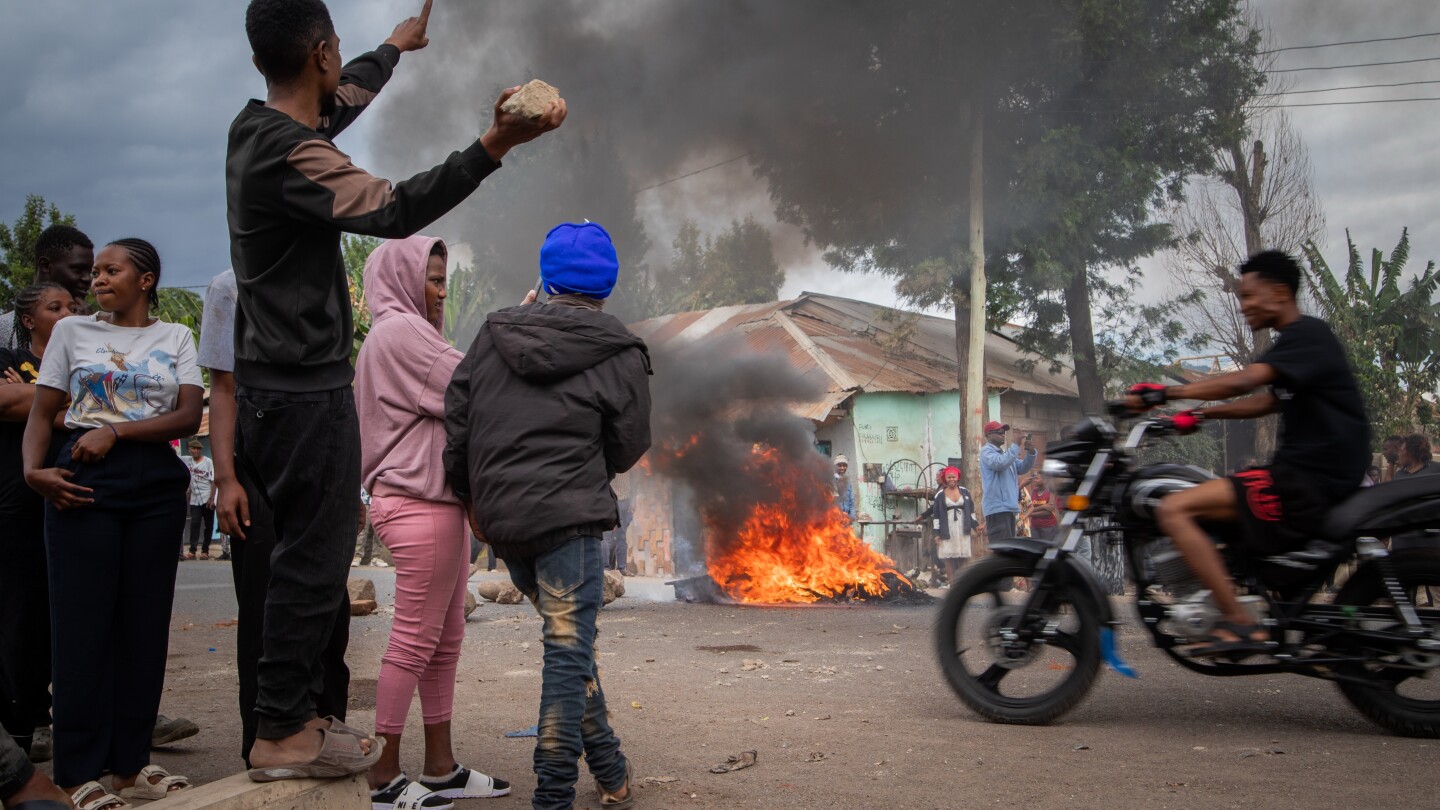
    Tanzania’s commercial capital, Dar es Salaam, witnessed intense clashes on Friday as hundreds of demonstrators confronted police forces, demanding the national electoral body halt the announcement of contested election results. The protests, which began on Wednesday, have led to the deployment of the military and a nationwide internet shutdown. State television continued to broadcast the mainland results of the vote, where the Chama Cha Mapinduzi (CCM) party, in power since Tanzania’s independence in 1961, sought to extend its rule. The election was marred by the exclusion of presidential candidates from the two main opposition parties, leaving incumbent President Samia Suluhu Hassan to face 16 candidates from smaller parties with minimal campaign presence. In Zanzibar, the semi-autonomous archipelago, the CCM retained the presidential seat, with incumbent President Hussein Mwinyi securing 78.8% of the votes. However, the opposition has accused the government of “massive fraud” and vowed to reveal its next steps. The protests, initially sparked by the harassment of opposition leaders and limited election choices, have escalated into widespread violence, with vehicles, gas stations, and police stations set ablaze. Amnesty International reported two fatalities during Wednesday’s unrest. The government has yet to comment on the extent of the damage or casualties. In response to the escalating crisis, the military has been deployed, and the reopening of colleges and universities, scheduled for next Monday, has been postponed. Army Chief Gen. Jacob John Mkunda condemned the violence, pledging the military’s collaboration with other security agencies to restore order. Meanwhile, Tanzanians abroad have been organizing daily discussions on X Spaces to analyze the protests and explore ways to financially support the demonstrators.

  • Royal prerogative: King Charles III banishes Andrew to buttress the House of Windsor’s foundations

    Royal prerogative: King Charles III banishes Andrew to buttress the House of Windsor’s foundations

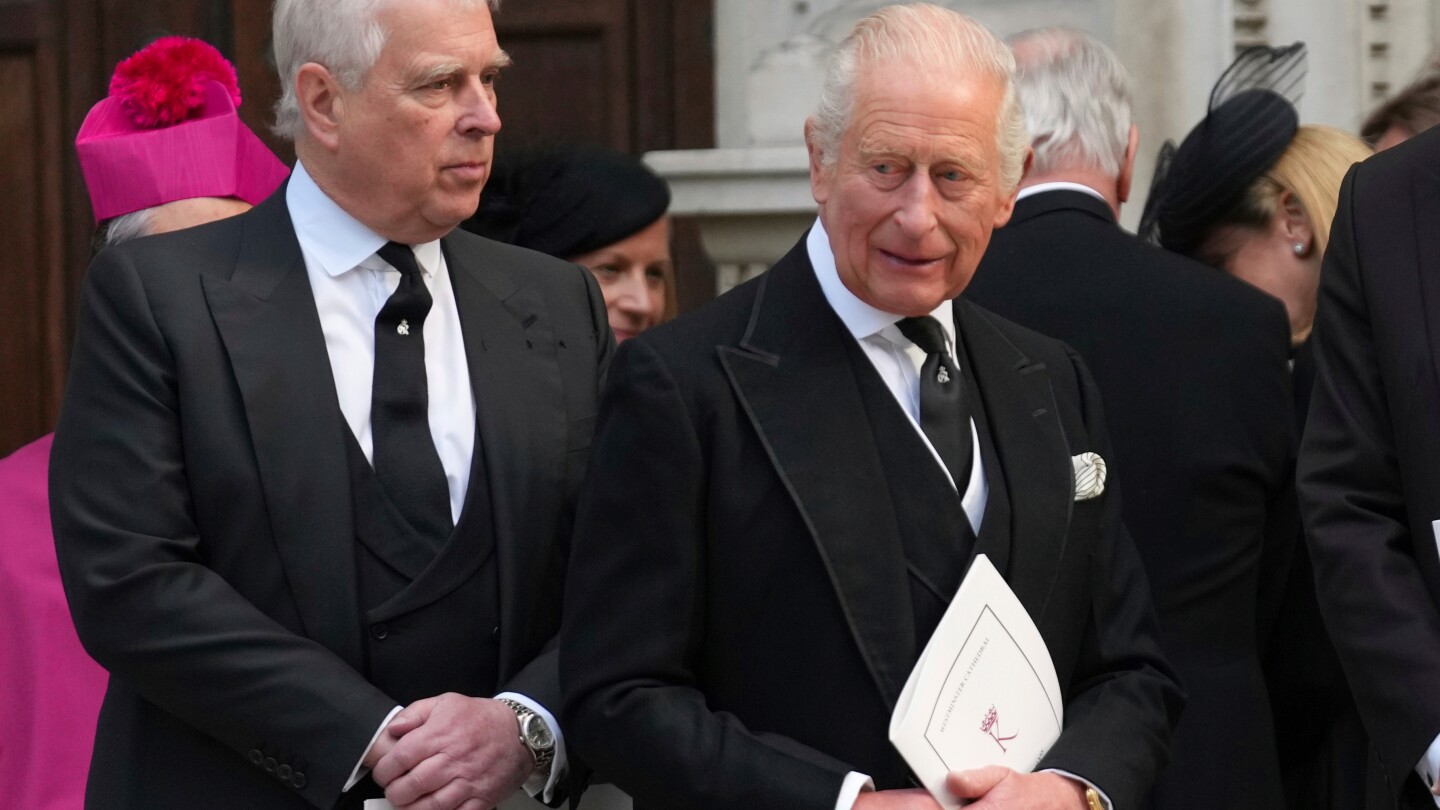
    In a decisive move to protect the British monarchy from ongoing scandals, King Charles III has stripped his brother, Prince Andrew, of all royal titles and honors. The announcement, made by Buckingham Palace on Thursday, marks a significant step in distancing the royal family from the controversies surrounding Andrew, who will now be known simply as Andrew Mountbatten Windsor. This decision follows revelations about Andrew’s association with convicted sex offender Jeffrey Epstein and mounting pressure from Parliament regarding his rent-free residence at the Royal Lodge near Windsor Castle. The king’s action underscores the monarchy’s commitment to accountability and public trust, particularly as Charles works to stabilize the institution ahead of Prince William’s eventual succession. While the move aims to shield the monarchy from further damage, it does not resolve Andrew’s legal and ethical challenges, which continue to cast a shadow over his legacy. The decision also reflects a broader transition in the monarchy, as it evolves into a more scrutinized and accountable public institution under Charles’s reign.

  • With fragile Gaza ceasefire holding, Trump wants to make headway on Indonesia-Israel normalization

    With fragile Gaza ceasefire holding, Trump wants to make headway on Indonesia-Israel normalization

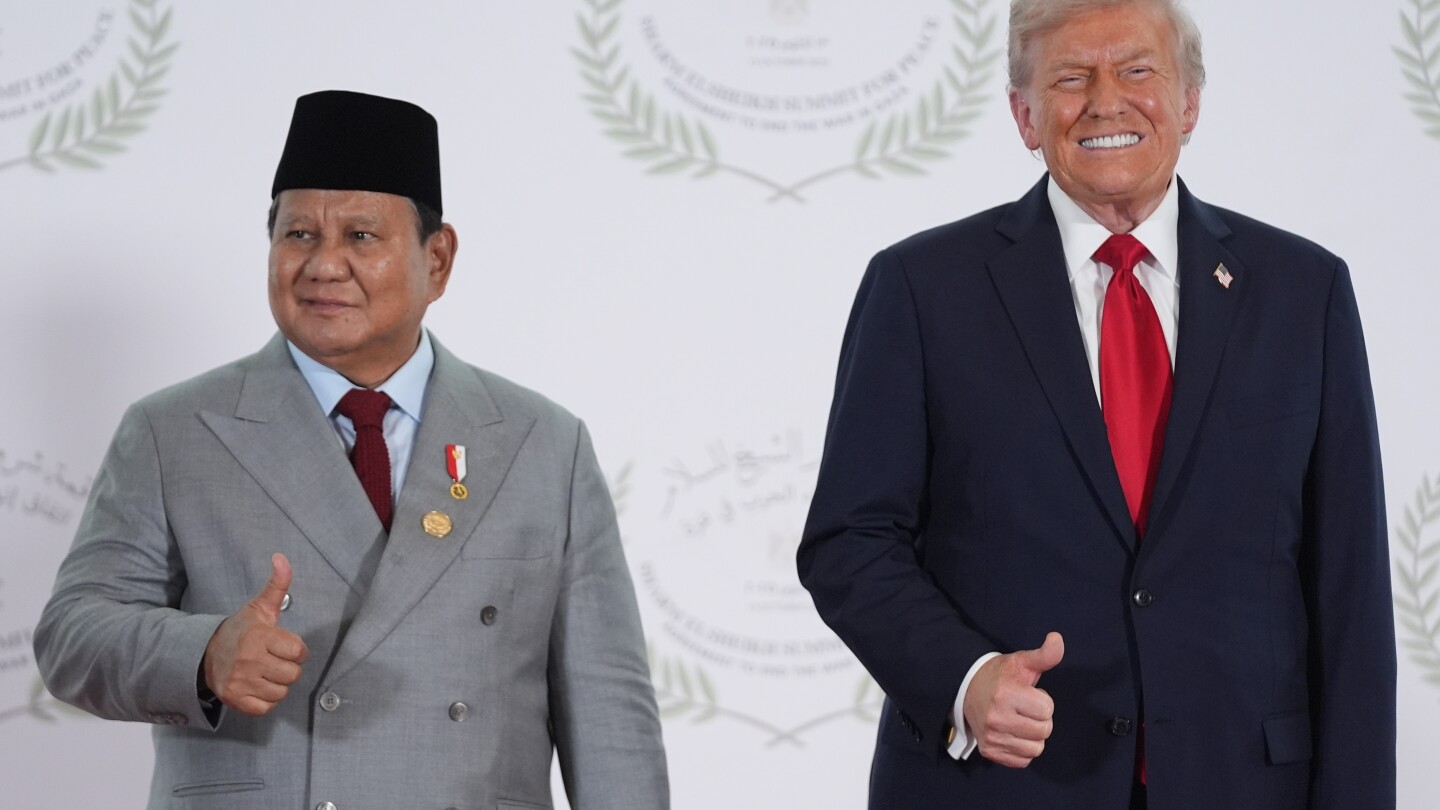
    During his recent visit to Asia, President Donald Trump highlighted the contributions of regional allies in advancing his efforts to achieve a lasting resolution to the Israel-Hamas conflict. At the Association of Southeast Asian Nations (ASEAN) summit in Malaysia, Trump specifically acknowledged Indonesia’s President Prabowo Subianto for his support in Gaza. “I want to thank Malaysia and Brunei as well as my friend, President Prabowo of Indonesia, for their incredible support of these efforts to secure a new day for the Middle East,” Trump stated. Indonesia, home to the world’s largest Muslim population, has emerged as a key partner in the White House’s push for Middle East peace, particularly following the recent fragile ceasefire and hostage deal between Israel and Hamas. Trump’s strategy builds on the Abraham Accords, which established diplomatic and commercial ties between Israel and several Arab nations during his first term. White House officials believe that a permanent peace agreement in Gaza could facilitate Indonesia and Saudi Arabia normalizing relations with Israel. However, Indonesia has publicly maintained that any normalization with Israel must be contingent on a clear pathway to Palestinian statehood. Prabowo has expressed eagerness to strengthen ties with Trump and expand Indonesia’s global influence, including seeking U.S. support for Indonesia’s bid to join the Organization for Economic Co-operation and Development (OECD). Additionally, Indonesia’s ambitions in the global nickel market and rare earths industry present opportunities for deeper U.S.-Indonesia collaboration. Despite these developments, Prabowo faces domestic skepticism over potential normalization with Israel, given Indonesia’s historical support for Palestinian independence. Trump’s transactional approach to diplomacy, combined with Indonesia’s strategic interests, could pave the way for significant progress in the region.

  • Malaysia urges ASEAN to expand defense cooperation in cyberspace

    Malaysia urges ASEAN to expand defense cooperation in cyberspace

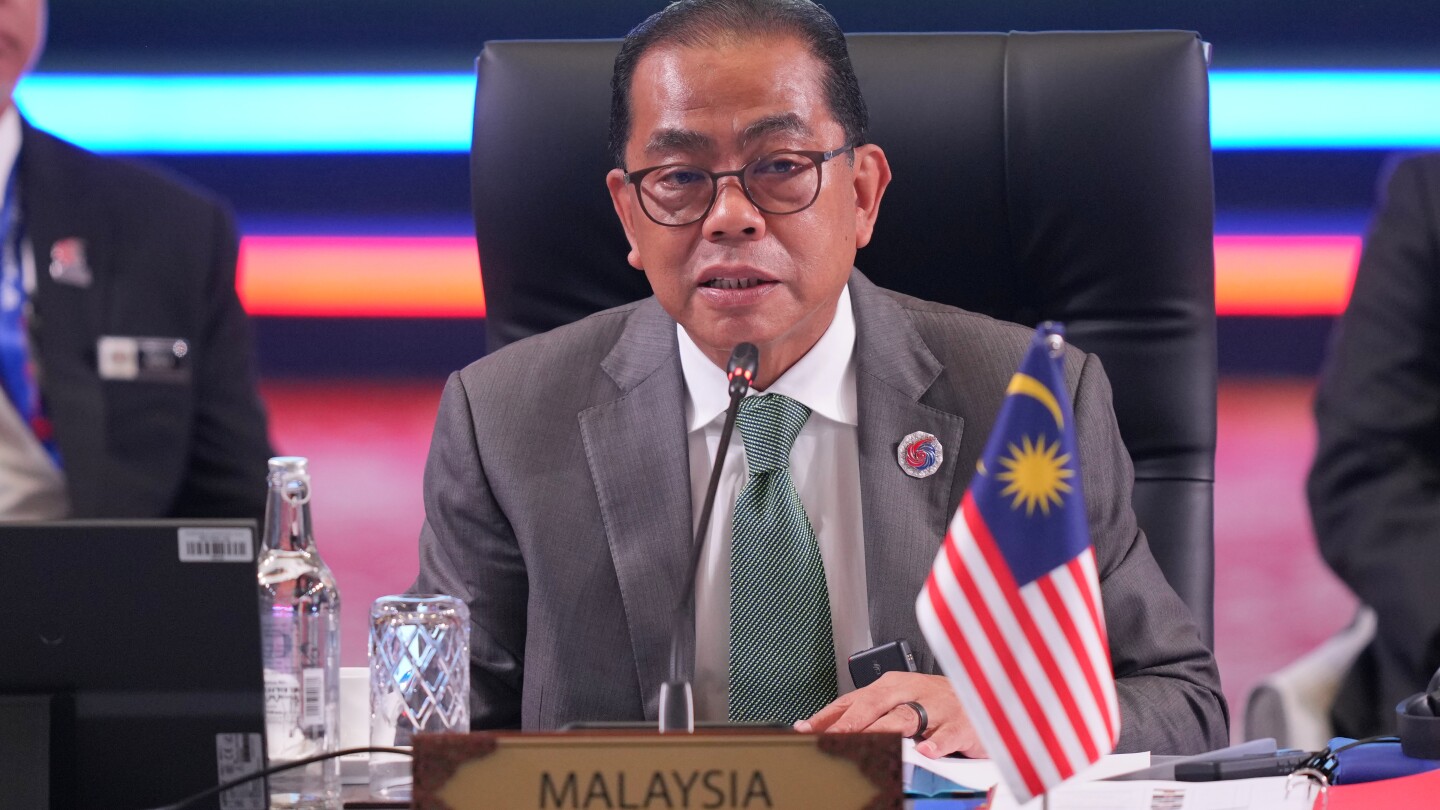
    KUALA LUMPUR, Malaysia — Malaysia has called on its fellow Association of Southeast Asian Nations (ASEAN) members to broaden their security collaborations beyond maritime concerns to include cyberspace. The appeal was made during the annual ASEAN Defense Ministers’ Meeting, where Defense Minister Mohamed Khaled Nordin highlighted the escalating pressures on regional peace from both traditional and emerging threats. These include rising tensions in the disputed South China Sea and the increasing prevalence of cyberattacks, which Nordin warned could “disrupt societies, topple governments, and undermine critical infrastructure.”

    Nordin emphasized that modern threats transcend physical borders, stating, “The challenges in the South China Sea are evident, but we must also recognize that our digital realm is equally at risk. The invisible threats to our networks and systems are just as dangerous as those in our maritime zones.”

    The ASEAN defense ministers are set to engage in discussions on Saturday with dialogue partners, including the United States, China, Japan, India, Australia, South Korea, and Russia. U.S. Defense Secretary Pete Hegseth and Chinese Defense Minister Dong Jun are among the attendees. Hegseth and Nordin held a bilateral meeting on Thursday, reaffirming their nations’ commitment to maritime security in the South China Sea.

    In a joint statement issued Friday, Nordin indirectly criticized China, referencing “grey-zone tactics” such as hydrographic research conducted under the protection of foreign coast guard vessels, which he described as a “clear provocation and threat to sovereignty.” Malaysia has historically preferred quiet diplomacy over public confrontations, unlike the Philippines, which has faced significant maritime disputes with China in recent years.

    Nordin also urged ASEAN nations to accelerate the formation of an observer team to assist Thailand and Cambodia in resolving their border crisis. Additionally, he reiterated ASEAN’s commitment to supporting a peaceful resolution to the civil war in Myanmar, emphasizing the bloc’s determination to help the country “return to its rightful place in ASEAN.” Myanmar’s military leaders have been excluded from ASEAN meetings since 2021 due to their failure to comply with the bloc’s Five-Point Consensus on peace and dialogue, following the military takeover that ousted the elected government and plunged the nation into conflict.

  • Trump administration to allow just 7,500 refugees in drastic cut

    Trump administration to allow just 7,500 refugees in drastic cut

    The Trump administration unveiled a controversial policy on Thursday, announcing plans to drastically reduce the number of refugees admitted annually to the United States to a historic low of 7,500 by fiscal year 2026. This marks a sharp decline from the over 100,000 refugees accepted annually under President Joe Biden. The new policy also prioritizes white South Africans, particularly Afrikaners, who the administration claims face persecution in their homeland.

  • Jerusalem rocked by huge ultra-Orthodox demonstration against army conscription

    Jerusalem rocked by huge ultra-Orthodox demonstration against army conscription

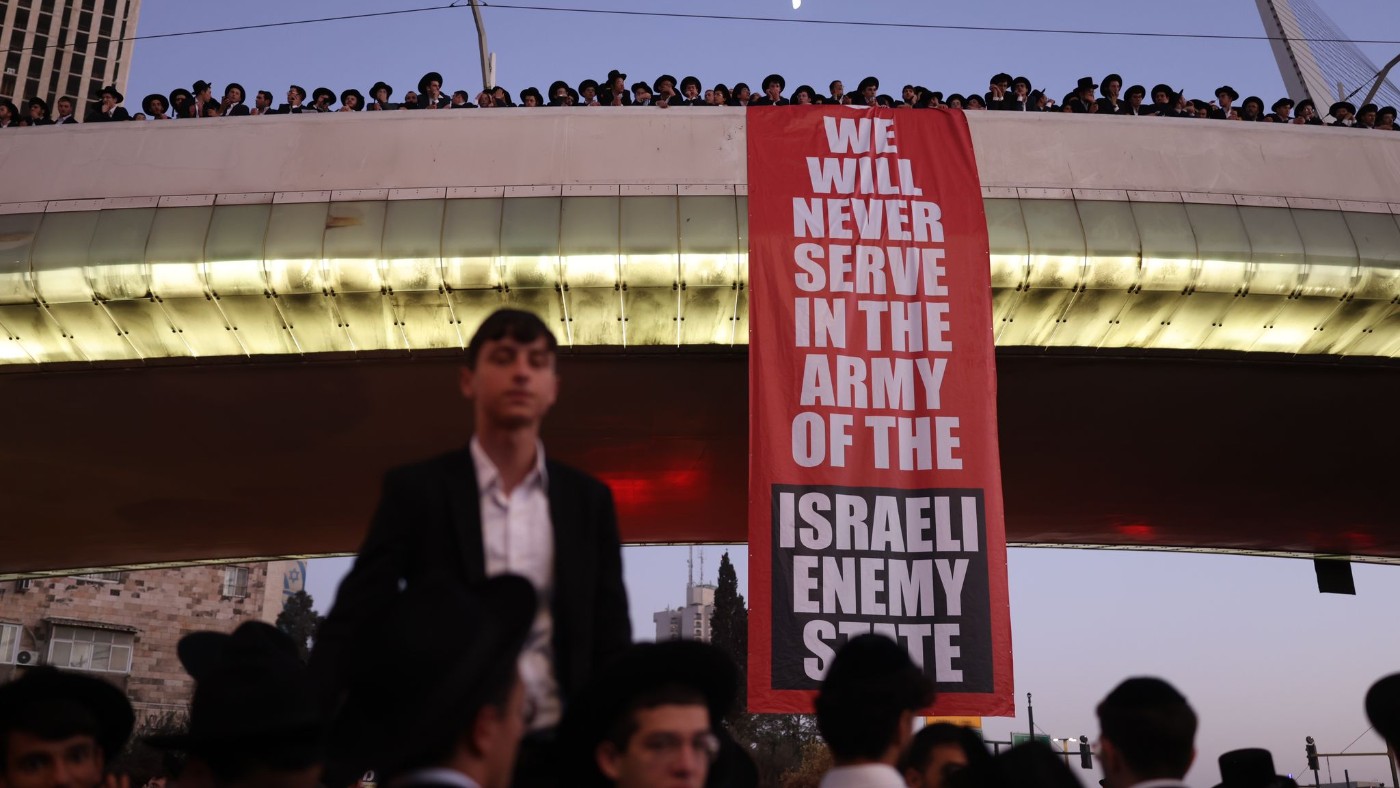
    In an unprecedented display of unity, hundreds of thousands of ultra-Orthodox men gathered in Jerusalem on Thursday to protest against the Israeli government’s efforts to enforce military conscription and the arrest of draft dodgers. The demonstration, dubbed the ‘demonstration of the million,’ brought together various ultra-Orthodox factions, including Chabad, which issued a call for participation in the rally. The event, however, was overshadowed by the tragic death of a 15-year-old boy who fell from a construction site during the protest. Participants, such as Yehuda Hirsch, a 20-year-old member of the anti-Zionist faction Neturei Karta, expressed unwavering opposition to enlisting in the Israeli Defense Forces (IDF), stating, ‘We are two opposites—the ultra-Orthodox on one side and the army and state on the other.’ The protest caused significant disruptions, with police blocking major roads and overcrowding at train stations as demonstrators made their way to Jerusalem. The issue of ultra-Orthodox conscription has been a contentious topic in Israel since its establishment in 1948, when exemptions were granted but not legally codified. Recent debates have intensified due to the ongoing conflict in Gaza and the government’s failure to enshrine exemptions into law. The protest also highlighted deep divisions within Israeli society, with opposition leaders criticizing the ultra-Orthodox community’s refusal to serve. The demonstration turned violent in some areas, with clashes reported and journalists attacked. Despite the tensions, participants like Michael, a 19-year-old yeshiva student, remained resolute, stating, ‘As long as the rabbis don’t tell me to go, I won’t show up.’ The event underscored the ongoing struggle between the ultra-Orthodox community and the state over issues of identity, religion, and national service.

  • Syrian military cadets to begin schooling in Turkey

    Syrian military cadets to begin schooling in Turkey

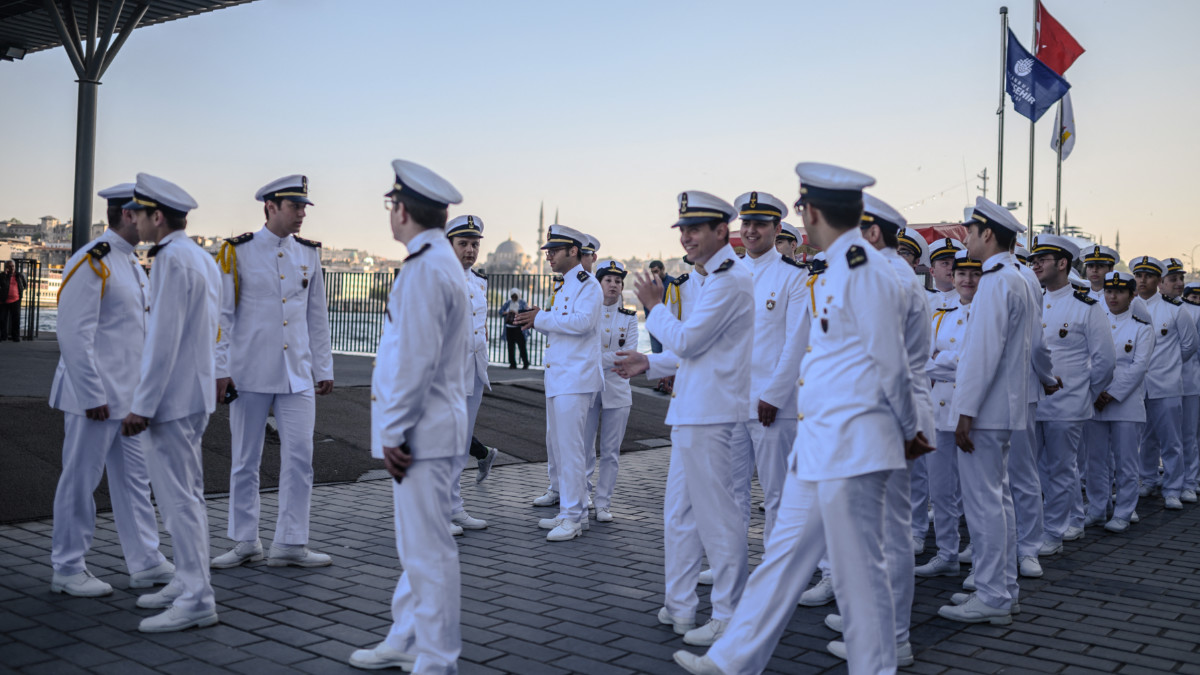
    In a significant development for regional defense cooperation, Turkish military academies are set to commence training for 49 Syrian military cadets starting this Friday. This initiative underscores the deepening military ties between Turkey and Syria, following the signing of a bilateral military accord in August. According to Middle East Eye, Turkey has already begun training approximately 300 Syrian troops, including soldiers and police officers, at bases in central and eastern Turkey. Ankara’s broader plan aims to train up to 5,000 Syrian personnel in the short term, with a long-term goal of reaching 20,000. The Syrian cadets will receive education in air, land, and naval academies, marking a prestigious aspect of this collaboration. Upon completion, they will return to serve in the Syrian military. The Turkish Defense Ministry confirmed the training, stating that certain Syrian army units are utilizing Turkish military facilities. This cooperation comes amid Syria’s efforts to rebuild after a decade of civil war, with President Ahmed al-Sharaa seeking Turkish assistance following Israeli air strikes on Damascus and Sweida. Turkey, which maintains around 20,000 troops in northern Syria, has emerged as a key regional power. The U.S. has also recognized Turkey’s influence, lifting sanctions on Syria earlier this year. While discussions on a broader defense pact continue, the current agreement focuses on training and consultancy, with no immediate framework for Turkish troop deployments to Syrian bases.

  • Latvian Parliament votes to withdraw from domestic violence treaty

    Latvian Parliament votes to withdraw from domestic violence treaty

    In a contentious decision, the Latvian Parliament voted on Thursday to withdraw from the Istanbul Convention, a landmark treaty designed to protect women from violence, including domestic abuse. The vote followed a grueling 13-hour debate, marking a significant shift in Latvia’s stance on gender-based violence. The treaty, which came into force in Latvia in 2024, aimed to standardize support for victims of violence across Europe. However, it has faced fierce opposition from ultra-conservative groups and political factions, who argue that it promotes ‘gender ideology,’ encourages sexual experimentation, and harms children. The push to withdraw began in September, spearheaded by opposition lawmakers and supported by the Union of Greens and Farmers, a member of the tripartite governing coalition. Prime Minister Evika Siliņa, whose government initially pledged to ratify the convention, condemned the move, calling it ‘cruel’ and a betrayal of victims seeking help. The decision has exposed fractures within the governing coalition ahead of the 2026 parliamentary elections. Critics, including international women’s rights organization Equality Now, warn that the withdrawal endangers women in Latvia and emboldens anti-human rights movements across Europe and Central Asia. Public reaction has been polarized, with around 5,000 people protesting against the withdrawal in Riga, while a smaller group rallied in support. The law now awaits review by President Edgars Rinkēvičs, who may return it to Parliament or, in rare cases, call for a referendum.

  • China urges Philippines to ‘mend its ways’ over South China Sea provocations

    China urges Philippines to ‘mend its ways’ over South China Sea provocations

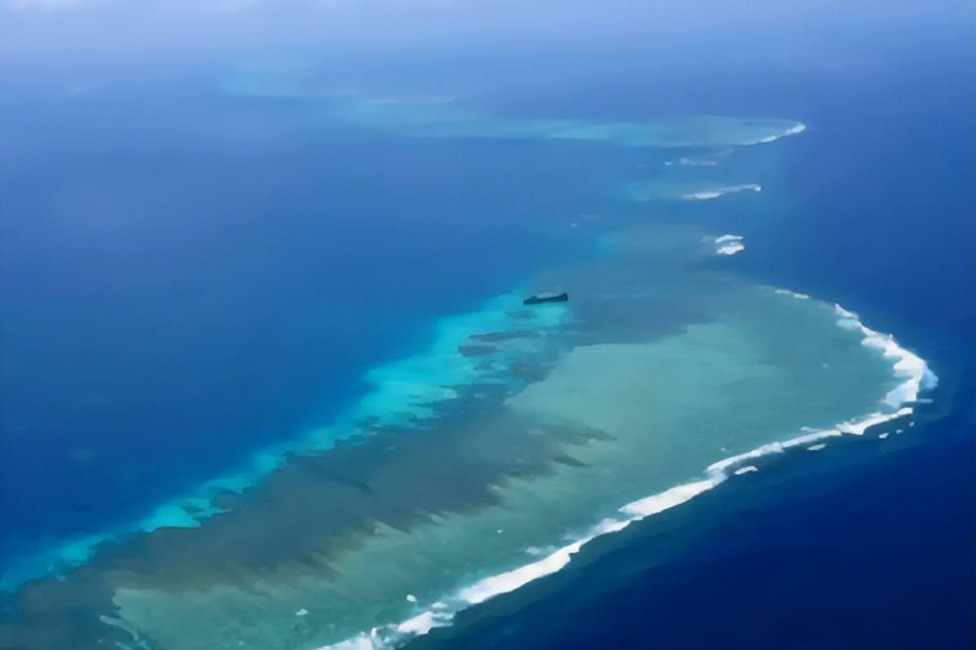
    In a stern warning issued on Thursday, China urged the Philippines to ‘mend its ways’ and halt its repeated provocations in the South China Sea. Zhang Xiaogang, spokesperson for China’s Ministry of National Defense, made the remarks during a press conference in Beijing, addressing recent actions by the Philippines that China claims violate its sovereignty. According to the China Coast Guard, on October 12, two Philippine government vessels illegally entered waters near Tiexian Reef in the Nansha Islands, prompting Chinese forces to take control measures and expel the intruders. Similarly, on October 16, two Philippine reconnaissance planes were expelled after allegedly violating China’s airspace over Huangyan Island. The Philippines countered by claiming that China’s actions endangered the safety of its crew and aircraft. Zhang reiterated China’s ‘indisputable sovereignty’ over the South China Sea islands and adjacent waters, accusing the Philippines of ‘frequent infringements and provocations’ aimed at destabilizing the region. He also criticized Manila for spreading false information and seeking external support to pressure China. Zhang emphasized that China would continue to safeguard its territorial sovereignty through ‘legitimate, legal, professional, and prudent actions.’ He called on the Philippines to return to dialogue and consultation, urging regional cooperation to maintain peace and stability in the South China Sea.