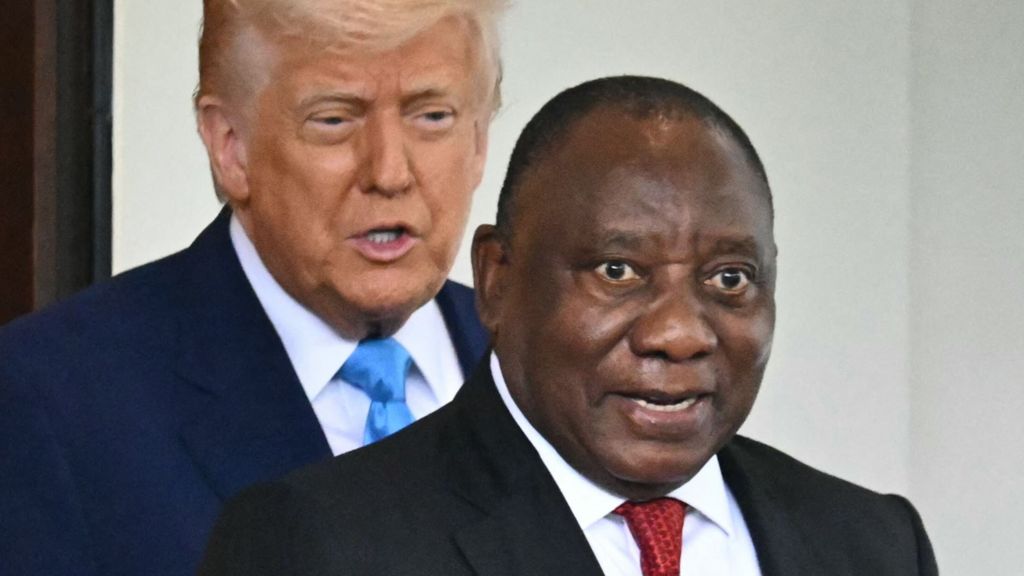
The South African government has strongly criticized the United States’ decision to prioritize refugee applications from white Afrikaners, dismissing claims of a ‘white genocide’ as baseless and lacking credible evidence. This response follows an open letter from prominent Afrikaner community members, who denounced the narrative as racially charged and rejected the relocation scheme. The South African government further emphasized that the low number of white Afrikaners applying for relocation to the US indicates a lack of persecution.
分类: politics
-
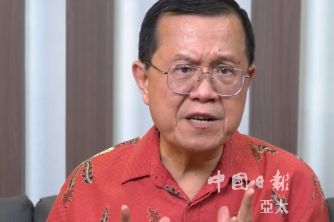
APEC should lead inclusive cooperation to rebuild supply chain resilience
As the Asia-Pacific Economic Cooperation (APEC) Economic Leaders’ Meeting commenced in Gyeongju, South Korea, on October 31, 2025, Ong Tee Keat, president of the Belt and Road Initiative Caucus for the Asia-Pacific and former Malaysian transport minister, emphasized the forum’s pivotal role in fostering free trade and inclusive supply chain collaboration. Speaking at the event, Ong stressed that APEC should act as a beacon for global economic cooperation, steering clear of trade weaponization aimed at specific nations. He highlighted the importance of rebuilding resilient supply chains to ensure sustainable economic growth across the region. The meeting, attended by leaders from 21 member economies, focused on addressing challenges posed by geopolitical tensions and the lingering impacts of global disruptions. Ong’s remarks underscored the need for collective action to enhance regional integration and promote equitable development. The discussions also explored strategies to mitigate risks associated with supply chain fragmentation, emphasizing the role of technology and innovation in driving economic recovery. As APEC continues to evolve, its commitment to fostering inclusive and resilient trade networks remains critical to achieving long-term prosperity in the Asia-Pacific region.
-
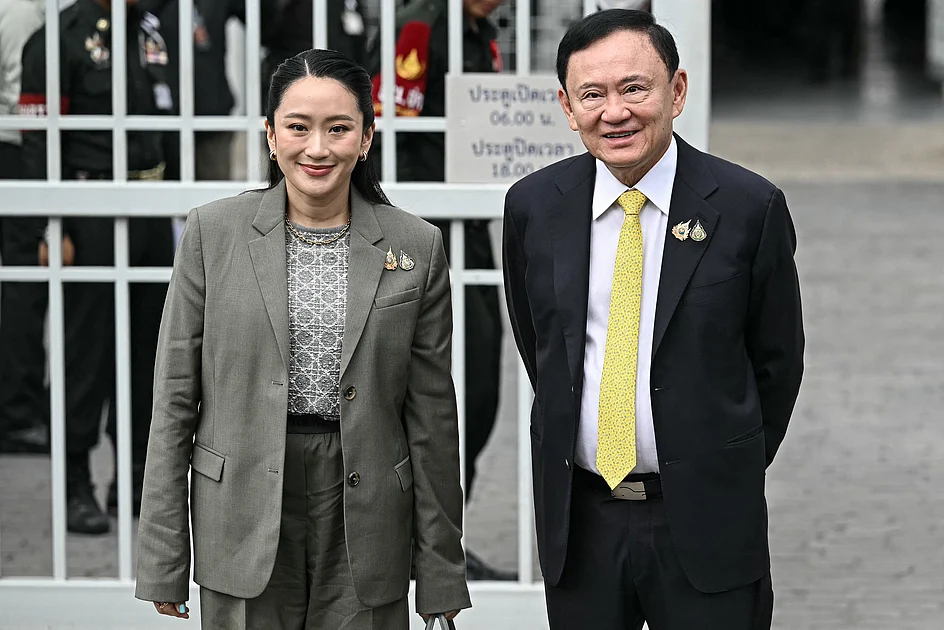
Thai ex-PM Thaksin’s party elects new leader after daughter’s exit
Thailand’s Pheu Thai Party, one of the nation’s most prominent political factions, has elected Julapun Amornvivat as its new leader following the resignation of Paetongtarn Shinawatra, the daughter of former Prime Minister Thaksin Shinawatra. Paetongtarn stepped down last week after a court ruling in August removed her from the prime ministerial position due to an ethics violation related to a border dispute with Cambodia. Analysts suggest her departure was a strategic maneuver to protect the party from potential legal repercussions, potentially signaling the end of the Shinawatra family’s long-standing influence in Thai politics. Julapun, a former deputy finance minister and son of veteran politician Sompong Amornvivat, was chosen during a vote livestreamed on the party’s official Facebook page. He expressed gratitude for the trust placed in him by party members. Julapun, 50, has been instrumental in promoting Pheu Thai’s key policies, including a proposed 10,000-baht ($300) stimulus package and the legalization of casinos. Despite the leadership change, observers believe the party will continue to be influenced by Thaksin Shinawatra, who founded the party in the late 1990s and remains a central figure in Thai politics. Thaksin, currently serving a prison sentence for corruption, was ousted in a 2006 coup and spent over a decade in exile. The Shinawatra family has long been at odds with Thailand’s pro-military and pro-royalty elite, who view their populist policies as a challenge to the traditional social order.
-
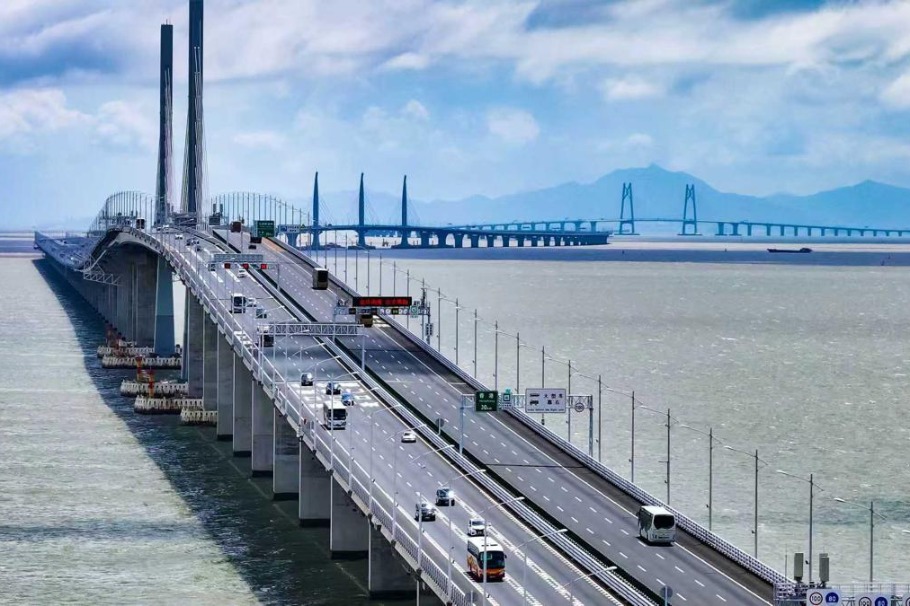
Plan to allow Guangdong vehicles to travel south to Hong Kong published
In a significant move to enhance regional connectivity, the ‘Southbound Travel for Guangdong Vehicles’ plan was officially unveiled on Friday, allowing private car owners from Guangdong province to travel to the Hong Kong Special Administrative Region. The initiative, announced by Guangdong’s provincial department of public security, aims to foster greater personnel exchanges and interaction between the two regions. The plan is structured in two phases: the first permits parking at Hong Kong border checkpoints, while the second allows vehicles to enter Hong Kong’s urban areas. Initially, the program will be available to residents of Guangzhou, Zhuhai, Jiangmen, and Zhongshan, with plans to expand to other Guangdong cities within six months. Starting November 1, eligible private car owners can apply for travel permits via the Hong Kong-Zhuhai-Macao Bridge. Approved vehicles will gain access to automated parking lots in border areas from November 15 and will be permitted to enter Hong Kong’s urban areas starting December 23. This initiative is expected to boost economic and cultural ties between Guangdong and Hong Kong, while also easing cross-border travel for residents.
-
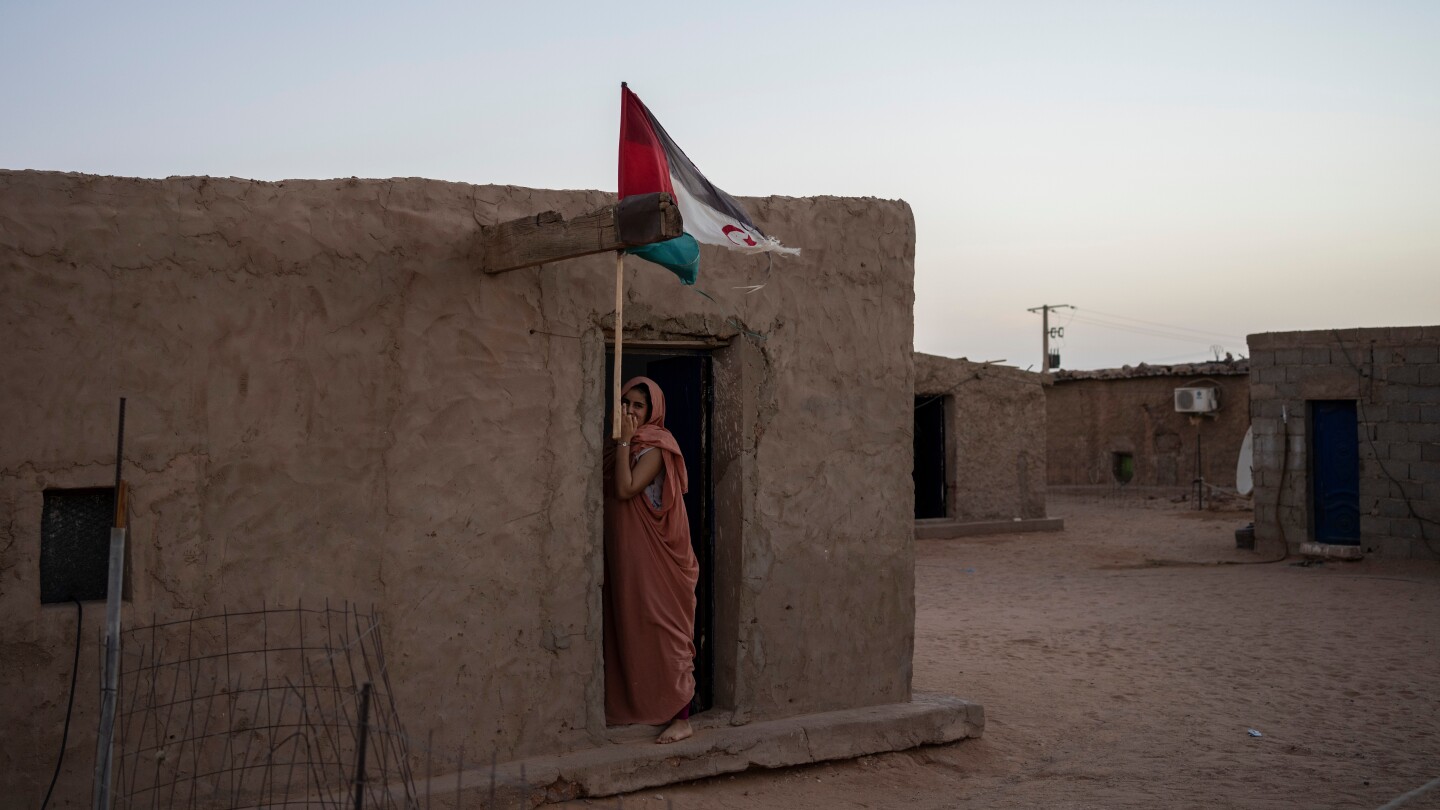
UN set to vote on a resolution backing Morocco’s plan for Western Sahara, in a major shift
The United Nations Security Council is set to vote on Friday on a resolution endorsing Morocco’s sovereignty over the disputed Western Sahara region. This move aligns with the Trump administration’s support for Morocco’s autonomy plan, marking a significant shift in the decades-long conflict. The resolution, if passed, would represent the strongest international backing yet for Morocco’s claim, supported by most European Union members and a growing number of African allies. It notably omits references to a U.N.-backed referendum on self-determination, a stance supported by Algeria, Russia, and China, instead proposing ‘genuine autonomy under Moroccan sovereignty’ as the most viable solution. The resolution also seeks to renew the U.N. peacekeeping mission in Western Sahara for another year, a mission that has been in place for over three decades. Western Sahara, a phosphate-rich coastal desert the size of Colorado, has been a contentious territory since Spain relinquished control in 1975. Both Morocco and the Polisario Front, a pro-independence group based in Algerian refugee camps, lay claim to the region. The Polisario Front has rejected the resolution, vowing to continue its fight for self-determination. The U.N. resolution calls for all parties to seize this ‘unprecedented opportunity for lasting peace’ and requests Secretary-General Antonio Guterres to review the peacekeeping mission’s mandate within six months. The conflict remains a central issue in North African diplomacy, with Morocco viewing support for its autonomy plan as a key indicator of international alliances. The resolution comes amid U.S. efforts to reassess funding for U.N. programs, including peacekeeping, as part of a broader strategy to align U.N. operations with American interests.
-
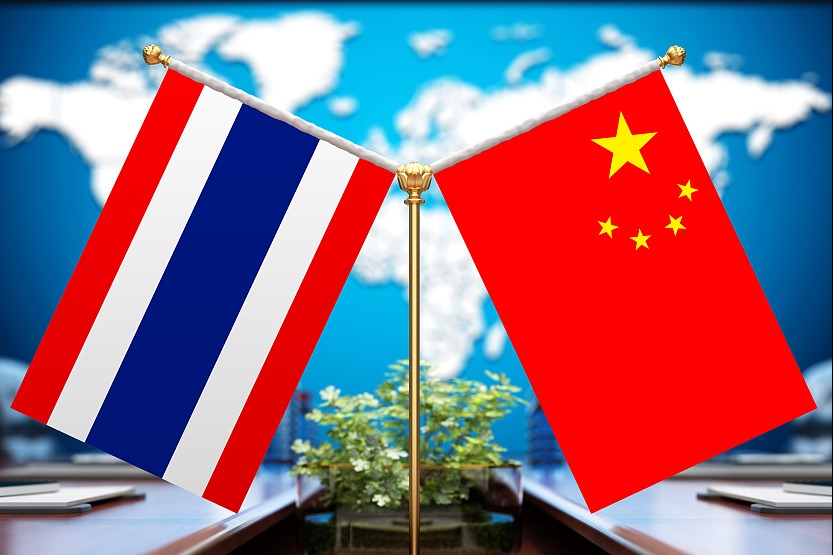
Xi meets Thai PM
On Friday, October 31, 2025, President Xi Jinping of China engaged in a significant bilateral meeting with Thai Prime Minister Anutin Charnvirakul. The encounter took place on the sidelines of the 32nd APEC Economic Leaders’ Meeting in Gyeongju, South Korea. This meeting underscores the ongoing diplomatic efforts between China and Thailand, two key players in the Asia-Pacific region. The discussions are expected to have focused on enhancing economic cooperation, regional stability, and mutual interests in the context of the APEC framework. Such high-level engagements are pivotal in fostering stronger ties and addressing shared challenges in the region.
-
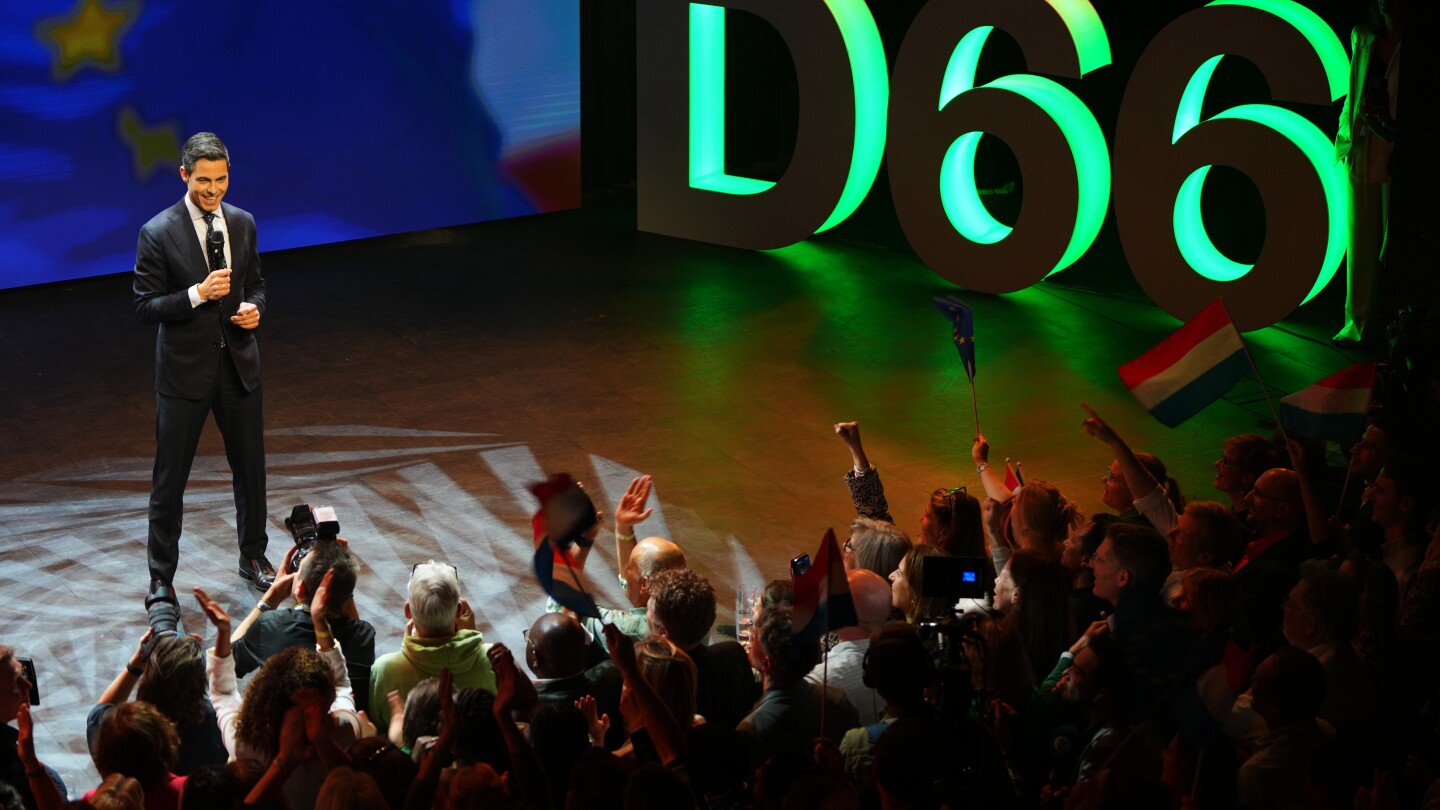
Dutch press agency calls election for centrist D66 party
In a closely contested Dutch national election, the centrist D66 party has narrowly surpassed Geert Wilders’ far-right Party for Freedom (PVV), according to a projection by the national news agency ANP. The prediction, based on nearly all counted ballots and an analysis of remaining votes—primarily from overseas Dutch nationals—suggests D66 leader Rob Jetten is poised to become the Netherlands’ next prime minister. At 38, Jetten would be the country’s youngest and first openly gay leader. He emphasized that the results reflect voters’ desire to move beyond “political nonsense.”
The two parties are currently tied at 26 seats, with the possibility of D66 gaining a slight edge to 27 as remaining votes are tallied. However, mainstream parties, including D66, have ruled out forming a coalition with the PVV, citing Wilders’ role in destabilizing the previous coalition over migration policies. Political scientist Henk van der Kolk noted that the seat count is largely irrelevant, as the focus shifts to forming a centrist coalition involving D66, the Labor Party, Green Left, the Christian Democrats, and the People’s Party for Freedom and Democracy.
With the Dutch political landscape highly fragmented, coalition negotiations are expected to span weeks or even months. The election underscores the challenges of governance in a polarized environment, with centrist forces seeking to counter the influence of far-right populism.
-
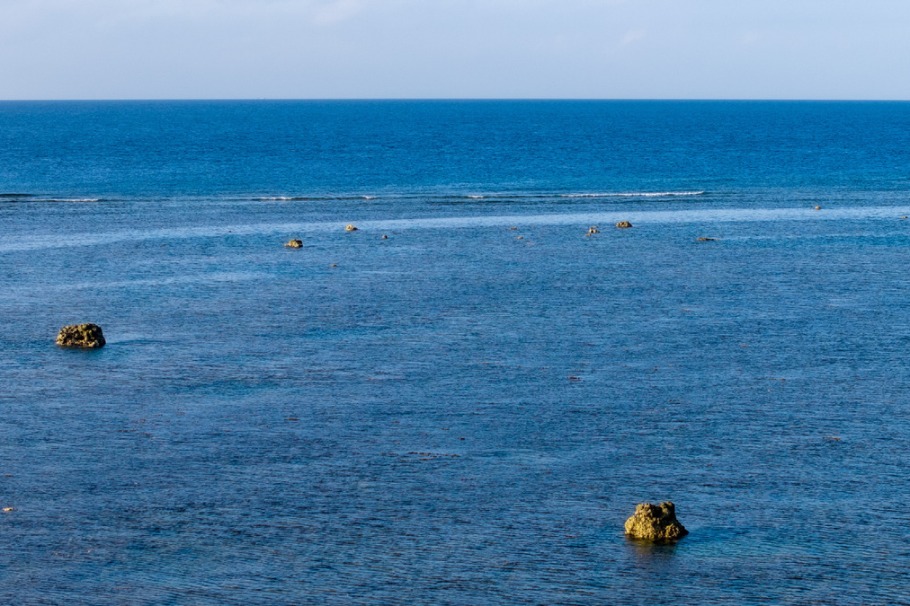
CCG conducts law-enforcement patrols around Huangyan Island
The China Coast Guard (CCG) has escalated its law-enforcement activities in the territorial waters and adjacent areas surrounding Huangyan Island in the South China Sea. According to an official statement released on Friday, the CCG has been conducting rigorous patrols since early October to ensure compliance with national laws and regulations. These operations include tracking, monitoring, issuing radio warnings, and expelling vessels and aircraft engaged in illegal activities or provocations. The intensified patrols aim to strengthen management and control over the region, reaffirming China’s commitment to safeguarding its territorial sovereignty and maritime rights and interests. The move underscores China’s proactive stance in maintaining stability and security in the South China Sea, a strategically significant area.
-
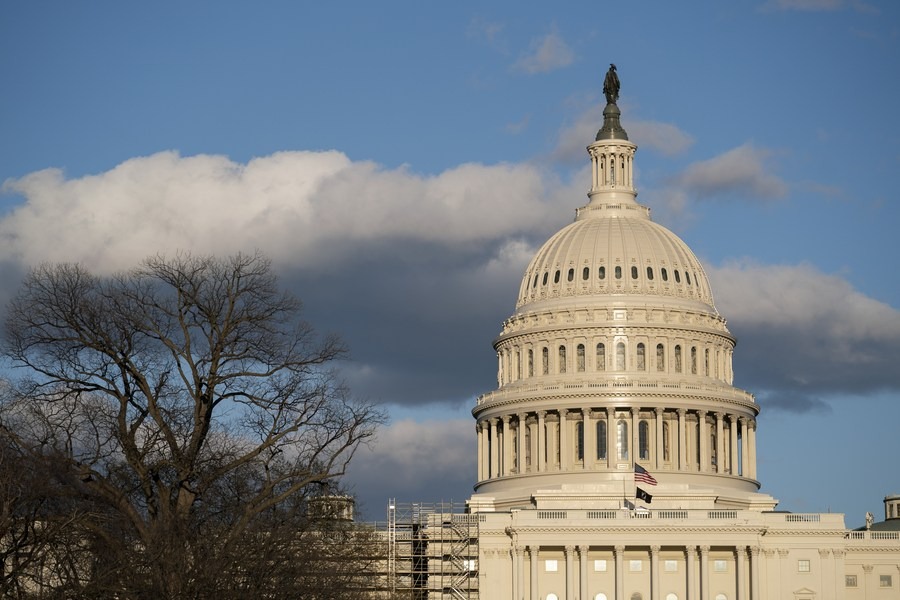
US Senate votes to eliminate Trump’s global tariffs
In a significant political development, the US Senate voted 51-47 on Thursday to terminate the national emergency declaration that President Donald Trump used to justify imposing global tariffs in early April. This move, largely symbolic due to prior House restrictions on blocking such tariffs, saw four Republicans join Democrats in supporting the resolution. The vote underscores growing bipartisan dissent against Trump’s aggressive tariff policies, which have aimed to reshape US trade relationships. Earlier in the week, the Senate also passed two resolutions to eliminate duties on goods from Canada and Brazil, further signaling lawmakers’ pushback. Trump’s tariffs, introduced in April, included a 10% levy on all countries and additional ‘reciprocal’ tariffs on nations with significant trade imbalances with the US. The US Supreme Court is set to hear a case challenging the legality of these tariffs on November 5, following lower court rulings that deemed them illegal. According to US Customs and Border Protection, the tariffs have generated approximately $88 billion in tax revenue through August. However, the Tax Foundation warns that these tariffs could increase household taxes by over $1,600 annually and reduce GDP by 0.5% over the next decade.
-
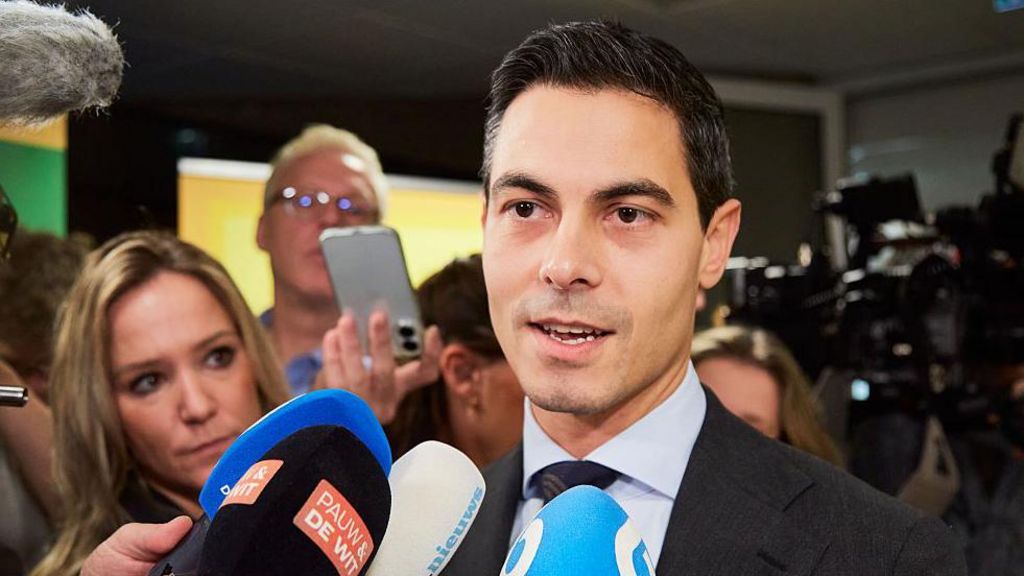
Dutch centrist Rob Jetten wins neck-and-neck election race, vote analysis says
Rob Jetten, leader of the Dutch centrist liberal party D66, is poised to become the youngest prime minister in modern Dutch history following a closely contested election. According to vote analysis by Dutch news agency ANP, Jetten’s party has secured a narrow lead of 15,000 votes over anti-Islam populist Geert Wilders’ Freedom Party, making it impossible for Wilders to overturn the result. Although the final vote count is incomplete, projections indicate both parties will hold 26 seats in the 150-seat parliament, with Jetten’s D66 potentially gaining a 27th seat. Jetten, 38, expressed pride in the historic outcome, acknowledging the significant responsibility of forming a stable government. Despite Wilders leading pre-election polls, Jetten’s positive campaign, centered on the slogan ‘Yes, we can,’ resonated strongly in key cities like Rotterdam, The Hague, and Utrecht. While Jetten has cautiously refrained from declaring victory until all votes are counted, ANP’s analysis of overseas postal votes confirms his win. However, forming a coalition government remains a complex challenge. Jetten will need the support of at least three other parties to secure the 76 seats required, with potential partners including the conservative-liberal VVD, the left-wing Labour-GreenLeft alliance, and the Christian Democrats. Outgoing Prime Minister Dick Schoof, appointed by Wilders after he abandoned his own bid for the role, predicted the coalition-building process could extend beyond Christmas. Wilders, who won the previous election in November 2023, saw his government collapse in July 2024 due to disputes over asylum and migration policies.