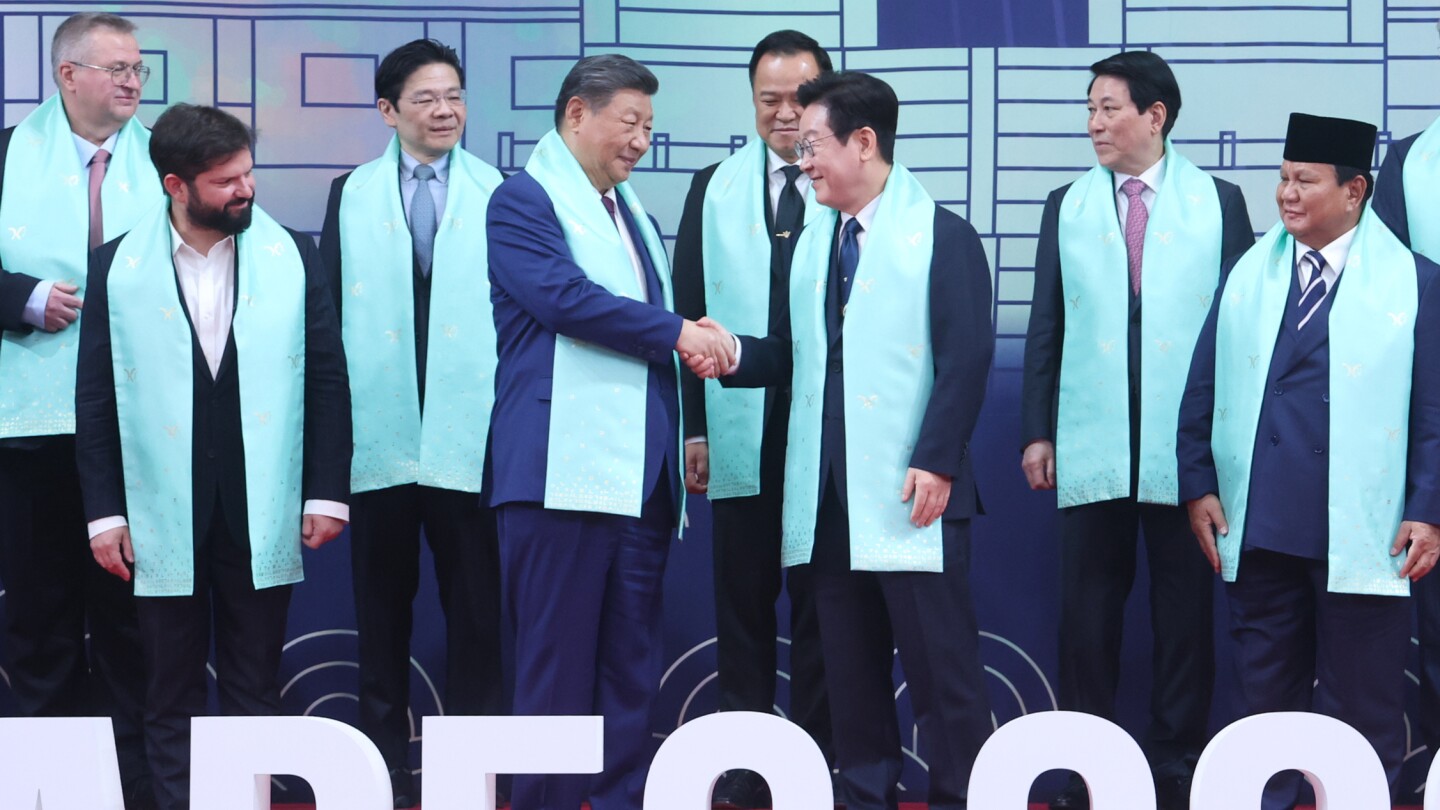
In a significant diplomatic engagement, South Korean President Lee Jae Myung and Chinese President Xi Jinping convened in Gyeongju, South Korea, to discuss pressing regional issues and bolster bilateral relations. The meeting, held on the sidelines of the Asia-Pacific Economic Cooperation (APEC) summit, focused on North Korea’s denuclearization and expanded economic cooperation between the two nations. President Lee urged Xi to play a more active role in persuading North Korea to return to negotiations, emphasizing the importance of peace on the Korean Peninsula for regional prosperity. Xi, in response, pledged continued efforts to promote stability and resolve issues concerning the Korean Peninsula. The discussions also highlighted China’s strategic position as North Korea’s traditional ally, though questions remain about Beijing’s influence over Pyongyang. Meanwhile, North Korea’s Vice Foreign Minister Pak Myong Ho criticized South Korea’s denuclearization efforts as unrealistic. Beyond North Korea, the two leaders signed agreements to combat online scams, expand a bilateral free trade deal, and renew a currency swap agreement. The APEC summit concluded with a joint statement reaffirming the importance of trade and investment for regional growth, despite ongoing U.S.-China trade tensions. The leaders also addressed emerging challenges such as artificial intelligence, demographic shifts, and urbanization, underscoring the need for multilateral cooperation in a rapidly changing global landscape.
分类: politics
-
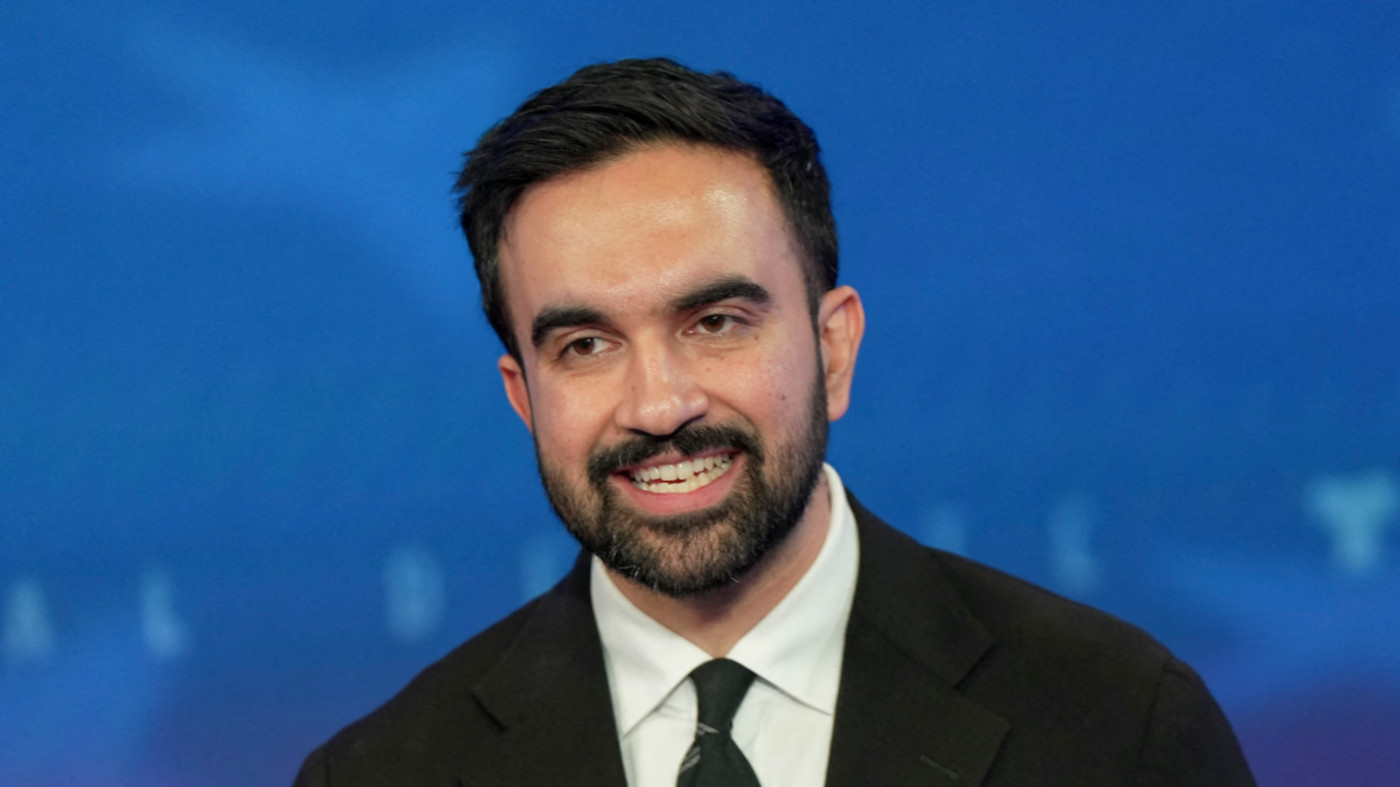
Who is Zohran Mamdani and will he get to run New York?
The 2024 New York City mayoral elections have captured unprecedented attention, largely due to the meteoric rise of Democratic nominee Zohran Kwame Mamdani. Initially an underdog with less than one percent support in February, Mamdani defied expectations by securing a landslide victory in the Democratic primary with 56 percent of the vote. His grassroots campaign mobilized tens of thousands of volunteers, who knocked on over one million doors across the city, effectively challenging the political establishment. His triumph marked a significant shift in New York politics, unseating incumbent Mayor Eric Adams and outmaneuvering former Governor Andrew Cuomo, a political heavyweight in the state. Mamdani’s charisma, innovative campaign strategies, and focus on affordability have resonated deeply with voters, not only in New York but across the U.S. and globally. If elected, Mamdani would become the city’s first Democratic Socialist, South Asian, or Muslim mayor since the office was established in 1665. Born in Kampala, Uganda, to internationally renowned parents—academic Mahmood Mamdani and filmmaker Mira Nair—Mamdani’s upbringing and multicultural identity have profoundly influenced his political vision. His campaign prioritizes affordable housing, universal childcare, and economic equity, though his socialist leanings and vocal criticism of Israel have drawn both fervent support and fierce opposition. As the election approaches, Mamdani’s ability to unite diverse communities and address New York’s pressing challenges will determine his fate in this historic race.
-
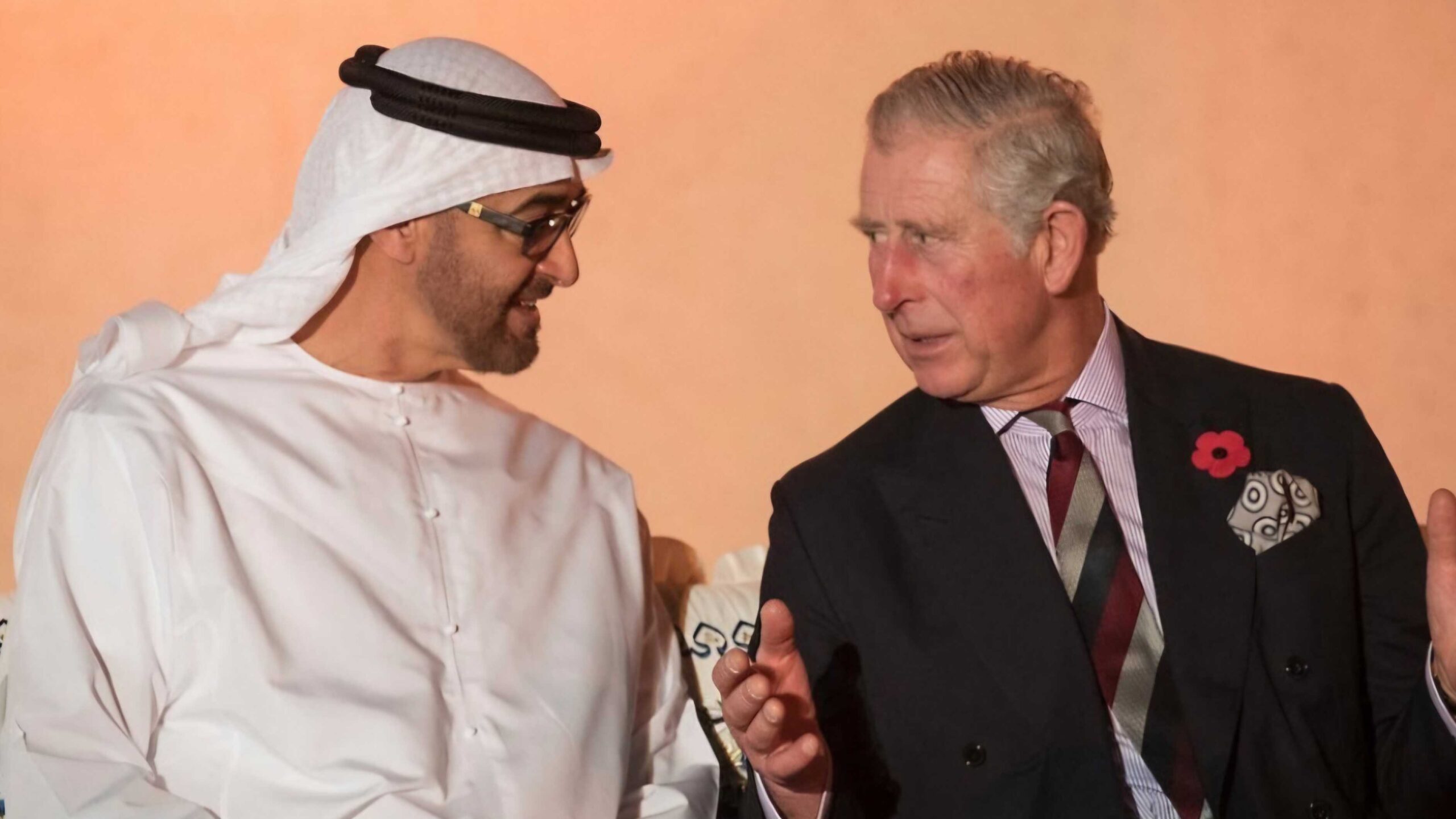
British MPs across parties demand UAE arms embargo over Sudan
Members of Parliament (MPs) from multiple UK political parties have called on the government to urgently review and suspend arms sales to the United Arab Emirates (UAE), following evidence that British-made military equipment has been used by the Rapid Support Forces (RSF) in Sudan. The RSF, a paramilitary group accused of committing atrocities, recently seized the city of el-Fasher in North Darfur, where they massacred civilians and reportedly executed 460 people in a hospital. Reports indicate that British arms have been found in RSF hands in combat zones, raising concerns about the UAE’s role in supplying weapons to the group. MPs from the Liberal Democrats, Green Party, Labour, Independent Alliance, and Scottish National Party have united in demanding an immediate halt to arms exports to the UAE. Monica Harding, Liberal Democrat MP, emphasized that the UK must ensure its equipment does not facilitate violence. Ellie Chowns of the Green Party urged the government to act swiftly to stop the bloodshed. Labour MP Abtisam Mohamed expressed outrage over British weapons fueling mass killings, calling for an urgent review of arms exports. The UN Security Council has received evidence linking the UAE to the supply of British arms to the RSF, despite the UAE’s denial of support. The Labour government faces mounting pressure to take a stronger stance, with MPs warning that continued arms sales undermine the UK’s international credibility and risk complicity in the violence. The conflict in Sudan, which began in April 2023, has displaced 13 million people and claimed tens of thousands of lives, with both the RSF and Sudanese Armed Forces accused of war crimes.
-
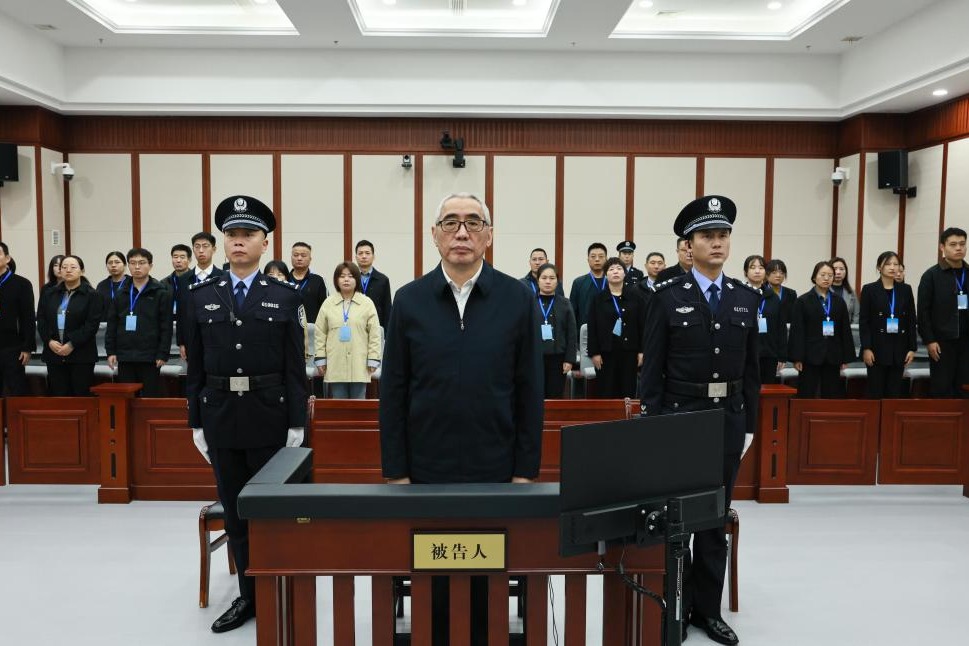
Former Gansu vice-governor sentenced to 14 years in major bribery case
Yang Zixing, the former vice-governor of Gansu province, has been sentenced to 14 years in prison and fined 5 million yuan ($700,000) for bribery and abuse of power. The verdict was announced by the Intermediate People’s Court of Weinan in Shaanxi province, following a statement released on the official website of the Supreme People’s Procuratorate. The court found that Yang, during his tenure in various senior positions including mayor and Party secretary of Dingxi, accepted bribes totaling over 50.4 million yuan ($6.9 million) between 2006 and 2024. Even after retirement, Yang continued to exploit his influence to secure contracts and investments for others, amassing an additional 8.57 million yuan. The court imposed a 13-year sentence and a 4-million-yuan fine for bribery, and a seven-year sentence with a one-million-yuan fine for leveraging his influence. The combined sentence totals 14 years, with all illicit gains confiscated and turned over to the state. Mitigating factors, such as Yang’s confession, return of illegal proceeds, and voluntary disclosure of unknown offenses, were considered by the court. The trial, which began on August 7, 2025, was attended by over 30 representatives from the National People’s Congress, the Chinese People’s Political Consultative Conference, the media, and the public.
-

PLA operations counter infringements and provocations
The People’s Liberation Army (PLA) Southern Theater Command announced on Friday, October 31, 2025, that it has conducted extensive combat-readiness patrols in the territorial waters and airspace surrounding Huangyan Island and adjacent areas in the South China Sea. According to an official statement, these operations, which began in October, involved the deployment of naval and air forces to enhance surveillance and control over the region. The PLA emphasized that these measures were taken to effectively counter infringements and provocations, ensuring the protection of national sovereignty and security. The statement further highlighted that these actions contribute to maintaining peace and stability in the South China Sea. The intensified patrols underscore China’s commitment to safeguarding its territorial integrity amidst ongoing regional tensions.
-
From concessions to conditions: Asia’s power is now programmable
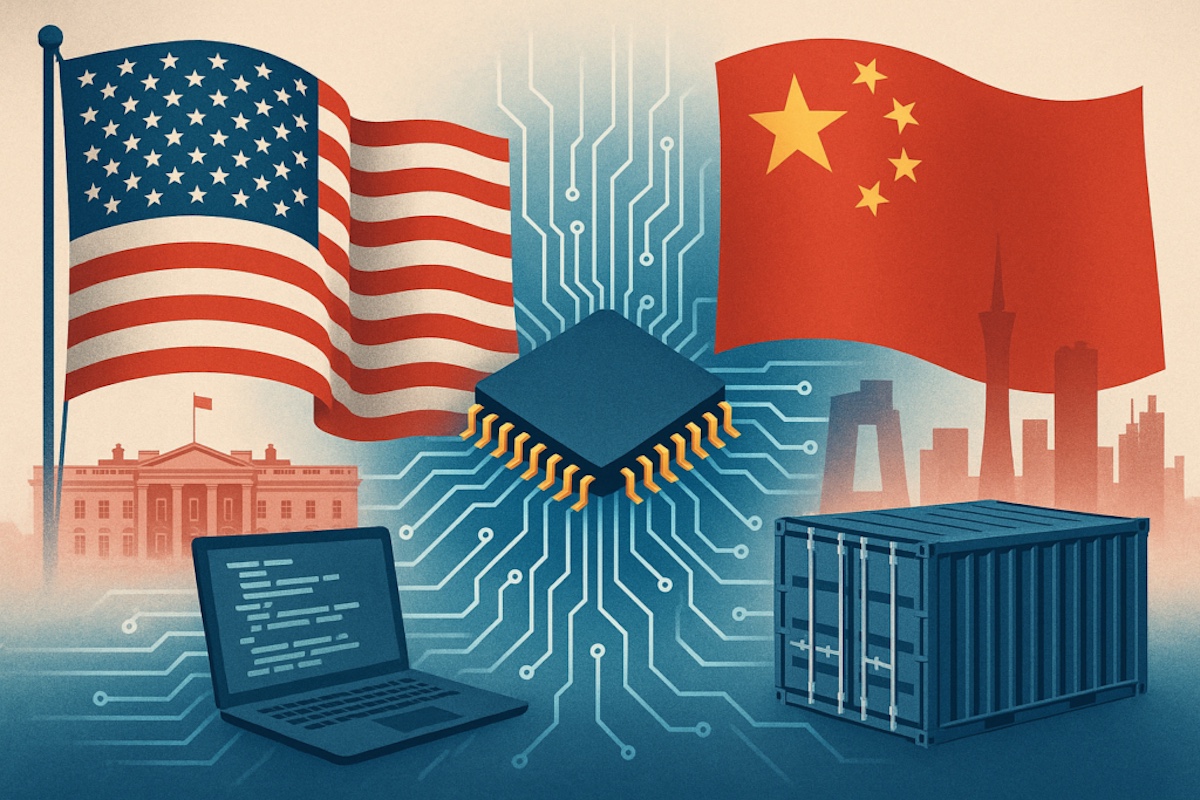
In 1925, power in Asia was visibly exerted through gunboats on rivers, foreign police patrolling Chinese streets, and tram boycotts that could be photographed. Fast forward to 2025, and power has become programmable—manifested through licenses that renew automatically, standards embedded in software, and compliance tracked via dashboards. This transformation marks the most significant shift over the past century. The battleground, once drawn on maps, is now fought through systems—supply chains, export lists, and audit trails. The Trump-Xi Busan meeting exemplified this change. It wasn’t about physical barricades but about levers that could be adjusted: export controls, time-bound licenses, refinery disclosures, precursor chemicals, and chip supplies. The meeting wasn’t a morality play of capitulation or defiance but a calculated reciprocity—each side offering reversible cooperation in exchange for time and predictability. Key chokepoints illustrate this logic. China refines the majority of rare earths essential for magnets, motors, and missiles, allowing it to control throughput as a form of escrow. South Korea, now a manufacturing democracy, hosts negotiations and holds practical leverage, a stark contrast to its role in 1925. The Netherlands’ licensing grip on advanced lithography tools creates predictable pulses of capability. Regional customs and port enforcement on fentanyl precursors can be targeted quietly to elicit movement elsewhere without grand declarations. This new paradigm requires calendars, counters, and credible follow-through rather than slogans. License renewals, minerals throughput, targeted port seizures, and customs dwell times serve as behavioral meters. If these indicators move in the right direction, the truce holds. If they stall, officials can reverse the levers without disrupting supply chains. Two practical implications emerge: first, treat interdependence as a tool, not a trap, by structuring market access, licensing, and standards as reversible and measurable sequences. Second, publish a minimal dashboard to anchor expectations. A one-page, monthly scoreboard on license renewals, minerals throughput, targeted seizures, and median dwell times would be more effective than numerous press conferences. The continuity with 1925 lies in the fact that mobilization still shapes outcomes—but today, it’s the mobilization of firms, insurers, and investors. Local nodes, such as a packaging line in Icheon or a refinery in Shandong, can alter the cost of escalation, much like a strike in Guangzhou once forced London and Tokyo to recalculate. Busan’s significance lies not in its language but in its quiet recoding of power in Asia as a sequence of programmable conditions. China can escrow minerals instead of weaponizing them outright. The United States can license chips in short cycles instead of banning them indefinitely. South Korea can pace advanced packaging and materials flows to maintain honesty. Regional authorities can apply surgical enforcement to signal seriousness without inviting spectacle. A century ago, power was made legible through street and port shutdowns by students and stevedores. Today, engineers, auditors, and logistics managers wield power by moving—or pausing—ones and zeros, parts, and permits. The stakes remain unchanged: who sets the terms of Asia’s future. Busan’s quiet dials—not its adjectives—will determine whether Asia becomes a supplicant, a spectator, or, finally, a system architect.
-
Guinea-Bissau arrests officers for alleged coup attempt
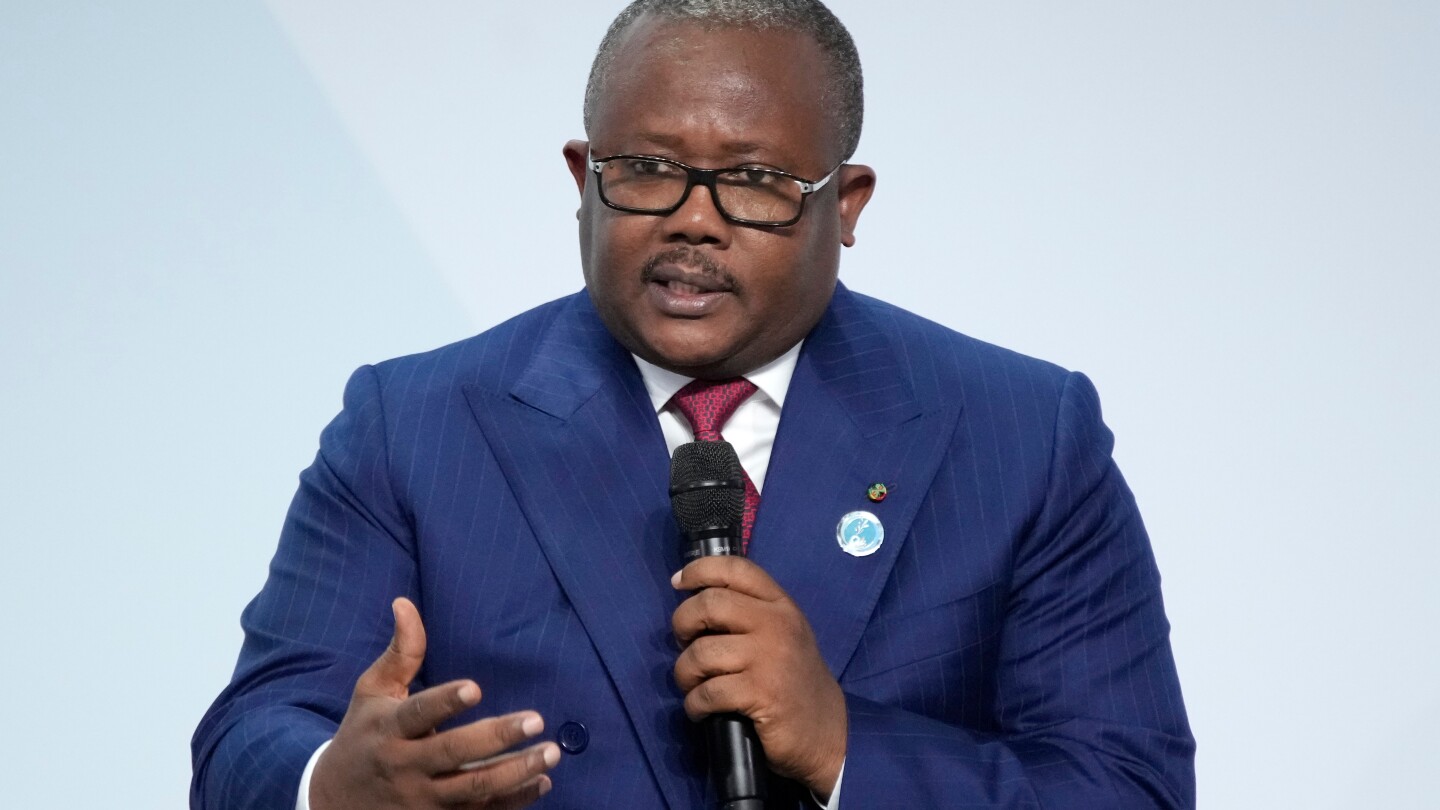
Guinea-Bissau’s armed forces announced on Friday the arrest of several military officers accused of orchestrating a coup attempt. The alleged plot, led by Brig. Gen. Daba Na Walna, director of a military training school, involved senior officers who had been reported missing since Monday. The announcement came just a day before the official start of the general election campaign, raising concerns about the nation’s stability. The armed forces’ General Staff condemned the incident, stating that it threatened the peace and socio-economic development crucial for attracting foreign investment. This marks the second known coup attempt against President Umaro Sissoco Embaló, who assumed power in 2020. The details of the accused plotters’ fate remain undisclosed. Guinea-Bissau, a small West African nation, has a history of political instability, with multiple coups since gaining independence from Portugal over 50 years ago. The current political climate is further strained by controversy over Embaló’s term. The opposition claims his term should have ended in February, but the Supreme Court extended it until September. Embaló, however, set the election date for November 30, declaring his first term would last until then. This decision has heightened tensions, with the opposition refusing to recognize his presidency. Earlier this year, a mediation mission from a West African regional bloc abruptly left the country after reportedly facing expulsion threats from Embaló.
-

US judge blocks Trump administration from halting Snap food benefits
In a significant legal development, federal judges have intervened to prevent the Trump administration from halting the Supplemental Nutrition Assistance Program (SNAP), a vital food aid initiative relied upon by over 40 million low-income Americans. The decision comes amid an ongoing government shutdown that has now stretched into its second month. On Friday, a Rhode Island judge issued a temporary restraining order, deeming the administration’s plan to suspend SNAP benefits likely unlawful. This ruling followed a similar decision by a Massachusetts federal judge, who mandated that the administration must provide at least partial benefits, citing legal obligations. The US Department of Agriculture had earlier announced that SNAP funds would not be distributed in November, claiming the ‘well has run dry’ due to the shutdown. The program, which provides reloadable debit cards for purchasing essential groceries, is a lifeline for millions, with an average family of four receiving $715 per month. While some states have pledged to cover the shortfall using their own funds, the federal government has warned that reimbursements will not be made. Half of US states have sued the administration, urging it to tap into a $6 billion emergency contingency fund for SNAP. The Massachusetts judge has given the administration until Monday to report on whether it will authorize partial benefits for November. In Rhode Island, a lawsuit brought by cities and NGOs challenged the ‘unlawful suspension’ of the program, with plaintiffs hailing the ruling as a ‘lifeline’ for vulnerable populations. The case underscores the broader political stalemate over the shutdown, with Republicans and Democrats continuing to trade blame without meaningful progress toward a resolution.
-

South African government criticizes Trump’s refugee policy prioritizing white Afrikaner minority
The South African government has expressed strong criticism of the United States’ recent refugee policy shift, which prioritizes Afrikaners, the country’s white minority group of Dutch descent. The Trump administration announced on Thursday a drastic reduction in the refugee admission ceiling from 125,000 to 7,500, with Afrikaners given preference. U.S. President Donald Trump has repeatedly claimed that Afrikaners face “genocide” in South Africa due to alleged persecution, discrimination, and high crime rates. This assertion has been widely discredited by experts and South African officials. The policy has further strained diplomatic relations between the two nations, with Trump suspending financial aid to South Africa and imposing high tariffs on its exports. South Africa’s Department of International Relations and Cooperation labeled the U.S. policy as deeply flawed and based on inaccurate premises. Spokesperson Chrispin Phiri emphasized that the claim of “white genocide” lacks credible evidence and undermines South Africa’s constitutional processes. The policy has sparked controversy within South Africa, with many Afrikaners rejecting the notion of needing asylum. A group of prominent Afrikaners, including politicians and activists, published an open letter opposing the idea of race-based refugee status, arguing that humanitarian policy should focus on vulnerability rather than race. However, some Afrikaner groups, like AfriForum, have raised concerns about safety and discriminatory policies, though they do not endorse the “genocide” claim. While the exact number of applicants remains unclear, 59 white South Africans were granted asylum in the U.S. in May, marking a contentious chapter in U.S.-South Africa relations.
-
Pakistan says it seeks no further escalation but urges Afghanistan to act against militants
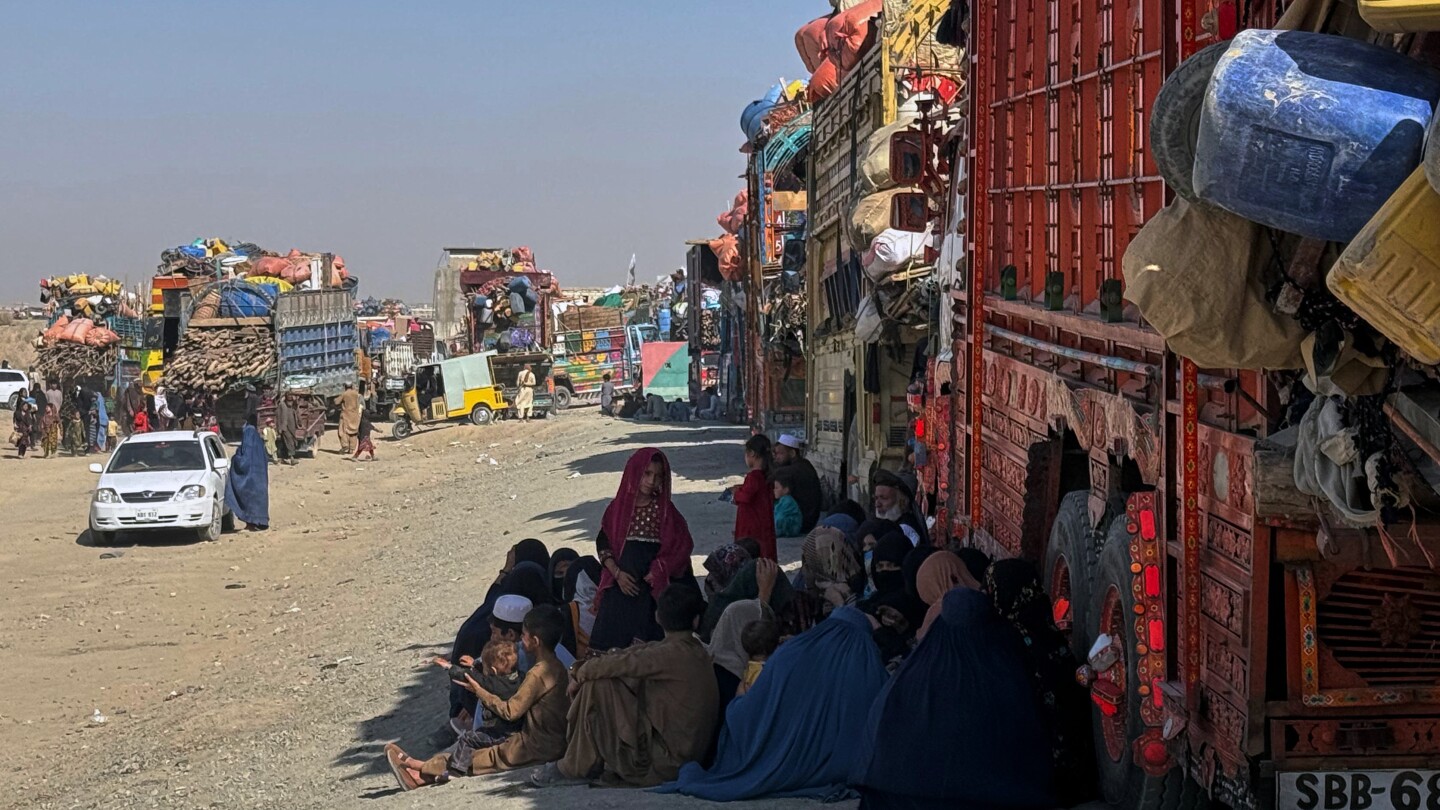
Pakistan has expressed its desire to avoid further escalation of hostilities with Afghanistan, urging the Taliban-led government to address its security concerns by curbing militant activities originating from Afghan territory. This statement, issued by Pakistan’s Foreign Ministry on Friday, marks a significant step toward easing tensions between the two neighboring nations. Earlier this month, border clashes resulted in numerous casualties, including soldiers, civilians, and militants, intensifying the strained relationship. The recent ceasefire agreement, facilitated by Turkey and Qatar, has provided a temporary respite, with both sides committing to maintaining peace following weeklong negotiations. Pakistan’s military had previously conducted strikes against Pakistani Taliban hideouts in Afghanistan, claiming to have eliminated insurgents. However, Afghanistan countered by asserting that civilians were killed and retaliated by targeting Pakistani military posts. The ceasefire, agreed upon on October 19 in Doha, was further solidified during talks in Istanbul, which concluded on Thursday night. Foreign Ministry spokesman Tahir Andrabi commended Qatar and Turkey for their mediation efforts and announced that both nations would reconvene in Istanbul on November 6 to finalize mechanisms for implementing the ceasefire. Despite the agreement, major border crossings remain closed, disrupting trade and leaving thousands of refugees stranded. While Afghanistan announced the reopening of the Torkham crossing for refugees, Pakistan has yet to confirm this development. Andrabi also criticized Afghanistan’s ambassador to Pakistan for airing grievances on social media, calling it a violation of diplomatic norms. Since 2023, Pakistan has intensified its campaign against illegal immigrants, deporting over a million Afghans. The situation remains fragile, with both nations navigating complex security and humanitarian challenges.