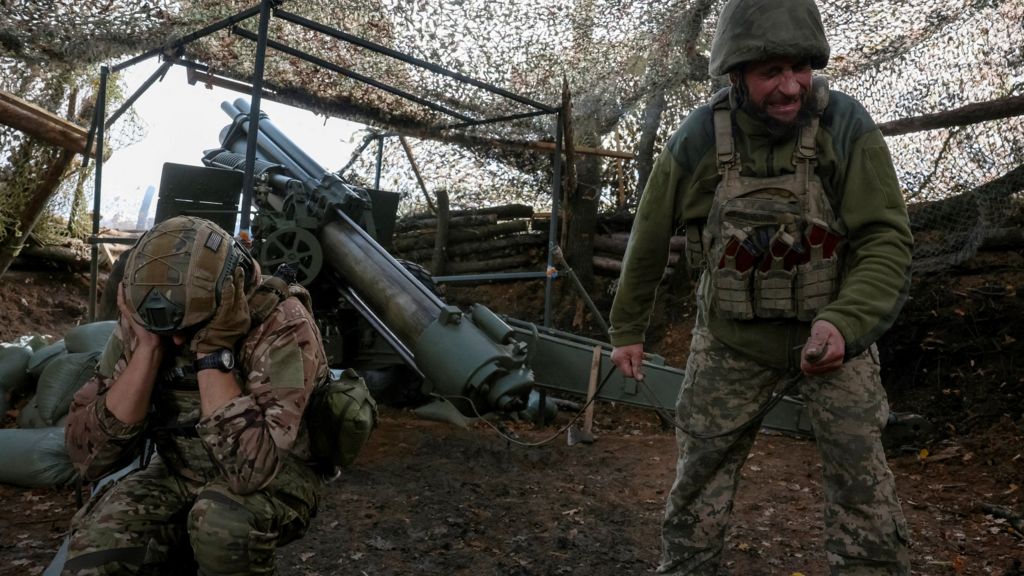
Ukrainian President Volodymyr Zelensky has declared the defense of Pokrovsk a top priority, as elite special forces have been deployed to the embattled town on the eastern front line. Ukrainian military sources revealed to the BBC that special forces from military intelligence and assault groups are being utilized as regular infantry to safeguard supply lines to troops stationed in the Donbas region. Reports of Russian advances around the strategic town, located west of Donetsk, have been increasing, though Ukraine has refuted claims that their forces are encircled. Moscow has demanded that Kyiv cede the entire Donbas region, including areas it does not currently control, as part of a peace agreement. Russia presently occupies approximately one-fifth of Ukrainian territory, including the Crimean peninsula annexed in 2014. The deployment of special forces underscores Kyiv’s determination to retain control of Pokrovsk, which Russia has been attempting to seize for over a year. Local media reports indicate that Kyrylo Budanov, head of Ukraine’s military intelligence, is personally overseeing operations in the region. Pokrovsk serves as a critical transport and supply hub, and its capture could facilitate Russian efforts to dominate the rest of the region. Kyiv also believes that losing Pokrovsk would bolster Russia’s narrative of military success, potentially pressuring the West to acquiesce to its demands. The US has expressed growing frustration with the Kremlin’s stalled peace negotiations, leading to sanctions on Russia’s largest oil producers and the cancellation of a planned summit between US President Donald Trump and Russian President Vladimir Putin. Zelensky has shown openness to Trump’s ceasefire proposal, which would freeze the conflict along current front lines, while Russia insists on Ukrainian troops withdrawing from the remaining Donbas territory. In his nightly address, Zelensky emphasized, ‘Pokrovsk is our priority. We continue to destroy the occupier, and that is what matters most… They must be halted where they have reached – and destroyed there.’ Meanwhile, Russia claims to have neutralized Ukrainian special forces who landed near Pokrovsk by helicopter, although the veracity of these claims remains unverified. Images shared with news agencies depict a Ukrainian Black Hawk helicopter deploying troops near Pokrovsk, though the exact location and date are uncertain. The Ukrainian open-source monitoring group DeepState estimates that about half of Pokrovsk is a ‘grey zone,’ with neither side in full control. A military source in Donetsk informed the BBC that Ukrainian forces are not surrounded but face intense fire on their supply lines. The US-based Institute for the Study War noted that Ukrainian forces have made marginal advances north of Pokrovsk, but the town remains largely contested.
分类: politics
-

Trump says ready to maintain US food aid funding despite shutdown
As the US government shutdown enters its second month, President Donald Trump has pledged to ensure the continuation of food aid for millions of low-income Americans, despite the ongoing political impasse. In a detailed post on Truth Social, Trump acknowledged that government lawyers believe there is no legal authority to fund the Supplemental Nutrition Assistance Program (SNAP) after November 1. However, he emphasized that he has directed officials to explore legal avenues to maintain the program, stating, ‘I don’t want anyone to go hungry.’
-
Trump restricts reporters’ access to White House press office
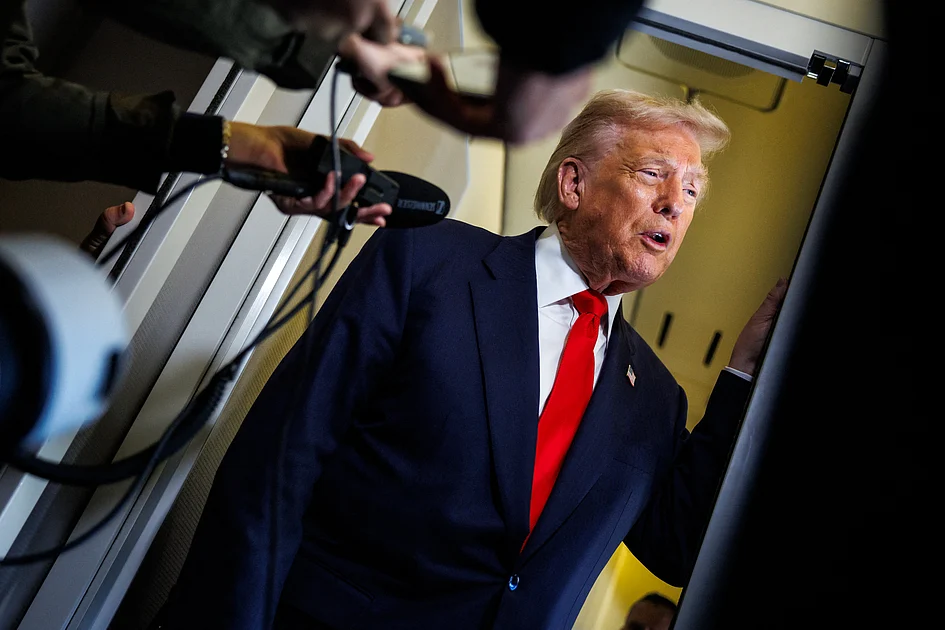
The Trump administration has introduced stringent new measures limiting journalists’ access to key areas within the White House press office. Effective immediately, reporters are barred from entering the ‘Upper Press’ area, located adjacent to the Oval Office, without prior appointment. This decision, outlined in a memo from the White House National Security Council (NSC), cites the need to safeguard ‘sensitive material’ from unauthorized disclosure. The ‘Upper Press’ zone houses the office of Press Secretary Karoline Leavitt and is a critical hub for media interactions. White House Communications Director Steven Cheung defended the policy, alleging that reporters had been ‘ambushing’ cabinet secretaries and secretly recording audio and video in the area. However, no concrete evidence was provided to substantiate these claims. Journalists retain access to the ‘Lower Press’ area, situated near the White House briefing room, where junior press officers are stationed. This move is part of a broader trend of tightening media access under the Trump administration, which has also imposed new restrictions at the Pentagon and reduced access for mainstream outlets while favoring right-wing media. The policy has drawn comparisons to similar measures during the Clinton administration, which were later rescinded. Critics argue that these restrictions undermine press freedom and transparency, while supporters claim they are necessary to protect sensitive information.
-
US urges ASEAN to be firm in countering China in the South China Sea
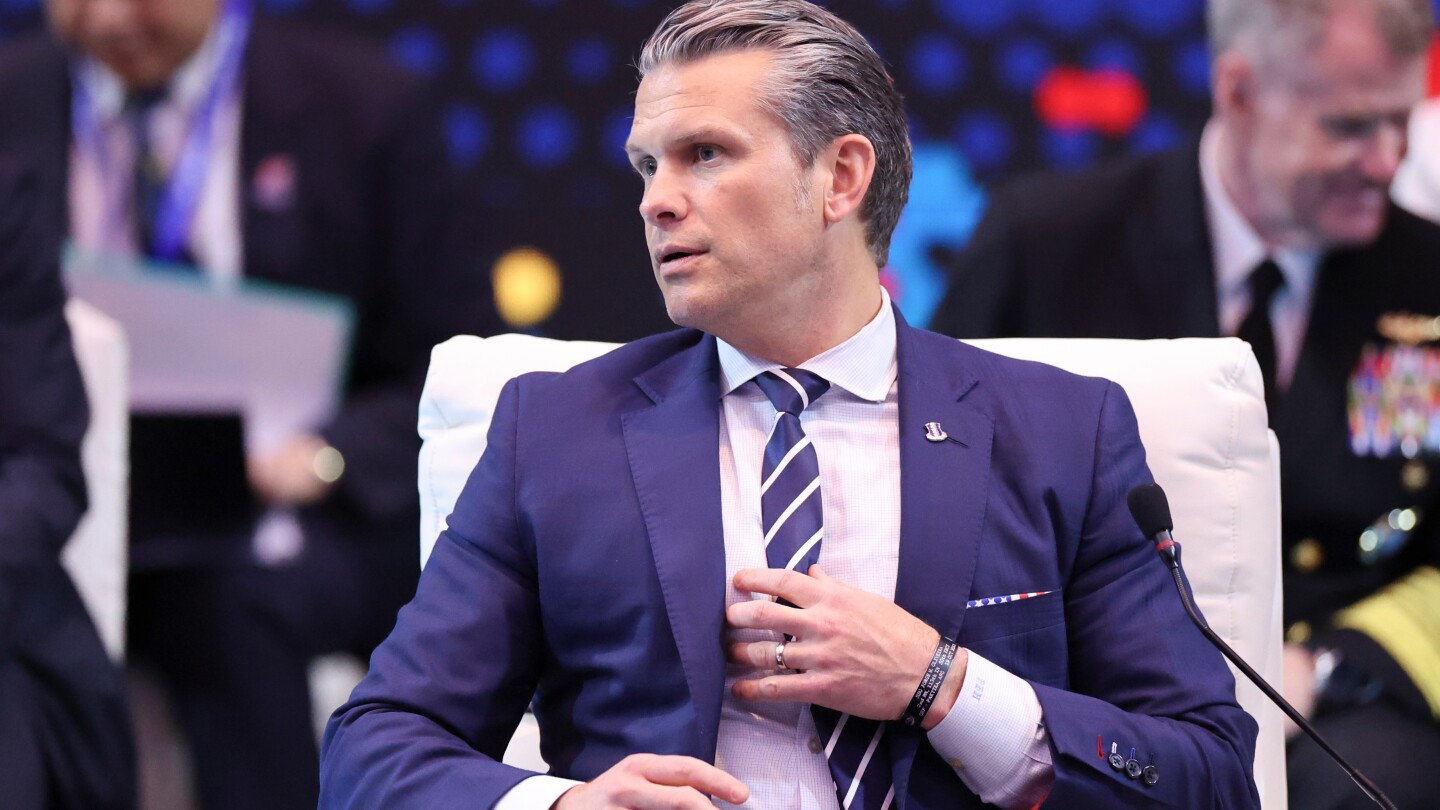
KUALA LUMPUR, Malaysia — U.S. Defense Secretary Pete Hegseth called on Southeast Asian nations to bolster their maritime capabilities to counter China’s increasingly aggressive actions in the South China Sea. Speaking at a meeting with Association of Southeast Asian Nations (ASEAN) counterparts, Hegseth emphasized the destabilizing impact of China’s recent activities, including vessel ramming and the use of water cannons. The South China Sea remains a highly contested region, with China claiming nearly the entire area, while ASEAN members such as the Philippines, Vietnam, Malaysia, and Brunei assert overlapping claims. The Philippines, a key U.S. ally, has faced frequent confrontations with Chinese maritime forces. Hegseth criticized China’s recent designation of Scarborough Shoal, seized from the Philippines in 2012, as a ‘nature reserve,’ calling it a tactic to expand territorial claims. He urged ASEAN to accelerate the conclusion of a Code of Conduct with China and enhance joint surveillance and rapid-response mechanisms. He also proposed a ‘shared maritime domain awareness’ system to ensure collective security. Additionally, Hegseth welcomed plans for an ASEAN-U.S. maritime exercise in December, aimed at reinforcing freedom of navigation and sovereign rights. China, however, dismissed U.S. criticism, accusing Washington of provoking tensions and interfering in regional affairs. Chinese officials labeled the Philippines a ‘troublemaker’ following recent joint naval and air drills with the U.S., Australia, and New Zealand, which Beijing claimed undermined regional stability.
-
Andrew should answer Epstein questions in US, Democrats say
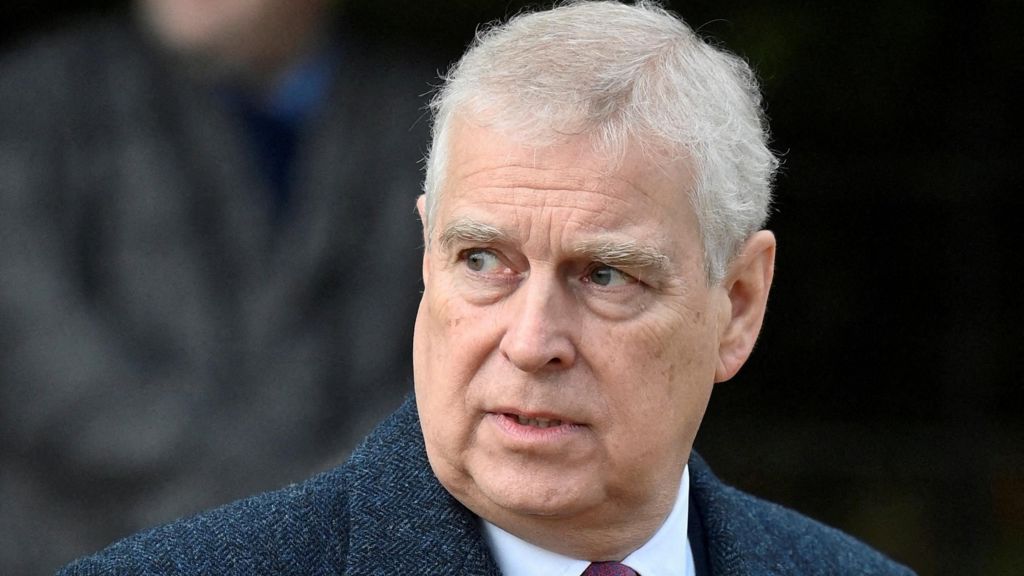
In a significant move, King Charles III has officially revoked Prince Andrew’s title as a member of the British royal family. This decision, announced on Thursday, comes amidst mounting pressure over Andrew’s controversial ties to the late financier and convicted sex offender Jeffrey Epstein. Andrew has consistently denied any wrongdoing, but the scandal has cast a long shadow over the monarchy. The U.S. House Oversight Committee, currently investigating the Epstein case, has intensified its calls for Andrew to testify. Despite the committee being Republican-led, several Democratic members have urged Andrew to come forward voluntarily. Congressman Suhas Subramanyam emphasized the importance of Andrew’s testimony, stating, ‘If he wants to clear his name and do right by the victims, he will come forward.’ Fellow committee member Raja Krishnamoorthi suggested that a subpoena could be issued, though enforcement would be challenging given Andrew’s residence outside the U.S. Meanwhile, Liz Stein, one of Epstein’s accusers, criticized Andrew’s reluctance to cooperate, questioning why he remains unwilling to speak if he has ‘nothing to hide.’ Newly surfaced court documents reveal a 2010 email exchange between Andrew and Epstein, where Andrew expressed a desire to ‘catch up in person,’ contradicting his earlier claims of having severed ties. The Palace’s statement on the matter underscored the seriousness of the situation, expressing sympathy for the victims while acknowledging ‘serious lapses of judgment’ in Andrew’s conduct. The decision to strip Andrew of his title reflects the monarchy’s efforts to address the ongoing controversy and restore public trust.
-
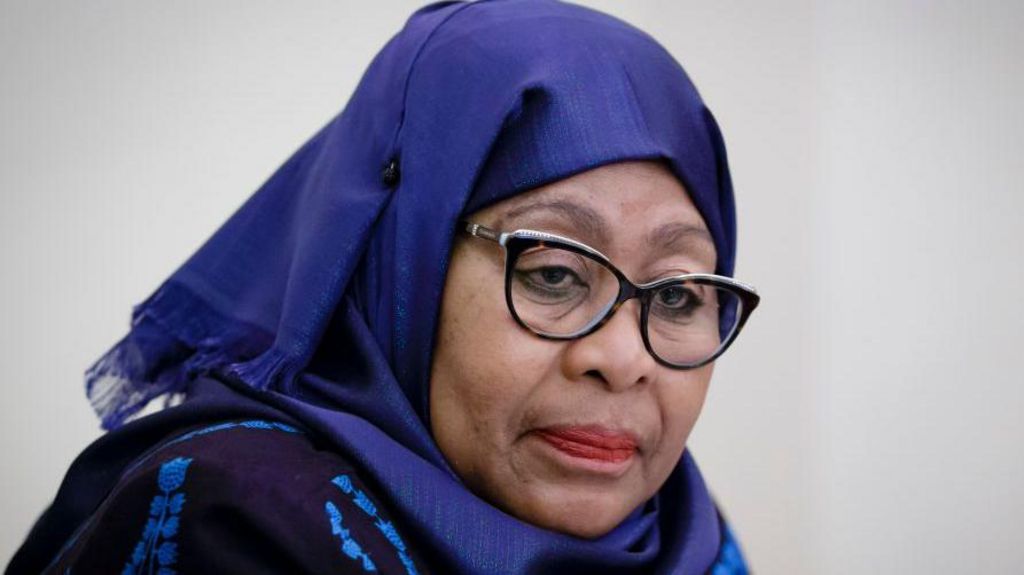
Samia wins Tanzania election with 98% of votes amid unrest
Tanzania’s President Samia Suluhu Hassan has been re-elected for another term, securing a landslide victory with 98% of the votes, according to the electoral commission. The announcement came after days of widespread unrest, with reports of hundreds of casualties and a nationwide internet shutdown complicating efforts to verify the death toll. International observers have raised concerns over the lack of transparency and the violent clashes that have marred the election process. The government has downplayed the scale of the violence, extending a curfew to restore order. In Zanzibar, the semi-autonomous archipelago, incumbent President Hussein Mwinyi also won re-election with nearly 80% of the vote, though the opposition has alleged ‘massive fraud.’ Protests erupted in major cities, with demonstrators tearing down campaign posters and clashing with security forces. Opposition leaders have accused the government of undermining democracy by suppressing their candidates, one of whom is jailed and another disqualified on technical grounds. Rights groups, including Amnesty International, have condemned the government’s alleged repression, citing enforced disappearances and extrajudicial killings. Samia, Tanzania’s first female president, assumed office in 2021 following the death of her predecessor, John Magufuli. Her ruling party, Chama Cha Mapinduzi (CCM), has dominated Tanzanian politics since independence.
-
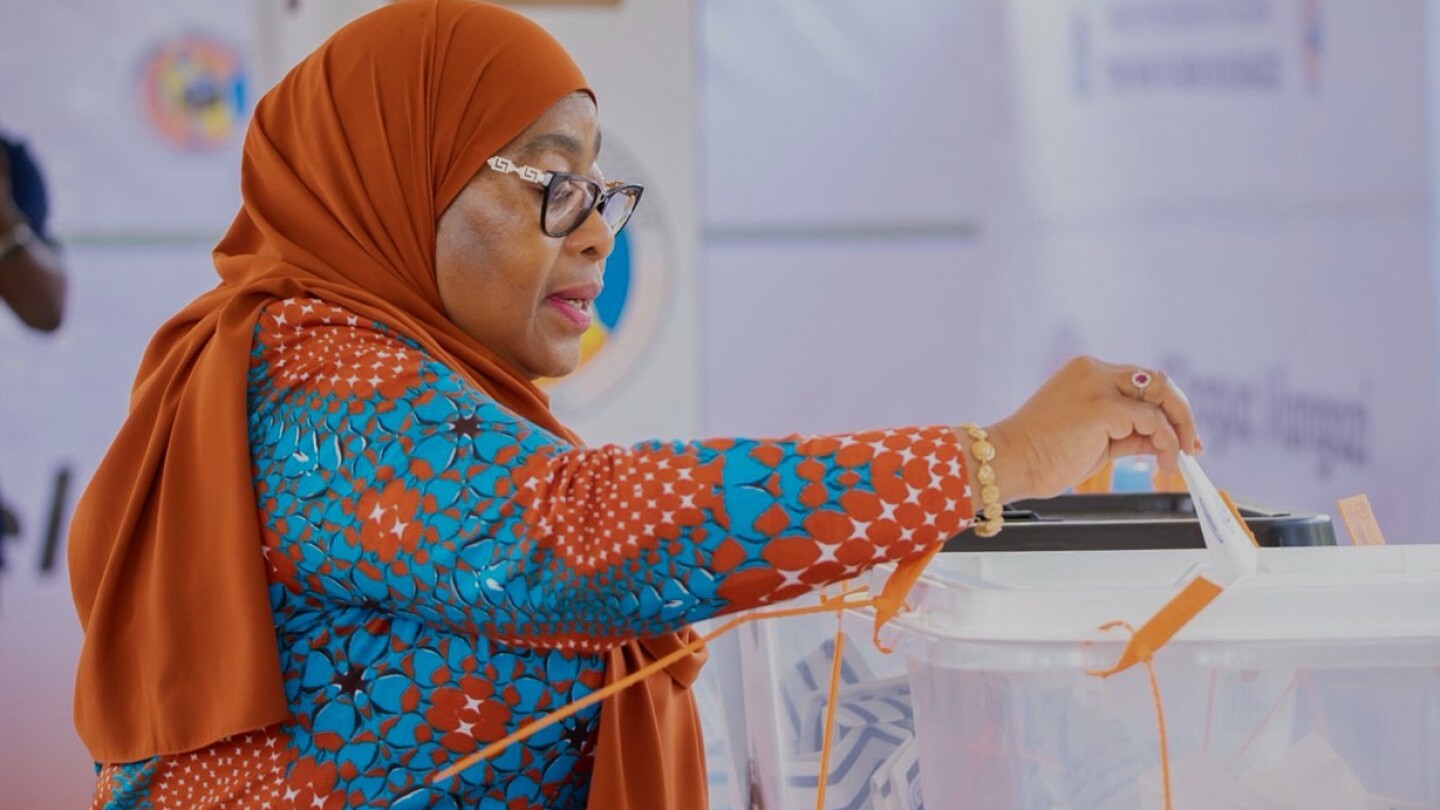
Tanzania President Hassan wins disputed election with more than 97% of vote, official results show
Tanzanian President Samia Suluhu Hassan has secured a landslide victory in the country’s disputed election, garnering over 97% of the vote, as per official results announced early Saturday. This unprecedented win, rare in the region, has sparked concerns among critics and opposition groups, who argue that the election was less of a contest and more of a coronation. Hassan’s two main rivals were either barred or prevented from running, leaving her to face 16 candidates from smaller parties. The October 29 election was marred by violence, with demonstrators taking to the streets of major cities to protest the vote and halt the counting process. The military was deployed to assist police in quelling riots, and internet connectivity in the East African nation was intermittently disrupted. Tundu Lissu, leader of the opposition group Chadema, has been jailed for months on treason charges after calling for electoral reforms he deemed essential for free and fair elections. Another opposition figure, Luhaga Mpina of the ACT-Wazalendo group, was also barred from running. The ruling Chama Cha Mapinduzi party’s decades-long grip on power was at stake, as charismatic opposition figures emerged, hoping to lead the country toward political change. Rights groups, including Amnesty International, have cited a pattern of enforced disappearances, arbitrary arrests, and extrajudicial killings in Tanzania ahead of the polls. In June, a United Nations panel of human rights experts reported over 200 cases of enforced disappearance since 2019, expressing alarm at the repression ahead of the elections. The International Crisis Group noted that Tanzania’s president oversaw an unprecedented crackdown on political opponents, curbing freedom of expression through bans on platforms like X and restrictions on the Tanzanian digital platform JamiiForums, as well as silencing critical voices through intimidation or arrest. The political maneuvering by Tanzanian authorities is unprecedented, even in a country where single-party rule has been the norm since the advent of multi-party politics in 1992. Critics argue that previous leaders tolerated opposition while maintaining a firm grip on power, whereas Hassan is accused of leading with an authoritarian style that defies youth-led democracy movements elsewhere in the region.
-
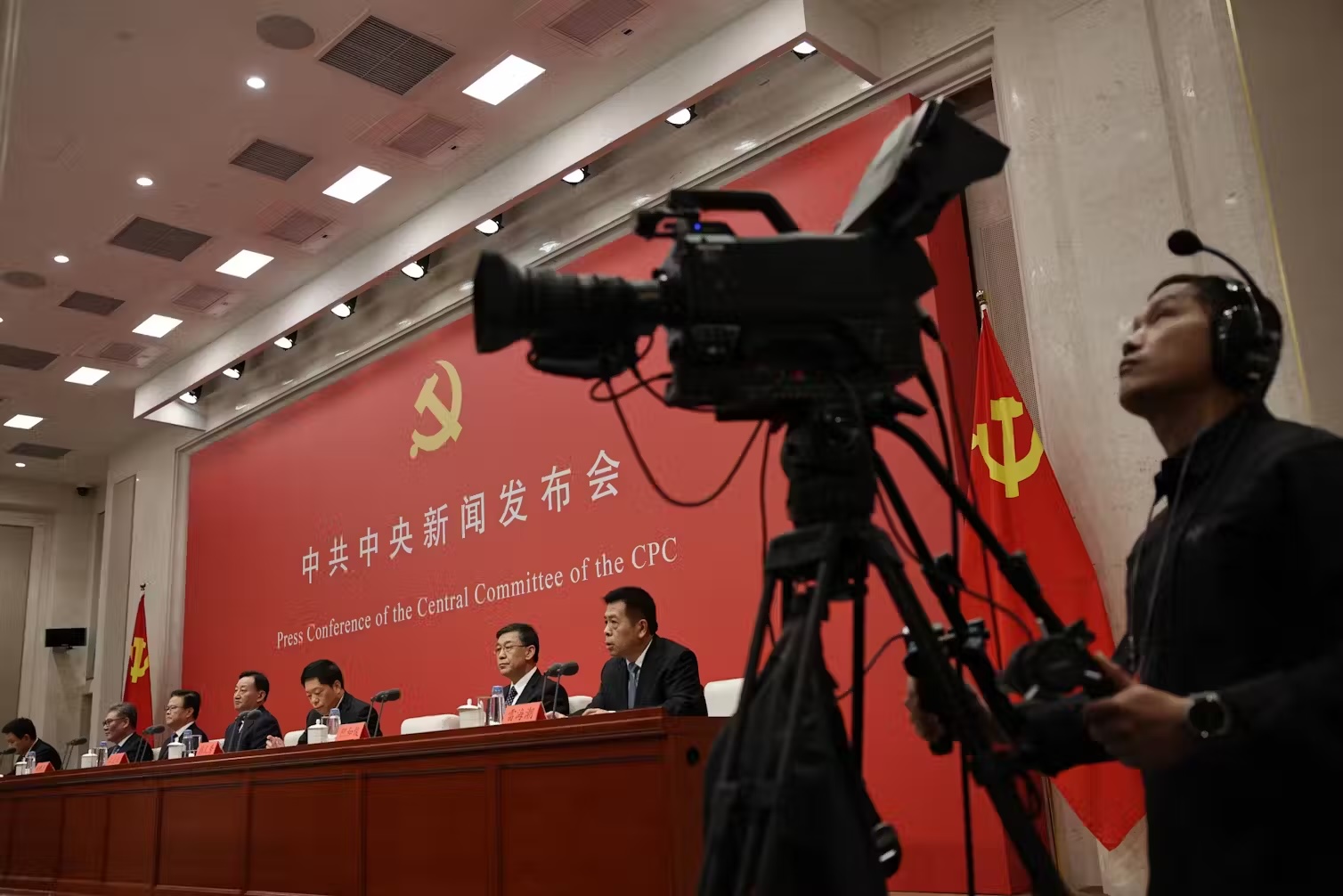
Trump-Xi talks didn’t change Beijing’s priority: flagging economy
In a significant diplomatic engagement, Chinese President Xi Jinping and U.S. President Donald Trump convened for their first face-to-face meeting in six years during talks in South Korea. President Trump emerged from the discussions expressing exceptional optimism, rating the encounter a “12 on a scale of 1 to 10” and announcing forthcoming reductions in U.S. tariffs on Chinese imports. In reciprocal arrangement, China committed to enhanced American access to rare earth minerals—critical components in high-technology manufacturing.
The Chinese response, conveyed through a foreign ministry statement, struck a more measured tone, noting that both leaders had “exchanged views on important economic and trade issues” while expressing Xi’s willingness to “continue working with Trump to build a solid foundation for China and the US.” This diplomatic caution reflects Beijing’s ongoing concerns about the Trump administration’s unpredictability and its potential impact on China’s economy.
The summit occurred against the backdrop of China’s fundamental economic recalibration, following the Chinese Communist Party’s Fourth Plenum which established self-reliance as the nation’s primary development priority. This strategic shift responds to multiple challenges: a pronounced economic slowdown, a devastating 2021 property market collapse that wiped out wealth for millions of citizens, and persistent trade tensions with the United States that have disrupted China’s export-dependent growth model.
Historically, China’s economic miracle relied on two pillars: massive infrastructure and real estate investment, and manufactured goods exports. Both engines have now stalled. Investment has plateaued while the trade war with America—China’s largest export market—has created sustained uncertainty, exacerbated by Trump’s imposition of 145% tariffs on most Chinese goods upon returning to office in January 2025.
In response, Chinese officials are attempting to pivot toward domestic consumption-driven growth through improved job opportunities, healthcare, and social benefits. However, this transition faces substantial obstacles including weak social safety nets that encourage precautionary savings, and heavily indebted local governments with limited capacity to fund public services.
Concurrently, China pursues technological leadership in AI and advanced computing by 2035—another domain where self-reliance has become imperative due to sweeping U.S. technology restrictions. Despite the recent diplomatic engagement, American limitations on semiconductor exports remain largely intact, with Trump explicitly excluding China from accessing Nvidia’s most advanced Blackwell chips.
The rare earth minerals concession represents a strategic victory for Beijing, which had imposed export restrictions in October apparently to strengthen its negotiating position. For Xi Jinping, whose political legitimacy rests heavily on economic performance and nationalist sentiment, such tangible successes are crucial amid growing economic challenges that threaten even his considerable authority.
-
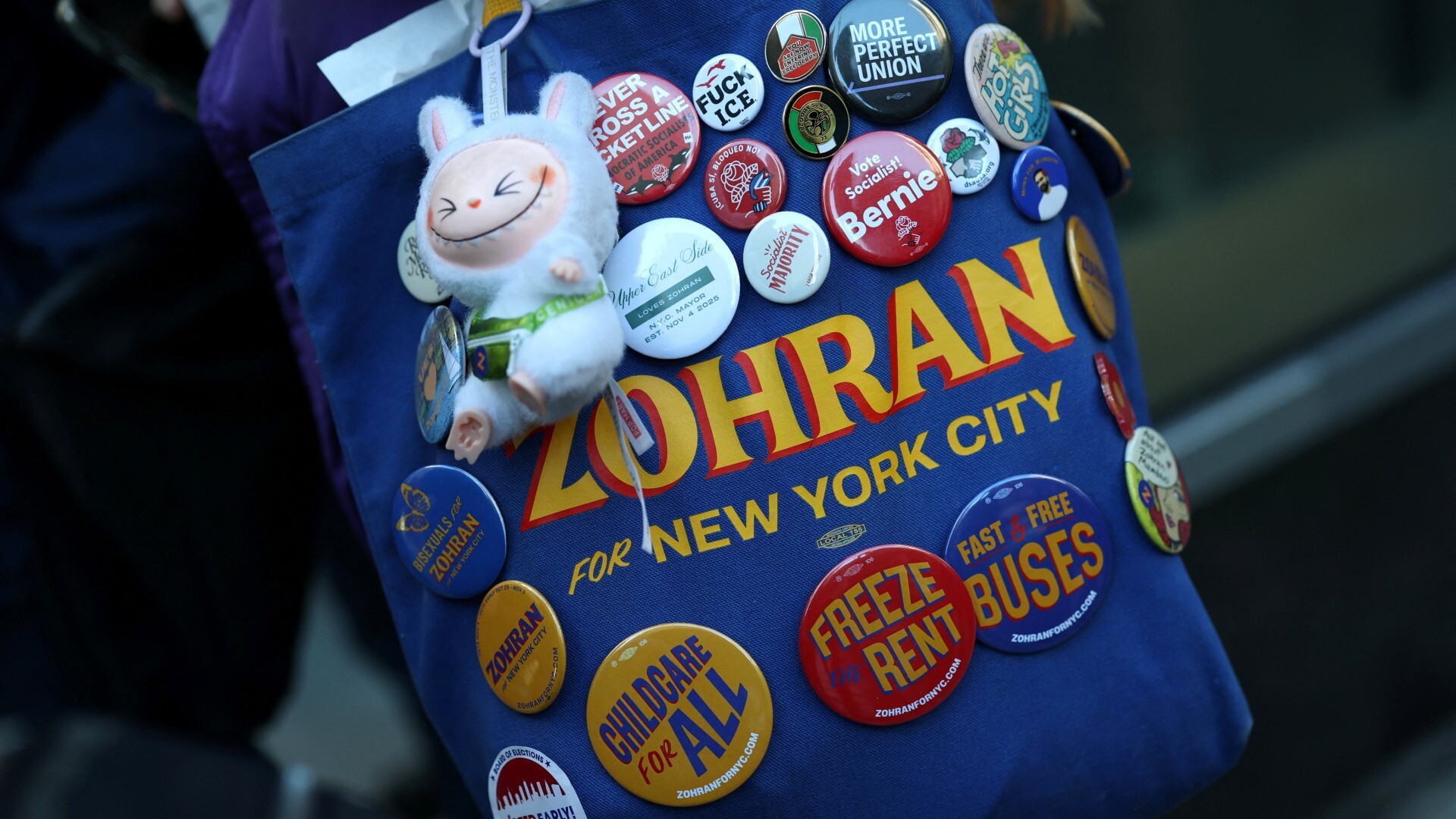
Why so many Jews are campaigning for Zohran Mamdani in New York City
New York City, home to the largest Jewish population outside of Israel, has become a focal point in the ongoing mayoral election. With nearly a million Jewish residents, the community’s diverse political and cultural perspectives are shaping the race. Zohran Mamdani, a candidate in the Democratic primary, has garnered significant support from younger Jewish voters, with 67% of Jews under 44 voting for him. Overall, Mamdani secured 43% of the Jewish vote, according to recent polls. A subgroup of his supporters, known as ‘Jews for Zohran,’ has emerged, comprising individuals and organizations like Jews for Racial and Economic Justice and Jewish Voice for Peace. These groups have mobilized to engage both Jewish communities and New Yorkers at large. Despite being labeled as antisemitic by some critics, Mamdani has attracted Jewish voters who believe in his vision for affordable housing, healthcare, and social equity. Jacob Bloomfield, a canvasser for Mamdani, emphasized the candidate’s commitment to addressing systemic inequalities, stating that ‘everyone in our society should have access to a basic standard of living.’ Actor and comedian Matt Ketai, another supporter, praised Mamdani’s energy and principles, while criticizing Islamophobic narratives perpetuated by opponents like Andrew Cuomo. Journalist Caleb Espiiritu-Bloomfield highlighted the generational divide within the Jewish community over Israel, noting that younger Jews are less tied to traditional views. While Mamdani’s stance on Israel remains a point of contention, many Jewish voters see him as a unifying figure who understands the challenges faced by minorities in a Christian-majority society. As the election approaches, Mamdani’s campaign continues to resonate with Jewish voters who prioritize social justice and inclusivity.
-
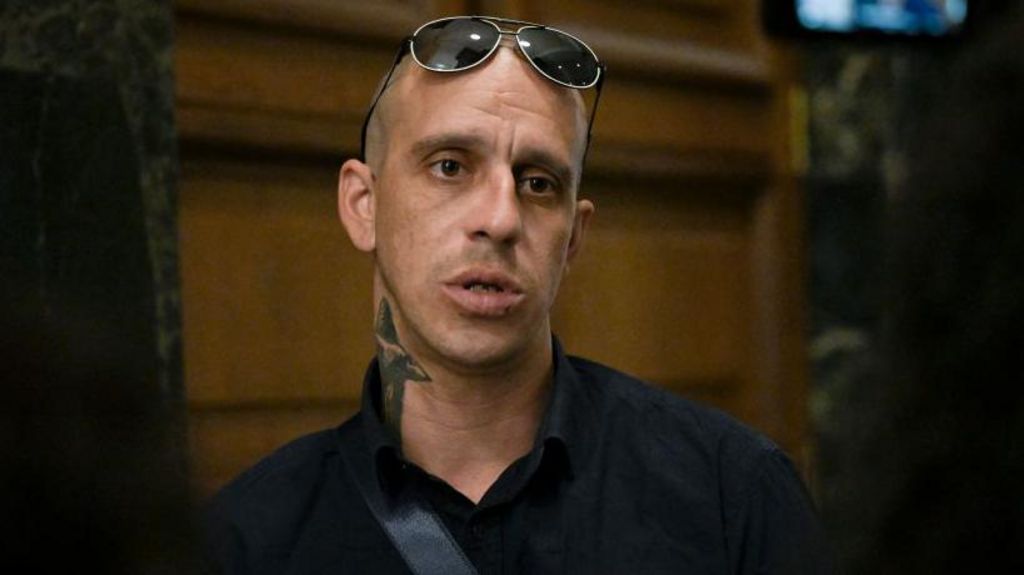
Hand of Moscow? The men jailed for vandalism in French hybrid warfare case
In a case that underscores the evolving nature of modern hybrid warfare, three Bulgarian men were sentenced to two to four years in prison for their involvement in a Kremlin-linked campaign to destabilize France. The trial, held in a Paris courtroom, revealed a stark contrast between the sophistication of hybrid warfare and the mundane reality of its execution. Georgi Filipov, Nikolay Ivanov, and Kiril Milushev admitted to vandalizing the Wall of the Righteous, a Holocaust memorial, with red handprints in May 2024. Despite their admissions, they denied working for a foreign power or harboring antisemitic motives. The trio’s actions were part of a broader series of symbolic attacks in France, including pigs’ heads left outside mosques and coffins placed near the Eiffel Tower. These incidents were amplified by Russian social media trolls, aiming to sow discord and question the stability of French society. France, with its political divisions and historical ties to Moscow, has become a prime target for such operations. The defendants, described as low-level operatives, were allegedly recruited through discreet channels, highlighting a shift from high-cost espionage to cost-effective, deniable proxies. Filipov, who claimed ignorance of the operation’s significance, was paid €1,000 for his role. Milushev cited personal struggles, while Ivanov, considered the mastermind, received the harshest sentence. The case raises questions about the Kremlin’s role in exploiting societal fractures to undermine Western democracies.