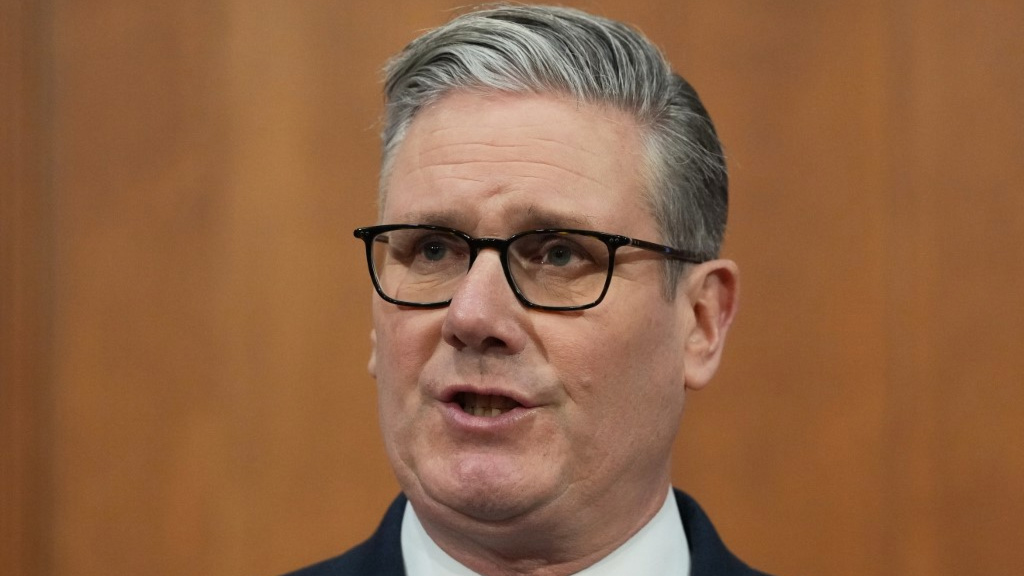
London is stepping forward to organize a virtual international summit this Thursday, launching a diplomatic push to build a global coalition aimed at compelling Iran to reopen the strategically critical Strait of Hormuz. The initiative comes in the wake of former US President Donald Trump’s controversial declaration that Washington would not assist European allies in reopening the waterway, telling the UK and other nations they must handle the task independently to secure their own oil supplies.
分类: politics
-
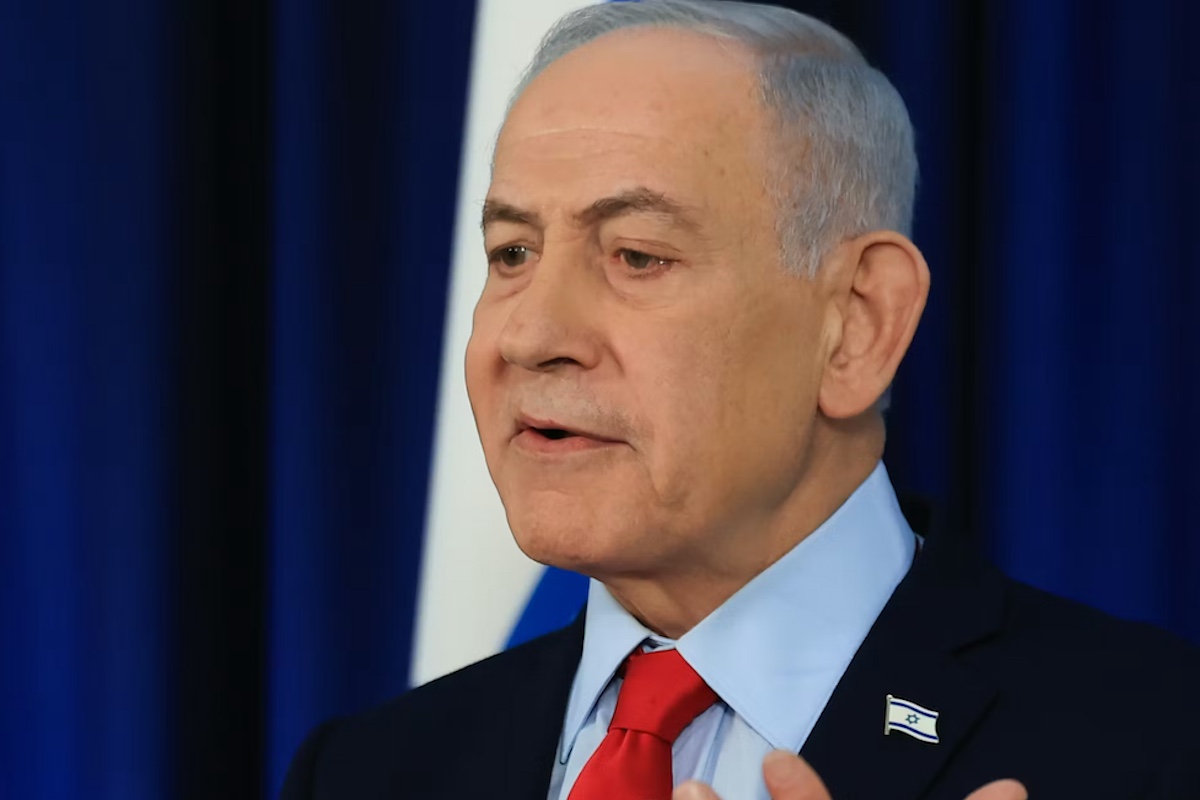
Forget Trump – Netanyahu’s Iran endgame is what really matters
Two months have passed since the outbreak of open conflict between the United States, Israel, and Iran, and the battlefield dynamic has shifted dramatically from what initial projections predicted. While the US-Israeli bloc scored swift, high-profile gains in the opening weeks of hostilities, the unexpected resilience of Iran’s governing institutions and military has robbed the alliance of its early strategic initiative, leaving it reacting to developments rather than shaping the war’s outcome on its own terms.
Analysts point to a deep, foundational divide in the core strategic objectives of Washington and Tel Aviv as the primary root of this shifted momentum. This conflict, launched under the Trump administration, has already exposed a fundamental contradiction with decades of US policy in the Persian Gulf, rooted in the 1980 Carter Doctrine.
Unveiled by then-President Jimmy Carter in his 1980 State of the Union Address, the doctrine was crafted in response to two seismic regional shifts: the 1979 Iranian Revolution and the Soviet Union’s invasion of Afghanistan. Carter made clear that any foreign attempt to seize control of the Persian Gulf, a region central to global energy security, would be viewed as an attack on core US interests and repelled by any means necessary, including full military force.
To operationalize this doctrine, the US permanently stationed its Fifth Fleet in the Persian Gulf, imposed sweeping economic sanctions on Iran and the Soviet Union, and steadily expanded its military footprint across the region. Since 2001 alone, the number of US military bases in the Gulf has grown exponentially, with roughly 50,000 American military personnel currently deployed across the region. Even with this overwhelming military dominance, every US administration for decades acknowledged that a full-scale war to overthrow the Iranian government would backfire. A direct conflict, policymakers recognized, would risk triggering the exact outcome the Carter Doctrine was designed to prevent: Iran could block access to the Strait of Hormuz, the world’s most critical chokepoint for global oil shipments, effectively ceding control of the Persian Gulf’s energy supply chains to hostile forces. For generations, Washington thus accepted a tentative status quo with Tehran.
For Israel, however, the strategic calculus of conflict with Iran could not be more different. Iran is the leading state backer of the so-called Axis of Resistance, a loosely aligned coalition of anti-Western and anti-Israeli groups including Syria, Hezbollah, the Houthis, and Hamas. The coalition’s core stated goals are to oppose US regional hegemony, end Israeli statehood, and support Palestinian resistance to Israeli occupation in the Palestinian territories. While the coalition has never possessed the military capacity to deliver on its most ambitious goals, Iran has long provided financing, training, and arms to Hamas and Hezbollah to carry out resistance operations against Israel.
For decades, Washington successfully pressured Israel to avoid large-scale sustained military action against Axis of Resistance members, a compromise that preserved the Persian Gulf status quo and kept global energy supplies flowing. That arrangement collapsed entirely after the October 2023 Hamas-led attacks on Israel, which removed US restrictions on Israeli military escalation. In response to the attacks, Israeli Prime Minister Benjamin Netanyahu’s government launched its long-standing “mowing the grass” strategy – a doctrine that calls for degrading an adversary’s capabilities by eliminating frontline leadership, destroying military, political, and economic infrastructure, and establishing a new deterrence balance.
Israel first applied this strategy against Hamas in Gaza and Hezbollah in southern Lebanon, advancing into southern Lebanese territory to establish a new buffer zone that would strip Hezbollah of its historic strongholds along the Israeli border. The campaign has come at a devastating humanitarian cost: hundreds of Lebanese civilians have been killed, and widespread systematic destruction of civilian infrastructure has been documented. Israel has now extended this same destruction-focused strategy to Iran itself, carrying out a campaign of targeted assassinations of senior political and military leaders and striking infrastructure across the country, including civilian sites.
Beyond the military dimension, the conflict has delivered major immediate political benefits for Netanyahu, who faces national elections scheduled for October 27. The 2023 Hamas attacks were a major political blow to the prime minister, who had built his decades-long political brand as Israel’s unshakable security guarantor. Now, on the campaign trail, Netanyahu can point to gains against Hamas, Hezbollah, and Iran to rebuild his credibility. A victory at the polls would not only allow him to retain the prime ministership – it would also put him in a position to secure a pardon from President Isaac Herzog and end his years-long ongoing corruption trial. For Netanyahu, the incentives to continue the conflict are clear, but the short-term political gains carry steep long-term costs.
First, public support for Netanyahu’s government remains contingent on delivering on his maximalist goals: the total destruction of Hamas and Hezbollah, and the collapse of Iran’s current ruling regime. Early 2025 polling shows that support for Netanyahu’s right-wing Likud Party plummeted immediately when news of a potential ceasefire with Hamas broke. If the Trump administration moves forward with a ceasefire agreement that Iran demands includes a cessation of hostilities against Hezbollah, Netanyahu could see his polling lead evaporate overnight.
Second, international public support for Israel has fallen to historic lows in the years following the 2023 outbreak of hostilities. Recent polling shows that 65% of Democratic voters and 41% of independent voters in the US now sympathize with Palestinians, and even among Republican supporters, backing for Israel is at its lowest point since 2004. The trend is identical across Europe, where 2025 polling records historic low support for Israeli policy. This shift carries major material risks for Israel: the country relies on $3.8 billion in annual US military aid and unrestricted access to American weapons and munitions to sustain its military campaigns. Without this support, Israel would not be able to carry out offensive operations without major economic consequences, and would likely face a severe recession. Given President Trump’s well-documented history of unpredictable policy shifts, this support cannot be counted on as a given.
Third, Netanyahu and multiple senior members of his cabinet are currently under investigation by the International Criminal Court (ICC) on charges of genocide, war crimes, and crimes against humanity stemming from Israeli military conduct in the Gaza campaign. While the Israeli government has repeatedly denied any wrongdoing, an adverse ruling from the court would further erode international support and leave Israel more diplomatically isolated than ever.
Finally, even after two months of intense military pressure that has significantly weakened Iran, Hamas, and Hezbollah, the mere survival of these groups against a far more militarily powerful alliance is already being framed as a political victory for their cause. Worse for Israel, the decimation of older leadership has cleared the way for younger, more hardline, more emboldened leaders to take control across the Axis of Resistance. That makes the eventual reemergence of a more militant, revenge-focused coalition far more likely.
The paradox of Netanyahu’s campaign is that instead of strengthening Israel’s long-term security, it has left the country facing a far more complex and dangerous security environment. With backing from traditional allies increasingly uncertain, Israel may end up far more vulnerable to future attacks than it was before the conflict began.
-
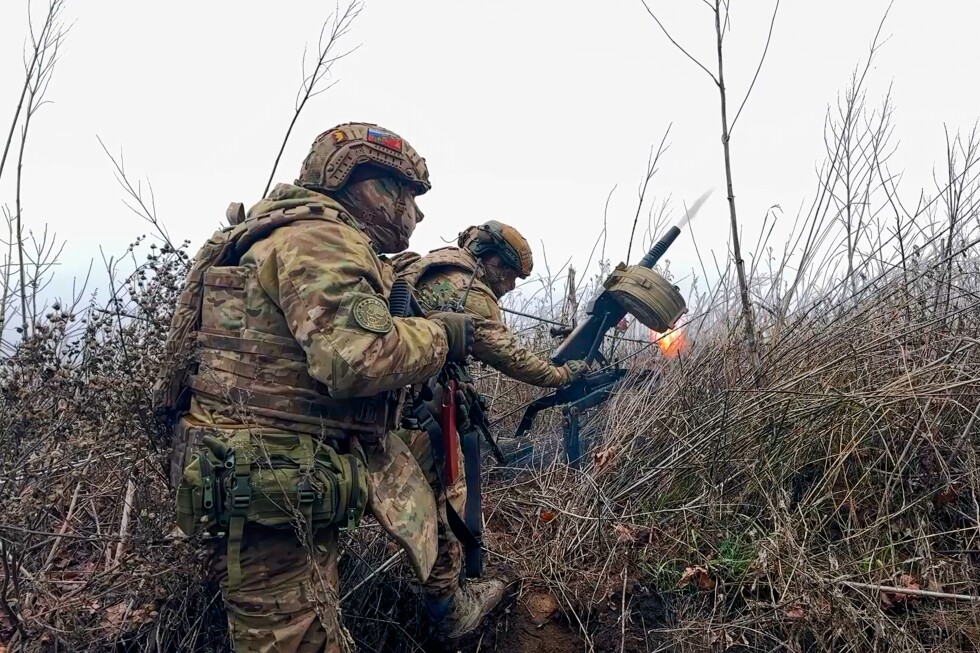
Russian aerial attacks kill 2 in Ukraine as Easter prisoner exchange planned
On Thursday, Ukrainian regional officials confirmed that fresh Russian aerial assaults targeting civilian areas across Ukraine have left two civilians dead and at least three more wounded, as both Moscow and Kyiv confirm they are in active preparations for a long-awaited prisoner swap timed to coincide with the Orthodox Easter holiday on April 12.
The deadly attacks mark the latest escalation in ongoing hostilities that have stretched into the fifth year of Russia’s full-scale invasion of Ukraine. In Dnipropetrovsk region’s Synelnykove district, one civilian was killed in a strike that also left a woman and a 12-year-old boy injured, regional military administrator Oleksandr Hazha confirmed. In Ukraine’s second-largest city Kharkiv, a strike triggered a blaze at a residential apartment building and left a 61-year-old woman wounded, regional governor Oleh Syniehubov reported. A separate ballistic missile attack on the northern Ukrainian city of Chernihiv claimed one more life and left a 17-year-old girl injured, city military administration head Dmytro Bryzhynskyi added. Authorities also reported that the Odesa region in southern Ukraine was targeted in another wave of attacks, as part of a broader Russian assault that deployed 172 strike drones across the country. Ukraine’s Air Force noted that its air defense teams successfully intercepted 147 of the incoming drones.
Amid the ongoing violence, prisoner exchanges have emerged as one of the only consistent areas of limited progress in U.S.-brokered negotiations between Moscow and Kyiv, talks that have failed to yield breakthroughs on core issues that could bring an end to the full-scale invasion. This year, both sides are working to finalize a new round of swaps ahead of the Orthodox Easter celebration. Tatyana Moskalkova, Russia’s human rights ombudswoman, confirmed the ongoing preparations to reporters on Thursday, noting that extensive work is underway to complete the exchange in time for the holiday. Last week, Gen. Kyrylo Budanov, head of Ukraine’s military intelligence, stated that Kyiv hopes to secure a large-scale “major exchange” of detainees during the Easter period.
The lead-up to this year’s Easter has also seen renewed debates over a potential temporary ceasefire. Ukrainian President Volodymyr Zelenskyy recently proposed a truce to cover the Easter holiday, but Kremlin spokesperson Dmitry Peskov pushed back on the idea earlier this week, saying Moscow prioritizes a permanent, long-lasting peace agreement rather than a short-term halt to hostilities. The discussion of temporary ceasefires comes with prior context: last year, Russian President Vladimir Putin unilaterally announced a 30-hour ceasefire for the Easter period, but both Moscow and Kyiv quickly accused one another of violating the truce within hours of it taking effect.
-
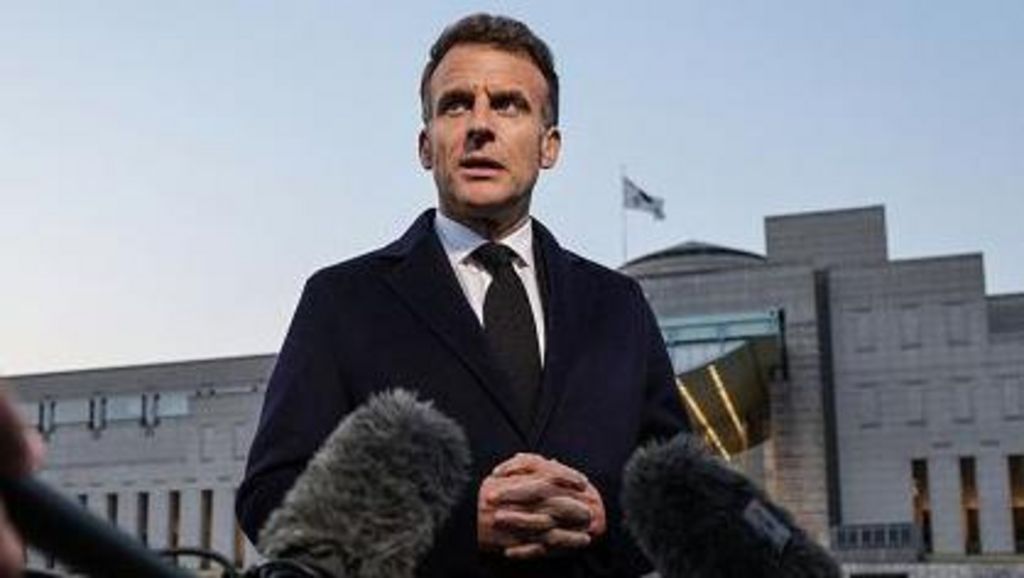
‘Be serious… don’t speak every day’: Macron criticises Trump approach to Iran war
As French President Emmanuel Macron touched down in Seoul for an official state visit to South Korea, he launched a pointed, comprehensive critique of U.S. President Donald Trump’s approach to the escalating Iran conflict, while also dismissing Trump’s recent personal attacks on his marriage as unbefitting of a head of state.
The ongoing U.S.-Israeli military campaign in Iran has now entered its second month, with France and other European nations offering limited backing for U.S. regional operations but refusing to be drawn into direct participation in the conflict. Macron opened his press briefing by arguing that matters of war and peace demand a steady, serious policy, in a clear rebuke of Trump’s pattern of shifting, contradictory statements on the conflict.
“This is not a public entertainment spectacle. We are discussing questions of war and peace, and the lives of ordinary people,” Macron told reporters. “When you approach this issue with the seriousness it deserves, you do not reverse your position every single day. Perhaps there is no need for constant public commentary; sometimes, allowing tensions to de-escalate is the wiser course.”
The Trump administration has delivered consistently mixed messaging on the Iran war over recent weeks: officials and the president himself have alternately claimed a ceasefire is imminent, declared the conflict already won, and insisted the U.S. will continue military operations indefinitely. Macron also pushed back on Trump’s open questioning of the U.S.’s long-standing commitment to NATO membership, arguing that the alliance’s core strength relies on mutual trust, not constant public wavering.
“Alliances like NATO hold their value in the unspoken understanding between members – the bedrock of trust that underpins every agreement,” Macron explained. “Constantly casting doubt on your own commitment drains the organization of all meaningful purpose. Partners are supposed to stand by their agreements and show up when crises emerge, rather than speculating publicly every day about whether they will honor their commitments. There is far too much unproductive, scattered chatter right now.”
Macron made clear that France would not take ownership of a military campaign that the U.S. and Israel planned and launched independently. “They chose to act alone, and now they express regret that they are alone. This is not our war,” he emphasized.
The French president also called out the inconsistency of Trump’s claims regarding U.S. strikes on Iranian nuclear facilities carried out in June 2025. At the time, Trump announced the strikes had completely “obliterated” Iran’s nuclear infrastructure. But following the outbreak of full-scale war in February 2026, Trump described the new offensive as the “last best chance” to eliminate Iran’s nuclear weapons program.
“I remind everyone that six months ago, we were told all infrastructure had been destroyed and the issue was fully resolved,” Macron noted. He argued that no limited military strike, even one extended over several weeks, can permanently resolve the global concerns around Iran’s nuclear program. Instead, he called for the deployment of independent international inspectors to verify Iran’s nuclear activities and a binding diplomatic framework to halt further uranium enrichment, pointing out that Iranian technical expertise and hidden facilities cannot be eliminated by military force alone.
The tension between the two leaders escalated further after Trump made crude personal remarks about Macron’s marriage to Brigitte Macron during a private lunch this week. The U.S. president mocked Macron’s relationship, imitating a French accent to claim Brigitte Macron mistreats the French president, a comment widely interpreted as referencing a 2025 video that showed Brigitte Macron shoving Macron lightly on the face. When asked about the comments, Macron dismissed them out of hand.
Macron called the remarks “inelegant” and well below the standard expected of a head of state, adding “I will not dignify these comments with a response. They do not deserve one.” The personal attack triggered widespread backlash across the French political spectrum, even from Macron’s most outspoken ideological opponents. Manuel Bompard, a leading figure of the hard-left France Unbowed party, said “For Donald Trump to speak to him like that, and to speak of his wife in such terms, I find that completely unacceptable.”
In response to U.S.-Israeli strikes on Iranian territory, Tehran has closed the Strait of Hormuz, the critical global chokepoint through which roughly a fifth of the world’s daily oil supplies pass. With no quick resolution to the closure in sight, Trump has said that nations most affected by the energy supply disruption should handle the situation on their own. Macron rejected calls for a new military operation to reopen the strait, calling the idea completely unrealistic.
“A military operation to reopen the strait would expose any vessels passing through to massive risks from Iranian Revolutionary Guard coastal defenses, ballistic missiles, and a wide range of other threats,” he explained, noting that any such operation would be extremely time-consuming and put countless lives in danger.
-
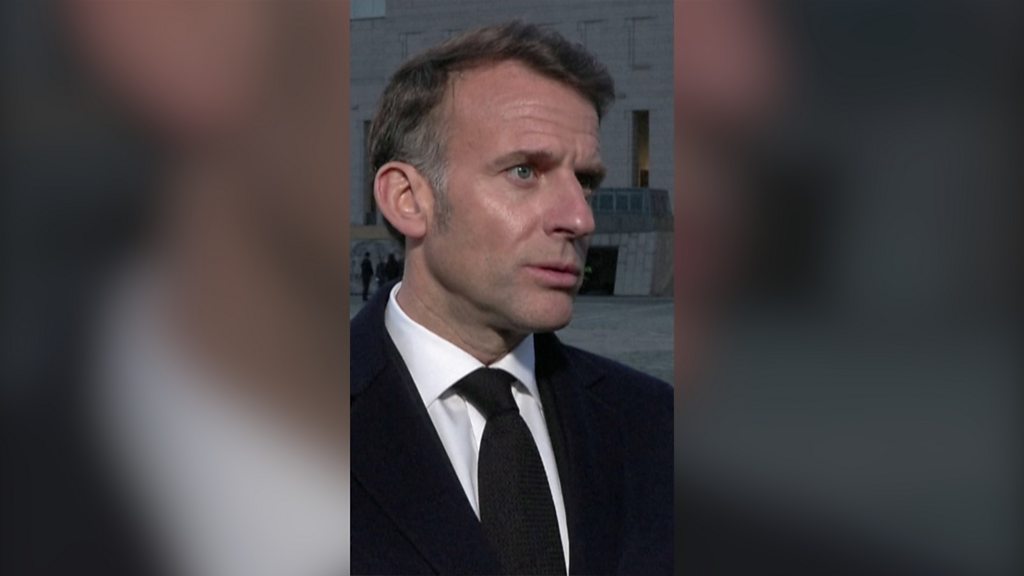
Macron calls Trump’s remarks on his marriage ‘inelegant’
In a rare public rebuke of remarks from former U.S. President Donald Trump, French head of state Emmanuel Macron has pushed back against comments Trump made about his personal marriage, calling the statements out of line and lacking basic diplomatic decorum.
The clash between the two high-profile political figures centers on comments Trump made publicly regarding Macron’s marriage to Brigitte Macron, who is 24 years his senior. When asked to respond to the former American president’s words during a recent public appearance, Macron did not hold back in his assessment.
Macron explicitly stated that Trump’s observations about his private marital life fell “neither elegant nor up to standard,” pushing back against what he framed as inappropriate intrusion into his personal affairs by the former U.S. leader. The incident has drawn new attention to the sometimes tense dynamic between Macron and Trump, who have a history of sparring over both policy and personal matters. While the exchange remains focused on the personal comments, it also underscores the broader frictions that have intermittently marked interactions between the two prominent global political figures.
-
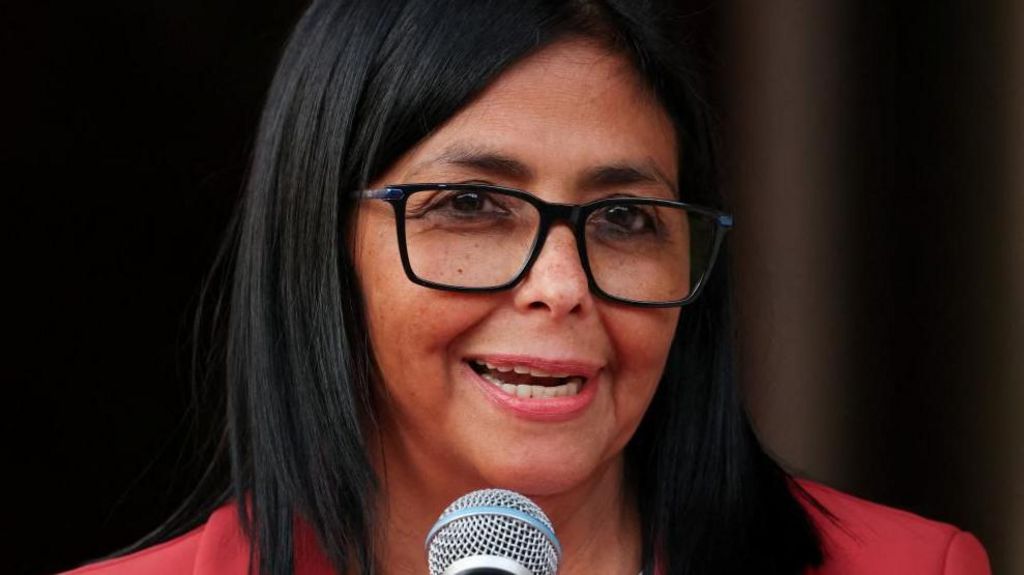
US lifts sanctions on Venezuelan interim leader Delcy Rodríguez
In a significant shift in U.S.-Venezuela relations that marks the latest step in a rapidly unfolding diplomatic thaw, the United States has removed interim Venezuelan President Delcy Rodríguez from its Specially Designated Nationals (SDN) sanctions list. This policy change comes less than three months after U.S. military forces carried out a high-profile raid in Caracas that captured former Venezuelan leader Nicolás Maduro and his wife, transferring them to New York to face federal drug trafficking charges.
Rodríguez, a longstanding close ally of Maduro who previously served as his vice president, was first added to the U.S. sanctions roster in 2018 over Washington’s accusations that she had undermined democratic governance in Venezuela. Just days after the raid that removed Maduro from power, she was sworn in as interim president by Venezuela’s National Assembly, which holds a majority loyal to Maduro’s faction. U.S. President Donald Trump has publicly praised Rodríguez, describing her as “a terrific person” who has collaborated effectively with Washington.
Inclusion on the SDN list carries severe financial restrictions: all assets held by listed individuals within U.S. jurisdiction are frozen, and U.S. citizens and entities are prohibited from conducting any commercial transactions with them. Rodríguez welcomed the delisting in a public post on X, framing the move as “a significant step in the right direction to normalise and strengthen relations between our countries.”
White House spokesperson Anna Kelly echoed that positive framing, emphasizing that the decision reflects tangible progress “between our two countries to promote stability, support economic recovery and advance political reconciliation in Venezuela.” She reaffirmed Trump’s assessment, noting “Delcy Rodríguez is doing a great job and is working with the United States very well.”
Despite the upbeat tone from both governments, the decision has drawn sharp criticism from Venezuelan opposition activists based in Caracas. These critics argue that Washington should have used the leverage of sanctions to push Rodríguez to fulfill longstanding demands to release all political detainees still held in Venezuelan prisons. The release of political prisoners was one of the core conditions Secretary of State Marco Rubio laid out for Rodríguez shortly after Maduro’s removal from office.
While Venezuela’s ruling National Assembly has approved an amnesty law that has led to the release of hundreds of detainees, leading prisoners’ rights organization Foro Penal reports that nearly 500 political prisoners remain in custody.
The delisting of Rodríguez is the most visible signal yet of a steady warming of ties between the Trump administration and the interim government. Earlier this same week, the United States formally reopened its embassy in Caracas, seven years after it shuttered the diplomatic mission in response to the Maduro government’s actions. In a reciprocal move, Venezuela has also sent a diplomatic delegation back to Washington to reopen its own embassy there.
In the months since Maduro was ousted, multiple high-level U.S. delegations have traveled to Caracas to hold talks on expanding U.S. access to Venezuela’s extensive oil and mineral reserves. But critics of Rodríguez’s interim administration have raised alarms that there has been almost no public discussion of scheduling free and democratic national elections, a key long-term demand from the international community.
Venezuelan opposition leader María Corina Machado, who has lived in exile since leaving the country to accept the Nobel Peace Prize she was awarded in December, held a meeting with Marco Rubio on Tuesday. Though Trump has sidelined Machado to prioritize cooperation with Rodríguez, she struck a constructive tone, calling the discussion “excellent” and praising Rubio’s “dedication to democracy, freedom and Venezuelans’ well-being.”
Speaking to Fox News after the meeting, Rubio said Washington is making steady progress in its engagement with Venezuela. Outlining a three-part strategy for the country’s transition, Rubio confirmed Venezuela has now entered the second phase: economic and political recovery. “Ultimately, there will have to be a transition phase. There will have to be free and fair elections in Venezuela, and that point has to come,” he stated. “It’s not forever, but we have to be patient, but we also can’t be complacent,” he added, declining to provide any timeline for when democratic elections would be held.
-
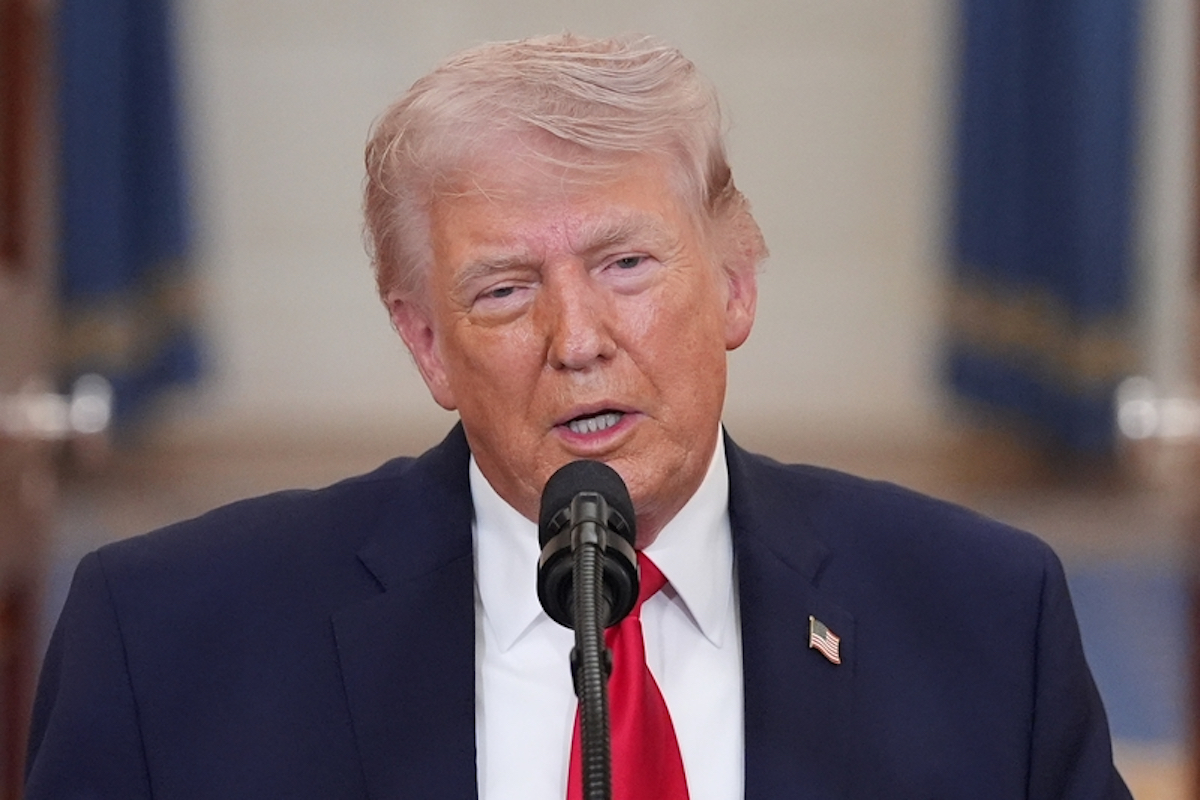
Trump says Iran war ending soon, but ‘extremely hard’ hits ahead
WASHINGTON — In a highly anticipated primetime national address Wednesday, former President Donald Trump announced that the U.S. military’s month-long military campaign in Iran is approaching a swift conclusion, framing the operation as an unprecedented success in degrading the Islamic Republic’s military capabilities.
During the 18-minute televised speech, Trump defended the ongoing conflict, claiming U.S. forces had systematically dismantled Iran’s ability to project power across the Middle East and threaten American interests. “We are systematically dismantling the regime’s ability to threaten America or project power outside of their borders. That means eliminating Iran’s navy, which is now absolutely destroyed, hurting their air force and their missile program at levels never seen before, and annihilating their defense industrial base. We’ve done all of it,” Trump told the nation. He added that the scale of military damage inflicted on Iran is unmatched in modern military history, noting that core strategic goals of the campaign are nearly complete.
The White House’s advance announcement of the address Tuesday had sparked widespread speculation that the president would share major new developments about the costly, deadly conflict, now entering its fourth week. However, analysts and observers quickly noted that most of Trump’s remarks recycled aggressive rhetoric and claims he and his Cabinet have repeated for weeks, including his threat to pummel Iran into what he called the “stone ages” over the next two to three weeks. This echoed prior comments he has shared on social media and with press outlets in recent weeks.
The conflict has already sent shockwaves across the Middle East and the U.S. domestic economy, leaving a trail of death and destruction that has eroded public support for Trump’s decision to launch the war. The campaign has killed 13 U.S. service members and wounded 350 more, according to Pentagon data. On the Iranian side, a U.S.-based Iran human rights group HRANA reports that 1,598 Iranian civilians, including 244 children, have been killed in U.S. and Israeli strikes as of Tuesday. The humanitarian crisis extends far beyond Iran’s borders: concurrent Israeli operations in southern Lebanon have killed 1,240 people, wounded 3,680, and displaced more than 1.1 million Lebanese people as of Monday, according to Lebanese government data. Across the broader Middle East, Al Jazeera English has recorded more than 185 additional deaths in nations including Bahrain, Iraq, Jordan, Syria, and the Palestinian territories.
The disruption of global energy markets has also hit American consumers directly. After Iran seized control of the Strait of Hormuz, the strategic chokepoint through which roughly one-fifth of the world’s global petroleum supplies flow, international crude prices spiked, pushing average U.S. gasoline prices above $4 per gallon. This economic pressure has translated to plummeting public support for the war: a recent Reuters/Ipsos poll conducted within the last week found that roughly two-thirds of Americans want the Biden administration – now the Trump second-term administration – to move quickly to end the conflict.
Trump’s public statements on exit strategy and war aims have shifted repeatedly, sometimes even on a daily basis. On Tuesday, he told reporters that the Iranian regime had already been successfully changed, and that he planned to wrap up military operations within two to three weeks. But the new Iranian Supreme Leader, Majtaba Khamenei, who succeeded his father Ali Khamenei – killed by U.S. and Israeli forces at the start of the war – is reportedly no less hardline, and may hold even more radical views than his predecessor.
In comments to Reuters Wednesday, Trump also downplayed concerns about Iran’s nuclear program, saying he “doesn’t care” about near-weapons-grade enriched uranium buried under rubble at a nuclear site bombed by the U.S. and Israel in June, per International Atomic Energy Agency data. This marks a notable shift from Trump’s original justification for launching the war: in his February 28 video announcement of the initial attack, the president explicitly stated that the core goal of the operation was to ensure Iran “can never have a nuclear weapon.”
Earlier Wednesday, Trump made an unsubstantiated claim on his social media platform Truth Social that Iran’s new radicalized president had requested a ceasefire. He wrote, “We will consider when Hormuz Strait is open, free, and clear. Until then, we are blasting Iran into oblivion or, as they say, back to the Stone Ages!!! President DJT.” Iran’s Foreign Ministry spokesperson Esmaeil Baghaei quickly rejected the claim as “false and baseless,” according to Iranian state-run English broadcaster PressTV.
Hours before Trump’s primetime address, Iranian President Masoud Pezeshkian – who took office in 2024 – released an open letter directly to the American public, pushing back against the Trump administration’s framing of the conflict. Pezeshkian argued that the White House has lied to Americans about Iranian aggression, framing Iran’s military actions as “a measured response grounded in legitimate self-defense, and by no means an initiation of war or aggression.” He questioned the moral and strategic value of the campaign, writing, “Does the massacre of innocent children, the destruction of cancer-treatment pharmaceutical facilities, or boasting about bombing a country ‘back to the stone ages’ serve any purpose other than further damaging the United States’ global standing?” The reference was to an early U.S. missile strike that killed 168 elementary school children on the first day of the invasion. Pezeshkian also blamed Trump for his 2018 decision to withdraw the U.S. from the multinational Iran nuclear deal, noting that the Iranian people hold no inherent enmity toward the American public. Footage of Iranian lawmakers burning American flag prints and chanting anti-U.S. slogans in parliament following the 2018 withdrawal has circulated widely online.
Longstanding tensions between the U.S. and Iran predate the 2026 conflict: the U.S. Department of Defense and U.S. intelligence agencies have linked Iran to dozens of attacks on American military bases across the Middle East over decades. Most notably, a 2020 Iranian strike on Iraq’s Ain al-Asad airbase, launched in retaliation for a U.S. drone strike that killed top Iranian commander Qassem Soleimani, caused traumatic brain injuries for more than 100 U.S. service members. During his 2024 presidential campaign, Trump dismissed these injuries as nothing more than “headaches.” Earlier this year, a federal jury convicted an Iranian Revolutionary Guard Corps operative of plotting to assassinate Trump and other high-profile U.S. political figures during the 2024 election cycle, confirming Iran’s long-standing efforts to carry out attacks on U.S. soil.
-
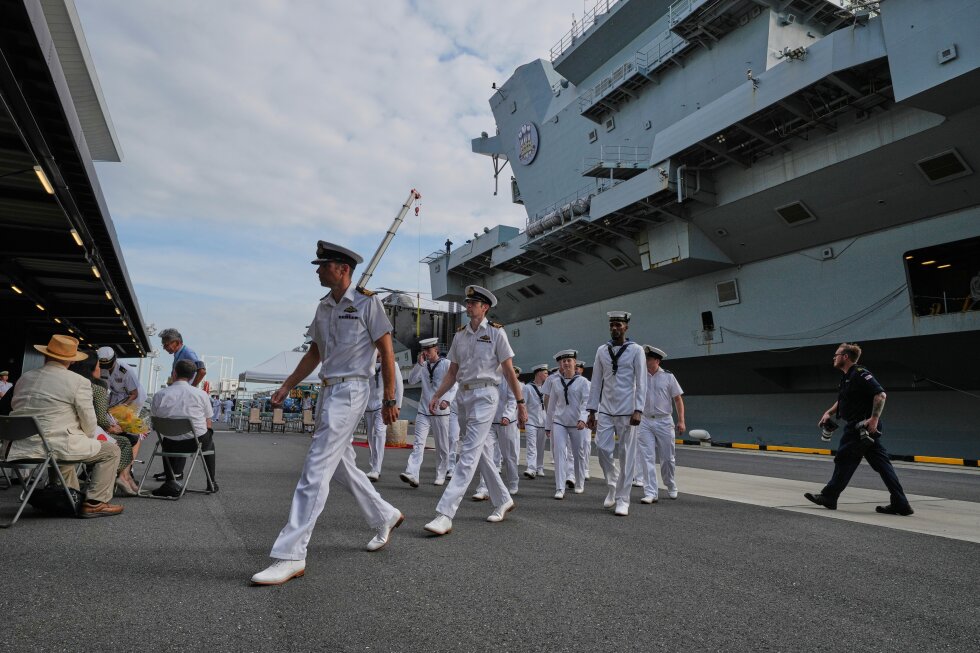
A look at the UK’s Royal Navy, which has faced jibe after jibe from Trump and Hegseth
LONDON – A fresh wave of diplomatic tension has emerged between the United States and the United Kingdom after U.S. President Donald Trump and Defense Secretary Pete Hegseth launched sharp public criticism of the Royal Navy’s operational capabilities, remarks that cut deep for a nation with centuries of iconic maritime heritage – but which also touch on long-running debates about Britain’s eroding military standing.
The friction between the two allies traces back to the outbreak of the Iran war on February 28, when newly installed British Prime Minister Keir Starmer rejected a U.S. request to grant American military forces access to UK military bases. While Starmer’s government has since partially reversed that decision, allowing U.S. operations from bases including the key Indian Ocean outpost Diego Garcia for limited defensive purposes, Trump has remained vocal about feeling betrayed by the UK’s initial refusal.
In an interview with Britain’s Daily Telegraph published Wednesday, Trump went as far as dismissing the Royal Navy’s two flagship new aircraft carriers as mere “toys.” “You don’t even have a navy,” he told the newspaper. “You’re too old and had aircraft carriers that didn’t work.” Not to be outdone, Hegseth took a sarcastic shot at the service, suggesting the “big, bad Royal Navy” should step up to secure commercial shipping lanes in the Strait of Hormuz, a critical global chokepoint for energy trade.
The two 65,000-ton carriers at the center of Trump’s attack, HMS Queen Elizabeth and HMS Prince of Wales, are the largest and most lethal warships ever built for the Royal Navy. While they are smaller and less power-projected than the U.S. Navy’s supercarriers, defense analysts widely regard them as highly capable platforms, particularly for integrated coalition operations – even if they faced well-documented technical teething problems in their early years of service.
It is true that the Royal Navy of 2025 bears little resemblance to the globally dominant force that controlled the world’s oceans during the height of the British Empire. But experts emphasize that the service is far weaker than its Cold War peak, but not as impotent as Trump and Hegseth’s remarks portray it, holding a similar operational standing to the French Navy, its closest European peer.
“There is a grain of truth to the critique: the Royal Navy is smaller today than it has been in hundreds of years,” explained Professor Kevin Rowlands, editor of the Royal United Services Institute (RUSI) Journal and a former Royal Navy captain. “On the other hand, the service notes it is entering its first period of sustained growth since World War II, with more new ships scheduled for construction than at any point in decades.”
A look back at recent British naval history puts the current size of the fleet in context. As recently as 1982, the UK was able to assemble a 127-ship task force – including two aircraft carriers – to retake the Falkland Islands after Argentina’s invasion, a campaign that then-U.S. President Ronald Reagan openly opposed. That operation is now widely viewed as the final demonstration of Britain’s traditional naval dominance; no deployment of anywhere near that scale could be mounted today.
Analysis of UK Ministry of Defence and House of Commons Library data by the Associated Press shows the steady, dramatic contraction of the Royal Navy’s combat fleet over the past 50 years. In 1975, the service counted 166 active vessels, including aircraft carriers, destroyers, frigates, and attack submarines. By 2025, that number had fallen to just 66. The UK went seven years in the 2010s without any operational aircraft carriers at all, despite today having two in service. The destroyer fleet has shrunk by half to just six vessels, while the frigate force has been cut from 60 ships to only 11.
The delayed deployment of the destroyer HMS Dragon to the Middle East in the immediate aftermath of the Iran war outbreak became a high-profile symbol of the Royal Navy’s stretched capabilities for critics. While naval personnel worked around the clock to reconfigure the vessel for its new mission after it had been preparing for a completely different deployment, the incident reinforced widespread perceptions that British military power has dwindled significantly since the fall of the Berlin Wall in 1989.
That decline did not happen by accident. During much of the Cold War, the UK invested between 4% and 8% of its annual gross domestic product in defense. After the collapse of the Soviet Union, that share steadily dropped to a low of 1.9% of GDP in 2018, giving ammunition to Trump’s criticisms.
Like many Western allies, successive UK governments embraced the post-Cold War “peace dividend,” redirecting funding once allocated to the military to domestic priorities including public health and education – a shift accelerated by the Labour governments of Tony Blair and Gordon Brown. When the global financial crisis hit in 2008, Conservative-led governments introduced harsh austerity measures that froze defense spending even as Russia’s aggression began to reshape European security, most notably after its 2014 annexation of Crimea.
Only after Russia’s full-scale invasion of Ukraine in 2022 did cross-party consensus emerge that decades of defense cuts had gone too far. The previous Conservative government began reversing the trend of declining spending, and since Labour returned to power in the 2024 general election, Starmer has moved to ramp up defense investment – a shift that has required cuts to the UK’s long-standing foreign aid budget.
Starmer has committed to raising UK defense spending to 2.5% of GDP by 2027, with an updated target of 3.5% of GDP by 2035 to meet a NATO goal championed by Trump. That commitment translates to tens of billions of pounds in additional defense spending, which would fund a major expansion of military equipment across all three services.
But accelerating that expansion is easier said than done. The UK’s public finances have already been strained by the economic fallout from the Iran war, leaving no clear path to find extra funding for faster military growth.
For his part, RUSI’s Rowlands expects the U.S. criticism to continue despite its overstated claims. “We are dealing with an administration that doesn’t do nuance,” he noted.
-
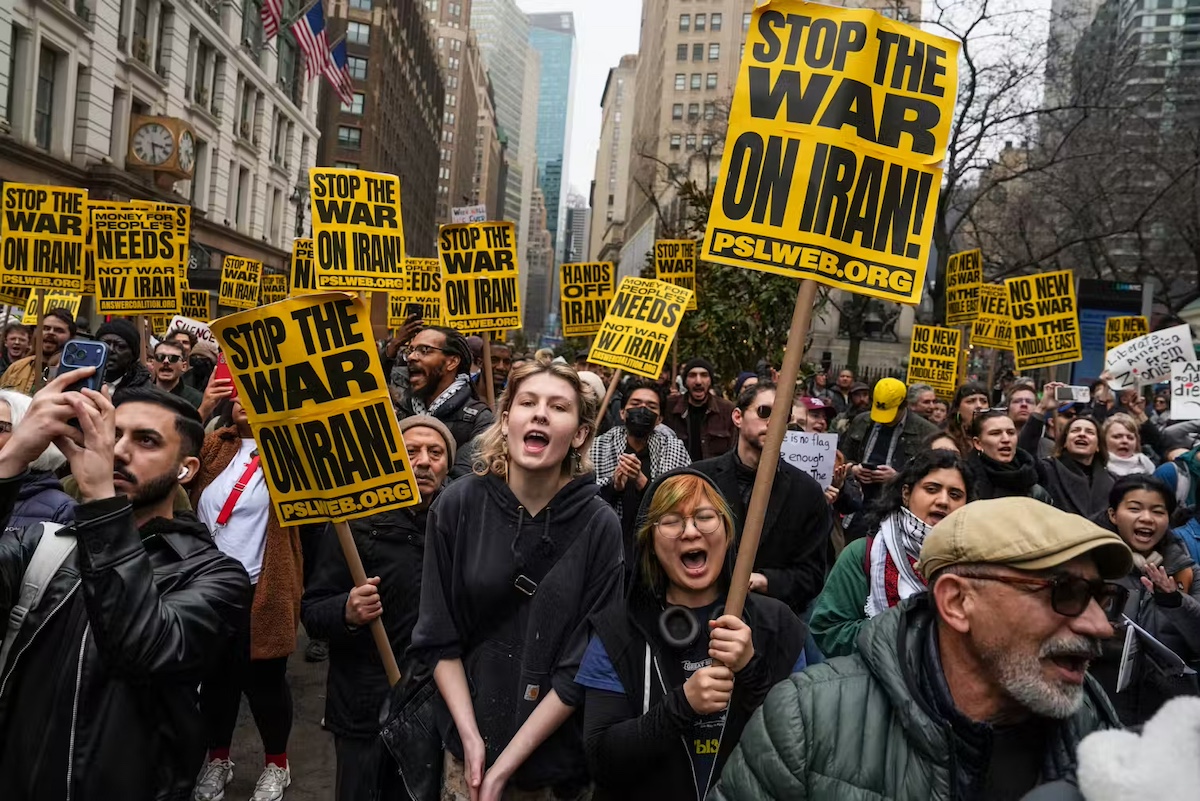
Trump falling into Iran’s asymmetric resolve trap
Nearly every strategic objective the United States laid out for its current conflict against Iran has failed to materialize, according to a leading scholar of protracted US military engagements. No popular uprising has unseated Iran’s ruling establishment, hardline leadership has merely reshuffled rather than fallen, Tehran’s missile and drone capabilities continue to strike targets across the Middle East, and the closure of the Strait of Hormuz has sent global energy prices soaring. Most notably, in direct contradiction of former US President Donald Trump’s demand for unconditional surrender, Iran has outright rejected a 15-point US-backed ceasefire proposal. What has caused such a sweeping deviation from Washington’s initial war plans?
In an analysis republished from *The Conversation*, Charles Walldorf, professor of politics and international affairs at Wake Forest University, argues the core issue is what he terms the “trap of asymmetric resolve.” This dynamic unfolds when a militarily dominant power with limited stakes in a conflict enters war against a far smaller, weaker state whose entire governing system hangs in the balance. When the weaker side possesses near-unwavering commitment to victory, overcoming that determination becomes exponentially harder – and often nearly impossible – for the stronger power.
“For Iran, the Islamic Republic’s very existence is on the line, a stakes Washington can never match in this conflict,” Walldorf explains. “That existential threat gives Tehran overwhelming incentives to maintain resistance and deploy highly effective countermeasures to wear down US advances.”
This pattern of asymmetric conflict has repeated throughout military history, dating back to the sixth century B.C., when a massive invasion force led by Persian Emperor Darius I was halted by a much smaller, deeply determined Scythian army. The lopsided standoff ultimately ended in a humiliating retreat for the Persian Empire. In the modern era, the United States has repeatedly fallen victim to this same trap.
The Vietnam War stands as one of the clearest modern examples. Over eight years of brutal conflict, an estimated 1.1 million North Vietnamese fighters and civilians lost their lives, compared to 58,000 US troops. Despite this massive casualty disparity, North Vietnam’s unyielding commitment to unification ultimately overwhelmed US willingness to sustain the war. After years of costly fighting, the US withdrew, and North Vietnam secured full victory over South Vietnam in 1975.
A near identical dynamic played out decades later in Afghanistan. The US ousted the Taliban regime in 2001, installed a Western-aligned government, and built a 300,000-strong Afghan national military backed by unlimited US firepower. Over 20 years of conflict, roughly 84,000 Taliban fighters were killed, compared to just 2,400 US service members. Yet the Taliban’s relentless commitment to retaking power eventually outlasted US political will. The US signed a withdrawal deal in 2020, pulled all remaining troops out in 2021, and the Taliban retook full control of the country within weeks.
This pattern is not unique to the US. The Soviet Union suffered an identical humiliating defeat in its 9-year Afghanistan occupation in the 1980s, despite suffering far fewer total casualties than the Afghan resistance. Post-World War II France likewise lost protracted asymmetric conflicts in Vietnam and Algeria, despite holding massive military advantages over independence fighters.
Today, that same asymmetry of resolve is playing out in the US-Iran war. Unlike the 12-day 2025 limited conflict that targeted only Iranian military and nuclear infrastructure, the current campaign has explicitly targeted the survival of Iran’s ruling government, with targeted assassinations of top leaders and open calls for popular uprising.
Tehran has followed through on pre-war warnings to retaliate across the region. Iran has launched strikes against Israeli targets, US military bases across the Middle East, and aligned Arab Gulf states, while drastically cutting commercial shipping access through the Strait of Hormuz – the world’s busiest energy chokepoint. Iran has taken far heavier losses than the US in the conflict: as of mid-March, more than 5,000 Iranian military personnel and 1,500 civilians have been killed, compared to 13 US service members. Even so, Tehran has refused to back down, declaring on March 10 that “We will determine when the war ends.”
This unyielding resistance has caught the Trump administration off guard. Before the war began, Trump openly questioned why Iran would not cave to US demands, and he has since acknowledged that regime change – a core opening war goal – is now a “very big hurdle.” This disconnect stems from misleading pre-war messaging to the American public: Secretary of State Marco Rubio claimed in January that Iran was weaker than it had ever been, with no intercontinental ballistic missiles capable of hitting the US mainland, a crippled nuclear program, and fewer regional allies than at any point in modern history. A March 6 Marist poll reflected this narrative, with 55% of Americans saying they viewed Iran as a minor or nonexistent threat.
As Iran’s resilience has become impossible to ignore, US public opinion has turned sharply against the war. This shifting sentiment poses a unique challenge for democratic leaders, who face electoral consequences for maintaining unpopular conflicts. Today, the Iran war is among the least popular US conflicts since World War II, with consistent polling showing roughly 60% of Americans oppose continued military engagement. This mirrors the collapse of public support that drove past US withdrawals from asymmetric quagmires in Vietnam and Afghanistan.
While pre-war Iran faced widespread domestic protests that weakened public support for the government, a combination of a brutal government crackdown and a “rally around the flag” nationalist response to foreign invasion has muted domestic discontent, eliminating the domestic pressure for compromise that Washington faces.
Looking ahead, the Trump administration has attempted to manage the impact of asymmetric resolve by framing the operation as limited in scope and duration. To calm jittery financial markets and reassure war-weary voters, Trump has repeatedly promised a short conflict and delayed large-scale offensive strikes to make space for negotiations – claims that Iran has not corroborated.
Walldorf notes that history offers stronger powers two clear paths forward when facing a more determined weaker adversary. The first is to give in to the hubris of military power and escalate the conflict, a path that led to decades-long quagmires in Vietnam, Iraq, and Afghanistan. The second is to wind down hostilities, accept limited gains, and seek a negotiated end to the conflict.
Past leaders have overwhelmingly chosen escalation, convinced that a small increase in military force will tip the balance. President Barack Obama fell into this trap when he ordered a surge of 30,000 additional US troops to Afghanistan, incorrectly predicting the deployment would break the Taliban’s resistance. Despite public signals that he wants to exit the conflict, Trump could still take the same path: additional US troops are already deploying to the Persian Gulf, and B-52 bombers have begun flying combat sorties over Iranian territory for the first time in the current war.
History shows that escalating against a determined foe like Iran will come at massive cost to the United States. But the second path – de-escalation and negotiation – remains open to Trump. The president has already chosen this route twice before: he signed the 2020 deal with the Taliban to end the Afghanistan war rather than escalating, and he walked away from the 2025 Yemen air campaign when he realized defeating the Houthi movement would require a costly ground invasion.
Trump could choose the same exit strategy for Iran: declare that core US goals have been met, withdraw offensive forces, and enter sustained, good-faith negotiations to end the conflict. Any deal would require US concessions, such as restoring shipping access guarantees through the Strait of Hormuz or rolling back some crippling economic sanctions on Iran. While Trump may be reluctant to accept these compromises, polling shows a majority of American voters support this outcome. After decades of costly quagmires, Walldorf argues, few Americans are eager to repeat the mistakes of Vietnam and Afghanistan in the Middle East.
-
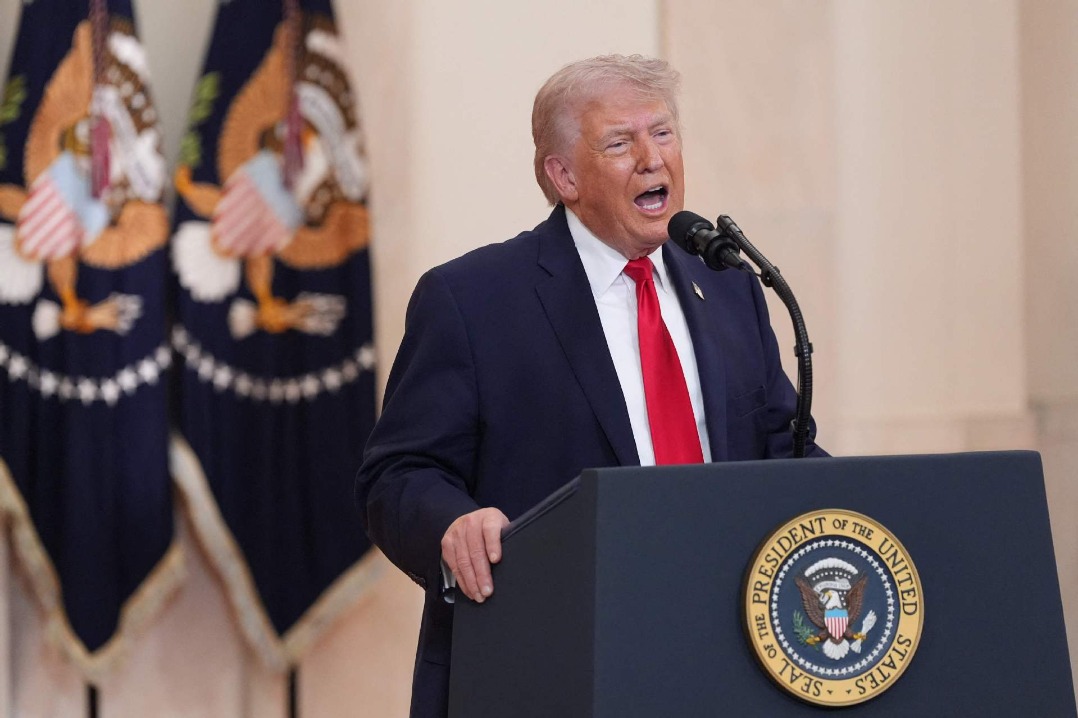
Trump threatens to hit Iran ‘extremely hard’ over next 2 to 3 weeks
In a primetime national address delivered from the White House on April 1, 2026, U.S. President Donald Trump laid out an aggressive new timeline for the month-long conflict with Iran, threatening devastating new military strikes against the country within the next 14 to 21 days. The speech marked Trump’s first major public update on the war since it entered its fifth week, framing ongoing military operations as nearing their final phases while doubling down on hardline rhetoric against Tehran.