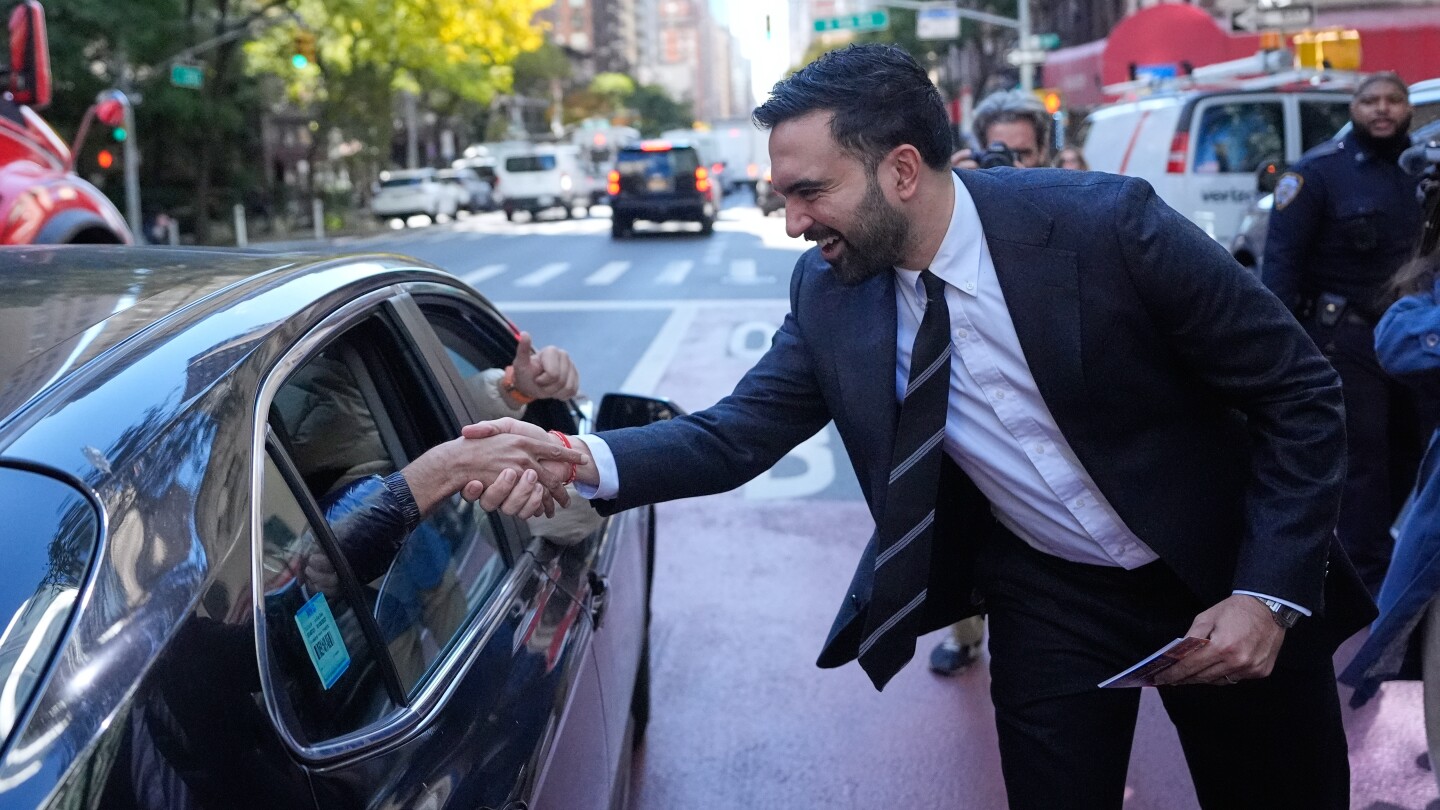
In a remarkable political ascent, Zohran Mamdani, a 34-year-old Ugandan-born democratic socialist, is poised to potentially become New York City’s first Muslim mayor and the first of Indian descent. His journey began humbly in Kampala, Uganda, where he interned at the Daily Monitor newspaper as a teenager under the mentorship of journalist Angelo Izama. Mamdani, described as intensely curious and ambitious, aspired to be a “top reporter” and developed a passion for current affairs, a trait encouraged by his father, Mahmood Mamdani, a renowned Columbia University professor. His mother, filmmaker Mira Nair, is an Academy Award-nominated director. Despite leaving Uganda as a child, Mamdani maintained strong ties to his homeland, regularly returning and celebrating his Ugandan heritage, including his recent marriage in Kampala. Naturalized as a U.S. citizen in 2018, Mamdani’s political career began as a community organizer in Queens, New York, where he advocated for vulnerable homeowners facing eviction. His unexpected victory over former New York Gov. Andrew Cuomo in the Democratic mayoral primary sent shockwaves through the political world. Mamdani’s campaign focuses on progressive policies, including free city buses, childcare, rent freezes, and government-run grocery stores, funded by taxes on the wealthy. His candidacy has drawn both support and controversy, with endorsements from prominent figures like House Minority Leader Hakeem Jeffries and New York Gov. Kathy Hochul, while facing baseless allegations from former President Donald Trump. Mamdani’s rise is seen as a beacon of hope and inspiration, particularly for young Africans disillusioned by entrenched political systems. However, analysts like Nicholas Sengoba note that such success would be harder to achieve in Uganda, where political opportunities are often limited. Mamdani’s story underscores the transformative potential of perseverance and ambition in a land of opportunity.
分类: politics
-
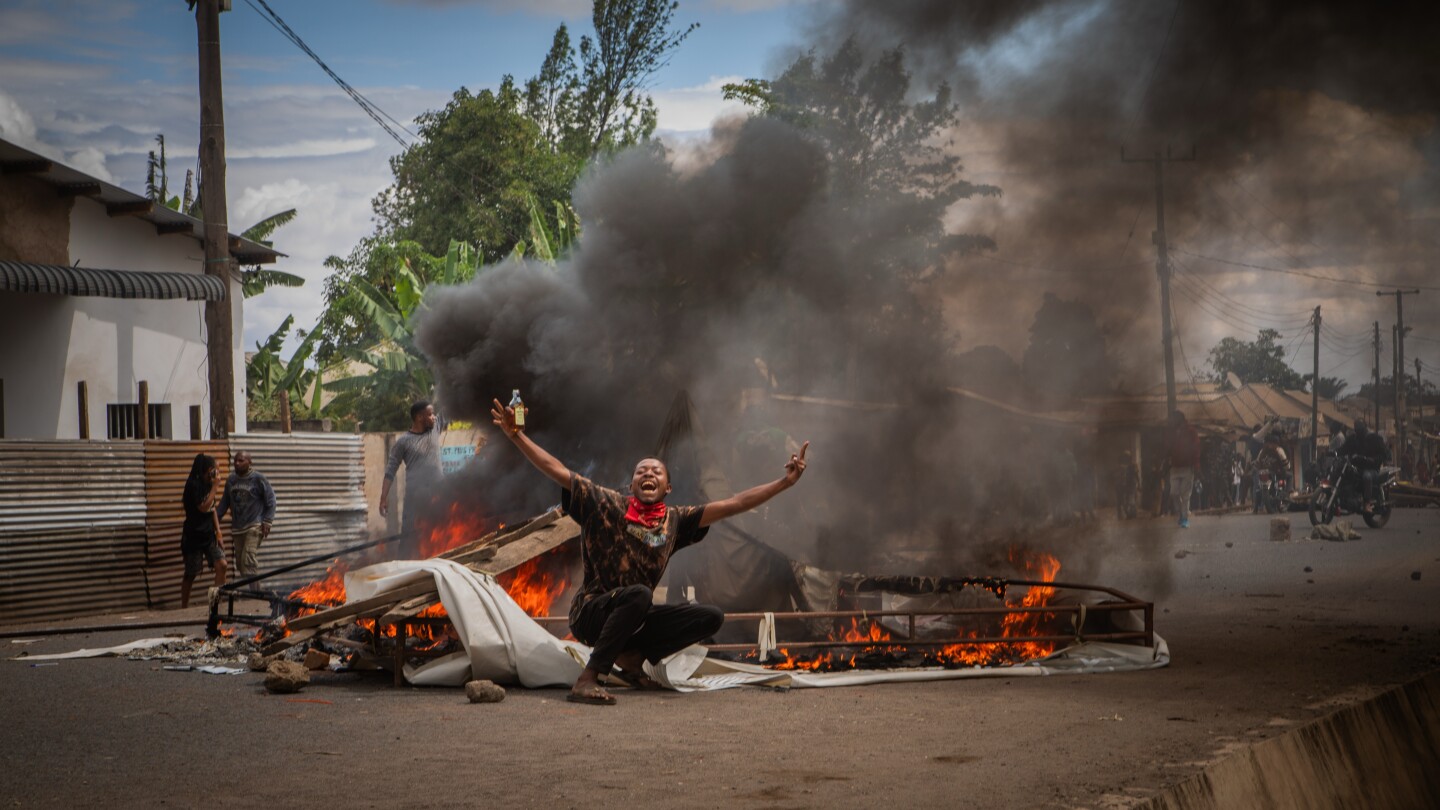
Africa’s latest elections end with crackdowns on opposition and disputed results
Recent elections across Africa have once again highlighted a troubling pattern: sidelined opposition candidates, disputed results, and widespread protests, particularly among the continent’s youthful population. Incumbents in Cameroon, Ivory Coast, and Tanzania have secured reelection, raising concerns about the erosion of democratic norms and the rise of authoritarianism.
In Cameroon, 92-year-old Paul Biya, the world’s oldest leader, has been reelected for an eighth term, extending his 43-year rule. Critics argue that his advanced age has diminished his capacity to govern, while protests against his victory have turned deadly. Similarly, Ivory Coast’s 83-year-old President Alassane Ouattara has secured a fourth term amid low voter turnout and the exclusion of his main challenger, Tidjane Thiam, due to dual nationality issues. Thiam has denounced the election as a sham, sparking further unrest.
In Tanzania, President Samia Suluhu Hassan, the country’s first female leader, initially inspired hope for change but has since been criticized for maintaining repressive policies akin to her predecessor. Her reelection was marred by violence, internet shutdowns, and the exclusion of opposition candidates.
Analysts warn that these disputed elections could further destabilize Africa’s fragile democracies, emboldening military takeovers and deepening public frustration. The continent, home to some of the world’s youngest populations and oldest leaders, faces a paradox of abundant natural resources yet unmet promises of basic amenities. Jeffrey Smith of Vanguard Africa notes that these elections reflect a broader trend of competitive authoritarianism, where incumbents exploit state resources and flawed legal processes to maintain power.
As protests continue and tensions rise, the future of democracy in Africa remains uncertain, with calls for genuine political competition and accountability growing louder.
-
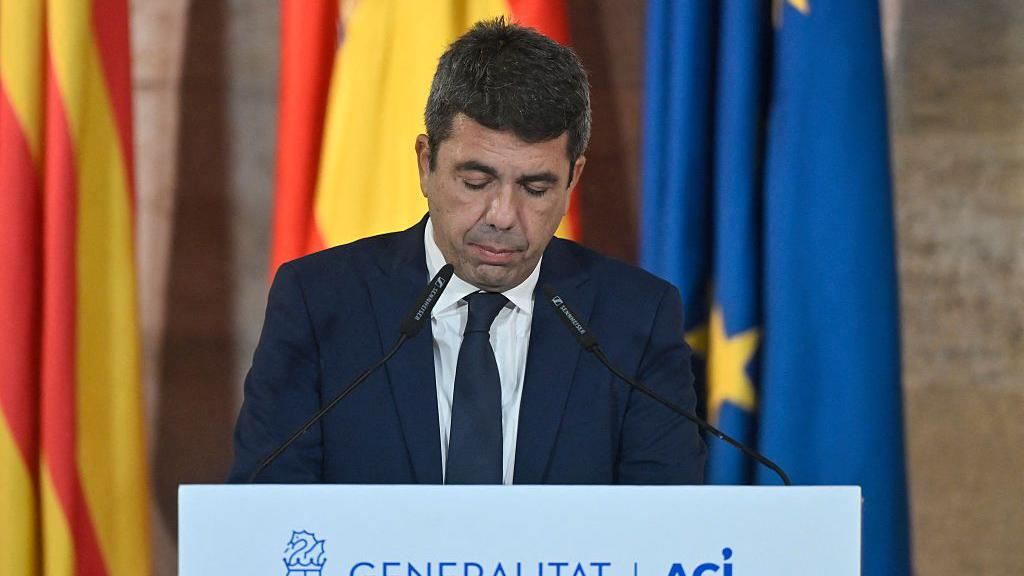
Valencia leader resigns over handling of deadly floods
Carlos Mazón, the president of Spain’s Valencia region, has stepped down following intense public and political pressure over his handling of the catastrophic flash floods that struck the area on October 29, 2024. The disaster, which claimed 229 lives in Valencia and eight more in neighboring regions, marked Spain’s deadliest natural calamity in decades. Mazón faced widespread criticism for his perceived negligence during the crisis, including his decision to spend nearly four hours dining with journalist Maribel Vilaplana while floodwaters devastated communities. Additionally, his administration failed to issue emergency alerts to residents until after 8:00 PM, by which time dozens had already perished. In his resignation speech, Mazón admitted to grave errors, stating, ‘I can’t go on anymore… I know that I made mistakes, I acknowledge it and I will live with them for the rest of my life.’ He emphasized that his actions were not driven by political calculation or ill intent. Public outrage had been mounting for months, with polls showing overwhelming support for his resignation and large-scale protests demanding accountability. Mazón’s attendance at a memorial service for flood victims on the tragedy’s first anniversary further inflamed tensions, as grieving relatives confronted him during the event. His resignation coincided with Vilaplana’s testimony in a judicial investigation into potential negligence. Mazón, who will retain his seat in the regional parliament, accused Spain’s left-wing central government of withholding aid to inflict political damage. His departure poses challenges for the conservative People’s Party (PP), which must navigate its alliance with the far-right Vox party to appoint his successor.
-
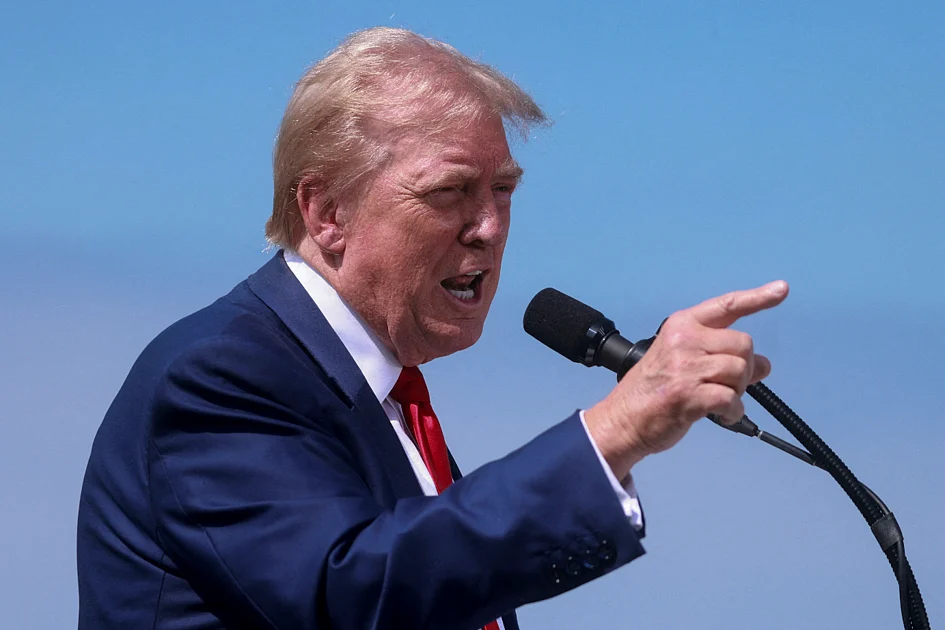
Trump’s global tariffs to face challenge before Supreme Court
The US Supreme Court is poised to deliberate on the legality of former President Donald Trump’s expansive use of emergency economic powers to impose global tariffs. This landmark case, set for arguments on Wednesday, challenges the foundation of Trump’s ‘America First’ trade policy, which aimed to protect and bolster US industries through reciprocal tariffs on countries deemed to engage in unfair trade practices. These tariffs, targeting major trading partners like Mexico, Canada, and China, have faced significant legal scrutiny since their implementation. In May, a lower court ruled that Trump exceeded his authority, a decision upheld by the US Court of Appeals for the Federal Circuit in August. The Supreme Court’s conservative majority now faces a pivotal decision: to either block the tariffs entirely or affirm Trump’s actions, potentially paving the way for further levies. The outcome could impact billions in customs revenue and influence future trade negotiations. While the ruling won’t affect sector-specific tariffs on steel, aluminum, and automobiles, it could set a precedent for executive authority in trade policy. Small businesses, already burdened by the tariffs, warn of existential threats, with owners like Victor Schwartz of VOS Selections and Mike Gracie, a wallpaper importer, highlighting the financial strain. Experts suggest the court might impose limitations or allow tariffs under specific conditions, but the broader implications for executive power and market stability remain a concern.
-
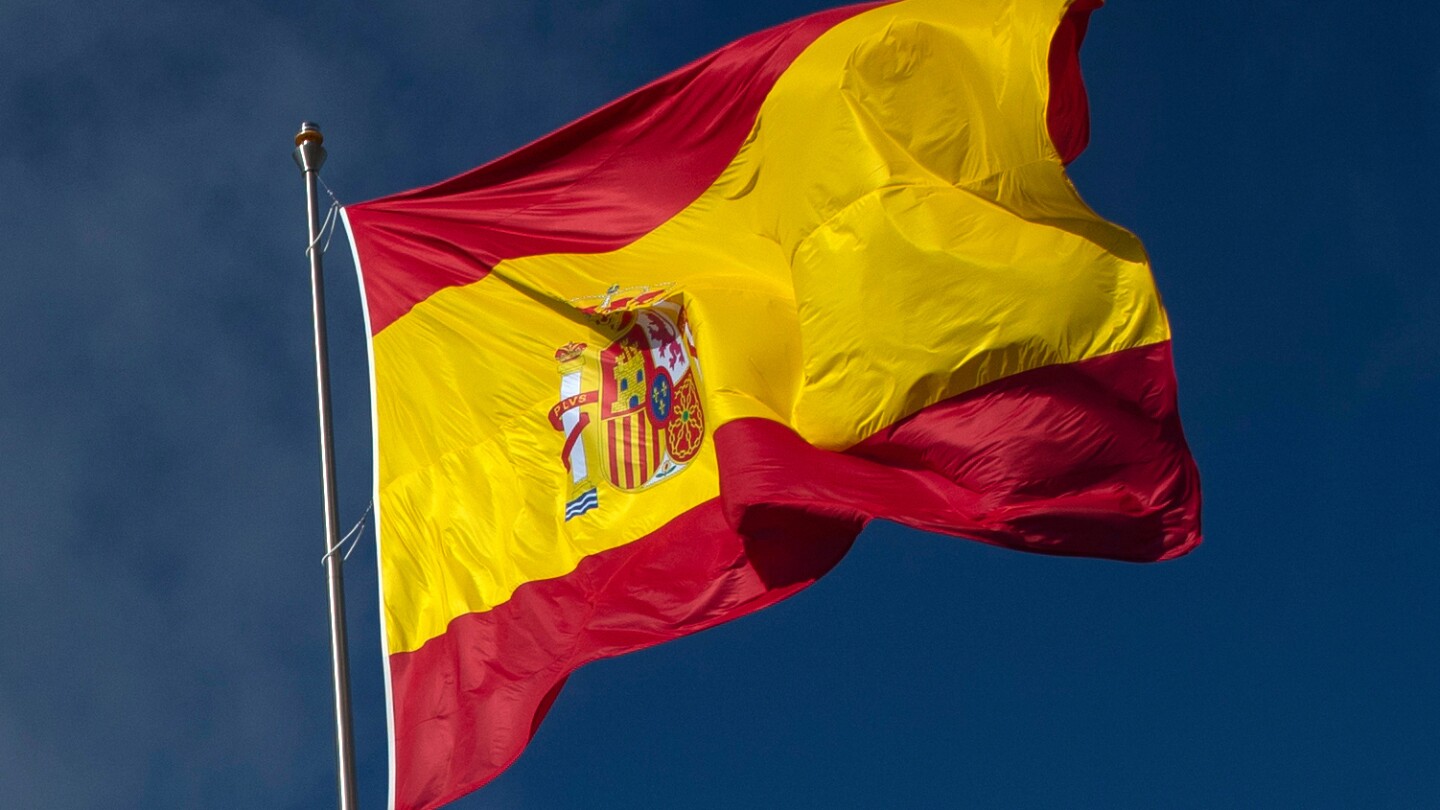
Spain’s top prosecutor stands trial over allegations of leaking confidential information
In a landmark event for Spain’s judicial history, Attorney General Álvaro García Ortiz stood trial on Monday over allegations of leaking confidential information. This unprecedented case has sent shockwaves through Prime Minister Pedro Sánchez’s left-wing government, marking the first time a top prosecutor has faced criminal charges in modern Spain. García Ortiz is accused of disclosing an email from a lawyer representing Alberto González Amador, the partner of Madrid’s influential regional leader Isabel Díaz Ayuso, who is under investigation for alleged tax fraud. García Ortiz has vehemently denied the accusations and has received public backing from Sánchez on multiple occasions. The trial, which is expected to conclude next week, underscores the deepening rift between Spain’s national left-wing government and Madrid’s conservative regional administration. The case is part of a broader wave of legal challenges involving individuals close to Sánchez, including corruption probes targeting two former high-ranking officials from his Socialist Party, as well as investigations into the business dealings of Sánchez’s wife, Begoña Gómez. While Sánchez himself has not been directly implicated, these cases have posed significant threats to his government’s stability. The prime minister has criticized some judges, alleging political motivations behind the probes into his wife’s activities.
-
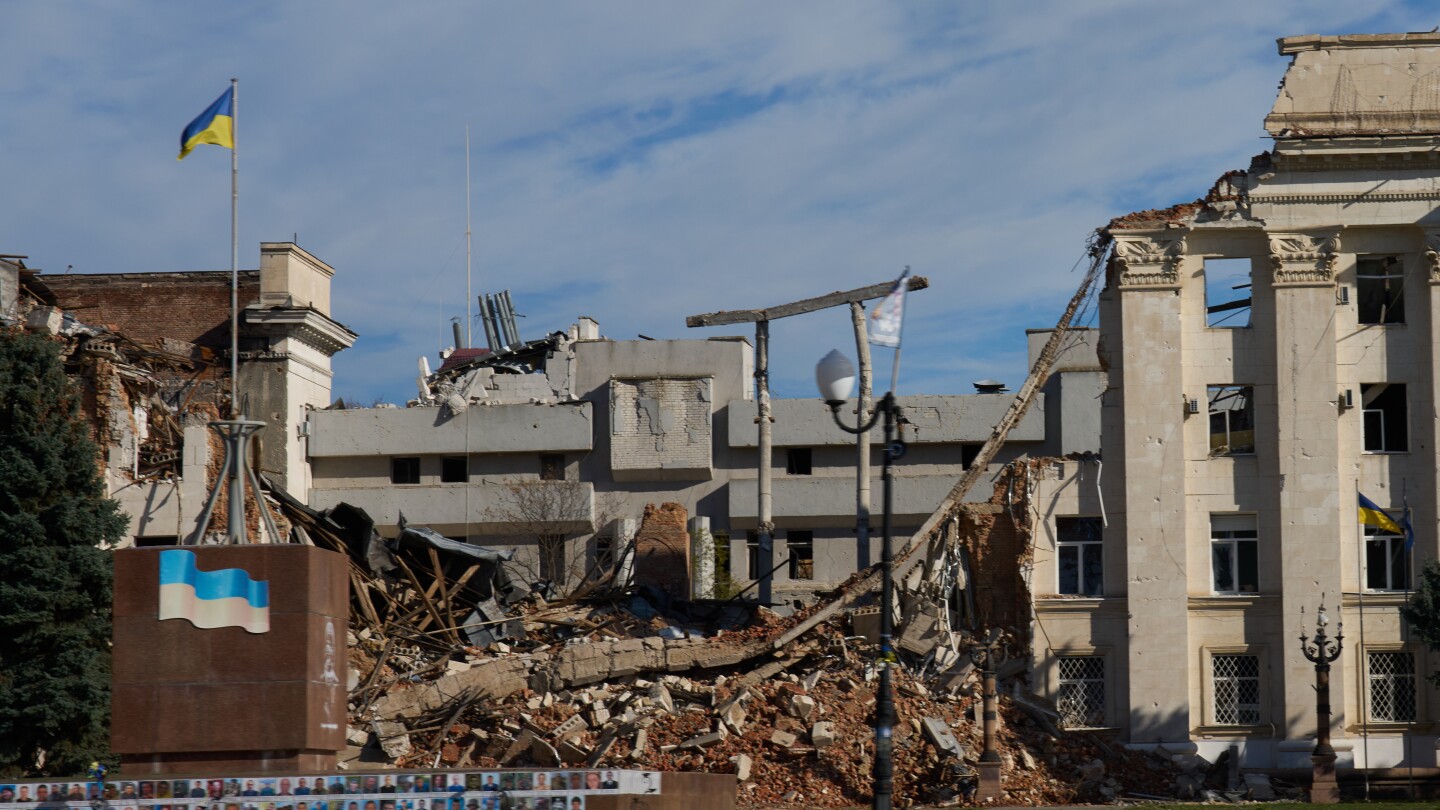
A Latvian arrested for allegedly collecting information for Russia’s intelligence
RIGA, Latvia — A Latvian national has been apprehended on charges of espionage, accused of gathering sensitive information about the Baltic nation’s defense sector for Russia’s GRU military intelligence service. The suspect, whose identity remains undisclosed, was detained last month following coordinated raids on two associated locations. According to Latvia’s State Security Service, the individual allegedly collected and transmitted classified details about NATO forces stationed in the country, as well as intelligence on private aviation infrastructure and methods for acquiring prepaid mobile phone cards. This arrest underscores growing concerns over Russia’s alleged campaign of sabotage and hybrid warfare targeting Ukraine’s European allies. Recent months have seen a surge in arson attacks, cyber intrusions, and espionage activities across the continent. The Baltic states and broader Europe remain on heightened alert, particularly after a spike in unauthorized incursions by Russian fighter jets and drones into NATO airspace in September. These incidents have prompted questions about the alliance’s readiness to counter potential Russian aggression.
-
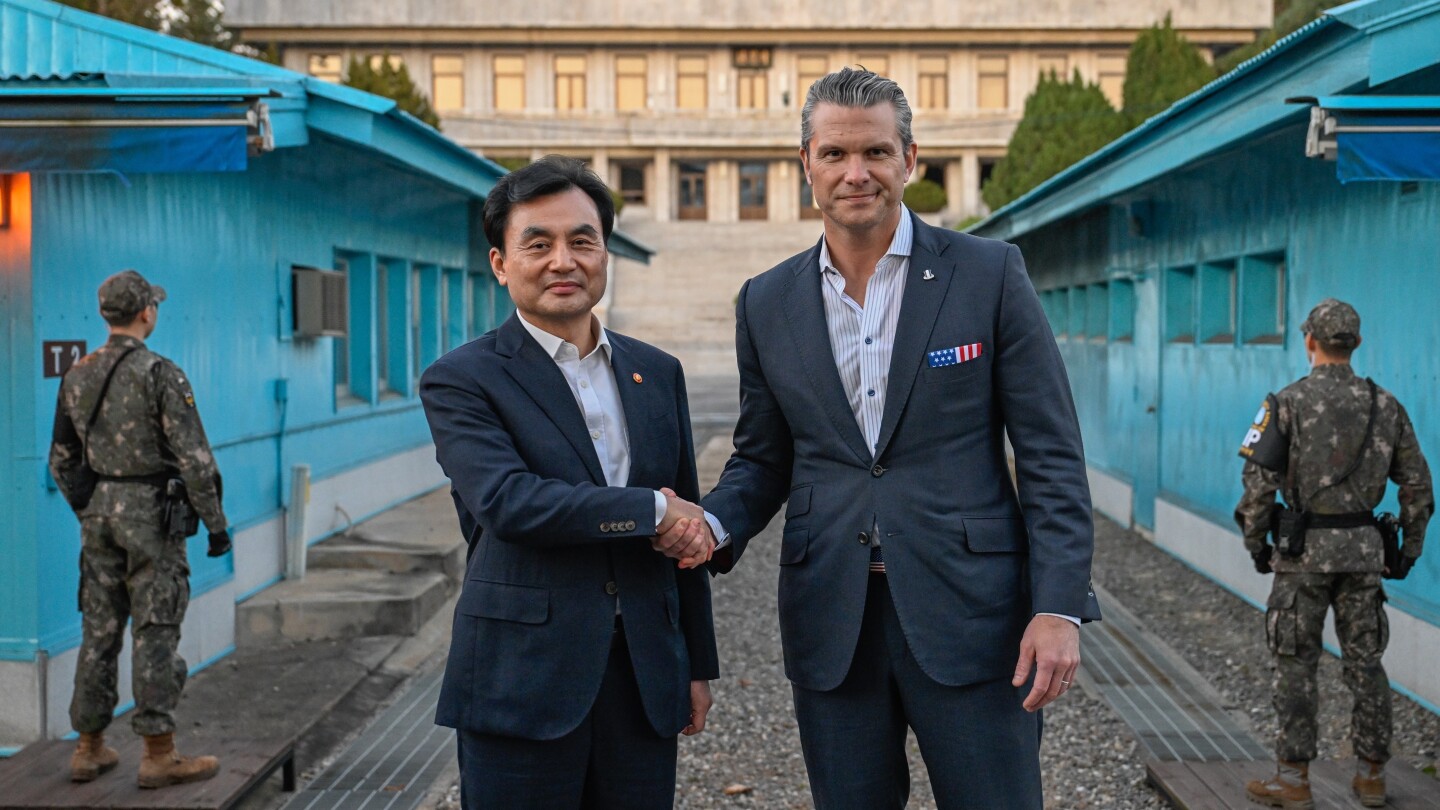
Hegseth visits inter-Korean border ahead of security talks with South Korean officials
SEOUL, South Korea — U.S. Defense Secretary Pete Hegseth embarked on a two-day visit to South Korea, focusing on strengthening bilateral security ties and reaffirming the alliance between the two nations. His itinerary included a visit to the Demilitarized Zone (DMZ), a symbolic and strategic area separating the two Koreas, where he received a detailed briefing from military officials at Observation Post Ouellette. This site has previously hosted notable figures, including former U.S. President Donald Trump in 2019, who used the vantage point to observe North Korea and engage with American troops stationed there. Hegseth, accompanied by South Korean Defense Minister Ahn Gyu-back, also toured the historic Panmunjom border village, where the 1953 armistice agreement was signed, effectively halting the Korean War. The visit underscored the robust defense collaboration and seamless coordination between the two allies, as highlighted by Ahn’s ministry. Notably, Hegseth refrained from addressing North Korea’s ongoing nuclear and missile advancements, despite the regime’s persistent refusal to engage in dialogue with Washington and Seoul. In a display of military solidarity, South Korea’s Joint Chiefs of Staff Chairman Gen. Jin Yong-sung and U.S. Gen. Dan Caine jointly supervised a combined formation flight of South Korean and U.S. F-16 fighter jets above Pyeongtaek, a major U.S. military base. This inaugural exercise aimed to showcase the unwavering strength and ironclad defense posture of the alliance. Hegseth and Ahn, who had previously convened at a defense ministers’ meeting in Malaysia, are set to participate in the annual U.S.-South Korea defense talks in Seoul. Key agenda items include South Korea’s pledge to bolster defense spending and the implementation of a prior agreement to transition wartime operational control to a binational command led by a South Korean general with a U.S. deputy. However, concerns linger in Seoul regarding potential demands from the Trump administration for increased financial contributions to support the U.S. military presence or a possible reduction of American forces to prioritize strategic focus on China. Hegseth’s visit follows closely on the heels of Trump’s recent trip to South Korea, where he engaged in discussions with South Korean President Lee Jae Myung and Chinese President Xi Jinping during the Asia-Pacific Economic Cooperation summit in Gyeongju. During their meeting, Lee reiterated South Korea’s commitment to enhancing defense expenditures and sought U.S. assistance in acquiring nuclear-powered submarines. Trump subsequently announced on social media that the U.S. would share advanced technology to facilitate South Korea’s construction of a nuclear-powered submarine at the Philly Shipyard, recently acquired by South Korea’s Hanwha Group. Additionally, the leaders made progress in trade negotiations, addressing specifics of South Korea’s $350 billion investment pledge to mitigate the impact of U.S. tariffs.
-
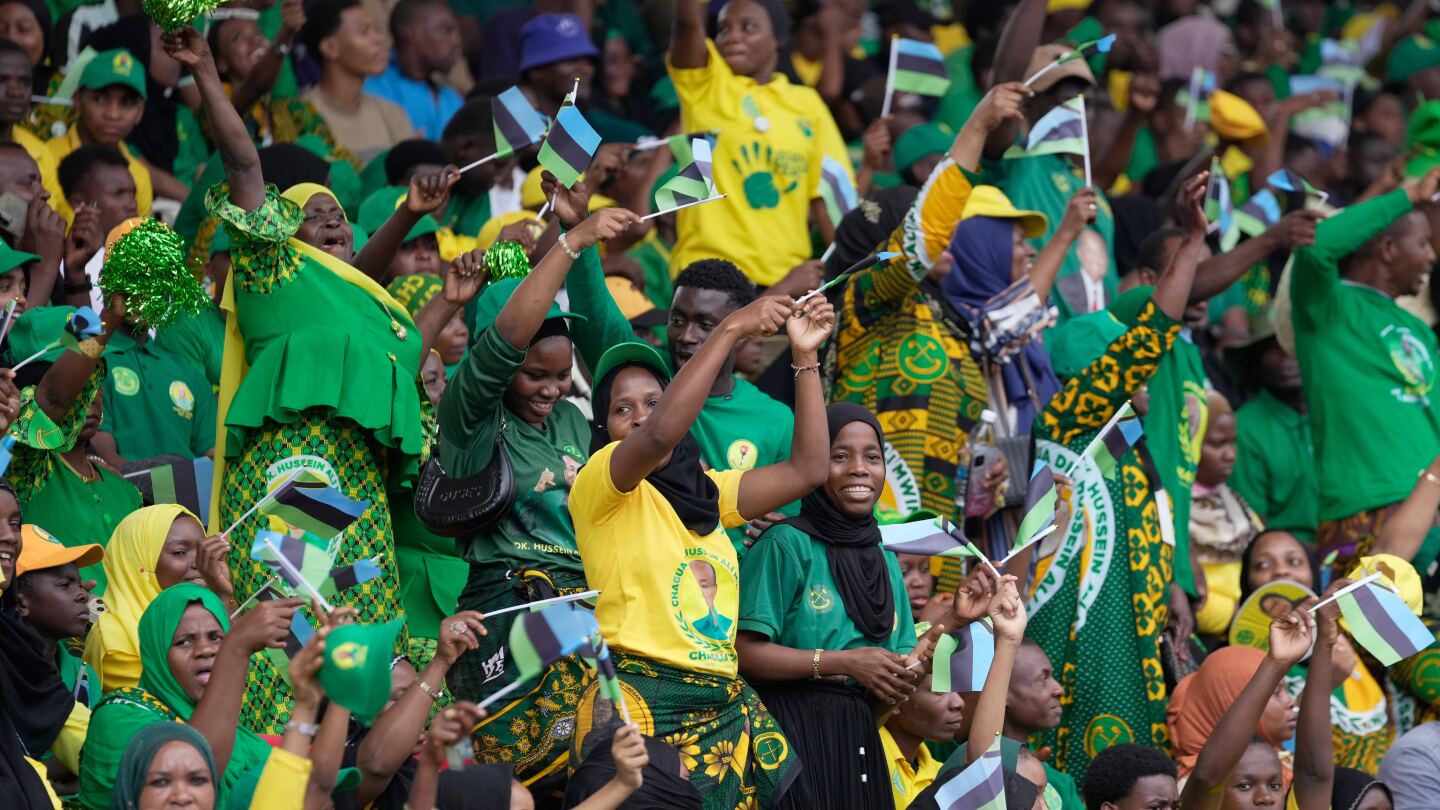
Tanzania’s president blames foreigners for deadly protests after disputed election
Tanzanian President Samia Suluhu Hassan has attributed last week’s deadly protests to foreign interference, following a contentious election that barred two key opposition candidates from challenging her re-election bid. In her inaugural address, Hassan acknowledged the loss of lives but claimed that those arrested were from other countries, without providing specifics. She pledged to unite the nation and urged security forces to restore normalcy. Her swearing-in ceremony, held in Dodoma, was notably subdued compared to her previous inauguration, reflecting the heightened tensions. The Southern African Development Community (SADC) criticized the October 29 election, stating it failed to meet democratic standards due to the exclusion of opposition candidates and delays in accrediting observers. The main opposition party, Chadema, rejected the results, calling them baseless. Meanwhile, internet restrictions persisted, disrupting daily life and economic activities. International leaders, including those from Mozambique, Zambia, Burundi, and Somalia, attended the ceremony, with Zambian President Hakainde Hichilema urging Tanzanians to avoid violence. Kenyan President William Ruto called for dialogue to ensure stability, as the election violence disrupted cross-border trade, leaving agricultural goods to rot at the Kenya-Tanzania border.
-
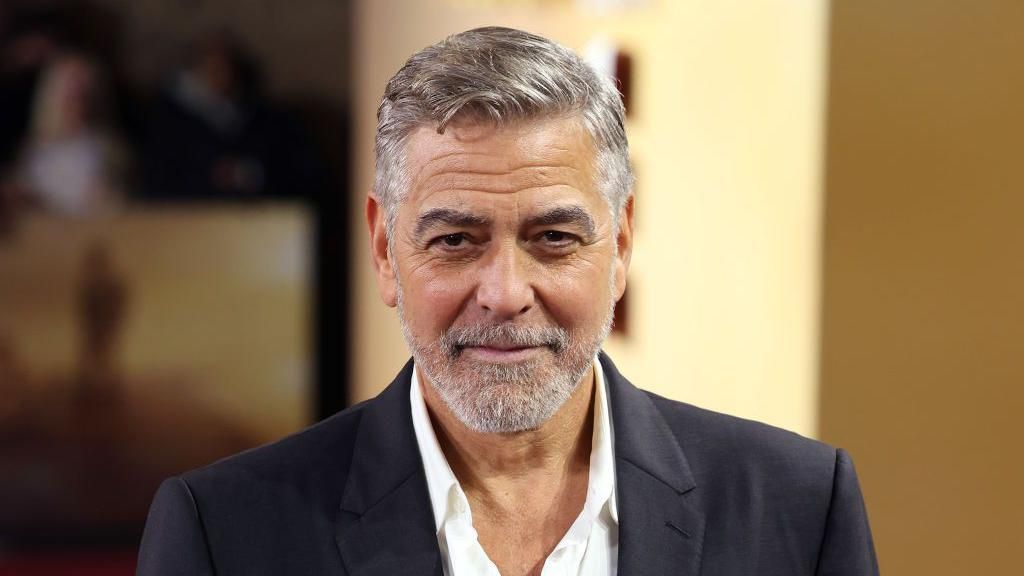
Clooney says Harris replacing Biden was a ‘mistake’
In a recent interview with CBS, renowned actor and Democratic fundraiser George Clooney expressed his belief that it was a ‘mistake’ for Kamala Harris to replace Joe Biden as the Democratic candidate in the 2024 U.S. presidential election. Clooney, who had penned a high-profile op-ed in the New York Times in July 2024 urging Biden to step aside, stood by his decision, stating, ‘We had a chance.’ He argued that Biden, despite his storied career, was no longer fit to face the challenges of a presidential campaign, particularly against Donald Trump. Clooney emphasized the need for a primary to ‘battle-test’ potential candidates, but the Democratic Party ultimately bypassed this process, handing the nomination to Harris. Reflecting on her candidacy, Clooney noted the difficulty Harris faced in distancing herself from her own record, calling it a ‘very tough task.’ His comments followed a heated response from Hunter Biden, who criticized Clooney for questioning his father’s mental acuity in an expletive-laden interview. Meanwhile, Harris, in a BBC interview, hinted at a possible future presidential run, expressing confidence that a woman would one day occupy the White House.
-
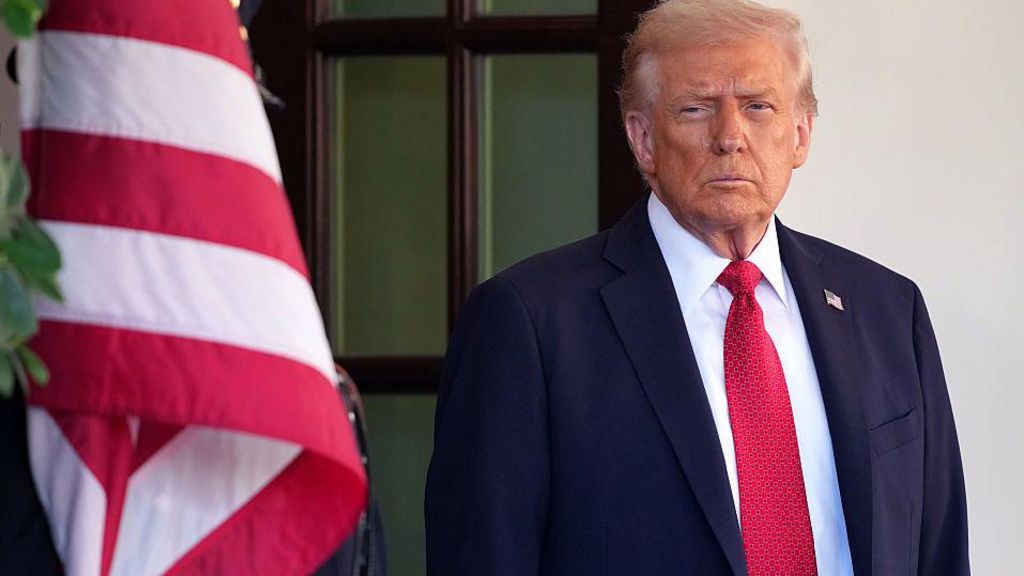
Trump’s planned tests are ‘not nuclear explosions’, US energy secretary says
In a bid to assuage global apprehensions, US Energy Secretary Chris Wright has categorically stated that the United States does not intend to conduct nuclear explosions. This declaration follows President Donald Trump’s recent directive to the military to resume nuclear weapons testing, a move that has sparked widespread concern. Wright, in an interview with Fox News on Sunday, emphasized that the planned tests are ‘non-critical explosions,’ aimed at ensuring the reliability of nuclear weapon components without triggering a nuclear detonation. ‘Americans near historic test sites such as the Nevada National Security Site have no cause for concern,’ Wright assured, addressing fears of a mushroom cloud resurgence. Trump’s call for testing, articulated on Truth Social, was perceived by many as a precursor to full-scale nuclear blasts, a practice dormant since 1992. However, Wright’s remarks aim to clarify that the tests are not of the same magnitude. Trump, in a subsequent interview with CBS’s 60 Minutes, reiterated his stance, asserting that the US should not lag behind other nations in nuclear testing. ‘Russia’s testing, and China’s testing, but they don’t talk about it,’ Trump remarked, adding North Korea and Pakistan to the list of nations allegedly conducting such tests. Both China and Russia have denied these allegations, with China’s foreign ministry spokesperson Mao Ning affirming China’s commitment to a self-defence nuclear strategy and a moratorium on nuclear testing. Russia’s Kremlin spokesman Dmitry Peskov also refuted claims of recent nuclear tests, emphasizing that certain weapon tests should not be misconstrued as nuclear detonations. The global nuclear landscape remains tense, with the US and Russia holding the largest arsenals, followed by China, which is rapidly expanding its nuclear capabilities. The Federation of American Scientists estimates that Russia possesses approximately 5,459 warheads, while the US has about 5,177. China, with around 600 warheads, is projected to exceed 1,000 by 2030, according to the Center for Strategic and International Studies. As the world watches, the US’s approach to nuclear testing continues to be a focal point of international discourse.