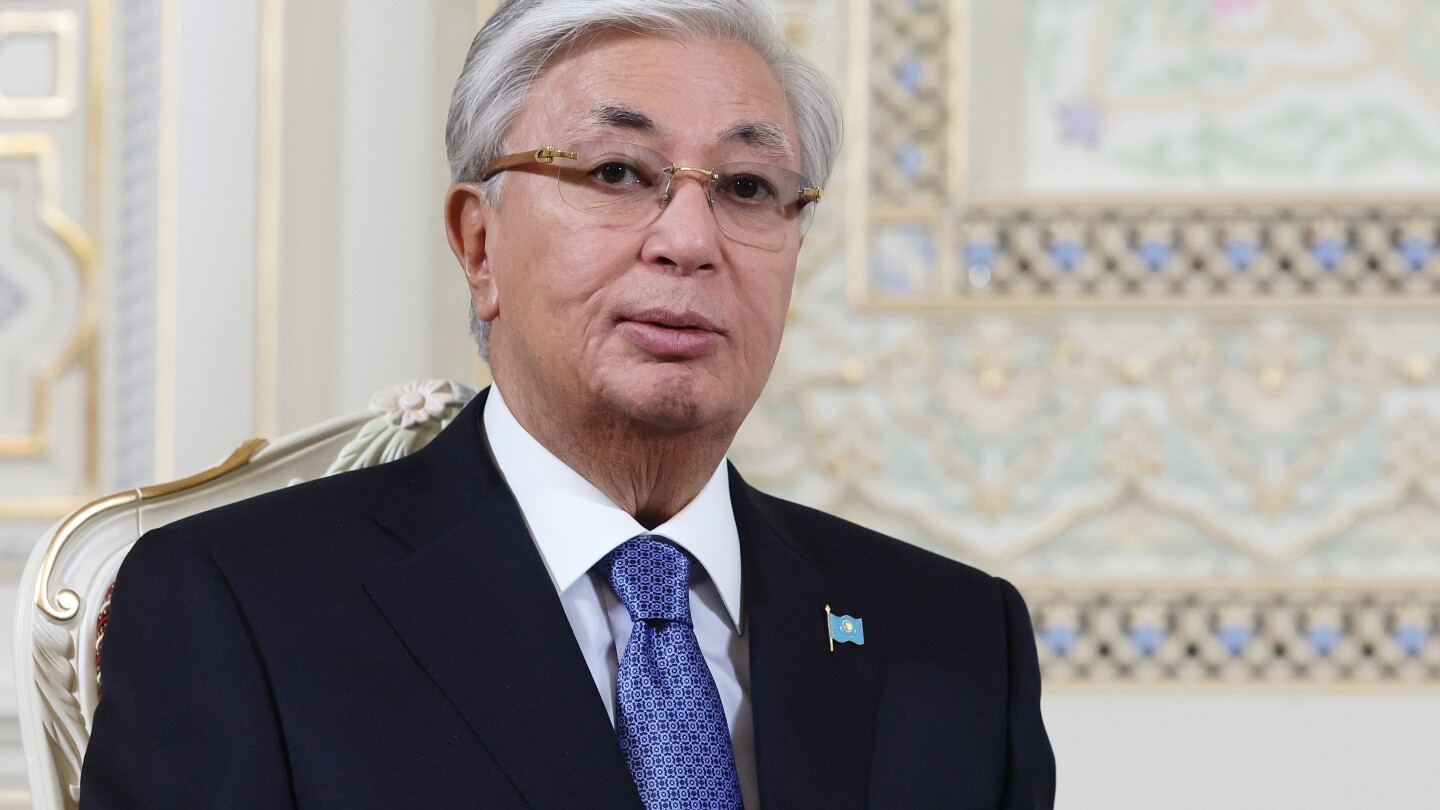
In a significant diplomatic development, Kazakhstan has announced its participation in the Abraham Accords, a landmark initiative established during the first administration of former U.S. President Donald Trump. The move, described by U.S. officials as largely symbolic, underscores Kazakhstan’s long-standing diplomatic relations with Israel, which date back to 1992. Unlike other signatories such as Bahrain, Morocco, Sudan, and the United Arab Emirates, Kazakhstan’s geographical distance from Israel makes its inclusion unique. The announcement was made during a summit hosted by Trump, who gathered leaders from five Central Asian nations, including Kazakhstan, to discuss regional cooperation and strategic partnerships. While Kazakhstan’s formal ties with Israel have existed since the collapse of the Soviet Union, its participation in the Abraham Accords is expected to bolster bilateral trade, defense, cybersecurity, energy, and food technology collaborations. The decision also signals Israel’s growing international acceptance, particularly amid ongoing criticism of its actions in the Gaza conflict. U.S. officials emphasized that Trump’s nascent peace plan for Gaza has reshaped global perceptions, encouraging more nations to align with the ‘circle of peace.’ The summit also highlighted broader U.S. efforts to strengthen ties with Central Asia, particularly in areas such as rare earth metals, as part of a strategy to counter China’s influence in the region. Secretary of State Marco Rubio’s meeting with Kazakh President Kassym-Jomart Tokayev further underscored the focus on expanding trade, investment, and technological cooperation, though discussions on Israel were notably absent from official statements.
分类: politics
-
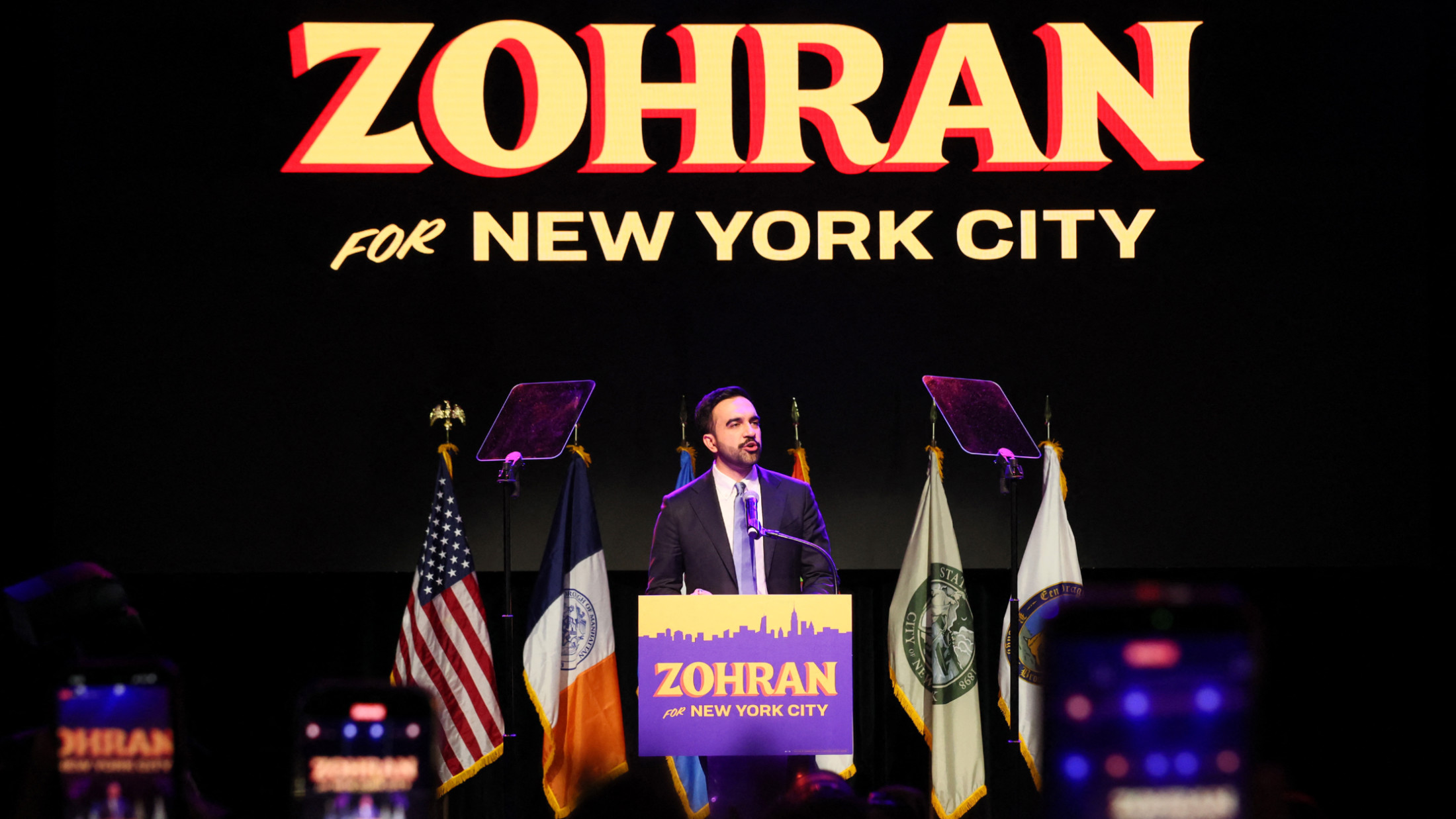
Iranian press review: Mamdani’s New York victory stirs debate
The election of Zahran Mamdani as mayor of New York has sparked varied reactions in Iran, with Tehran celebrating the rise of a Muslim Shia politician in the US as a symbolic victory. However, the event has also been used by critics to highlight systemic issues within Iran’s political structure. Hossein Derakhshan, a former political prisoner, drew parallels between Mamdani’s election and the hypothetical scenario of a young Sunni Afghan woman becoming mayor of Tehran, emphasizing the deep-seated racism and sexism in Iran. Conservative figures, including Ali Bahadori Jahromi, spokesperson for the late former president Ebrahim Raisi, criticized the entrenched power dynamics in Iran, questioning the opportunities for younger generations to lead. Meanwhile, the rising number of executions in Iran continues to draw international condemnation. On November 4, at least 12 people were executed across several cities, with charges ranging from murder to drug trafficking. This year has seen a sharp increase in executions, with over 1,100 carried out so far, often used as a tool to suppress political dissent. The Independent International Fact-Finding Mission on Iran has warned that such executions could constitute crimes against humanity. Additionally, the arrests of several academics, including economist Parviz Sedaghat and sociologist Mahsa Asadollahnejad, have raised concerns about the government’s crackdown on independent voices. The Iranian Sociological Association has called for the release of these researchers, highlighting the troubling implications for the academic community. Amid these developments, Iran’s position as a major player in cryptocurrency mining has also come under scrutiny, with unauthorized mining exacerbating the country’s electricity shortages.
-
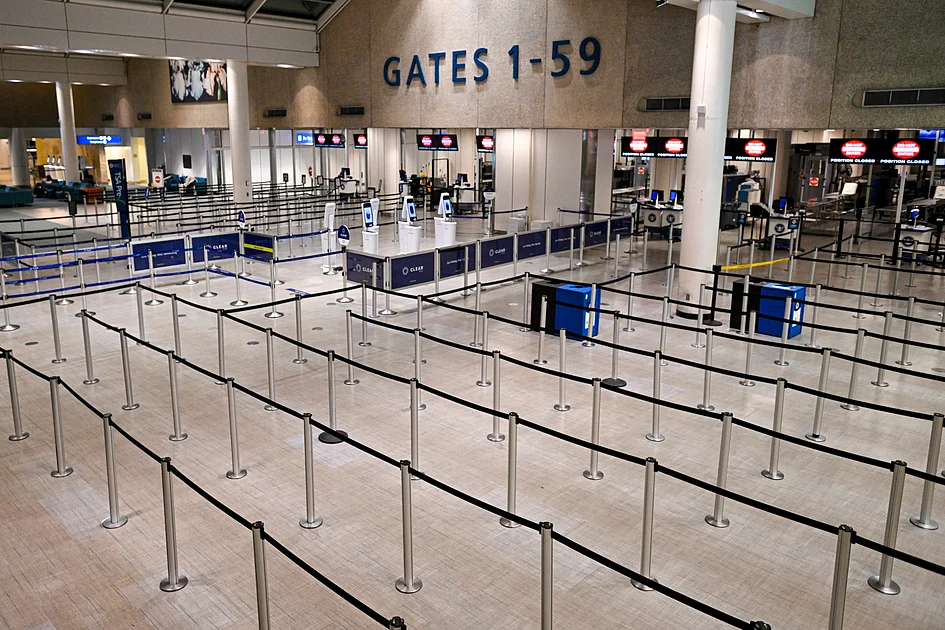
US to cancel flights as longest government shutdown drags on
The United States is bracing for significant disruptions in air travel as the longest government shutdown in history continues to cripple federal operations. Transportation Secretary Sean Duffy announced a 10% reduction in flight capacity across 40 high-traffic air traffic areas, effective Friday. Major airports in Atlanta, Dallas, Los Angeles, and New York City are expected to bear the brunt of these cuts. The Federal Aviation Administration (FAA) confirmed the reductions, citing staffing shortages due to the ongoing shutdown. Over 60,000 air traffic controllers and Transportation Security Administration (TSA) officers are currently working without pay, raising concerns about increased absenteeism and potential chaos at check-in lines. The shutdown, which began after Congress failed to approve funding past September 30, has left 1.4 million federal workers either furloughed or working without compensation. House Speaker Mike Johnson warned that flight delays, initially at 5%, have now surged to over 50%, jeopardizing public safety. The impasse between Democrats and Republicans centers on healthcare spending, with Democrats demanding an extension of expiring insurance subsidies and Republicans insisting on immediate funding approval. Former President Donald Trump has intensified pressure on Democrats by threatening mass layoffs and targeting progressive priorities. Amid the crisis, the White House clarified its commitment to partial payments under the Supplemental Nutrition Assistance Program (SNAP), despite earlier threats to cut off aid.
-
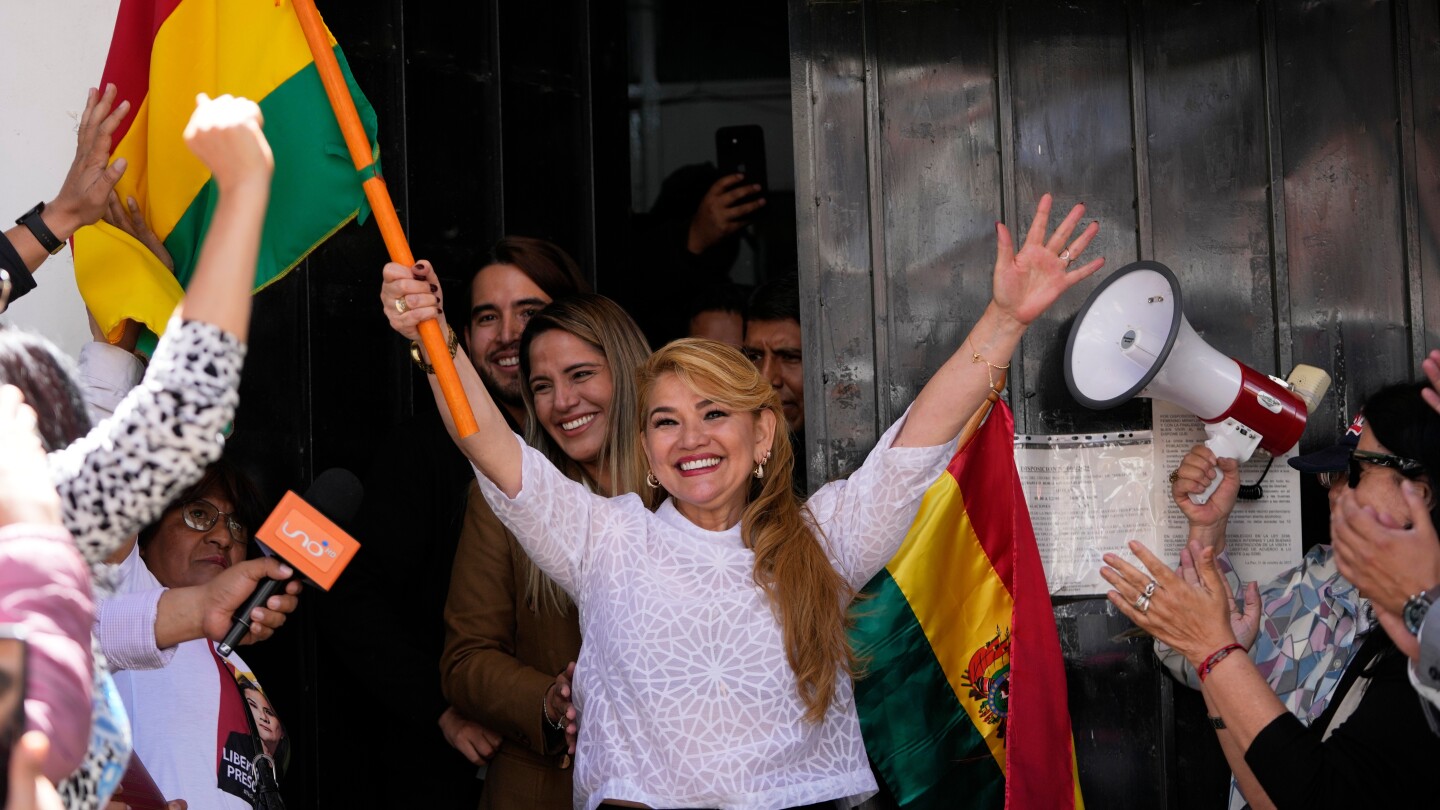
Bolivia’s former interim president Jeanine Áñez freed from prison after Supreme Court ruling
LA PAZ, Bolivia — In a landmark decision, Bolivia’s Supreme Court of Justice annulled the 10-year prison sentence of former interim president Jeanine Áñez, leading to her release from Miraflores women’s prison on Thursday. Áñez, who had been incarcerated for over four years, expressed profound relief as she emerged, waving a Bolivian flag and greeted by jubilant supporters chanting, “Yes, we could.”
Áñez’s imprisonment stemmed from her controversial assumption of the presidency in 2019, following the resignation of then-president Evo Morales amid widespread protests and allegations of electoral fraud. The 2019 crisis, which resulted in 37 deaths, was marked by accusations that Morales had secured an unconstitutional fourth term, as denounced by the Organization of American States.
The Supreme Court’s ruling emphasized that Áñez’s actions were driven by a “state of constitutional necessity” aimed at preserving Bolivia’s institutional stability. This decision effectively closed the debate over whether her ascension constituted a coup, as claimed by Morales’ supporters.
The timing of the ruling is significant, coming just three days before the inauguration of President-elect Rodrigo Paz, whose historic victory on October 19 ended nearly two decades of political dominance by Morales’ leftist Movement Toward Socialism (MAS) party. Paz extended an invitation to Áñez to attend his inauguration, with her daughter indicating she might accept.
Áñez, who has faced multiple accusations but no pending cases in ordinary courts, has seen two other convictions annulled in August related to the deaths of 20 protesters during the 2019 crisis. Following the latest presidential elections, the court also reviewed the pretrial detention of Áñez and two other opposition leaders, releasing them from prison and placing them under house arrest.
“The monster had to go for it to be acknowledged that there was not a coup in this country, but rather an electoral fraud,” Áñez declared, reaffirming her commitment to serving Bolivia during its time of need.
-
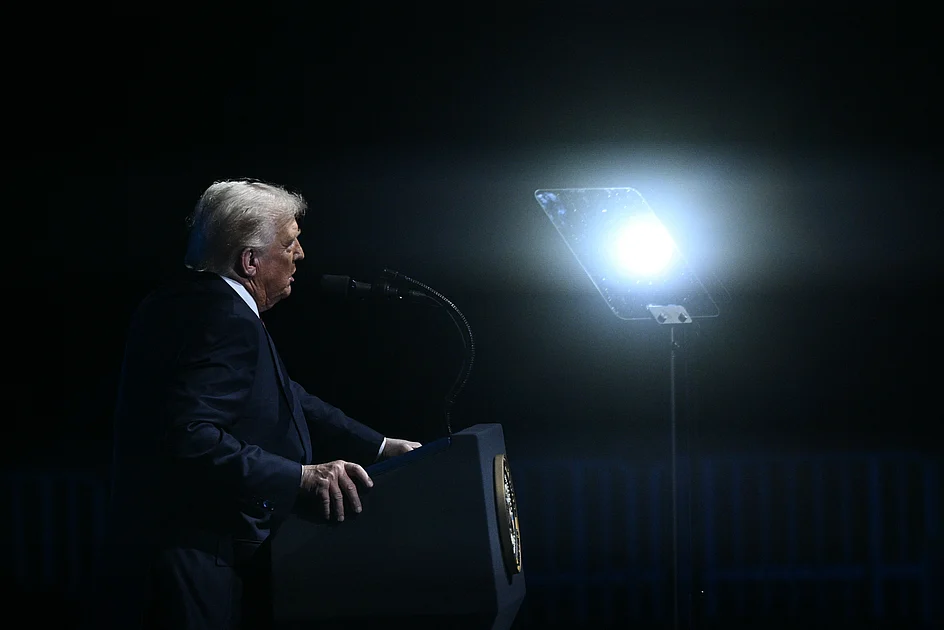
‘AI president’: Trump deepfakes glorify himself, trash rivals
In an unprecedented move, former U.S. President Donald Trump has embraced artificial intelligence (AI) as a central tool in his political communication strategy. Since beginning his second term, Trump has flooded his Truth Social platform with hyper-realistic AI-generated content, portraying himself in grandiose roles while discrediting his political adversaries. These fabricated visuals, ranging from Trump as a crowned king to Superman, have captivated and deceived social media users, blurring the lines between reality and fiction. The White House has remained silent on whether Trump or his aides are behind these creations, but the impact is undeniable. Critics argue that this marks a dangerous escalation in the weaponization of AI for political gain. Trump’s posts have included absurd scenarios, such as a video of him piloting a fighter jet labeled ‘King Trump’ dumping waste on protesters, and another promoting the debunked ‘MedBed’ conspiracy theory. His use of AI has also targeted rivals, including former President Barack Obama and House Minority Leader Hakeem Jeffries, with racially charged imagery. Experts like Nora Benavidez of Free Press warn that such tactics distort reality and undermine public discourse. Meanwhile, California Governor Gavin Newsom has adopted a similar strategy, using AI-generated content to mock Republicans after recent Democratic victories. This trend raises critical questions about the ethical use of AI in politics and its potential to erode shared truths in society.
-
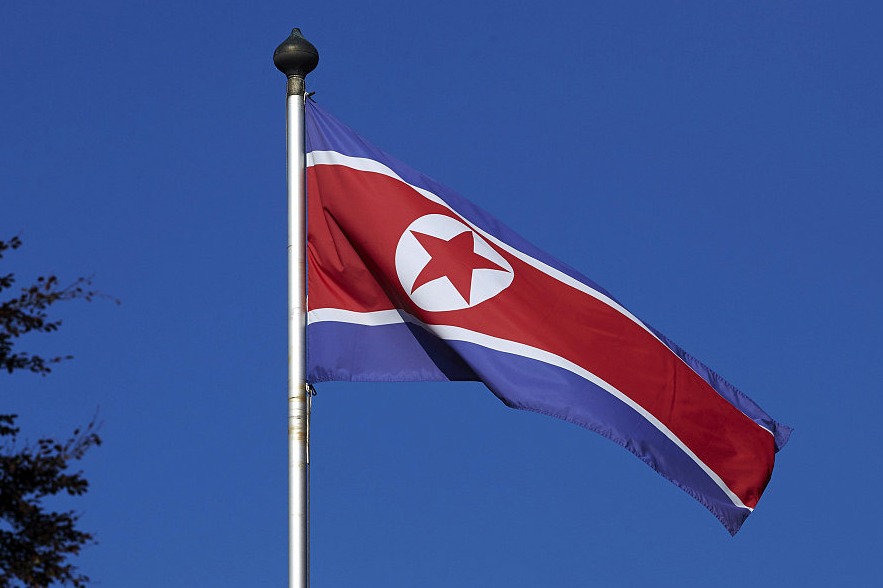
DPRK condemns US for imposing unilateral sanctions
The Democratic People’s Republic of Korea (DPRK) has strongly criticized the United States for imposing unilateral sanctions, labeling the move as a continuation of Washington’s hostile stance. In a statement released by the official Korean Central News Agency (KCNA), Kim Un-chol, Vice-Minister for US Affairs at the DPRK Foreign Ministry, denounced the latest sanctions as the fifth such measure enacted by the current US administration. Kim emphasized that these sanctions would not influence North Korea’s strategic perspective or policies. He further asserted that the US efforts to alter the bilateral strategic landscape through sanctions are futile. Kim warned that the DPRK would respond with appropriate countermeasures, maintaining its resolve to withstand prolonged hostility from the US. The statement underscores the deepening tensions between the two nations, with North Korea framing the sanctions as an aggressive act rather than a diplomatic tool.
-
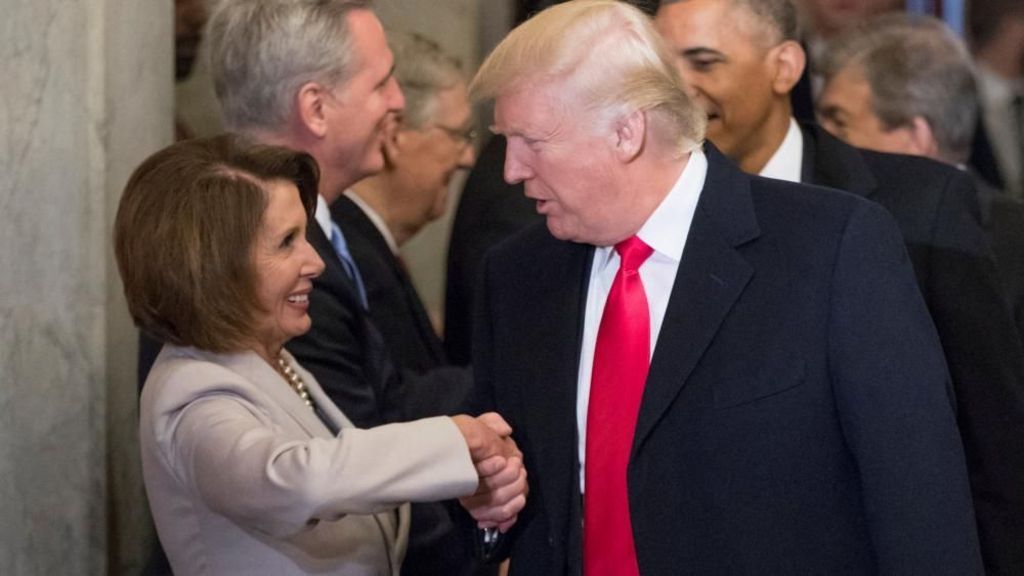
Watch: Three times the Pelosi-Trump feud was caught on camera
The political rivalry between US Congresswoman Nancy Pelosi and former President Donald Trump has been a defining feature of recent American politics. Throughout Trump’s presidency, Pelosi emerged as one of his most vocal critics, with their confrontations frequently playing out in the public eye. These tense exchanges were often captured by the media, providing a vivid record of their contentious relationship. From heated debates in the Oval Office to sharp exchanges during press briefings, their clashes highlighted the deep ideological divides within the US government. This article revisits three key moments when their feud was documented on camera, offering a glimpse into the high-stakes drama that characterized their interactions. These incidents not only underscored their personal animosity but also reflected broader political tensions in a deeply polarized nation.
-
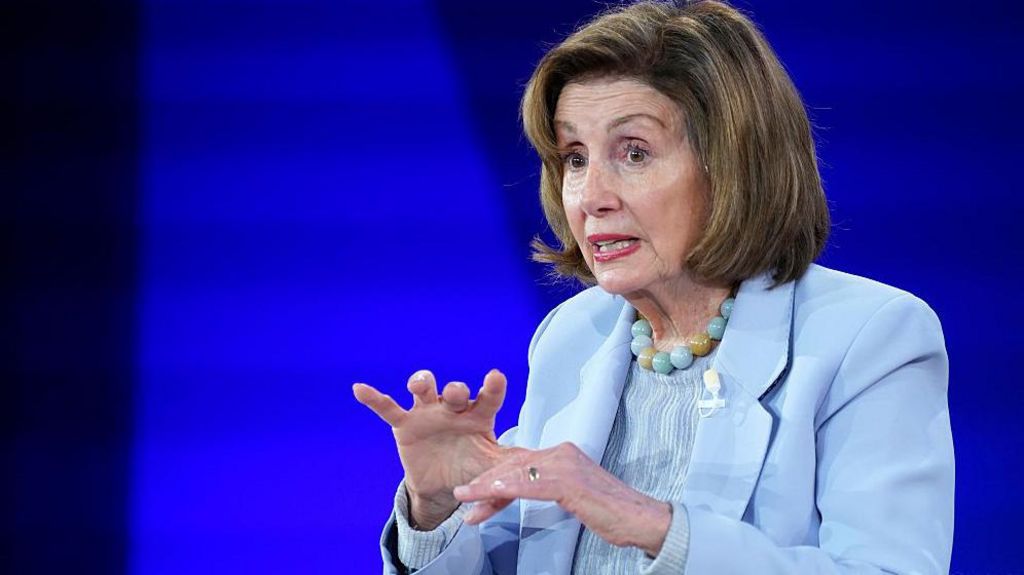
Nancy Pelosi announces retirement after decades in US Congress
In a significant announcement, US Congresswoman Nancy Pelosi has revealed her decision to retire at the conclusion of her current term in January 2027. Pelosi, 85, shared this news through a heartfelt video message, marking the end of an illustrious political journey spanning nearly four decades in the House of Representatives. Pelosi’s career has been nothing short of historic; she broke barriers as the first female Speaker of the House and led her party in the lower chamber of Congress from 2003 to 2023. Known for her strategic acumen, the San Francisco Democrat played a pivotal role in shaping key political decisions, including influencing then-President Joe Biden to step aside during concerns about his mental acuity, which ultimately led to Kamala Harris’s candidacy. As this story continues to develop, further updates will be provided. Stay tuned for the latest information via the BBC News App or follow @BBCBreaking on X for real-time alerts.
-
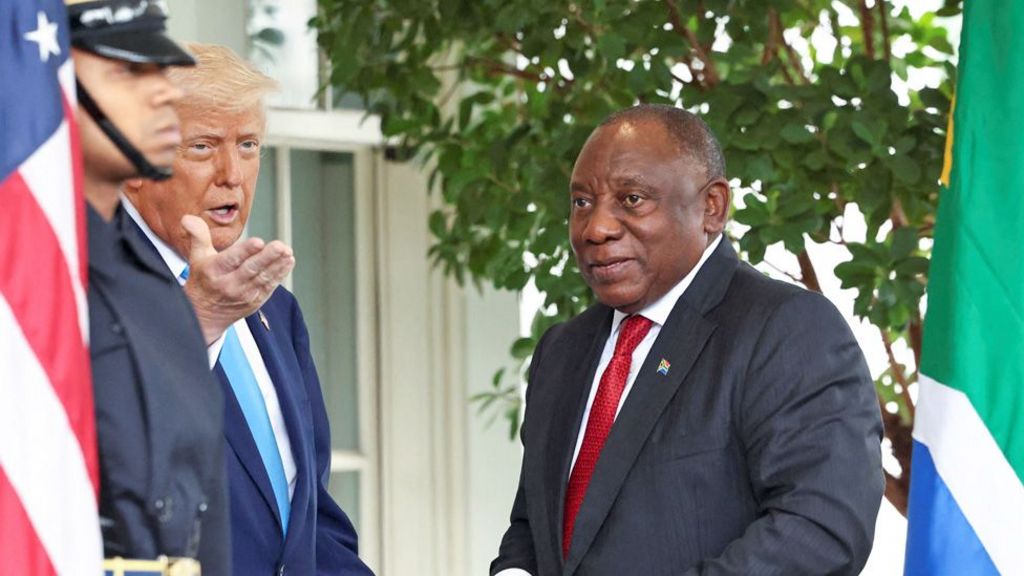
Trump wants South Africa out of the G20 as it gears up for world summit
The diplomatic relationship between the United States and South Africa has deteriorated significantly this year, marked by sharp exchanges over South Africa’s role in the G20 and contentious refugee policies. US President Donald Trump has openly criticized South Africa’s inclusion in the G20, stating that the country ‘shouldn’t even be in the Gs anymore.’ Trump, who has repeatedly accused South Africa of discriminating against its white minority, opted not to attend the upcoming G20 summit in Johannesburg, sending Vice-President JD Vance instead. South Africa, however, remains confident in its ability to host a successful summit, with Presidential spokesperson Vincent Magwenya emphasizing the country’s readiness to welcome global leaders. The G20, established in 1999 to address global economic stability, holds significant weight in international diplomacy, with member states representing over 85% of the world’s wealth. Despite Trump’s criticisms, there is no formal procedure for expelling a country from the G20, as noted by Dr. Andrew Gawthorpe of the Foreign Policy Centre. South Africa has adopted themes of solidarity, equality, and sustainability for this year’s summit, reflecting its commitment to addressing global inequalities and the legacy of colonialism. Tensions were further exacerbated earlier this year when Trump offered refugee status to Afrikaners following South Africa’s land reform legislation, which allows the government to seize land without compensation in rare cases. South African President Cyril Ramaphosa attempted to ease tensions with a visit to the White House in May, but the meeting was overshadowed by Trump’s unsubstantiated claims of white farmer persecution. Efforts to mend relations have largely failed, with South Africa facing a 30% tariff on exports to the US, the highest rate in sub-Saharan Africa. The ongoing friction highlights the complex dynamics of US-South African relations, with both countries grappling with historical legacies and contemporary political challenges.
-

US boat strikes are crimes against humanity, says former ICC prosecutor
A former chief prosecutor at the International Criminal Court (ICC), Luis Moreno Ocampo, has asserted that US airstrikes on alleged drug smuggling boats in the Caribbean Sea and Eastern Pacific should be classified as crimes against humanity under international law. These strikes, which have resulted in the deaths of at least 66 people over the past two months, have sparked significant legal and ethical debates. The Trump administration defends the actions, claiming they are part of a formal armed conflict with South American drug traffickers. However, Moreno Ocampo argues that the campaign constitutes a systematic attack on civilians during peacetime, thereby meeting the criteria for crimes against humanity. He emphasized that the individuals targeted are civilians, not soldiers, and called for investigations and prosecutions rather than lethal force. The White House countered by stating that President Trump acted within the laws of armed conflict to protect the US from cartels and dismissed the ICC as a ‘biased, unserious entity.’ The administration also highlighted that the US is not a signatory to the Rome Statute, which established the ICC. The legal justification for the strikes has been questioned by experts, with former State Department legal adviser Brian Finucane describing the US position as ‘completely unconvincing.’ Meanwhile, the political response has been divided, with Republicans largely supporting the administration’s actions, while Democrats have raised concerns about the legality and lack of evidence. The situation has also strained US-Venezuela relations, with Venezuelan President Nicolás Maduro condemning the strikes as ‘heinous crimes.’