
Fresh from an eight-hour flight from the UK to Washington, DC, Humza Yousaf, the former First Minister of Scotland, greeted a small gathering of Muslim community members with a clever twist on the Eid greeting, using the name of New York City’s mayor-elect, Zohran Mamdani. The phrase, ‘Zohran Mubarak,’ drew cheers and applause, setting the tone for a visit that was about much more than celebration. Yousaf, the first Muslim to lead a Western nation, was there to listen, offer guidance, and foster connections. ‘You are not guests of the west. You are building the west,’ he declared, emphasizing the integral role of Muslim Americans in shaping the nation. Yousaf, who has faced his share of institutionalized bullying and threats, urged the community to remain resilient against the rising tide of far-right extremism. Drawing from his own experiences, he warned that the challenges for Mamdani, the newly elected mayor, would only intensify. ‘When I was first minister, the death threats we received were so credible, we had to have additional security for our family,’ he shared with Middle East Eye. Yousaf’s US tour, spanning Washington, DC, Chicago, Phoenix, and Los Angeles, aims to build ‘support networks’ and mentor the next generation of Muslim leaders. With two decades of political experience, Yousaf hopes to use his platform to empower Muslims in public service. ‘We have the scars from that, metaphorically speaking. And therefore, I think we’re able to advise others who are thinking of going into politics,’ he said. Yousaf, who served as First Minister of Scotland during the early months of Israel’s conflict in Gaza, has been a vocal advocate for Palestinian rights. His wife, Nadia el-Nakla, is of Palestinian heritage, and her family’s ordeal in Gaza has deeply impacted him. ‘It’s incumbent on us that we build a transatlantic alliance to tackle anti-Muslim hatred,’ Yousaf asserted, highlighting the need for a united front against Islamophobia. He criticized figures like Elon Musk and far-right extremists for perpetuating anti-Muslim rhetoric and called for stronger social media regulation. Despite the challenges, Yousaf remains committed to the fight for democracy and equality. ‘If we all leave, then who’s here to fight?’ he asked, emphasizing the importance of standing firm against forces that seek to marginalize Muslims. Yousaf’s message is clear: the Muslim community must continue to lead and inspire, proving that victory is possible, as demonstrated by Mamdani’s historic election win.
分类: politics
-
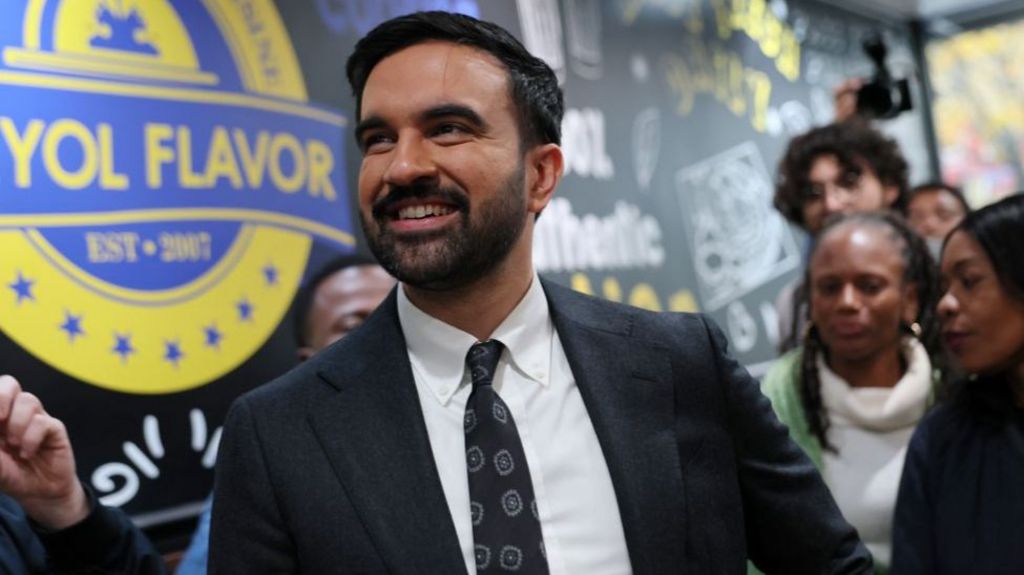
US Democrats still face big questions, despite election wins
In a significant turn of events, the Democratic Party has secured crucial victories in three pivotal elections, marking a potential resurgence after a year of setbacks. The wins in New York, Virginia, and New Jersey have reignited debates about the party’s future direction as it prepares for the 2026 midterms and beyond.
-
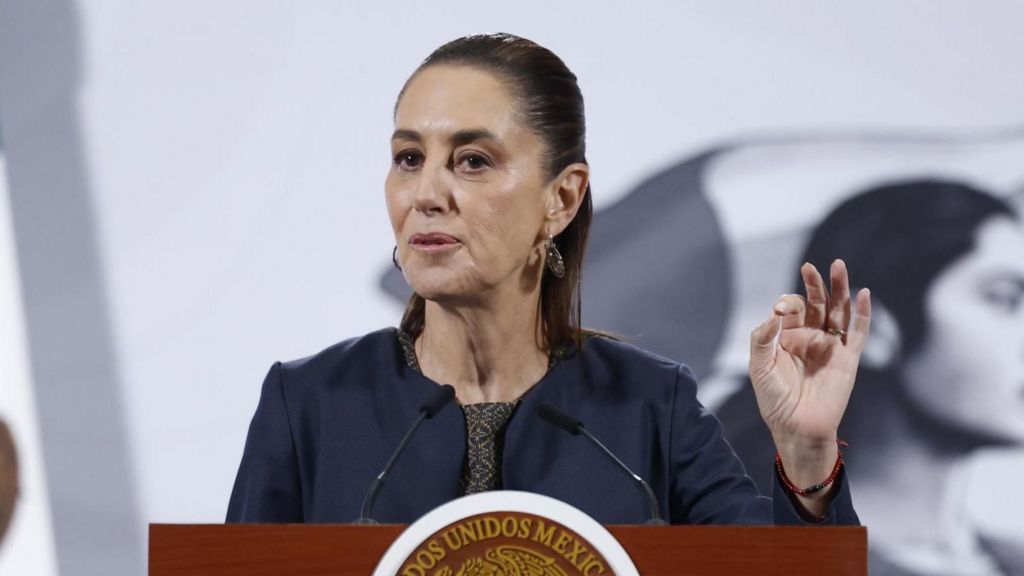
Peru Congress declares Mexican president ‘persona non grata’
In a significant diplomatic escalation, Peru’s Congress has officially declared Mexican President Claudia Sheinbaum as ‘persona non grata,’ effectively barring her from entering the country. This decision follows Peru’s recent severance of diplomatic ties with Mexico, triggered by Mexico’s decision to grant asylum to former Peruvian Prime Minister Betssy Chávez. Chávez faces charges related to her alleged involvement in a 2022 coup attempt led by ousted President Pedro Castillo, who sought to dissolve Peru’s Congress. She has since taken refuge in the Mexican embassy in Lima. Mexico has defended its actions, asserting that the asylum offer complies with international law and rejecting Peru’s characterization of the move as ‘unfriendly.’ The Peruvian Congress passed the declaration with a 63-33 vote, further straining relations between the two Latin American nations. During the proceedings, Peruvian legislators also accused Sheinbaum of having ties to drug trafficking, though no evidence was provided to substantiate these claims. Chávez, who was imprisoned in June 2023 and later released on bail in September, denies all charges, while prosecutors are seeking a 25-year sentence. Peruvian Foreign Minister Hugo de Zela criticized Mexico for allegedly portraying coup leaders as victims and accused Mexico of repeatedly interfering in Peru’s internal affairs. This incident marks the latest in a series of diplomatic clashes between the two countries, including the 2022 expulsion of Mexico’s ambassador after asylum was granted to Castillo’s family. Last September, Peru’s Foreign Relations Committee had already proposed declaring Sheinbaum ‘persona non grata’ for her perceived support of Castillo.
-
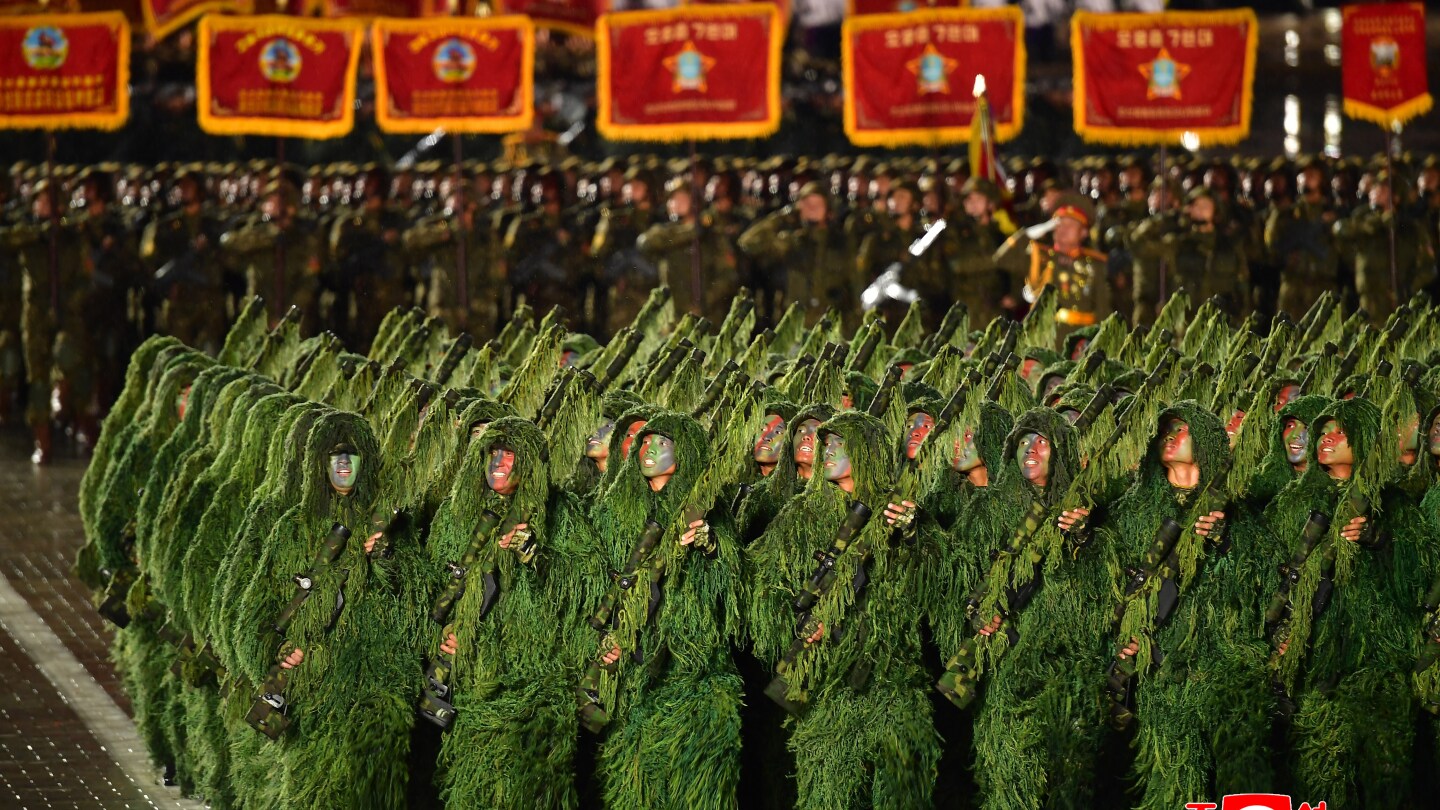
North Korean and Russian military officials discuss further cooperation in Pyongyang
In a significant development in international relations, senior military officials from North Korea and Russia convened in Pyongyang this week to discuss enhanced cooperation, as reported by North Korean state media on Friday. The talks, led by North Korea’s Pak Yong Il, vice director of the Korean People’s Army’s General Political Bureau, and Russia’s Vice Defense Minister Viktor Goremykin, focused on deepening bilateral ties under the leadership of Kim Jong Un and Vladimir Putin. While no specific agreements were disclosed, the discussions underscored the growing alignment between the two nations, particularly in the context of Russia’s ongoing conflict in Ukraine. This meeting follows recent intelligence from South Korea’s National Intelligence Service, which indicated potential recruitment and training activities in North Korea, possibly for additional troop deployments to Russia. South Korean officials, including Unification Ministry spokesperson Chang Yoon-jeong, have refrained from speculating on the exact nature of these discussions but are closely monitoring the situation. Meanwhile, U.S. Defense Secretary Pete Hegseth’s recent visit to South Korea highlighted the strengthening of U.S.-South Korea security ties, with praise for South Korea’s plans to increase military spending in response to regional threats, including those posed by North Korea. According to South Korean assessments, North Korea has already sent approximately 15,000 troops and significant military equipment to Russia since last fall, with further deployments of military construction workers and deminers expected.
-
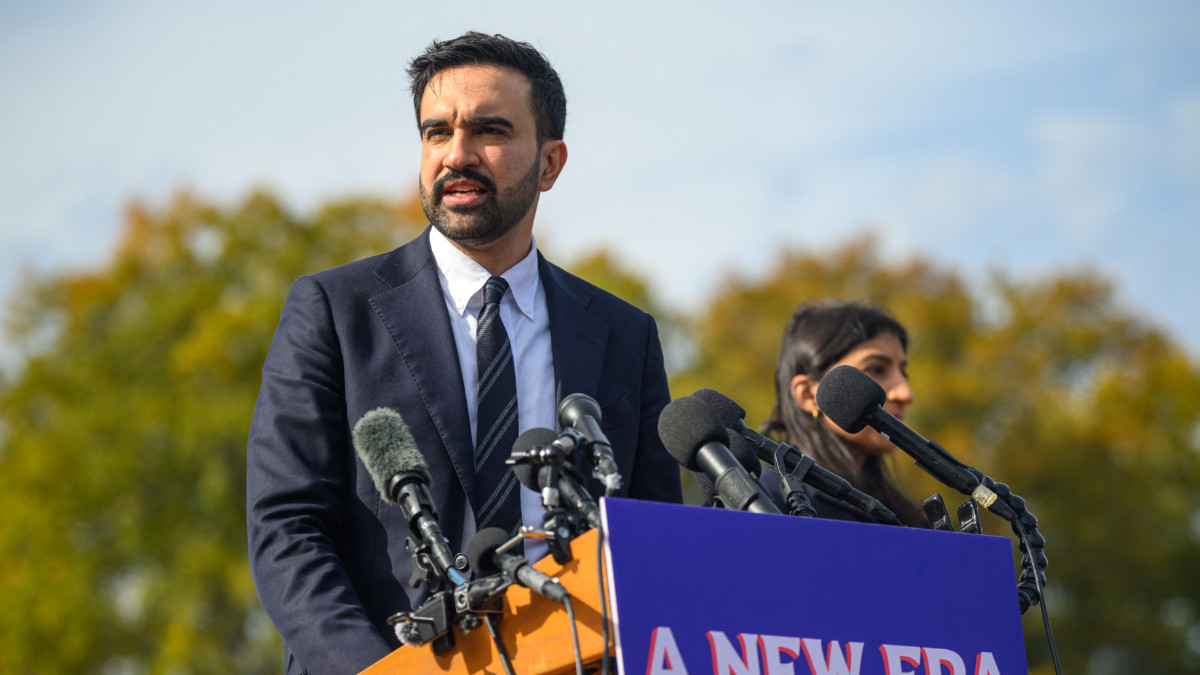
ADL’s move to establish ‘Mamdani Monitor’ decried as scaremongering and Islamophobia
The Anti-Defamation League (ADL), a prominent pro-Israel organization, has announced plans to closely monitor the policies and personnel decisions of New York City Mayor-Elect Zohran Mamdani. In a statement released on Wednesday, ADL CEO Jonathan Greenblatt expressed concerns over Mamdani’s alleged promotion of antisemitic narratives and associations with individuals accused of antisemitism. Greenblatt emphasized that Mamdani’s views on Israel starkly contrast with those of the majority of Jewish New Yorkers, raising fears that his administration could exacerbate the recent surge in antisemitic incidents in the city. The ADL plans to establish a dedicated tipline for reporting antisemitic acts and will create a ‘Mamdani Monitor’ to track his governance. The move has drawn sharp criticism from Muslim civil rights groups, including the Council on American-Islamic Relations (CAIR), which accused the ADL of hypocrisy and anti-Muslim bias. Mamdani, the first Muslim mayor of New York City and a self-declared Democratic Socialist, has been vocal in his criticism of Israel’s policies, accusing the country of genocide in Gaza. His campaign faced repeated attacks from pro-Israel groups, and he has been the target of Islamophobic rhetoric on social media. Despite the controversy, Mamdani secured a decisive victory in the mayoral election, winning four out of five boroughs. He is set to take office on January 1, 2026.
-
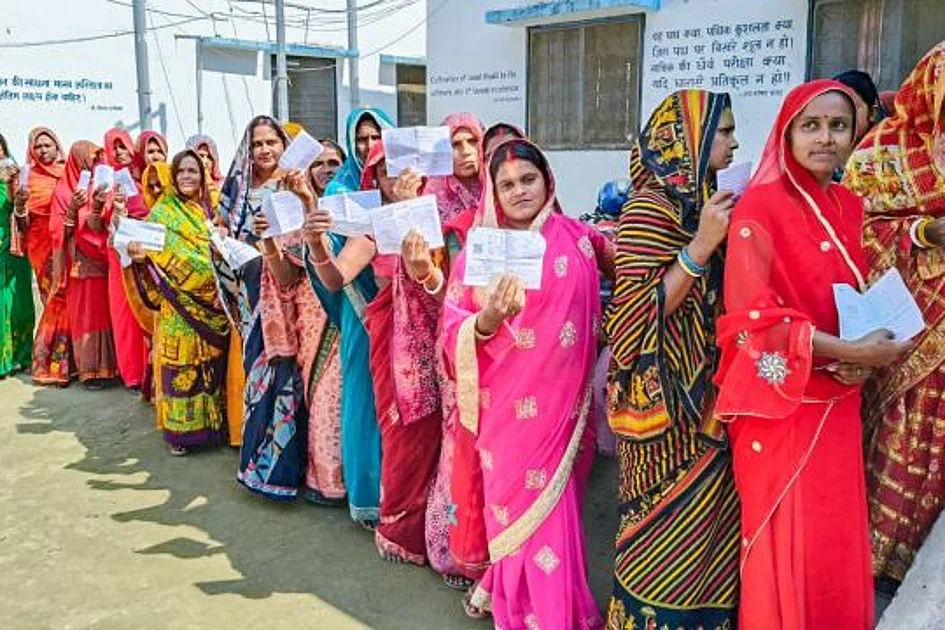
First phase of Bihar elections posts ‘highest’ turnout in 30 years
The first phase of the Bihar Assembly elections concluded on Thursday with a provisional voter turnout of 64.46 percent across 121 constituencies, marking a significant increase from the 56.1 percent recorded in the 2020 elections. According to Chief Electoral Officer Vinod Singh Gunjiyal, this turnout is likely the highest in the state over the past three decades. Both the National Democratic Alliance (NDA) and the Mahagathbandhan alliance swiftly claimed victory following the polls. Congress leader Pawan Khera expressed confidence in the Mahagathbandhan alliance forming the government, stating, ‘We are forming the next government with a clear majority, perhaps even more.’ Prashant Kishore, chief of the Jan Suraaj Party, interpreted the high turnout as a sign of imminent change, predicting a ‘new arrangement’ by the counting date. BJP candidate Sanjay Saraogi attributed the surge in voter enthusiasm to strong public support for the NDA, while Janata Dal (U) leader Neeraj Kumar credited the Bihar government’s Mahila Rozgar Yojana for mobilizing women, backward classes, and Dalit voters. The elections have highlighted Bihar’s demand for development and trust in current leadership, setting the stage for a highly anticipated outcome.
-
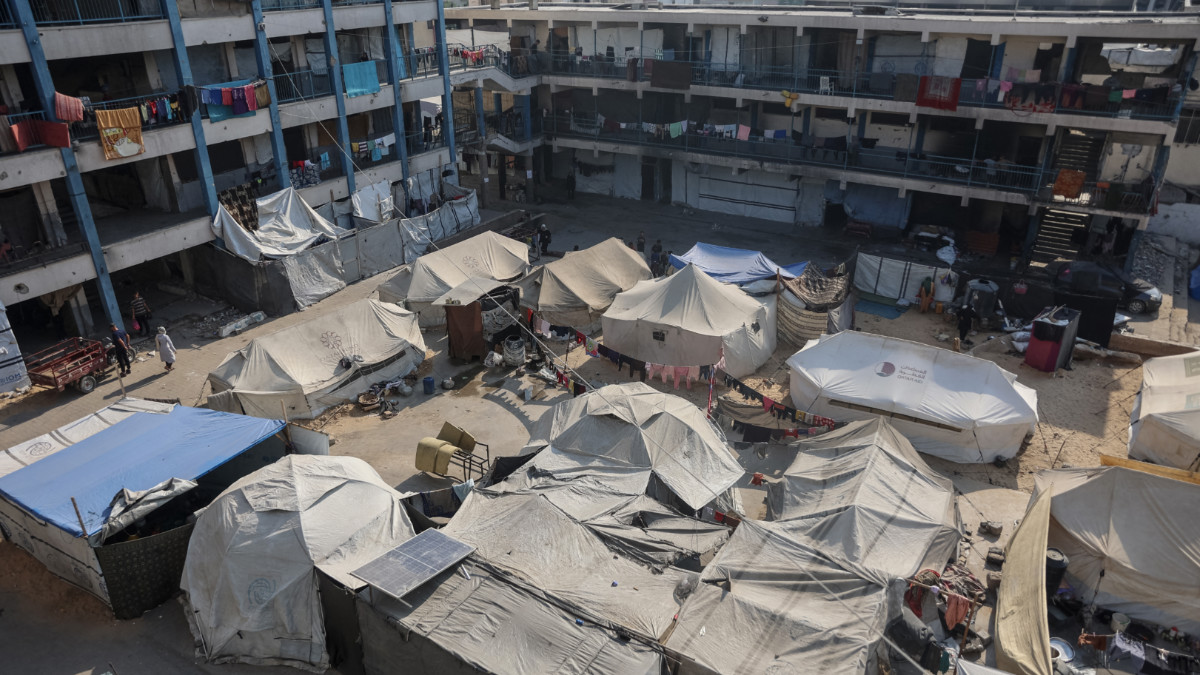
Egypt and Turkey wary of ‘disarmament’ language in Gaza UN resolution, sources says
Arab and Muslim nations are raising alarms over a proposed US-led international stabilization force in Gaza, fearing they may be coerced into forcibly disarming Hamas. A draft United Nations resolution, obtained by Middle East Eye, outlines the force’s role in demilitarizing Gaza, including dismantling military and terror infrastructure. Egyptian officials emphasize the need for a negotiated approach to disarmament, advocating for amnesty for Hamas fighters who surrender their weapons. They stress that Egypt will not undertake tasks Israel failed to accomplish. Turkish sources criticize the draft, arguing it transforms the force into an enforcer of Israeli security rather than a peacekeeping body. They suggest the force should focus on conflict prevention, border control, and training Palestinian security personnel under a future government. While Palestinian support for Hamas remains strong, there are indications that regional pressure may influence Hamas to consider relinquishing certain weapons. The US plan, part of President Trump’s 20-point peace proposal, faces skepticism due to its lack of consultation with key regional players. Critics argue the force must avoid being perceived as an Israeli proxy to gain legitimacy among Palestinians. The draft resolution proposes a ‘board of peace’ chaired by Trump, with a US military coordination center in Israel overseeing operations. Unlike traditional UN peacekeeping missions, this force would operate independently of UN command, raising concerns about oversight and accountability.
-
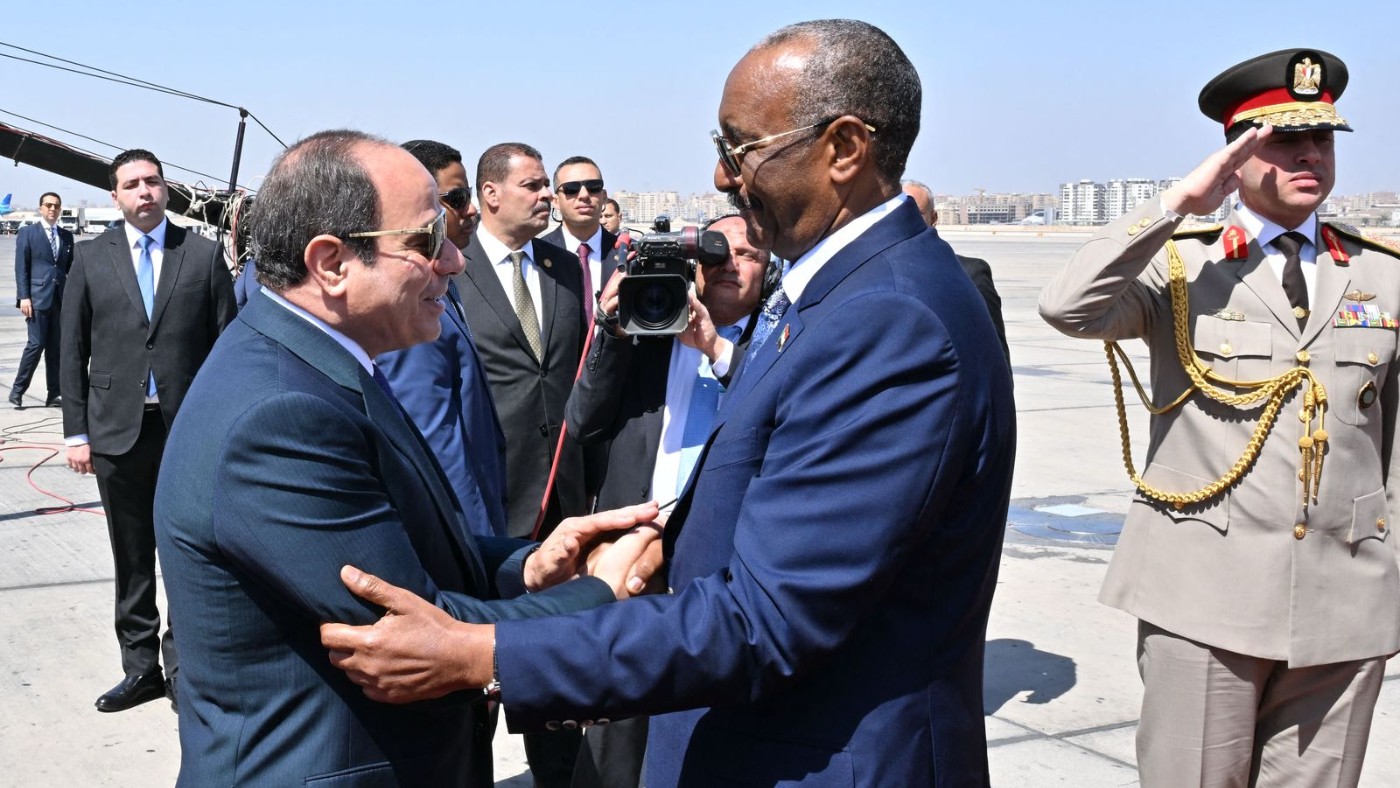
Exclusive: Egypt and Turkey boost support for Sudan’s army following RSF capture of el-Fasher
The seizure of el-Fasher in Darfur by Sudan’s Rapid Support Forces (RSF) has triggered a significant shift in Egypt’s strategic outlook, as Cairo perceives the conflict as a direct threat to its national security. The RSF’s brutal tactics in el-Fasher have forced Egypt to reconsider its southern borders as a critical line of defense. This development marks a pivotal moment in Sudan’s ongoing civil war, which has seen the Sudanese Armed Forces (SAF) supported by Egypt since April 2023. The RSF’s capture of key border regions in June, coupled with the atrocities in el-Fasher, has heightened Egypt’s concerns about regional instability and potential spillover effects. In response, President Abdel Fattah el-Sisi’s government is adopting a dual approach of military reinforcement and diplomatic engagement to mitigate the crisis. Egypt has bolstered its border defenses, established joint command forces with Sudan, and intensified cooperation with regional allies like Saudi Arabia and Turkey. The SAF, outmatched by RSF’s advanced weaponry allegedly supplied by the United Arab Emirates (UAE), is seeking additional support from Egypt and Turkey. Analysts suggest that Egypt’s involvement is driven by the need to secure its southern flank and prevent Sudan from fracturing into separate entities. The RSF’s control over trade and smuggling routes further complicates the situation, as Egypt seeks to maintain influence over these strategic corridors. Meanwhile, the UAE’s alleged support for the RSF has drawn international scrutiny, with evidence pointing to extensive arms shipments through various regional hubs. Egypt’s collaboration with Turkey, despite their historical rivalry, underscores the urgency of the situation. As the conflict intensifies, Egypt’s role is evolving from a mediator to an active participant, with the potential for deeper military engagement in Sudan.
-
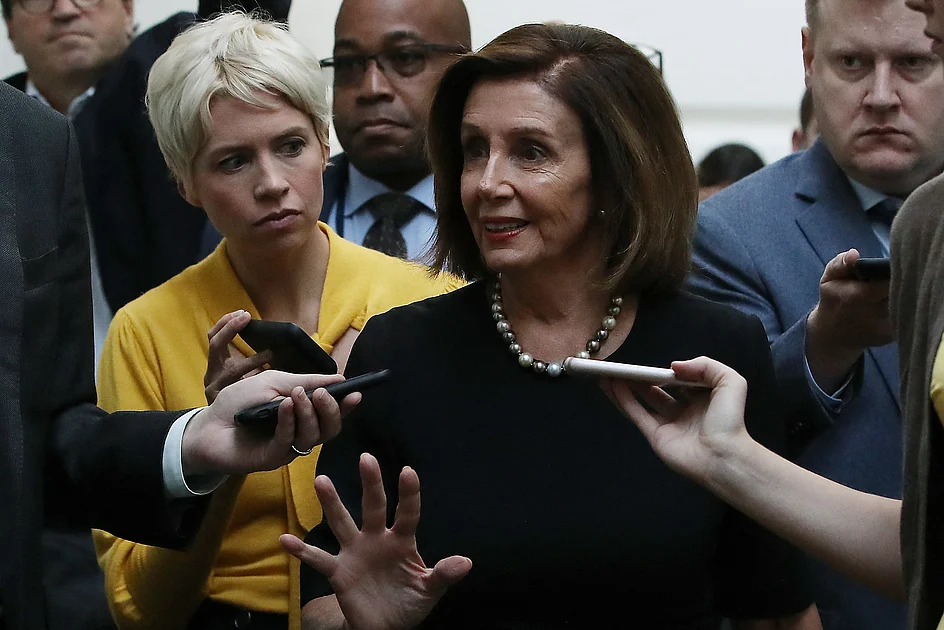
Nancy Pelosi, first female speaker of US House, announces retirement
Nancy Pelosi, the trailblazing first female Speaker of the U.S. House of Representatives, announced on Thursday, November 6, 2025, that she will not seek re-election in 2026, marking the end of a storied four-decade career in Congress. Pelosi, 85, who has been a progressive Democratic icon and a frequent target of Republican criticism, made the announcement in a heartfelt video posted on X. Her decision comes shortly after California voters approved ‘Proposition 50,’ a redistricting initiative aimed at securing five additional House seats for Democrats in the upcoming midterm elections. Pelosi’s career has been defined by her fierce battles for control of the House and her high-profile clashes with former President Donald Trump during his first term from 2017 to 2020. Her retirement underscores a broader generational shift within the Democratic Party, as younger leaders push for change. Pelosi’s legacy includes her pivotal role in passing the Affordable Care Act under President Barack Obama and her relentless advocacy for human rights and LGBTQ+ equality. Her departure will leave a significant void in the Democratic leadership, though Representative Hakeem Jeffries is poised to step into her shoes. Pelosi’s tenure has been marked by both historic achievements and intense partisan strife, including two impeachment efforts against Trump and a harrowing attack on her husband in 2022. As she prepares to leave Congress, Pelosi’s impact on American politics remains indelible.
-
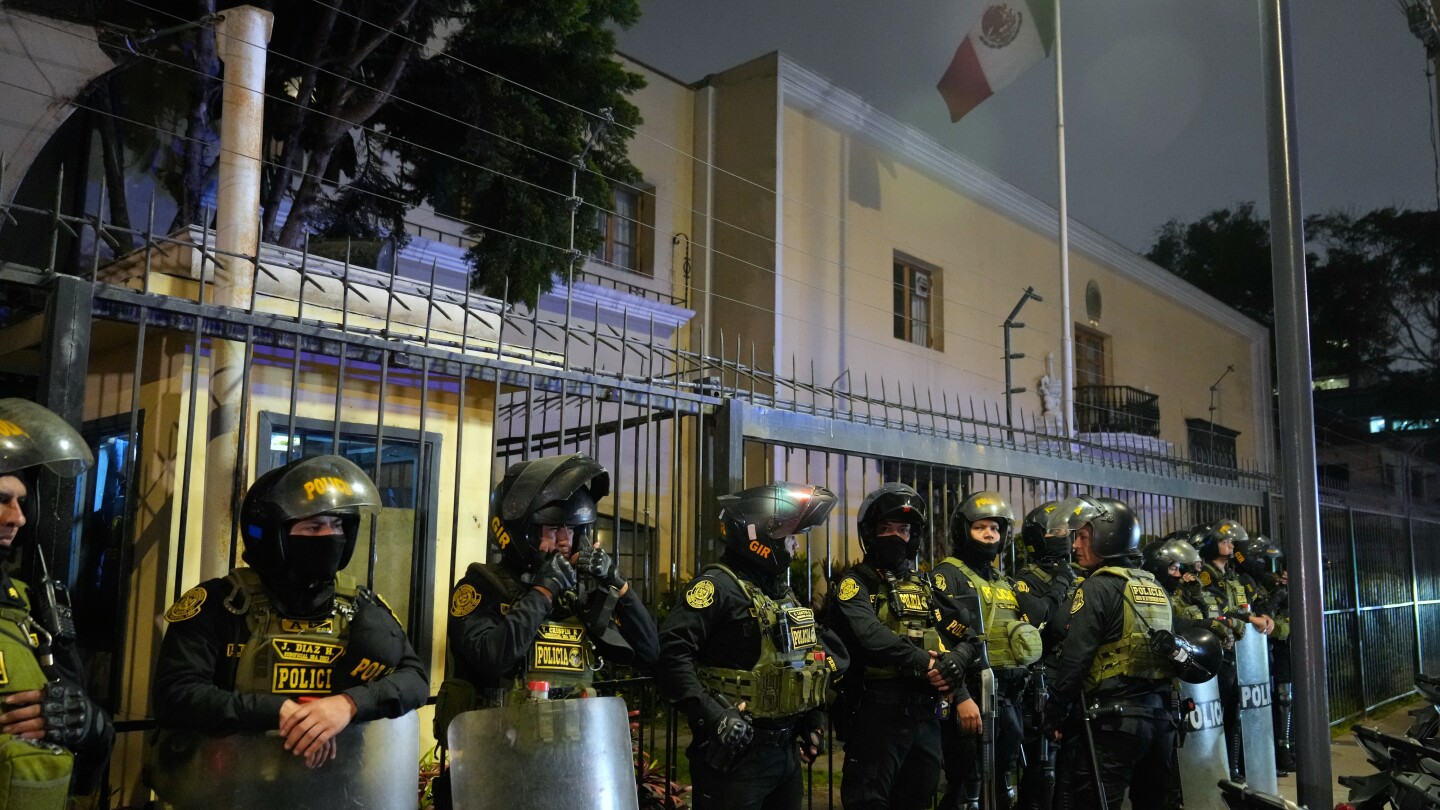
Peruvian Congress votes to declare Mexico’s president persona non grata after asylum offer
In a dramatic escalation of diplomatic tensions, Peru’s Congress declared Mexican President Claudia Sheinbaum persona non grata on Thursday. This decision followed Mexico’s move to grant asylum to former Peruvian Prime Minister Betssy Chávez, which Peruvian officials condemned as interference in their internal affairs. The legislative vote, which passed with 63 in favor, 34 against, and two abstentions, highlighted deep divisions over Sheinbaum’s perceived support for former Peruvian President Pedro Castillo. Castillo, who was ousted in December 2022 after attempting to dissolve Congress, remains detained on charges of rebellion and conspiracy. Peru’s interim President José Jerí severed diplomatic ties with Mexico earlier this week, citing Sheinbaum’s asylum decision as a provocation. Chávez, who faces up to 25 years in prison for her alleged role in Castillo’s actions, remains in the Mexican diplomatic residence in Lima, as Peru has yet to grant her safe passage. Mexico defended its decision, stating it complied with international law and rejecting Peru’s response as excessive. Meanwhile, Peru’s Congress is considering measures to bar Chávez from holding public office, further intensifying the rift between the two nations.