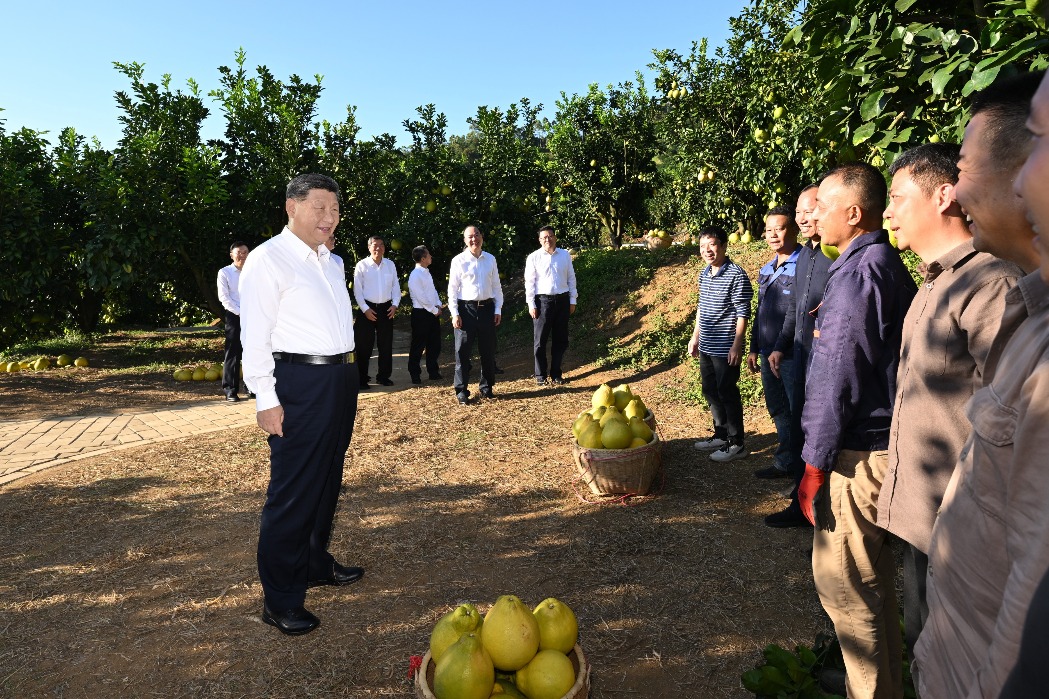
On November 7, 2025, Chinese President Xi Jinping, who also serves as the General Secretary of the Communist Party of China Central Committee and Chairman of the Central Military Commission, conducted an inspection tour of Meizhou city in Guangdong province. During his visit, President Xi explored the Ye Jianying Memorial Park, a site dedicated to commemorating the revolutionary legacy of Marshal Ye Jianying, a prominent military leader in Chinese history. Xi emphasized the importance of preserving and promoting revolutionary culture as a cornerstone of national identity and historical continuity. Additionally, he visited a local pomelo growing base, where he gained insights into the region’s agricultural advancements and efforts to achieve comprehensive rural revitalization. Xi’s visit underscored the government’s commitment to supporting old revolutionary base areas and fostering sustainable development in rural communities. The inspection highlighted the integration of cultural heritage with modern economic strategies to drive progress in Guangdong province.
分类: politics
-
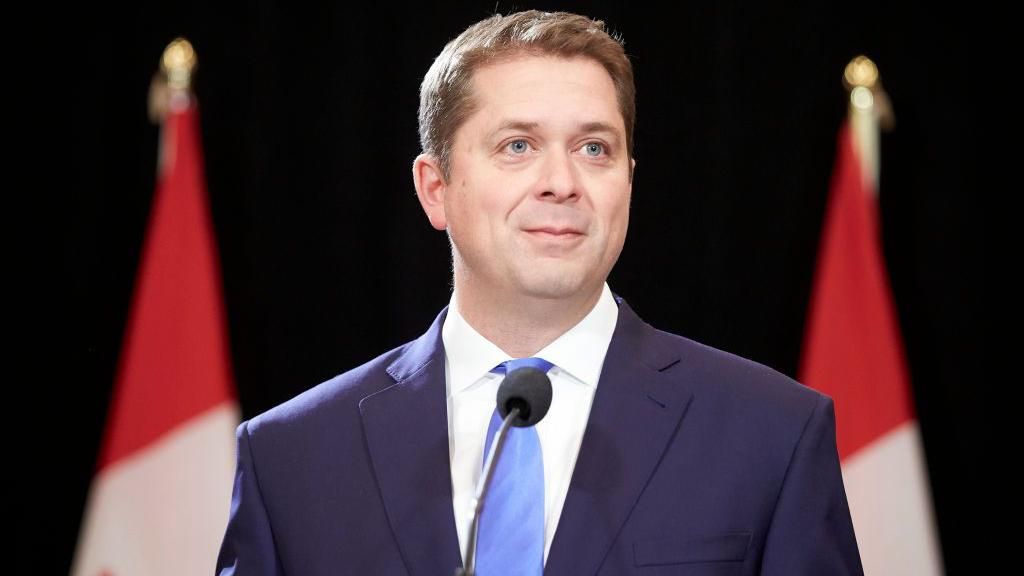
Conservatives accuse Canada’s Carney of being ‘undemocratic’ as MP resigns
The Canadian political landscape has been thrown into disarray as allegations of undemocratic practices and internal instability plague the Conservative opposition. Matt Jeneroux, a Conservative Member of Parliament (MP) from Alberta, announced his resignation on Thursday, citing a desire to spend more time with his family. However, rumors had previously circulated suggesting he might defect to Prime Minister Mark Carney’s Liberal Party. Conservative House Leader Andrew Scheer accused Carney of employing ‘Liberal pressure tactics’ to sway MPs, following Jeneroux’s departure and the earlier defection of another Conservative MP, Chris d’Entremont, to the Liberals. Scheer condemned Carney’s alleged attempts to secure a parliamentary majority through ‘backroom deals and pressure tactics,’ dismissing media reports of meetings between Jeneroux and Carney’s office prior to the resignation. Jeneroux later clarified that his decision was voluntary and not influenced by coercion, emphasizing his commitment to family. Meanwhile, d’Entremont expressed frustration with the Conservative Party’s leadership under Pierre Poilievre, describing it as ‘negative’ and claiming others in the party share his sentiments. Poilievre, who faces a leadership review in January, has been criticized for his combative style, which some blame for the Conservatives’ recent electoral losses. Amid this partisan drama, the Carney government is navigating the passage of its first budget, which requires support from other parties due to the Liberals’ lack of a majority. Failure to pass the budget could trigger a federal election, with lawmakers set to vote in mid-November.
-

Philippines risks creating trouble for itself: China’s defense ministry
China has issued a stern warning to the Philippines, urging it to cease actions that could escalate tensions in the South China Sea. Senior Colonel Jiang Bin, a spokesperson for China’s Ministry of National Defense, emphasized that such provocations could lead to self-inflicted consequences for the Philippines. Jiang highlighted that defense and security cooperation between nations should not target third parties or undermine regional peace and stability. He criticized the Philippines for its frequent infringements and provocations, often in collaboration with external forces, which he identified as the primary cause of the current tensions. Jiang reiterated China’s unwavering commitment to safeguarding its territorial sovereignty and maritime rights, rejecting any unfounded accusations or exaggerated claims. He called on the Philippines to stop undermining regional efforts for peace and development, warning that continued provocations would only result in greater repercussions.
-
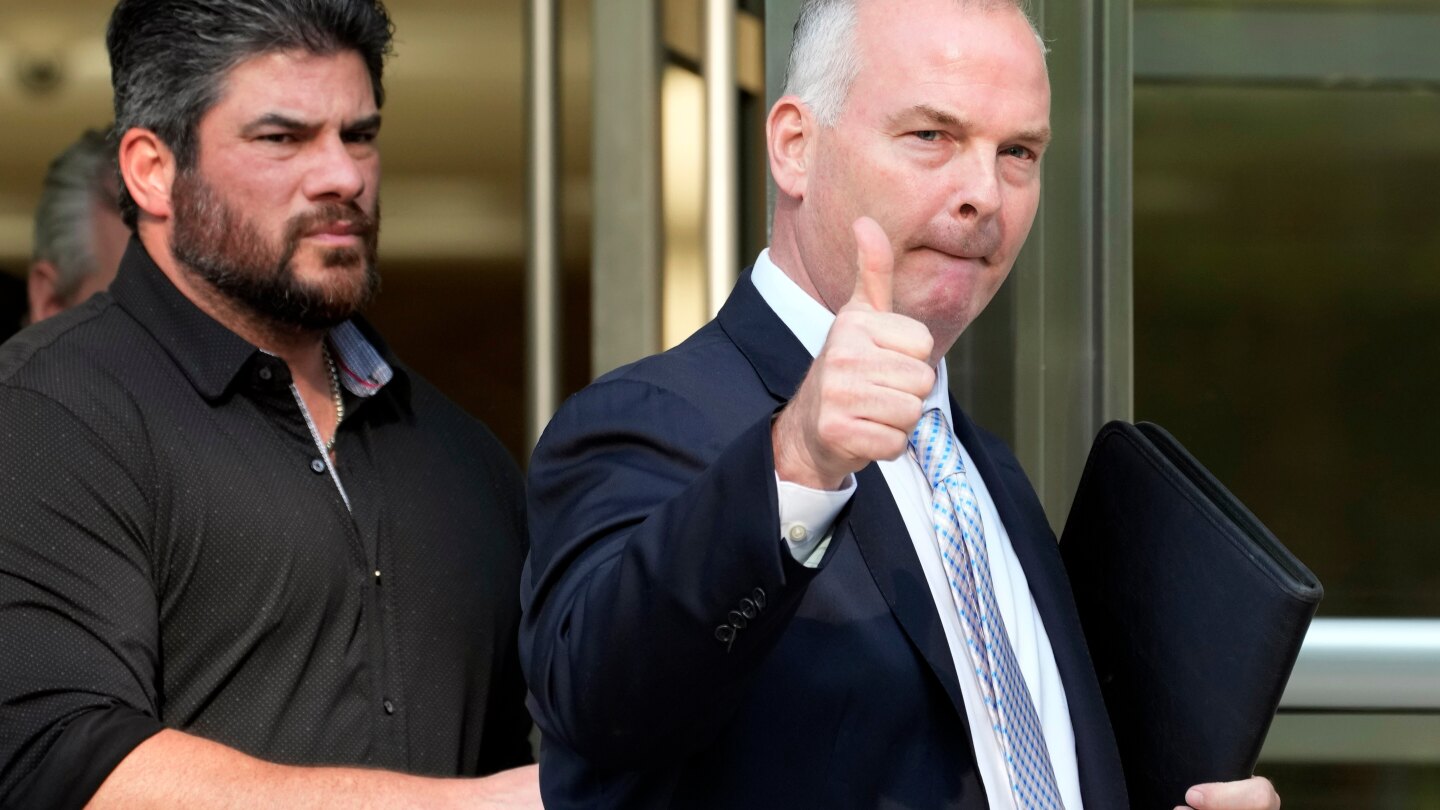
Trump pardons ex-NYPD officer who was convicted of helping China stalk an expat
In a significant move, former President Donald Trump granted a pardon on Friday to Michael McMahon, a former New York police sergeant convicted for his involvement in a high-profile case tied to China’s alleged efforts to silence critics abroad. McMahon, 58, was sentenced to 18 months in prison earlier this year for acting as an illegal foreign agent and stalking, charges stemming from what federal authorities described as a ‘campaign of transnational repression.’ McMahon maintained his innocence, claiming he was misled into believing he was working for a Chinese construction company rather than the government. A White House official, speaking anonymously, supported McMahon’s assertion, highlighting his decorated 14-year NYPD career before a 2001 injury forced his retirement. McMahon’s attorney, Lawrence Lustberg, hailed the pardon as a correction of a ‘horrible injustice,’ emphasizing that McMahon was a ‘true hero cop’ who should have been celebrated, not prosecuted. The case, part of China’s ‘Operation Fox Hunt’ initiative, centered on Xu Jin, a former Chinese city official who fled to New Jersey in 2010. Xu and his wife were accused of bribery by Chinese authorities, which they denied, alleging political persecution. McMahon’s role included locating Xu through surveillance and database searches, though he claimed he was unaware his actions would be used to intimidate Xu. The campaign against Xu included disparaging messages to his daughter’s friends, letters to relatives, and a visit from his elderly father, culminating in a threatening note left at Xu’s home. The pardon has drawn mixed reactions, with supporters like U.S. Rep. Mike Lawler praising the decision, while federal prosecutors declined to comment.
-

USDA will fund Snap food benefits, feeding millions of Americans
After weeks of uncertainty and legal disputes, the US Department of Agriculture (USDA) announced on Friday its commitment to fully fund the Supplemental Nutrition Assistance Program (Snap), ensuring food benefits for over 42 million Americans. This decision comes amidst the longest government shutdown in US history, now in its 38th day. The funding for Snap, commonly known as food stamps, had been a contentious issue, with a judge previously mandating the Trump administration to utilize contingency funds to support the program. However, these funds were insufficient to cover the program’s nearly $9 billion monthly cost. On Thursday, another judge ruled that the administration must fully fund Snap, leading to the USDA’s confirmation of full funding. Judge John McConnell accused the administration of withholding food aid for political reasons, highlighting the immediate risk of hunger for 16 million children without the program. Despite the administration’s legal challenge to this ruling, the USDA’s agreement to pay full Snap benefits suggests a resolution to this critical issue. President Trump has repeatedly linked Snap funding to the end of the government shutdown, emphasizing its use in Democrat states. Snap, which costs approximately $8 billion per month, provides reloadable debit cards to low-income Americans, enabling them to purchase groceries. On average, a family of four receives $715 per month, equating to less than $6 per day per person. While individual states administer the benefits, the program relies on federal funding, which has been suspended since the government shutdown began on October 1.
-
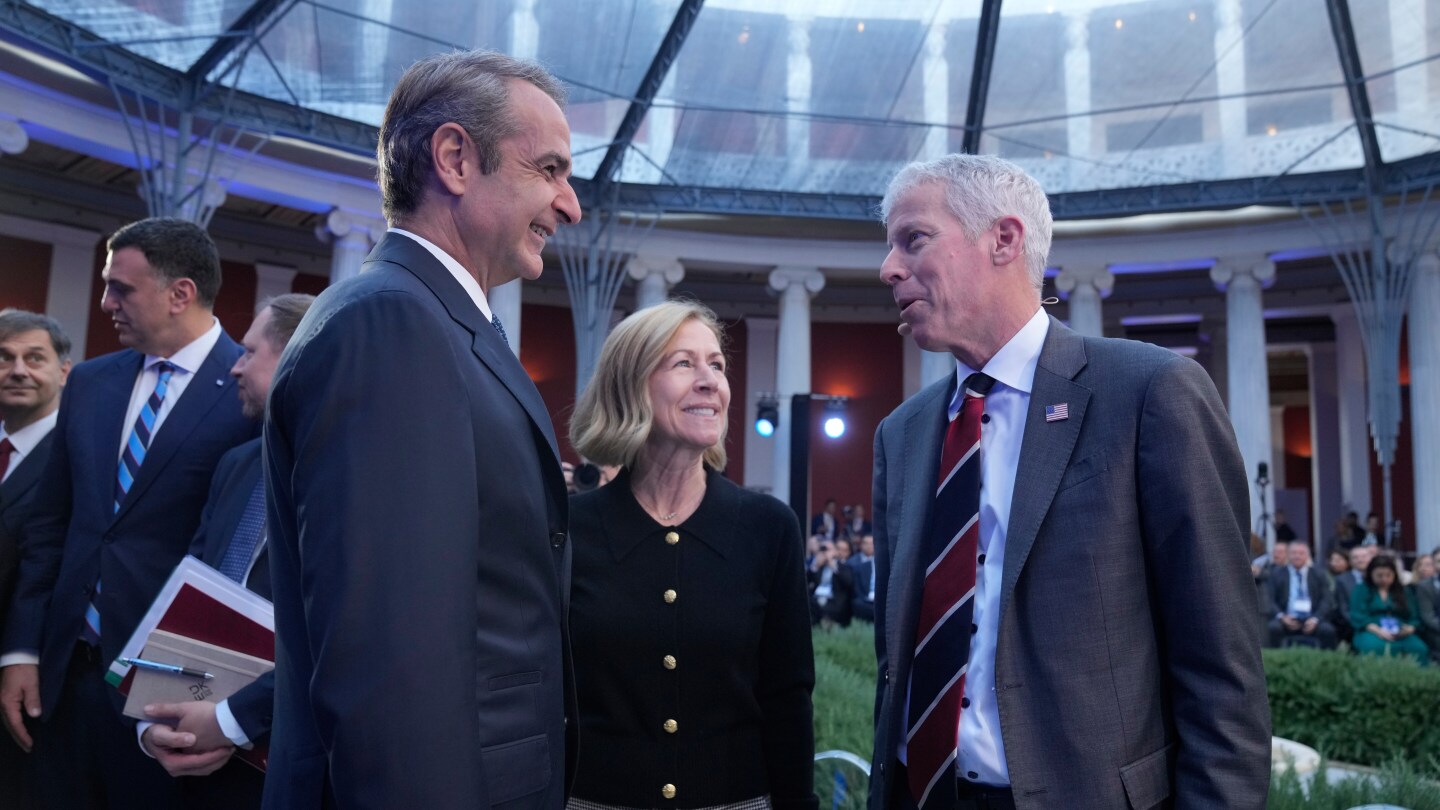
Trump’s energy secretary slams UN climate conference in Brazil, where US absence is glaring
In a bold and controversial statement, U.S. Energy Secretary Chris Wright dismissed the COP30 environmental summit as a ‘hoax’ and criticized its approach to addressing climate change. Speaking at the conclusion of a two-day business conference in Athens, Greece, Wright expressed skepticism about the summit’s intentions, stating, ‘It’s not an honest organization looking to better human lives.’ He hinted at possibly attending next year’s summit to ‘deliver some common sense,’ aligning with the Trump administration’s rejection of global climate agreements and prioritization of fossil fuels. Wright’s remarks came as world leaders gathered in Belem, Brazil, for COP30, where they criticized U.S. President Donald Trump for his absence and his administration’s stance on climate change. The White House confirmed that no high-level U.S. officials would attend the summit, with spokesperson Taylor Rogers asserting that President Trump would not compromise the country’s economic and national security for ‘vague climate goals.’ Wright, a former fossil fuel executive, defended the U.S. position, arguing that global gatherings should focus on energy access, economic growth, and technological advancement rather than what he termed ‘fear-driven environmentalism.’ Meanwhile, at COP30, U.N. Secretary-General António Guterres warned of the accelerating pace of global warming and its dire consequences, including rising hunger, displacement, and environmental damage. Latin American leaders, including Colombia’s President Gustavo Petro, took aim at Trump’s absence, with Petro declaring, ‘Today Mr. Trump is against humanity.’ Brazil’s President Luiz Inácio Lula da Silva struck a more conciliatory tone, expressing hope that Trump would eventually recognize the importance of green energy. The summit also highlighted the absence of leaders from China and India, the world’s largest greenhouse gas emitters. As the U.N. weather agency reported that 2025 is on track to be one of the warmest years on record, the Trump administration has continued to roll back climate policies, withdrawing from the Paris Agreement and prioritizing fossil fuel production. Critics, including environmental groups, have condemned these actions as a significant setback in the global fight against climate change.
-
Extremists threatened to attack a mosque and migrant hotels, court hears
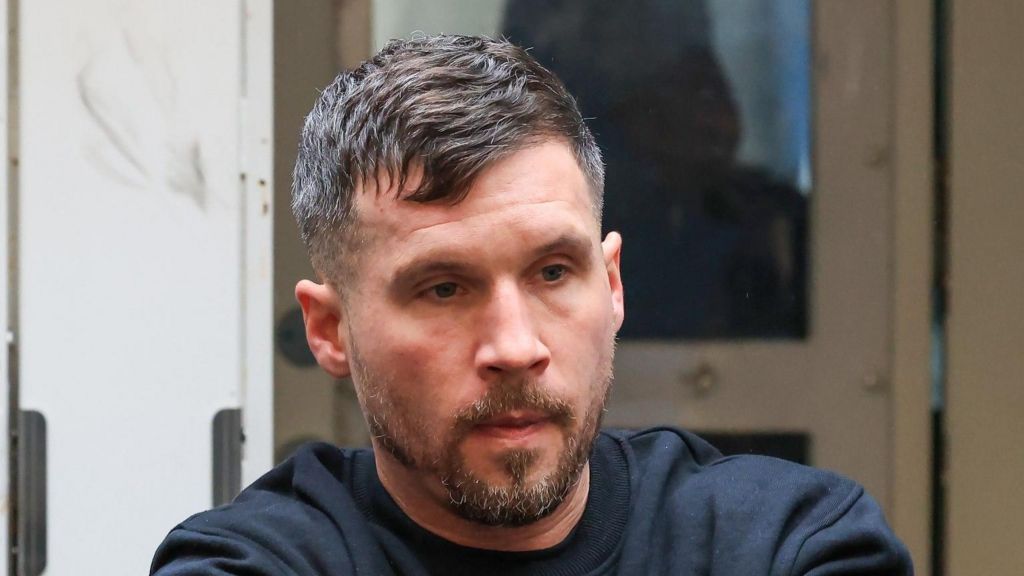
Two men, Garrett Pollock, 35, and Karolis Peckauskas, 38, appeared before a special sitting of Portlaoise District Court on Friday following a cross-border counter-terror operation. The arrests were made after explosives were discovered in County Down and County Laois. Pollock, from Annalong, Northern Ireland, is charged with the alleged possession of explosives at two locations, while Peckauskas, from Drogheda, County Louth, faces similar charges. The Police Service of Northern Ireland (PSNI) and An Garda Síochána (Irish police) conducted the operation, which also uncovered a video threatening attacks on a Galway mosque, migrant housing hotels, and International Protection Accommodation Service (IPAS) centres. The video, featuring four masked men, was found on a device seized at Pollock’s home. It included a tri-colour flag and a manifesto for the group. Gardaí opposed bail for Pollock, citing the seriousness of the charges, his flight risk, and the potential for further terror attacks. Judge Andrew Cody described the video as a ‘practice of a statement being released subsequent to a successful terrorist attack,’ noting the men’s intention to target migrants and their rhetoric about protecting sovereignty. Pollock was remanded in custody and will reappear in court on Thursday. Peckauskas, who claimed not to understand the charges, was also remanded and is expected in court next week.
-
Taiwan’s vice president calls for closer EU ties in rare address to international lawmakers
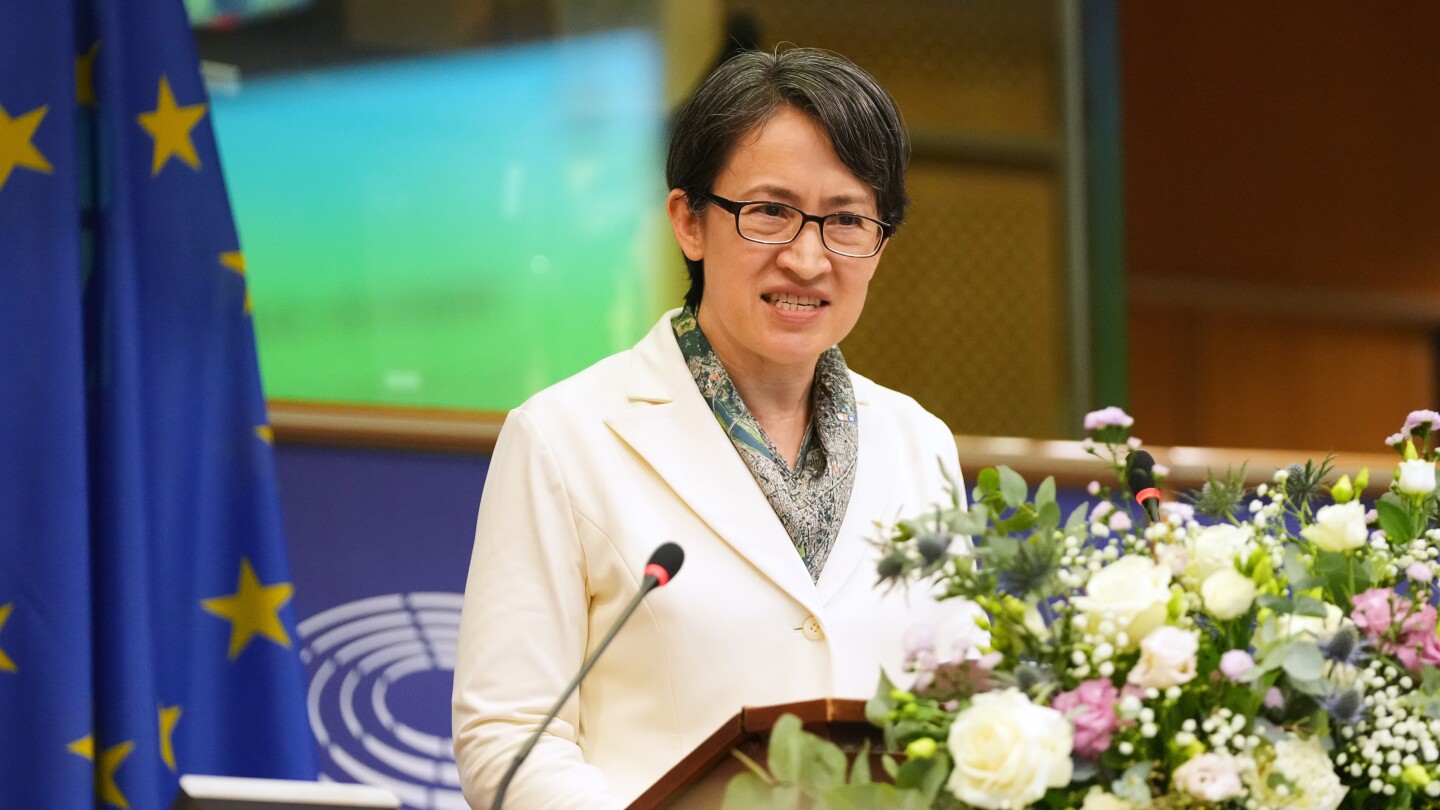
In a significant address to international lawmakers in Brussels, Taiwan’s Vice President Bi-Khim Hsiao urged the European Union to strengthen security and trade relations with Taiwan while supporting its democratic governance in the face of escalating threats from China. Speaking at a China-focused conference in the European Parliament building, Hsiao emphasized the critical importance of maintaining peace in the Taiwan Strait for global stability and economic continuity. She warned against unilateral changes to the status quo by force, a stance that resonated strongly with the audience. Although Hsiao did not formally address the entire EU Parliament—given the bloc’s lack of formal diplomatic ties with Taiwan—her visit was seen as a bold move likely to provoke Beijing’s ire. Hsiao highlighted the shared democratic values between Taiwan and the EU, calling for deeper collaboration on trusted supply chains and AI technology. She also drew parallels between Taiwan’s cyberattacks and undersea cable disruptions by China and the hybrid threats faced by European nations since Russia’s invasion of Ukraine. Hsiao’s speech underscored Taiwan’s resilience in building democracy under pressure, while urging the EU to forge a reliable technology ecosystem rooted in trust and transparency. Her visit was part of a conference organized by the Inter-Parliamentary Alliance on China, attended by lawmakers from over two dozen countries. The event was held amid heightened security concerns following reports of Chinese agents attempting to intimidate Hsiao during her visit to the Czech Republic earlier this year. Hsiao remains steadfast in her commitment to advocating for Taiwan’s interests on the global stage, despite Beijing’s persistent claims over the island and its military encirclement.
-

EU tightens visa restrictions on Russians over the Ukraine war and acts of sabotage
In a significant policy shift, the European Union (EU) has imposed stricter visa regulations for Russian citizens entering the Schengen area, citing ongoing security risks linked to Russia’s war in Ukraine, increased acts of sabotage attributed to Moscow, and concerns over visa misuse. Effective immediately, Russian nationals will no longer be eligible for multiple-entry visas, requiring them to apply for a new visa for each trip to Europe. This measure aims to enhance scrutiny of applicants and mitigate potential security threats, according to the European Commission, the EU’s executive body. Exceptions will be granted to individuals deemed trustworthy, such as dissidents, independent journalists, human rights defenders, and close family members of Russians residing in the EU or EU citizens living in Russia. EU foreign policy chief Kaja Kallas emphasized that travel within the EU is a privilege, not a right, amid unprecedented security challenges. The decision has drawn criticism from Russia, with Foreign Ministry spokeswoman Maria Zakharova accusing the EU of prioritizing illegal migrants over Russian tourists. The EU had previously suspended its visa facilitation agreement with Russia following the 2022 invasion of Ukraine, leading to a sharp decline in visas issued to Russians—from over 4 million in 2019 to approximately 500,000 in 2023. While the new rules make visa applications more cumbersome, they stop short of an outright ban. Additionally, the EU has urged Serbia to cease granting citizenship to Russians, citing potential security risks for the bloc.
-
Republican Rep Elise Stefanik announces run for New York governor
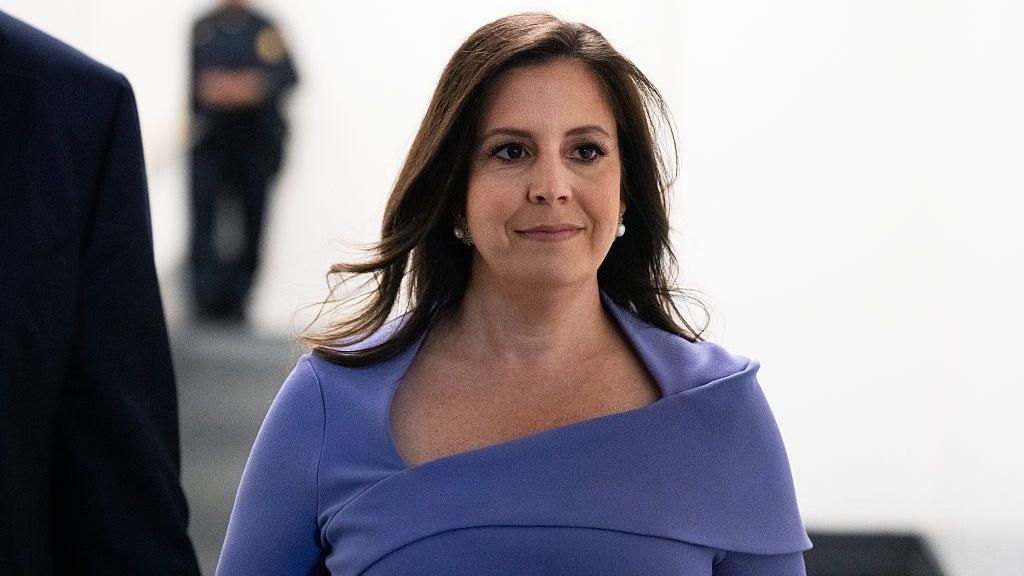
Republican Congresswoman Elise Stefanik has officially declared her candidacy for the 2026 New York gubernatorial race, setting the stage for a high-stakes showdown with incumbent Democratic Governor Kathy Hochul. Stefanik, a prominent ally of former President Donald Trump, made her announcement on X, where she launched a scathing critique of Hochul, labeling her as “the worst governor in America” and accusing her of transforming New York into “the most unaffordable state in the nation.”
Hochul swiftly countered, characterizing Stefanik as Trump’s “number one cheerleader in Congress” and his “right-hand woman in his war on New York.” Stefanik, who has represented New York’s 21st congressional district since 2014, has long been a vocal supporter of Trump, particularly during his first impeachment in 2019. Trump had initially nominated her for the role of United Nations ambassador during his second term but withdrew the nomination to preserve the Republican majority in the House of Representatives.
Stefanik also criticized Hochul for her late endorsement of New York City Mayor-elect Zohran Mamdani, accusing her of aligning with “the raging Defund the Police, Tax Hiking Communist” policies that she claims have harmed New York families. A September poll by Siena College revealed that in a hypothetical matchup, Hochul would lead with 52% support compared to Stefanik’s 27%. However, the same poll indicated significant dissatisfaction with Hochul’s leadership, with only 37% of respondents willing to support her re-election in 2026, while 51% expressed a preference for a different candidate.
Hochul already faces a primary challenge from her lieutenant governor, Anthony Delgado. If Stefanik secures the Republican nomination, she would aim to become the first Republican governor of New York since George Pataki, who left office in 2007. The race is expected to be a pivotal moment in New York politics, reflecting broader national divisions and the enduring influence of Trump within the Republican Party.