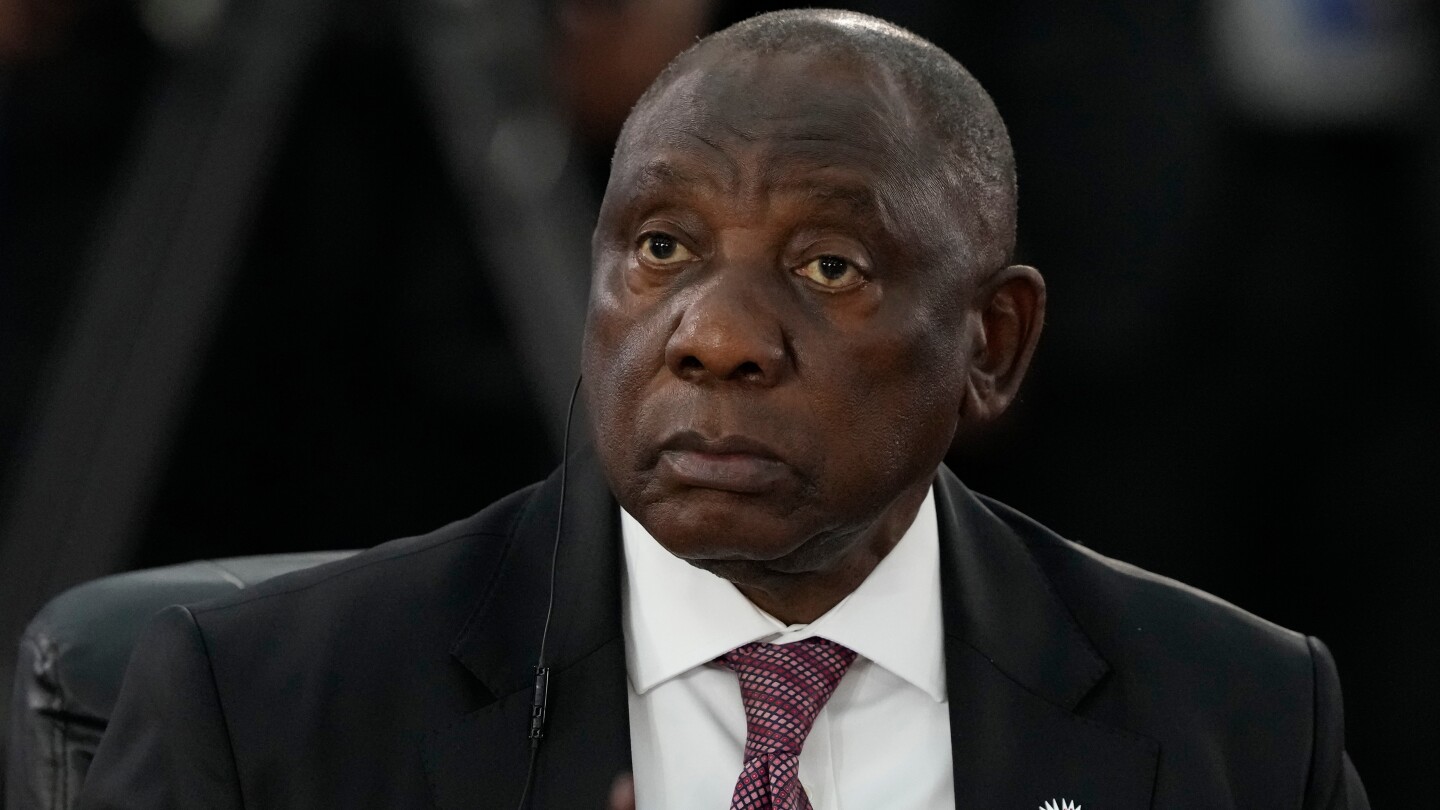
An investigation into claims that South Africa’s post-apartheid governments obstructed justice in prosecuting apartheid-era crimes faced an immediate setback on its opening day. The inquiry, ordered by President Cyril Ramaphosa in April following years of pressure from victims’ families, was delayed due to objections against Ishmael Semenya, the chief evidence leader. Critics argue that Semenya’s prior involvement in drafting a controversial prosecutorial policy, later deemed unconstitutional, compromises his impartiality. Judge Sisi Khampepe, overseeing the inquiry, has given the National Prosecuting Authority (NPA) and the justice department until Wednesday to formally request Semenya’s recusal. The proceedings are now set to resume on November 26. The inquiry stems from decades of frustration over the lack of prosecutions for crimes committed during apartheid, which officially ended in 1994. The Truth and Reconciliation Commission, established in 1996 by Nelson Mandela, identified around 150 cases for prosecution, but many perpetrators escaped accountability. Recent efforts by the government to address this legacy include new investigations into historical killings, such as the 1967 death of ANC leader Albert Luthuli, now confirmed as a beating rather than a train accident. Families of victims continue to seek justice, with some filing lawsuits against the government for damages and transparency.
分类: politics
-
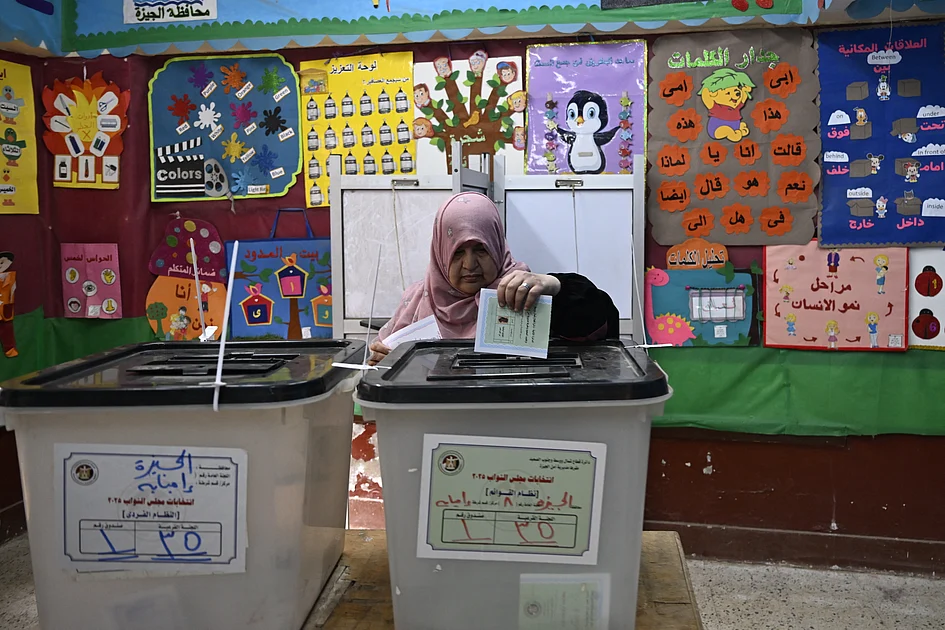
Egyptians begin voting in parliamentary elections; results expected by Dec 25
Egyptians commenced voting on Monday in a pivotal parliamentary election, a process that will span several weeks to determine the composition of the lower house. Polling stations opened at 9:00 am (0700 GMT), initiating the election of 568 out of 596 seats in the House of Representatives. The remaining 28 lawmakers will be directly appointed by President Abdel Fattah Al Sisi. Voting timelines vary across regions, with some areas, including Cairo, not casting ballots until November 24. Egyptians abroad participated in the election on Friday and Saturday. Final results are anticipated by December 25. The election employs a dual system, with half of the seats allocated through closed party lists and the other half via individual candidates. Notably, a quarter of the seats are reserved for women. This parliamentary vote follows the senate elections held two months prior, which saw a low turnout of approximately 17%. The pro-government ‘National List for Egypt’ coalition, which dominated the senate elections, is expected to maintain its stronghold. Leading the coalition are the pro-Sisi Mostaqbal Watan (Nation’s Future) party and the National Front party, headed by former minister Essam Al Gazzar. Gazzar’s newly formed party, backed by business tycoon Ibrahim Al Organi, a close ally of Sisi, unites former government officials. Meanwhile, opposition groups remain fragmented, with some running independently and others aligning with pro-government lists. Analysts highlight the election’s significance, as it is the last before Sisi’s third and final term concludes in 2030. Timothy Kaldas of the Tahrir Institute for Middle East Policy emphasized that Sisi requires a parliament under his full control to potentially extend his tenure beyond 2030, necessitating constitutional amendments. The 2019 constitutional revisions extended Sisi’s term from four to six years and retroactively counted his previous term as his first, enabling him to remain in office until 2030. In 2022, Sisi’s administration initiated a national dialogue, ostensibly to engage with the marginalized opposition.
-
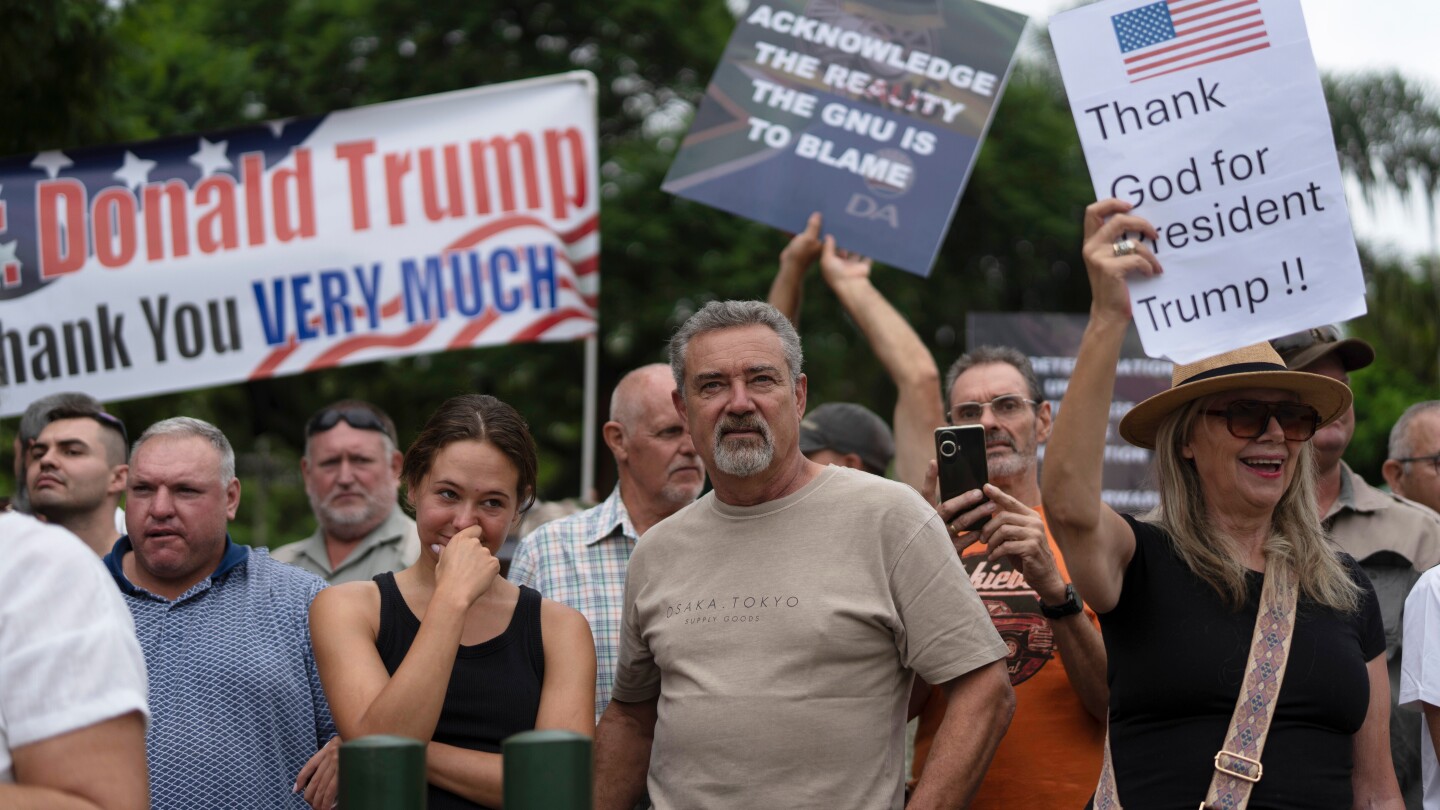
How Trump’s support for a white minority group in South Africa led to a US boycott of the G20 summit
U.S. President Donald Trump has declared that the United States will boycott the upcoming Group of 20 (G20) summit in South Africa, citing alleged human rights abuses against the country’s white minority, the Afrikaners. In a post on Truth Social, Trump announced that no U.S. government officials would attend the November 22-23 summit in Johannesburg, stating, ‘as long as these Human Rights abuses continue.’ This decision marks the latest in a series of criticisms Trump has directed at the Black-led South African government since his return to office. Earlier this year, Trump issued an executive order halting U.S. financial assistance to South Africa, citing the treatment of Afrikaners. The U.S. administration has also prioritized Afrikaners for refugee status, allocating a significant portion of the 7,500 available spots this fiscal year. However, the South African government and some Afrikaners have dismissed Trump’s claims as unfounded. Afrikaners, descendants of Dutch, French, and German settlers, were central to South Africa’s apartheid regime from 1948 to 1994. Today, they are a diverse group, with some acknowledging discrimination while others reject the narrative of persecution. Trump’s allegations include claims that Afrikaners are being ‘killed and slaughtered’ and that their land is being illegally confiscated. These statements reference a controversial land reform law in South Africa, which allows for land appropriation without compensation. Critics argue that the law targets Afrikaners, though it has not yet led to widespread land confiscations. South Africa has refuted Trump’s claims, stating that they lack factual basis and fail to account for the broader context of rural violence, which affects both Black and white farmers. Trump’s broader criticism of South Africa extends beyond the Afrikaner issue, including his disapproval of the country’s stance on Israel and its G20 slogan, which he derided as promoting ‘DEI and climate change.’
-
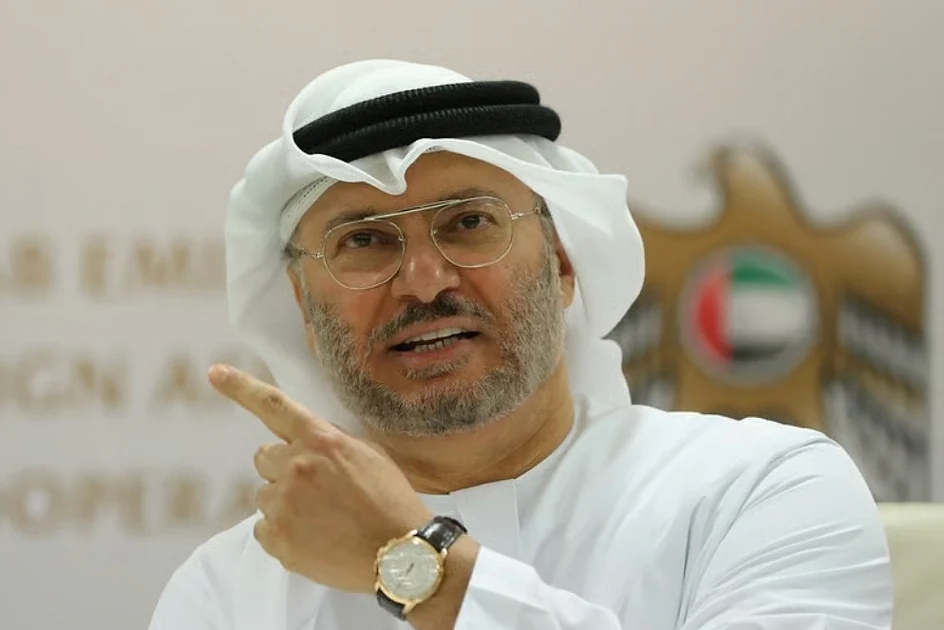
UAE ‘unlikely’ to join international Gaza security force, says Gargash
The United Arab Emirates (UAE) is unlikely to join the proposed International Stabilisation Force in Gaza, citing the absence of a clear operational framework. This announcement was made by Dr. Anwar Gargash, the diplomatic adviser to UAE President Sheikh Mohamed bin Zayed Al Nahyan, during his address at the Abu Dhabi Strategic Debate on Monday. Gargash emphasized that the UAE remains committed to political and humanitarian solutions over military intervention in the region. The proposed multinational mission aims to disarm militant factions, dismantle military infrastructure, enforce law and order, secure the Egypt-Gaza border, and protect humanitarian corridors and civilians. However, Gargash reiterated that the UAE does not see a viable military path to stability in Gaza. Instead, he highlighted the UAE’s pivotal role in shaping the international response to the Gaza peace plan, which he described as a ‘historic opportunity’ to address long-standing grievances exploited by extremists. Gargash also reaffirmed the UAE’s unwavering support for a two-state solution, stating that any annexation of Palestinian land would be a ‘red line’ for the nation. He stressed that the UAE’s involvement in rebuilding Gaza would depend on achieving political clarity and a long-term vision for a viable Palestinian state. ‘No country wants to invest heavily without the assurance of enduring peace,’ Gargash remarked, referencing past failed reconstruction efforts in Gaza.
-
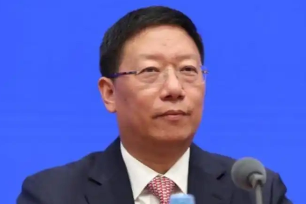
Former senior official expelled from CPC for serious violations
In a significant move underscoring the Communist Party of China’s (CPC) commitment to anti-corruption, Li Chunliang, a former deputy director of the National Forestry and Grassland Administration, has been expelled from the Party. The decision, announced by the CPC Central Commission for Discipline Inspection and the National Supervisory Commission on Monday, highlights Li’s severe violations of Party discipline and legal norms. Li, 62, a long-standing Party member since 1984, was found guilty of resisting organizational scrutiny, frequenting private clubs, and failing to disclose personal matters as mandated. His misconduct extended to manipulating cadre selection processes, leveraging his position for personal gain in business operations, project contracting, and administrative approvals, and accepting substantial bribes. Additionally, Li borrowed funds from entities under his supervision and accepted renovation services from them, further breaching ethical and legal boundaries. His case, now involving suspected bribery, has been transferred to procuratorial authorities for legal proceedings. Li’s expulsion marks a continuation of the CPC’s rigorous efforts to maintain integrity and discipline within its ranks.
-
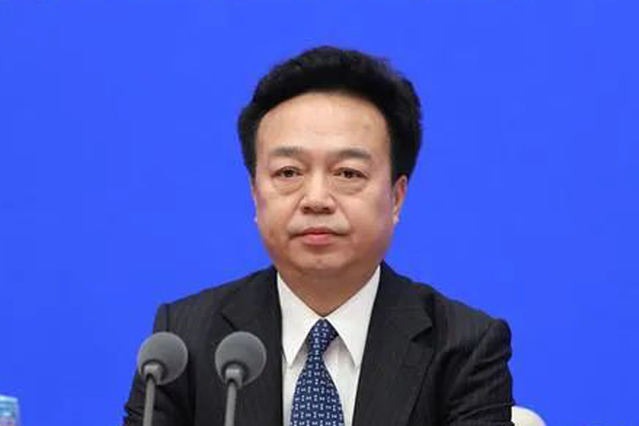
Senior political adviser Yang Xiaowei expelled from Party, public office
Yang Xiaowei, a former high-ranking political figure and deputy director of the Committee on Education, Science, Health, and Sports of the 14th Chinese People’s Political Consultative Conference National Committee, has been expelled from the Communist Party of China (CPC) and dismissed from public office. The announcement was made on Monday by the CPC Central Commission for Discipline Inspection and the National Supervisory Commission. Yang, 62, was found to have engaged in severe misconduct, including accepting bribes, gifts, and prepaid cards, attending banquets that compromised his impartiality, and leveraging his position for personal and familial gain. His actions violated Party discipline and constituted serious breaches of duty, leading to his expulsion and the transfer of his case to judicial authorities for prosecution. Yang’s career spanned significant roles in China’s telecommunications sector, including leadership positions at China Unicom and China Telecom Group, before transitioning to governmental and advisory roles. His expulsion underscores the CPC’s ongoing efforts to enforce discipline and combat corruption within its ranks.
-
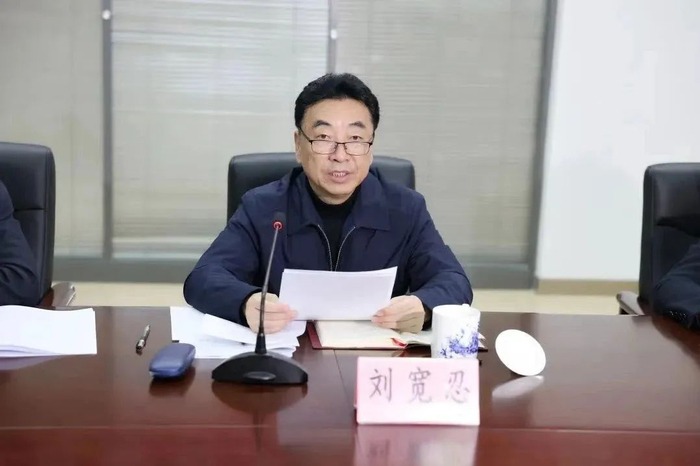
Former senior political adviser expelled, dismissed for legal violations
Liu Kuanren, a former prominent political figure in China, has been officially expelled from public office following a thorough investigation by the National Supervisory Commission. The announcement, made on Monday, revealed that Liu, who previously served as vice-chairman of both the Central Committee of the China Association for Promoting Democracy and the Chinese People’s Political Consultative Conference (CPPCC) Shaanxi Provincial Committee, was found guilty of severe breaches of duty. The investigation, initiated in May, uncovered that Liu had engaged in a series of unethical and illegal activities, including attending lavish banquets, accepting gifts and monetary bribes, and leveraging his positions to facilitate business operations, project contracts, and job promotions for personal gain. Additionally, he was found to have misappropriated public funds for his own use. These actions have led to charges of bribery and embezzlement. Liu’s case, along with the illicit assets he accumulated, will now be handed over to the procuratorial authorities for further legal proceedings. Born in Shaanxi province, Liu, 62, began his career in 1987 and joined the China Association for Promoting Democracy in 1998. His career trajectory included teaching at the Xi’an Conservatory of Music and serving in various administrative roles before his rise to vice-chairman positions in 2018 and 2022. His expulsion marks a significant fall from grace for a once-respected political figure.
-
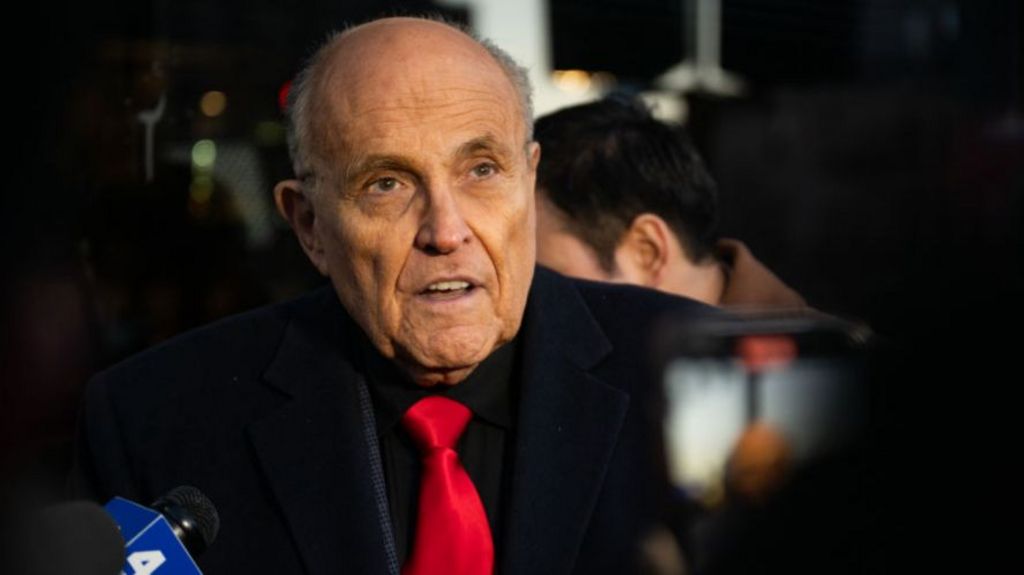
Trump pardons Giuliani and others accused of plot to overturn 2020 election
Former U.S. President Donald Trump has granted federal pardons to his ex-personal lawyer Rudy Giuliani and several other allies accused of attempting to overturn the 2020 election results. Among those pardoned are Mark Meadows, Trump’s former White House chief of staff, and a group of so-called false electors who allegedly sought to disrupt the certification of Joe Biden’s victory. The pardons, described as ‘full, complete, and unconditional,’ were announced by Justice Department attorney Ed Martin on social media platform X. While the move is largely symbolic—since the charges were state-level and pardons only apply to federal crimes—Trump framed it as a step toward ‘national reconciliation.’ White House press secretary Karoline Leavitt criticized the prosecutions as ‘communist tactics,’ likening them to practices in Venezuela. Notably, the pardons do not extend to Trump himself, who has long claimed the authority to self-pardon but faces legal uncertainties. Giuliani, who declared bankruptcy after being held liable for $148 million in defamation cases, was disbarred in New York and Washington, D.C. Other pardoned figures include former Trump lawyers Sidney Powell, Jenna Ellis, John Eastman, and Kenneth Chesebro, all of whom had unsuccessfully challenged the 2020 election results. Powell’s claims of vote-switching and ‘communist money’ influencing the election were widely discredited. This latest round of clemency follows Trump’s earlier pardons of Capitol riot participants and the dismissal of several election-related cases against his allies in states like Arizona, Georgia, and Michigan. The Electoral College, comprising 538 members, remains the official body that elects U.S. presidents based on state-by-state results.
-
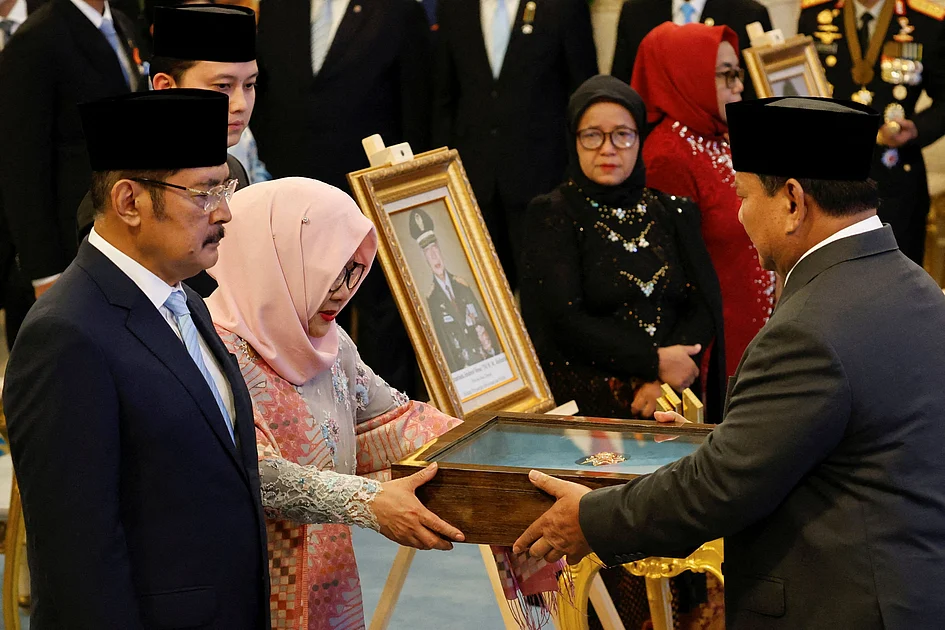
Indonesia grants national hero status to late strongman Suharto
Indonesia has posthumously awarded the title of national hero to former President Suharto, a controversial figure whose three-decade rule was marked by allegations of human rights abuses, corruption, and nepotism. The ceremony, presided over by current President Prabowo Subianto—Suharto’s former son-in-law—took place on Monday, November 10, 2025, at the state palace in Jakarta. Suharto, who died in 2008, was recognized for his role in Indonesia’s independence movement and his contributions to the nation’s development. However, the decision has sparked widespread criticism from pro-democracy activists and families of victims who suffered under his authoritarian regime. Suharto’s daughter, Siti Hardijanti Rukmana, accepted the award on behalf of the family, expressing gratitude to Prabowo for the honor. The move has raised concerns about historical revisionism and the potential resurgence of authoritarianism in Indonesia, particularly given Prabowo’s ties to Suharto and his own controversial past. Critics argue that the award whitewashes Suharto’s legacy, including his involvement in the 1965 mass killings and the invasion of East Timor in 1975. Despite the backlash, the government defended the decision, stating that Suharto met the criteria for the title. The controversy underscores the ongoing debate over Suharto’s complex legacy and its implications for Indonesia’s democratic future.
-
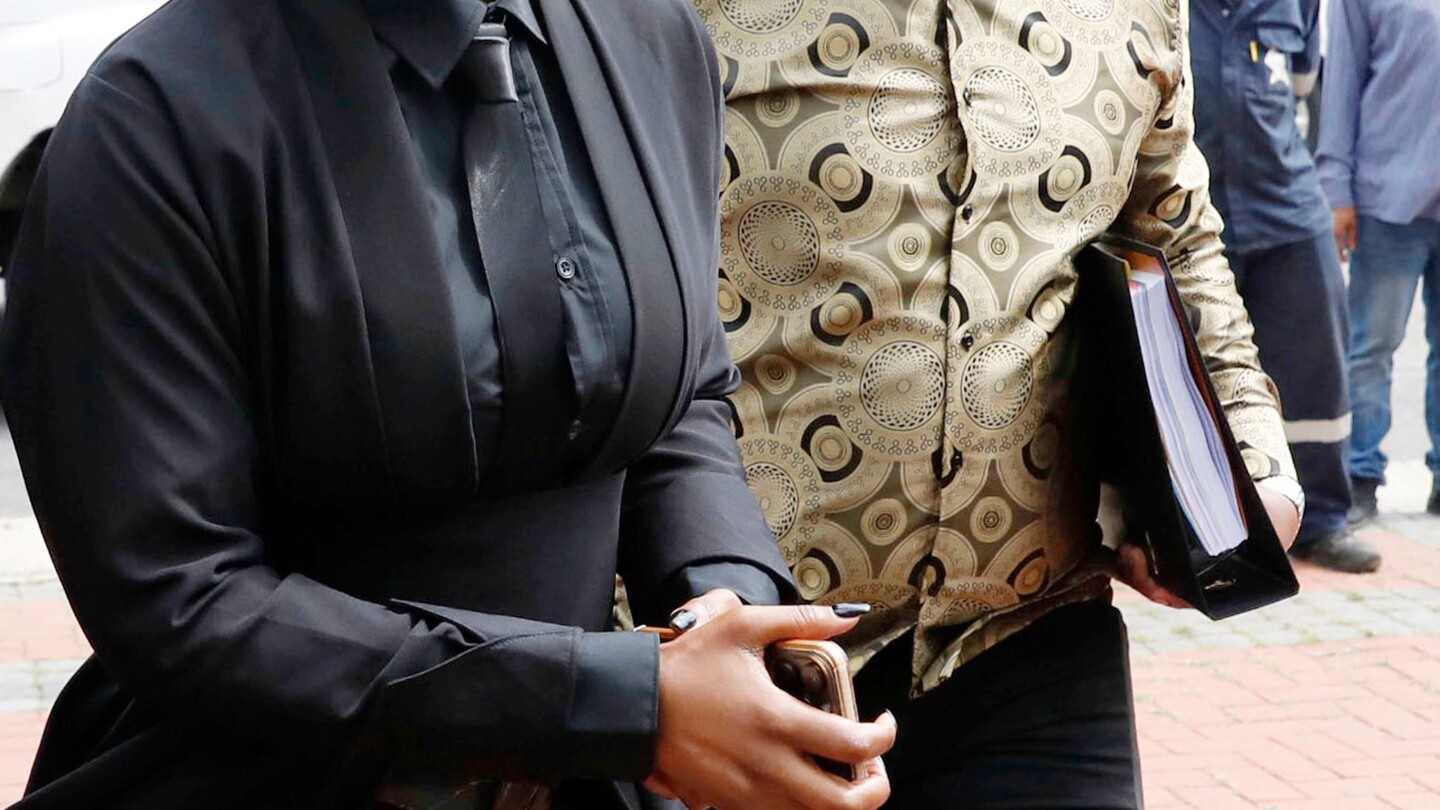
Daughter of ex-South Africa president Zuma faces trial over deadly riots. Here’s what to know
Duduzile Zuma-Sambudla, daughter of former South African President Jacob Zuma, appeared in court on Monday to face charges of incitement to cause terrorism, linked to the deadly July 2021 riots that claimed over 350 lives. The unrest, which erupted after Zuma’s imprisonment for defying a court order to testify in a corruption inquiry, marked the deadliest violence in South Africa since the end of apartheid in 1994. Zuma-Sambudla, now a member of parliament for the MK Party founded by her father, is the most prominent among over 60 individuals charged in connection with the riots. She is accused of inciting violence through social media posts made before and during the unrest, to which she has pleaded not guilty. The riots, which began in KwaZulu-Natal and spread to Gauteng, saw widespread looting, property destruction, and an estimated $2 billion in damages. Authorities described the violence as an attempted insurrection by Zuma’s supporters, while critics lambasted law enforcement for their unpreparedness. Zuma-Sambudla’s social media activity, including a post stating ‘We see you’ in response to rioters, is central to the case. A government-backed probe found that while Zuma’s arrest triggered the riots, underlying frustrations over poverty during COVID-19 lockdowns also fueled the chaos. Jacob Zuma, who served only two months of an 18-month sentence, was released as part of a broader decision affecting nonviolent offenders.