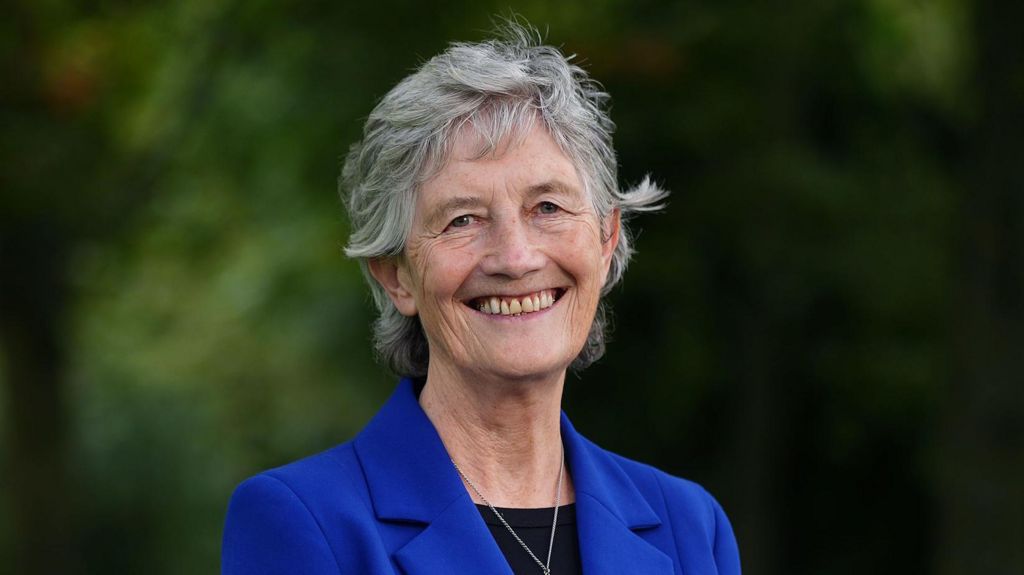
Catherine Connolly, an independent politician, was officially inaugurated as the Republic of Ireland’s 10th president in a grand ceremony held at Dublin Castle on Tuesday. The 68-year-old, who secured a landslide victory in the October elections, succeeds Michael D. Higgins, whose 14-year tenure concluded at midnight. The event was attended by prominent figures including Taoiseach Micheál Martin, Tánaiste Simon Harris, senior government ministers, and judges. Northern Ireland’s First Minister Michelle O’Neill and Sinn Féin president Mary Lou McDonald also graced the occasion, though Deputy First Minister Emma Little-Pengelly was absent due to prior commitments related to Remembrance Day. Connolly, accompanied by her husband Brian McEnery, arrived at Dublin Castle in a ceremonial motorcade from Farmleigh at Phoenix Park. The swearing-in ceremony, presided over by the chief justice, took place in St Patrick’s Hall, followed by a service of prayer and reflection. Connolly delivered a speech after receiving the Presidential Seal, emphasizing her commitment to being an inclusive leader for all. The Democratic Unionist Party (DUP) did not send a representative, with party leader Gavin Robinson clarifying it was not a snub but a scheduling conflict. Ulster Unionist Party assembly member Steve Aiken attended in place of his party leader, Mike Nesbitt. Post-ceremony, Connolly traveled to Áras an Uachtaráin, the official residence of the Irish president, where a state reception was held later in the evening. Connolly, who has served as a TD since 2016, brings a wealth of experience as a barrister and psychologist to her new role. Her election will trigger a by-election in Galway West.
分类: politics
-
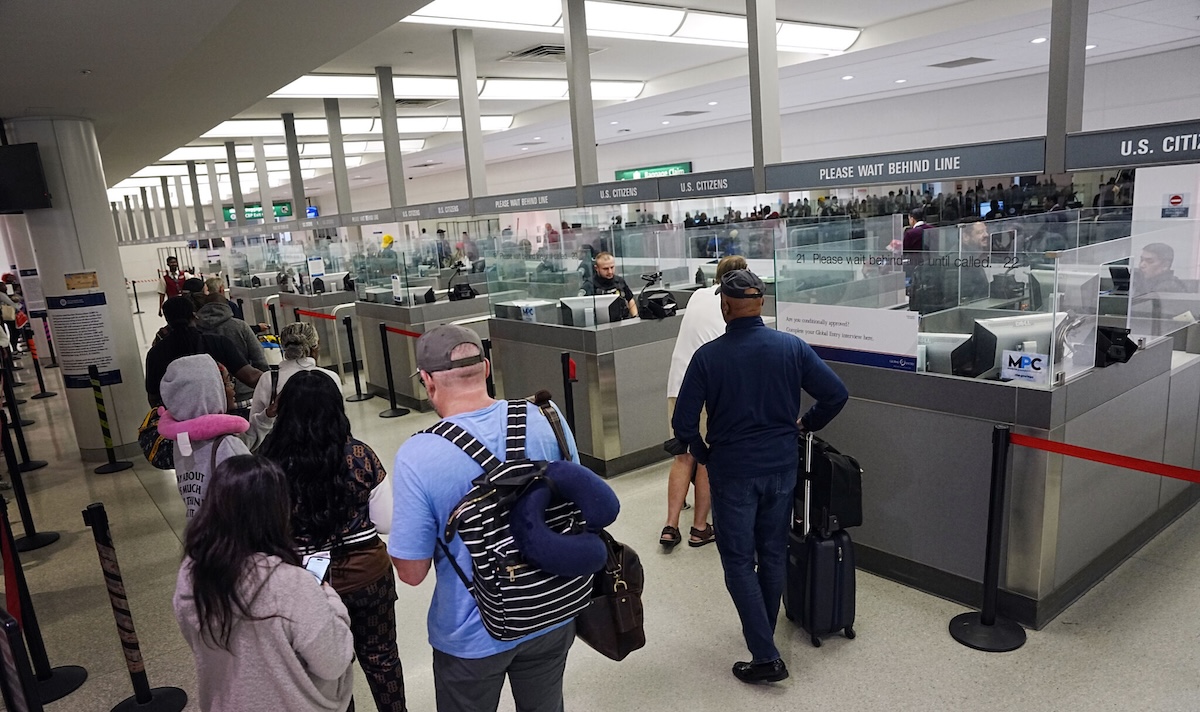
US Senate advances bill to end record-breaking government shutdown
In a pivotal move to end the longest government shutdown in U.S. history, seven Senate Democrats and one independent joined Republicans on Sunday night to advance legislation aimed at reopening the federal government. The shutdown, which began on October 1, has left nearly a million federal workers without pay and disrupted critical services across the nation. The stopgap measure, which passed a crucial 60-40 procedural vote, would temporarily fund the government until January 30, 2026, and reinstate federal employees with back pay.
-
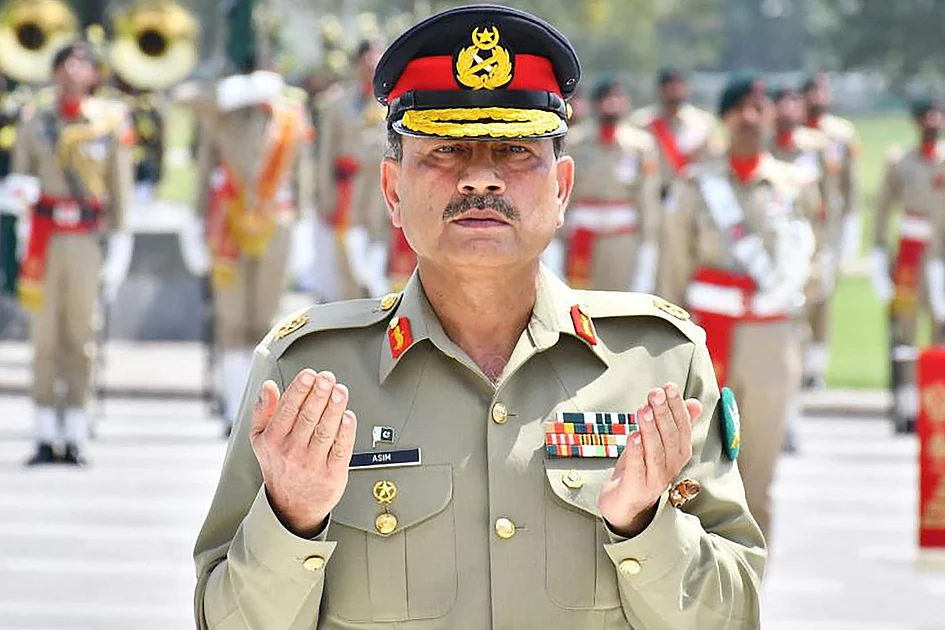
Pakistan’s army chief to get expanded powers under proposed reform
Pakistan’s Senate has passed a bill proposing significant constitutional reforms that would expand the powers of the army chief and limit the jurisdiction of the Supreme Court. The bill, approved in an unusually swift three-hour session on Monday, now awaits approval from the lower house to become law. Opposition leaders have criticized the move, claiming it undermines democracy. Under the proposed changes, Army Chief Asim Munir, whom former US President Donald Trump once referred to as his ‘favourite Field Marshal,’ would assume the newly created position of Chief of Defence Forces, granting him command over all military branches, including the air force and navy. Additionally, Munir would retain his rank and enjoy lifelong legal immunity after his term ends. The reforms also propose the establishment of a Federal Constitutional Court to handle constitutional cases, replacing the Supreme Court in this role. Critics argue that this shift would allow the government to appoint judges for politically sensitive cases, potentially reducing judicial independence. Furthermore, President Asif Zardari would gain lifelong immunity from prosecution. The government defends the reforms as necessary for governance, inter-provincial coordination, and strengthening defense capabilities following recent clashes with India. However, the opposition, led by the party of jailed ex-Prime Minister Imran Khan, has condemned the lack of consultation and staged a walkout during the Senate debate. The government remains confident in securing the required two-thirds majority in both houses of parliament to enact the changes.
-
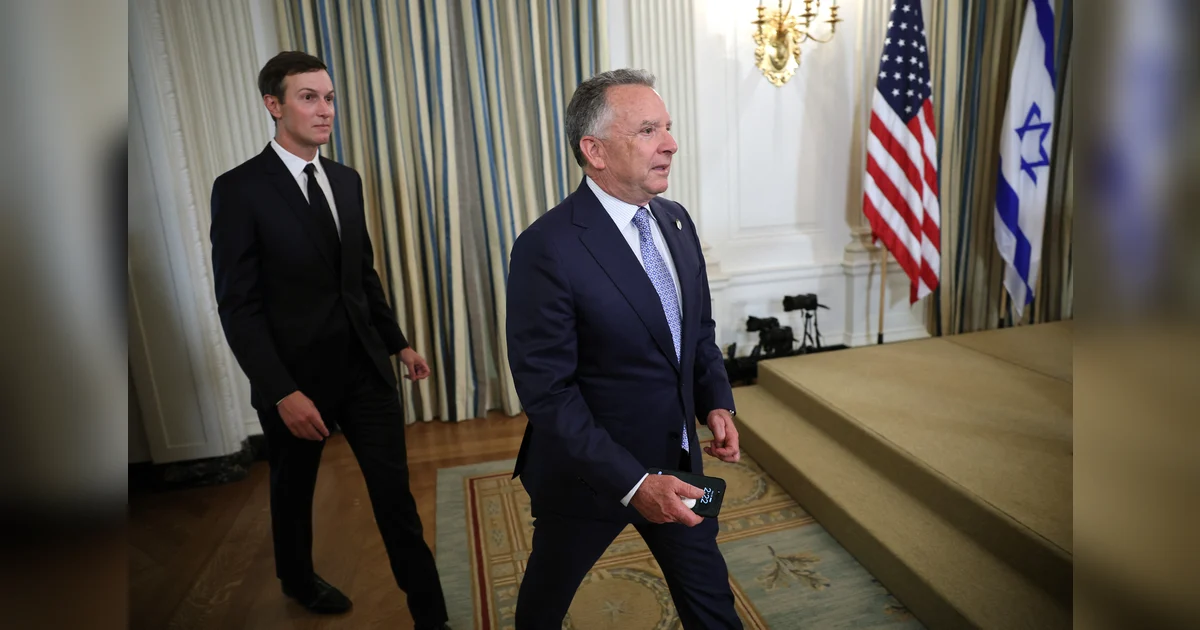
US envoy Jared Kushner in Jerusalem to press Gaza truce
US envoy Jared Kushner held a crucial meeting with Israeli Prime Minister Benjamin Netanyahu in Jerusalem on Monday, intensifying Washington’s efforts to solidify the fragile Gaza ceasefire. The truce, which has been in effect since October 10, 2025, has significantly reduced hostilities following the devastating conflict triggered by Hamas’s surprise attack on Israel on October 7, 2023. The initial phase of the ceasefire has seen a series of prisoner and hostage exchanges in recent weeks, marking a tentative step toward peace. Netanyahu’s office confirmed the meeting but withheld further details. Israeli media reported that Kushner’s visit aligns with ongoing US initiatives to stabilize the truce and prepare for its next phase. The second stage of the agreement aims to address highly contentious issues, including Hamas’s disarmament, the reconstruction of Gaza, and the withdrawal of Israeli forces. Hamas has consistently declared that relinquishing its weapons is non-negotiable. Additionally, plans are underway to deploy an ‘international stabilization force,’ coordinated by US troops, to ensure security across the region.
-
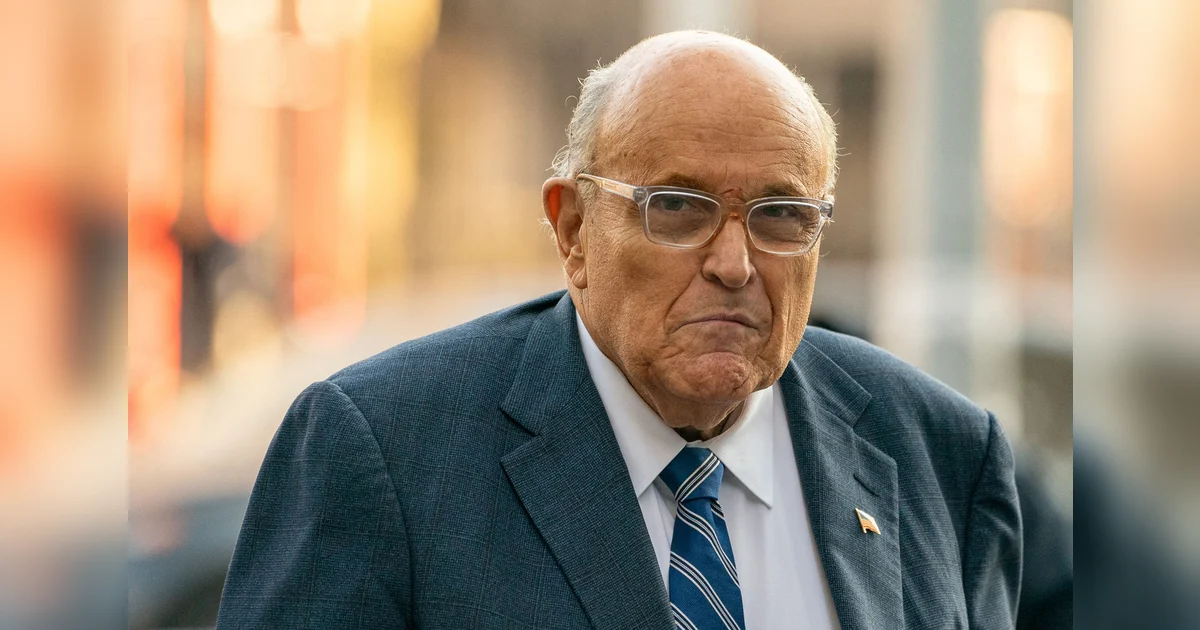
Trump pardons Giuliani, allies linked to efforts to overturn 2020 election
In a highly contentious move, former US President Donald Trump has issued sweeping pardons to several key allies implicated in efforts to overturn the results of the 2020 presidential election. The pardons, announced by the administration’s pardon attorney Ed Martin, include prominent figures such as Rudy Giuliani, Sidney Powell, Mark Meadows, John Eastman, and Boris Epshteyn. These individuals were allegedly involved in a scheme to alter electoral slates in crucial battleground states like Arizona, Georgia, and Michigan, which President Joe Biden had won. The plot, which Trump and his supporters endorsed, culminated in the violent January 6, 2021, Capitol riot. While none of the pardoned individuals faced federal charges, the pardons could shield them from future prosecution. Trump’s directive explicitly excludes himself, despite his repeated claims of having the authority to self-pardon. The move has sparked widespread criticism, with many viewing it as an attempt to obstruct accountability for actions linked to the election controversy.
-
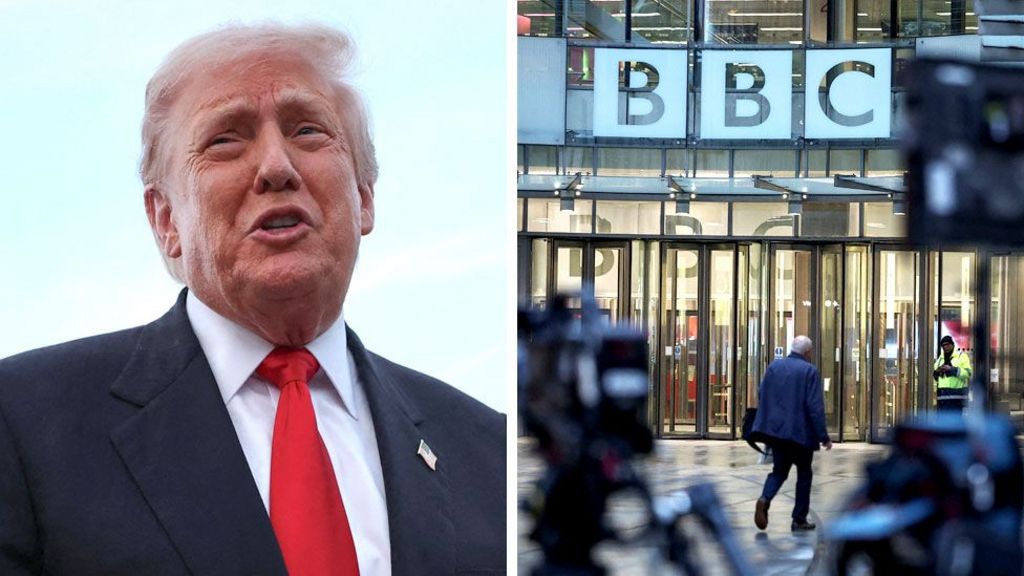
Trump threatens BBC with legal action over Panorama speech edit
Former US President Donald Trump has issued a legal ultimatum to the BBC, demanding a retraction of a Panorama documentary that allegedly misrepresented his speech on January 6, 2021. Trump’s legal team has set a November 14 deadline for the BBC to issue a ‘full and fair retraction’ or face a $1 billion lawsuit. The controversy stems from the documentary’s editing of Trump’s speech, which spliced two segments to create the impression that he explicitly incited the Capitol attack. A leaked internal BBC memo acknowledged the misleading edit, prompting resignations from BBC News CEO Deborah Turness and Director General Tim Davie. BBC Chair Samir Shah admitted an ‘error of judgement’ in the documentary’s editing but denied claims of systemic bias within the corporation. The memo, authored by former external adviser Michael Prescott, also criticized the BBC’s coverage of the Israel-Gaza conflict and transgender issues. Trump’s letter accuses the BBC of defamation and demands compensation. The BBC has faced over 500 complaints since the memo’s publication, with Shah emphasizing that concerns are being addressed. This incident adds to Trump’s history of legal battles with media outlets, including a $16 million settlement with CBS News in July.
-
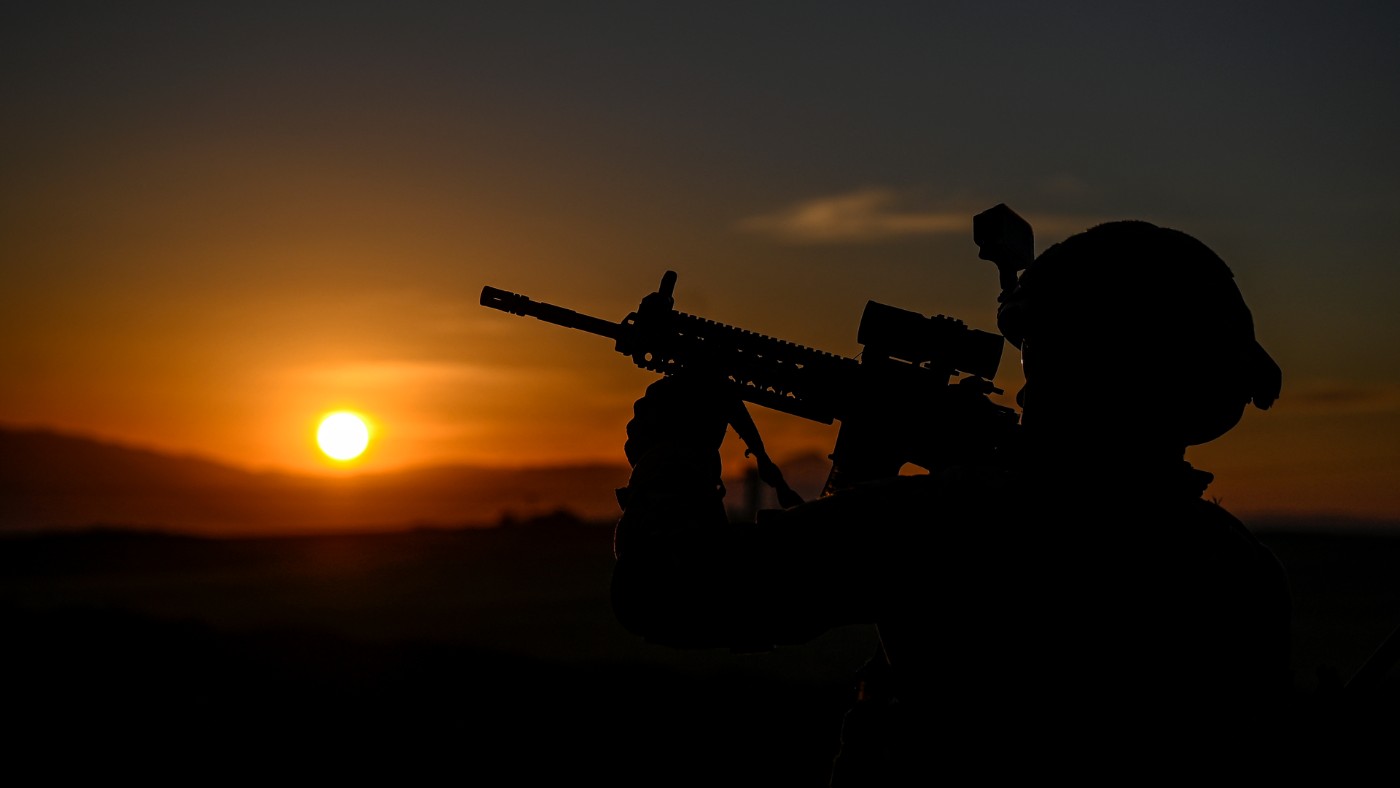
Turkey readies military brigade for Gaza stabilisation force
The Turkish government is advancing plans to deploy hundreds of soldiers to Gaza as part of an international peacekeeping force, according to sources familiar with the matter. The proposed brigade, estimated to include at least 2,000 personnel, is being assembled from various army branches with prior experience in peacekeeping and conflict zones. This contingent would join a multinational stabilization force in Gaza, as part of a broader peace plan brokered by former US President Donald Trump, which envisions Turkey as a key player in post-war reconstruction and security arrangements. However, the initiative faces opposition from Israel, and a UN resolution authorizing the deployment has yet to be passed. Israeli government spokesperson Shosh Bedrosian stated unequivocally, ‘There will be no Turkish boots on the ground,’ citing Israel’s reluctance to accept a strong NATO ally operating under a UN mandate in the enclave. Turkish officials, meanwhile, emphasize that their participation would focus on ceasefire implementation, humanitarian recovery, and border control, rather than enforcement actions. Ankara has also highlighted its role in facilitating the return of Israeli soldier Hadar Goldin’s remains to Israel, a gesture aimed at fostering goodwill. The final decision on the force’s scope and mandate is expected following consultations between the UN and regional stakeholders in the coming weeks. Turkish Foreign Minister Hakan Fidan has reiterated that Turkey’s involvement is contingent on a clear UN Security Council mandate, while President Recep Tayyip Erdogan has signaled readiness to deploy troops if required. The Trump administration has framed the multinational force as essential for lasting peace in Gaza, with plans to establish a ‘Board of Peace’ chaired by Trump himself, a move that critics argue would grant Washington unprecedented control over the operation. As negotiations continue, the international community watches closely, with Turkey positioning itself as a stabilizing force in the volatile region.
-
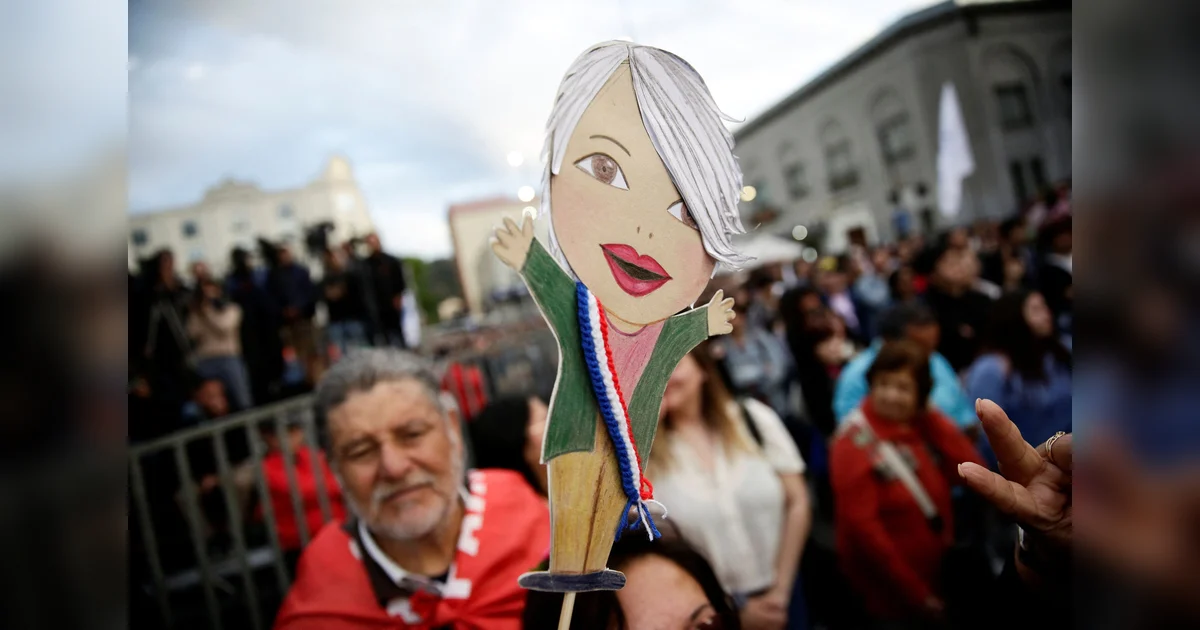
From videos to albums: Chile’s presidential race hits a musical note
In an unconventional twist to Chile’s presidential campaign, candidates are leveraging music and digital media to engage the nation’s youth ahead of the November 16 election. With nearly 3 million of the 15.6 million eligible voters aged between 18 and 29, campaigns are adopting innovative strategies to resonate with this demographic. Conservative candidate Evelyn Matthei recently released a trap-inspired music video, blending hip-hop and reggaeton influences, which has garnered 2.5 million views on YouTube. The video critiques her opponents, far-right Jose Antonio Kast and leftist Jeannette Jara, while promoting her policy agenda. Matthei’s campaign defended the approach, calling it a fresh way to connect with young voters. Meanwhile, Jara has opted for a pop-like jingle and active social media presence, showcasing her personal life and Spotify playlist. Kast, trailing in polls but leading on Spotify with his eclectic 15-song album, criticized Matthei’s video as a ‘big mistake.’ This musical pivot highlights the candidates’ efforts to modernize their outreach in a fiercely contested race.
-
UAE announces nationwide field exercise with military units, aircraft
The United Arab Emirates (UAE) has unveiled plans for a large-scale nationwide field exercise, set to take place from November 11 to 13, 2025. Organized by the Ministry of Interior, the exercise will encompass all seven emirates, involving the coordinated movement of military units, vehicles, and aircraft across multiple regions. The ministry has issued a public advisory urging residents to refrain from photographing or sharing any media related to the exercise. Additionally, citizens are advised to avoid exercise sites and yield to police units to ensure smooth operations. This initiative follows a similar exercise conducted in October 2025 by the National Crisis and Emergency Management Authority in Ras Al Khaimah, aimed at bolstering the nation’s preparedness for natural disasters and crises. Last year, the UAE executed ‘Resilience 1,’ a three-day nationwide drill conducted at police headquarters across the country. These exercises underscore the UAE’s commitment to enhancing its emergency response capabilities and ensuring national security.
-
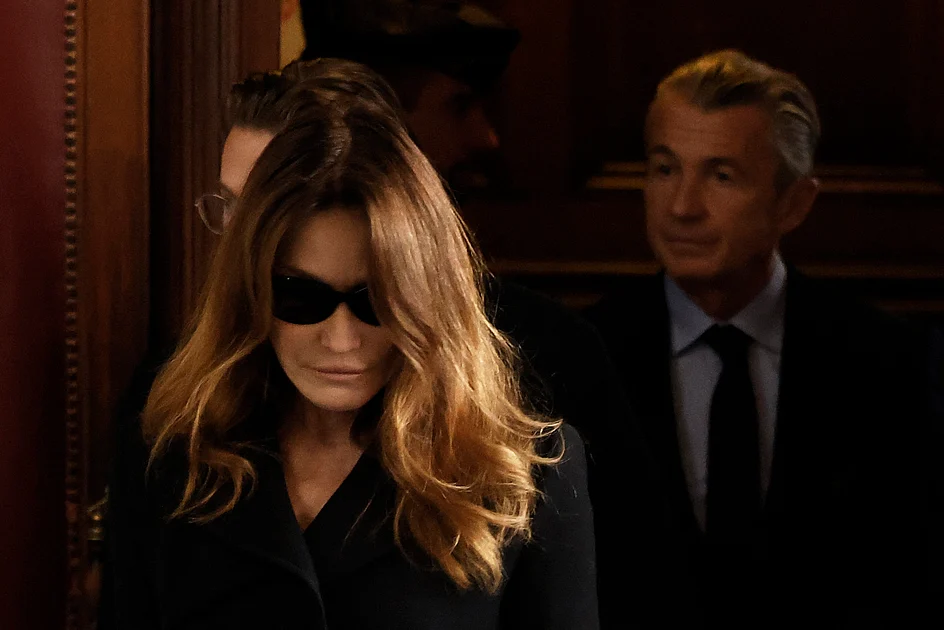
France’s Sarkozy says prison a ‘nightmare’ as prosecutors seek his release
Former French President Nicolas Sarkozy has labeled his incarceration a ‘nightmare’ as prosecutors seek his release pending an appeals trial over allegations of illegal campaign funding from Libya. Sarkozy, 70, entered prison on October 21, marking the first time a former European Union head of state has been jailed. A lower court in September found him guilty of conspiring to secure funding from Moamer Kadhafi’s Libya for his 2007 presidential campaign, sentencing him to five years in prison. However, the Paris Appeals Court opened a hearing on Monday to consider his release, with a decision expected imminently. Sarkozy appeared via video call from prison, describing the experience as ‘gruelling’ but acknowledged the prison staff had made it ‘bearable.’ Prosecutor Damien Brunet argued that Sarkozy’s release under judicial supervision was justified to mitigate risks of witness tampering or collusion. Sarkozy’s wife, Carla Bruni-Sarkozy, and his sons were present in court to show support. The appeals trial, scheduled for March, will reassess the necessity of his pre-trial detention under French law, which requires such measures only if no alternatives exist to safeguard evidence or prevent reoffending. Sarkozy, who has faced multiple legal challenges since leaving office in 2012, remains a polarizing figure in French politics. His imprisonment has sparked debates over judicial independence and the treatment of high-profile inmates, with prison wardens criticizing the special security measures afforded to him. Meanwhile, Sarkozy’s social media accounts have highlighted the outpouring of public support, including letters and gifts sent to him during his incarceration.