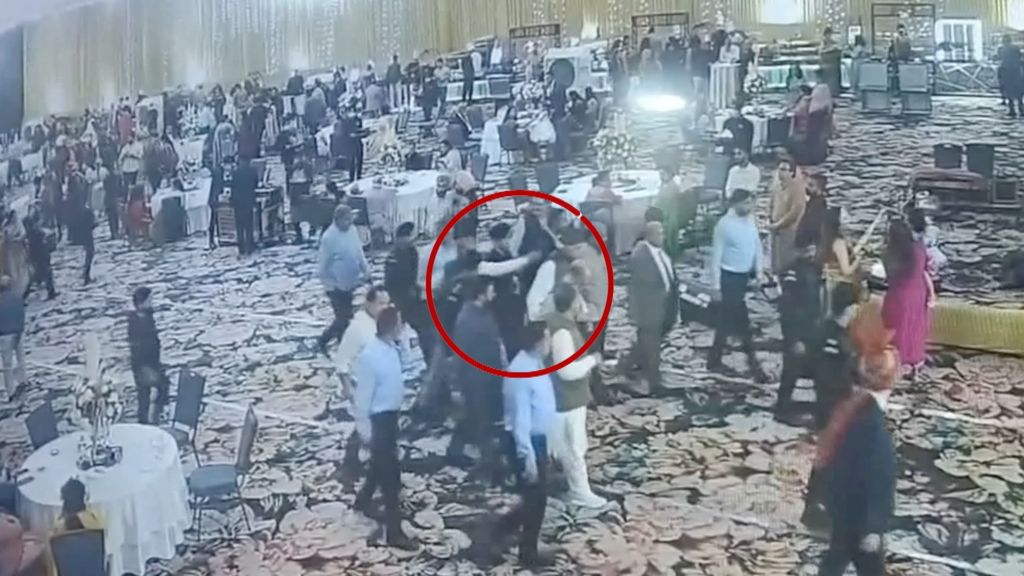
A chilling assassination attempt against prominent Kashmiri political leader Farooq Abdullah was captured on video, showing a gunman firing at point-blank range and miraculously missing his target. The incident, which occurred during a public engagement, sent shockwaves through Indian political circles. Security personnel immediately apprehended the lone suspect, who remains in custody for interrogation. Abdullah, an 86-year-old veteran politician and former Chief Minister of Jammu and Kashmir, emerged physically unscathed from what authorities are investigating as a deliberate assassination attempt. The footage, which rapidly circulated across social media platforms, depicts the tense moments before and after the gunshot, highlighting the persistent security challenges facing Indian politicians in the contested region. Government officials have condemned the attack and pledged enhanced security measures for public figures while investigations continue to determine the motive and possible affiliations of the apprehended suspect.
分类: politics
-
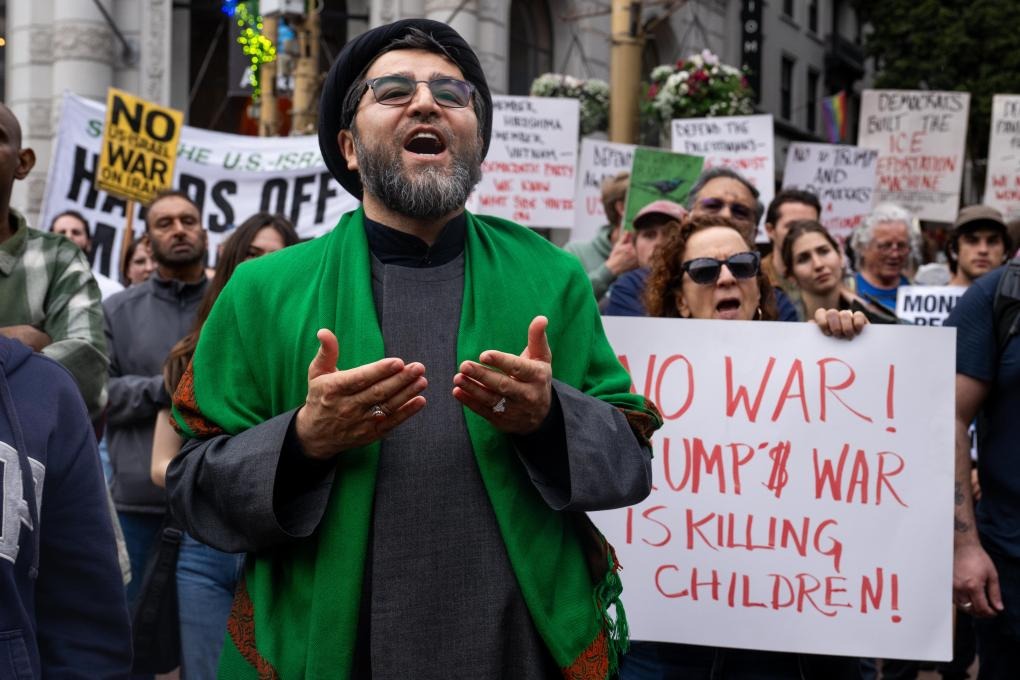
Trump sends mixed messages on when strikes on Iran will end
WASHINGTON – President Donald Trump has offered conflicting characterizations of the ongoing U.S.-Israeli military campaign against Iran, creating ambiguity about the operation’s timeline and objectives. During an exchange with reporters while traveling in Ohio on Wednesday, Trump described the campaign as both a “war” and a short-term “excursion” simultaneously.
When pressed by journalists to clarify whether the operation constituted a limited engagement or full-scale conflict, Trump responded: “Well, it’s both. It’s an excursion that will keep us out of a war, and the war is going to be, I mean for them it’s a war.”
This contradictory messaging follows earlier statements made to House Republicans on Monday, where the President characterized the military action as a “short-term excursion” while simultaneously vowing to pursue “ultimate victory” and demanding Iran’s “unconditional surrender.”
Despite Trump’s assertion that the conflict would conclude “soon” because there was “practically nothing left to target,” intelligence reports from Axios indicate that U.S. and Israeli officials are preparing for at least two additional weeks of strikes. According to the report, no internal directive has been issued regarding when military operations might cease.
The human cost of the campaign continues to mount dramatically. Iran’s Ambassador and Permanent Representative to the United Nations, Amir Saeid Iravani, reported on Tuesday that more than 1,300 civilians have been killed and 9,669 civilian sites destroyed since the strikes began on February 28.
-
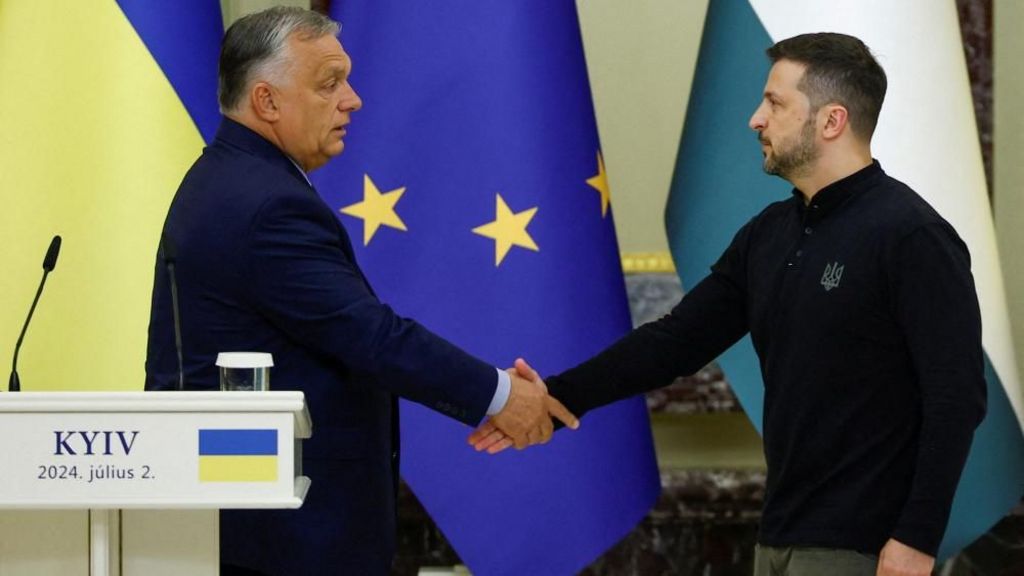
War in Ukraine spills into Hungarian election
With Hungary’s parliamentary election merely 30 days away, the nation finds itself engulfed in an unprecedented disinformation war involving Prime Minister Viktor Orbán’s government, Ukraine, and Kremlin-linked actors. The political atmosphere has reached a fever pitch, characterized by extraordinary allegations and counter-allegations that threaten to destabilize regional diplomacy.
The Hungarian government has launched a series of severe accusations against Ukraine, claiming the war-torn nation is preparing physical violence against Prime Minister Orbán and his family while allegedly planning attacks on critical energy infrastructure. Ministers assert that Ukraine ‘will stop at nothing’ to prevent Orbán’s Fidesz party from securing victory in the upcoming April 12 election.
Ukraine has responded with equally serious charges, accusing the Hungarian government of orchestrating a deliberate hate campaign to frighten Hungarian voters into supporting Fidesz. This diplomatic crisis has created a perfect environment for Russian interference, with The Financial Times reporting that the Kremlin-linked Social Design Agency is preparing a mass disinformation campaign in Hungary to bolster Orbán and discredit the opposition Tisza Party led by Péter Magyar.
At the heart of this geopolitical standoff lies the disrupted Druzhba (Friendship) pipeline, a critical energy artery for Hungarian and Slovak refineries. Oil deliveries ceased on January 27 following a Russian drone strike that damaged the Brody oil hub in western Ukraine. Prime Minister Orbán has presented satellite images claiming the pipeline remains intact, accusing Ukraine of deliberately delaying repairs to create fuel shortages that would harm his re-election prospects.
However, security analyst András Rácz of the German Council on Foreign Relations challenges this narrative, revealing that the January attack damaged an oil tank containing 75 million liters of crude oil. To prevent environmental disaster, this oil was pumped into the pipeline for storage—creating technical complications that Ukraine says may require six weeks to repair.
The election campaign has manifested through disturbing propaganda techniques, including AI-generated Fidesz videos depicting execution squads and suggesting similar fates await Hungarians who vote for the opposition. Giant billboards across Hungary show Ukrainian President Volodymyr Zelenskyy alongside Péter Magyar, falsely accusing Tisza of planning to involve Hungary directly in the Ukraine war.
In a highly unusual peacetime measure, the Hungarian army has been deployed to patrol key energy installations—presented as reassurance to the public by Fidesz but characterized as intimidation by opposition voices. The situation escalated further when Zelenskyy remarked that those blocking EU aid might find themselves visited by Ukrainian armed forces ‘speaking in their own language’—a comment Orbán interpreted as a direct threat.
The confrontation reached new heights when Hungarian anti-terror troops seized two vehicles belonging to Ukraine’s state savings bank crossing into Hungary, while a supposed Hungarian ‘fact-finding mission’ to inspect the pipeline was dismissed by Ukraine as mere tourists without official status.
With Fidesz trailing Tisza 39% to 50% in recent polls, analysts are divided whether Orbán’s anti-Ukraine rhetoric represents panic in the face of probable defeat or a calculated strategy to mobilize his base by creating a sense of national emergency.
-
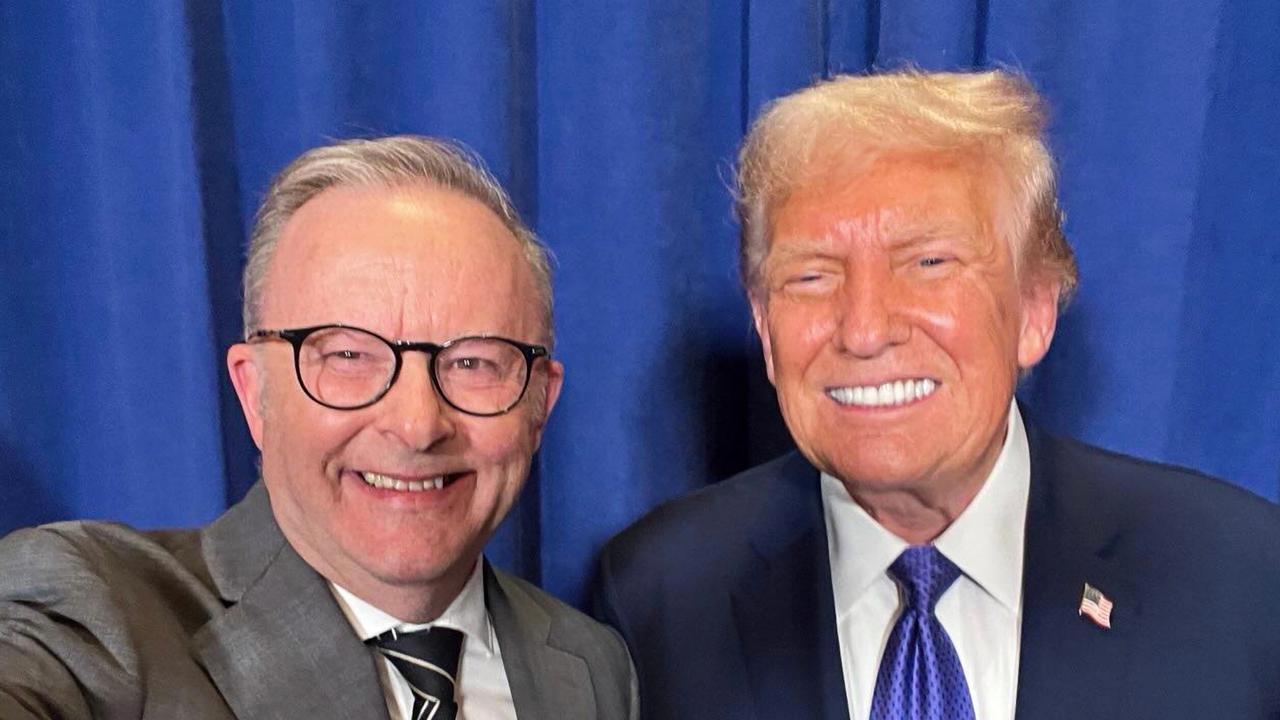
Anthony Albanese gifted Donald Trump’s wife Melania a $3000 pearl pendant
Newly disclosed documents obtained through Freedom of Information requests have revealed the details of diplomatic gift exchanges between Australian Prime Minister Anthony Albanese and the Trump administration during his October 2025 visit to Washington DC.
The records show Prime Minister Albanese presented former First Lady Melania Trump with an elegant Bianca Pearl Pendant valued at $2,980. The necklace, supplied by luxury retailer Intandem, features a refined gold chain with a single pearl suspension, though documentation didn’t specify whether the piece contained a 13mm or 14mm pearl.
In a notable contrast of diplomatic presentations, the Australian government also gifted former President Donald Trump a meticulously crafted 24-inch Virginia Class Submarine Model. Provided through the Department of Foreign Affairs and Trade, the model featured gold stand-off mounts yet was officially valued at $0 in the disclosure documents.
The reciprocal gift from the Trump administration to Prime Minister Albanese was recorded as a “desk set with stationery” with a declared value of $923, though procurement records indicated an actual purchase price of $190.30. This item has been surrendered by the Department of Prime Minister and Cabinet for official display within Commonwealth or parliamentary offices, or alternatively may be allocated to national collections or charitable donation.
These revelations come amid Australia’s strict parliamentary requirements mandating disclosure of gifts exceeding $750 in value. The documents provide insight into the often-overlooked protocol of diplomatic gift exchanges, which serve as both ceremonial gestures and instruments of international relations.
-
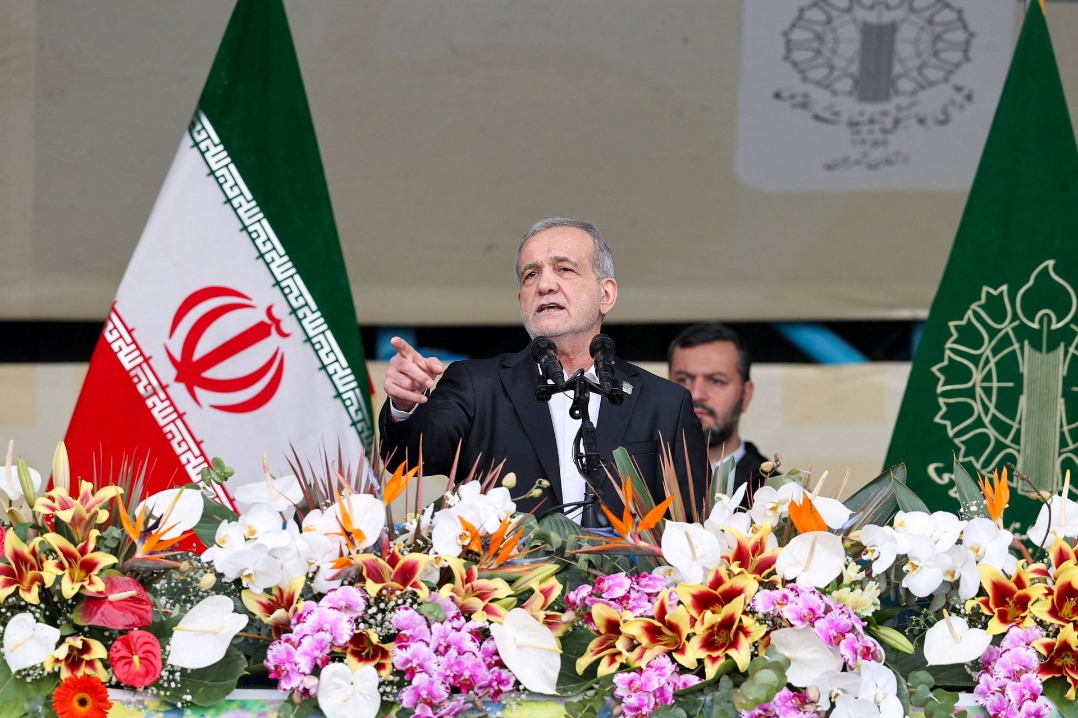
Iranian president lists preconditions for ending war with US, Israel
Iranian President Masoud Pezeshkian has formally declared the necessary preconditions for terminating hostilities with the United States and Israel, framing them as essential for achieving regional stability. In a statement released on the social media platform X, President Pezeshkian asserted that peace can only be restored through three fundamental concessions: the formal recognition of Iran’s legitimate rights, the payment of substantial reparations for damages incurred, and the establishment of ironclad international guarantees protecting against future acts of aggression. This declaration reinforces Tehran’s publicly stated commitment to a peaceful resolution, albeit one contingent on specific demands from its adversaries.
The president’s diplomatic overture was simultaneously underscored by a stark military warning from the Iranian armed forces. Spokesman Abolfazl Shekarchi, in an interview with state-run IRIB TV, issued a severe caution to the United States. The warning was a direct response to a post from the U.S. Central Command on its Persian-language X page, which advised civilians to distance themselves from Iranian port facilities utilized by naval forces. Shekarchi vowed that any American offensive against these Iranian ports would trigger a massive and comprehensive retaliation, threatening that “no port, economic center, or point in the Persian Gulf will be out of our reach.”
This exchange occurs against the backdrop of a severe and ongoing military confrontation. The current cycle of violence was ignited on February 28th by joint U.S.-Israeli offensive operations that struck Tehran and several other Iranian cities. The attacks resulted in the death of the nation’s then-Supreme Leader Ali Khamenei, along with numerous high-ranking military officials and civilians. In retaliation, Iran launched extensive missile and drone assaults targeting Israeli and U.S. strategic assets located across the Middle East, significantly escalating the conflict and raising global security concerns.
-
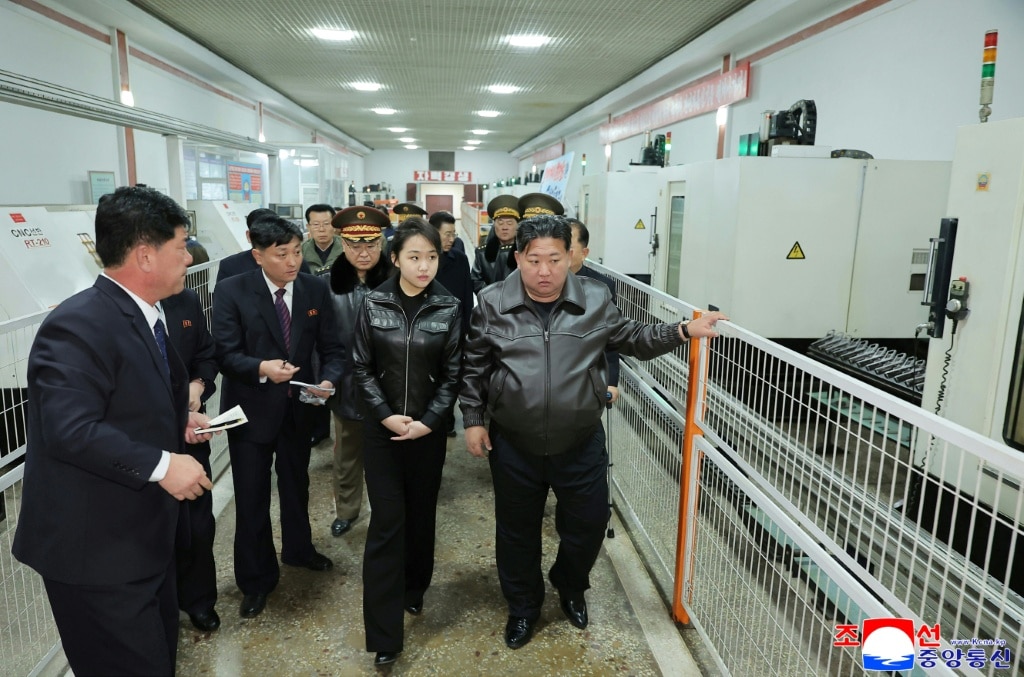
North Korea unveils image of leader’s daughter firing pistol
North Korean state media has released provocative imagery depicting leader Kim Jong Un’s teenage daughter, Ju Ae, firing a pistol during a factory inspection with her father. The carefully staged photographs, published by the Korean Central News Agency on Thursday, show the young heir apparent at a major munitions facility where new pistols and portable light arms are manufactured.
The images capture Ju Ae with one eye closed in concentration as flames erupt from the weapon’s muzzle, while she and her father don matching leather jackets—a sartorial choice traditionally associated with power and authority within the isolated regime. The factory visit included a demonstration at the facility’s shooting gallery, where Kim Jong Un personally tested the new-type pistol and expressed satisfaction with its combat excellence.
This marks the second such weapons-related portrayal in recent weeks, following last month’s release of photographs showing the teenager firing a rifle at a shooting range. The consistent pattern of military-themed appearances has intensified speculation among international observers regarding her political grooming. Since her 2022 public debut accompanying her father to an intercontinental ballistic missile launch, Ju Ae has gradually assumed a more visible role in state affairs.
Experts interpret these developments as deliberate image-building by the Pyongyang regime. Professor Lim Eul-chul of South Korea’s Kyungnam University noted that despite her youth, the leadership appears to be cultivating an impression of ‘a strong and formidable woman’ through these military demonstrations. The pistol-shooting imagery specifically signals her developing attributes as a potential future military commander, reinforcing the dynastic continuity of the Kim family’s decades-long rule characterized by their pervasive personality cult and the mythologized ‘Paektu bloodline.’
-
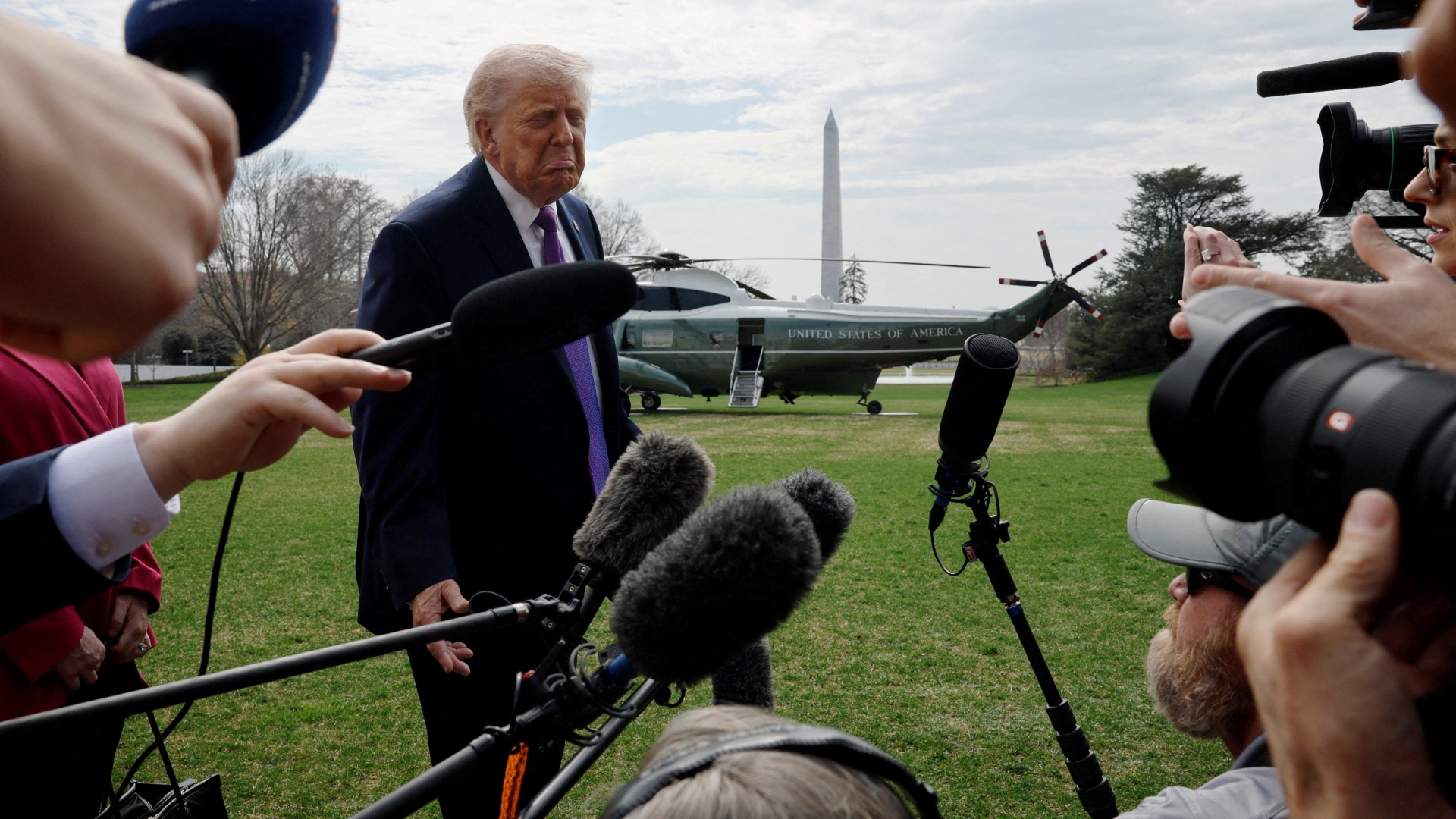
Trump says he’s unaware of evidence indicating US bombed girls’ school in Iran
President Donald Trump claimed ignorance regarding compelling evidence pointing to U.S. responsibility for a devastating airstrike on a girls’ school in Minab, Iran, which resulted in 165 fatalities—predominantly children. This declaration came merely four days after he initially attributed the attack to Tehran.
When confronted by journalists outside the White House about a military investigation identifying the United States as the perpetrator, the President responded, “I don’t know.” This stance persists despite a New York Times analysis of satellite imagery and weapon remnants, alongside Bellingcat’s video evidence depicting a Tomahawk missile—a munition exclusive to the U.S. arsenal—striking a structure adjacent to the school. In a contradictory statement earlier in the week, Trump dismissed the missile evidence as “very generic.”
Subsequently, an anonymous administration official conceded to The Associated Press that U.S. forces were indeed the likely culprits, exonerating both Israel and Iran. In response to inquiries about concluding military operations, Trump advocated for “more of the same.”
The tragedy has ignited significant political backlash. Senate Democrats have dispatched a grave letter to Secretary of War Pete Hegseth, condemning the horrific outcomes and highlighting the administration’s failure to claim responsibility. They sharply criticized Hegseth’s recent comments advocating for the abandonment of “stupid rules of engagement,” interpreting them as a blatant disregard for international war laws.
Domestic support for the conflict appears tenuous. Polls from various outlets indicate widespread unpopularity among Americans, a sentiment echoed within the Iranian-American community, which is almost evenly split regarding support for the war.
Notably, even conservative voices are urging de-escalation. Republican Senator Josh Hawley publicly declared victory on Fox News, questioning the necessity of prolonged engagement given the prior destruction of Iran’s nuclear capabilities. This contrasts with the White House’s continued, albeit contradictory, emphasis on the nuclear threat.
The administration’s strategy remains shrouded in confusion. Senators emerged from a confidential briefing describing the U.S. approach as profoundly incoherent and lacking any definitive endgame. Senators Chris Van Hollen and Elizabeth Warren decried the operation as an illegal war based on false pretenses, launched without a clear objective or exit strategy.
The human cost continues to rise, with the Iranian UN ambassador reporting over 1,300 Iranian casualties. Meanwhile, the State Department is managing a massive repatriation effort, assisting over 43,000 Americans returning from the Middle East amidst ongoing retaliatory strikes against U.S. interests in the region.
-
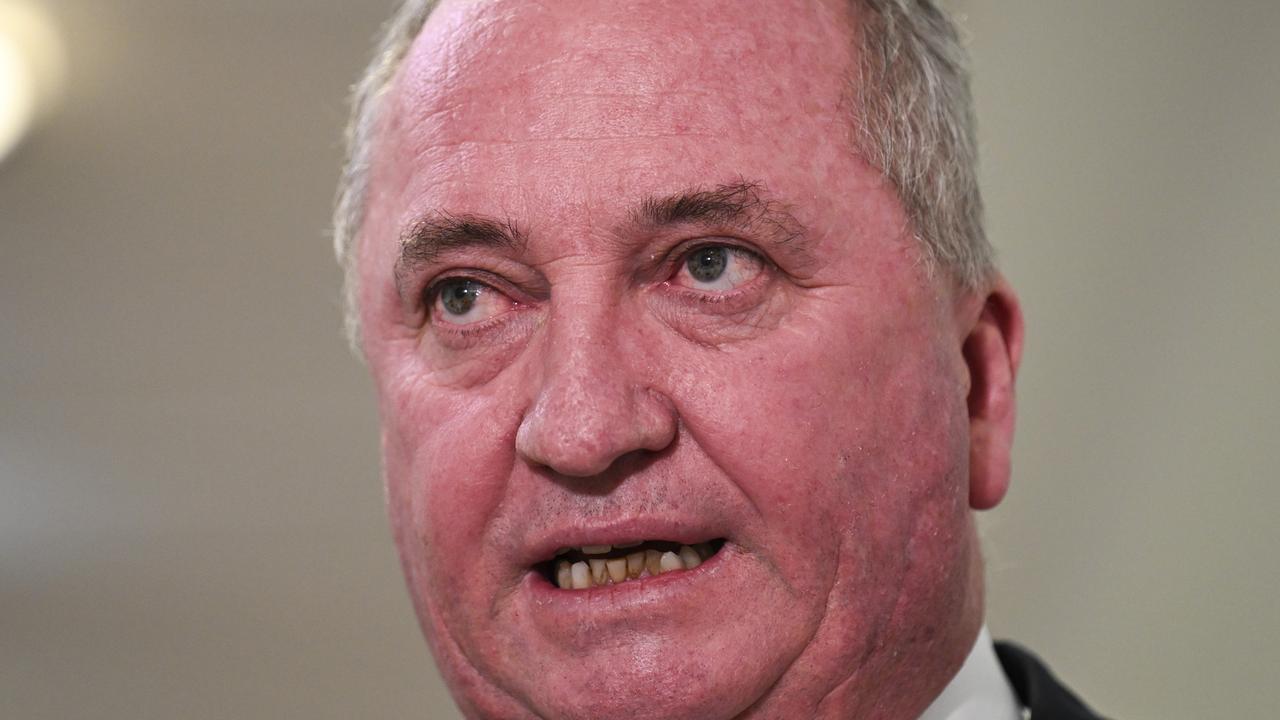
‘I’ll try’: Barnaby Joyce to remain in lower house ‘if asked’
In a surprising political development, former Nationals leader Barnaby Joyce has indicated he may reverse his decision to abandon his New England seat for a Senate position, stating he would reconsider “if the party determines we need to have a crack.” The One Nation convert, who left the Nationals for the right-wing populist party late last year, made these remarks during a spirited Sky News interview where he vigorously defended his new party’s governing potential.
Joyce’s original plan to transition to the Senate is facing increased scrutiny as One Nation experiences rising poll numbers. Currently lacking representation in the lower house—where government is formed—One Nation’s parliamentary strategy remains uncertain. During the interview, Joyce articulated his flexibility: “I’ve made a statement that I’m going to run for the Senate. If circumstances change as we get closer, where the party determines that what we need is for me to have a crack at a lower house seat, that’s what I’ll try.”
The exchange grew heated when host Laura Jayes repeated One Nation leader Pauline Hanson’s assertion that the party would never form government. Joyce challenged this perspective as “conceited,” emphasizing that “the Australian people should make that decision” regarding electoral outcomes.
In a notable admission, Joyce revealed that One Nation frequently aligns philosophically with new Nationals leader Matt Canavan, particularly on energy policy including support for new coal-fired power stations. This ideological proximity became subject to humorous speculation when Joyce addressed reports of an errant “love letter” to Canavan, joking about their shared accommodation and referencing the film Brokeback Mountain with the remark: “I hope it was a mistake because I was sleeping in the same room as him. But, you know, it’s legal these days.”
Responding to Joyce’s comments, Nationals Senate leader Bridget McKenzie suggested Joyce was “obviously feeling the threat” from Canavan’s leadership. She highlighted Canavan’s “huge intellectual capacity” and ability to engage on complex issues like energy and resources. McKenzie further questioned One Nation’s strategy of targeting Coalition seats rather than Labor positions, noting that such an approach would ultimately maintain Anthony Albanese’s premiership.
-
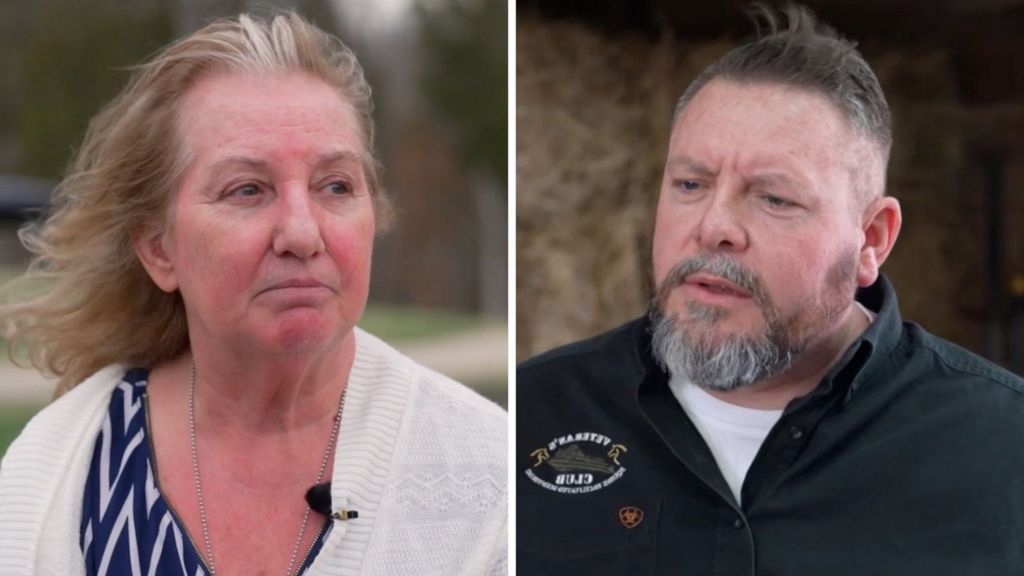
Justified or not? US military families on fears of Iran war
Amid escalating geopolitical friction, American military families are confronting profound anxieties regarding the prospect of armed engagement with Iran. The BBC’s North America editor, Sarah Smith, has captured these deeply personal apprehensions through poignant dialogues with those most directly affected by the human cost of war. A central voice in this narrative is Lynn, a Gold Star mother who carries the enduring grief of losing her son during the Iraq War. Her perspective is compounded by the insights of Jeremy, a military veteran whose service provides a ground-level view of the ramifications of international conflict. Their collective testimony transcends political debate, offering a raw examination of the potential consequences of further military action in the Middle East. This reporting underscores a critical dichotomy between strategic justifications at the governmental level and the palpable fears within the armed forces community. The analysis delves into whether a new confrontation is a necessary measure for national security or a path toward repeating past tragedies, exploring the complex emotional and psychological landscape for those who serve and the families who support them.
-
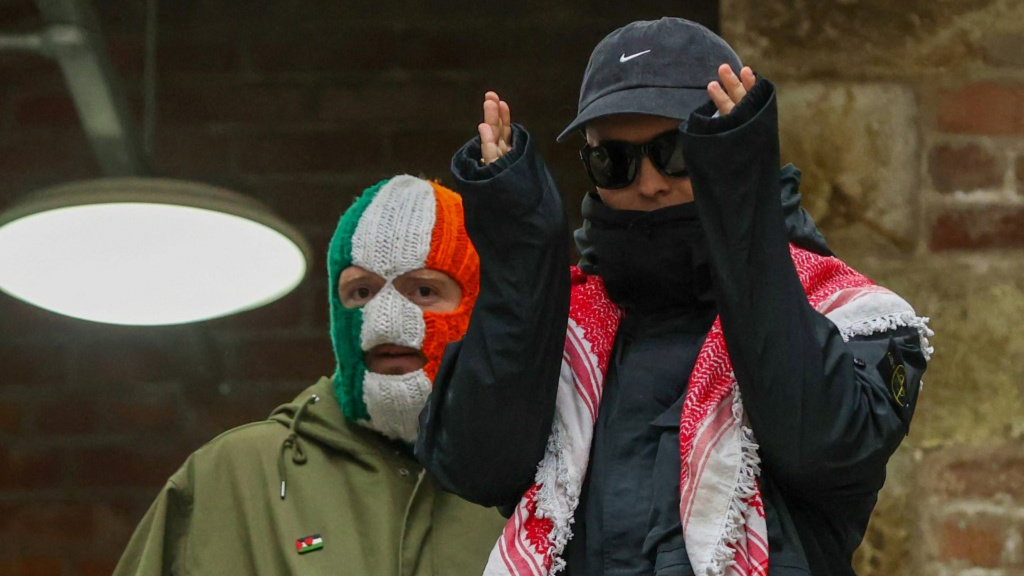
UK government loses appeal over Kneecap terror charges
The British government has suffered a significant legal defeat after the High Court in London rejected its appeal to reinstate terrorism charges against Liam Og O hAnnaidh, a member of the Irish rap collective Kneecap. The ruling represents the third judicial setback for prosecutors in this controversial case.
O hAnnaidh, professionally known as Mo Chara, faced allegations of waving a Hezbollah flag during a November 2024 concert performance in London. The Lebanese organization maintains proscribed terrorist status under UK law, making support displays potentially criminal under the Terrorism Act.
The legal foundation collapsed when Westminster Magistrates’ Court Judge Paul Goldspring determined in September that prosecutors had exceeded the statutory six-month limitation period for bringing summary charges. Wednesday’s High Court judgment affirmed this procedural dismissal, preventing any possibility of renewed prosecution.
Following the verdict, O hAnnaidh conducted an impassioned press conference in West Belfast, asserting the case represented political theater rather than genuine counterterrorism concern. “This entire process was never about me, never about any threat to the public and never about terrorism… it was always about Palestine,” he stated.
The artist directly challenged UK authorities: “We said we would fight you in your court and we would win, we have three times now. Your own High Court has ruled against you.” Kneecap collectively maintains the prosecution attempted to divert attention from Israeli military operations in Gaza, characterizing the legal action as governmental distraction tactics.
The case has highlighted ongoing tensions between artistic expression, political symbolism, and counterterrorism legislation in the United Kingdom, particularly regarding the Israeli-Palestinian conflict’s international ramifications.