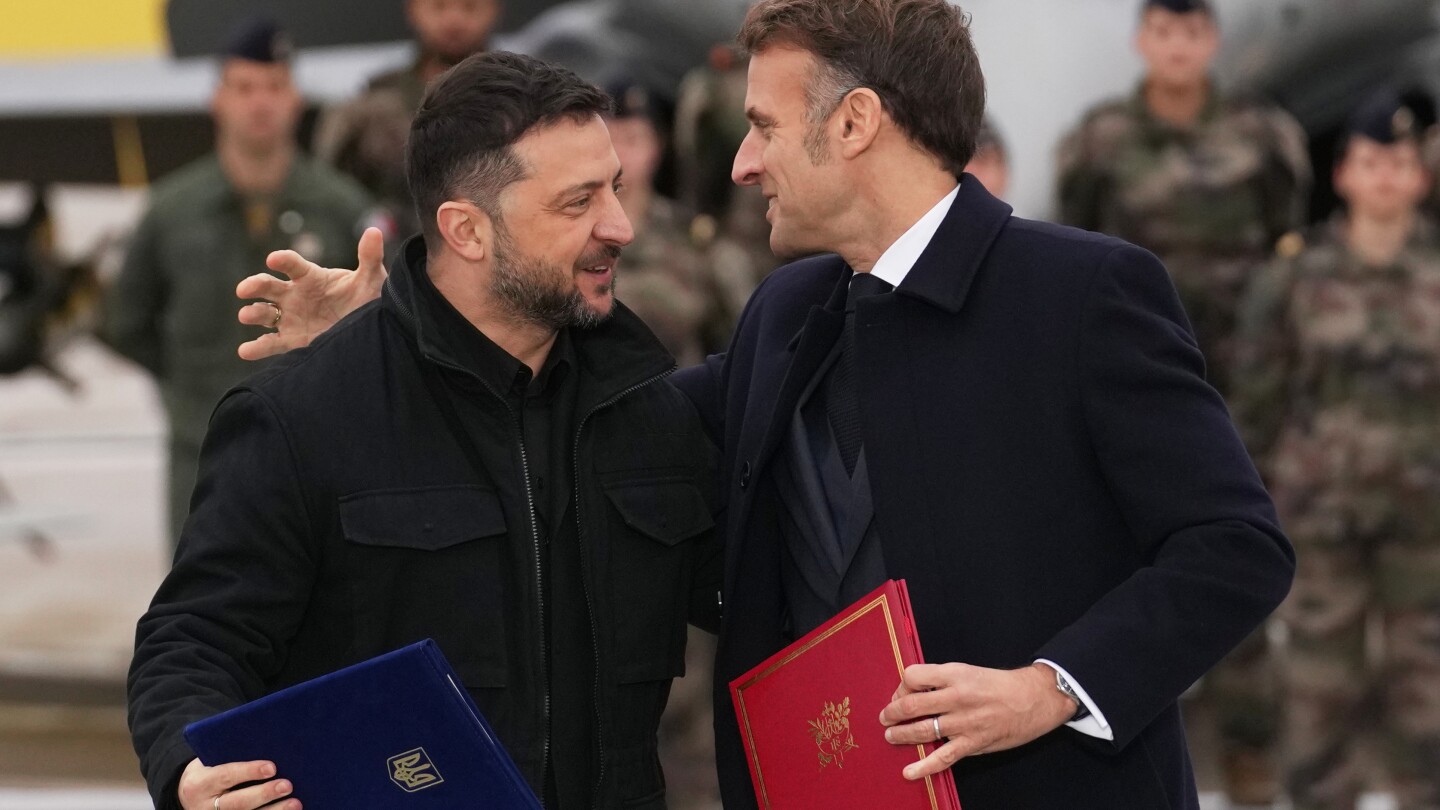
In a significant move to bolster Ukraine’s military capabilities, Ukrainian President Volodymyr Zelenskyy and French President Emmanuel Macron signed a letter of intent on Monday, paving the way for Ukraine to purchase up to 100 Rafale fighter jets from France. The agreement, announced by both the Ukrainian Embassy and the French president’s office, underscores Ukraine’s ongoing efforts to strengthen its defense systems amid relentless Russian aggression. While specific details of the deal remain undisclosed, the document highlights Ukraine’s consideration of acquiring French defense equipment, including the advanced Rafale jets. This marks Zelenskyy’s ninth visit to Paris since Russia’s full-scale invasion in February 2022, as Ukraine braces for another winter under Russian bombardment of its energy infrastructure and other critical targets. Earlier in the day, Macron and Zelenskyy toured an air base on the outskirts of Paris before meeting with representatives of a multinational force, referred to as the ‘coalition of the willing,’ which France and Britain are spearheading with over 30 nations to enforce a potential ceasefire in Ukraine. Zelenskyy expressed optimism about the deal, calling it a ‘historic agreement’ to enhance Ukraine’s combat aviation and air defense capabilities. This development follows Ukraine’s recent defense agreements, including a pact with Sweden to explore the purchase of up to 150 Gripen fighter jets and the acquisition of American-made F-16s and French Mirages.
分类: politics
-

Moment Ex-Bangladesh leader Sheikh Hasina’s sentence is announced
In a dramatic turn of events, former Bangladeshi leader Sheikh Hasina has vehemently criticized a recent court ruling against her, labeling it as ‘biased and politically motivated.’ The verdict, which has sparked widespread debate, was announced amidst a charged political atmosphere in Bangladesh. Hasina, who has been a prominent figure in the country’s political landscape, issued a strong statement following the decision, asserting that the ruling was influenced by external political forces rather than legal merit. This development has further intensified the already polarized political environment in Bangladesh, with supporters and critics of Hasina clashing over the legitimacy of the court’s decision. The case has drawn significant attention both domestically and internationally, raising questions about the independence of the judiciary and the state of democracy in the region.
-
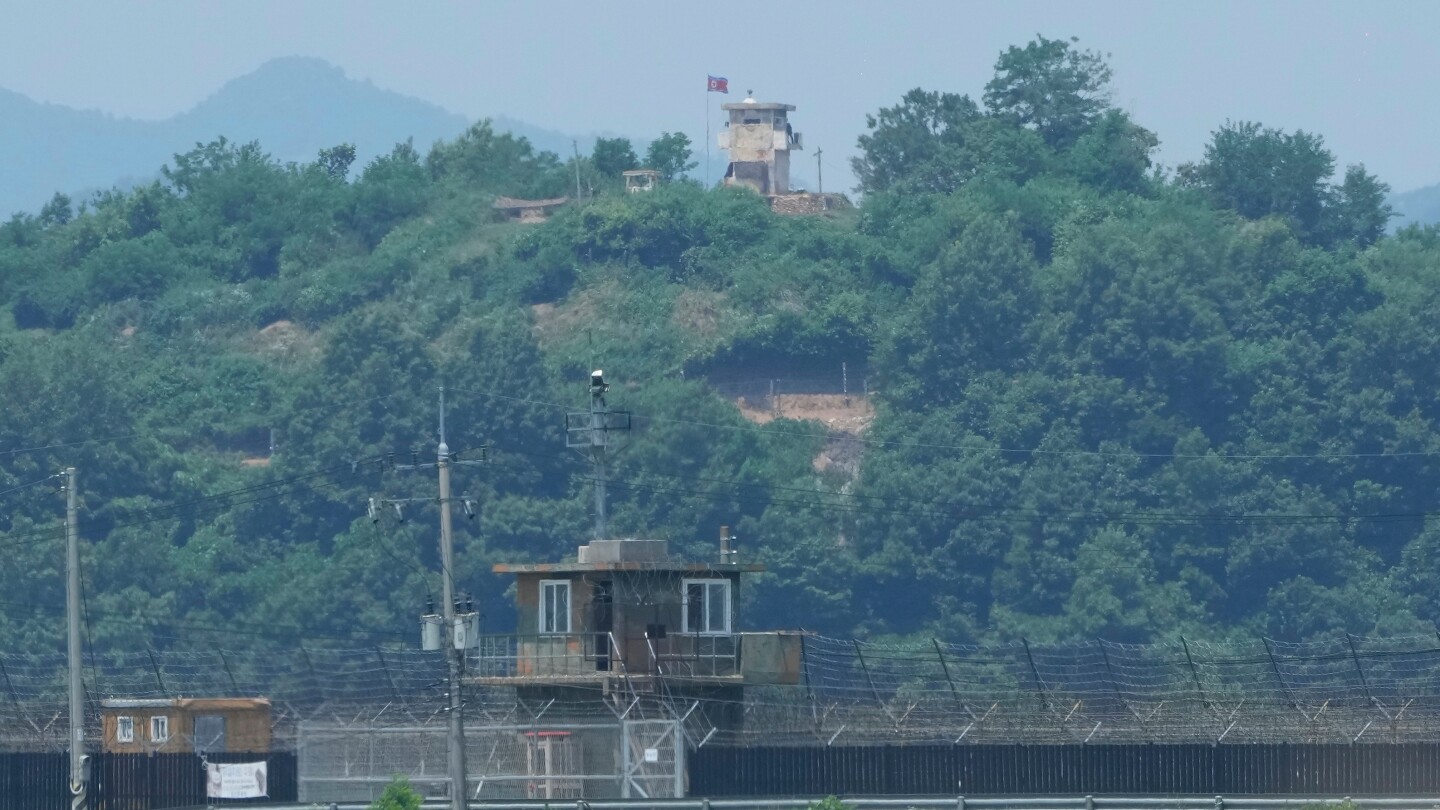
South Korea offers talks with North to prevent accidental armed clash at border
In a bid to mitigate escalating military tensions, South Korea has extended an offer for talks with North Korea to clarify the disputed border line and prevent potential armed clashes. The proposal comes amid repeated border intrusions by North Korean soldiers, which have raised concerns about accidental confrontations. South Korea’s military has reported firing warning shots to repel North Korean troops who have allegedly violated the military demarcation line multiple times since last year, when Pyongyang began fortifying its front-line defenses. North Korea, however, has denied these claims, asserting that its soldiers operated within its own territory and threatening unspecified retaliatory measures. Kim Hong-Cheol, South Korea’s deputy minister for national defense policy, emphasized that the talks aim to reduce tensions and address differing interpretations of the border, as many demarcation posts established after the 1950-53 Korean War have disappeared. The likelihood of North Korea accepting the offer remains uncertain, given its reluctance to engage in dialogue with South Korea and the U.S. since the collapse of nuclear negotiations between Kim Jong Un and former U.S. President Donald Trump in 2019. Observers suggest that the proposal reflects South Korean President Lee Jae Myung’s broader efforts to reopen communication channels with the North. Last year, Kim Jong Un declared an end to the long-standing goal of peaceful unification, designating South Korea as a permanent adversary and reinforcing border defenses with anti-tank barriers and landmines. The 248-kilometer-long border, one of the world’s most heavily fortified frontiers, remains a volatile legacy of the unresolved Korean War.
-
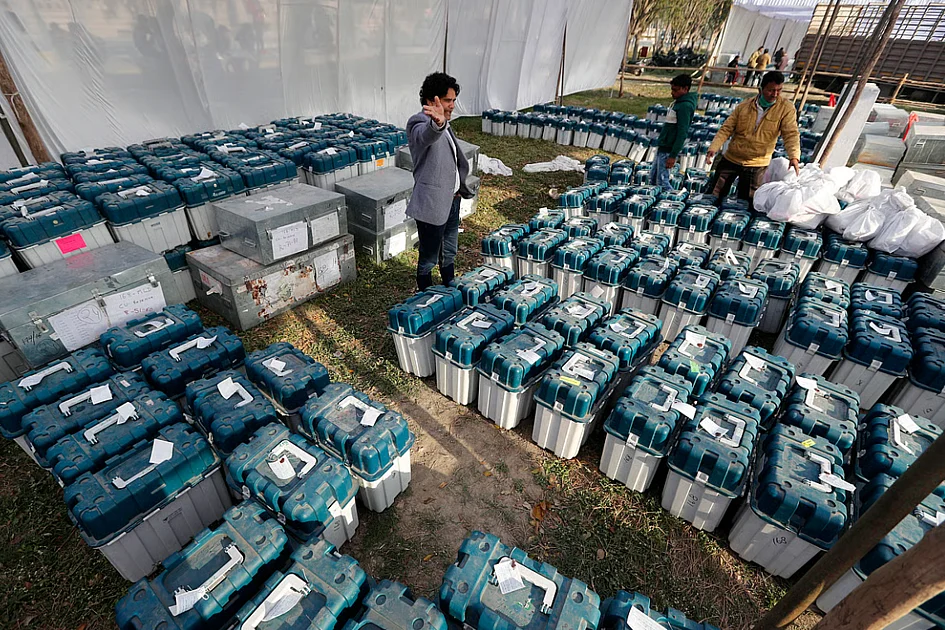
SIR forms: Indian expats in UAE rush to update, verify voter status
Indian expatriates residing in the UAE are actively engaging in the Special Intensive Revision (SIR) process to update and verify their voter status ahead of the 2026 elections in India. The Election Commission of India is conducting this initiative across 12 states and Union Territories, including Kerala and Karnataka, to ensure accurate voter rolls by removing fraudulent entries and adding eligible voters. This marks the first such comprehensive revision in 21 years. Only those listed on the electoral roll will be eligible to vote in upcoming local and national elections. Many expats are sending necessary documents, such as Aadhar cards and passports, to their families in India to facilitate the process. Dubai resident Asheem PK shared, ‘My father urged me to complete the process, so I sent all required documents as soon as it began.’ The first draft of the voter list will be published on December 9, after which new applicants can submit Form 6A online to be added. Muneer Berike, an Indian social worker, emphasized the significance of this opportunity for non-resident Indians (NRIs), stating, ‘We fought hard for this right, and now it’s crucial for NRIs to exercise it.’ NRI voter registration began in 2010, with overseas electors allowed to register since 2011. Applicants must provide details such as their overseas address, reason for residing abroad, and a relative’s voter information. Proof documents, including the Aadhar card, may also be required. Unlike resident voters, NRIs do not receive voter IDs and must vote in person in India using their passports. To assist expats, Indian social groups are planning to set up help desks, though the Indian consulate has yet to confirm its involvement in the registration process. The final voter list will be published in February 2026.
-
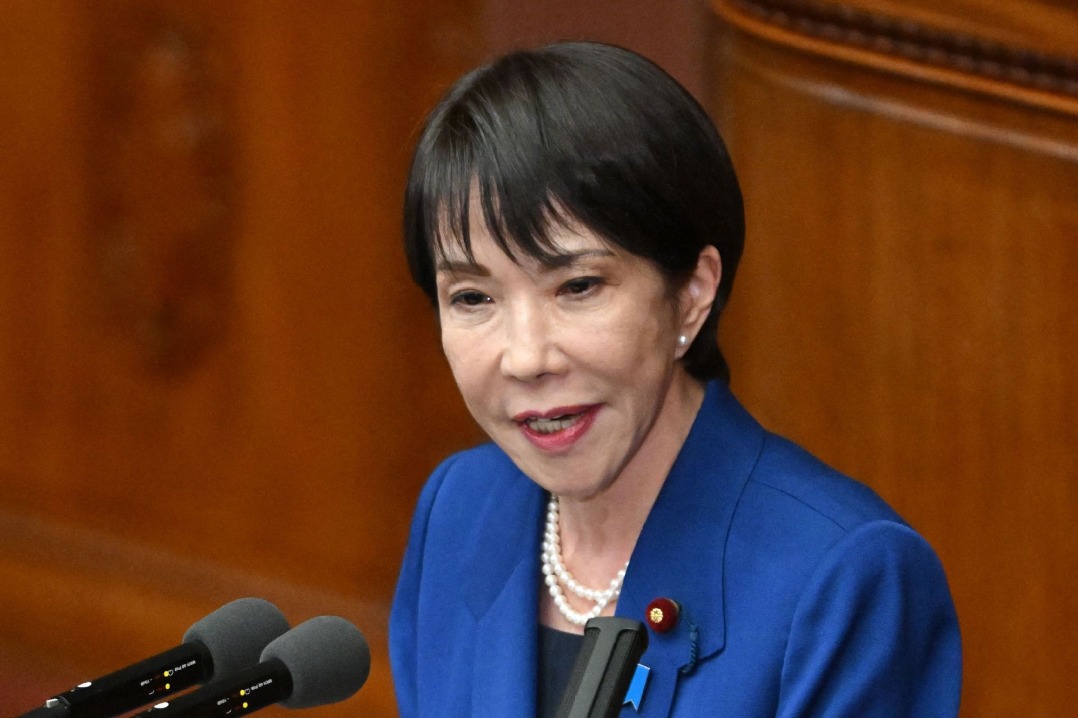
Japan PM’s remarks on Taiwan draw criticism
Japanese Prime Minister Sanae Takaichi’s recent comments on Taiwan have ignited widespread criticism both domestically and internationally, with observers warning of severe repercussions for Japan-China relations. Takaichi’s remarks, made during a November 7 session of Japan’s Diet, suggested that a military contingency involving Taiwan could pose a ‘survival-threatening situation’ for Japan, potentially justifying the use of collective self-defense by Japan’s Self-Defense Forces. This assertion has been condemned as a blatant violation of the one-China policy, which recognizes Taiwan as an inalienable part of China. Critics argue that such statements erode the mutual trust established by the 1972 Japan-China joint statement and risk destabilizing regional security. On November 16, approximately 100 Japanese citizens protested outside the prime minister’s official residence in Tokyo, demanding Takaichi’s resignation and calling for an immediate retraction of her remarks. Prominent figures, including former Prime Ministers Yukio Hatoyama and Shigeru Ishiba, have also criticized Takaichi’s stance, emphasizing the importance of avoiding interference in China’s internal affairs. Experts like Ukeru Magosaki, a former senior official at Japan’s Ministry of Foreign Affairs, and Hiroshi Shiratori, a political science professor at Hosei University, have warned that Takaichi’s comments not only distort Japan’s pacifist principles but also jeopardize the fragile diplomatic balance in East Asia. Despite China’s formal protests, Takaichi has refused to retract her statements, further straining bilateral relations and raising concerns about the potential for unnecessary regional conflict.
-
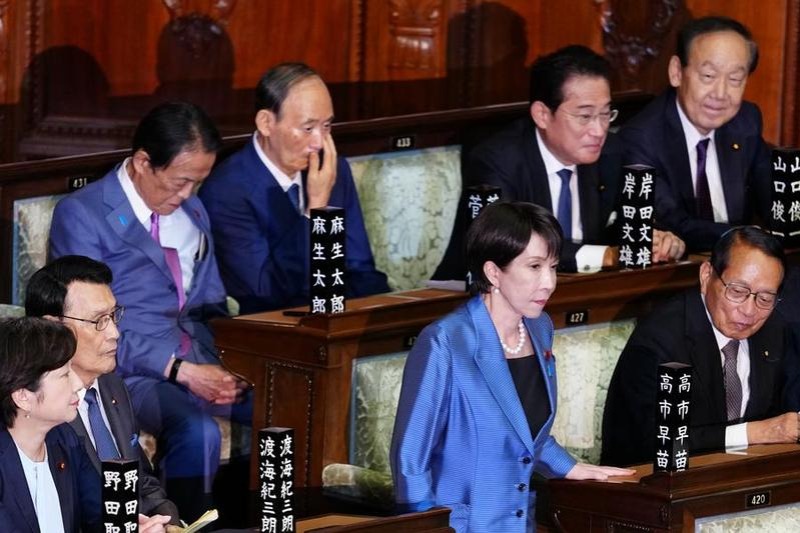
China ready to take tougher steps over Takaichi remarks
China has issued a stern warning to Japan following provocative remarks made by Japanese Prime Minister Sanae Takaichi regarding Taiwan, signaling readiness to implement further countermeasures if Tokyo fails to retract its statements. Observers and analysts emphasized that Japan must bear full responsibility for any ensuing consequences, as Takaichi’s comments have severely strained bilateral relations and threatened regional stability. Takaichi’s assertion that a potential Chinese mainland ‘use of force on Taiwan’ could constitute a ‘survival-threatening situation’ for Japan, potentially justifying military intervention, has been met with swift and forceful responses from Beijing. Senior Chinese officials in charge of diplomacy, defense, and Taiwan affairs have warned that Japan will face significant repercussions if it interferes militarily in Taiwan Strait affairs. In response to the escalating tensions, China’s Foreign Ministry and its diplomatic missions in Japan have advised Chinese citizens to avoid traveling to Japan, citing safety concerns and a deteriorating environment for people-to-people exchanges. Major Chinese airlines, including Air China, China Eastern Airlines, and China Southern Airlines, have offered special arrangements for Japan-bound travelers, allowing ticket changes or refunds. Additionally, China’s Ministry of Education and Ministry of Culture and Tourism have issued alerts advising against studying or traveling to Japan. Experts noted that Takaichi’s remarks have eroded mutual trust and undermined the political foundation of China-Japan relations, which are rooted in the one-China principle. The situation has escalated beyond a diplomatic dispute, with China emphasizing that Taiwan is an internal matter and that external interference is unacceptable. Historical context further complicates the issue, as Japan’s colonial rule in Taiwan and its wartime actions remain sensitive topics. Analysts warned that Japan’s right-wing tendencies and potential militaristic resurgence pose a threat to regional peace and stability. China’s coordinated responses underscore its commitment to safeguarding national sovereignty and territorial integrity, with observers noting that Beijing has provided Japan with opportunities to rectify its mistakes but will not hesitate to take stronger actions if necessary.
-
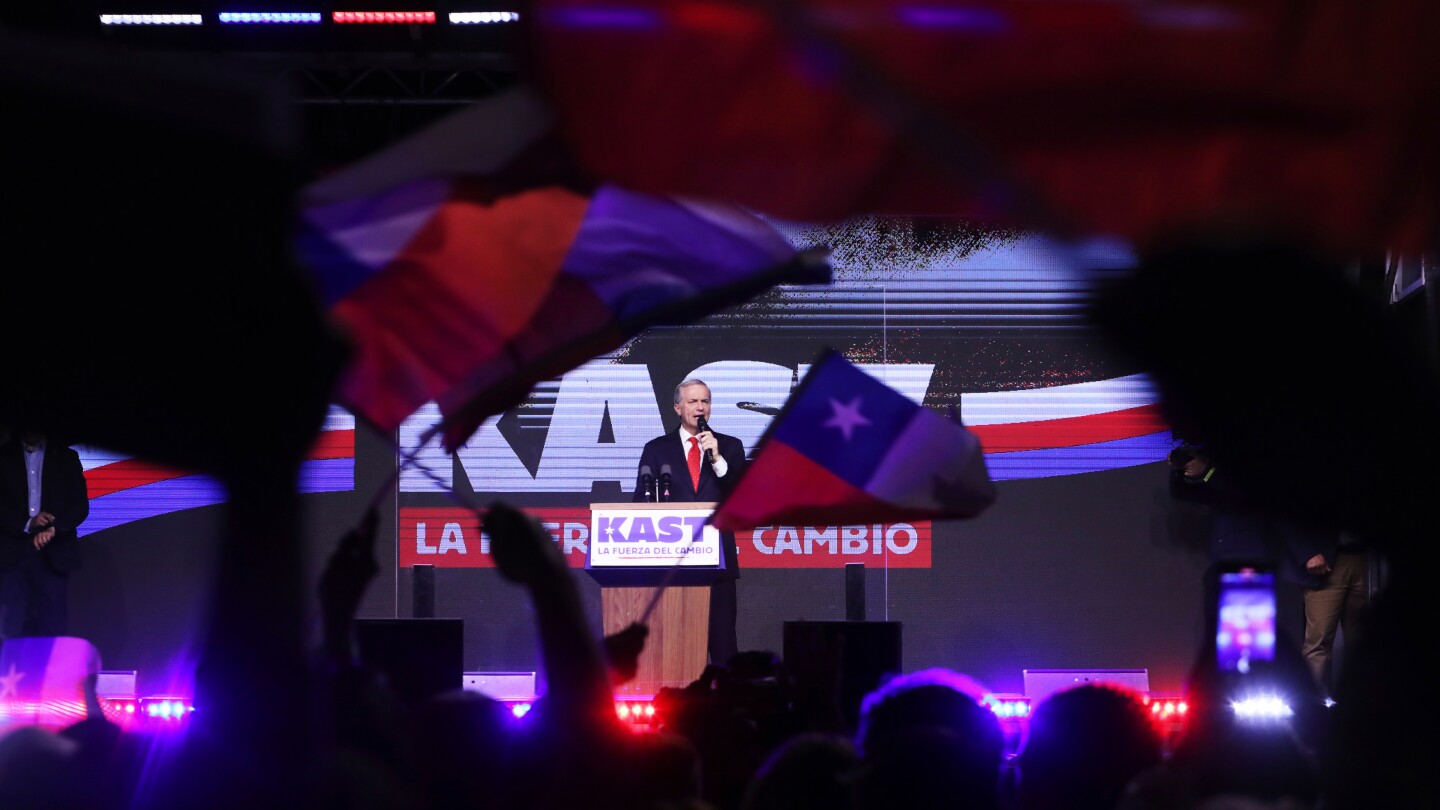
Chile’s hard-right holds the upper hand as presidential election goes to a tense runoff
Chile is set for a highly contentious presidential runoff on December 14, pitting José Antonio Kast, a hard-right former lawmaker and admirer of Donald Trump, against Jeannette Jara, a member of the Communist Party representing the incumbent left-wing government. Kast, an ultraconservative lawyer opposed to abortion and same-sex marriage, emerged as a surprise front-runner after securing nearly 24% of the vote in the first round. His campaign, focused on cracking down on crime, building a border wall, and deporting undocumented migrants, resonated with voters concerned about organized crime, illegal immigration, and unemployment. Jara, a former labor minister, narrowly led with 27% of the vote, campaigning on expanding Chile’s social safety net and tackling money laundering and drug trafficking. The runoff reflects a broader regional shift in Latin America, where economic discontent and anti-incumbent sentiment have fueled the rise of right-wing leaders. Kast’s potential victory could reshape Chile’s political landscape, with right-wing parties poised to dominate Congress, marking a significant departure from the left-leaning policies of recent years.
-
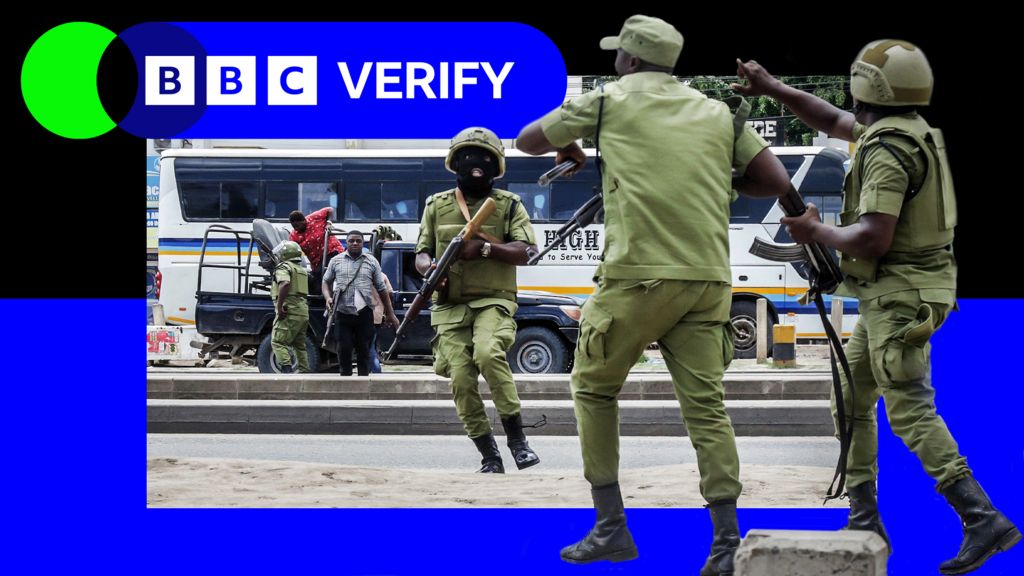
How Tanzania police crushed election protests with lethal force
Tanzania’s recent presidential and parliamentary elections were overshadowed by violent clashes between police and protesters, resulting in significant casualties and widespread condemnation. The unrest began on October 29 in Dar es Salaam, the nation’s largest city, and quickly spread to other urban centers, including Mwanza and Arusha. The protests, largely organized by young people, were fueled by frustration over a political system perceived as dominated by a single party since Tanzania’s independence in the 1960s.
-
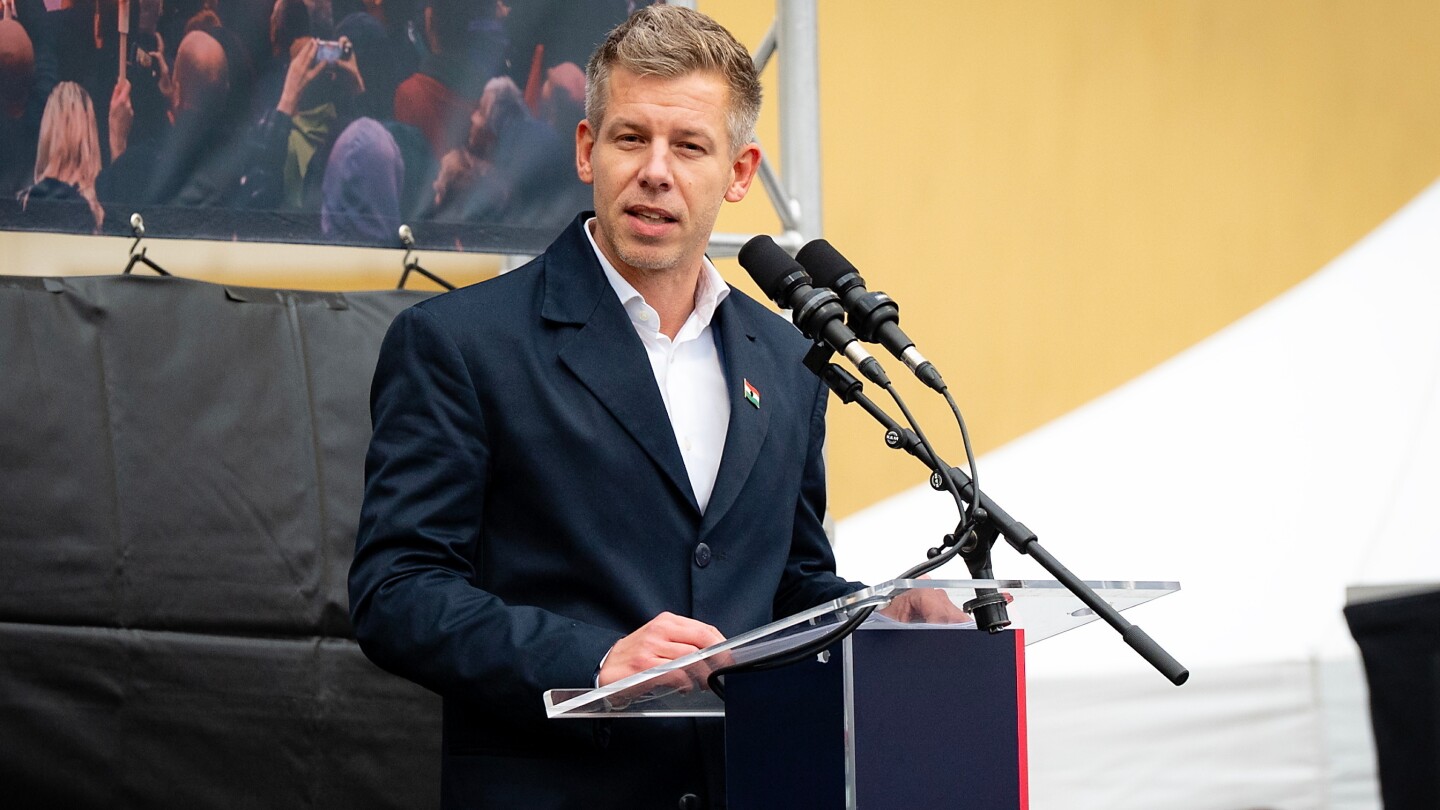
Election campaign in Hungary heats up as Orbán challenger Péter Magyar gains rural support
As Hungary gears up for its parliamentary elections in five months, the political landscape is ablaze with a fierce contest between Prime Minister Viktor Orbán and his rising challenger, Péter Magyar. Orbán, who has dominated Hungarian politics for over two decades, is now confronting what many consider the most significant challenge of his career. Despite his enduring popularity among supporters, Orbán’s government has been marred by allegations of corruption and authoritarianism, with critics accusing his far-right Fidesz party of consolidating unchecked power. However, declining economic performance, chronic inflation, and widespread dissatisfaction have eroded his once-unassailable position. Magyar, a former Fidesz insider, has emerged as a formidable opponent, promising to dismantle Orbán’s system and steer Hungary toward a more prosperous and democratic future. Magyar’s grassroots campaign, focusing on pressing issues like the cost of living and poor public services, has resonated deeply in rural areas traditionally loyal to Orbán. Recent polls show Magyar’s Tisza party leading Fidesz, a rare feat in Hungary’s political history. Orbán, meanwhile, has sought to portray Magyar as an existential threat, accusing him of aligning with foreign interests and endangering Hungary’s sovereignty. The prime minister has also criticized the European Union, comparing it to the Soviet Union, and warned that supporting Magyar equates to supporting war. Despite Orbán’s efforts, Magyar’s momentum continues to grow, fueled by public discontent and a desire for systemic change. With the election approaching, Hungary stands at a crossroads, with the outcome poised to reshape its political trajectory.
-
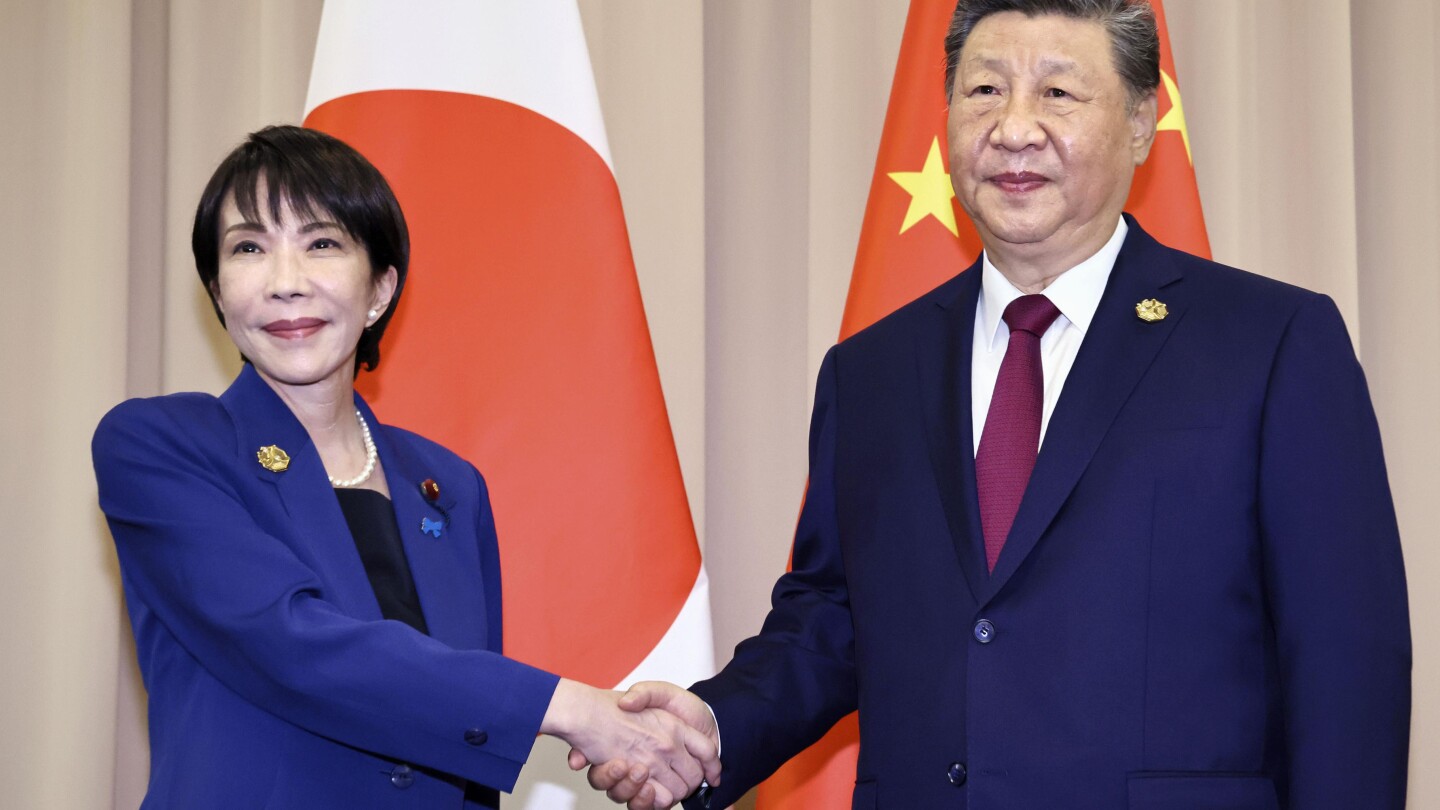
A spat over Taiwan is threatening China-Japan ties
In a bold move that has escalated regional tensions, Japan’s newly appointed Prime Minister Sanae Takaichi has suggested that a Chinese military action against Taiwan could warrant a Japanese military response. This statement, made during a parliamentary committee session on November 7, marks a significant departure from the more cautious rhetoric of her predecessors. While previous Japanese leaders have expressed concerns over China’s aggressive posture toward Taiwan, they have refrained from explicitly outlining potential military responses. Takaichi’s remarks have drawn sharp criticism from Beijing, which views Taiwan as an inalienable part of its territory and considers any foreign intervention a violation of its sovereignty. Despite the backlash, Takaichi has refused to retract her comments, though she has indicated a willingness to avoid discussing specific scenarios in the future. The incident has further strained Japan-China relations, with both countries summoning each other’s ambassadors and issuing stern warnings. China has also taken economic measures, advising against travel to Japan and highlighting safety concerns for Chinese nationals. The situation is further complicated by Japan’s post-World War II constitution, which limits its military actions to self-defense, and its alliance with the United States, which could play a pivotal role in any regional conflict. Analysts warn that Takaichi’s stance could have long-term implications for Japan’s foreign policy and its delicate balancing act in the Indo-Pacific region.