In a significant move to bolster regional stability and economic growth, China and the Association of Southeast Asian Nations (ASEAN) have pledged to deepen their collaborative efforts. This commitment was underscored during the opening ceremony of the ASEAN-China Week in Fuzhou, Fujian Province, where officials emphasized the necessity of aligning their development visions to navigate the challenges posed by unilateralism and economic fragmentation. The event, themed ‘Our shared future: Bridging ASEAN 2045 and Chinese modernization,’ highlighted the strong economic ties between the two regions, with China and ASEAN being each other’s largest trading partners for consecutive years. Shi Zhongjun, secretary-general of the ASEAN-China Centre, articulated the compatibility of the ASEAN Community Vision 2045 with China’s modernization goals, both prioritizing sustainable growth, innovation, and inclusive development. The week-long event, co-hosted by the Fujian Provincial People’s Government and the ASEAN-China Centre, also saw the release of the Report on ASEAN-China Trade and Investment Cooperation (2024-2025), which detailed the robust economic partnership between the two entities. The report reaffirmed the transformative impact of China’s modernization on the region, with ASEAN and China working together to build a resilient, innovative, and prosperous community. The officials called for unity and solidarity to champion Asian values of peace, cooperation, openness, and inclusiveness, aiming to bring greater stability and certainty to the region.
分类: politics
-
Seoul prioritizes Beijing over Tokyo in naming order
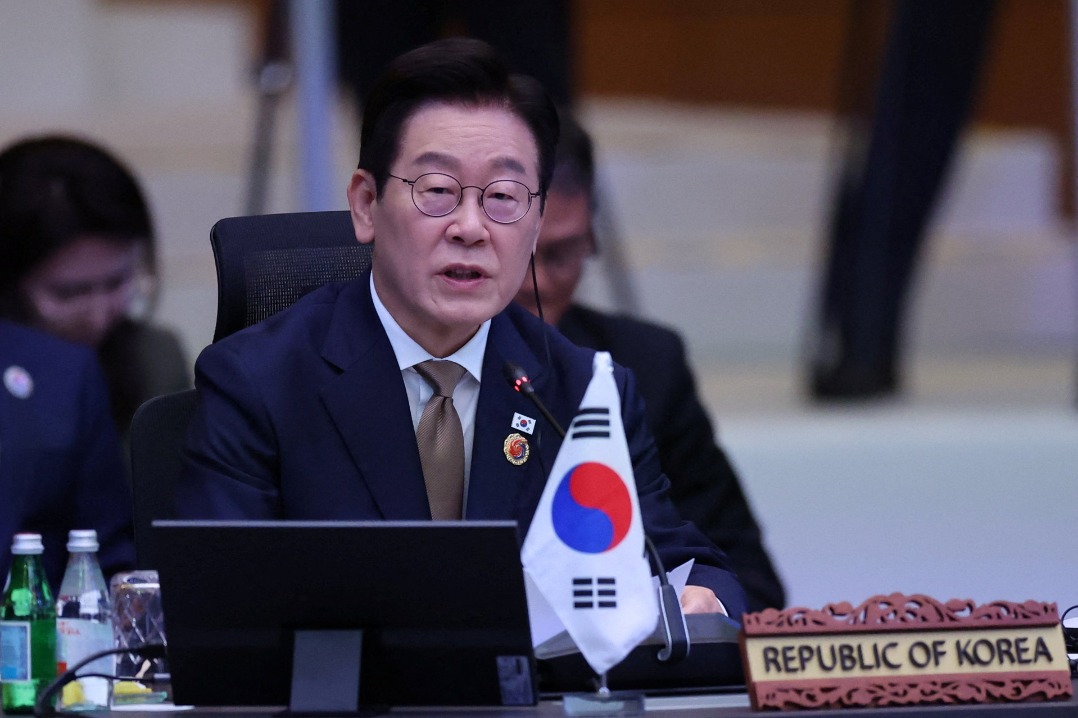
In a strategic diplomatic move, the South Korean government has officially standardized the naming order of the three Northeast Asian countries as ‘South Korea, China, and Japan.’ This decision, announced by an official from President Lee Jae-myung’s office, is widely interpreted as an effort to strengthen ties with China. The move aims to eliminate unnecessary controversies that arose during the previous administration of President Yoon Suk-yeol, which alternated between ‘South Korea, Japan, and China’ and ‘South Korea, China and Japan.’ The shift reflects President Lee’s recent emphasis on restoring and enhancing relations with China, following his meeting with Chinese President Xi Jinping on November 1. During the meeting, Lee expressed confidence in the enduring friendship and historical ties between the two nations. The new naming order is seen as a symbolic gesture to rebalance South Korea’s diplomatic priorities, particularly in light of the previous administration’s perceived tilt toward Japan. Analysts, including Kim Dong-ha, a professor of Chinese studies at Busan University of Foreign Studies, view this standardization as a significant step to emphasize China’s economic proximity to South Korea and to address public sentiment. The decision also aligns with calls from Chinese Ambassador to South Korea Dai Bing, who urged practical solutions to mitigate anti-China protests. Lee Chang-ho, chairman of the Korea-China Exchange Promotion Committee, noted that the measure reflects the government’s commitment to redefining Northeast Asian trilateral relations and restoring diplomatic balance.
-
Japan bears blame for worsening China ties
Tensions between China and Japan have escalated following Japanese Prime Minister Sanae Takaichi’s controversial comments on Taiwan, leading to a significant diplomatic rift. China’s Foreign Ministry confirmed that Premier Li Qiang will not hold a one-on-one meeting with Takaichi during the upcoming G20 Summit in South Africa. This decision underscores Beijing’s disapproval of Takaichi’s remarks, which suggested Japan’s potential military intervention in Taiwan Strait affairs—a statement that has been widely condemned as provocative and destabilizing. Foreign Ministry spokeswoman Mao Ning emphasized that Takaichi’s comments ‘seriously contradict the spirit of the four political documents between China and Japan,’ which form the foundation of bilateral relations. Mao reiterated that Japan must adhere to its commitments on the Taiwan issue and urged Tokyo to act responsibly. Meanwhile, Japanese officials have defended Takaichi’s stance, claiming that her remarks align with the 1972 China-Japan Joint Statement. However, Chinese experts argue that Tokyo is downplaying the gravity of the situation and failing to address the damage caused to bilateral ties. The postponement of a joint opinion poll and the Beijing-Tokyo Forum further highlights the strained relations. As Masaaki Kanai, head of Japan’s Asian and Oceanian Affairs Bureau, visits Beijing for talks, analysts remain skeptical about the prospects of resolving the impasse. The incident underscores the fragility of China-Japan relations and the broader implications for regional stability.
-

US will sell F-35 warplanes to Saudi Arabia, Trump says
The United States has confirmed its intention to sell F-35 fighter jets to Saudi Arabia, as announced by President Donald Trump. This decision marks a significant arms deal ahead of Crown Prince Mohammed bin Salman’s visit to Washington. Trump emphasized Saudi Arabia’s status as a key ally, stating, ‘They want to buy. They have been a great ally.’ The deal, potentially involving up to 48 F-35s, follows a $142 billion defense agreement signed during Trump’s visit to the kingdom in May 2023. However, the sale faces opposition from two major groups: Israel and certain US defense and intelligence officials. Israel has historically opposed such sales, fearing a compromise of its military edge, while US officials worry about the potential for China to access sensitive technology. Despite these concerns, experts suggest that the US can mitigate risks by limiting the technology included in the sale. Saudi Arabia, undergoing economic diversification, remains a lucrative market for US defense exports, even as it scales back ambitious projects like the Neom mega-city. The kingdom’s sovereign wealth fund has also reduced its stakes in several US companies, signaling a strategic shift in its investment priorities.
-
Chile’s most polarized presidential race in decades boosts the right and divides immigrants
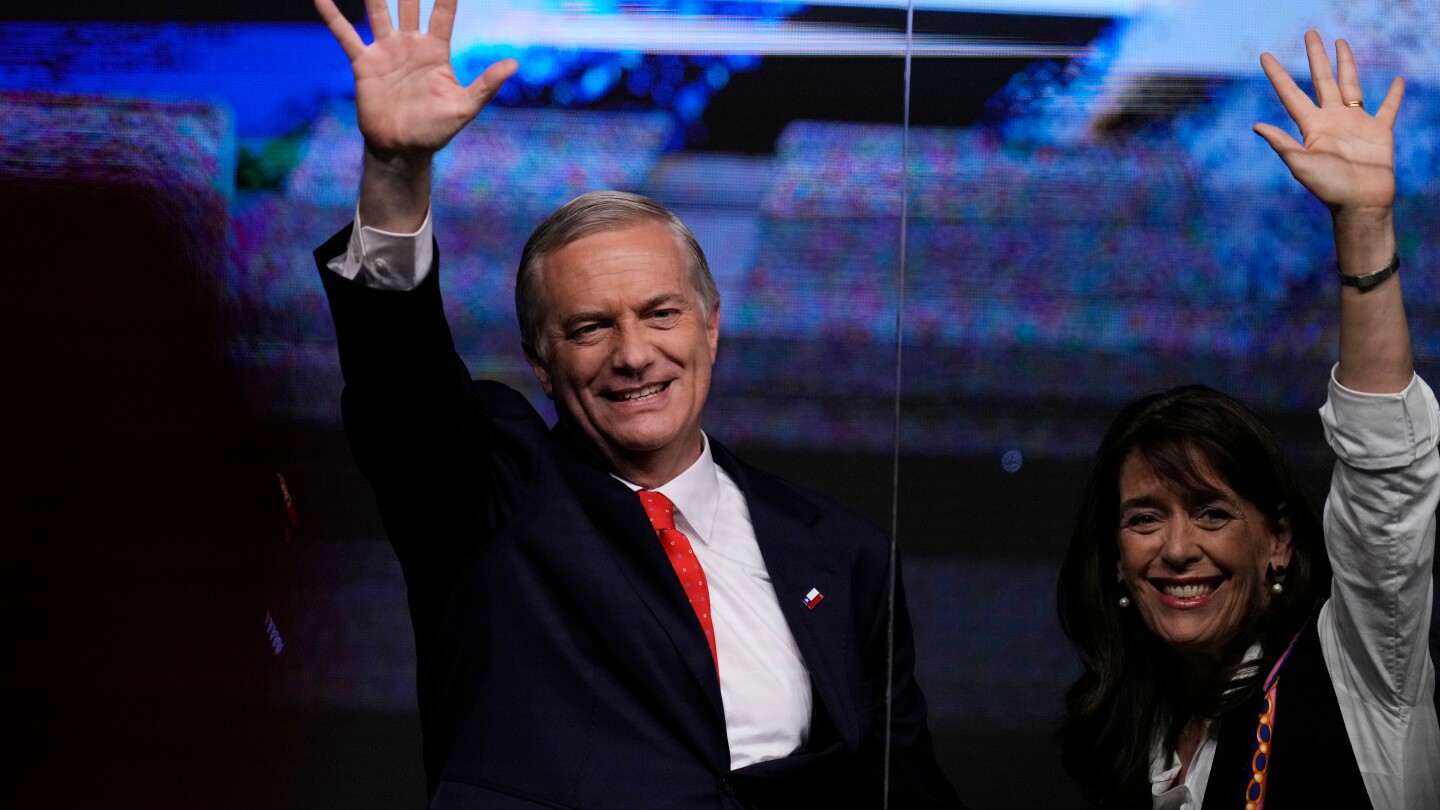
Chileans are poised to make a pivotal decision in their nation’s democratic history as they prepare to vote in a presidential runoff next month. The election pits hard-right candidate José Antonio Kast against communist Jeannette Jara, presenting a stark ideological divide. Neither candidate secured the required 50% in the initial vote, but Kast enters the second round with momentum after right-wing parties garnered an unprecedented 70% of the vote. Kast, an ultraconservative lawyer, has campaigned on promises to deport undocumented immigrants and restore order, while Jara represents a leftist vision focused on social welfare and progressive policies. The election has particularly high stakes for Chile’s 1.5 million immigrants, including hundreds of thousands of Venezuelans who fled their homeland’s socialist regime. Many immigrants, ineligible to vote, face the prospect of deportation under Kast’s proposed policies. The runoff also reflects broader regional trends, as Latin America shifts toward right-wing leadership amid rising concerns over crime and economic instability. Kast’s admiration for authoritarian figures like Donald Trump and Nayib Bukele has drawn both support and criticism, while Jara’s communist ties evoke fears of Chile’s autocratic past. The outcome of this election will shape Chile’s future, determining whether it leans toward conservative law-and-order policies or progressive social reforms.
-
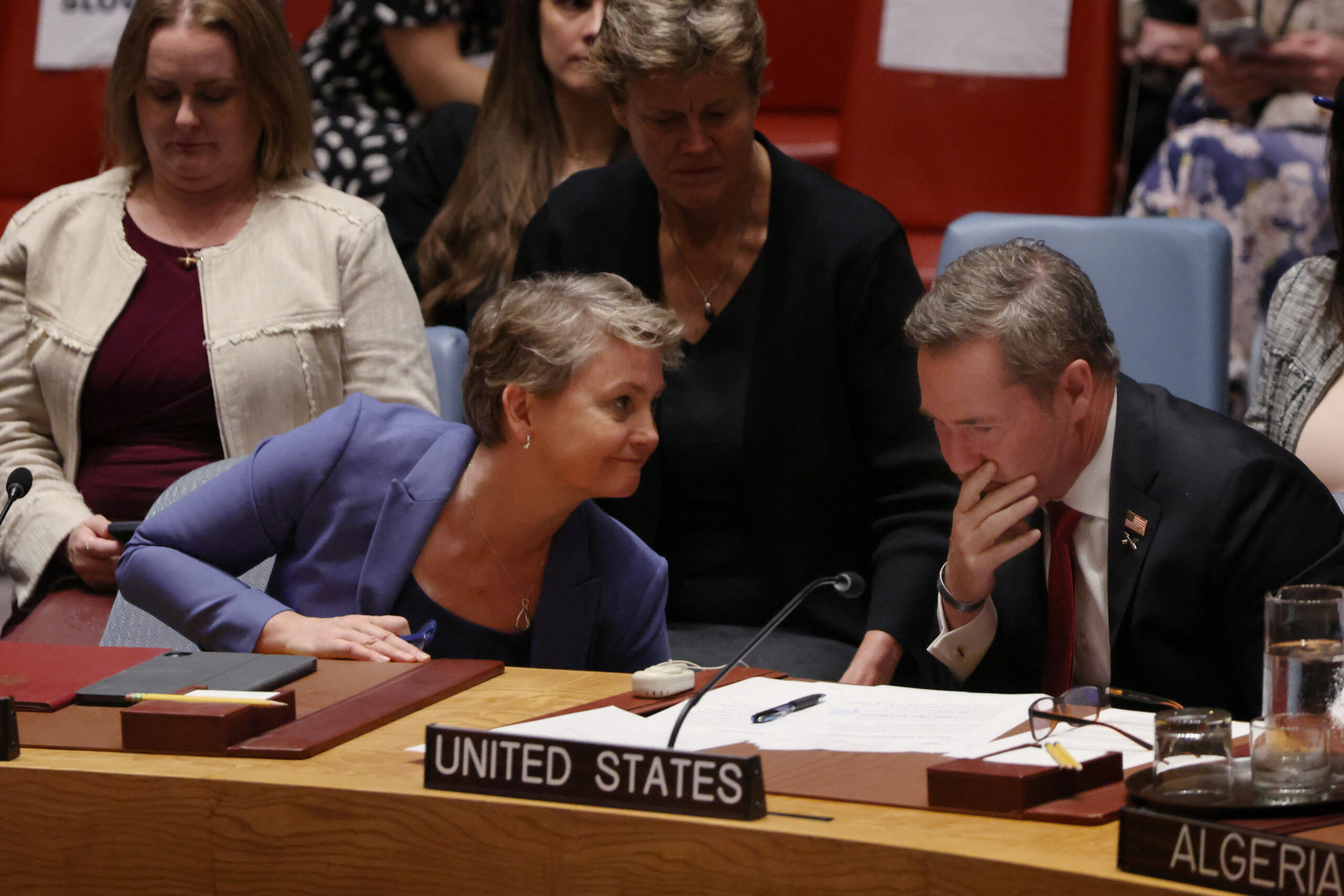
UN adopts US plan for Gaza, including line on Palestinian statehood
The United Nations Security Council (UNSC) has approved a US-backed resolution outlining President Donald Trump’s vision for Gaza’s future, including a contentious reference to the possibility of a Palestinian state. The resolution, UNSC 2803, passed with 13 votes in favor and abstentions from Russia and China. Israel, though present at the meeting, was not eligible to vote. The resolution suggests that Palestinian self-determination and statehood could be achievable if the Palestinian Authority (PA) implements reforms and Gaza’s redevelopment progresses. Despite Israel’s last-minute efforts to remove references to Palestinian statehood, the US maintained the language, signaling its commitment to maintaining ties with key Muslim allies. The resolution also proposes the creation of an ‘International Stabilisation Force’ for Gaza, modeled after the UN-backed force in Haiti. However, the plan has faced criticism for excluding Palestinian participation and imposing foreign governance. Russia had proposed an alternative resolution, emphasizing the formation of a Palestinian state encompassing Gaza and the West Bank. The US resolution builds on Trump’s 20-point plan for Gaza, with a ‘Board of Peace’ chaired by Trump overseeing the security force. Critics argue that the resolution perpetuates occupation rather than fostering self-governance. The adoption of the resolution marks a significant shift for the Trump administration, which has historically been hostile toward the UN. Arab and Muslim states view this as a victory, as they seek to avoid being seen as occupiers on Israel’s behalf. The resolution’s implementation remains uncertain, with Israel already accused of breaching the ceasefire over 250 times.
-
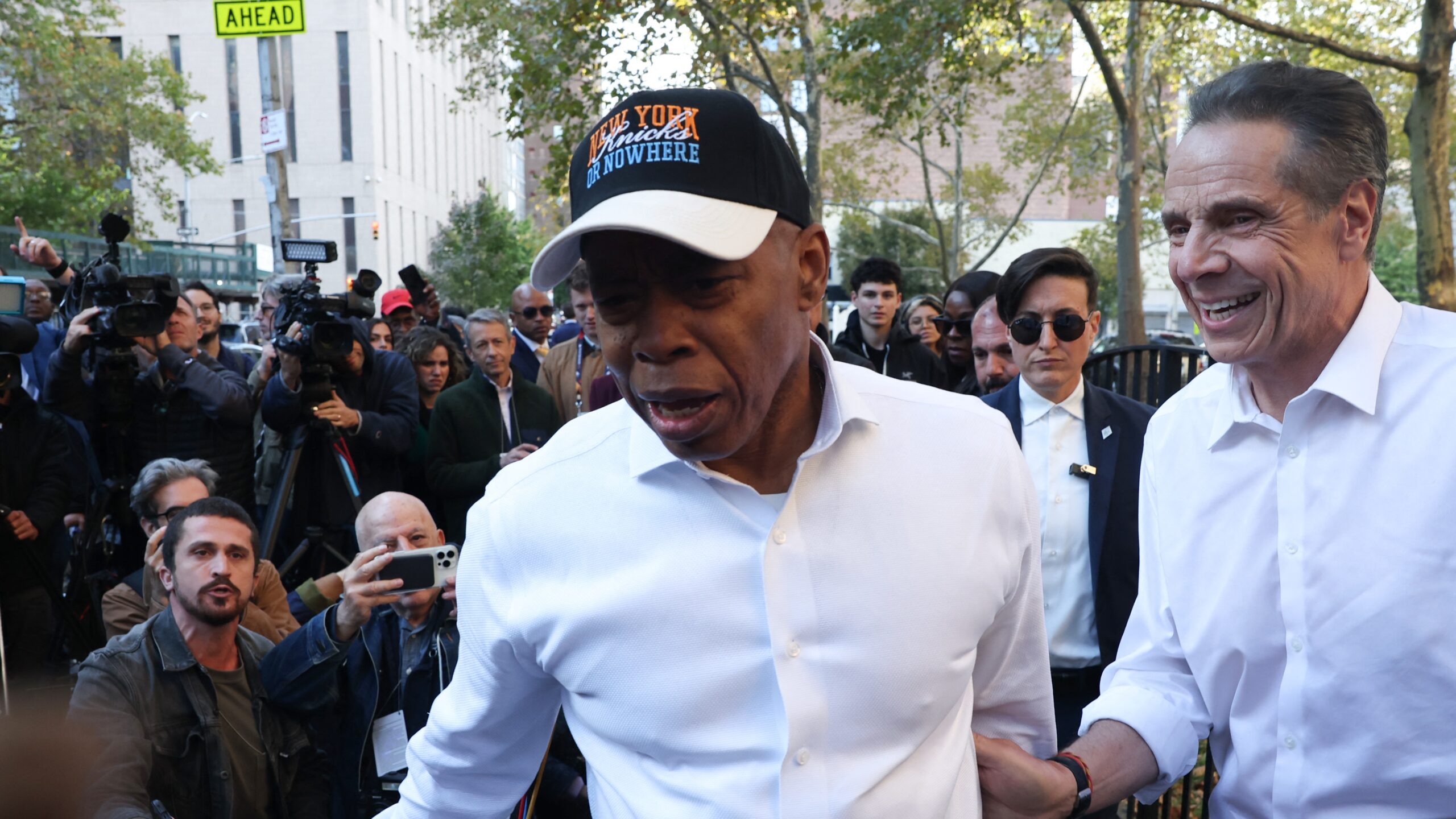
‘I served you as mayor’: Eric Adams’s taxpayer-funded Israel trip sparks backlash
New York City’s outgoing mayor, Eric Adams, has ignited a firestorm of criticism following his taxpayer-funded trip to Israel, where he declared that he ‘served’ Israeli Jews during his tenure. The remarks, made during a stop in occupied East Jerusalem, have drawn sharp backlash online, with many questioning the implications of foreign influence on U.S. politics. Adams’ statement, ‘I wanted to come back here to Israel and let you know that I served you as the mayor,’ has been widely condemned as inappropriate and divisive. His office defended the trip as a multi-day visit to meet Israeli officials and explore religious sites, but the timing and tone of his comments have fueled accusations of prioritizing foreign interests over local concerns. The controversy is further amplified by the contrasting stance of mayor-elect Zohran Mamdani, who pledged to remain in New York City to address pressing domestic issues rather than embark on symbolic international visits. Adams’ tenure has been marked by aggressive handling of pro-Palestinian protests, including NYPD crackdowns on demonstrations and student encampments. Critics argue that his actions reflect a broader effort to criminalize pro-Palestinian organizing, while supporters of Israel have reportedly urged him to take decisive measures against campus protests. The scandal surrounding Adams’ alleged acceptance of luxury travel and perks from Turkish businesspeople and government officials has further eroded his credibility, raising questions about whose interests he truly serves. As New York City grapples with record homelessness, a housing crisis, and rising costs, Adams’ decision to travel abroad in his final weeks in office has been met with widespread disapproval. His ‘I served you’ remarks, delivered not to New Yorkers but to Israeli Jews, have deepened frustrations among constituents, particularly Palestinian, Arab, and Muslim communities. The incident underscores a broader pattern of Adams aligning closely with Israel while treating pro-Palestinian voices at home with suspicion. Mamdani’s contrasting approach has highlighted the divide between leadership rooted in local accountability and one seeking symbolic alignment abroad. The federal indictment against Adams adds another layer of scrutiny, accusing him of exploiting New York City’s public matching funds program and accepting illicit benefits in exchange for political favors. As the controversy unfolds, many are left questioning the integrity and priorities of their outgoing mayor.
-

Ex-Harvard president Larry Summers steps back from public role after Epstein email release
Former Harvard University President and ex-US Treasury Secretary Larry Summers has announced his decision to withdraw from public engagements following the release of his emails with convicted financier Jeffrey Epstein. In a statement obtained by CBS News, Summers expressed deep remorse, stating, “I am profoundly ashamed of my actions and acknowledge the pain they have caused. I take full responsibility for my misguided decision to maintain communication with Mr. Epstein.” The emails, disclosed by Congress last week, reveal that Summers corresponded with Epstein until the day before Epstein’s 2019 arrest for sex trafficking minors. The scandal has intensified political tensions, with the US Justice Department launching an investigation into Epstein’s ties to former President Bill Clinton and other prominent Democrats. This decision followed pressure from former President Donald Trump, who also called for investigations into Summers, LinkedIn founder Reid Hoffman, and banks JP Morgan and Chase. Trump emphasized on social media, “Epstein was a Democrat, and he is the Democrat’s problem, not the Republican’s problem!” Clinton has vehemently denied any knowledge of Epstein’s crimes. Summers, who served under both Clinton and former President Barack Obama, is currently a professor at Harvard. In his statement, Summers expressed his intention to “rebuild trust and repair relationships with those closest to me” while continuing his teaching duties. The Center for American Progress, where Summers was a senior fellow, has severed ties with him. The released emails also highlight Epstein’s attempts to connect Summers with influential global figures, including a proposed meeting with the UN president. Summers’ representative previously stated that he deeply regrets maintaining contact with Epstein after his 2008 conviction for soliciting an underage prostitute. The emails, which mention Trump over 1,600 times, have further implicated numerous high-profile individuals in the ongoing scandal.
-

India’s politicians are dishing out election freebies – but can states afford them?
In India, the distribution of freebies has become a cornerstone of electoral strategy, particularly in the lead-up to elections. From televisions and bicycles to gold ornaments, political parties have employed a variety of handouts to sway voters, blurring the lines between welfare economics and populism. Recently, cash transfers targeting women have emerged as a particularly effective tactic. For instance, a ₹10,000 ($112) cash handout to women in Bihar, India’s poorest state, is credited with contributing to a sweeping victory for Prime Minister Narendra Modi’s alliance in the state’s recent election. This strategy has also been replicated in other states, such as Maharashtra, where Modi’s party launched similar women-oriented financial schemes. Opposition parties have followed suit, promising comparable initiatives in their election campaigns. Economists like Jean Drèze argue that such giveaways, while sometimes wasteful, are often the only means by which India’s poor can extract promises from their political representatives. However, Modi himself has warned against the dangers of what he terms ‘revdi culture,’ likening election freebies to the frivolous distribution of sweets. The Indian Supreme Court has also sought to curb the distribution of ‘irrational freebies’ during elections. Despite these warnings, the practice of offering unaffordable handouts as electoral bait continues to dominate Indian politics. Research from brokerage Emkay Global highlights the fiscal pressures this creates. Bihar, for example, announced pre-election schemes amounting to 4% of its GDP, exceeding its capital outlay and diverting funds from long-term, job-creating investments. This trend is not isolated; 21 of India’s 29 states have exceeded the mandated 3% fiscal deficit ceiling, largely due to election-driven spending. The unsustainable nature of such populism is evident in Maharashtra, where the Ladki Bahin financial assistance scheme led to a 0.4% increase in the state’s deficit, forcing the government to roll back some promises post-election. The Reserve Bank of India (RBI) has flagged the rising burden of subsidies on state-level debt as a key concern. While overall state debt has declined to 28.5% of GDP, it remains well above the recommended 20% threshold, with subsidies for farm loan waivers, free electricity, and cash transfers exacerbating the issue. The RBI has urged states to rationalize their subsidy outgoes to avoid crowding out productive expenditure. Despite these warnings, the success of freebies in Bihar and the upcoming state elections in Tamil Nadu, Kerala, and West Bengal suggest that this trend is unlikely to abate. As Emkay Global economists Medhavi Arora and Harshal Patel noted, ‘This election outcome reinforces the freebie wave that has swept states in the last two years, and with more elections on the horizon, one can expect this race to the bottom to continue.’
-
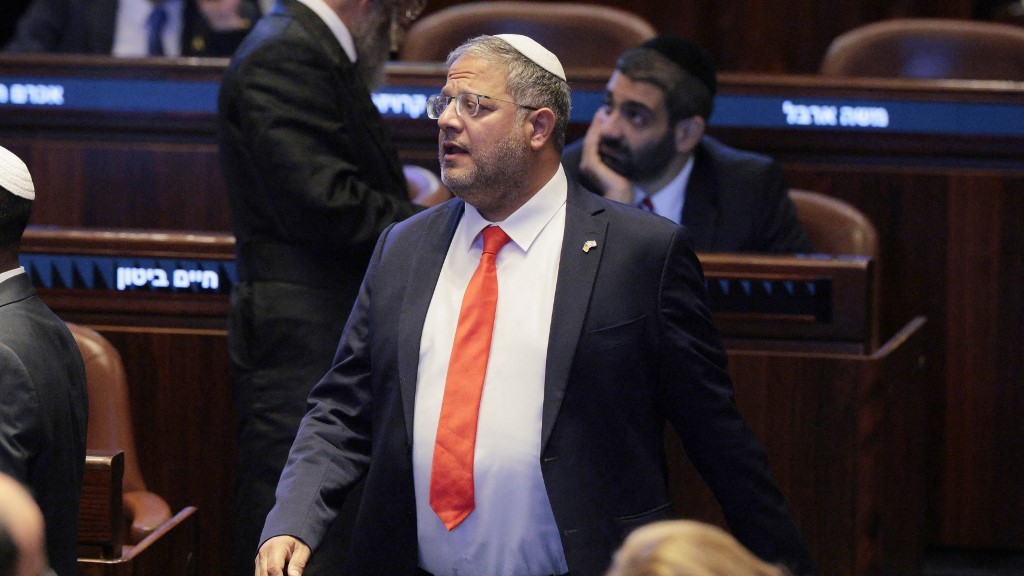
Ben Gvir says Israel must arrest Abbas and kill PA officials if Palestinian state recognised
Israel’s National Security Minister Itamar Ben Gvir has sparked controversy by demanding the arrest of Palestinian President Mahmoud Abbas should the United Nations recognize Palestinian statehood. In a provocative statement on X (formerly Twitter), Ben Gvir also urged targeted assassinations of senior Palestinian Authority (PA) officials, whom he branded as “terrorists.” He revealed that a solitary confinement cell at Ketziot Prison has already been prepared for Abbas, referred to by his honorific name, Abu Mazen. These remarks come ahead of a critical UN Security Council vote on a US-backed resolution endorsing a Gaza peace plan, which includes a “credible pathway” to Palestinian statehood. On Sunday, Kan News reported that Israeli Prime Minister Benjamin Netanyahu’s government is making last-minute diplomatic efforts to remove references to statehood from the draft resolution. The current draft suggests that conditions for Palestinian self-determination and statehood could be met following PA reforms and Gaza’s redevelopment. Meanwhile, the National Commission for Palestinian Popular Action (NCPPA) issued a strong statement rejecting US proposals for an externally imposed transitional administration in Gaza, labeling it as “a new colonialism.” The NCPPA, comprising various Palestinian groups and figures, emphasized that any governing body must reflect the will of the Palestinian people and uphold their right to self-determination, resistance, and freedom under international law.