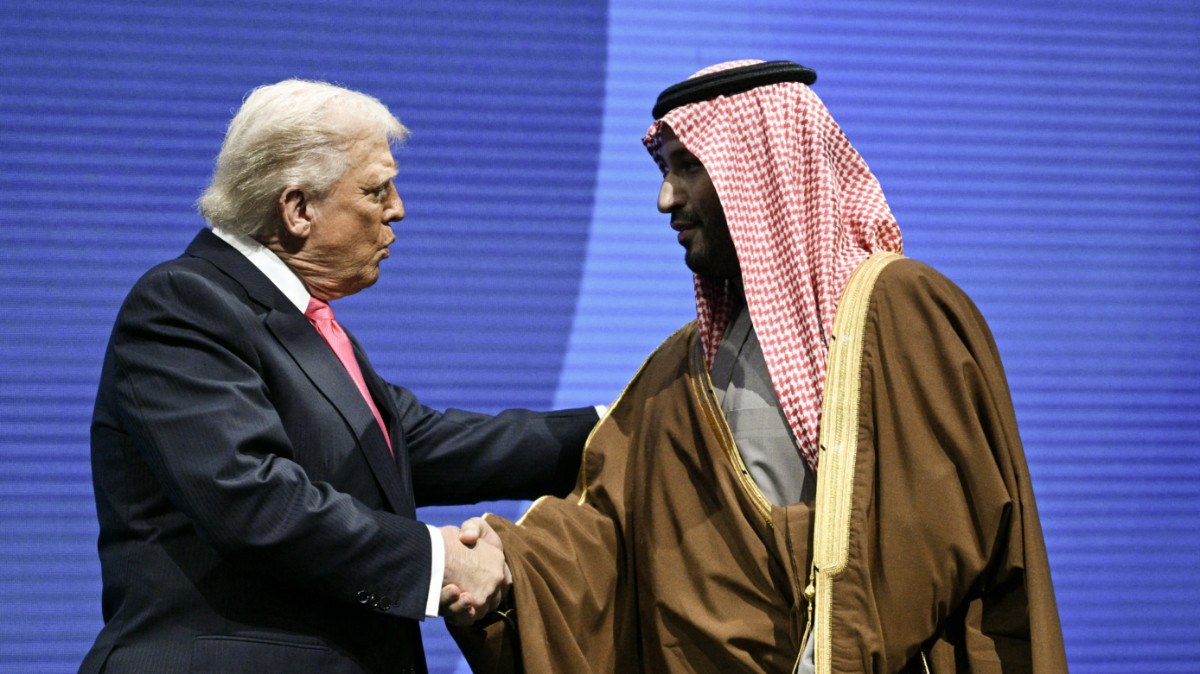
In a significant diplomatic development, former U.S. President Donald Trump has announced his intention to intervene in Sudan’s ongoing civil war, following a direct appeal from Saudi Crown Prince Mohammed bin Salman. The decision, confirmed during a U.S.-Saudi investment conference, aligns with an exclusive report by Middle East Eye (MEE) that Riyadh had planned to lobby Trump for involvement in the conflict. Trump described the war as ‘crazy and out of control,’ emphasizing the importance of addressing the crisis at the Saudi leader’s request. The move comes amid rising tensions between Saudi Arabia and the United Arab Emirates (UAE), which has been accused of supporting the paramilitary Rapid Support Forces (RSF) in Sudan. Trump’s intervention marks a potential shift in U.S. foreign policy towards the region, as the conflict has escalated into one of the world’s most severe humanitarian crises. U.S. Secretary of State Marco Rubio has also condemned the RSF’s supporters, hinting at increased pressure on the UAE. The war, which began in April 2023, pits the Sudanese Armed Forces (SAF) against the RSF, with both sides receiving external backing. Saudi Arabia has positioned itself as a mediator, though sources suggest Riyadh favors the SAF for perceived stability. The UAE, meanwhile, denies allegations of supplying weapons to the RSF, despite evidence to the contrary. Trump’s involvement could reshape the dynamics of the conflict and its regional implications.
分类: politics
-
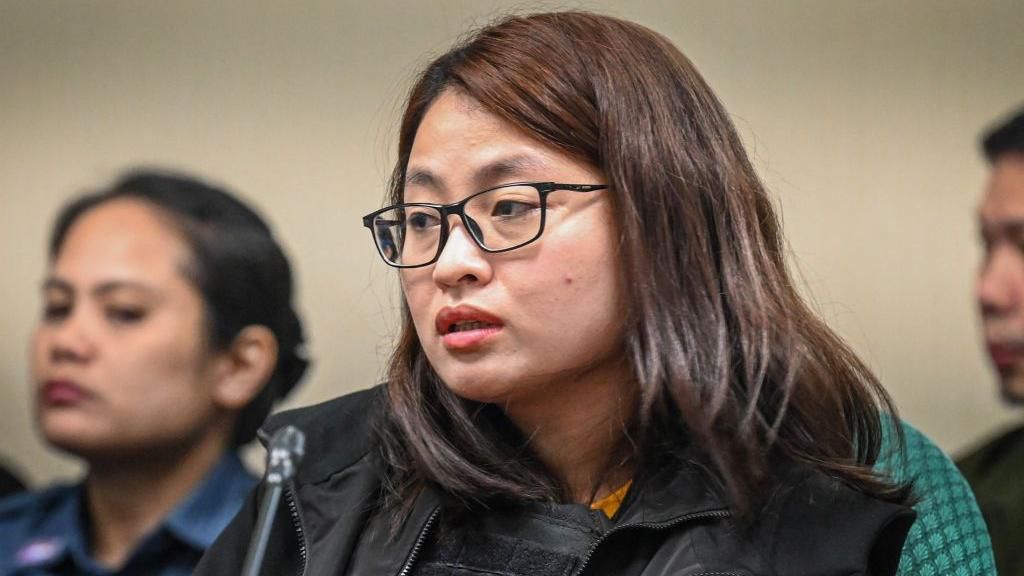
Philippines sentences ‘Chinese spy mayor’ to life in jail
In a landmark ruling that has captivated the Philippines for years, former Bamban Mayor Alice Guo has been sentenced to life imprisonment for her involvement in human trafficking and operating a massive scam center. On Thursday, Guo and three accomplices were handed life sentences and fined 2 million pesos ($33,832) by the court. The case, which has drawn national attention, stems from the discovery of one of the country’s largest scam hubs in Bamban, a small town north of Manila. Authorities rescued approximately 800 Filipinos and foreigners from the center, many of whom were coerced into participating in ‘pig butchering’ scams—a notorious form of online fraud. Guo, 35, was arrested in 2024 after fleeing for weeks and has consistently denied all charges. It remains unclear whether she will appeal the verdict. The case against Guo includes five ongoing charges, one of which is money laundering. Elected as Bamban’s mayor in 2022, Guo was initially perceived as a compassionate leader by local residents. However, her reputation crumbled in 2024 when a sprawling scam center, masquerading as an online casino (locally known as Philippine Online Gaming Operations or Pogo), was uncovered near her office. Despite her initial claims of ignorance, a senate investigation revealed that the 8-hectare compound, housing 36 buildings, was constructed on land she previously owned. Further scrutiny exposed inconsistencies in her background, including her false claim of being born in the Philippines. Investigations confirmed that Guo migrated from China as a teenager, and her fingerprints matched those of a Chinese national named Guo Hua Ping. Following her removal from office, Guo disappeared in July 2024, prompting an international manhunt across four countries. She was eventually arrested in Indonesia in September 2024 and extradited to the Philippines, where her passport was revoked. The case has unfolded against the backdrop of ongoing territorial disputes between the Philippines and China in the South China Sea. While the allegations against Guo have dominated Philippine headlines, China has remained notably silent on the matter.
-
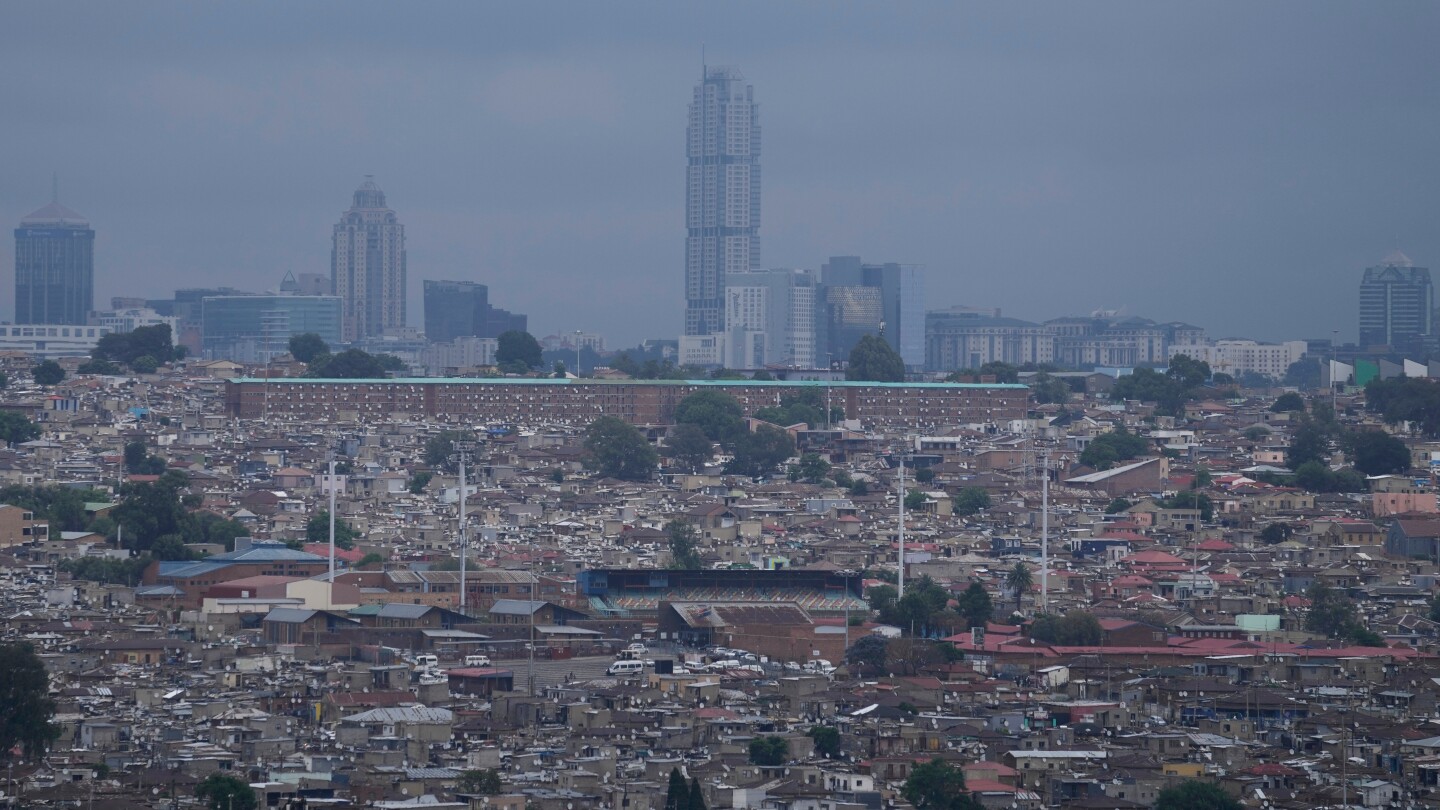
Leaders press on with G20 summit in South Africa that won’t have US and Trump
The Group of 20 (G20) summit, hosted for the first time in Africa, is underway in Johannesburg, South Africa, but the absence of U.S. President Donald Trump and his administration has overshadowed the event. Trump’s boycott, citing alleged discrimination against South Africa’s white farmers, has sparked controversy and dominated discussions, diverting attention from the summit’s agenda, which includes climate resilience, debt sustainability for poor nations, and global inequality. South African President Cyril Ramaphosa has refuted Trump’s claims, calling them ‘completely false.’
The U.S. boycott extends beyond Trump’s absence, with no U.S. officials attending the summit. The U.S. has also discouraged member nations from adopting a ‘Leaders Declaration,’ which would signify multilateral consensus. This move has raised concerns about the summit’s effectiveness, though South Africa’s Foreign Minister Ronald Lamola views it as an opportunity to demonstrate that the world can progress without U.S. involvement, albeit with challenges.
Other notable absences include Russian President Vladimir Putin, who faces an arrest warrant from the International Criminal Court over Russia’s war in Ukraine, and Chinese President Xi Jinping, who has sent Premier Li Qiang as his representative. Despite these absences, Johannesburg has been bustling with preparations, including street clean-ups and vibrant decorations.
South Africa, as the G20 president, is focusing on advancing an inclusive agenda, particularly addressing the needs of poor nations. Key issues include securing financing for climate change mitigation, with experts estimating a need for $1 trillion annually by 2030. The African Union plans to advocate for African countries facing climate and financial challenges, while experts emphasize the importance of global governance reform to ensure all regions, including Africa, have a meaningful voice in global priorities.
Support for the summit remains strong among other major nations, including France, Germany, and the United Kingdom, whose leaders are expected to attend. U.N. Secretary-General António Guterres has also confirmed his participation, expressing commitment to advancing international financial reforms and sustainable development in Africa.
-
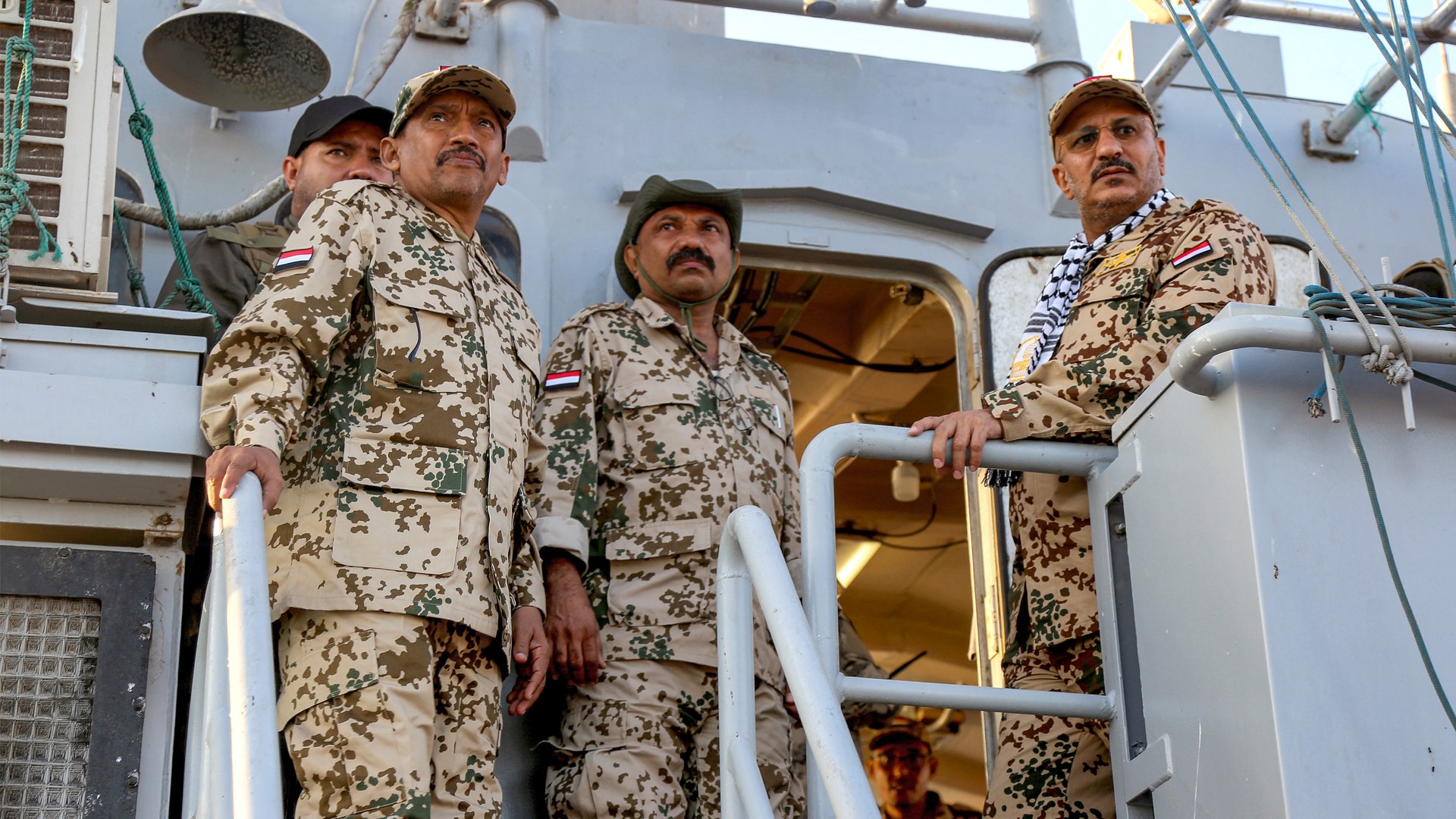
US approached Yemen about international force in Gaza: Report
The Trump administration has reportedly engaged with Yemen’s internationally recognized government (IRG) in Aden regarding potential participation in an international stabilization force for Gaza, according to an AFP report published on Wednesday. Sources within Yemen’s presidential council, a diplomat, and a senior military official, all speaking anonymously, confirmed the discussions. While the military official noted that Yemen’s involvement has been discussed with the U.S., no formal request has been made yet. The IRG, despite its UN representation and Washington ambassador, wields minimal control within Yemen, having been ousted from the capital, Sanaa, by Houthi rebels over a decade ago. The Houthis, who dominate much of Yemen, have faced air strikes from Saudi Arabia, the UAE, Israel, and the U.S., and openly support Hamas in Gaza. Hamas, however, has strongly opposed the idea of a U.S.-led international force, insisting that any such force must operate under UN supervision and exclude Israeli involvement. This development follows President Trump’s recent meeting with Saudi Crown Prince Mohammed bin Salman, where Saudi Arabia’s financial backing for Gaza’s reconstruction and its role in assembling a stabilization force were emphasized. While countries like Turkey and Indonesia have prepared troops, Hamas’s resistance to U.S. oversight could escalate tensions between the force and Palestinian fighters.
-
Trump signs bill ordering justice department to release Epstein files
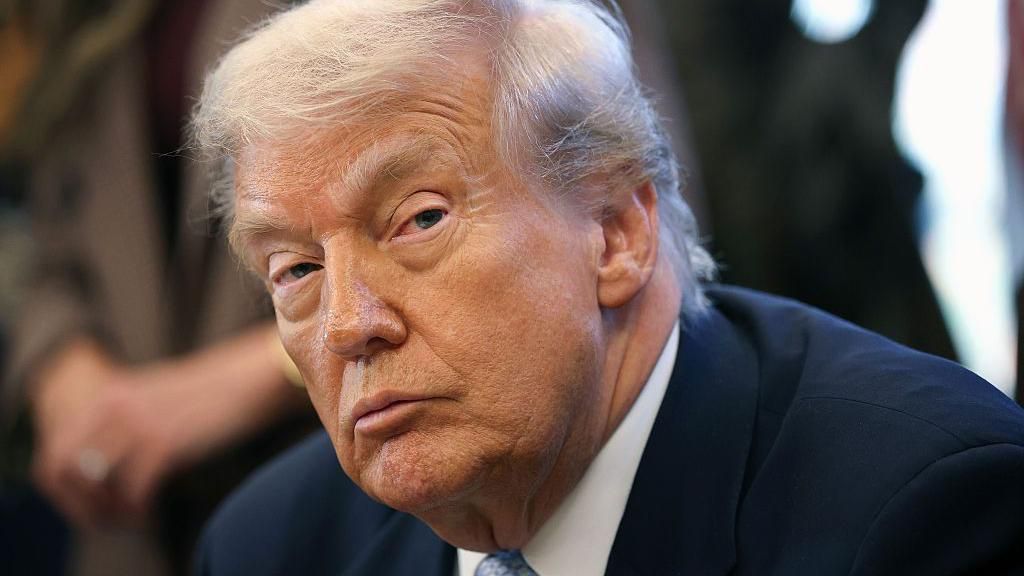
In a significant move, U.S. President Donald Trump announced on Wednesday that he has signed a bill mandating the release of all documents related to the late convicted sex offender Jeffrey Epstein. The legislation, which passed with overwhelming bipartisan support in both the House of Representatives and the Senate, requires the Justice Department to make the information from its Epstein investigation available in a searchable and downloadable format within 30 days. This decision marks a reversal from Trump’s previous stance, as he had initially opposed the release of these files. However, mounting pressure from Epstein’s victims and members of his own Republican party prompted the president to change course last week. In a post on Truth Social, Trump accused Democrats of using the issue to divert attention from his administration’s accomplishments, suggesting that the released files might expose Democratic associations with Epstein. Despite the bill’s passage, concerns remain about the potential withholding of certain documents, particularly those that could infringe on personal privacy or pertain to ongoing investigations. Republican Congressman Thomas Massie, one of the bill’s architects, expressed apprehension that the administration might use active investigations as a pretext to withhold some files. The release of these documents could shed further light on Epstein’s extensive network and his connections to high-profile figures, including Trump, who has consistently denied any wrongdoing in relation to Epstein.
-
Hasina’s conviction for crimes against humanity is testing India-Bangladesh ties
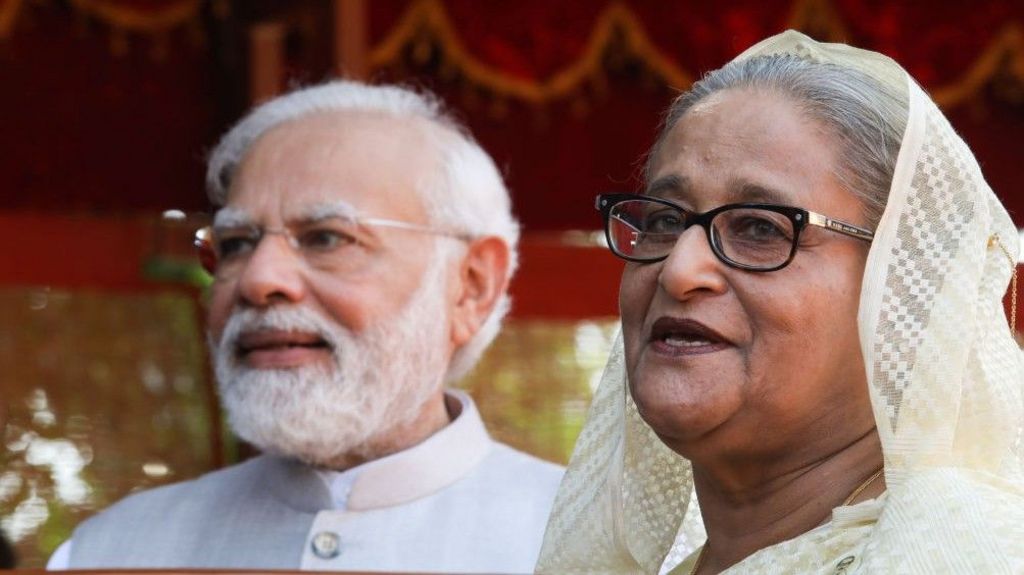
The longstanding relationship between India and Bangladesh has reached a critical juncture, with the exile and death sentence of Bangladesh’s former leader Sheikh Hasina creating a complex diplomatic bind. Hasina, who ruled Bangladesh for 15 years, was a key ally for India, ensuring stability and connectivity in the region while aligning with Delhi’s interests over Beijing’s. However, her crackdown on student-led protests in 2024 led to her ousting and subsequent exile in India, where she has been granted asylum. A special tribunal in Bangladesh has sentenced her to death for crimes against humanity, but India has shown no inclination to extradite her, leaving the sentence unenforceable.
This situation has placed India in a precarious position. South Asia expert Michael Kugelman outlines four unappealing options for Delhi: extraditing Hasina, maintaining the status quo, pressuring her to remain silent, or finding a third country to take her in. Each option carries significant risks, particularly as Bangladesh’s interim government, led by Nobel laureate Muhammad Yunus, seeks to rebalance its foreign policy by reducing reliance on India and strengthening ties with China, Pakistan, and Turkey.
The India-Bangladesh relationship is deeply intertwined, with Bangladesh being India’s largest trading partner in South Asia and India serving as Bangladesh’s biggest export market in Asia. Over the past decade, India has provided billions in concessional credit, built cross-border infrastructure, and supplied energy and raw materials. Despite this economic interdependence, public sentiment in Bangladesh has soured, with a recent survey revealing that 75% of Bangladeshis view ties with China positively, compared to just 11% for India. Many blame Delhi for supporting Hasina’s increasingly authoritarian regime.
Experts argue that while political and diplomatic relations may fluctuate, economic and cultural ties often endure. However, the current situation poses significant challenges for India, particularly in managing border security and counterterrorism efforts along the 4,096 km shared border. The path forward, according to Avinash Paliwal of SOAS University of London, requires quiet and patient engagement with key stakeholders in Dhaka, including the armed forces.
The uncertainty surrounding Bangladesh’s upcoming elections adds another layer of complexity. If the interim government can conduct credible elections, it may open opportunities for India and Bangladesh to renegotiate their relationship. However, the Hasina factor remains a wildcard, with the potential to strain bilateral ties further. Ultimately, the next elected government in Bangladesh will need to balance core national interests against domestic politics and public sentiment, making the future of India-Bangladesh relations fragile at best.
-
Exclusive: Saudi-US defence partnership will fast track arms sales, sources say
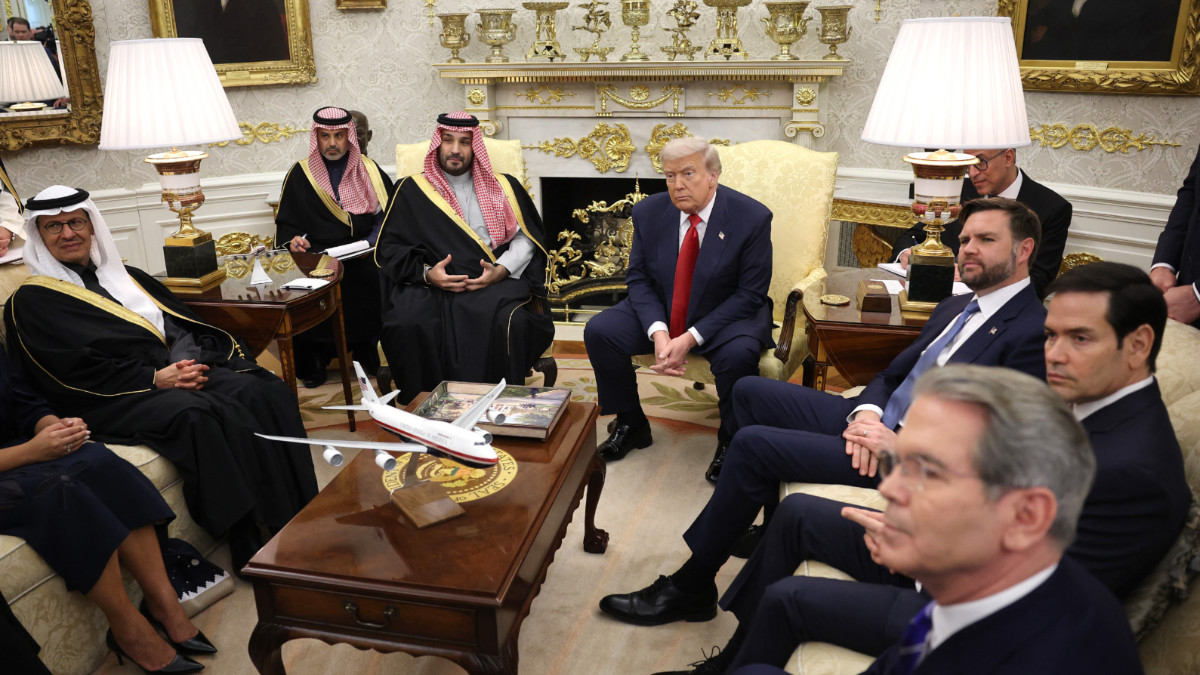
In a significant move to bolster military cooperation, the United States and Saudi Arabia have inked a Strategic Defence Agreement (SDA), paving the way for expedited arms sales to the kingdom. The deal, signed by US President Donald Trump and Crown Prince Mohammed bin Salman, marks a pivotal shift in bilateral relations, with Saudi Arabia poised to gain access to cutting-edge US defence technology, including the coveted F-35 warplanes. The agreement, currently under detailed negotiation by US officials, is expected to position Saudi Arabia ahead of other Gulf states in acquiring sophisticated US weaponry. A former senior US official revealed that the Saudis have received Trump’s approval to secure the best in defence technology, despite Israeli lobbying efforts to limit the capabilities of the F-35s sold to the kingdom. Beyond the F-35, Saudi Arabia is exploring futuristic weapons systems like Collaborative Combat Aircraft (CCA) drones, designed to operate alongside manned aircraft. The kingdom is also in talks with US firms, including Shield AI and General Atomics, for advanced drone acquisitions. The SDA extends beyond military technology, with separate deals anticipated in civilian nuclear technology and AI chips. Additionally, the US has designated Saudi Arabia as a major non-NATO ally, a status that accelerates weapons transfers and deepens military training. This designation places Saudi Arabia alongside other Middle Eastern allies like Bahrain, Qatar, and Kuwait. Crown Prince Mohammed bin Salman’s visit to Washington, his first since 2018, underscores Riyadh’s ambition to strengthen economic and security ties with the US. The crown prince’s diplomatic efforts, including navigating Israel’s war on Gaza and rekindling relations with Iran, have bolstered his international standing. However, Saudi Arabia seeks a more binding defence commitment from Washington, akin to the US-Japan mutual defence treaty. Talks on such a treaty are ongoing, contingent on Saudi Arabia’s recognition of Israel. The crown prince expressed a desire to join the Abraham Accords, emphasizing the need for a clear path toward a two-state solution. The agreement reflects Saudi Arabia’s strategic importance as the world’s largest oil exporter and the Arab world’s only G-20 economy, amid evolving regional dynamics.
-
Japan’s PM seen as playing to right wing
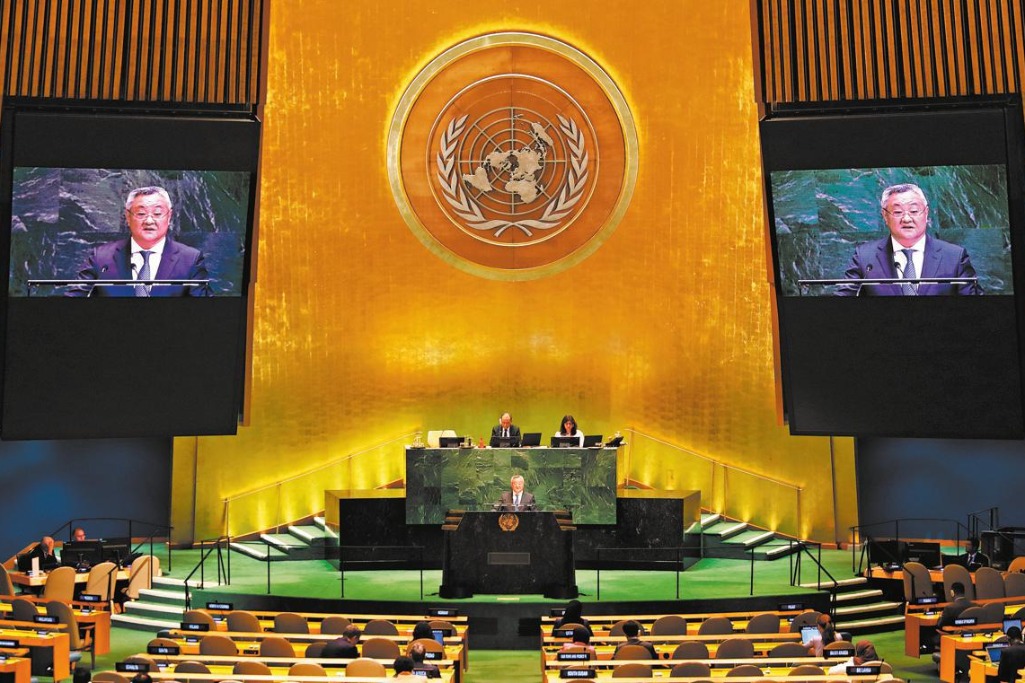
Japanese Prime Minister Sanae Takaichi has drawn sharp criticism for her recent comments suggesting potential military intervention in Taiwan, a move widely seen as an attempt to rally right-wing support and bolster her ruling Liberal Democratic Party (LDP), which recently lost its parliamentary majority. Speaking in Japan’s parliament earlier this month, Takaichi framed such intervention as a response to a ‘survival-threatening situation,’ marking the first time an incumbent Japanese leader has publicly entertained such a possibility. However, her remarks directly contradict Article 9 of Japan’s pacifist Constitution, which renounces war and the use of force in international disputes. Chinese officials and analysts have condemned the comments as a dangerous echo of Japan’s militarist past. Chinese Foreign Ministry spokeswoman Mao Ning highlighted historical parallels, noting that Japan has previously used similar justifications for aggression, including the 1931 Manchurian Incident and the attack on Pearl Harbor. At the UN General Assembly, China’s Permanent Representative Fu Cong argued that Takaichi’s statements undermine the postwar international order and Japan’s commitment to peaceful development. Domestically, Takaichi’s strategy appears aimed at shoring up support among right-wing factions and voters, even as her government faces significant challenges. Critics, including Japanese lawmakers and social media influencers, have warned against escalating tensions with China, emphasizing the potential economic fallout. In response to Tokyo’s refusal to retract Takaichi’s remarks, China has suspended imports of Japanese aquatic products, citing safety concerns and public sentiment. Mao reiterated that Japan would bear full responsibility for any consequences of its actions.
-
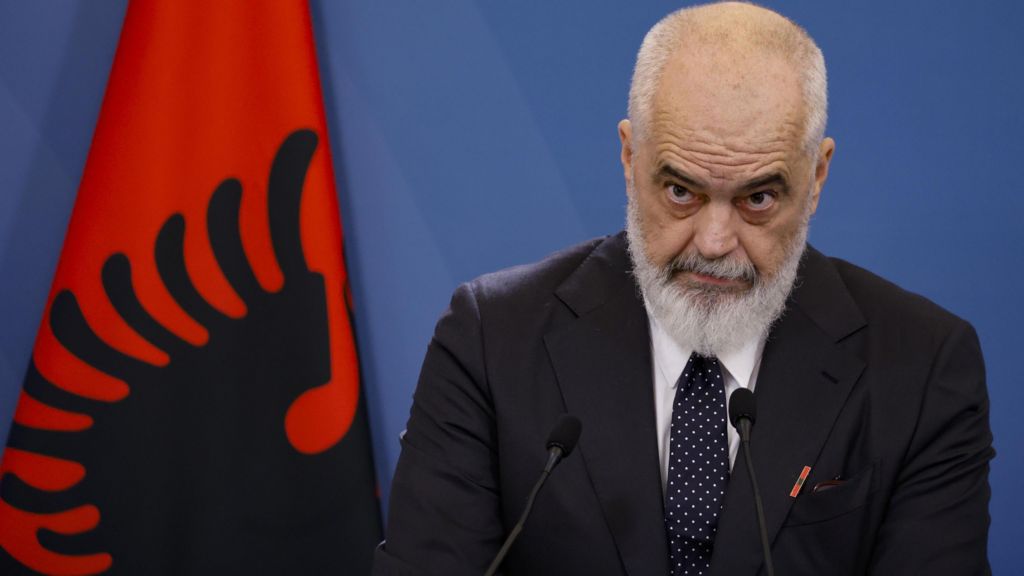
Albanian PM accuses Mahmood of ‘ethnic stereotyping’
Albanian Prime Minister Edi Rama has strongly criticized UK Home Secretary Shabana Mahmood for what he termed ‘ethnic stereotyping’ in her recent speech addressing abuses in the UK’s asylum system. During her announcement of major reforms on Monday, Mahmood highlighted that around 700 Albanian families were living in taxpayer-funded accommodations despite having failed their asylum claims. Rama dismissed this figure as a ‘statistical drop in the ocean of post-Brexit Britain’s challenges’ and emphasized the success of the UK-Albania returns agreement, which has led to the deportation of over 13,000 individuals since 2022. He described the partnership as one of ‘Europe’s most successful on illegal migration.’
Mahmood’s proposed reforms aim to overhaul the UK’s ‘out of control and unfair’ asylum system. Key changes include making refugee status temporary, extending the wait for permanent settlement from five to 20 years, and allowing the removal of families with children who have no right to remain. The reforms also introduce new legal routes to the UK with an annual cap on numbers. In her speech, Mahmood stressed the need to remove individuals with failed asylum claims, regardless of their background.
Rama took to social media to express his dismay, questioning how a Labour Home Secretary could echo far-right populist rhetoric by singling out Albanian families. He argued that Albanians are net contributors to the British economy and that the number receiving benefits is relatively low compared to other communities. Rama condemned the focus on Albanians as ‘a troubling and indecent exercise in demagoguery’ and called for policies free from ethnic stereotyping.
This is not the first time Rama has clashed with British politicians over their portrayal of Albanian nationals. Earlier this year, he rejected UK Labour leader Sir Keir Starmer’s proposal to establish ‘return hubs’ in Albania for failed asylum seekers from other countries. Rama has also challenged Reform UK leader Nigel Farage to debate his claims about Albanian criminality in the UK, dismissing such assertions as ‘bonkers’ and rooted in ‘post-truth Brexit playbook’ politics.
-

How serious is the Russian spy ship move?
The UK Ministry of Defence has unveiled new images of the Royal Navy monitoring the Russian vessel Yantar, which has sparked significant concerns among British defence officials. While Russia describes the Yantar as an oceanic research vessel, the UK and other nations view it as a spy ship. The vessel is suspected of covertly mapping Britain’s undersea cables, which facilitate over 90% of the nation’s data transfer, including billions of dollars in financial transactions. Recent escalations have revealed that Yantar’s crew targeted Royal Air Force pilots with lasers, an act deemed “deeply dangerous” by UK Defence Secretary John Healey. Such actions are illegal in the UK and can result in imprisonment. Healey issued a stern warning to Russia and its leader Vladimir Putin, stating, “We see you. We know what you’re doing. And if the Yantar travels south this week, we are ready.” This implies a potential military response if the vessel breaches Britain’s 12-mile maritime boundary. The Yantar’s activities are part of a broader Kremlin strategy to map critical undersea infrastructure, including cables and pipelines connecting the UK to the global network. These actions align with Russia’s pattern of testing NATO’s defenses, as seen in recent drone incursions and unauthorized flights into NATO airspace. Retired Royal Navy Commander Tom Sharpe highlighted the strategic importance of undersea cables, noting their role in transferring up to $7 trillion daily in financial transactions between the UK and the US. NATO has identified these cables as critical infrastructure, vulnerable to sabotage or hybrid warfare. The Yantar, operated by Russia’s secretive Main Directorate for Deep Sea Research (GUGI), is equipped with advanced technology, including remotely-piloted submarines capable of mapping or damaging undersea cables. While the Royal Navy is developing countermeasures, critics argue that significant damage to Britain’s coastal security may already have occurred. Amidst these tensions, Russia’s Embassy in London denies undermining UK security and condemns Healey’s statements as provocative. The situation unfolds against the backdrop of the ongoing conflict in Ukraine, which Putin attributes to Western actions.