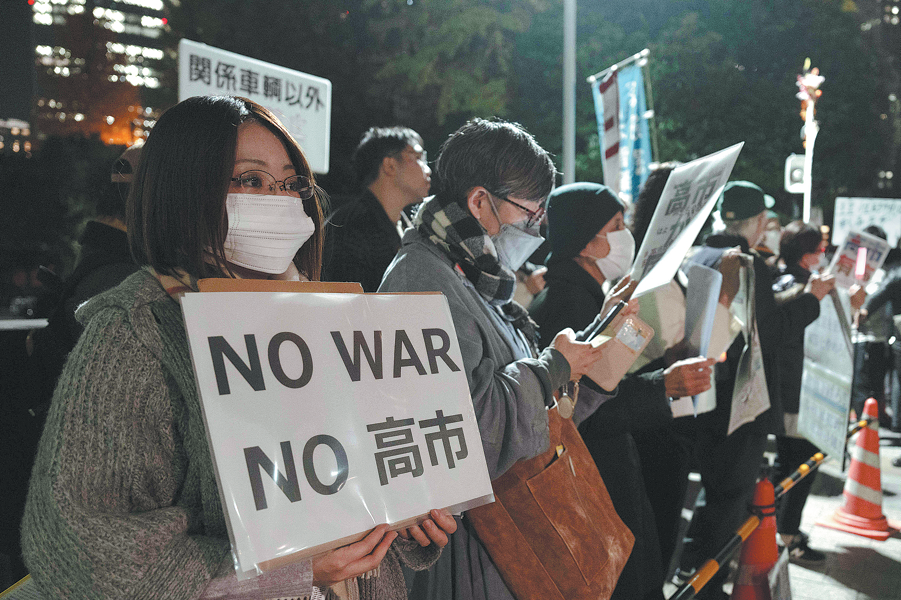
Japanese Prime Minister Sanae Takaichi’s suggestion to reconsider the nation’s Three Non-Nuclear Principles has sparked widespread criticism, with experts and citizens alike expressing concerns over the potential implications for Japan’s security and historical commitment to peace. The principles, established in 1967 by former Prime Minister Eisaku Sato, prohibit Japan from possessing, producing, or allowing the introduction of nuclear weapons on its territory. These principles have long been regarded as a cornerstone of Japan’s pacifist stance, particularly given the country’s unique history as the only nation to have suffered nuclear attacks during World War II in Hiroshima and Nagasaki.
分类: politics
-
Value of multilateralism stressed
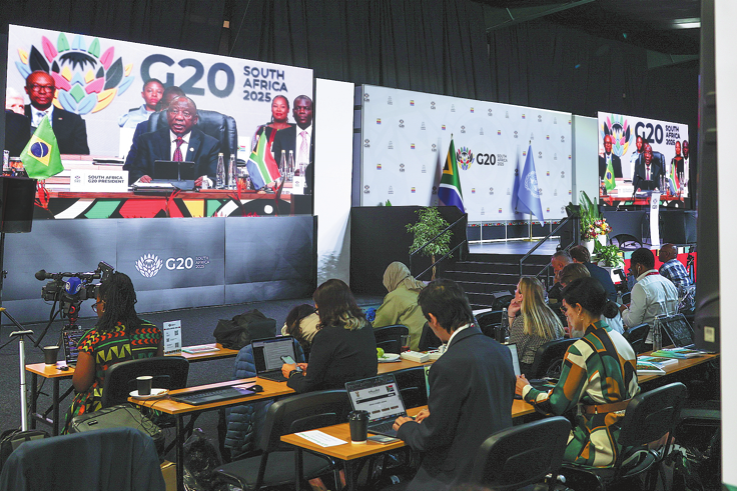
The first-ever G20 summit on African soil concluded in Johannesburg with a resounding affirmation of multilateralism, as leaders adopted a comprehensive 122-point declaration despite the absence of the United States. Hosted by South Africa, the summit underscored the development priorities of the Global South, particularly Africa, and emphasized the importance of solidarity, equality, and sustainability. South African President Cyril Ramaphosa, in his opening remarks, urged world leaders to safeguard the integrity and credibility of the G20, a premier forum for international economic cooperation. The declaration addressed critical global issues, including disaster response, energy access, and sustainable development, while highlighting the need for inclusive growth and technological advancement. The US boycott, attributed to bilateral tensions with South Africa, was criticized as an attempt to undermine the summit’s outcomes. Argentina also abstained from supporting the declaration due to escalating diplomatic tensions. Despite these challenges, the summit reinforced the G20’s role in fostering global cooperation and addressing pressing international concerns.
-
Cameroon’s opposition leader in The Gambia after fleeing for his safety
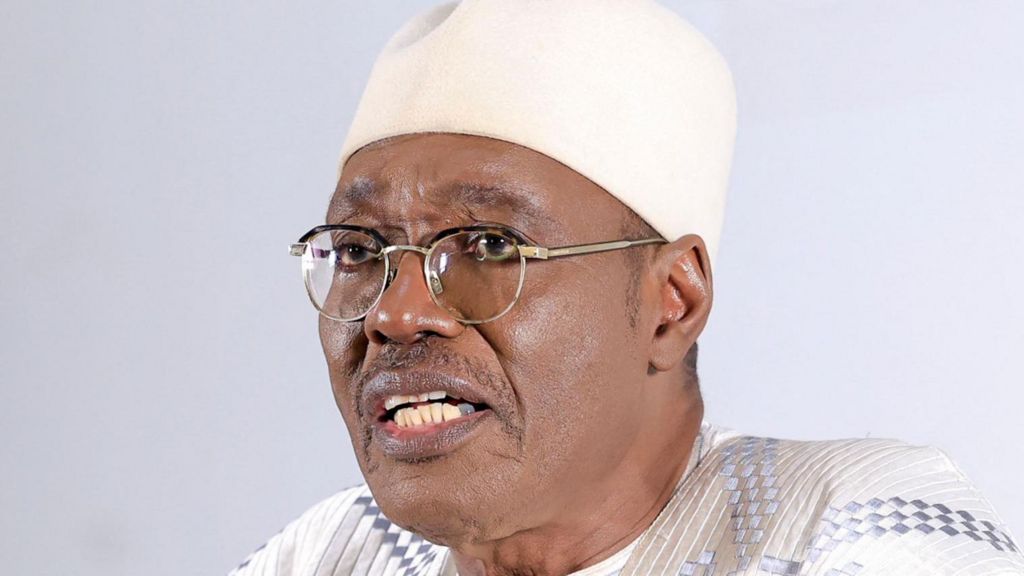
Cameroonian opposition leader Issa Tchiroma Bakary, who has contested the results of the recent presidential election, has sought asylum in The Gambia, according to an official statement from The Gambian government. Tchiroma Bakary, who claims to be the rightful winner of the October 12 election, alleges that the vote was manipulated to secure an eighth term for 92-year-old President Paul Biya. The Gambian Ministry of Information confirmed on Sunday that Tchiroma Bakary arrived on November 7 and has been granted temporary stay on humanitarian grounds. The Cameroonian government had previously threatened to prosecute him for allegedly inciting violent post-election protests, a charge he denies, instead accusing security forces of harshly suppressing demonstrators. Official reports state that 16 people died in the unrest, though independent organizations suggest a higher toll. Tchiroma Bakary has vowed to continue resisting Biya’s government until his election victory is acknowledged. Biya, who has ruled Cameroon for 43 years, was declared the winner with 53.7% of the vote, while Tchiroma Bakary secured 35.2%. His resistance strategies have included organizing street protests and ‘ghost town’ operations to disrupt daily life in cities. The Gambian government emphasized that Tchiroma Bakary’s stay is temporary and rooted in African solidarity, aimed at ensuring his safety while diplomatic efforts address Cameroon’s post-election tensions. However, The Gambia clarified that it would not permit its territory to be used for subversive activities against any state. The announcement of Tchiroma Bakary’s arrival sparked criticism from The Gambia’s main opposition party, the United Democratic Party (UDP), which questioned the government’s transparency and accountability. Despite this, the UDP expressed pride in offering Tchiroma Bakary a safe haven, acknowledging the challenges faced by dissenters under authoritarian regimes.
-
Cameroon opposition leader flees to Gambia after contested election
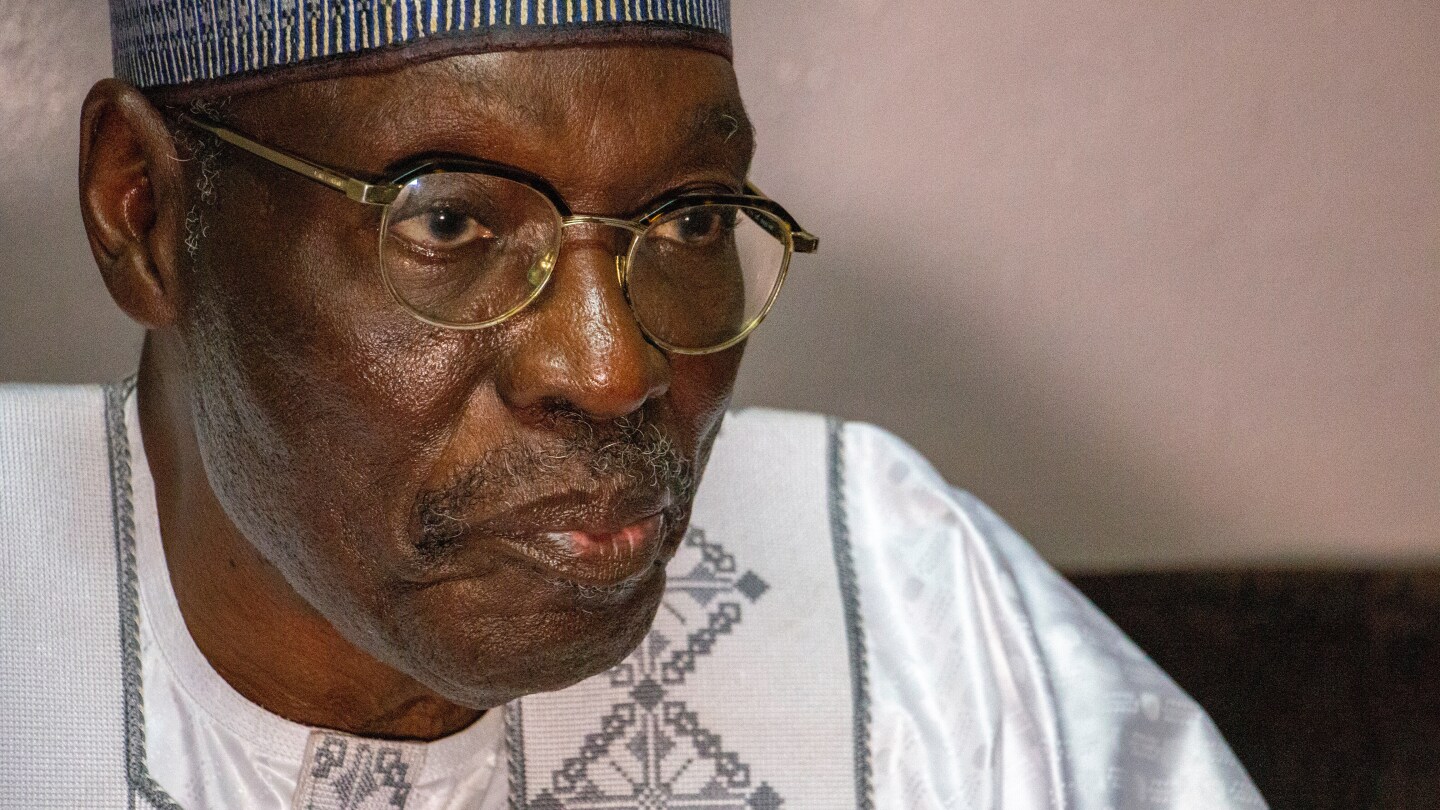
In a significant development in West African politics, Gambia has announced it is temporarily hosting Cameroonian opposition leader Issa Tchiroma Bakary following the contentious re-election of Cameroon’s long-serving President Paul Biya. The Gambian Ministry of Information released a statement on Sunday, November 7, confirming Tchiroma’s arrival and emphasizing that the decision was made on humanitarian grounds to ensure his safety. The statement also highlighted Gambia’s collaboration with regional partners, including Nigeria, to facilitate a peaceful resolution to the escalating tensions in Cameroon. Tchiroma’s spokesperson, Alice Nkom, corroborated his presence in Gambia, while Cameroon’s government has threatened legal action against him for allegedly inciting insurrection. The October 12 election, which granted Biya an eighth term, has been marred by widespread protests and disputed death tolls, with opposition and human rights groups claiming over 55 fatalities compared to the government’s figure of 16. Biya, 92, has been in power since 1982 and remains a polarizing figure, often absent from public life and delegating governance to close associates. The situation underscores the deepening political crisis in Cameroon and the broader challenges of democratic governance in the region.
-
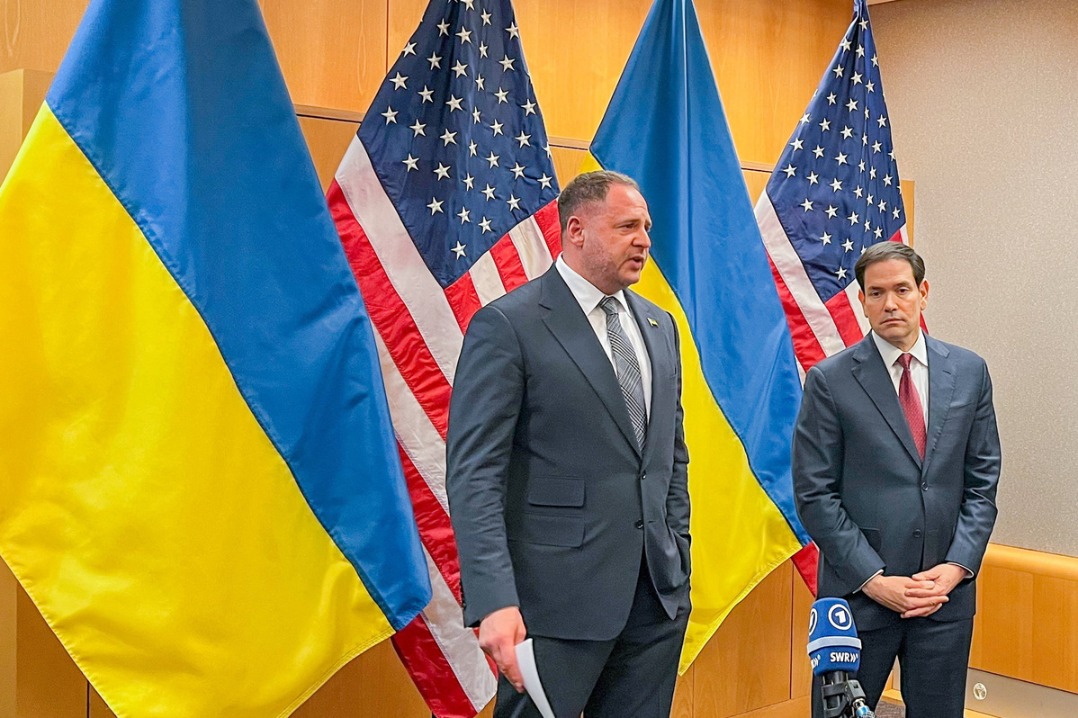
US, Ukrainian, European officials discuss draft plan
In a high-stakes diplomatic effort to resolve the ongoing Russia-Ukraine conflict, officials from the United States, Ukraine, and Europe convened in Geneva on November 23, 2025, to deliberate on a draft peace plan proposed by Washington. The discussions, led by US Secretary of State Marco Rubio and Ukraine’s Head of the Presidential Office Andriy Yermak, aimed to address concerns raised by Kyiv and its allies over perceived concessions to Moscow. The 28-point plan, unveiled by US President Donald Trump, calls for Ukraine to relinquish territory, accept military restrictions, and abandon its NATO aspirations. However, European allies expressed frustration over their exclusion from the drafting process. A US official emphasized that the Geneva talks were intended to finalize details beneficial to Ukraine, with no agreement to be reached until Trump and Ukrainian President Volodymyr Zelensky meet directly. Trump hinted that the current proposal is not his final offer, leaving room for further negotiation. The Geneva meeting included participation from national security advisers of the E3 alliance (France, Germany, and the UK), the European Union, and Italy, underscoring the international significance of the discussions. Canadian Prime Minister Mark Carney also planned to engage with Zelensky regarding the plan. While Western leaders acknowledged the proposal as a starting point, they stressed the need for additional refinements to secure a favorable outcome for Ukraine before the looming Thursday deadline.
-
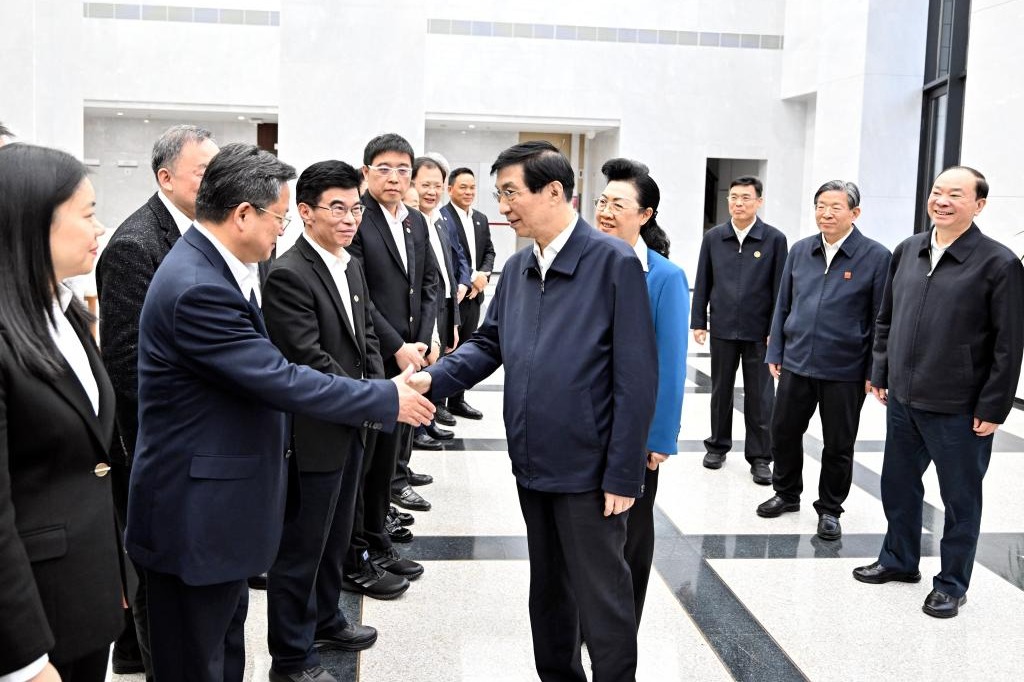
Top political advisor urges gathering strength to boost Chinese modernization
In a recent visit to Shenzhen and Huizhou, China’s top political advisor Wang Huning emphasized the importance of uniting public support, consensus, wisdom, and strength to achieve significant progress in the nation’s goal of socialist modernization. Wang, who serves as a member of the Standing Committee of the Political Bureau of the Communist Party of China (CPC) Central Committee and chairman of the National Committee of the Chinese People’s Political Consultative Conference (CPPCC), made these remarks during a fact-finding and research tour from November 21 to 23, 2025. During his visit, Wang highlighted the need to replicate successful experiences from the Qianhai Shenzhen-Hong Kong Modern Service Industry Cooperation Zone to further develop the Guangdong-Hong Kong-Macao Greater Bay Area. He also visited a memorial museum dedicated to a CPC-led guerrilla force from World War II, urging the promotion of the spirit of the Chinese People’s War of Resistance Against Japanese Aggression to inspire the public to uphold revolutionary traditions and follow the Party’s guidance. Additionally, Wang called for the implementation of policies to support the private sector, enhance cross-Strait economic and cultural exchanges, develop rural industries with local characteristics, and strengthen the law-based governance of religious affairs. He stressed that the CPPCC should prioritize the study and implementation of the guiding principles from the fourth plenary session of the 20th CPC Central Committee, contributing high-quality deliberations and suggestions to serve the central tasks of the Party and the country.
-
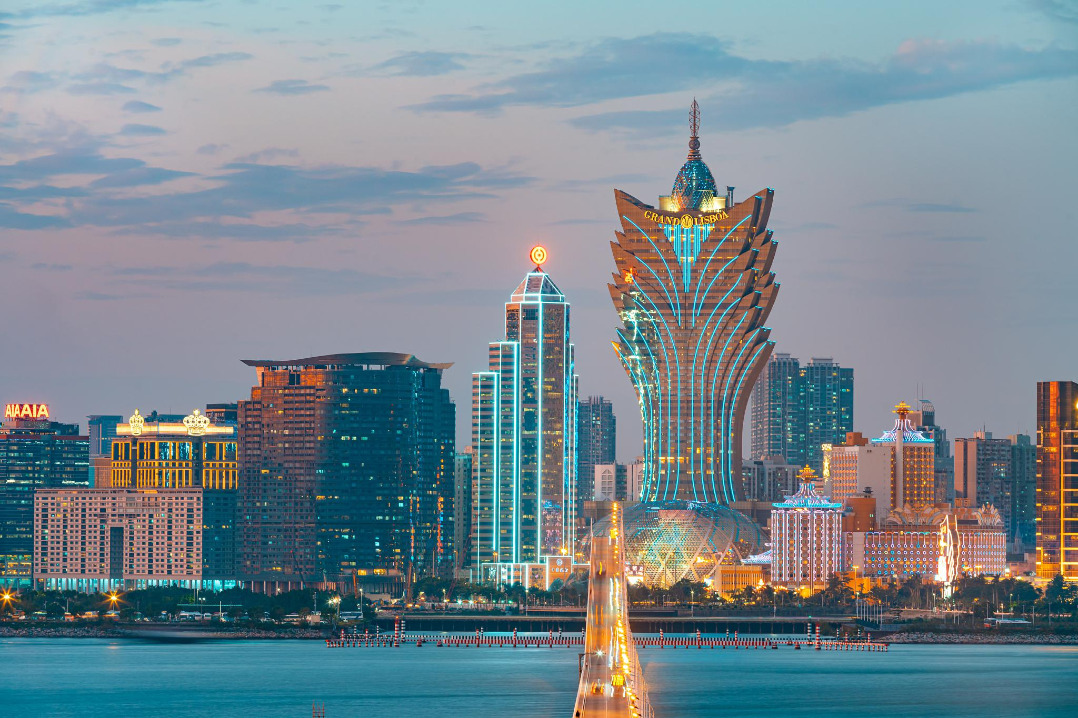
Macao eyes five-year plan for growth
The Macao Special Administrative Region is actively integrating its development strategy with China’s 15th Five-Year Plan (2026-2030), as emphasized during the fourth plenary session of the 20th Central Committee of the Communist Party of China. The session, held from October 20 to 23, outlined national economic and social development goals, urging Macao to align its growth with the broader national agenda. To disseminate the spirit of the plenary session, a central government delegation organized two seminars in Macao on November 23, attended by over 1,200 participants, including government officials, lawmakers, and community leaders. Zheng Xincong, director of the Liaison Office of the Central People’s Government in Macao, emphasized the importance of unity and understanding the opportunities presented by the 15th Five-Year Plan. Macao Chief Executive Sam Hou-fai highlighted the plan’s potential to foster economic diversification, improve livelihoods, and advance public administrative reforms. The delegation, including Hou Jianguo, president of the Chinese Academy of Sciences, and Zhu Weidong, deputy director of key central offices, discussed Macao’s role in the Guangdong-Hong Kong-Macao Greater Bay Area’s development as an international science and innovation hub. Hou suggested leveraging Macao’s strengths in traditional Chinese medicine, integrated circuits, and space science, while Zhu stressed aligning Macao’s Third Five-Year Plan with national objectives. The delegation also visited the Guangdong-Macao In-depth Cooperation Zone in Hengqin to explore regional development opportunities. Further seminars are planned in Hong Kong to continue promoting the plenary session’s insights.
-
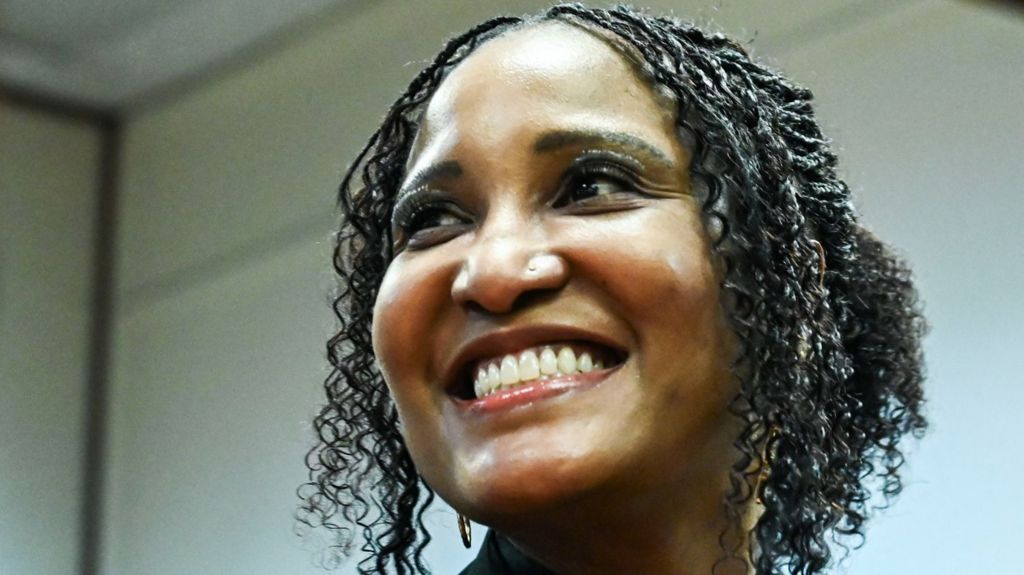
Daughter of South Africa’s ex-president accuses sister of Russia recruitment plot
In a dramatic turn of events, Nkosazana Zuma-Mncube, daughter of South Africa’s former president Jacob Zuma, has filed a criminal complaint against her sister, Duduzile Zuma-Sambudla, accusing her of recruiting men to fight in the Russia-Ukraine conflict. Zuma-Mncube alleges that her sister, a sitting Member of Parliament, along with two others, deceived 17 men from South Africa and Botswana into joining Russian mercenary forces under the guise of training as bodyguards for the Mkhonto Wesizwe (MK) party, founded by their father. South African authorities have confirmed they are investigating the matter, though Zuma-Sambudla has yet to respond to media inquiries. The government has previously acknowledged receiving distress calls from citizens who were allegedly lured into the conflict with promises of lucrative contracts. South Africa’s high unemployment rate, particularly among youth, has made individuals susceptible to such recruitment schemes. This accusation adds to Zuma-Sambudla’s ongoing legal troubles, as she is currently on trial for terrorism-related charges stemming from her social media activity during the 2021 protests that followed her father’s arrest. Zuma-Mncube claims her decision to report her sister was driven by a ‘moral obligation.’ The case highlights the complex interplay of family, politics, and international conflict in South Africa.
-
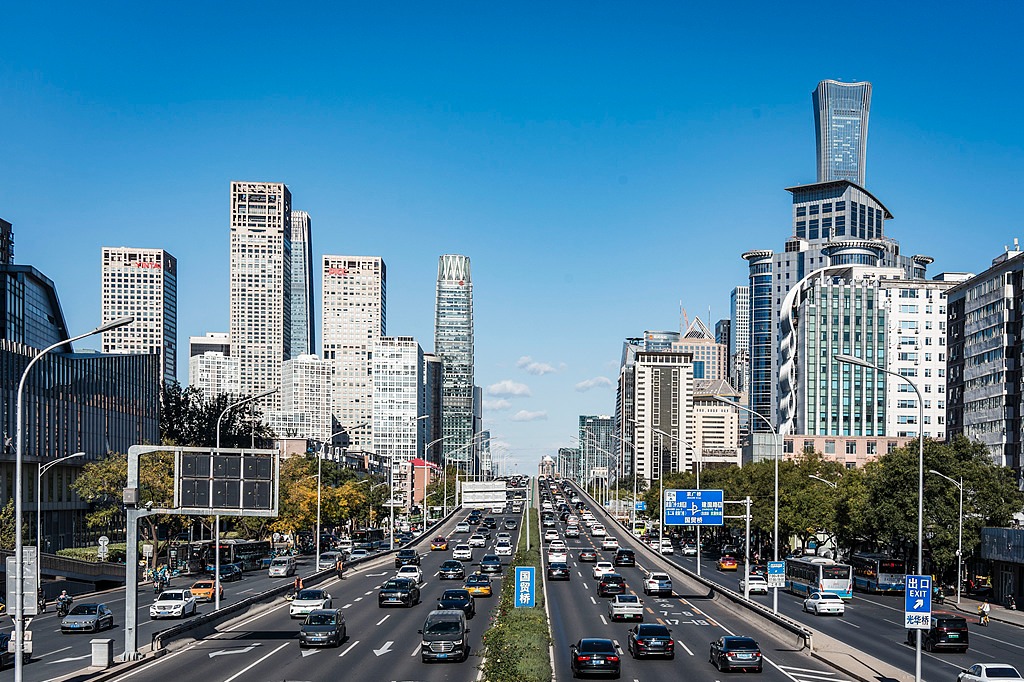
China’s model of governance widely praised
China’s governance model has garnered widespread acclaim from international leaders and experts, who attribute the nation’s remarkable transformation to its strategic planning, ambitious goals, and pragmatic execution. Eberhard Sandschneider, a professor emeritus at the Free University of Berlin, recently revisited Beijing after decades and was astounded by the city’s metamorphosis. From a sea of bicycles to a hub of modern skyscrapers and advanced technology, Sandschneider described the change as ‘unbelievable,’ highlighting China’s rise as a global technological leader. He emphasized that the nation’s success is rooted in its long-term planning and flexible governance model, which allows swift responses to emerging challenges. Sandschneider suggested that Europe could learn from China’s pragmatic approach. Pablo Iglesias Turrion, former Spanish deputy prime minister, echoed this sentiment, linking China’s steady progress to the governing philosophy outlined in ‘Xi Jinping: The Governance of China.’ He praised the five-year plans as a testament to China’s political will and ability to mobilize economic forces for the benefit of its people. Former Czech deputy foreign minister Petr Drulak and Polish economist Grzegorz W. Kolodko also lauded China’s achievements, noting its profound economic transformation and growing influence in the Global South. Kolodko emphasized that China’s development model is increasingly studied by policymakers worldwide, as it offers valuable lessons for sustainable growth. Despite recent economic slowdowns, China continues to outpace many developed nations, solidifying its role as a key player in shaping a multipolar global order.
-
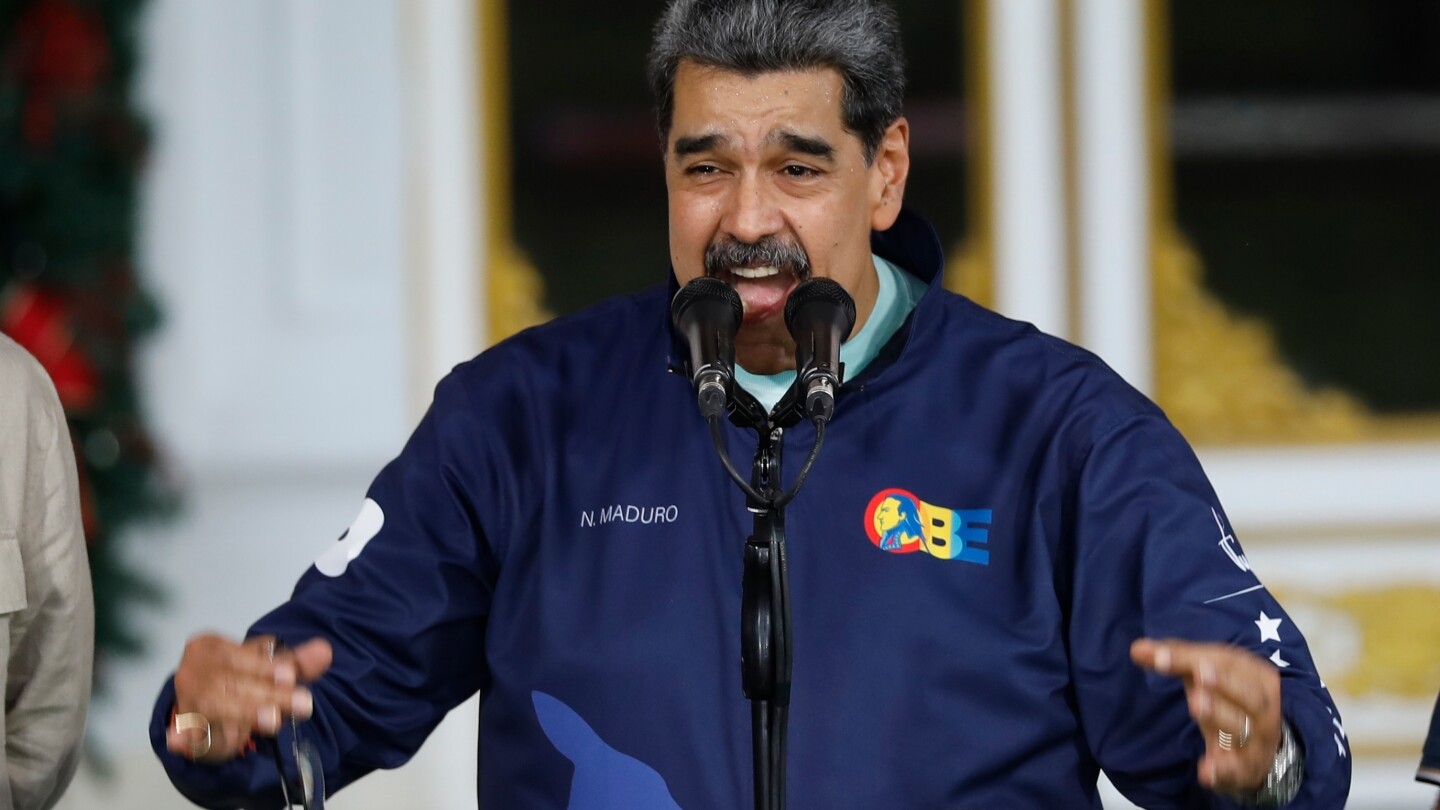
US set to label Maduro-tied Cartel de los Soles as a terror organization. It’s not a cartel per se
The Trump administration is intensifying its campaign against Venezuelan President Nicolás Maduro by designating the Cartel de los Soles as a foreign terrorist organization. This move, set to be announced on Monday, marks a significant escalation in the U.S. government’s efforts to combat drug trafficking into the United States. U.S. Secretary of State Marco Rubio recently accused the Cartel de los Soles, also known as the Cartel of the Suns, of being responsible for terrorist violence in the Western Hemisphere.
The designation comes as President Trump weighs potential military action against Venezuela, a possibility he has not ruled out despite suggesting the potential for talks with Maduro. The U.S. has already deployed a substantial military presence in the Caribbean Sea, targeting boats suspected of drug trafficking and resulting in over 80 deaths.
The term Cartel de los Soles originated in the 1990s to describe high-ranking Venezuelan military officers involved in drug trafficking. Over time, its use expanded to include police and government officials engaged in illegal activities such as mining and fuel trafficking. The name refers to the sun-shaped epaulettes worn by senior military officers.
In 2020, the U.S. Justice Department indicted Maduro and his inner circle on narcoterrorism charges, elevating the term to describe a Maduro-led drug-trafficking organization. However, experts like Adam Isaacson of the Washington Office on Latin America argue that the Cartel de los Soles is not a formal group with a hierarchy or regular meetings.
The Trump administration’s decision to label the cartel as a foreign terrorist organization is unprecedented, as the designation has traditionally been reserved for groups like ISIS or al-Qaeda. Earlier this year, the administration applied the label to eight Latin American criminal organizations involved in drug trafficking and migrant smuggling.
Critics, including Maduro, view the U.S. military buildup as an attempt to end the ruling party’s 26-year hold on power. Meanwhile, Venezuela’s U.S.-backed political opposition has renewed its efforts to remove Maduro from office.
U.S. Defense Secretary Pete Hegseth stated that the designation would provide new options for dealing with Maduro but did not specify what those options entail. Trump administration officials have indicated that Maduro’s continued rule is unsustainable, and Trump has reportedly been pleased with the impact of recent military strikes.
Maduro has denied the allegations, claiming the U.S. is fabricating a drug-trafficking narrative to force him out of power. The U.S. Treasury Department imposed sanctions on the Cartel de los Soles in July, accusing Maduro and his allies of using government resources to facilitate drug trafficking. The U.S. Justice Department has also doubled the reward for information leading to Maduro’s arrest to $50 million.