分类: politics

  • Taiwan announces special budget of $40 billion for arms purchases to bolster defense

    Taiwan announces special budget of $40 billion for arms purchases to bolster defense

    TAIPEI, Taiwan — In a significant move to bolster its defense capabilities, Taiwan’s President Lai Ching-te unveiled plans on Wednesday for a $40 billion special budget dedicated to arms purchases and the development of advanced defense systems. The budget, spanning eight years from 2026 to 2033, includes the creation of the Taiwan Dome, a cutting-edge air defense system designed to enhance detection and interception capabilities. This announcement follows Lai’s earlier commitment to increase defense spending to 5% of the island’s GDP, up from the current 3.3% allocation for 2026, which amounts to $949.5 billion New Taiwan Dollars ($31.18 billion).

    In an op-ed published in The Washington Post, Lai emphasized that the special budget would primarily fund arms procurement from the United States, reflecting Taiwan’s strategic alignment with its key ally. Wellington Koo, Taiwan’s Minister of National Defense, clarified that the $40 billion figure represents the upper limit of the budget. The funds will be allocated toward acquiring precision-strike missiles and fostering joint development and procurement initiatives between Taiwan and the U.S. for advanced military equipment and systems.

    This decision comes amid escalating geopolitical tensions in the region and mounting pressure from the U.S. for Taiwan to strengthen its self-defense capabilities. The proposed budget underscores Taiwan’s proactive stance in addressing security challenges and safeguarding its sovereignty.
  • India intensifies crackdown in disputed Kashmir after New Delhi bombing

    India intensifies crackdown in disputed Kashmir after New Delhi bombing

    In a tragic turn of events, Bilal Ahmed Wani, a 55-year-old shopkeeper from Indian-controlled Kashmir, set himself on fire and later succumbed to his injuries. This occurred shortly after his release from police custody, where he was detained in connection with the investigation into the deadly November 10 explosion near New Delhi’s Red Fort, which claimed at least 10 lives and injured 32 others. Wani’s son remains in custody, and his family, speaking anonymously due to fear of reprisals, attributed his desperate act to the stress and humiliation stemming from the detentions.

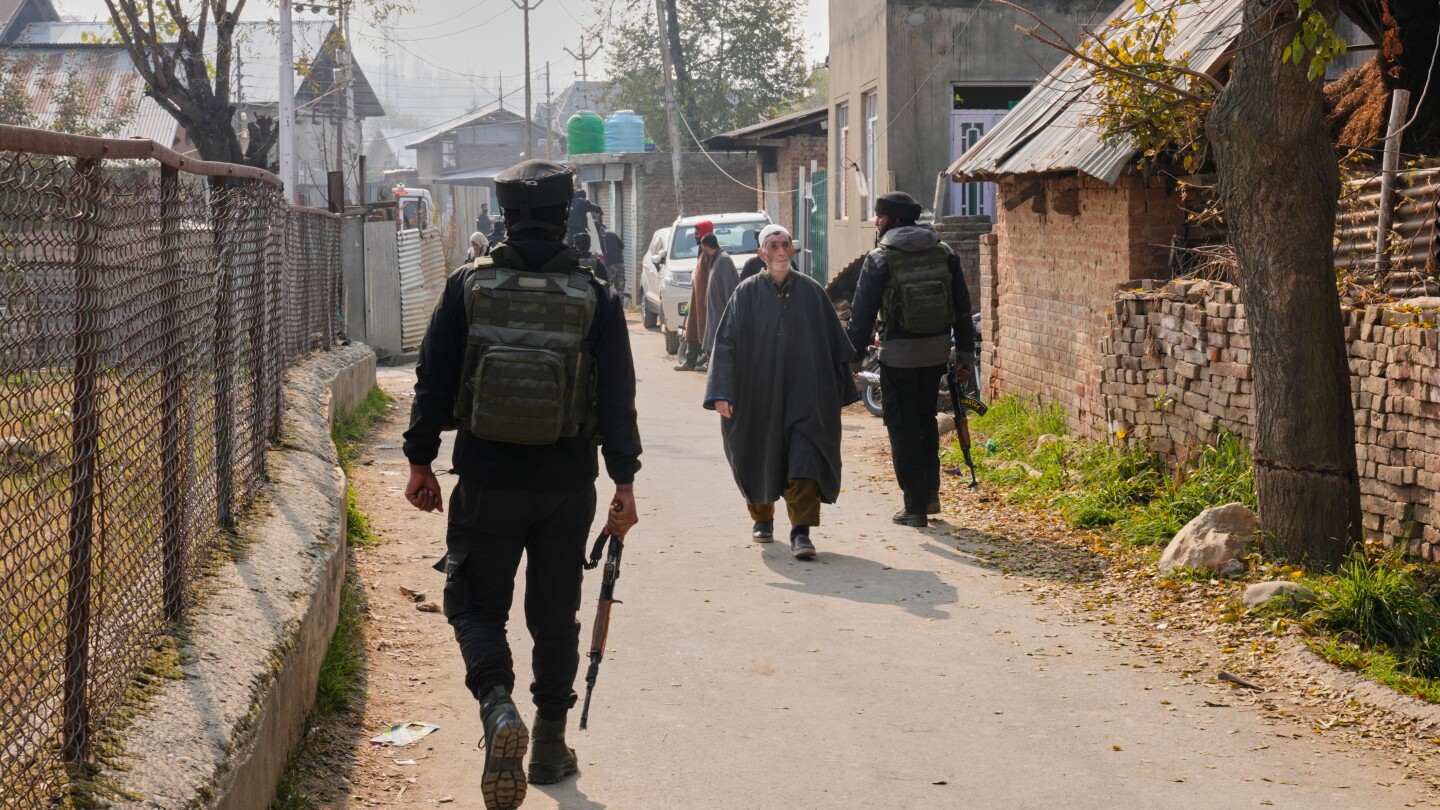
    The blast, described by authorities as a ‘heinous terror incident,’ triggered a sweeping security crackdown in Kashmir. Police conducted extensive raids, detained numerous suspects, and questioned thousands, with hundreds still in custody. The investigation quickly focused on Kashmir, where authorities dismantled a suspected militant cell operating from the region to the outskirts of New Delhi. During the raids, police seized bomb-making materials and arrested at least seven individuals, including two Kashmiri doctors.

    On November 14, a separate explosion at a police station in Srinagar, Kashmir, killed at least nine people. Authorities ruled out sabotage, suggesting mishandling of explosives as the likely cause. The ongoing crackdown in Kashmir has been described as notably severe, reminiscent of the restrictions imposed in 2019 when India revoked the region’s special autonomous status.

    Wani’s family insists on his innocence, accusing authorities of using him and his relatives as scapegoats. His eldest son, Jasir Bilal Wani, remains detained, with authorities alleging his involvement in planning the attack by providing technical support to the suspected suicide bomber, Umar Un Nabi, a Kashmiri doctor. The crackdown has extended to what police term a ‘white-collar terror ecosystem,’ intensifying scrutiny of Kashmiri professionals, particularly doctors, and fueling fear within the medical community.

    Analysts warn that the political disenfranchisement and heavy-handed security measures following India’s 2019 decision are exacerbating anger and alienation in Kashmir. Praveen Donthi of the International Crisis Group emphasized that a moderate approach by New Delhi would be more effective in preventing further cycles of violence. The situation underscores the deep-seated tensions and the human cost of the ongoing conflict in the region.

  • China’s pressure on Japan is a familiar tactic that could last for some time

    China’s pressure on Japan is a familiar tactic that could last for some time

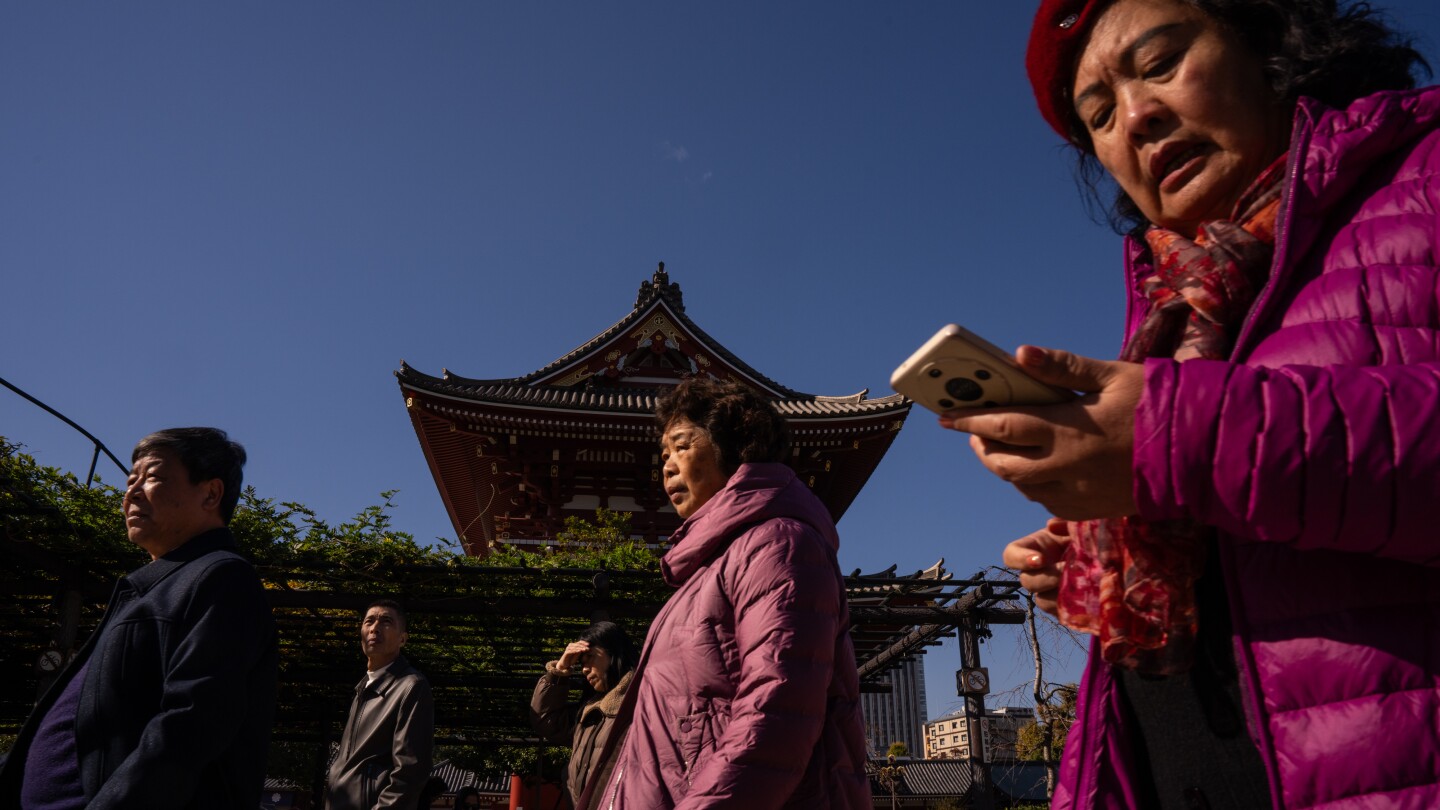
    Tensions between China and Japan have intensified following a controversial statement by Japan’s Prime Minister Sanae Takaichi regarding Taiwan, prompting Beijing to issue a travel advisory against visiting Japan. The advisory has already led to significant cancellations, with businesses like Rie Takeda’s Tokyo tearoom losing hundreds of bookings. China’s response mirrors its past economic strategies, such as tariffs on Australian wines and restrictions on Philippine bananas, as it leverages its economic influence to pressure Japan. Experts suggest this dispute could persist for over a year, with both nations reluctant to back down due to domestic political pressures. The travel advisory is expected to cost Japan up to 1.8 trillion yen ($11.5 billion), further straining its economy. Meanwhile, some Chinese tourists remain hesitant, while others continue their plans, reflecting the uncertainty. China has also hinted at further measures, including potential restrictions on Japanese seafood and rare earth exports, signaling a deepening rift in bilateral relations.

  • Report: US envoy coached Putin aide on how Russian leader should pitch Trump on Ukraine peace plan

    Report: US envoy coached Putin aide on how Russian leader should pitch Trump on Ukraine peace plan

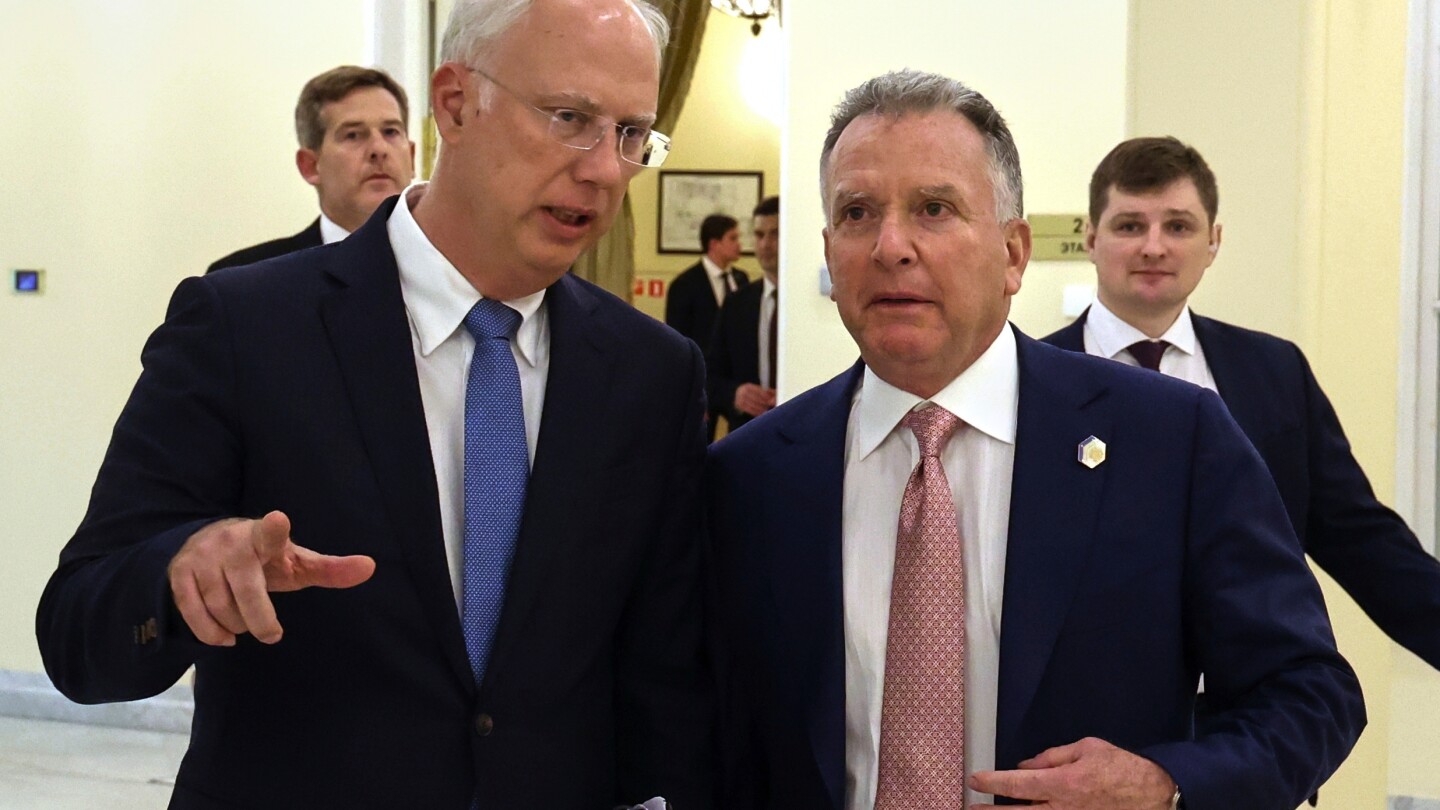
    In a revealing development, President Donald Trump’s key intermediary with Russia, Steve Witkoff, reportedly advised a senior aide to Russian President Vladimir Putin on how to approach Trump with a peace proposal aimed at ending the ongoing conflict in Ukraine. According to a transcript published by Bloomberg News, Witkoff suggested during an October 14 call that Putin congratulate Trump on the Gaza ceasefire deal, express support for it, and emphasize Trump’s role as a peacemaker. This conversation occurred just before Trump announced that Witkoff would meet with Putin to discuss a ‘fine-tuned’ peace plan for Ukraine. The White House did not dispute the transcript’s authenticity, with Trump describing Witkoff’s approach as standard negotiation tactics. However, the report has drawn criticism from some U.S. lawmakers, including Republican Representative Don Bacon, who accused Witkoff of favoring Russian interests and called for his removal from the negotiations. The transcript also revealed that Witkoff proposed arranging a call between Trump and Putin before Ukrainian President Volodymyr Zelenskyy’s White House visit, with Putin congratulating Trump on the Gaza agreement as a starting point. The discussions come amid a broader debate over a leaked 28-point peace plan, which critics argue heavily favors Russian demands, including Ukraine ceding the Donbas region and reducing its military size. While the State Department declined to comment on the Bloomberg report, Secretary of State Marco Rubio emphasized that the proposal was a U.S.-led effort with input from both Russia and Ukraine. As negotiations continue, Trump has hinted at a potential meeting with Putin and Zelenskyy, but only after further progress is made.

  • The looming election Trump can’t afford to lose

    The looming election Trump can’t afford to lose

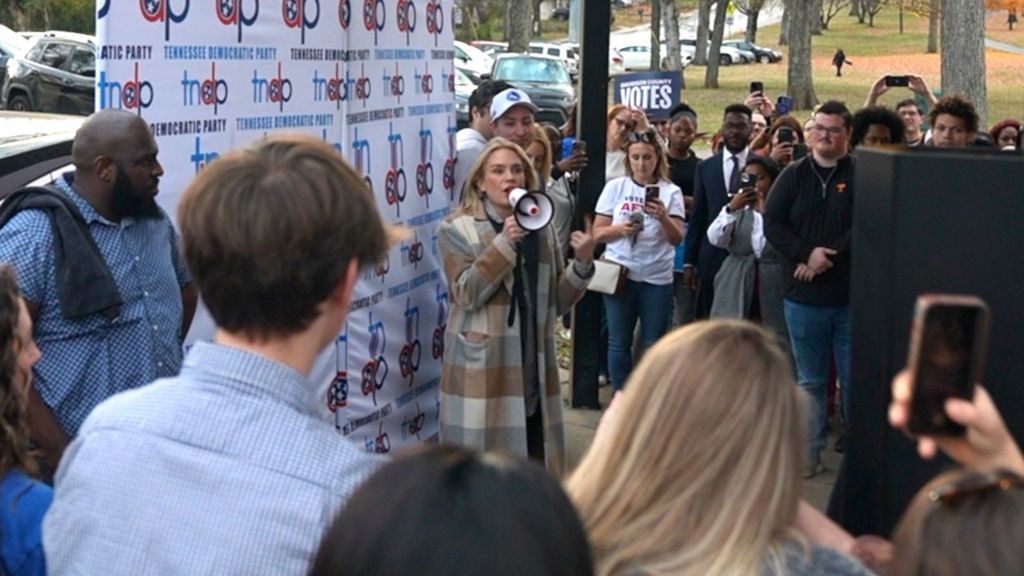
    Tennessee has become a focal point in American politics as a special election on December 2nd to fill an open congressional seat draws national attention. Despite the district’s historically conservative leanings, both Republicans and Democrats are treating the race as highly competitive, with significant resources being poured into the state. The Democratic Party, led by former Vice-President Kamala Harris, has been actively campaigning, emphasizing the South’s growing political power. Meanwhile, Republicans, including President Donald Trump, are grappling with internal challenges and a shifting political landscape. The election comes at a time when Trump’s grip on the Republican Party appears to be weakening, highlighted by the recent resignation of conservative firebrand Marjorie Taylor Greene. The outcome of this election could signal broader changes within the GOP and the political climate in traditionally red states. Democratic nominee Aftyn Behn has centered her campaign on affordability and local quality of life issues, while her Republican opponent, Matt Van Epps, has focused on economic concerns, reflecting a departure from the cultural issues that have dominated recent Republican campaigns. The election’s results could have significant implications for the future of both parties, particularly as Republicans begin to consider a post-Trump era.

  • Washington DC mayor Muriel Bowser won’t seek re-election

    Washington DC mayor Muriel Bowser won’t seek re-election

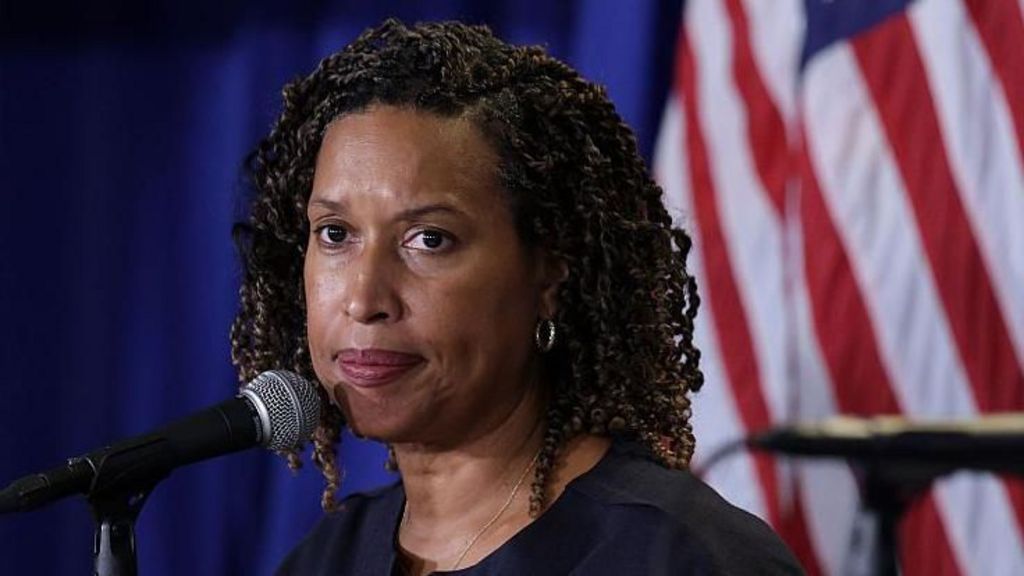
    Washington DC Mayor Muriel Bowser declared on Tuesday that she will not pursue a fourth term in office, marking the end of a significant chapter in the city’s political landscape. Bowser, who has served as mayor since 2015, expressed gratitude for her tenure and emphasized that her administration has established a foundation for future leaders to build upon. In a heartfelt video announcement, she stated, ‘It has been the honour of my life to be your mayor. But today, with a grateful heart, I am announcing that I will not seek a fourth term.’ Bowser highlighted key achievements during her decade-long leadership, including expanding housing, navigating the city through the COVID-19 pandemic, and securing substantial infrastructure investments for low-income neighborhoods. Her tenure was marked by notable clashes with former President Donald Trump, particularly over the deployment of National Guard troops and the city’s response to racial justice protests. Bowser’s decision is expected to trigger a competitive race among candidates vying to lead the Democratic stronghold. At least four contenders have already signaled their intent to run in the upcoming mayoral elections, with two city council members also anticipated to join the race.

  • Can Canada wait out the trade war with the US?

    Can Canada wait out the trade war with the US?

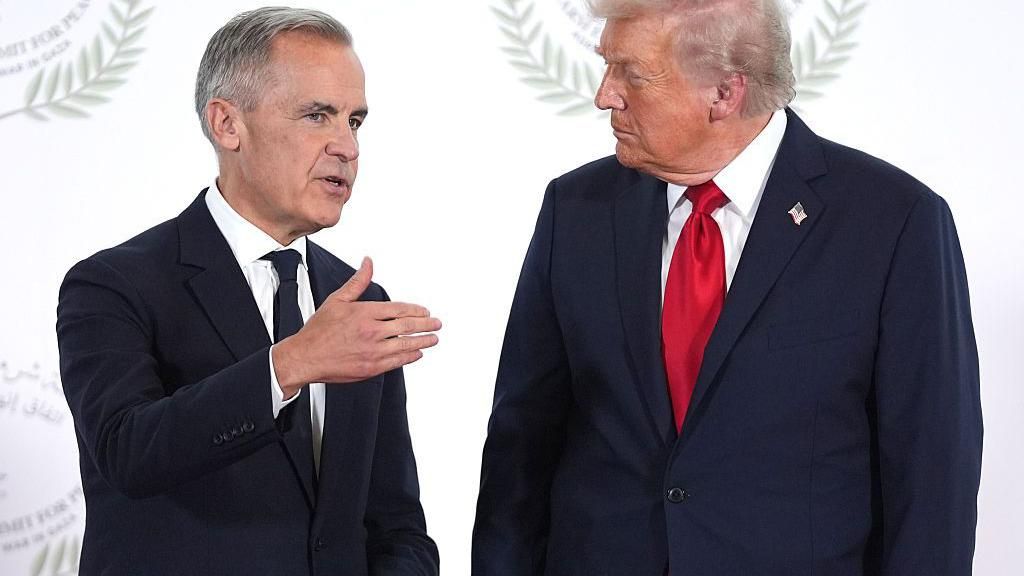
    Canadian Prime Minister Mark Carney has shown no urgency in resuming trade negotiations with the United States, despite mounting pressure and criticism. Over the weekend, Carney dismissed questions about his last conversation with US President Donald Trump, stating, ‘Who cares? It’s a detail. I’ll speak to him again when it matters.’ He emphasized that there is no pressing issue requiring immediate attention from his US counterpart. This stance has sparked debate over whether Canada is recalibrating its strategy in trade discussions with the US. Carney is reportedly considering a trip to Washington next week for the FIFA World Cup draw, an event Canada is co-hosting with Mexico and the US in 2026. While sources suggest a potential meeting with Trump, no official plans have been confirmed. Chris Sands, director of the Center for Canadian Studies at Johns Hopkins University, noted that both leaders are engaged in a ‘game of posturing,’ with neither wanting to appear overly eager. Trade talks stalled last month after Trump took offense at an anti-tariff ad featuring former US President Ronald Reagan, commissioned by Ontario and aired in the US. Despite the pause, Canadian officials continue to advocate for their country’s interests on Capitol Hill. Carney has been actively promoting foreign investment in Canada during recent global trips, including to the United Arab Emirates. Meanwhile, the Canadian government has pledged financial relief to sectors impacted by US tariffs, particularly aluminium producers. Jean Simard of the Aluminium Association of Canada remarked that ‘time is on our side,’ as US stockpiles dwindle. However, opposition parties have criticized Carney’s approach, accusing him of neglecting job losses and failing to secure a ‘win’ for Canada. With US midterm elections and a review of the USMCA trade agreement looming in 2026, some analysts remain hopeful for a resolution.

  • What comes next in the James Comey and Letitia James cases?

    What comes next in the James Comey and Letitia James cases?

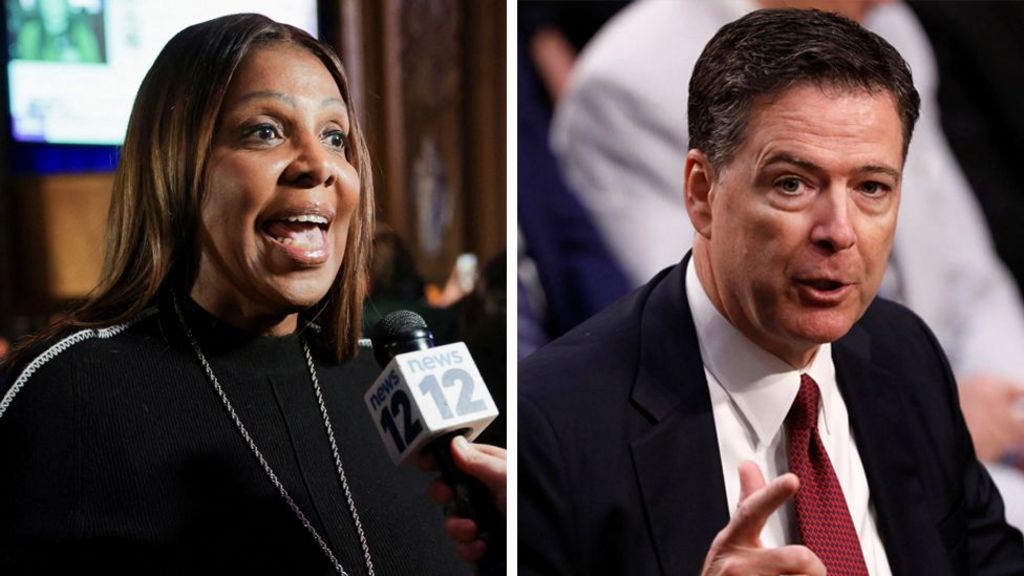
    In a significant legal development, a federal judge dismissed charges against two prominent critics of former President Donald Trump on Monday, citing procedural irregularities in the appointment of the prosecuting attorney. Former FBI Director James Comey and New York Attorney General Letitia James, who had been indicted on charges of false statements and obstruction of justice, respectively, celebrated the ruling but acknowledged the possibility of further legal battles. US District Judge Cameron Currie ruled that Lindsey Halligan, the prosecutor in the case, was invalidly appointed as US Attorney, rendering the indictments void. However, the judge left the door open for the government to pursue new charges. Comey expressed skepticism about the outcome, stating that he believes Trump ‘will probably come after me again,’ a sentiment echoed by White House spokeswoman Abigail Jackson, who declared, ‘This will not be the final word on this matter.’ Legal experts described the situation as ‘uncharted territory,’ with the Department of Justice likely to appeal the decision to the Fourth Circuit Court of Appeals. US Attorney General Pam Bondi vowed to use all available legal avenues, including an ‘immediate appeal.’ The Trump administration has a history of aggressively appealing unfavorable rulings, often taking cases to the Supreme Court. Meanwhile, attorneys for Comey and James pledged to continue challenging any further charges, which they described as politically motivated. The dismissal of the indictments raises questions about the statute of limitations, with Comey’s legal team arguing that the government is now out of time to bring new charges. Judge Currie’s ruling also casts doubt on the validity of other cases prosecuted by Halligan in the Eastern District of Virginia. Despite the ruling, the White House maintained that Halligan’s appointment was lawful, praising her work as ‘excellent.’ The case underscores the ongoing tensions between Trump and his critics, with legal experts predicting a protracted and complex legal battle ahead.

  • Democrats who told troops to disobey illegal orders push back on alleged FBI probe

    Democrats who told troops to disobey illegal orders push back on alleged FBI probe

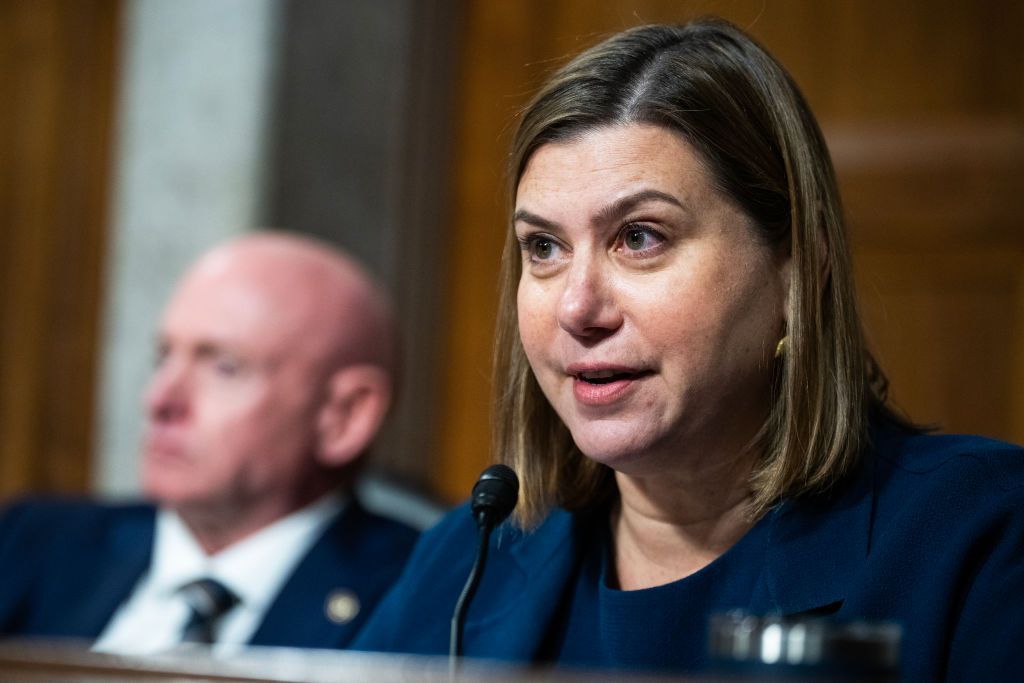
    Democratic lawmakers who recently urged U.S. troops to disregard illegal orders are now facing an alleged federal investigation into their actions. Senator Elissa Slotkin of Michigan revealed that the FBI notified six lawmakers, including herself, about the inquiry on Monday. The lawmakers, all of whom have military or intelligence backgrounds, appeared in a video last week addressing the troops. The message, which criticized the Trump administration’s policies, has sparked significant controversy. President Trump accused the Democrats of ‘seditious behavior, punishable by death,’ and the Pentagon has initiated a review of ‘serious allegations of misconduct’ against Senator Mark Kelly of Arizona, who also featured in the video. Slotkin and her colleagues remain defiant, stating that ‘no amount of intimidation or harassment’ will deter them from upholding the Constitution. The Department of Justice has declined to comment on the alleged investigation. The video, shared amid escalating tensions between the Trump administration and the Venezuelan government, as well as opposition to the deployment of National Guard troops in Democrat-led cities, has drawn bipartisan condemnation. Trump’s inflammatory remarks on social media, suggesting the lawmakers be arrested and hanged, were later walked back in a TV interview. Meanwhile, the Pentagon has accused Senator Kelly of violating military law, potentially subjecting him to court-martial proceedings under the Uniform Code of Military Justice (UCMJ). Defense Secretary Pete Hegseth criticized Kelly for using his military rank to lend authority to his statements, claiming it ‘brings discredit upon the armed forces.’ Kelly, however, remains steadfast, asserting that he will not be silenced by those who prioritize power over the Constitution. The FBI and Department of Justice have reportedly contacted Capitol Police to schedule interviews with the lawmakers, though the FBI declined to comment when approached by the BBC.

  • Bolsonaro starts serving 27-year prison sentence for Brazil coup plot

    Bolsonaro starts serving 27-year prison sentence for Brazil coup plot

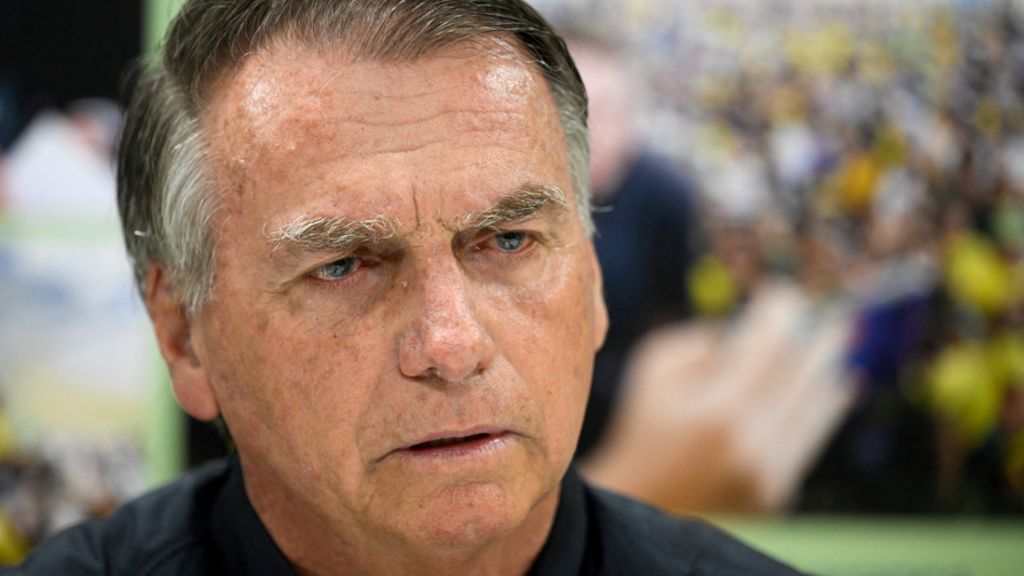
    Brazil’s Supreme Court has mandated that former right-wing President Jair Bolsonaro commence his 27-year and three-month prison sentence for orchestrating a coup attempt following his defeat in the 2022 election. Justice Alexandre de Moraes declared on Tuesday that the case has reached its final judgment, leaving no room for further appeals. Bolsonaro, 70, was convicted in September of leading a conspiracy to retain power after losing to his left-wing opponent, Luiz Inácio Lula da Silva. He will serve his sentence in a federal police jail in Brasília, where he has been held since Saturday after being deemed a flight risk and removed from home detention. Court documents reveal that Bolsonaro admitted to attempting to remove his ankle monitor with a soldering iron during a Sunday hearing, attributing his actions to medication-induced ‘paranoia.’ Justice Moraes has ordered full-time medical care for Bolsonaro, whose health has reportedly deteriorated. The Supreme Court justices previously stated that Bolsonaro was aware of plans to assassinate Lula and his running mate, Geraldo Alckmin, and to execute Moraes, who presided over the trial. The conspiracy failed to gain military support, and Lula was inaugurated without incident on January 1, 2023. However, a week later, thousands of Bolsonaro supporters stormed government buildings in Brasília, leading to 1,500 arrests. The justices concluded that Bolsonaro incited the rioters, intending for the military to restore him to power. Bolsonaro has been barred from public office until 2060 and has labeled the trial a ‘witch hunt’ aimed at preventing his 2026 presidential candidacy.