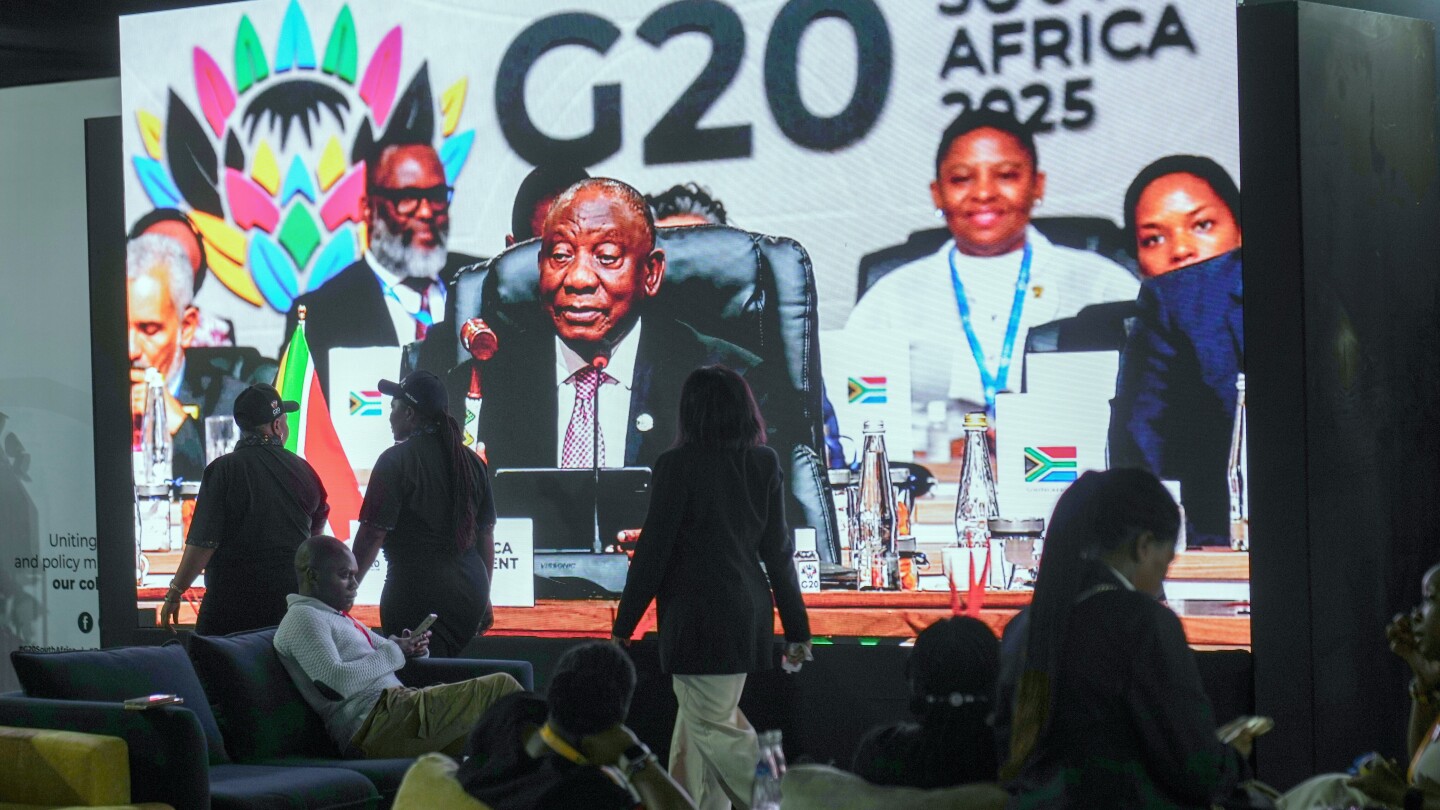
In a decisive move, President Donald Trump announced on Wednesday that South Africa would be excluded from participating in the 2026 Group of 20 (G20) summit, scheduled to be held in Miami, Florida. Trump also declared an immediate halt to all U.S. payments and subsidies to the country. The decision stems from allegations that South Africa mishandled a U.S. government representative during the recent G20 summit it hosted. Trump claimed that South Africa refused to transfer its hosting responsibilities to a senior U.S. Embassy official after the summit concluded over the weekend. In a post on Truth Social, Trump stated, ‘Therefore, at my direction, South Africa will NOT be receiving an invitation to the 2026 G20, which will be hosted in the Great City of Miami, Florida next year.’ He further criticized South Africa, asserting, ‘South Africa has demonstrated to the World they are not a country worthy of Membership anywhere.’ The U.S. president also accused South Africa of violently persecuting white Afrikaners, a claim that the South African government has dismissed as unfounded. This move marks a significant escalation in diplomatic tensions between the two nations.
分类: politics
-
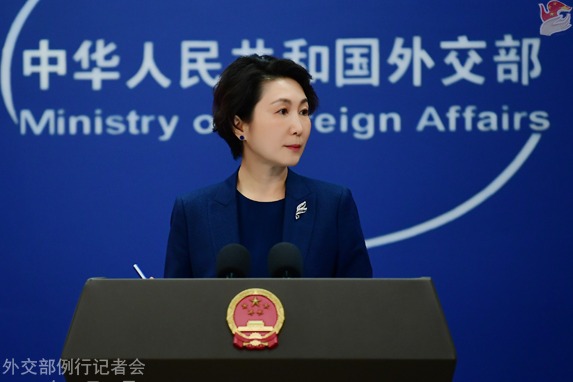
Mainland slams recent Japanese govt statement on Taiwan
The Chinese mainland has issued a stern rebuke against a recent statement by the Japanese government regarding the Taiwan issue. On Wednesday, Chinese officials called on Tokyo to provide a clear and honest explanation of its position, warning that ambiguous claims and attempts to obscure the matter would not be tolerated. The controversy stems from a written response prepared by the Japanese Cabinet on Tuesday, addressing a lawmaker’s inquiry about Prime Minister Sanae Takaichi’s remarks on Taiwan. The response asserted that Takaichi’s comments ‘do not change the government’s consistent position,’ emphasizing that no review or reconsideration was necessary. Foreign Ministry spokeswoman Mao Ning reiterated China’s firm opposition to Takaichi’s statements, urging Japan to address Beijing’s concerns, correct its mistakes, and retract any erroneous remarks promptly. Mao stressed that Japan must clarify its ‘consistent position’ and confirm its adherence to the one-China principle. She emphasized that Taiwan is an integral part of China and that its reunification is a purely internal affair, warning Japan against making irresponsible comments or interfering in the matter.
-
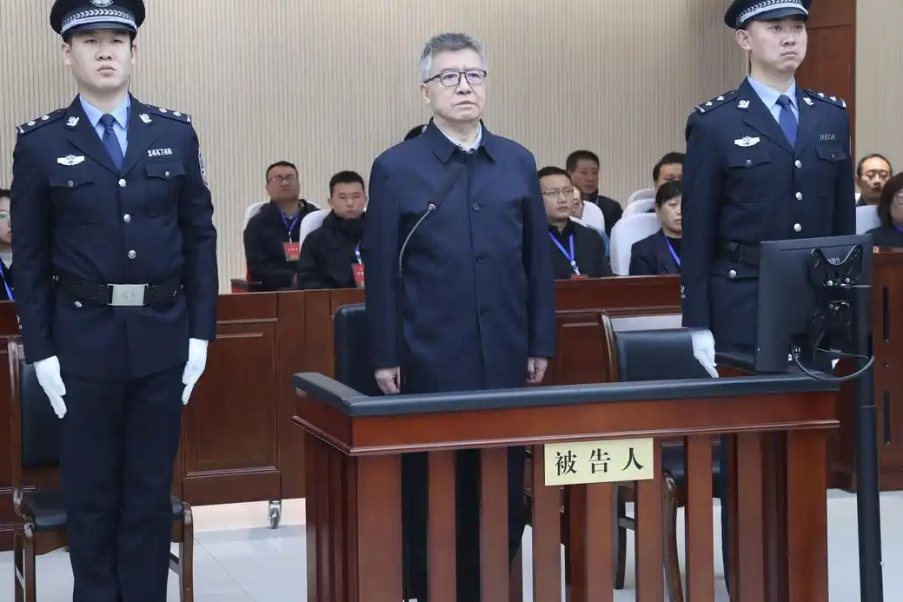
Former vice-education minister sentenced to 15 years for bribery
Du Yubo, the former vice-minister of education in China, has been sentenced to 15 years in prison for accepting bribes exceeding 67 million yuan ($9.46 million). The verdict was delivered by the Linfen Intermediate People’s Court in Shanxi province on Wednesday, November 26, 2025. In addition to the prison term, Du was fined 6 million yuan, and his illicit gains, along with related interest, were ordered to be confiscated. The court highlighted that the bribery amount was ‘extremely large,’ justifying severe punishment. However, leniency was granted due to Du’s voluntary disclosure of previously unknown bribes, his confession, and his active efforts to return the illegal proceeds. Du, 70, a native of Hebei province, began his career in 1974 and joined the Communist Party of China in 1975. He held various significant positions, including vice-president of Beijing Institute of Technology and vice-minister of education, which he used to facilitate private college establishments, project contracts, and enrollment and employment arrangements in exchange for bribes from 2000 to August 2024. Du’s downfall began in September 2024 when he was investigated for severe violations of Party discipline and national laws. He was expelled from the Party in March 2025 and indicted three months later. His hearing in August 2025 was attended by over 30 individuals, including national legislators and political advisers.
-
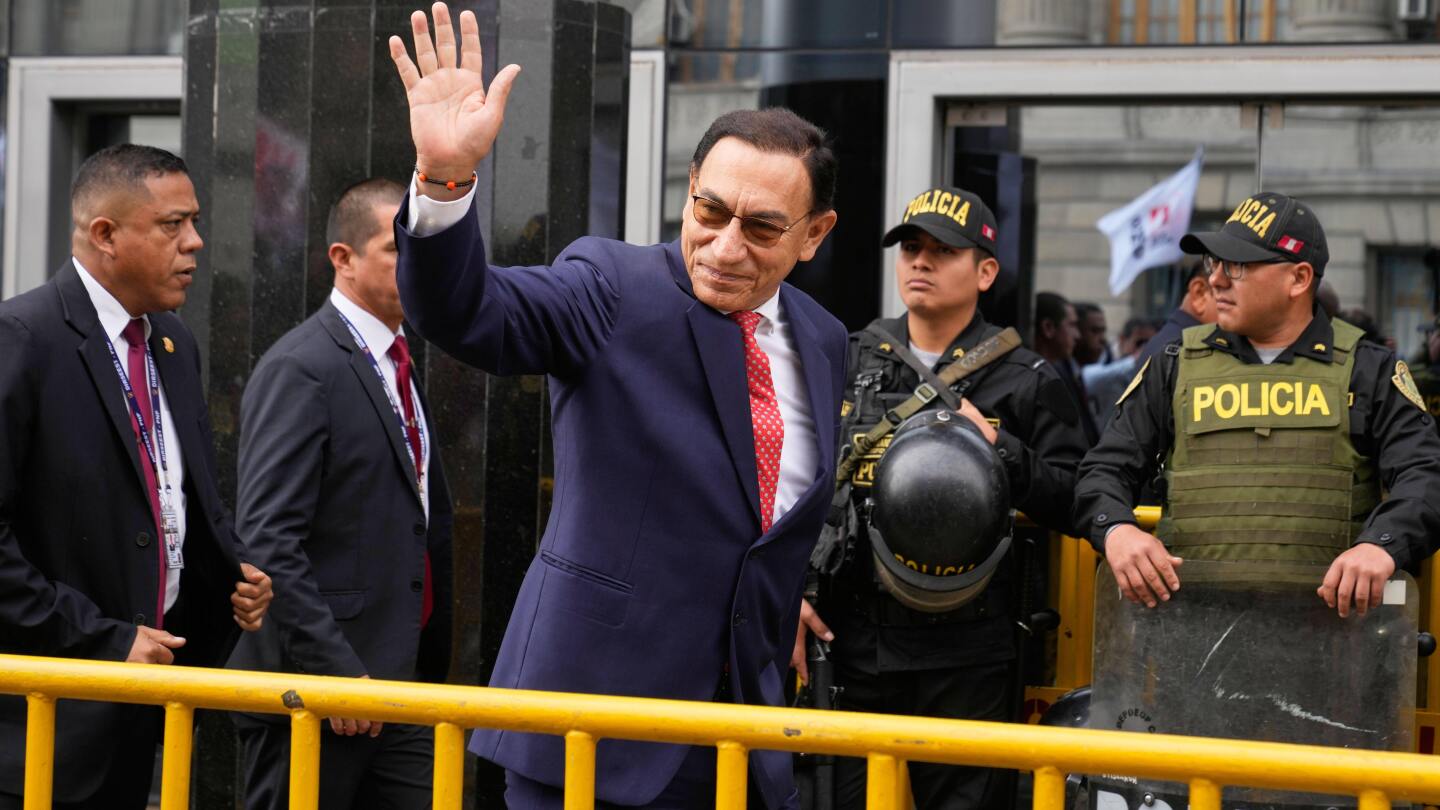
Former Peruvian President Vizcarra gets 14 years in prison in corruption case
In a landmark ruling on Wednesday, a Peruvian court handed down a 14-year prison sentence to former President Martín Vizcarra for his involvement in a corruption scandal during his tenure as governor of Moquegua, a southern state in Peru. The court also imposed a nine-year ban on Vizcarra from holding any public office. The verdict stems from allegations that Vizcarra accepted illicit payments totaling approximately $611,000 from construction companies in exchange for awarding them lucrative contracts for two major infrastructure projects: an irrigation system and a hospital. Prosecutors had initially sought a 15-year sentence, but the court settled on 14 years, emphasizing the gravity of the offenses. This case underscores Peru’s ongoing struggle with political corruption and its efforts to hold high-ranking officials accountable for their actions.
-
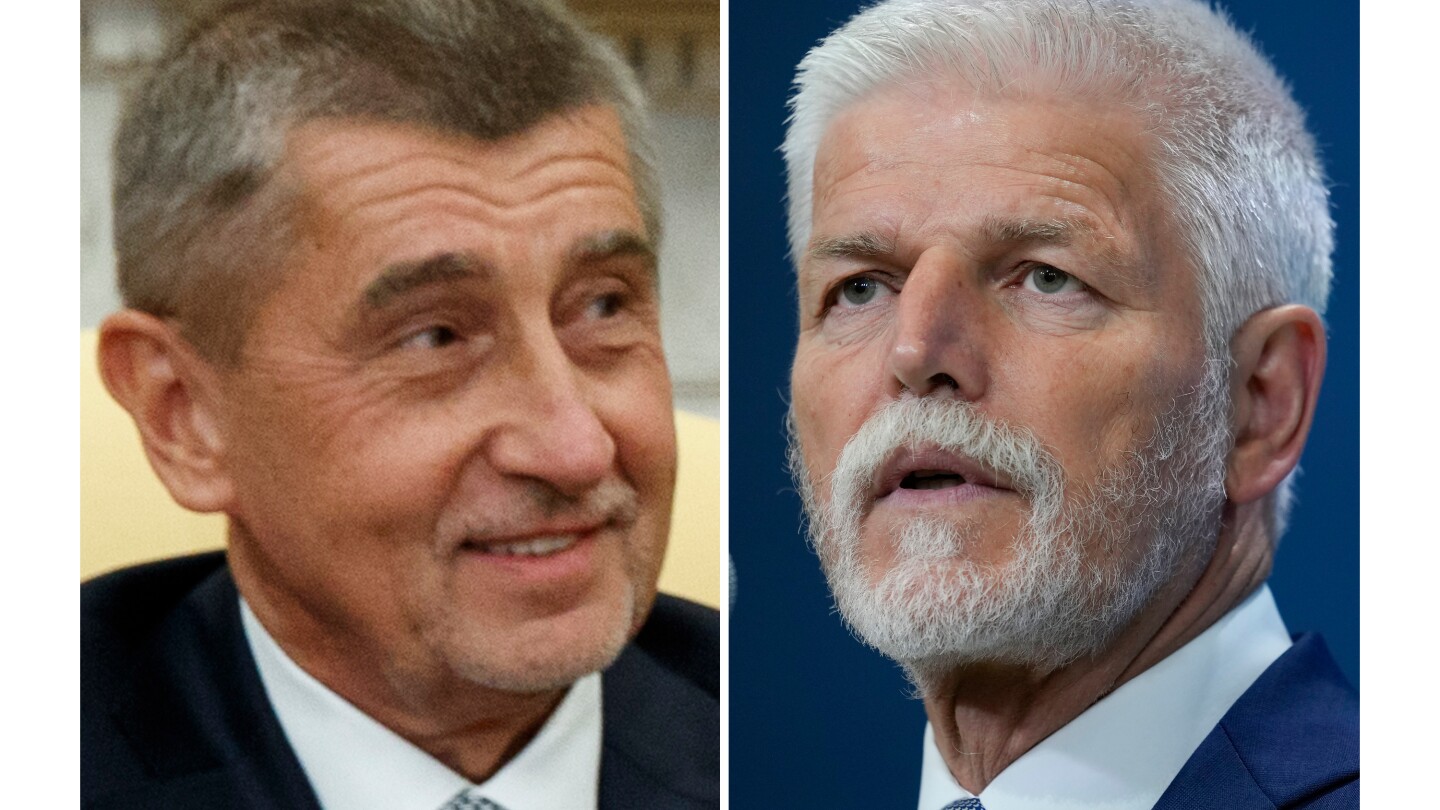
Czech president ready to swear in Babiš as prime minister if conflict of interest is resolved
In a pivotal development in Czech politics, President Petr Pavel announced on Wednesday that he is prepared to appoint populist billionaire Andrej Babiš as prime minister within a week, provided Babiš addresses concerns over potential conflicts of interest arising from his extensive business empire and political role. This follows Babiš’s ANO (YES) movement’s victory in the recent parliamentary elections, which paved the way for a coalition government with the Freedom and Direct Democracy party and the right-wing Motorists for Themselves. The coalition has agreed to form a 16-member Cabinet, with ANO holding eight positions, including the prime minister’s office. However, the president emphasized the need for Babiš to comply with the country’s stringent conflict-of-interest laws, which were amended in 2023 to prevent politicians from leveraging their wealth and power. Babiš, who owns around 200 companies under the Agrofert conglomerate and has significant investments in healthcare, must ensure his businesses remain eligible for state and EU subsidies. During a meeting with the president, Babiš presented his proposed Cabinet lineup and expressed his desire to have the new government in place by mid-December. However, the coalition’s nomination of Filip Turek, honorary president of the Motorists, sparked controversy due to his past racist, homophobic, and sexist remarks. President Pavel rejected Turek’s candidacy, deeming him unfit for a ministerial role. The coalition, known for its critical stance on EU policies, particularly regarding the environment and migration, is also expected to shift the country’s position on supporting Ukraine in its war against Russia.
-
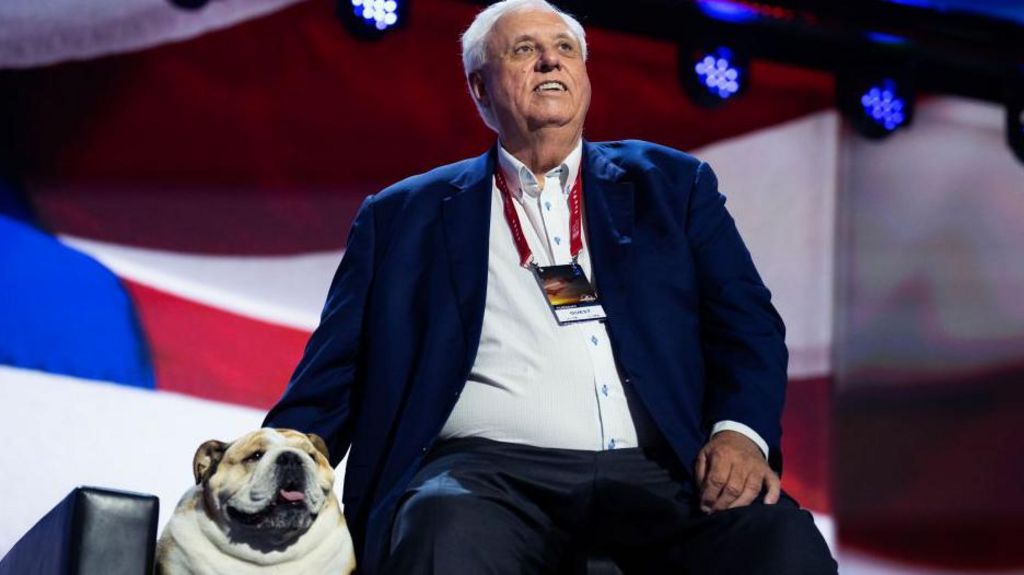
US Senator Jim Justice agrees to pay over $5m in long-overdue taxes
Senator Jim Justice, a prominent Republican figure and former governor of West Virginia, has agreed to settle a staggering $5 million in overdue taxes, just hours after being sued by the Internal Revenue Service (IRS). The settlement resolves a lawsuit alleging that Justice and his wife failed to fulfill their tax obligations dating back to 2009. Justice, who transitioned from leading West Virginia to serving as a first-term senator in 2025, has a background rooted in his family’s extensive coal empire, which once controlled numerous mines across multiple states. In October, Justice dismissed the tax assessment against him as “politically motivated,” drawing parallels to the challenges faced by former President Donald Trump. The IRS revealed that the couple owed $5.16 million in back taxes and interest, which they have now agreed to repay in full, though a specific timeline remains undisclosed. Despite Forbes estimating Justice’s net worth at $1.9 billion in 2021, it plummeted to “less than zero” by 2025. The senator and his family are also grappling with additional financial pressures, including $1.4 million in liens related to unpaid sales taxes at their historic resort, The Greenbrier, and its sporting club. Furthermore, the IRS has filed over $8 million in liens against the couple for other unpaid personal taxes. The settlement marks a significant development in Justice’s ongoing financial and political challenges.
-
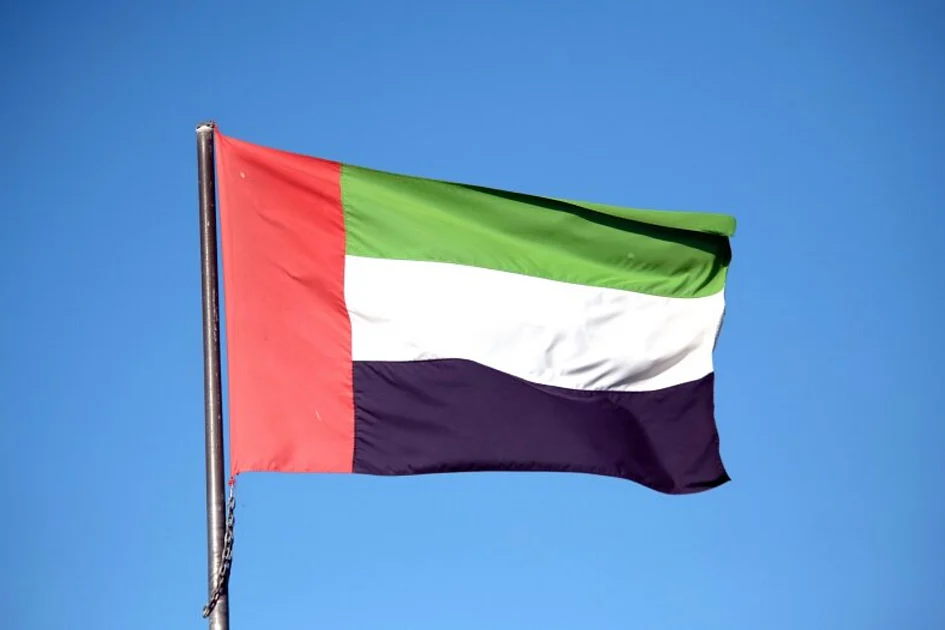
‘Don’t lecture us’: UAE official calls on Israel, Palestine to take responsibility for peace
A senior United Arab Emirates official has issued a direct challenge to Israeli and Palestinian leadership, urging them to focus on transforming domestic public attitudes rather than seeking external mediation for peacebuilding. Dr. Ali Al Nuaimi, Chairman of the Defence Affairs, Interior & Foreign Affairs Committee at the UAE Federal National Council, delivered his remarks at the Abraham Accords Conference in Abu Dhabi, emphasizing that regional normalization agreements represent merely the starting point rather than the culmination of peace efforts.
Dr. Al Nuaimi asserted that the UAE has consistently exceeded its obligations under the Abraham Accords since their signing in September 2020, despite facing significant challenges. He revealed that other signatory nations have failed to fulfill their commitments, creating an implementation gap that undermines the agreement’s potential. The official stressed that the Accords constitute a political arrangement entirely separate from religious considerations, noting that the UAE honors its international agreements with full engagement and respect.
The core challenge, according to Dr. Al Nuaimi, lies not in diplomatic negotiations but in reshaping public perception within Israeli and Palestinian societies. He explicitly requested both parties to cease lecturing the UAE on how to alter Arab perspectives toward Israel and similarly stop requesting Emirati intervention with Israeli authorities. “We need Israelis to work on Israelis. We need Palestinians to work on Palestinians,” Dr. Al Nuaimi stated, highlighting a critical gap that only domestic leadership can address.
While acknowledging that the Abraham Accords have established valuable channels for cooperation and cultural exchange, the official distinguished between normalization and genuine peace. He characterized normalization as merely “a piece of paper designed by two leaders,” whereas true peace must capture “the heart and the mind of the people across the region.” Dr. Al Nuaimi emphasized that Palestinians will achieve their rights through peace rather than conflict, just as Israel will obtain security through peaceful means rather than military superiority.
The UAE official pointed to recent developments in American politics as potential catalysts for progress, describing President Donald Trump’s emerging approach to the conflict—including his stance on Gaza and investigations into the Muslim Brotherhood—as a strategic opportunity that regional partners should not miss. He cautioned however that opponents of the Accords actively seek to transform the political dispute into a religious conflict, making unified commitment among signatories essential.
Dr. Al Nuaimi presented the UAE’s multicultural society as a model for regional transformation, where residents from diverse backgrounds “feel safe, feel respected, feel accepted as they are.” He promised Israeli and Palestinian counterparts that similar coexistence becomes achievable through dedicated effort to transform public attitudes. The official additionally called on European partners to modernize their approach to regional diplomacy, noting that outdated methods persist despite dramatically changed circumstances over decades.
Reaffirming the UAE’s unwavering commitment to the Abraham Accords, Dr. Al Nuaimi declared there is “no way back” from the agreement, which he described as representing the future of the region. The Emirates remains invested in transforming the entire region into a peaceful territory where all inhabitants experience safety, respect, and acceptance regardless of origin.
-
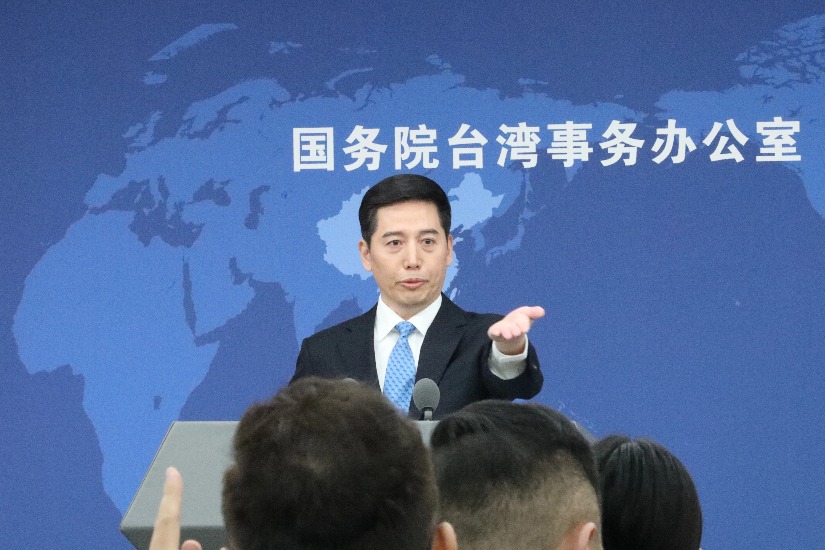
China urges Japan to punish perpetrators of attack on Taiwan compatriots
Beijing has issued a strong condemnation of a violent assault on two Taiwanese individuals in Tokyo, urging Japanese authorities to swiftly bring the perpetrators to justice. Peng Qing’en, spokesperson for China’s State Council Taiwan Affairs Office, expressed deep concern over the incident during a press conference on Wednesday. The attack, which occurred in July, involved five Japanese men severely assaulting the Taiwanese victims on a Tokyo street. Japanese police have since confirmed the arrest of suspects linked to the case. Peng emphasized the shared bond between mainland China and Taiwan, stating, ‘We strongly condemn such acts of violence and urge the Japanese side to deal with the offenders swiftly and severely.’ He also highlighted a concerning trend of increasing attacks on tourists in Japan, including those from Taiwan. Peng linked the rise in such incidents to provocative remarks made by Japan’s prime minister regarding Taiwan, which he claimed have fueled anti-China sentiments and extremist behaviors among Japan’s right-wing factions. These developments, he warned, pose significant risks to the safety of visitors in Japan.
-
How Northern Ireland’s dark policing history looms over Palestine Action protests
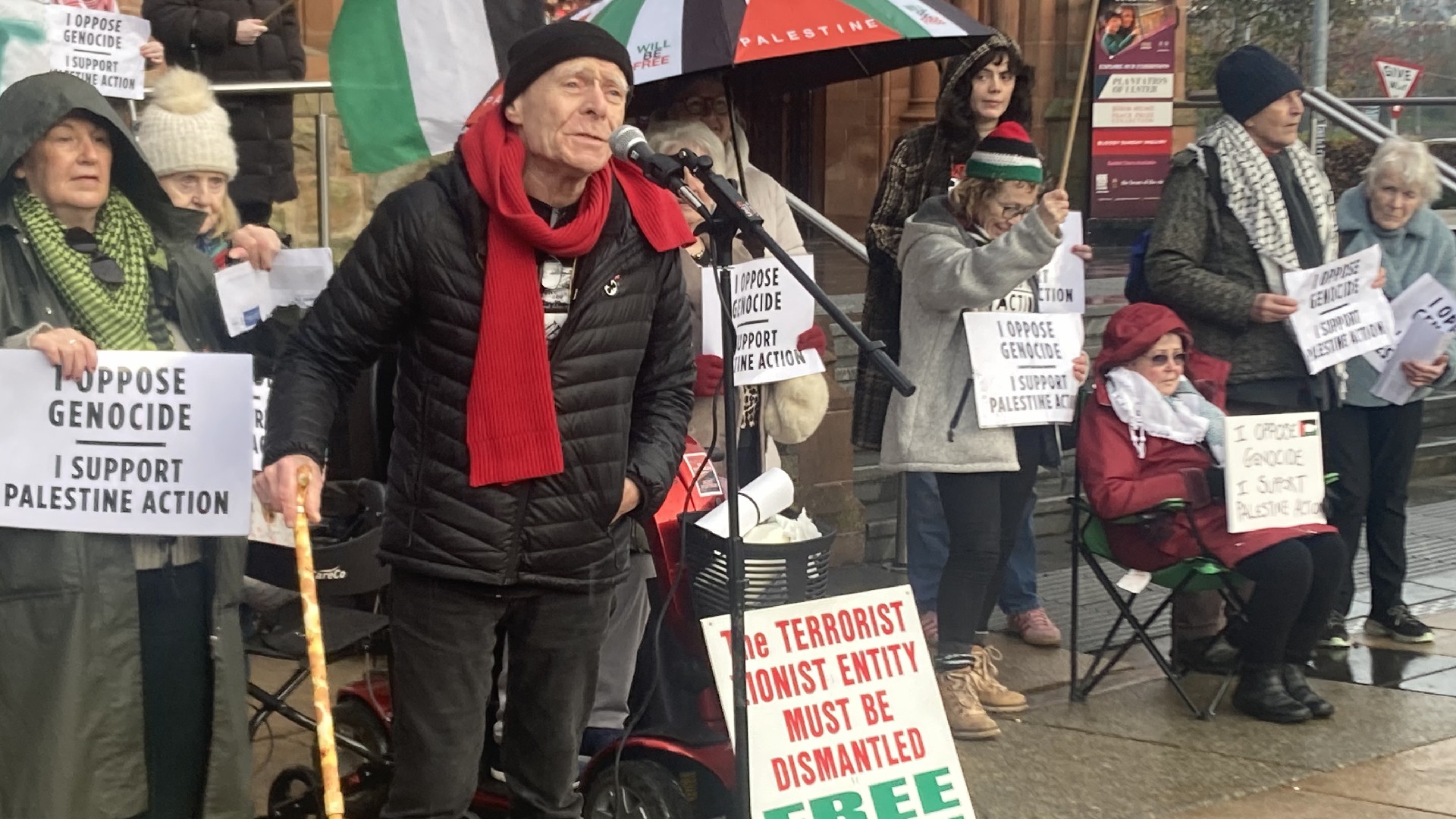
In the shadow of Derry’s Guildhall, a determined group of elderly protesters gathers weekly, holding handwritten placards that declare: ‘I oppose genocide, I support Palestine Action.’ This act of defiance carries profound historical significance in a city that served as the epicenter of Northern Ireland’s Troubles. Many participants, leaning on walking sticks or seated in wheelchairs, are veterans of the civil rights movement that challenged British authority decades ago.
The UK Labour government’s July 2025 proscription of Palestine Action under terrorism legislation has resulted in over 2,000 arrests nationwide for displaying support. The ban followed activists’ breach of RAF Brize Norton air base, where they damaged military aircraft. While London protests have seen mass arrests, Derry’s demonstrations have proceeded with minimal police intervention—for now.
This contrast highlights Northern Ireland’s complex policing environment, where the government’s ban has sparked concerns about reverting to partisan enforcement practices. The Good Friday Agreement of 1998 promised to end discriminatory policing that historically targeted Catholic and Republican communities. Yet rights organizations argue the Home Office failed to conduct proper community impact assessments specific to Northern Ireland before implementing the ban.
Eamonn McCann, a prominent civil rights organizer who received an ‘advisory letter’ from police regarding his protest participation, draws direct parallels to the 1970s when terrorism laws targeted Irish rights activists. ‘People carrying these placards are at risk of fairly long terms of imprisonment for standing with a placard. Where is freedom gone?’ McCann questioned.
The Committee on the Administration of Justice (CAJ) attempted to intervene in the judicial review of the ban, arguing it could disproportionately affect Catholic and nationalist communities where Palestinian solidarity is strongest. Director Daniel Holder warned the proscription ‘lowers the bar’ for what constitutes terrorism, potentially undermining efforts to disband loyalist paramilitary groups that remain active despite their proscribed status.
Evidence reveals policing disparities: while three Palestine Action supporters face Terrorism Act charges in Northern Ireland, authorities have taken no action against recent parades by proscribed loyalist groups displaying paramilitary insignia.
For protesters like Maire McNally, arrested at 75 for wearing a ‘We are all Palestine Action’ T-shirt, and Kate Nash, whose brother was killed on Bloody Sunday, the current crackdown evokes painful historical echoes. Their continued activism, rooted in Derry’s tradition of civil resistance, challenges what they perceive as the erosion of hard-won freedoms in post-agreement Northern Ireland.
-
Protest group Palestine Action goes to court to challenge its ban by the UK government
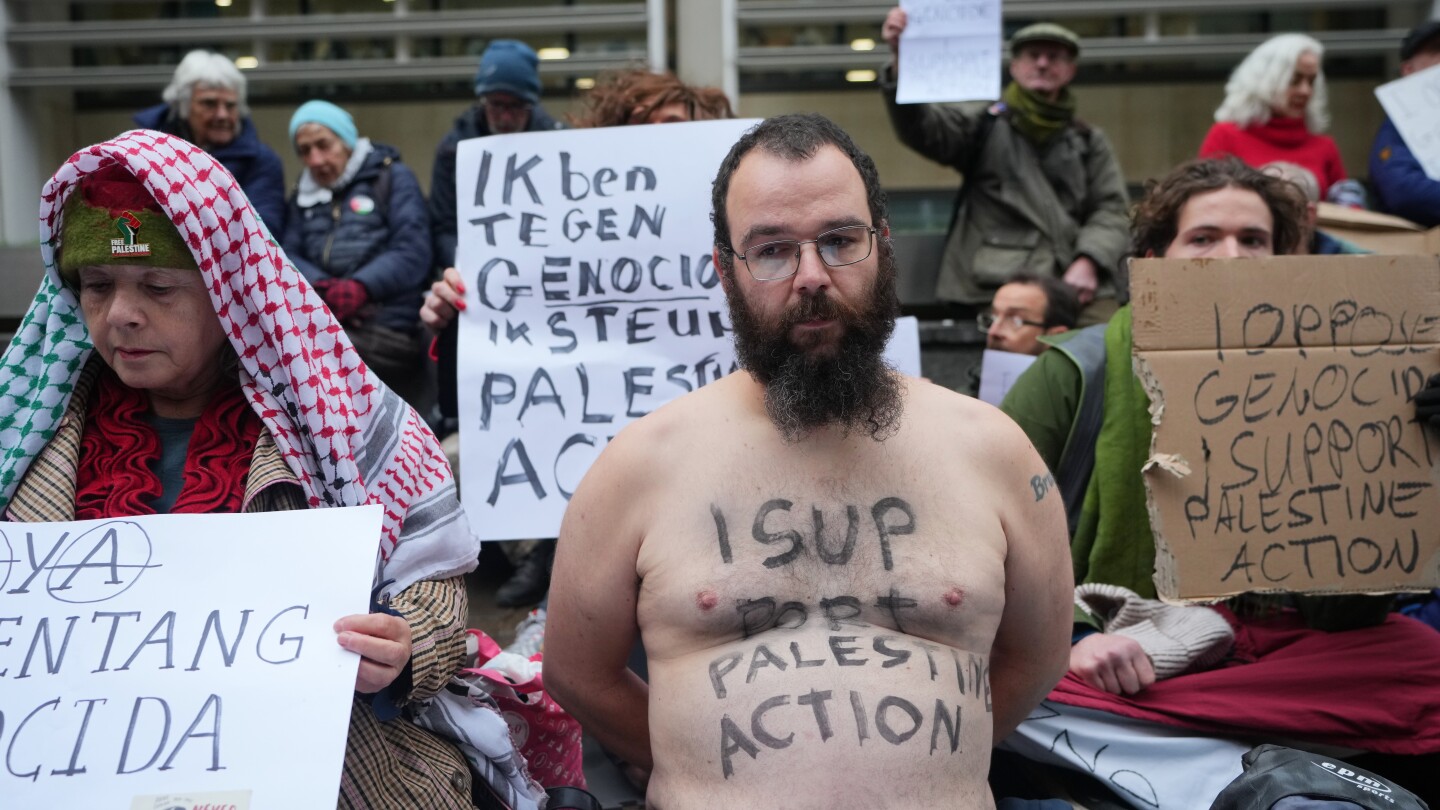
In a significant legal battle, lawyers representing Palestine Action, a pro-Palestinian protest group recently outlawed by the British government, appeared before the High Court on Wednesday to contest its classification as a terrorist organization. The group, which has been likened to entities such as al-Qaida and Hamas, argues that the government’s decision was flawed and unjust. Raza Husain, representing Palestine Action co-founder Huda Ammori, criticized the ban as an “ill-considered, discriminatory, and authoritarian abuse of statutory power,” emphasizing the lack of due process in the decision. The government’s proscription followed an incident in June where activists breached a Royal Air Force base, causing damage to military equipment in protest of British support for Israel’s actions in Gaza. Since its inception in 2020, Palestine Action has targeted military and industrial sites, including facilities owned by Israeli weapons manufacturer Elbit Systems UK, resulting in millions of pounds in damages. The ban criminalizes membership or support for the group, with penalties of up to 14 years in prison. Over 2,000 individuals have been arrested across the UK for expressing support, with more than 130 charged under the Terrorism Act. Supporters and civil liberties groups argue that these arrests infringe on free speech and the right to protest. Husain highlighted the historical importance of civil disobedience, drawing parallels to the suffragette movement, and warned of the chilling effect on democratic dissent.