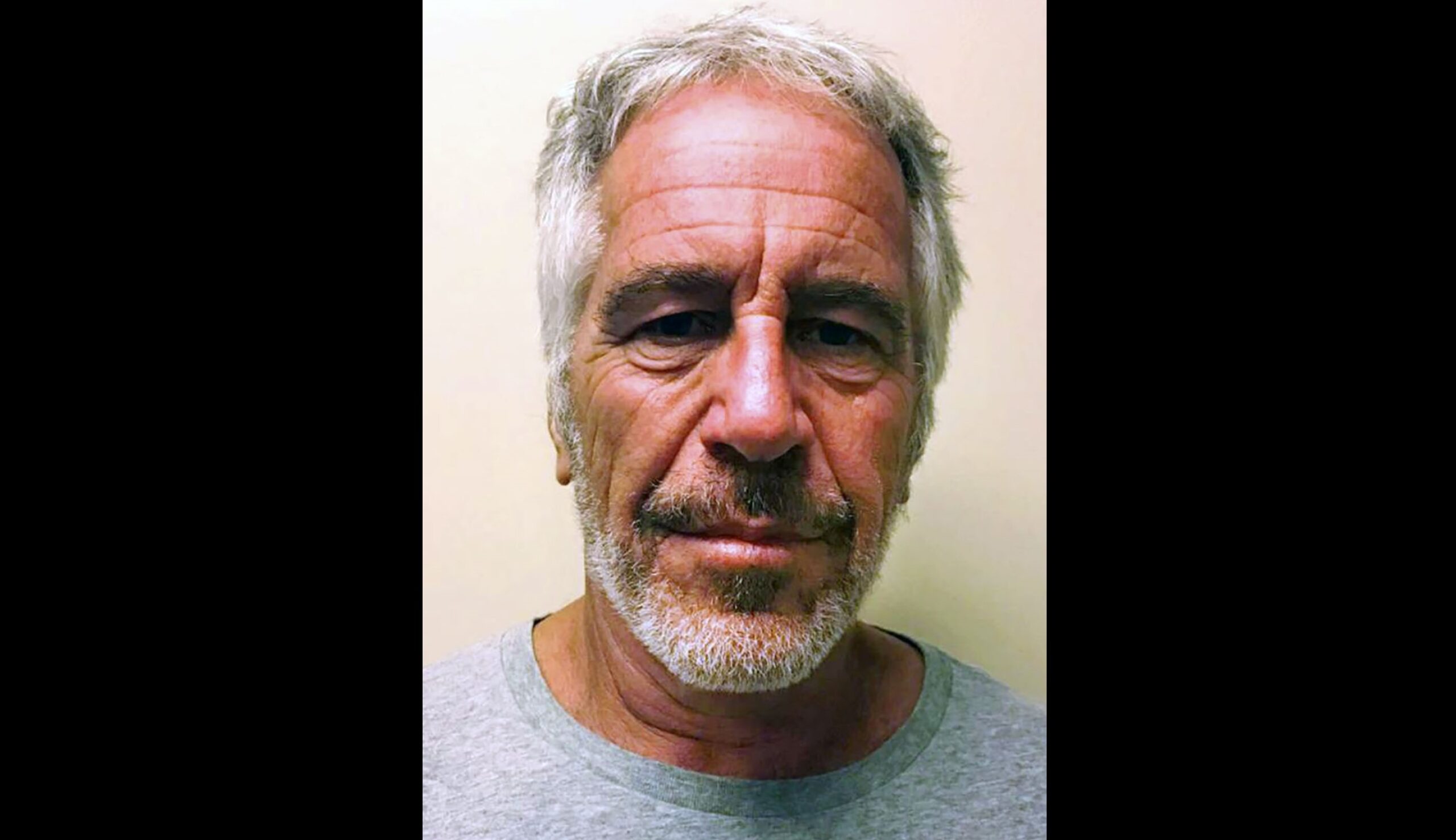
Newly uncovered emails reveal that convicted sex offender Jeffrey Epstein and prominent lawyer Alan Dershowitz collaborated to discredit political scientists John Mearsheimer and Stephen Walt following their controversial 2006 paper on the influence of the Israeli Lobby in the US. The emails, reported by Drop Site News, show Epstein praising Dershowitz’s rebuttal titled “Debunking the Newest – and Oldest – Jewish Conspiracy” and promising to circulate it among his contacts. Epstein, who was later convicted of sexual offenses, described Dershowitz’s attack on the academics as “terrific.” Dershowitz, a Harvard law professor and frequent media commentator, has long defended Israeli policies, including illegal settlements and actions in the occupied West Bank and Gaza. At the time of their collaboration, Dershowitz was also representing Epstein in a legal case that resulted in Epstein’s 2008 guilty plea for a sexual offense. Mearsheimer and Walt’s work, which later became the book *The Israeli Lobby and US Foreign Policy*, faced intense backlash from pro-Israel groups and was criticized by prominent figures like Strobe Talbott of the Brookings Institution. The authors argued that powerful supporters of Israel, including think tanks and philanthropic organizations, exerted undue influence on US foreign policy. Despite their academic credentials, Mearsheimer and Walt faced significant pushback, including the cancellation of a scheduled talk by the Chicago Council on Global Affairs. Mearsheimer, a leading realist theorist, has gained recent recognition for his accurate prediction of Russia’s invasion of Ukraine, though his views on NATO’s role in the conflict have sparked controversy in Washington.
分类: politics
-
Senior US official confirms plan to build housing compounds in Israeli occupied Gaza
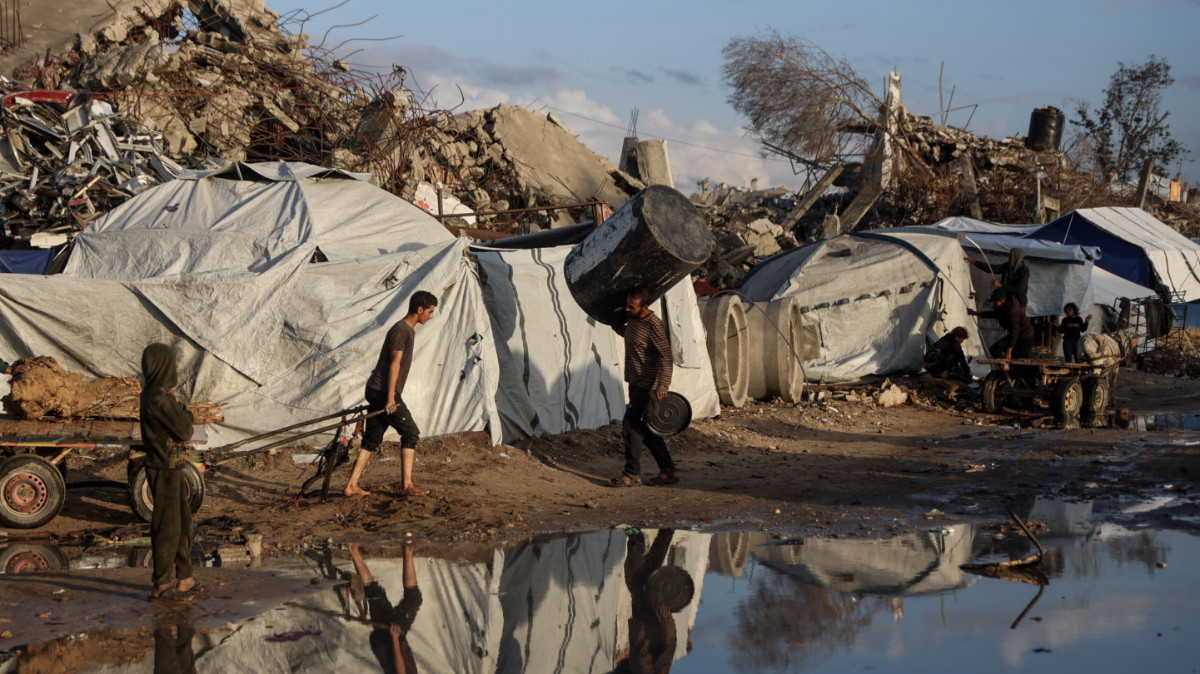
The Trump administration has confirmed its involvement in a controversial initiative to construct housing for thousands of ‘screened’ Palestinians in Israeli-occupied Gaza, according to a report by The New York Times. The project, named ‘Alternative Safe Communities,’ is spearheaded by a team of US officials and former Department of Government Efficiency (Doge) workers, operating from luxury hotels in Tel Aviv. Aryeh Lightstone, a senior Trump administration official and former advisor to US Ambassador to Israel David Friedman, is leading the effort, reporting directly to Jared Kushner, Trump’s son-in-law and advisor. The plan, which aims to relocate Palestinians to Israeli-controlled areas, has drawn criticism from Arab officials and raises questions about funding and land ownership. The initiative, still in its early stages, involves clearing rubble in Rafah, near Gaza’s border with Egypt, and constructing prefabricated homes, with costs estimated in the tens of millions of dollars. However, no US sovereign funds have been pledged, with Trump suggesting Gulf states should finance the project. The plan also faces legal and ethical challenges, particularly regarding Palestinian land rights and the broader implications of relocating populations in a conflict zone.
-

Guinea-Bissau military claims they have seized control of the country
In a dramatic turn of events, Guinea-Bissau’s armed forces declared on Wednesday, November 26, 2025, that they had taken full control of the nation. The announcement, broadcasted on national television, marked a significant escalation in the country’s political crisis. The military, operating under the banner of the ‘High Military Command for the Restoration of National Security and Public Order,’ justified their actions as a necessary response to alleged attempts by certain politicians to destabilize the country. Army spokesperson Dinis N’Tchama stated that the ongoing electoral process had been immediately suspended, and a series of emergency measures were imposed. These measures included the closure of public institutions, suspension of media activities, and the sealing of all land, sea, and air borders. Additionally, a mandatory curfew was enforced from 7:00 p.m. to 6:00 a.m. local time. Reports from local media indicated that heavy gunfire was heard near the presidential palace in Bissau, the capital, around 1:00 p.m. local time. Residents fled the area as military personnel took control of the main road leading to the palace. Military sources revealed that several high-ranking government officials, including Interior Minister Botche Cande, Chief of the General Staff Biague Na Ntan, and Deputy Chief of Staff Mamadou Toure, were detained during the operation. By the time of reporting, Bissau had returned to apparent calm, with a significant decrease in pedestrian and vehicular traffic as the curfew approached. However, a large number of troops remained deployed at strategic locations across the city. The Chinese Embassy in Guinea-Bissau issued an emergency consular alert, urging Chinese citizens to enhance safety precautions, stay informed about local security updates, and avoid unnecessary travel. The embassy also advised citizens to report emergencies to the police and seek assistance from the embassy if needed. The political upheaval occurred just days after Guinea-Bissau launched its presidential and legislative elections, with over 960,000 registered voters set to choose a new head of state and 102 members of the National People’s Assembly.
-
Protesters arrested outside High Court as Palestine Action fights UK terror ban
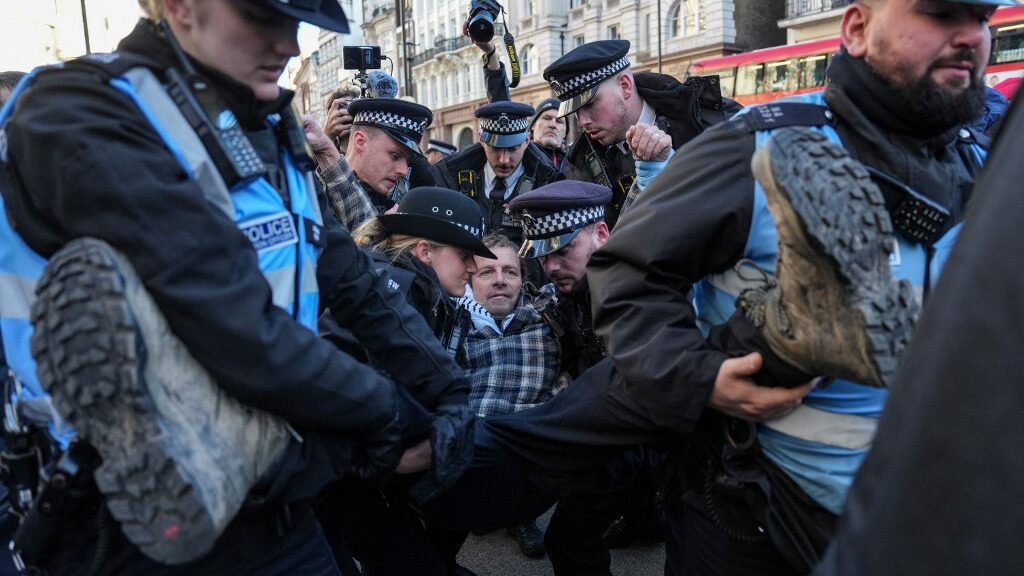
In a dramatic turn of events, London police arrested protesters outside the High Court on Wednesday as they demonstrated against the UK government’s decision to designate Palestine Action as a terrorist organization. The protest, marked by placards reading ‘I oppose genocide, I support Palestine Action,’ saw dozens gather behind the Royal Courts of Justice in Central London. The demonstration coincided with the commencement of a judicial review into the government’s controversial ban on the direct-action group. Among those detained was a pensioner affiliated with Defend Our Juries, who struggled to walk to a police van after being apprehended. Other protesters resorted to passive resistance, forcing officers to physically carry them away. Inside the court, lawyers representing Huda Ammori, co-founder of Palestine Action, argued that the ban had a chilling effect, citing numerous arrests across the UK in opposition to the proscription. Raza Husain KC, representing Ammori, emphasized that Palestine Action’s tactics of civil disobedience aimed to prevent serious violations of international law by targeting premises linked to Israeli and British arms companies. Husain also noted that the government’s own security assessments found no evidence of the group advocating violence against individuals. The Home Office, represented by James Eadie KC, defended the ban as a necessary measure to disrupt the group’s activities, which include damaging property to hinder the supply chain of weapons to Israel. The trial is set to continue on Thursday, with Defend Our Juries vowing to persist in their opposition to the ban.
-

Australian environment laws set for biggest overhaul in decades
Australia is poised to implement sweeping reforms to its outdated environmental legislation, marking a significant shift in the nation’s approach to nature conservation. The Labor government, after prolonged negotiations, secured a last-minute agreement with the minority Greens party to pass the legislation, following stalled talks with the opposition. The reforms introduce enhanced protections for native forests, stricter land-clearing regulations, and a curb on the expedited approval of coal and gas projects. Critics, however, argue that the measures fall short of addressing climate change comprehensively. Prime Minister Anthony Albanese hailed the reforms as a victory for both the environment and the economy, emphasizing their potential to accelerate projects in housing, renewable energy, and critical minerals. The legislation, expected to pass the Senate on Thursday, will establish Australia’s first independent national environment protection agency and set national standards for safeguarding endangered wildlife. Greens leader Senator Larissa Waters acknowledged significant gains but criticized the absence of a ‘climate trigger’ to halt fossil fuel projects based on emissions. Instead, projects must disclose their carbon emissions and outline plans to achieve net-zero emissions by 2050. Environmental advocates, including Climate Council head Amanda McKenzie, welcomed the reforms but highlighted the continued approval of coal and gas projects as a critical oversight. The reforms come five years after an independent review deemed the existing laws inadequate, underscoring the urgency of protecting Australia’s environment for future generations.
-

US: ICE detains mother of press secretary Karoline Leavitt’s nephew
Immigration and Customs Enforcement (ICE) has detained Bruna Ferreira, the mother of White House press secretary Karoline Leavitt’s nephew, according to multiple media reports. The 33-year-old Brazilian national was taken into custody in Revere, Massachusetts, earlier this month and is currently held at an ICE facility in Louisiana. The exact date of her detention remains unclear, though initial reports suggest it occurred in early November. Ferreira was initially transferred to a women’s prison in Vermont before being moved to South Louisiana. She is now facing removal proceedings due to allegations that her family overstayed a tourist visa that expired in 1999, as confirmed by Department of Homeland Security spokeswoman Tricia McLaughlin. Ferreira, who arrived in the U.S. as a child in 1998, has an 11-year-old son with Michael Leavitt, Karoline’s brother. The couple was engaged in 2014 but later separated, and they currently share custody of the child. Ferreira’s sister, Graziela Dos Santos Rodrigues, revealed that Ferreira was detained while en route to pick up her son from school in New Hampshire. Ferreira had previously benefited from the Deferred Action for Childhood Arrivals (DACA) program, which provides temporary protection from deportation and work authorization, but was unable to renew her legal status. Her attorneys are reportedly seeking permanent residence for her. Karoline Leavitt, a prominent advocate of the Trump administration’s stringent immigration policies, has not publicly commented on the matter. Dos Santos Rodrigues expressed disappointment, stating that Leavitt has not reached out to offer assistance, despite their familial ties. She also criticized suggestions from Michael Leavitt and his father that Ferreira should self-deport, emphasizing that Brazil is not her home. The Department of Homeland Security has yet to respond to requests for comment.
-
Stone-hurling anger unnerves Zambia’s ‘fix-it’ president
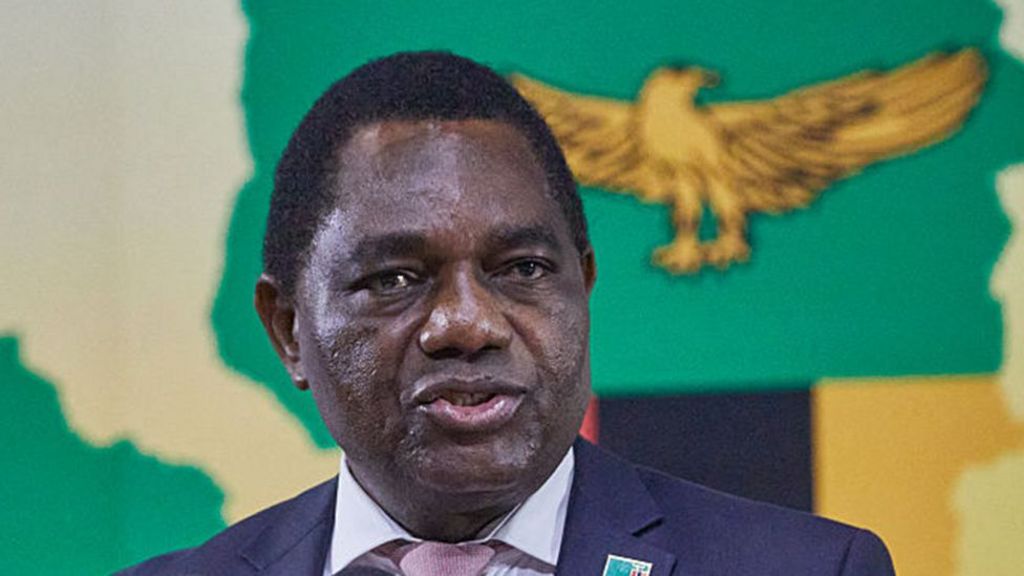
Zambian President Hakainde Hichilema is navigating a turbulent political landscape as he approaches the 2026 elections, facing both public discontent and criticism from opposition leaders. Recent incidents, including an attack by stone-throwers during a rally in the Copperbelt province, have highlighted the growing frustration among Zambians. Despite his administration’s efforts to stabilize the economy and address the nation’s debt crisis, many citizens feel disconnected from his leadership. Hichilema, in his first press conference in 18 months, defended his record, emphasizing achievements in debt renegotiation, inflation reduction, and attracting foreign investment. However, challenges such as persistent power shortages, high living costs, and unemployment continue to overshadow these successes. Critics, including opposition candidate Simon Mwila and academic Sishuwa Sishuwa, accuse Hichilema of abandoning his democratic principles and adopting oppressive measures, such as the controversial Cybersecurity Law. Hichilema has also faced backlash for supporting a constitutional review process that critics argue contradicts his previous stance. As the election looms, the president has called for patience, asserting that long-term investments and development programs require time to yield results. However, the recent unrest suggests that public patience may be wearing thin.
-

Georgia’s pro-EU protesters defiant year after accession process was halted
For over a year, Georgia has been gripped by nightly protests as citizens rally against the government’s perceived shift away from European integration and democratic values. The demonstrations, which began in November 2024 after Prime Minister Irakli Kobakhidze announced a four-year pause in EU accession efforts, have evolved into a protracted battle between protesters and authorities. Despite violent police crackdowns, heavy fines, and new laws imposing severe penalties for blocking roads, the movement persists, driven by a deep-seated fear of returning to Russia’s sphere of influence. Protesters like Giorgi Arabuli, who lived through the tumultuous 1990s, see the struggle as a fight for Georgia’s future. The government, led by the Georgian Dream party, has faced accusations of authoritarianism, with critics pointing to legislation mirroring Russian laws, the imprisonment of opposition figures, and restrictive measures targeting civil society and media. The EU’s recent assessment of Georgia as a candidate ‘in name only’ has further fueled discontent. Amidst this turmoil, Georgia’s democratic decline has intensified, with sweeping education reforms and increasing hostility toward Western critics. The protests, though smaller, continue to symbolize a resilient hope for a European future.
-
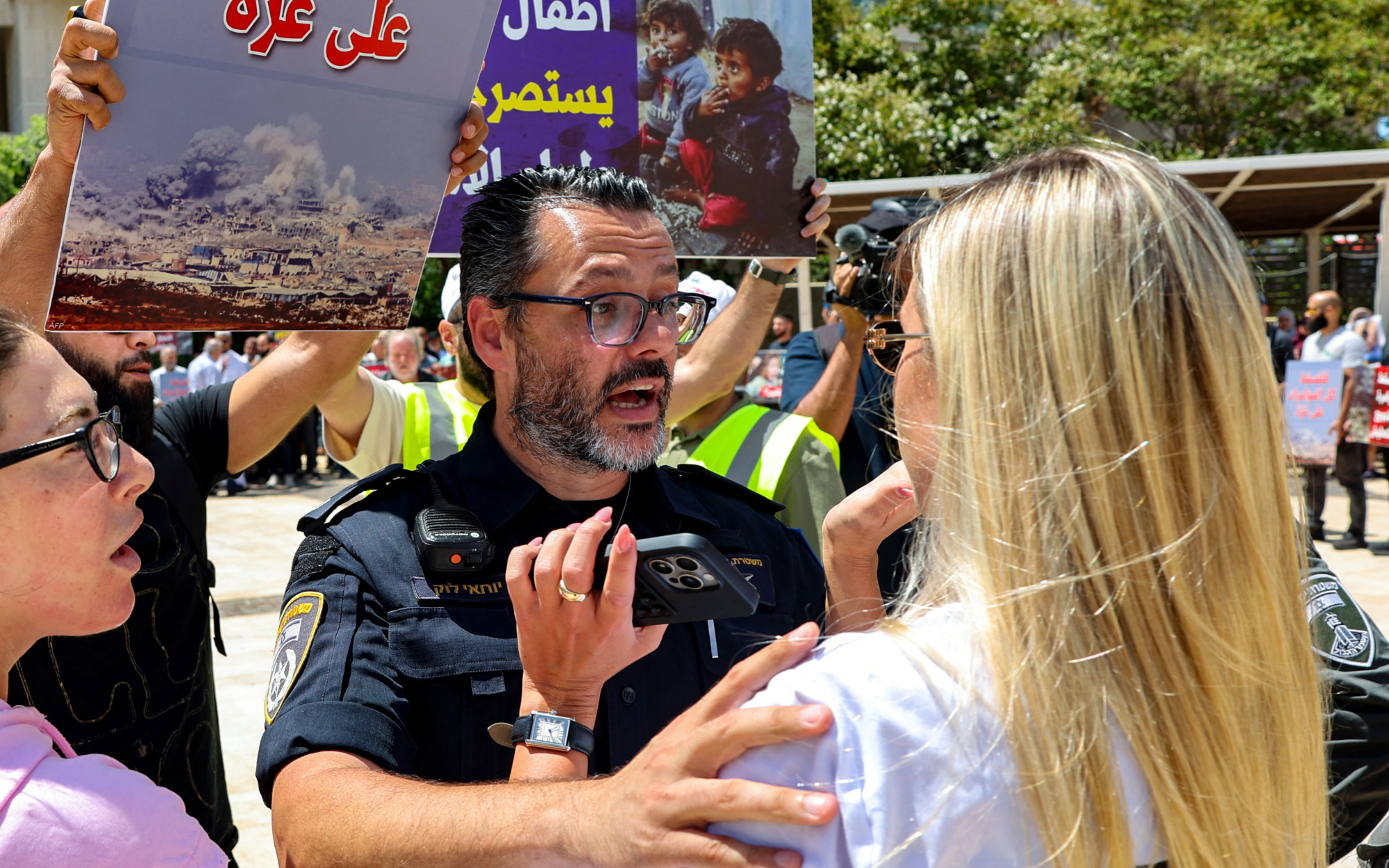
Israel passed 30 laws ‘deepening apartheid’ since 7 October, legal centre says
Since October 2023, Israel has enacted over 30 laws that deepen systemic apartheid and repression against Palestinians, according to a new report by the legal center Adalah. These laws, passed between October 7, 2023, and July 27, 2025, target a wide range of political and civil rights, including freedom of expression, protest, citizenship, family life, equality, and the rights of detainees and prisoners. Adalah asserts that these measures fundamentally violate Palestinian human rights. The report highlights several legislative trends, including the expanded use of counterterrorism laws, which are disproportionately applied to Palestinian citizens of Israel and residents of occupied East Jerusalem. The vague definitions of ‘terrorist act’ and ‘terror organisation’ in the 2016 Counter-Terrorism Law have become tools to suppress Palestinian freedom of expression. Another trend involves channeling state resources to Jewish Israeli reservists, explicitly excluding Palestinian citizens from benefits such as tax relief, welfare, higher education, and employment support. The report also notes the institutionalization of temporary emergency measures, which have been repeatedly renewed or made permanent, enabling widespread violations of detainees’ rights and punitive conditions for Palestinian prisoners. Adalah links these laws to Israel’s constitutional framework, which prioritizes ‘Jewish ethno-national supremacy,’ as reflected in the 2018 ‘Nation State’ Basic Law. The government’s guiding principles, adopted in December 2022, assert exclusive Jewish rights over all areas between the Mediterranean Sea and the Jordan River. The report examines five key themes: denial of freedom of expression, thought, criticism, and protest; denial of citizenship, family life, and community ties; systematic denial of fair trial guarantees and assaults on prisoners’ rights; denial of social rights and deepening inequalities in resource allocation; and the termination of UNRWA operations in occupied Palestine. Laws criminalize the consumption of media produced by designated ‘terrorist organizations,’ ban statements denying the events of October 7, 2023, and allow the education ministry to dismiss teachers and defund schools for alleged support of terrorism. Foreign nationals can be barred from entering Israel for critical speech or appeals to international courts, and critical media broadcasts may be restricted on claims of ‘harm to state security.’ Palestinian lawyer Amal Orabi argues that these laws aim to ‘silence and suppress’ Palestinian citizens of Israel, preventing them from participating in global discourse or exposing violations. Adalah has documented a total of 100 discriminatory laws, which criminalize political expression, authorize deportations of Palestinian families, block family unification, permit the dismissal of Palestinian teachers, revoke social welfare benefits for families of children convicted of ‘security offences,’ expand detention powers, restrict access to legal counsel, and close independent media outlets. Miriam Azem, Adalah’s international advocacy coordinator, states that these laws ‘overwhelmingly and systematically’ target Palestinians, using counterterrorism and security frameworks as a proxy. She notes that the legislative campaign against Palestinians shows no signs of slowing, with multiple bills advanced in the current parliamentary session, including the death penalty bill and the extension of the offence of consuming ‘terrorist publications.’
-
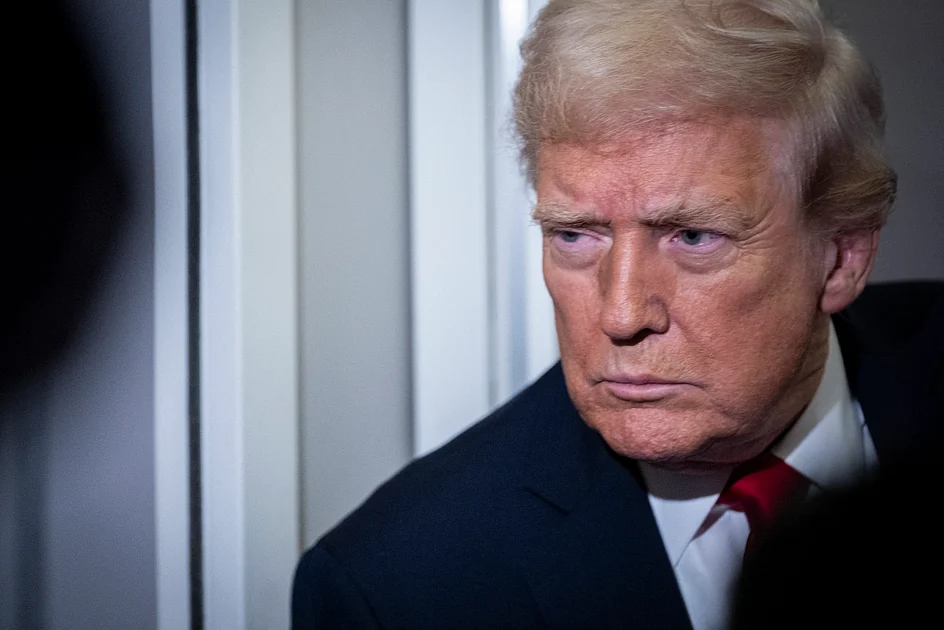
Trump rages at report that he is increasingly frail
US President Donald Trump has vehemently criticized a New York Times article that highlighted his age and apparent signs of fatigue, labeling the publication as an ‘enemy of the people’ and personally attacking the female author of the report. In a lengthy post on his Truth Social platform, the 79-year-old Republican leader dismissed the claims, asserting that he is in peak physical and cognitive condition. Trump emphasized his recent ‘perfect physical exam’ and a cognitive test he claims to have ‘aced,’ while also listing his accomplishments, including last year’s election victory and a robust US stock market. Despite his vigorous defense, the Times report noted a reduction in Trump’s public events and domestic travel compared to his first term, alongside instances where he appeared to fall asleep during official duties. The article also raised questions about his health, citing an October MRI scan and visible physical ailments. Trump’s aggressive response included derogatory remarks about the reporter, continuing a pattern of personal attacks on journalists. The Times stood by its reporting, stating that its coverage is based on factual, firsthand reporting and will not be deterred by intimidation tactics.