分类: politics

  • UAE: Experts explain how Abraham Accords reshape geopolitics in China, Iran

    UAE: Experts explain how Abraham Accords reshape geopolitics in China, Iran

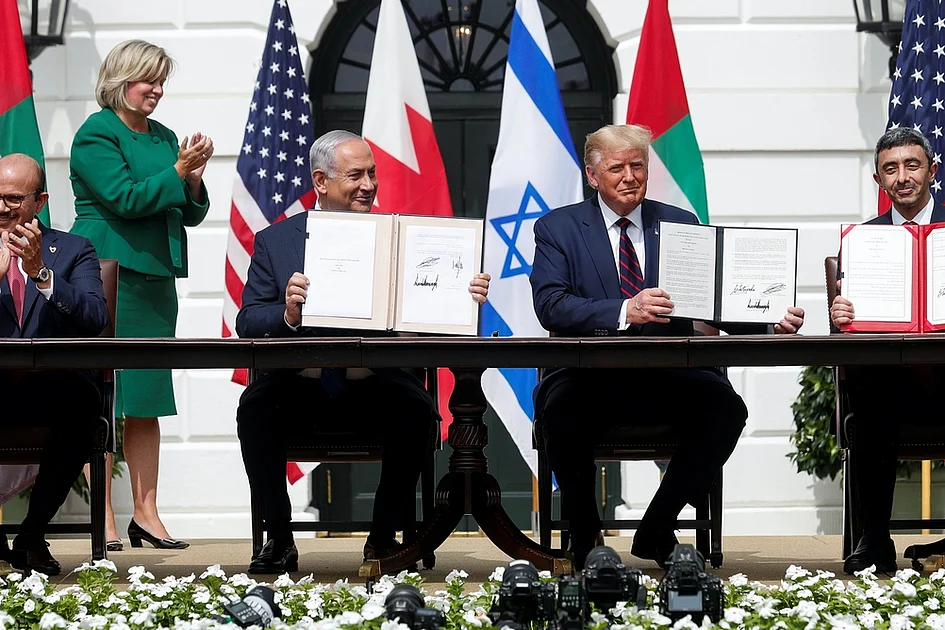
    The geopolitical ramifications of the Abraham Accords are extending far beyond Middle Eastern diplomacy, fundamentally altering global power dynamics and infrastructure competition between the United States and China, according to experts speaking at a recent policy conference in Abu Dhabi.

    Analysts at the Abraham Accords Conference revealed how the normalization agreements between Israel and Arab states have created ripple effects across Asia, prompting strategic recalculations in both Tehran and Beijing. The accords, initially focused on Middle Eastern reconciliation, are now influencing how China positions itself in Asia and how the United States structures its global infrastructure initiatives.

    Chelsi Mueller, researcher at the Moshe Dayan Center, presented compelling evidence linking the Abraham Accords to China’s 25-year Comprehensive Strategic Partnership Agreement with Iran, signed in 2021. Mueller argued the timing was not coincidental but represented a strategic countermeasure to the region’s rapid realignment following UAE-Israel normalization. ‘Beijing perceived regional normalization as component of broader US repositioning,’ Mueller stated, adding that ‘It came in the context of US moves in the Pacific.’

    The conference highlighted how the accords have become embedded in the architecture of global infrastructure competition, particularly through the India-Middle East-Europe Economic Corridor (IMEC). Experts emphasized that IMEC couldn’t have materialized without the regional cooperation framework enabled by the UAE-Israel normalization. ‘The Abraham Accords provide the foundational architecture for IMEC,’ Mueller asserted.

    Michalis Kontos, Associate Professor at the University of Nicosia, underscored the geopolitical significance of this alignment, characterizing IMEC as Washington’s strategic counterweight to China’s Belt and Road Initiative. ‘The US is treating IMEC as its answer to China’s Belt and Road,’ Kontos noted, linking the project directly to transport, energy, and data-sharing corridors made possible by the Accords.

    The panel concluded that China and Iran’s coordinated response, combined with US-backed infrastructure corridors depending on Accords-enabled routes, positions the Abraham Accords as a critical inflection point not only for Middle Eastern politics but for global power competition. As long as IMEC remains integral to Washington’s Indo-Pacific strategy and China-Iran agreements continue to calibrate in response to regional normalization, the Abraham Accords will maintain far-reaching implications extending well beyond diplomatic relations.

  • UK government welcomes sharp fall in net migration but says more needs to be done

    UK government welcomes sharp fall in net migration but says more needs to be done

    LONDON — The United Kingdom has witnessed a dramatic 69% reduction in net migration, reaching a four-year low of 204,000 for the year ending June 2025, according to official data from the Office for National Statistics. This represents a substantial decline from the previous year’s figure of 649,000, marking the most significant drop in recent history.

    The precipitous decrease stems from multiple factors: reduced arrivals of non-EU migrants for work and education purposes, increased emigration numbers, and the cumulative impact of restrictive immigration policies implemented by both Conservative and Labour administrations. The current Labour government, which assumed power in July 2024, has continued and intensified these measures as part of its broader immigration strategy.

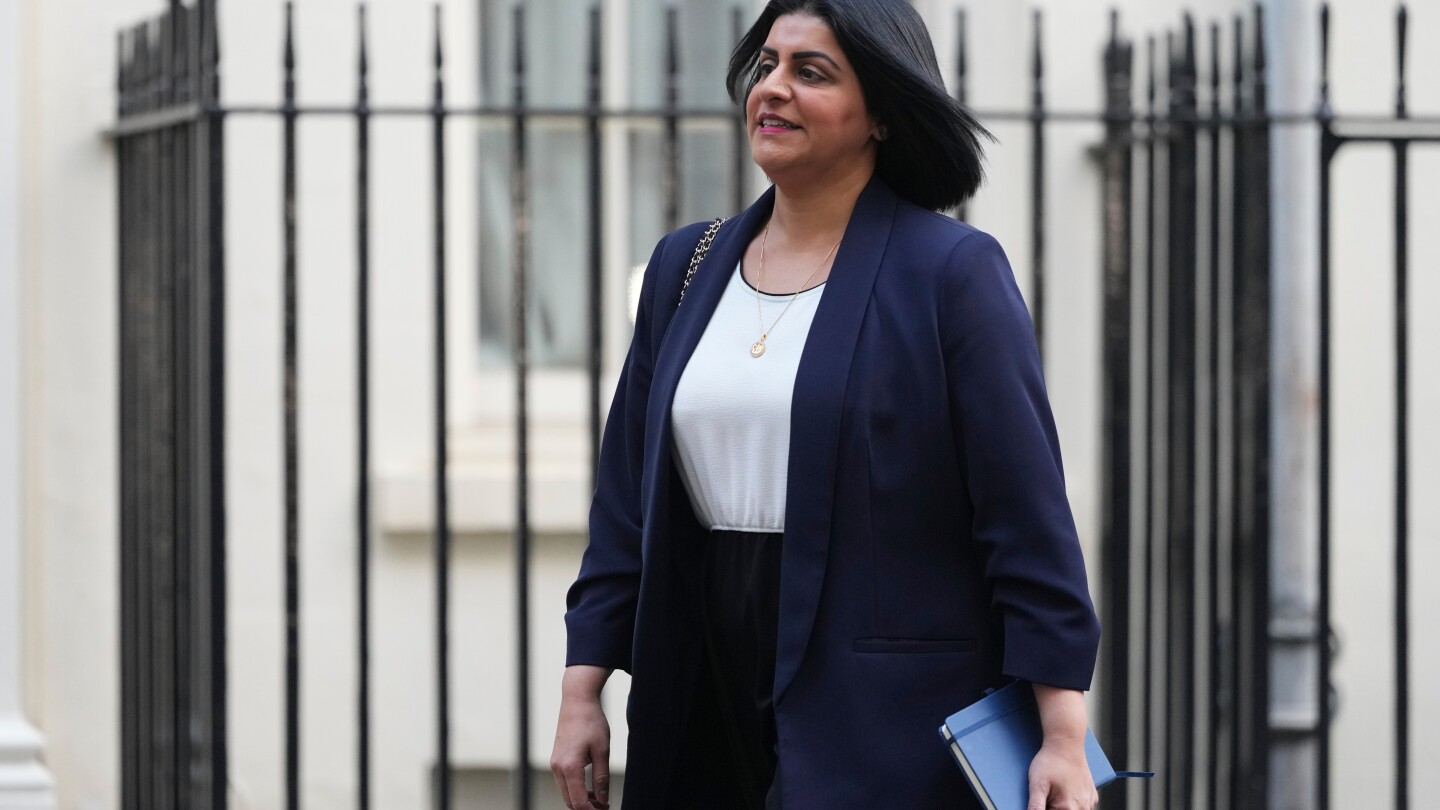
    Home Secretary Shabana Mahmood acknowledged the progress while emphasizing the need for further reductions. “The pace and scale of migration has placed immense pressure on local communities,” Mahmood stated, indicating additional policy measures would be forthcoming.

    The government’s recent initiatives include sweeping asylum system reforms, termination of overseas recruitment for care workers, and an increased salary threshold for skilled worker visas to £41,700 ($55,000). These measures aim to address both legal migration patterns and the politically sensitive issue of unauthorized Channel crossings, which have remained at approximately 40,000 this year.

    Despite the overall decline, separate Home Office figures revealed a 13% increase in asylum seekers housed in hotels, reaching 36,273 between June and September. This practice has sparked public protests and contributed to the growing influence of the hard-right Reform UK Party. Prime Minister Keir Starmer has committed to ending hotel accommodations for asylum seekers by 2029.

    Policy experts caution that while further migration reductions are expected, the government must balance immigration control with economic growth objectives and public service requirements. Marley Morris of the Institute for Public Policy Research noted that managing these competing priorities would present ongoing challenges for the administration.

  • Kuwait citizenship crackdown leaves widows stateless and critics in exile

    Kuwait citizenship crackdown leaves widows stateless and critics in exile

    Kuwait has systematically revoked the citizenship of approximately 50,000 to 200,000 individuals since September 2024, marking one of the most significant denaturalization campaigns in modern Middle Eastern history. The government ceased regular reporting of figures in September 2025, leaving human rights organizations to estimate the true scale of what campaigners describe as a politically motivated purge.

    This unprecedented action represents a dramatic departure from Kuwait’s historical reputation as a relative haven of democracy within the Gulf region. Unlike its neighbors, Kuwait maintained a parliamentary system since 1963 and occasionally served as a mediator in regional diplomatic crises. Historically, the nation offered sanctuary to dissidents fleeing more authoritarian regimes, earning recognition as a refuge for the oppressed throughout the 1970s.

    The campaign intensified following Sheikh Mishal Al Ahmad Al Jaber Al Sabah’s ascent to power in 2023. Under his leadership, Kuwait suspended its parliament in May 2024 and nullified key constitutional articles pertaining to citizenship. These measures have been weaponized to target not only prominent activists and politicians but also ordinary citizens, particularly women who obtained citizenship through marriage.

    Legislation enacted in December 2024 authorized citizenship revocation for reasons including ‘moral turpitude or dishonesty, or actions threatening state security’ – broadly interpreted to encompass criticism of the emir or religious figures. On March 6 alone, authorities stripped 464 citizens of nationality, accusing 12 of illegally holding dual citizenship and 451 of ‘forgery and fraud.’

    Women constitute approximately two-thirds of those affected, primarily divorcees and widows who relinquished previous citizenships to become Kuwaiti nationals. Rendered stateless, these individuals now face exclusion from essential services including education, healthcare, state employment, and property ownership.

    Case studies documented by rights organization Salam reveal harrowing personal consequences. Iman, naturalized through marriage in 2006, found herself denationalized in December 2024 despite being born in Kuwait. After publicly advocating for her rights, she faced charges of ‘insulting the state,’ endured invasive strip searches described as near-sexual harassment, and was ultimately deported to Egypt—separated from her children remaining in Kuwait.

    Another woman, Layla, previously held Saudi citizenship before naturalizing as Kuwaiti in 2004. Following denaturalization, Kuwaiti authorities instructed her to reclaim Saudi nationality despite having no remaining ties to Saudi Arabia—a request Saudi officials refused, stating Kuwait must ‘deal with the consequences.’

    Government rhetoric has frequently characterized affected women as ‘gold diggers’ and frauds, employing xenophobic and misogynistic narratives to justify the campaign. Research director Andrew McIntosh of Salam notes that victims have lost nationality for ‘slights, frauds, economic improprieties, political nature, or bureaucratic error.’

    Exiled activist Mohammed al-Mail, whose citizenship was revoked on October 19, describes the campaign as a ‘purely political’ maneuver to consolidate power and suppress dissent. Having received UK asylum in 2017, al-Mail contends the emir has forfeited legitimacy by undermining constitutional principles.

    Economic factors appear equally significant in motivating the denaturalization drive. As global transition from fossil fuels pressures Gulf petro-states, Kuwait seeks to maintain welfare provisions and public sector viability by reducing its citizen population. McIntosh characterizes this as a method of ‘defining distinct Kuwaitness’ to preserve economic resources.

    Notably, the international community has remained largely silent despite violations of international statutes prohibiting arbitrary denationalization. Tiana Danielle Xavier of the Institute on Statelessness and Inclusion emphasizes that Kuwait currently provides no judicial recourse for reviewing citizenship revocation decisions, contravening established principles of due process and non-discrimination.

    Al-Mail confirms seeking intervention from UK authorities, promising ‘serious, escalating steps to hold Kuwaiti authorities accountable.’ The UK Foreign Office acknowledges monitoring implications for Kuwaitis of British origin but declines commentary on individual cases.

    This systematic erosion of citizenship rights transforms Kuwait’s democratic legacy into an authoritarian reality, creating a stateless underclass without legal protection or international advocacy.

  • Putin doubles down on demands for Ukrainian territory ahead of talks with US in Moscow

    Putin doubles down on demands for Ukrainian territory ahead of talks with US in Moscow

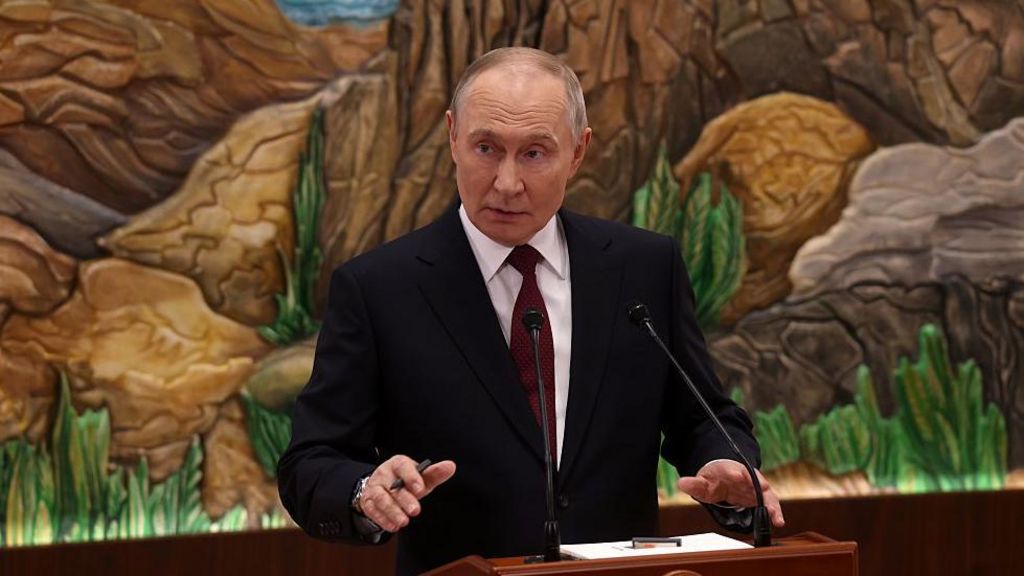
    Russian President Vladimir Putin has reiterated his non-negotiable conditions for ending the Ukraine conflict, declaring that Moscow will only cease hostilities if Ukrainian forces completely withdraw from territories currently claimed by Russia. During his diplomatic visit to Kyrgyzstan, Putin emphasized Russia’s perceived battlefield advantage, stating that military force would ultimately achieve this objective if diplomatic efforts fail.

    The contested regions include Crimea, illegally annexed in 2014, and the predominantly occupied Donbas territories comprising Luhansk and Donetsk. Putin’s statements come amid intensified diplomatic movements, including the anticipated arrival of U.S. special envoy Steve Witkoff in Moscow next week. President Donald Trump revealed that his son-in-law Jared Kushner might accompany the delegation, while U.S. Army Secretary Dan Driscoll is scheduled to visit Kyiv simultaneously.

    Putin acknowledged reviewing a revised American-drafted peace proposal from October, which he suggested could serve as a foundational document for future agreements. However, he stressed the necessity of refining “certain specific points that require diplomatic formulation,” particularly regarding the status of occupied territories. When questioned about potential de facto versus legal recognition of Russian control over Crimea and Donbas, Putin identified this as the central focus of discussions with American counterparts.

    The Russian leader reiterated his dismissal of Ukraine’s political legitimacy, claiming there was “no use” negotiating with what he considers an illegitimate government. This contradicts the Ukrainian parliament’s unanimous affirmation of President Zelensky’s legitimacy despite martial law preventing scheduled elections.

    European leaders expressed skepticism toward Putin’s intentions, with European Commission President Ursula von der Leyen accusing Russia of maintaining a post-World War Two mentality regarding European spheres of influence. Putin dismissed warnings about potential Russian attacks on Europe as “laughable,” while the White House maintained optimism about recent diplomatic progress despite acknowledged remaining disagreements.

  • Ramaphosa dismisses US move to exclude S. Africa from G20 Summit in Miami

    Ramaphosa dismisses US move to exclude S. Africa from G20 Summit in Miami

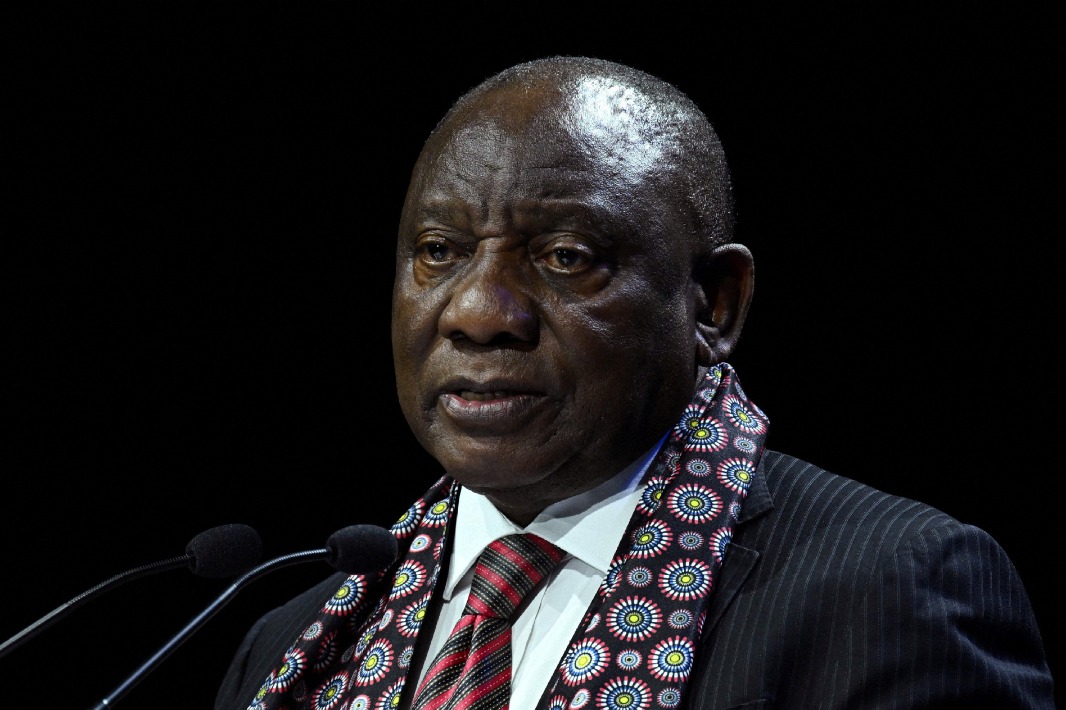
    South African President Cyril Ramaphosa has strongly criticized the United States’ decision to exclude South Africa from the 2026 G20 Summit in Miami, labeling the move as ‘regrettable’ and based on ‘misinformation and distortions.’ In a statement issued on Thursday, Ramaphosa emphasized that South Africa is a full and active member of the G20, participating in its own right and not by invitation from any single nation. He reiterated that South Africa joined the G20 through the consensus of all member countries and remains dedicated to fostering multilateral cooperation. Ramaphosa expressed disappointment over the persistent punitive measures by US President Donald Trump, despite ongoing efforts to reset diplomatic relations. The diplomatic tension escalated after Trump accused South Africa of failing to address alleged human rights abuses and mishandling the G20 presidency transition—claims firmly denied by Pretoria. Ramaphosa urged G20 members to uphold the forum’s consensus-based principles, warning that unilateral actions could undermine its credibility and inclusiveness.

  • Nigeria’s president declares emergency and beefs up forces following abductions

    Nigeria’s president declares emergency and beefs up forces following abductions

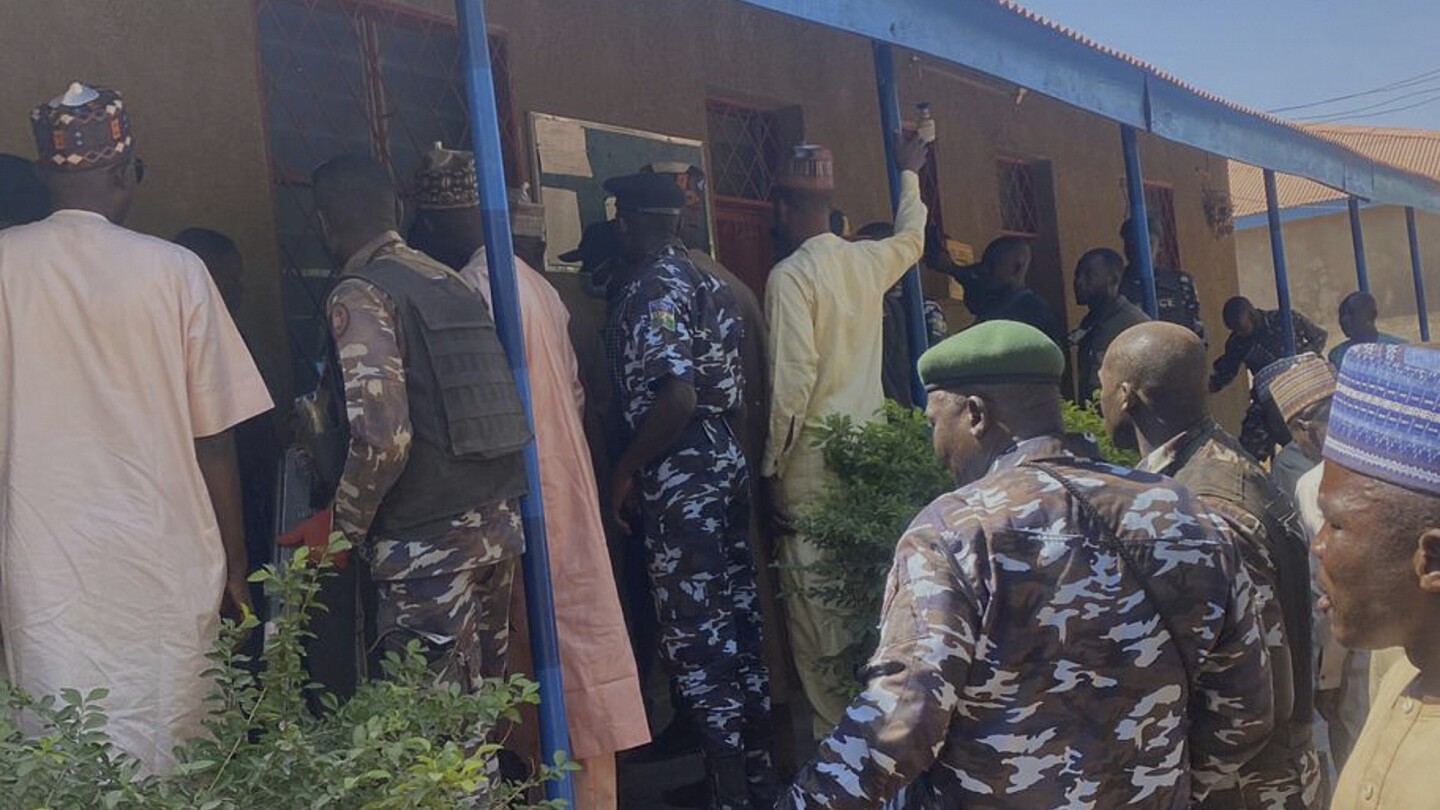
    LAGOS, Nigeria — Nigerian President Bola Tinubu has declared a nationwide state of emergency in response to escalating security crises marked by mass abductions of schoolchildren and intensified attacks against civilians. The presidential declaration, announced Wednesday, activates constitutional powers reserved for national crises.

    The security overhaul includes plans to recruit 20,000 additional police officers, expanding the national force to 50,000 personnel. Tinubu has further authorized intelligence agencies to deploy specialized forest guards to protect vulnerable remote territories from armed militant groups. “My fellow Nigerians, this is a national emergency, and we are responding by deploying more boots on the ground, especially in security-challenged areas,” Tinubu stated.

    The declaration follows two major abduction incidents last week in Kebbi and Niger states, where gunmen seized approximately 325 students. While Kebbi’s 25 abductees have been rescued and reunited with families, search operations continue for the remaining 300 children taken in Niger state.

    International attention has intensified following former U.S. President Donald Trump’s remarks alleging Christian persecution in Nigeria and threatening potential intervention. These developments have highlighted the critical security situation confronting Africa’s most populous nation.

    Security analysts express skepticism about the effectiveness of Tinubu’s approach. Confidence McHarry, senior security analyst at Lagos-based geopolitical consultancy SBM Intelligence, cautioned that merely increasing security personnel fails to address underlying drivers of conflict. “The ruling elites are yet to awaken to the major reality that the issue has gone beyond throwing bodies at the problem,” McHarry told The Associated Press, emphasizing the need to address government accountability, local grievances, and troop welfare.

    Nigeria faces threats from multiple armed factions including religious extremist organizations like Boko Haram and its splinter group Islamic State West Africa Province, alongside criminal syndicates conducting kidnappings for ransom. This represents the first nationwide security emergency since 2013, when Nigeria concentrated emergency measures in the northeast region to counter emerging terrorist threats.

  • Putin sees US peace plan as a starting point as he warns Ukraine’s army to withdraw

    Putin sees US peace plan as a starting point as he warns Ukraine’s army to withdraw

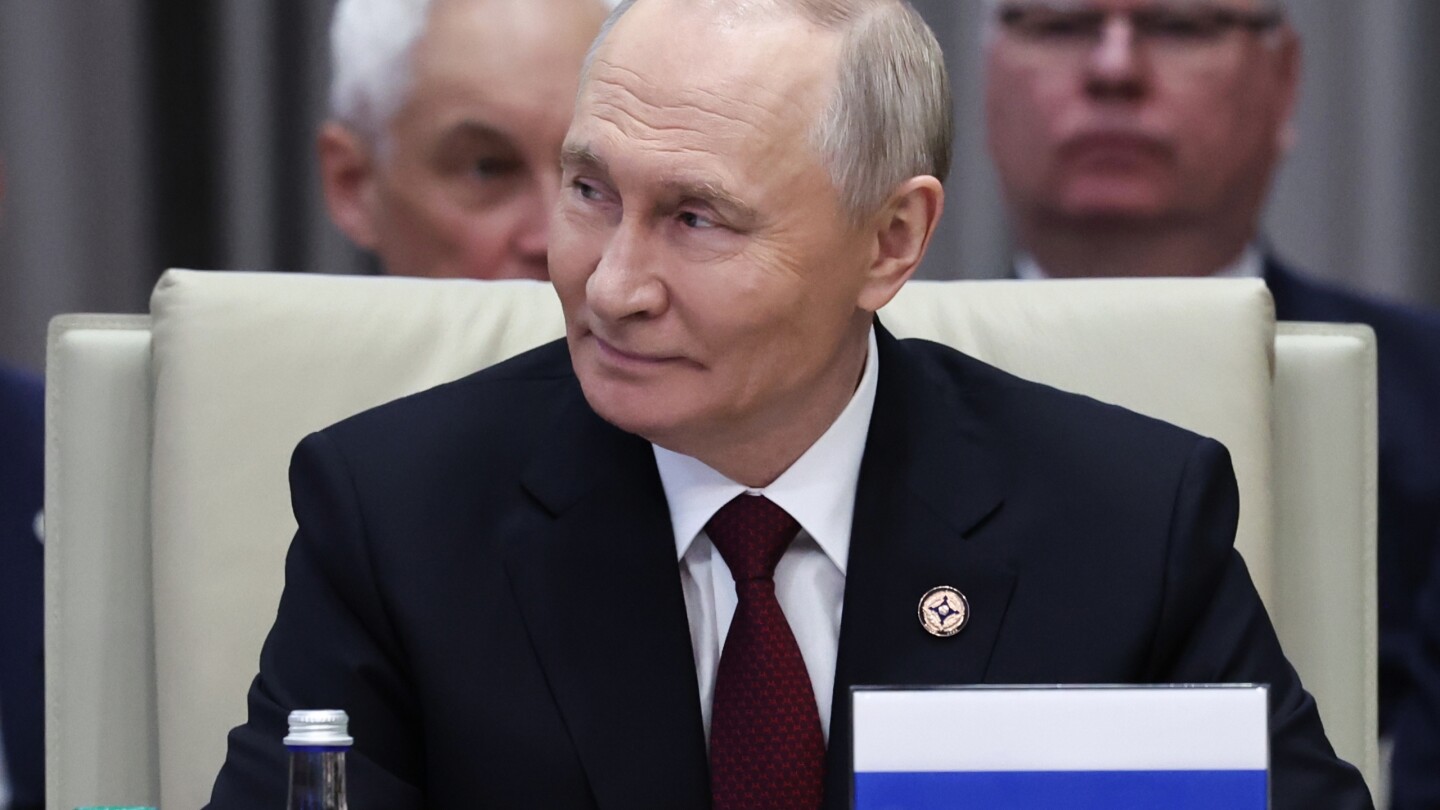
    Russian President Vladimir Putin has characterized recent U.S. proposals to resolve the Ukraine conflict as a potential foundation for negotiations, while simultaneously delivering a stark military ultimatum to Ukrainian forces. Speaking to journalists concluding his Central Asian visit to Kyrgyzstan, the Kremlin leader emphasized the critical nature of precise diplomatic language, stating “Every word matters” when discussing potential pathways to peace.

    The Russian president framed former U.S. President Donald Trump’s peace framework not as a finalized agreement but as “a set of issues put forward for discussion.” However, Putin coupled this diplomatic overture with a severe military warning: “If Ukrainian troops withdraw from the territories they occupy, hostilities will cease. If they don’t withdraw, we will achieve this by force.”

    This development occurs amid heightened diplomatic activity, with U.S. special envoy Steve Witkoff scheduled to visit Moscow and U.S. Army Secretary Dan Driscoll potentially traveling to Kyiv. The initial U.S. proposals, which European officials noted appeared disproportionately favorable to Russian interests, underwent revision during Sunday’s Geneva negotiations between American and Ukrainian delegations.

    European leaders, increasingly concerned about regional security stability amid Russian aggression, are actively seeking greater involvement in peace discussions. Analysts interpret Putin’s strategy as attempting to outlast Western commitment to Ukrainian defense efforts, particularly as the Trump administration has previously indicated willingness to abandon negotiation efforts without visible progress.

    Despite Russian claims of battlefield momentum, independent military analysts from the Institute for the Study of War challenge Moscow’s narrative of inevitable victory. Their assessment indicates Russian forces continue struggling to capture strategic cities in Donetsk Oblast, with recent advances representing opportunistic gains rather than sustained operational success.

    The diplomatic landscape further complicated as Russia ordered the closure of Poland’s consulate in Irkutsk, a retaliatory measure following November’s shutdown of Russia’s diplomatic mission in Gdansk. This diplomatic friction unfolds against continued military violence, with overnight drone exchanges resulting in casualties and infrastructure damage across conflict zones.

    Ukraine faces additional challenges beyond battlefield pressures, with President Zelenskyy’s administration confronting significant corruption allegations and substantial financial shortfalls. While the International Monetary Fund approved an $8.1 billion four-year assistance package, this support covers merely a fraction of Ukraine’s projected $153 billion budgetary and military requirements through 2027.

  • What we know about shooting of National Guards in Washington DC

    What we know about shooting of National Guards in Washington DC

    In a brazen daylight assault, two National Guard members were critically wounded in a targeted shooting just blocks from the White House on Wednesday afternoon. The attack occurred at approximately 2:00 PM EST near Farragut Square at the intersection of 17th and I Streets, a bustling downtown Washington DC area frequented by office workers during lunch hours.

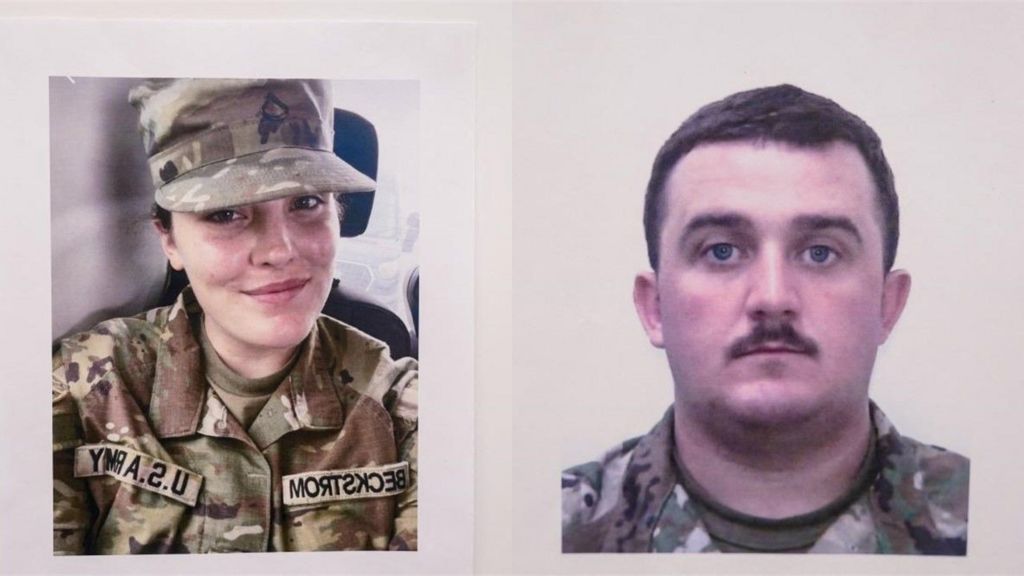
    Metropolitan Police Assistant Chief Jeff Carroll characterized the incident as an ambush, stating the suspect emerged from around a corner and immediately opened fire at close range. The victims, identified as 20-year-old Sarah Beckstrom and 24-year-old Andrew Wolfe from the West Virginia National Guard, sustained multiple gunshot wounds and remain in critical condition following surgery.

    The alleged perpetrator, 29-year-old Afghan national Rahmanullah Lakanwal, was apprehended at the scene after being shot four times during his capture. Law enforcement officials confirmed he is not cooperating with authorities. Investigation reveals Lakanwal entered the United States in September 2021 through Operation Allies Welcome, a program established during the Biden administration following the withdrawal of U.S. forces from Afghanistan.

    According to official statements, Lakanwal had previously worked with U.S. forces and intelligence agencies in Afghanistan. He had been granted asylum earlier this year after applying in 2024. The suspect resided in Washington state with his wife and five children.

    President Donald Trump, who was at his Mar-a-Lago residence in Florida during the incident, condemned the attack as ‘an act of terror’ and ‘a crime against humanity.’ In response, the president announced the deployment of an additional 500 National Guard troops to the capital and suspended processing all immigration requests from Afghans. Trump further called for a comprehensive re-examination of all Afghan immigrants who entered the country during the Biden administration.

    U.S. Attorney Jeanine Pirro announced Lakanwal will face three counts of assault with intent to kill while armed, carrying a potential 15-year sentence, plus firearm charges related to crimes of violence. The current National Guard presence in Washington DC numbers nearly 2,200 troops, who serve in a limited capacity as they lack law enforcement authority.

    Attorney General Pam Bondi highlighted the tragedy of the situation, noting that Beckstrom had volunteered for holiday duty so others could be with their families. Both soldiers now fight for their lives as their families maintain vigil at hospital rooms.

  • Ambassador: Canada to advance China ties ‘at a rapid pace’

    Ambassador: Canada to advance China ties ‘at a rapid pace’

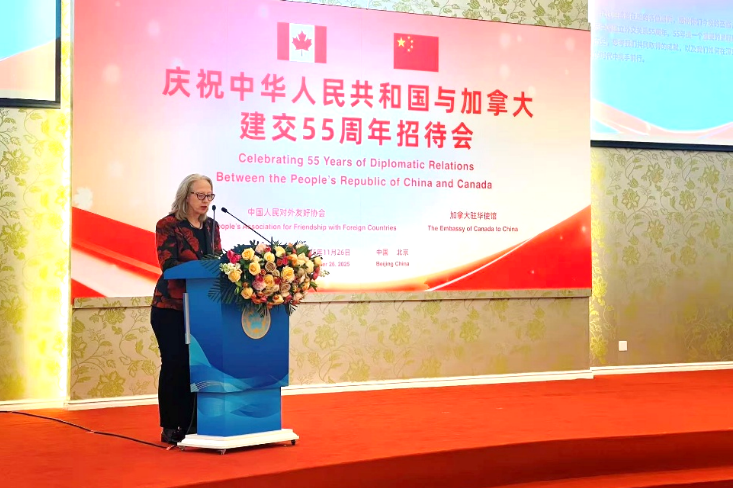
    Canada is poised to enhance its diplomatic and economic ties with China at an accelerated pace, according to Jennifer May, the Canadian Ambassador to China. Speaking at a reception commemorating the 55th anniversary of diplomatic relations between the two nations, May emphasized the commitment to addressing key bilateral issues swiftly. The event, held in Beijing, was jointly organized by the Chinese People’s Association for Friendship with Foreign Countries and the Canadian Embassy. May highlighted a significant turning point in the relationship following the recent China-Canada leaders’ meeting in Gyeongju, South Korea. Additionally, Canadian Prime Minister Mark Carney has accepted an invitation to visit China at a mutually convenient time, a move that May anticipates will further solidify the partnership. Yang Wanming, president of the Chinese People’s Association for Friendship with Foreign Countries, praised the Canadian government’s proactive and constructive approach to fostering bilateral relations, expressing confidence that such efforts will garner public support and withstand historical scrutiny.

  • General named new Guinea-Bissau leader a day after coup

    General named new Guinea-Bissau leader a day after coup

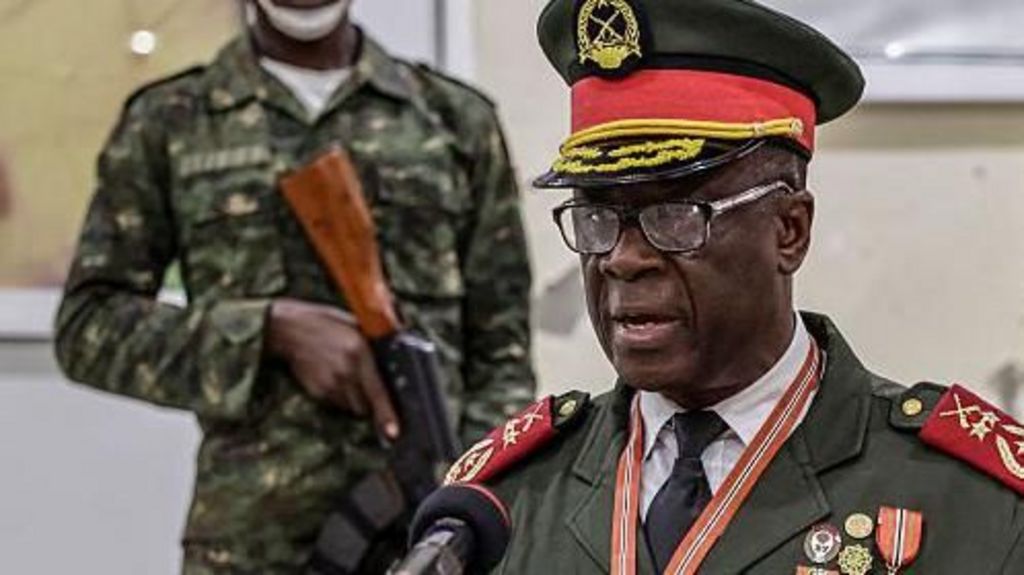
    In a dramatic turn of events, Guinea-Bissau has plunged into political chaos as General Horta N’Tam was sworn in as the transitional head of state on Thursday, following an apparent military coup. The brief and subdued ceremony took place at the army headquarters, marking the beginning of a one-year transitional period. This development comes just a day after the military suspended the electoral process and blocked the release of the presidential election results, which were initially expected on the same day. The election, held on Sunday, saw both incumbent President Umaro Sissoco Embaló and his closest rival, Fernando Dias, claiming victory. Civil society groups have accused Embaló of orchestrating a ‘simulated coup’ with military backing to prevent the election results from being published, should he lose. Embaló, who has not responded to these allegations, has previously claimed to have survived multiple coup attempts during his tenure. Critics, however, argue that he has fabricated crises to suppress dissent. Guinea-Bissau, a West African nation sandwiched between Senegal and Guinea, has a tumultuous history marked by nine coups or attempted coups since gaining independence from Portugal in 1974. The country, known as a notorious drug-trafficking hub, has struggled with political instability and economic challenges. On Wednesday, military officers announced they had seized control of the country, following reports of Embaló’s arrest. Gunshots were heard in the capital, Bissau, though details about the shooting and potential casualties remain unclear. The officers appeared on state TV, declaring the suspension of the electoral process and accusing unnamed politicians, allegedly supported by a drug baron, of plotting to destabilize the country. They also announced the closure of borders and imposed a night-time curfew. Embaló, in a phone call to France 24, confirmed his deposition. Government sources revealed that Dias, former Prime Minister Domingos Pereira, and Interior Minister Botché Candé were also detained. The coup leaders took army chief General Biague Na Ntan and his deputy, General Mamadou Touré, into custody. The African Union and the West African bloc Ecowas expressed ‘deep concern’ over the coup, emphasizing that the country had been prepared for the announcement of election results after an ‘orderly and peaceful’ process. Portugal, the former colonial ruler, called for a return to constitutional order, urging all parties to refrain from violence. As of Thursday, Guinea-Bissau’s borders have reportedly reopened. Embaló, 53, had aimed to secure a second consecutive mandate, a feat not achieved in the last 30 years. His legitimacy was questioned by the opposition, who argued his term should have ended in February 2025. Guinea-Bissau, one of the world’s poorest nations with a population of over two million, faces significant challenges, including its role as a key transit point for cocaine trafficking from Latin America to Europe.