分类: politics

  • Iraq warns Kurdish authorities not to get drawn into war on Iran, sources say

    Iraq warns Kurdish authorities not to get drawn into war on Iran, sources say

    The Iraqi federal government has issued a stern warning to the Kurdistan Regional Government (KRG) regarding the potential involvement of Kurdish factions in the ongoing US-Israeli military campaign against Iran. According to multiple officials from Iraq, Kurdistan, and Turkey who spoke with Middle East Eye, Baghdad delivered the ultimatum earlier this week, threatening to deploy federal forces to secure border areas if the KRG fails to prevent Kurdish groups from joining the conflict.

    This development emerges amid growing regional apprehensions that Iranian Kurdish opposition parties based in Iraqi Kurdistan might be pressured by Washington to initiate cross-border operations. These groups, possessing thousands of well-organized fighters, represent the most structured segment of Iran’s fragmented opposition. Their involvement, however, would almost certainly provoke severe retaliation from Tehran, potentially dragging Iraq deeper into the escalating regional warfare.

    Iran has previously threatened to strike Kurdish bases in Iraq if utilized for attacks, while Turkey consistently views armed Kurdish movements as a fundamental national security threat. Kurdish officials, including Qubad Talabani, KRG Deputy Prime Minister, have publicly distanced themselves from the conflict, emphasizing that participation could unleash unpredictable chaos across the region. Talabani explicitly stated, “This is not our war, and we’ve made that very clear.”

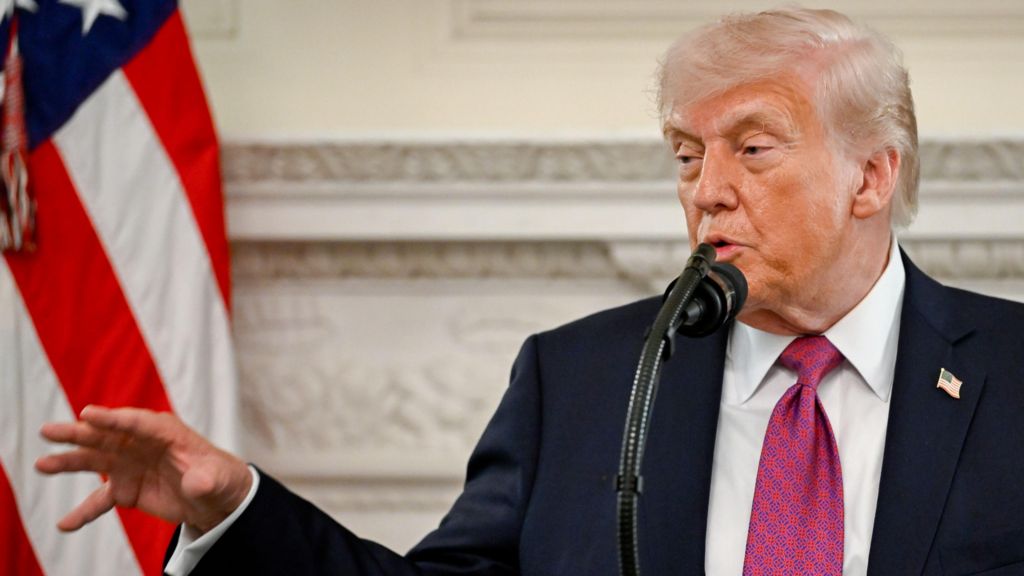
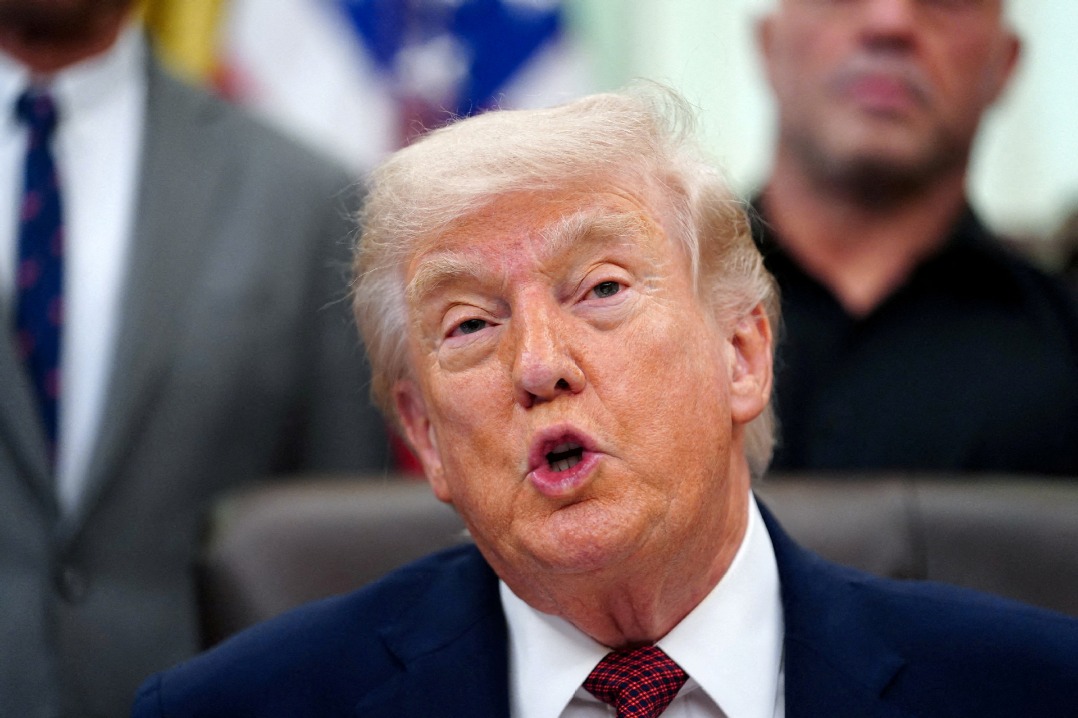
    The situation is further complicated by ambiguous signals from the US administration. President Donald Trump initially appeared to encourage Kurdish engagement, suggesting they would need to “choose a side,” but later contradicted this by stating, “I don’t want the Kurds to go in. The war is complicated enough as it is.”

    Despite this, two prominent exiled groups—the Free Life Party of Kurdistan (PJAK) and the Democratic Party of Iranian Kurdistan—have not ruled out joining the war. PJAK recently called for Kurds in western Iran to form local committees, with senior commander Mazloum Haftan articulating goals for a “democratic and decentralised Iran” rather than alignment with either Washington or Tehran.

    The conflict originated on February 28th with US-Israeli air and missile strikes targeting Iran’s military infrastructure and nuclear program, described by Washington as efforts to cripple Tehran’s capabilities. Iran denounced the attacks as unprovoked aggression aimed at regime change. The warfare has since expanded, with Iranian retaliatory strikes on Israeli territory, US bases in the Gulf, and regional energy facilities, significantly escalating tensions across Middle Eastern shipping lanes and strategic locations.

  • Myanmar’s post-coup parliament sits packed with junta allies

    Myanmar’s post-coup parliament sits packed with junta allies

    Myanmar’s parliamentary chambers are preparing to reconvene this week for the first assembly since the military seized power five years ago, marking a significant political transition entirely orchestrated by the ruling junta. The legislative body will be overwhelmingly composed of military-aligned representatives following a carefully managed electoral process conducted under martial authority.

    The Union Solidarity and Development Party (USDP), established by former military officials and staffed predominantly by retired officers, secured approximately 80 percent of contested seats in the December-January phased elections. The remaining quarter of parliamentary positions are constitutionally reserved for active-duty military personnel, ensuring consolidated junta influence over all legislative proceedings.

    This political restructuring follows the military’s dismissal of the 2020 general election results, which had delivered a decisive victory to Aung San Suu Kyi’s democratic movement. The subsequent coup d’état triggered widespread civil conflict that continues to destabilize the nation. Notably, the recent electoral process excluded substantial regions under rebel control and prohibited any criticism of the voting procedures, according to international democracy monitoring organizations.

    Analysts characterize the newly formed parliament as essentially a proxy institution designed to provide superficial legitimacy to military rule. Junta leader Min Aung Hlaing is widely anticipated to potentially transition from military commander to civilian president when the new government assumes power next month. The presidential selection will be determined through a parliamentary vote dominated by military-affiliated representatives.

    United Nations human rights expert Tom Andrews recently described the emerging political structure as ‘a military junta in civilian clothing,’ emphasizing that despite the parliamentary facade, ultimate authority would remain firmly with military leadership. The 2008 military-drafted constitution continues to provide the armed forces with entrenched political control, including key cabinet positions and guaranteed parliamentary representation.

  • New round of China-US trade talks underway in Paris

    New round of China-US trade talks underway in Paris

    Diplomatic efforts to stabilize economic relations between the world’s two largest economies resumed Sunday as Chinese and American delegations convened in Paris for a fresh round of trade negotiations. The talks mark the latest attempt to bridge longstanding commercial differences and establish a more predictable framework for bilateral trade.

    The Paris venue, strategically chosen for its neutral ground, provides an opportunity for both nations to address complex trade issues away from the heightened political atmospheres of their respective capitals. The discussions are expected to cover a wide range of topics including tariff structures, market access, intellectual property protections, and supply chain resilience.

    This meeting represents a continuation of dialogue that has persisted through various phases of the bilateral relationship, reflecting the mutual recognition that despite strategic competition, economic interdependence necessitates ongoing communication channels. The choice of Paris as host city also signals both countries’ willingness to engage within a broader international context, potentially drawing on European perspectives regarding global trade norms.

    Observers are monitoring whether these talks will yield substantive agreements or serve primarily as a confidence-building exercise ahead of potential higher-level engagements. The outcome may significantly influence global market stability and international trade patterns for the coming year.

  • China releases full text of NPC Standing Committee work report

    China releases full text of NPC Standing Committee work report

    BEIJING – The complete official document detailing the annual activities and accomplishments of China’s National People’s Congress (NPC) Standing Committee has been formally published by Xinhua News Agency. This comprehensive report, initially presented by NPC Standing Committee Chairman Zhao Leji, received formal endorsement during the concluding session of the 14th NPC on March 12.

    The extensive review systematically documents the legislative body’s productivity across six fundamental domains throughout the preceding year. A principal emphasis was placed on reinforcing constitutional implementation and intensifying compliance oversight mechanisms, thereby safeguarding legal uniformity and the integrity of the nation’s rule-of-law framework.

    Furthermore, the committee concentrated on refining the quality and scope of its legislative output, crafting laws designed to actively service and underpin the country’s ongoing reform initiatives and developmental objectives. The oversight function of the NPC was rigorously exercised, cementing its critical position within the comprehensive oversight architecture of the Party and state.

    The report also highlights initiatives aimed at broadening and enhancing the work concerning NPC deputies, ensuring their capacity to execute their roles effectively was fully supported. On the international stage, the NPC leveraged its distinctive attributes to conduct foreign exchanges, making substantive contributions to China’s broader diplomatic strategy. Concurrently, the committee engaged in profound self-improvement efforts to boost its operational efficacy and legal performance.

    Looking forward, the document delineates a clear set of priorities for the upcoming legislative year. These include driving the comprehensive enforcement of the Constitution, advancing the development of a socialist legal system with Chinese characteristics, and refining the precision and effectiveness of supervisory practices. Additional focal points comprise bolstering support for deputies in their lawful duties, pursuing dynamic international engagement, and fulfilling a defined four-fold functional role to ensure comprehensive national governance.

  • Israel rejects reports of interceptor shortages

    Israel rejects reports of interceptor shortages

    Israeli Foreign Minister Gideon Saar has categorically denied recent reports alleging critical shortages in the nation’s missile defense capabilities amid ongoing hostilities with Iran. Speaking to journalists on Sunday, Saar refuted claims published by Israeli newspaper Haaretz and global news site Semafor, both of which cited unnamed U.S. officials suggesting Israel had alerted Washington about dangerously depleted interceptor stocks.

    The current conflict, now entering its third week, has placed unprecedented strain on Israel’s aerial defense networks. Defense systems were already compromised following extensive engagements during last year’s confrontations with Iran, where substantial interceptor resources were expended to neutralize incoming missile threats. The sustained nature of Iran’s recent barrages—reportedly enhanced with cluster munition-equipped missiles that complicate interception protocols—has accelerated the depletion of defensive arsenals.

    Despite these challenges, U.S. officials indicate the situation remains within anticipated parameters. One official confirmed to Semafor that Washington had foreseen these developments months in advance, emphasizing that American interceptor reserves remain substantial without similar shortage concerns. This assurance comes amid broader regional anxieties as Gulf partners also face critical shortages, forcing selective engagement protocols against Iranian projectiles.

    Technical constraints exacerbate the situation, with annual production of Patriot Pac-3 interceptors limited to approximately 600 units globally. Gulf states have been actively deploying high-cost interceptors from Terminal High Altitude Area Defense systems and Patriot missile batteries throughout the conflict.

    Minister Saar reinforced the strategic alignment between Israel and the United States, stating both nations remain ‘eye to eye’ in their determination to continue military operations until achieving long-term objectives. ‘Our goal remains the permanent removal of existential threats from Iran—not annual cycles of warfare,’ Saar declared, underscoring the commitment to sustained engagement despite logistical challenges.

  • FCC chair threatens to revoke broadcasters’ licences over Iran coverage

    FCC chair threatens to revoke broadcasters’ licences over Iran coverage

    A constitutional confrontation has emerged between U.S. media regulators and broadcast networks following controversial remarks by Federal Communications Commission (FCC) Chair Brendan Carr. The dispute originated when Carr explicitly threatened to revoke broadcasting licenses in response to former President Donald Trump’s criticisms of media coverage regarding U.S.-Israel relations with Iran.

    During an interview with CBS News, Carr asserted that broadcast licenses do not constitute ‘property rights’ and emphasized that stations must operate according to public interest standards. His comments came directly after Trump accused media organizations of deliberately undermining national security interests in their wartime reporting.

    ‘The legal framework is unequivocal,’ Carr stated on social media. ‘Broadcasters must operate in the public interest, and they will lose their licenses if they do not.’ This position reflects the FCC’s statutory authority as the nation’s broadcast media regulator, governing radio, television, and satellite communications, including oversight of mergers and decency complaints.

    The threat prompted immediate backlash from Democratic lawmakers who condemned Carr’s position as constitutionally impermissible. Massachusetts Senator Elizabeth Warren declared that ‘government censorship of disfavored speech about Trump’s Iran war is illegal,’ while California Governor Gavin Newsom characterized the threat as ‘flagrantly unconstitutional.’ Senator Mark Kelly accused the administration of attempting to evade accountability through regulatory overreach.

    This incident continues a pattern of tension between the Trump administration and media organizations. Carr previously advocated for suspending ABC host Jimmy Kimmel following criticism of Republican responses to political violence, resulting in the show’s temporary removal from airwaves. Trump has consistently pursued legal action against major news organizations including the Wall Street Journal and New York Times over alleged bias.

    The FCC operates as an independent agency that grants eight-year licenses to individual broadcast stations, many affiliated with major networks, though it explicitly does not license the networks themselves. According to its official guidelines, the Commission’s content oversight remains ‘very limited’ due to First Amendment protections and statutory prohibitions against censorship. Its regulatory authority specifically excludes cable networks and streaming platforms, covering only broadcast television and radio content.

  • China-US trade talks become center of attention

    China-US trade talks become center of attention

    PARIS – The global economic community turned its attention to the French capital on Sunday as high-stakes trade negotiations between the United States and China commenced at the Organization for Economic Cooperation and Development headquarters. International media representatives gathered outside the OECD building in anticipation of the bilateral talks that could significantly influence global economic relations.

    The negotiations mark another chapter in the complex economic relationship between the world’s two largest economies. The choice of Paris as the venue underscores the international community’s vested interest in stable US-China trade relations, given their substantial impact on global markets and supply chains.

    Observers noted that the OECD’s neutral ground provides an appropriate setting for discussions that have previously been hampered by geopolitical tensions. The organization’s role in facilitating economic cooperation among developed nations adds diplomatic weight to the proceedings.

    While specific agenda items remain undisclosed, analysts anticipate discussions will address ongoing trade imbalances, market access limitations, and intellectual property protections. The outcomes of these talks could potentially reshape international trade dynamics ahead of the G7 summit scheduled for later this month.

    The negotiations come amid evolving global economic conditions, including inflationary pressures and supply chain restructuring efforts that have affected both nations. Economic analysts are monitoring the talks for signals about future tariff policies and bilateral investment frameworks.

  • Xi’s article on promoting high-quality development of marine economy to be published

    Xi’s article on promoting high-quality development of marine economy to be published

    President Xi Jinping, who serves as General Secretary of the Communist Party of China Central Committee and Chairman of the Central Military Commission, will have a significant article on advancing high-quality development within China’s marine economy published in the upcoming issue of Qiushi Journal. The piece is scheduled for release on Monday, March 16, 2026, in the sixth issue of this year’s edition of the CPC Central Committee’s flagship publication.

    The forthcoming article represents a strategic directive from China’s leadership framework, emphasizing the critical importance of sustainable ocean economic development as a national priority. Qiushi Journal, known for publishing authoritative political theory and policy guidance, will feature President Xi’s comprehensive vision for transforming China’s maritime sectors through innovation-driven approaches and ecological conservation principles.

    This publication occurs within China’s broader context of enhancing its blue economy capabilities while maintaining environmental stewardship. The marine economy encompasses numerous industries including shipping, fisheries, aquaculture, offshore energy, and coastal tourism, all of which require integrated development strategies balancing economic growth with environmental sustainability.

    The timing of this publication follows recent national meetings where marine development was highlighted as essential for China’s comprehensive modernization goals. President Xi’s article is expected to provide theoretical foundation and practical guidance for policymakers, industry leaders, and regional authorities tasked with implementing China’s maritime development initiatives.

  • Vietnam opens polls for 16th NA, local council elections

    Vietnam opens polls for 16th NA, local council elections

    Vietnam initiated a significant democratic process on Sunday, March 15, 2026, as polling stations nationwide opened for the dual elections of deputies to the 16th National Assembly and members of People’s Councils across all administrative levels. This electoral event, reported by Vietnam News Agency, marks a crucial political milestone for the country’s governance structure for the 2026-2031 term.

    The extensive electoral operation commenced at 7:00 AM local time with an anticipated 79 million registered voters expected to participate across 72,195 established polling stations. These facilities will remain accessible until 7:00 PM, allowing citizens ample opportunity to exercise their democratic rights.

    Voters face substantial choices in both electoral contests. For the National Assembly, citizens will select 500 parliamentary deputies from a competitive field of 864 pre-qualified candidates. Simultaneously, they will determine the composition of People’s Councils at communal, district, and provincial levels, creating a comprehensive renewal of local governance structures.

    National Assembly Chairman Tran Thanh Man has established a clear electoral timeline, mandating that official results must be formally announced by March 25, 2026. Following the conclusion of the electoral process, the newly constituted 16th National Assembly is scheduled to convene its inaugural session commencing April 6, 2026, marking the beginning of Vietnam’s next legislative chapter.

  • Ugandan opposition leader goes abroad after two months in hiding

    Ugandan opposition leader goes abroad after two months in hiding

    Ugandan opposition leader and former presidential candidate Bobi Wine has emerged from a two-month period in hiding to announce his departure from the country, citing the need for “critical international engagements” and to mobilize global support against President Yoweri Museveni’s administration. The pop star-turned-politician, whose legal name is Robert Kyagulanyi Ssentamu, maintains that the January presidential election was systematically rigged to ensure Museveni’s continued rule.

    In his first public appearance in weeks, conveyed through a five-minute video statement on social media platform X, the 44-year-old opposition leader reiterated his claim to victory in the contested polls. President Museveni, 81, who has governed Uganda since 1986, officially secured 72% of the vote according to election authorities and has accused opposition factions of attempting to violently overturn the results.

    The political climate has grown increasingly tense with reports of military operations targeting Wine’s supporters. Wine alleges that authorities have conducted repeated raids on homes of his associates and established nationwide roadblocks in pursuit of him. His residence in Kampala remains under military siege, a situation that has persisted since election day.

    General Muhoozi Kainerugaba, Museveni’s son and head of Uganda’s military, previously issued alarming threats against Wine on social media, including a since-deleted post describing him as “wanted dead or alive” and threatening castration. While some government officials have denied security forces are actively hunting Wine, Kainerugaba—widely perceived as a potential presidential successor—also claimed that 30 “terrorists” from Wine’s party were killed during post-election protests.

    Expressing gratitude to Ugandans who protected him during his concealment, Wine emphatically stated: “Running for president is not a crime.” He has called for targeted international sanctions against Museveni’s government while continuing to assert his legitimate claim to the presidency amid ongoing political turmoil.