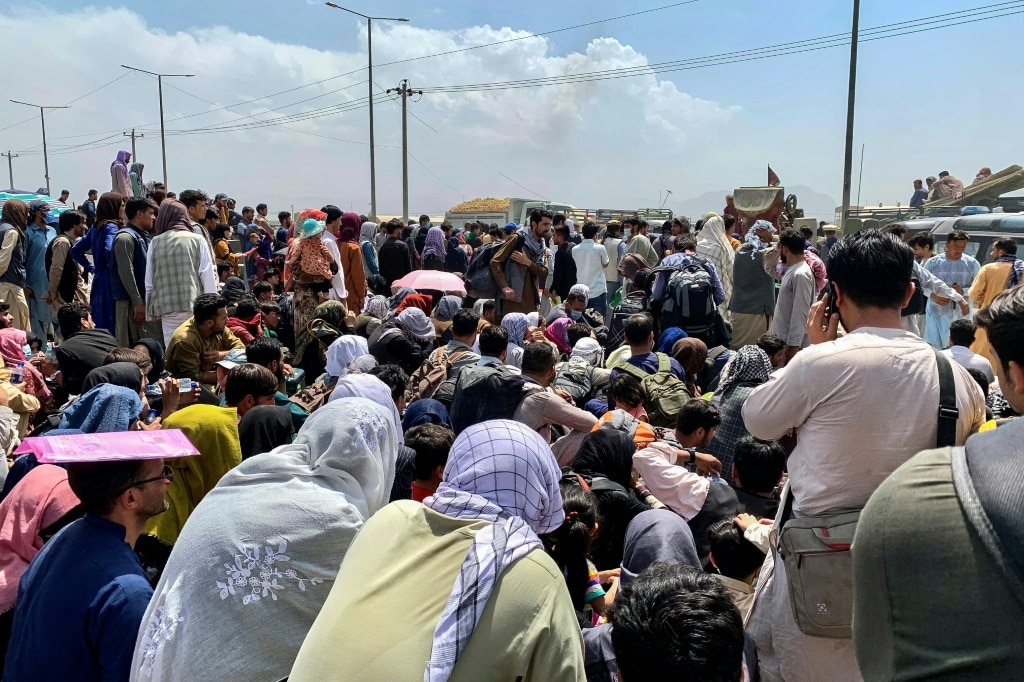
A human rights advocate has issued a damning revelation about the Trump administration’s latest immigration policy, which forces more than 1,100 former Afghan allies stranded in Qatar to pick between resettlement in conflict-ravaged Democratic Republic of the Congo (DRC) or forced return to Afghanistan under Taliban control. These are the same Afghans who aided U.S. military forces before the 2021 American withdrawal that saw the collapse of the Western-backed Afghan government, and who have waited in Qatar for years to gain entry to the United States, fearing violent persecution from the new Taliban regime for their cooperation with Washington.
The camp where these evacuees reside, a decommissioned U.S. military base in Qatar, faces an immediate March 31 shutdown ordered by the Trump White House, which has centered its second term agenda on sweeping new restrictions to legal immigration into the country. Shawn VanDiver, a U.S. military veteran and leader of AfghanEvac — an advocacy organization dedicated to supporting former Afghan allies seeking safe resettlement — confirmed he received official briefings outlining the administration’s stark ultimatum for the camp’s residents.
VanDiver argues the choice is intentionally designed to pressure Afghans into returning to Afghanistan, noting that the DRC is already grappling with its own prolonged humanitarian and refugee crisis, marked by ongoing armed conflict that has spilled over from neighboring Rwanda. “You do not relocate vetted wartime allies, more than 400 of them children, from American custody into a country in the middle of its own collapse,” VanDiver said in a formal statement. “The administration knows this. It is the point.”
U.S. State Department officials have refused to publicly confirm that the DRC is the third-country resettlement option on the table, but confirmed that Washington is pursuing “voluntary resettlement” for the as-Sayliyah camp population. A department spokesperson framed the relocation of the group to a third country as “a positive resolution that provides safety for these remaining people to start a new life outside of Afghanistan while upholding the safety and security of the American people.”
The policy has drawn fierce cross-party and advocacy criticism, with leading Democratic Senator Tim Kaine calling the plan to send U.S. Afghan allies to the DRC “insane.” “We told these Afghans that we would help ensure their safety after they helped us,” Kaine said. “We have an obligation to follow through on our promise because it’s the right thing to do, and because going back on our word will only make it harder for us to build the kinds of partnerships we may need to advance our national security in the future.”
The broader context of this policy traces back to the chaotic 2021 U.S. withdrawal from Afghanistan, after which more than 190,000 Afghan evacuees have already been resettled in the United States under a program first launched by former President Joe Biden. That program initially earned bipartisan support, as most Republicans backed the 20-year U.S. military intervention in Afghanistan when it began. However, after a 2024 incident in which an Afghan evacuee with a history of post-traumatic stress disorder who had worked with U.S. intelligence shot two Washington D.C. National Guard troops — killing one — Trump moved to dismantle the wider national refugee resettlement program and suspend all processing for new Afghan arrivals.