分类: politics

  • Anti-corruption units raid home and offices of Zelenskyy’s chief of staff

    Anti-corruption units raid home and offices of Zelenskyy’s chief of staff

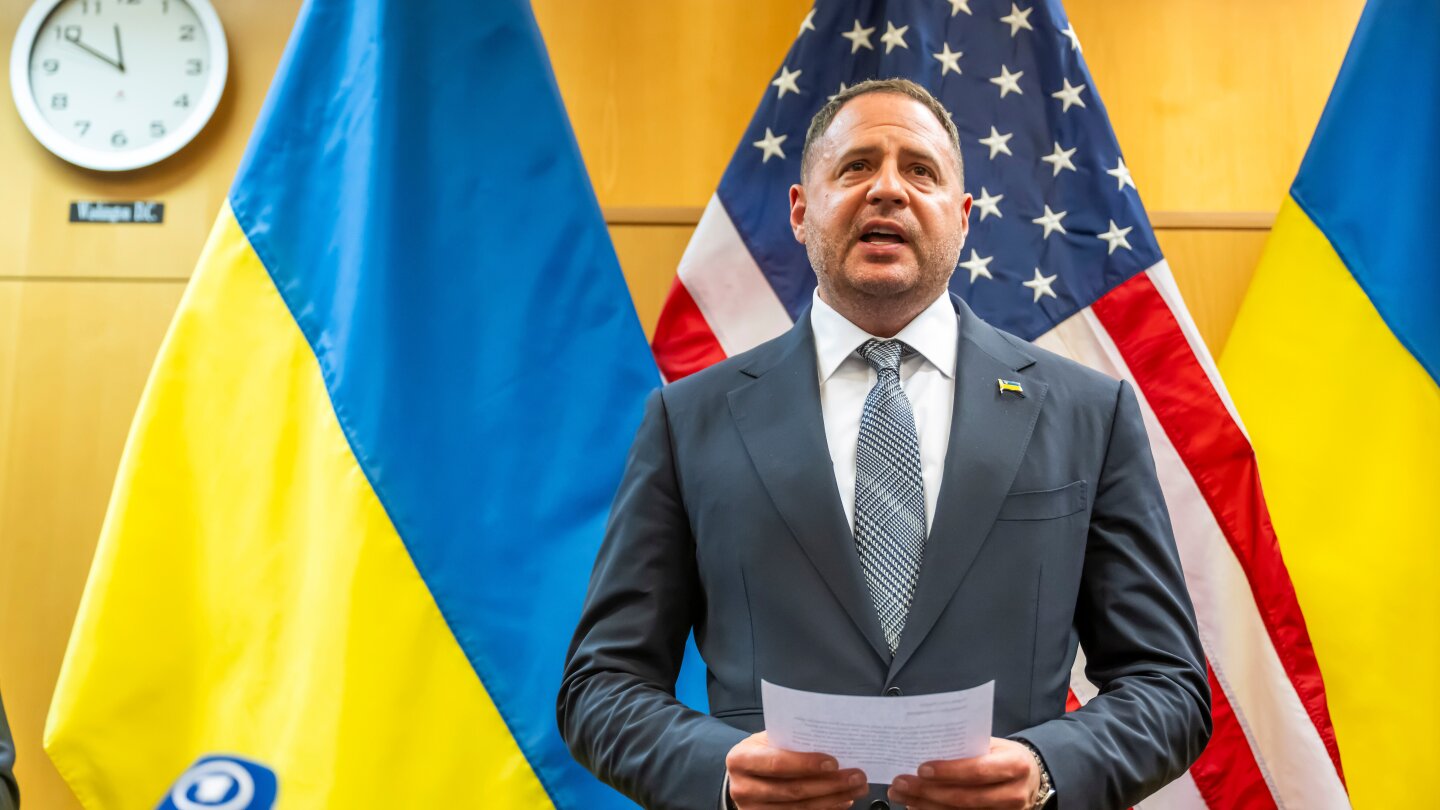
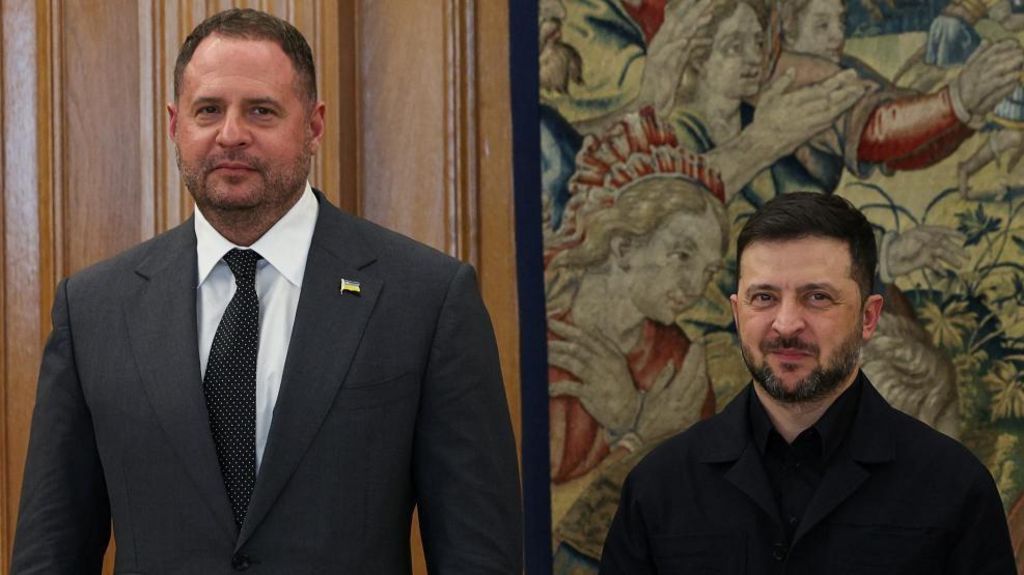
    In a significant development within Ukraine’s political landscape, anti-corruption authorities have executed coordinated raids targeting the residence and official workplace of Presidential Chief of Staff Andrii Yermak. This operation represents a substantial escalation in Ukraine’s ongoing campaign against systemic corruption, particularly striking given Yermak’s position as one of President Volodymyr Zelenskyy’s most influential advisors and a central figure in diplomatic negotiations with the United States.

    The National Anti-Corruption Bureau of Ukraine (NABU), in collaboration with the Specialized Anti-Corruption Prosecutor’s Office (SAPO), confirmed conducting searches as part of a comprehensive investigation into corruption allegations within the nation’s energy sector. The probe centers on a massive financial scandal involving approximately $100 million and implicates several high-ranking Ukrainian officials.

    Yermak publicly acknowledged the investigations through a statement on Telegram, emphasizing his full cooperation with authorities. He noted that investigative teams encountered no obstructions during their searches and confirmed that his legal representatives were present throughout the proceedings. This transparency statement appears designed to demonstrate compliance with anti-corruption efforts despite the sensitive timing.

    The raids create considerable complications for the Zelenskyy administration as it simultaneously manages military operations against Russian invasion forces and delicate diplomatic negotiations regarding potential peace settlements. Western nations, particularly the United States, have consistently emphasized anti-corruption reforms as prerequisite conditions for continued financial and military assistance to Ukraine.

    This development occurs amid critical discussions with international partners regarding Ukraine’s defense funding and long-term security guarantees. The administration must now navigate these domestic investigations while maintaining confidence among its international allies that governance reforms remain on track despite the ongoing conflict.
  • Guinea-Bissau president flees to Senegal after coup

    Guinea-Bissau president flees to Senegal after coup

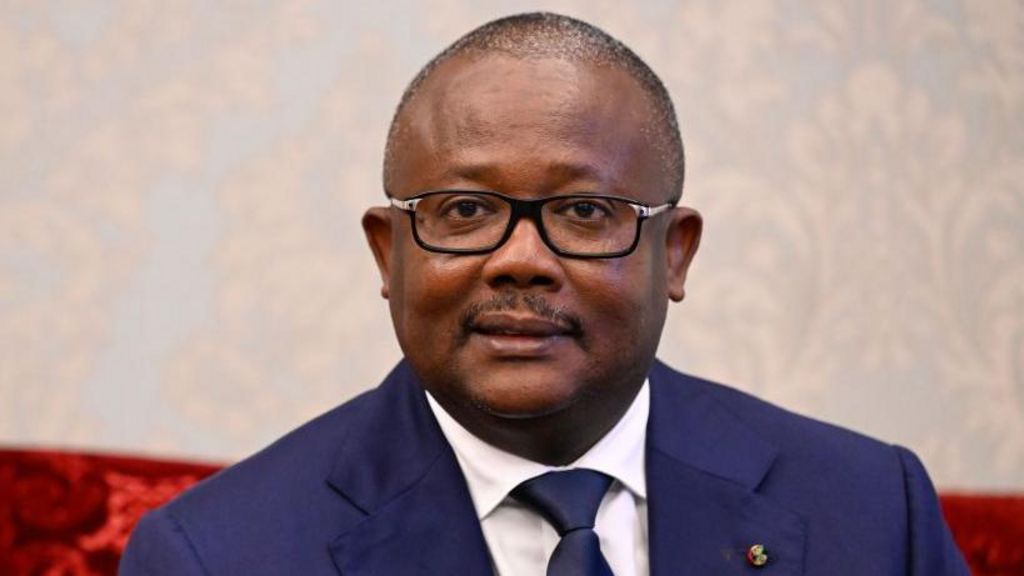
    In a significant political development, ousted Guinea-Bissau President Umaro Sissoco Embaló has safely arrived in Senegal after being released by military forces that overthrew his government. The Senegalese foreign ministry confirmed his arrival via chartered military flight late Thursday, describing the deposed leader as being in good condition.

    The transfer followed intensive negotiations by the Economic Community of West African States (ECOWAS) amid escalating tensions in the coup-prone nation. Meanwhile, the military junta has installed General Horta N’Tam, the army chief of staff, as transitional leader for a one-year period. The coup occurred just one day before authorities were scheduled to announce provisional results from Sunday’s presidential and parliamentary elections.

    The military leadership has justified its actions by claiming to thwart a destabilization plot involving unnamed politicians allegedly supported by a prominent drug baron. In response to the crisis, the junta has suspended the electoral process, blocked result announcements, implemented a night-time curfew, and initially sealed the nation’s borders—though these were subsequently reopened following General N’Tam’s swearing-in ceremony.

    International organizations have uniformly condemned the power grab. ECOWAS has suspended Guinea-Bissau from all decision-making bodies until constitutional order is restored, while the African Union and United Nations Secretary-General Antonio Guterres have called for immediate restoration of democratic governance. The UN leader expressed deep concern about the situation and demanded unconditional return to constitutional order.

    This marks at least the ninth successful or attempted coup in Guinea-Bissau since gaining independence from Portugal in 1974. The small West African nation, situated between Senegal and Guinea, has long struggled with political instability and has gained notoriety as a significant hub for international drug trafficking operations.

  • Ukraine anti-corruption agents search home of Zelensky’s top adviser

    Ukraine anti-corruption agents search home of Zelensky’s top adviser

    Ukrainian anti-corruption authorities have executed authorized searches at the residence of Presidential Chief of Staff Andriy Yermak, a central figure in President Volodymyr Zelensky’s administration. The National Anti-Corruption Bureau of Ukraine (NABU) confirmed conducting investigative operations at Yermak’s apartment, with the Specialized Anti-Corruption Prosecutor’s Office (SAPO) jointly overseeing procedural activities.

    Yermak acknowledged the investigations via social media, stating authorities had obtained full access to his property with his legal representatives present. He emphasized his complete cooperation with the proceedings, though specific allegations remain undisclosed. The development emerges amid growing corruption controversies involving multiple officials within Zelensky’s inner circle, though neither the president nor his chief of staff face formal accusations.

    Having served as Zelensky’s principal aide for over five years, Yermak has been instrumental in coordinating Ukraine’s military and diplomatic strategies following Russia’s full-scale invasion. His role as Kyiv’s lead negotiator in peace discussions with international partners, particularly the United States, has positioned him as a pivotal figure in Ukraine’s wartime leadership. However, his influence has increasingly drawn criticism from political opponents and reform advocates demanding accountability and governmental restructuring.

    The investigation signifies deepening anti-corruption efforts within Ukraine’s institutions as the country continues its pursuit of European Union membership. Western allies have consistently emphasized anti-corruption reforms as prerequisite for continued financial and military support. This probe occurs against a backdrop of heightened geopolitical tensions and ongoing military operations, raising questions about potential impacts on Ukraine’s governance stability and diplomatic negotiations.

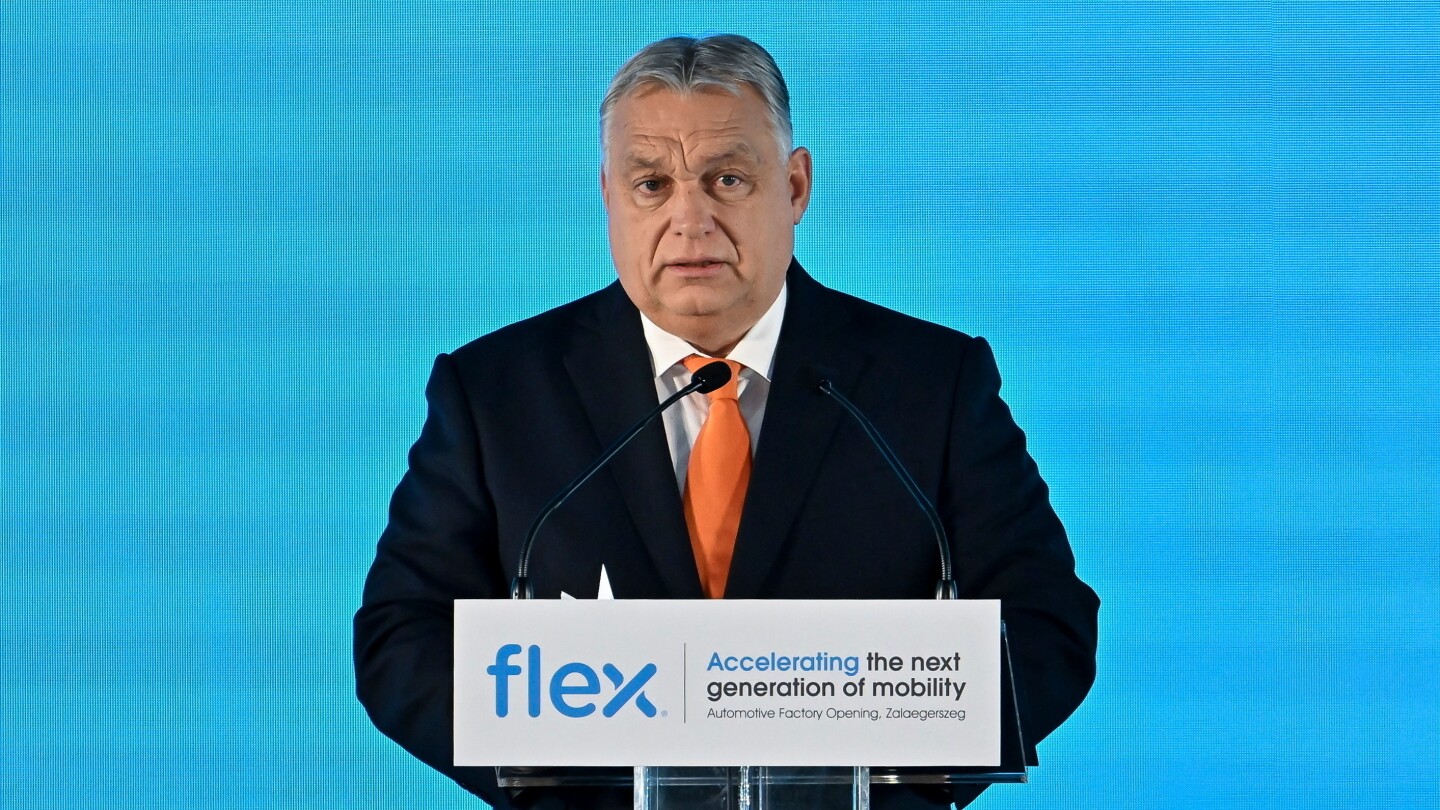
  • Hungary’s Viktor Orbán to meet Russia’s Vladimir Putin in Moscow for energy talks

    Hungary’s Viktor Orbán to meet Russia’s Vladimir Putin in Moscow for energy talks

    In a diplomatic move that underscores deepening divisions within the European Union, Hungarian Prime Minister Viktor Orbán embarked on a high-stakes visit to Moscow for energy negotiations with Russian President Vladimir Putin. This meeting represents one of the few instances of a European leader engaging directly with the Kremlin amid ongoing hostilities in Ukraine.

    Orbán, widely regarded as Putin’s most sympathetic counterpart among EU leadership, emphasized the critical nature of these discussions for Hungary’s energy infrastructure. Speaking to state media prior to his departure from Budapest, the Prime Minister articulated his mission to secure continued access to affordable Russian oil and gas resources—commodities that have become increasingly constrained under international sanctions.

    Hungary maintains a distinctive position within the European bloc as one of the few nations continuing substantial imports of Russian fossil fuels. The Hungarian government has consistently resisted collective EU initiatives aimed at reducing dependency on Russian energy, positioning itself at odds with broader European security and policy objectives.

    This Moscow visit follows Orbán’s recent diplomatic success in Washington, where he secured a significant exemption from U.S. sanctions targeting Russian energy giants Lukoil and Rosneft during meetings with former President Donald Trump. Orbán characterized this achievement as vital for safeguarding Hungary’s energy security framework.

    The Prime Minister defended his energy diplomacy, stating: “With the sanctions exemption now secured, our priority remains obtaining the actual resources. I am traveling to Moscow to guarantee Hungary’s energy supply at economically viable pricing for both the immediate winter season and the subsequent year.”

    Orbán has repeatedly asserted that Russian energy imports constitute an indispensable component of Hungary’s economic stability, warning that transitioning to alternative sources would trigger immediate economic disruption. While other European nations have progressively reduced Russian energy imports, Hungary has not only maintained but expanded its procurement, simultaneously opposing EU plans for complete elimination of Russian fossil fuels by 2027.

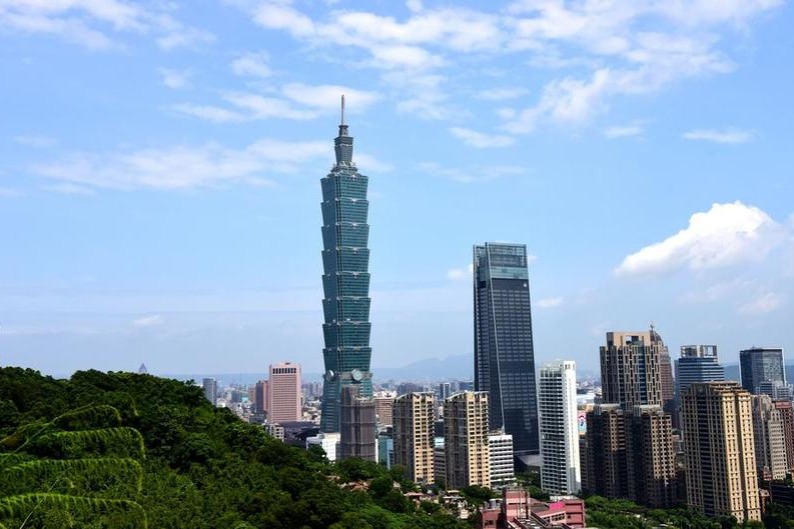
  • Separatist plans of Lai slammed

    Separatist plans of Lai slammed

    The Chinese mainland has issued a stern condemnation of Taiwan’s newly announced security measures, characterizing them as provocative steps toward independence that endanger regional stability. Chen Binhua, spokesperson for Beijing’s Taiwan Affairs Office, denounced Taiwanese leader Lai Ching-te’s recently unveiled defense strategy during a press briefing on Thursday.

    The strong rebuke came in response to Lai’s address at a high-level security conference where he revealed an ambitious NT$1.25 trillion (approximately $40 billion) special defense allocation spanning eight years. The Democratic Progressive Party administration additionally committed to elevating military expenditure to 3.3% of GDP by next year, with ambitions to reach 5% by 2030.

    Chen characterized these developments as evidence of a “warmongering nature” that threatens to plunge Taiwan into what he described as an “abyss of war and danger.” The spokesperson accused Lai of deliberately exaggerating external threats while pursuing independence through military buildup and foreign alliances, actions that Chen asserted directly undermine cross-Strait relations.

    The criticism has found echoes within Taiwan’s political landscape. Cheng Li-wun, chairwoman of the opposition Kuomintang party, warned that Lai’s policies are transforming the Taiwan Strait into a “powder keg” and converting the island into an “arms factory.” Former Taiwan leader Ma Ying-jeou similarly expressed concern through social media channels, noting the absence of reconciliation efforts in Lai’s approach.

    Reiterating Beijing’s longstanding position, Chen emphasized the principle of a single China encompassing both the mainland and Taiwan. He reaffirmed commitment to “peaceful reunification and one country, two systems” as the preferred framework for national unity, promising that any resolution would consider Taiwan’s specific circumstances and protect the interests of its residents.

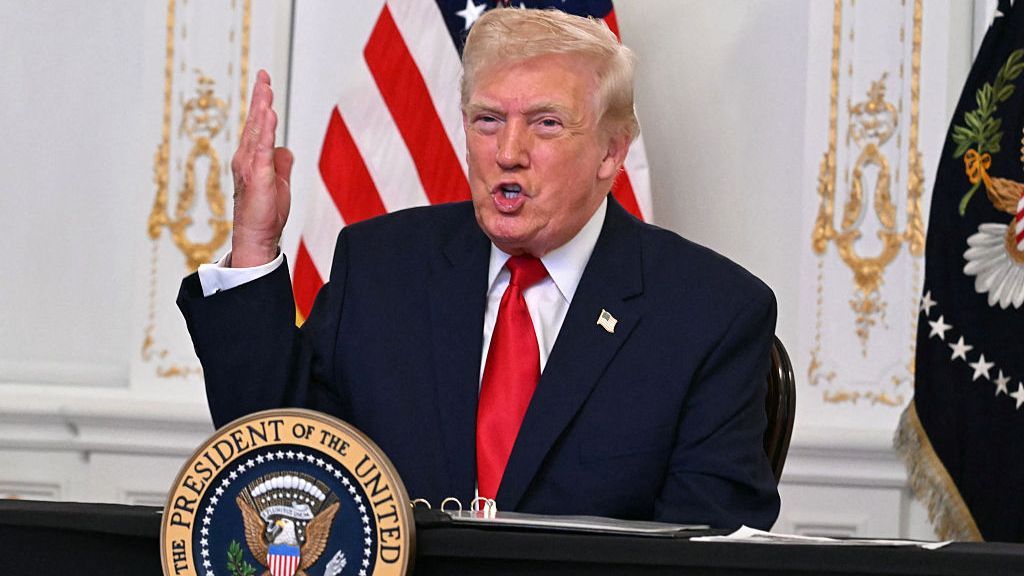
  • Trump says US will ‘permanently pause’ migration from ‘third world countries’

    Trump says US will ‘permanently pause’ migration from ‘third world countries’

    President Donald Trump has declared his intention to implement a comprehensive suspension of migration from all third world countries to the United States. The announcement came through his Truth Social platform, where the president asserted that this drastic measure would enable the American system to “fully recover” from what he characterized as damaging immigration policies that have undermined the economic gains and living standards of U.S. citizens.

    The president’s statement, lacking specific details regarding implementation or a definitive list of affected nations, broadly blamed refugee populations for contributing to what he termed “social dysfunction in America.” Trump further vowed to remove “anyone who is not a net asset” to the country, signaling a hardened approach to immigration enforcement.

    This policy revelation follows closely on the heels of a tragic incident in Washington DC, where an Afghan national stands accused of shooting two members of the National Guard, resulting in one fatality. Trump previously cited this event as evidence of significant national security vulnerabilities, promising decisive action against foreigners “who do not belong here.”

    In response to the shooting, the administration has already taken preliminary steps. On Wednesday, U.S. authorities suspended processing all immigration requests from Afghan nationals pending a comprehensive review of security and vetting procedures. The following day, U.S. Citizenship and Immigration Services announced it would re-examine green cards previously issued to immigrants from 19 specific countries.

    While official sources did not immediately provide the complete list, reference was made to a June White House proclamation that included Afghanistan, Cuba, Haiti, Iran, Somalia, and Venezuela among affected nations. The mechanism and scope of this green card re-examination remain unspecified.

    The administration’s most recent escalation came Thursday evening with Trump’s pledge to “end all federal benefits and subsidies to noncitizens.” This rapid sequence of policy announcements appears directly connected to reports that the suspect in the DC shooting entered the U.S. in 2021 through a special immigration program established for Afghans following the American withdrawal from Afghanistan.

    According to officials and corroborated by a former military commander who worked with him, the suspect, Rahmanullah Lakanwa, had previously collaborated with CIA operations in Afghanistan and provided security for U.S. forces during evacuation operations at Kabul airport.

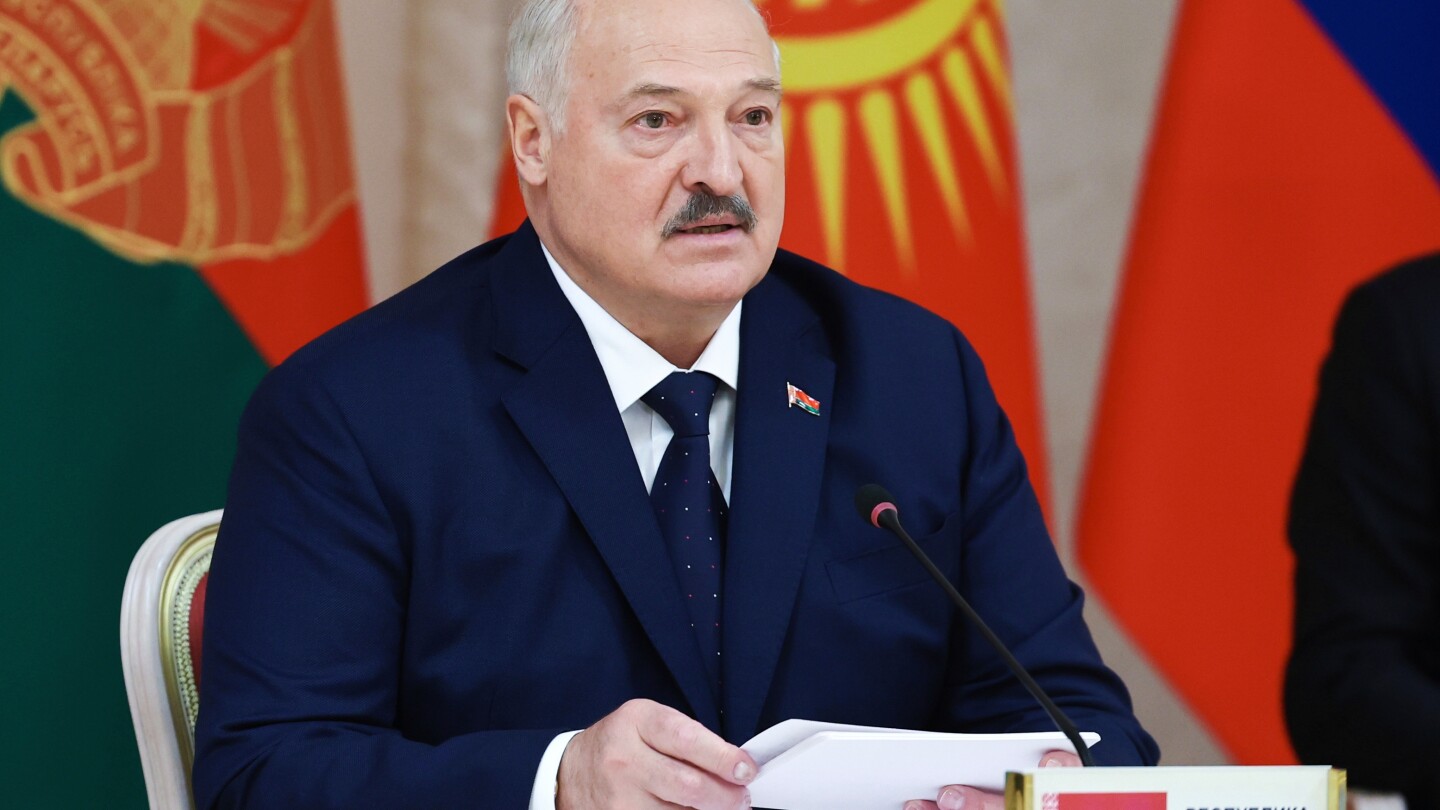
  • Military-run Myanmar plays host to goodwill visit by Belarusian leader

    Military-run Myanmar plays host to goodwill visit by Belarusian leader

    In a significant diplomatic development, Belarusian President Alexander Lukashenko arrived in Myanmar’s capital Naypyitaw on Thursday, marking only the second visit by a foreign head of state since the country’s military seized power in February 2021. The arrival, extensively covered by Myanmar’s state media, featured ceremonial welcomes with full state honors presided over by Prime Minister Nyo Saw and cabinet members.

    The timing of Lukashenko’s goodwill mission carries substantial political weight, occurring merely one month before Myanmar’s scheduled election—a process widely criticized by international observers as neither free nor fair. The visit is perceived by human rights advocates as providing implicit validation to the military government’s electoral proceedings.

    Belarus has emerged as a crucial ally to Myanmar’s military regime alongside China and Russia, establishing itself among the limited nations maintaining diplomatic engagement with Senior General Min Aung Hlaing’s administration. The Myanmar military leader previously visited Belarus twice in 2023—in March and June—strengthening bilateral ties between the two governments, both of which face widespread international condemnation for authoritarian practices.

    The strategic partnership between these nations extends beyond diplomatic support to encompass substantial military cooperation. According to Justice For Myanmar, a prominent rights advocacy organization, Belarus has supplied Myanmar’s military with advanced weapons systems, technical training, and equipment that enhances the army’s operational capabilities and domestic arms production infrastructure. Documented transfers include comprehensive air defense command systems, sophisticated radar technology, and ground-based missile platforms.

    This visit occurs against the backdrop of severe Western sanctions imposed on Myanmar’s military government following its overthrow of Aung San Suu Kyi’s democratically elected administration and subsequent human rights violations. The only previous comparable diplomatic engagement came from Cambodia’s then-Prime Minister Hun Sen in 2022 during his ASEAN leadership tenure.

    During scheduled meetings with Senior General Min Aung Hlaing, the leaders are expected to formalize additional agreements and memorandums of understanding across multiple sectors, further cementing their strategic alignment. Lukashenko had previously committed during Min Aung Hlaing’s March visit to provide election observers for the upcoming polls, a move criticized by opposition groups as legitimizing what they describe as a sham election designed to perpetuate military control.

  • National Guard member dies after shooting in Washington DC

    National Guard member dies after shooting in Washington DC

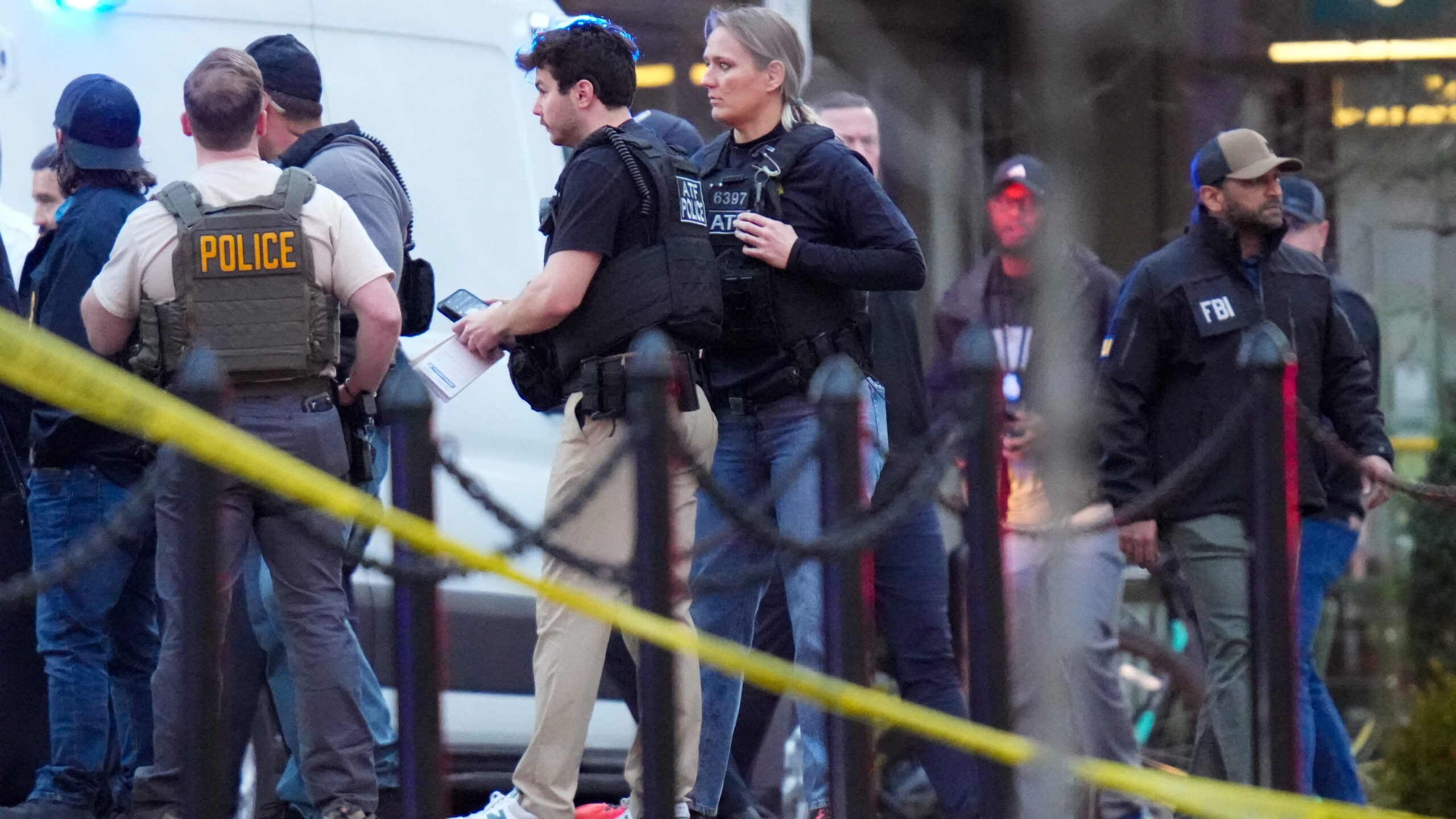
    A tragic shooting incident in the heart of Washington D.C. has resulted in the death of a National Guard member and left another fighting for his life, prompting significant political and legal repercussions. The attack occurred Wednesday afternoon near Farragut Square, a bustling downtown area just blocks from the White House.

    President Donald Trump confirmed the death of 20-year-old Sarah Beckstrom from West Virginia during a Thanksgiving call with service members. Describing her as a ‘highly respected, young, magnificent person,’ the president delivered the somber news while the nation observed the holiday. The second victim, 24-year-old Andrew Wolfe, remains in critical condition according to official statements.

    Law enforcement authorities swiftly apprehended 29-year-old Afghan national Rahmanullah Lakanwal as the primary suspect. The arrest involved an exchange of gunfire that left the suspect shot four times during apprehension. U.S. Attorney Jeanine Pirro announced initial charges including three counts of assault with intent to kill while armed, with potential upgrades to first-degree murder following Beckstrom’s death.

    The case has taken a dramatic turn with Attorney General Pam Bondi declaring her office will seek the death penalty, labeling Lakanwal a ‘monster who should not have been in our country.’ The suspect’s background reveals complex ties to U.S. operations in Afghanistan, having worked with American forces during the 2021 evacuation from Kabul as part of the specialized Scorpion Forces unit.

    Lakanwal entered the United States through Operation Allies Welcome, a program providing special immigration protections to Afghans following the American withdrawal. He had been granted asylum earlier this year after applying in 2024, according to CBS News sources.

    The incident has triggered immediate policy repercussions, with U.S. Citizenship and Immigration Services chief Joseph Edlow announcing a ‘full scale, rigorous re-examination of every Green Card for every alien from every country of concern.’ The review targets multiple nations including Afghanistan, Cuba, Haiti, Iran, Somalia and Venezuela, referencing a June White House proclamation.

    Both victims were participating in heightened security patrols that have deployed over 2,000 troops to the capital since August, part of what the administration described as efforts to combat ‘out of control’ crime. The National Guard members, while providing visible security presence, operate with limited law enforcement capabilities as reservist forces.

    The shooting has drawn emotional responses from political leaders, with West Virginia Senator Jim Justice expressing being ‘absolutely devastated’ by Beckstrom’s death. The young guard member had voluntarily served during the holiday period, highlighting the sacrifice made by military personnel even during traditional family gatherings.

  • Ruling spares Trump fate of jailbirds Thaksin, Yoon and Bolsonaro

    Ruling spares Trump fate of jailbirds Thaksin, Yoon and Bolsonaro

    In a decisive legal ruling, Fulton County Superior Court Judge Scott McAfee has formally dismissed the high-profile criminal case against former President Donald Trump and his alleged co-conspirators regarding efforts to overturn Georgia’s 2020 presidential election results. This dismissal represents the conclusive termination of the last remaining criminal prosecution against Trump concerning election interference allegations.

    The case’s dismissal originated from Peter J. Skandalakis, Executive Director of Georgia’s Prosecuting Attorneys’ Council, who assumed prosecutorial authority this month after reporting an inability to find attorneys willing to接手 the complex litigation. Skandalakis formally petitioned the court for dismissal, asserting the matter properly belonged within federal jurisdiction rather than state courts.

    This legal saga commenced in 2023 when a Fulton County grand jury indicted Trump and eighteen co-defendants under racketeering statutes. The original prosecutor, District Attorney Fani Willis, was removed from the case in 2024 following conflict-of-interest allegations stemming from her romantic relationship with special prosecutor Nathan Wade, whom she had appointed to the case.

    Skandalakis’s dismissal motion presented multiple legal rationales. He emphasized the impracticality of prosecuting a sitting president, noting Trump’s current term extends until January 2029—nearly eight years after the controversial January 2021 phone call with Georgia Secretary of State Brad Raffensperger wherein Trump reportedly pressured officials to “find” sufficient votes to reverse his electoral defeat.

    The prosecutor acknowledged the recorded phone call as “concerning” but contended that reasonable interpretations could differ regarding whether Trump sought to fabricate votes or genuinely believed in investigating alleged fraud. “When multiple interpretations are equally plausible,” Skandalakis wrote, “the accused is entitled to the benefit of the doubt.”

    While four co-defendants had previously pleaded guilty and agreed to testify, Skandalakis determined that pursuing remaining defendants—including those involved in organizing alternate electors, breaching Coffee County election systems, and harassing election worker Ruby Freeman—would be unjustifiably burdensome and costly for the state.

    Political reactions divided sharply along partisan lines. Georgia Republican Party Chair Josh McKoon praised the dismissal as “profound relief” and vindication for “brave patriots,” while state Democratic Chair Charlie Bailey condemned it as “a travesty and a slap in the face to Georgia voters.”

    The dismissal occurs alongside the earlier termination of federal election interference cases by Special Counsel Jack Smith, who concluded that prosecuting a sitting president would violate legal protocols. This series of developments effectively closes all criminal proceedings against Trump related to 2020 election challenges.

  • US will ‘reexamine’ all Afghan immigrants after shooting of two National Guard members in Washington

    US will ‘reexamine’ all Afghan immigrants after shooting of two National Guard members in Washington

    In response to a targeted shooting incident in Washington D.C., former President Donald Trump has announced a comprehensive reexamination of all Afghan immigrants admitted during the Biden administration. The policy shift follows an attack on Thanksgiving eve that left two National Guard members critically wounded.

    The suspected assailant, identified as 29-year-old Rahmanullah Lakamal, was reportedly admitted to the United States on September 8, 2021, through Operation Allies Welcome (OAW) – a Biden-era initiative facilitating the resettlement of Afghans who collaborated with U.S. forces. According to Homeland Security statements, Lakamal entered through “mass parole” procedures without thorough vetting.

    However, conflicting reports from Reuters indicate Lakamal underwent asylum processing during the Trump administration in April 2025, with no disqualifying factors found during background checks. Washington State records show no criminal history for the suspect.

    The shooting victims, National Guard members Sarah Beckstrom and Andrew Wolfe from West Virginia, underwent emergency surgery and remain in critical condition. The National Guard deployment in DC originated from a Trump administration initiative addressing crime and homelessness, though the program has faced legal challenges and criticism from Mayor Muriel Bowser.

    Intelligence sources reveal Lakamal served in a CIA-supported paramilitary unit known as “Zero Unit” in Kandahar, which conducted night operations against Taliban forces. Human rights organizations have previously characterized such units as “death squads.” A childhood acquaintance described Lakamal as struggling with mental health issues related to his combat experiences.

    This incident has intensified the Trump administration’s existing immigration restrictions. Earlier measures included dismantling OAW and the Afghan relocation coordination office, significantly slowing processing for approximately 160,000 Special Immigrant Visa applicants. The administration also revoked Temporary Protected Status for over 11,000 Afghans this summer.

    The tragedy highlights ongoing tensions regarding U.S. immigration policy and the complex legacy of American involvement in Afghanistan, where the Taliban has governed since the 2021 withdrawal.