分类: politics

  • South Africa to be fully engaged in G20 despite tensions with Washington: president

    South Africa to be fully engaged in G20 despite tensions with Washington: president

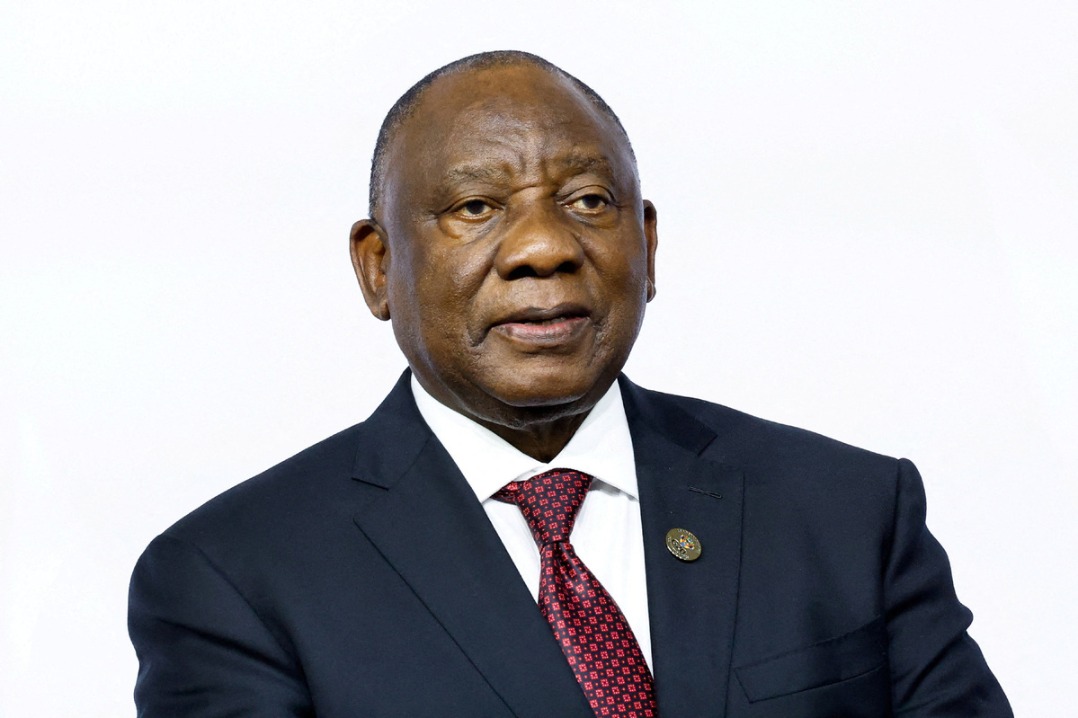
    South African President Cyril Ramaphosa has emphatically declared his nation’s commitment to full participation in G20 affairs, notwithstanding escalating diplomatic tensions with the United States. The announcement came during a national address following Johannesburg’s hosting of the G20 Leaders’ Summit, which notably proceeded without American representation.

    President Ramaphosa underscored South Africa’s foundational role within the G20 framework, asserting the nation’s inherent right to participation. “We must make it clear that South Africa is one of the founding members of the G20 and therefore a member in its own name and right,” stated Ramaphosa. “We will continue to participate as a full, active and constructive member.”

    The diplomatic strain emerged after US President Donald Trump announced intentions to exclude South Africa from next year’s G20 meetings, citing alleged human rights concerns. Trump had previously boycotted the Johannesburg summit based on claims of “white genocide” in South Africa—assertions that Ramaphosa vehemently denounced as “blatant misinformation” and “baseless and false allegations.”

    Despite these tensions, Ramaphosa confirmed the formal transition of G20 presidency to the United States this week, emphasizing South Africa’s continued valuation of bilateral relations with Washington. The African leader expressed regret over the US absence from the recent summit, characterizing the situation as rooted in misinformation while reaffirming commitment to diplomatic dialogue.

    The United States is scheduled to formally assume G20 leadership on December 1, setting the stage for potentially complex multilateral negotiations amid ongoing bilateral disagreements.

  • Ukraine, US to hold peace talks

    Ukraine, US to hold peace talks

    Diplomatic efforts to resolve the ongoing conflict in Ukraine are accelerating as high-level negotiations between Ukrainian and US officials commence in Florida. The Ukrainian delegation, led by National Security Chief Rustem Umerov, traveled to the United States on Sunday to engage in substantive discussions aimed at developing a concrete framework for peace.

    The talks come amid significant political developments within Ukraine, including the resignation of President Zelensky’s chief of staff Andriy Yermak, who previously served as the country’s lead negotiator with the US. Yermak’s departure follows anti-corruption searches at his residence conducted by Ukrainian authorities, though specific details regarding the investigation remain undisclosed.

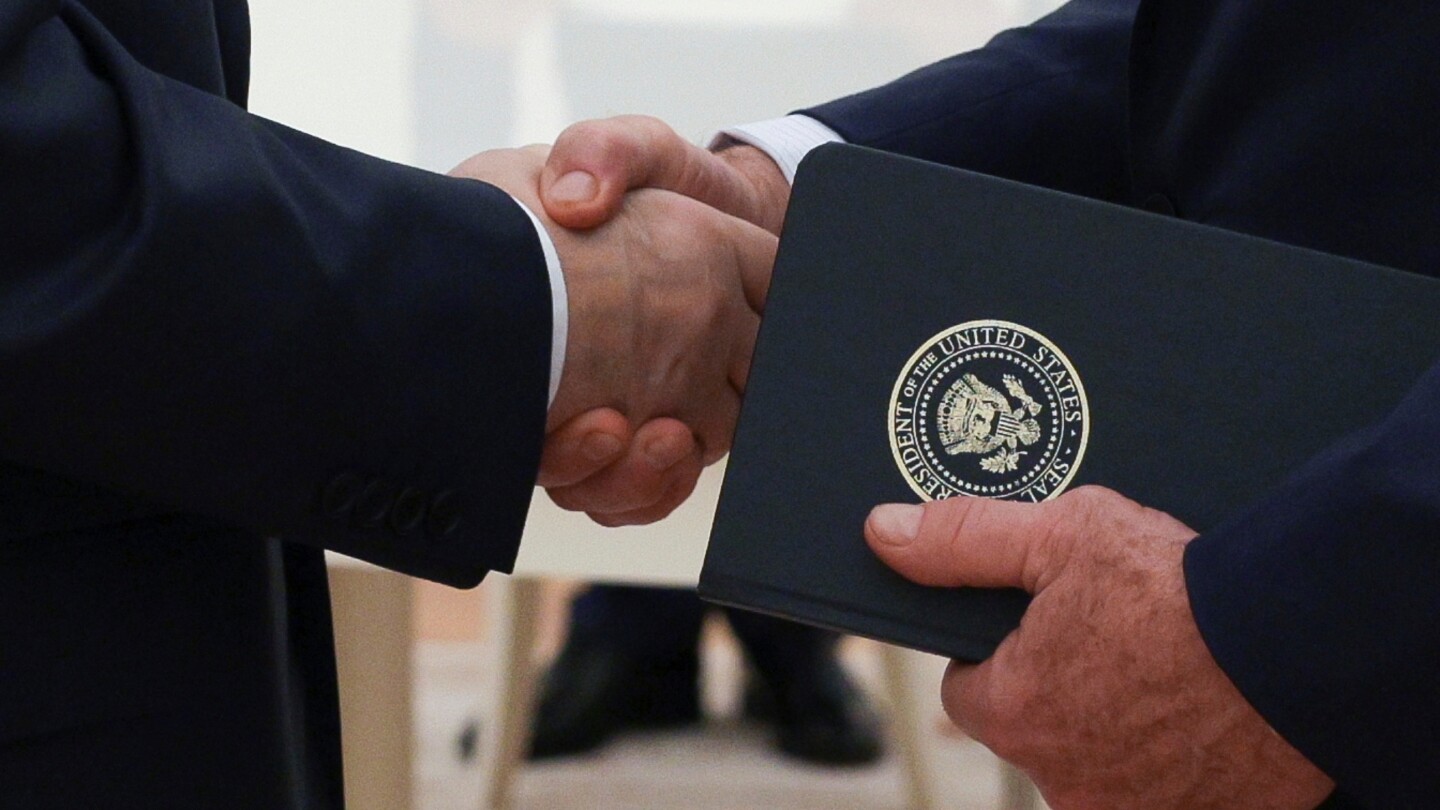
    US diplomatic representation includes Secretary of State Marco Rubio, Special Envoy Steve Witkoff, and Jared Kushner, son-in-law of former President Donald Trump. The discussions focus on refining a revised 19-point peace proposal, substantially condensed from the original 28-point plan introduced by the United States last month.

    Parallel diplomatic movements are underway, with a US delegation expected to travel to Moscow later this week for direct talks with Russian President Vladimir Putin. Kremlin spokesman Dmitry Peskov confirmed that Moscow has received the adjusted parameters of the peace plan and anticipates detailed discussions.

    Meanwhile, European coordination continues as French President Emmanuel Macron prepares to host Zelensky in Paris on Monday. The French presidency stated the leaders will deliberate on conditions for “a just and lasting peace” in alignment with Geneva discussions and the US proposal.

    Despite these diplomatic initiatives, military confrontations persist unabated. Recent Russian drone and missile attacks in the Kyiv region resulted in multiple casualties, including three fatalities on Saturday and additional casualties in overnight strikes. Ukraine has demonstrated continued capability to strike strategic targets within Russia, damaging a critical oil terminal near Novorossiysk through unmanned naval vessels—an operation officially confirmed by Ukrainian authorities.

    Russian Foreign Ministry spokeswoman Maria Zakharova characterized Ukraine’s actions as threatening global security, promising to notify international platforms about the attack. The simultaneous escalation of diplomatic efforts and military operations underscores the complex dynamics shaping the conflict’s potential resolution.

  • Experts advocate increasing scope of BRI to include soft power sectors

    Experts advocate increasing scope of BRI to include soft power sectors

    SHANGHAI—The Belt and Road Initiative is poised for a strategic evolution beyond physical infrastructure as leading international experts call for greater emphasis on soft power sectors during a major academic forum. The ninth International Academic Forum on the Belt and Road and Global Governance, co-hosted by Fudan University and the Silk Road Think Tank Association, became a platform for redefining the initiative’s future direction.

    With global governance systems undergoing rapid transformation, participants emphasized that BRI must expand into science, culture, heritage preservation, sports, education, and health collaborations to effectively address worldwide challenges. This shift comes as the initiative enters what experts describe as a critical phase in global governance development.

    Erik Solheim, Co-Chair of the Europe-Asia Center and former UN Undersecretary-General, commended China’s leadership in steering BRI toward green transition while advocating for what he termed ‘small and beautiful projects’ in soft sectors. ‘China has demonstrated remarkable capability in hard infrastructure—railroads, roads, and environmental projects—but can achieve even greater impact through global health and education initiatives,’ Solheim stated.

    The digital dimension emerged as another priority area, with Solheim highlighting how BRI could help developing nations bridge technological gaps through digital infrastructure and access to artificial intelligence technologies. This perspective draws from his observations of China’s transformation since first visiting Shanghai in 1984.

    Liu Zhiqin, Senior Fellow at Renmin University’s Chongyang Institute for Financial Studies, stressed the importance of connecting BRI outcomes directly to citizens’ daily lives through education, health, and technology cooperation. ‘Amid globalization challenges, BRI should build consensus through shared benefits mechanisms, enhancing its role as both international public good and collaboration platform,’ Liu noted.

    Artificial intelligence’s potential in educational cooperation received particular attention from Yuan Zhenguo, Chief Expert of the Shanghai Innovation Institute-ECNU Joint Laboratory of AI for Education. He detailed how large models in intelligent education could revolutionize cross-cultural exchanges while maintaining alignment with shared values of peace, equality, and development.

    The forum occurred against the backdrop of growing political and economic influence from Global South nations, whose cooperation mechanisms have reached new maturity levels. These countries are increasingly promoting comprehensive collaboration across political, economic, trade, technological, and cultural fields, contributing positively to international stability.

  • Bangladesh’s ex-leader Hasina and niece, British lawmaker Tulip Siddiq, found guilty of corruption

    Bangladesh’s ex-leader Hasina and niece, British lawmaker Tulip Siddiq, found guilty of corruption

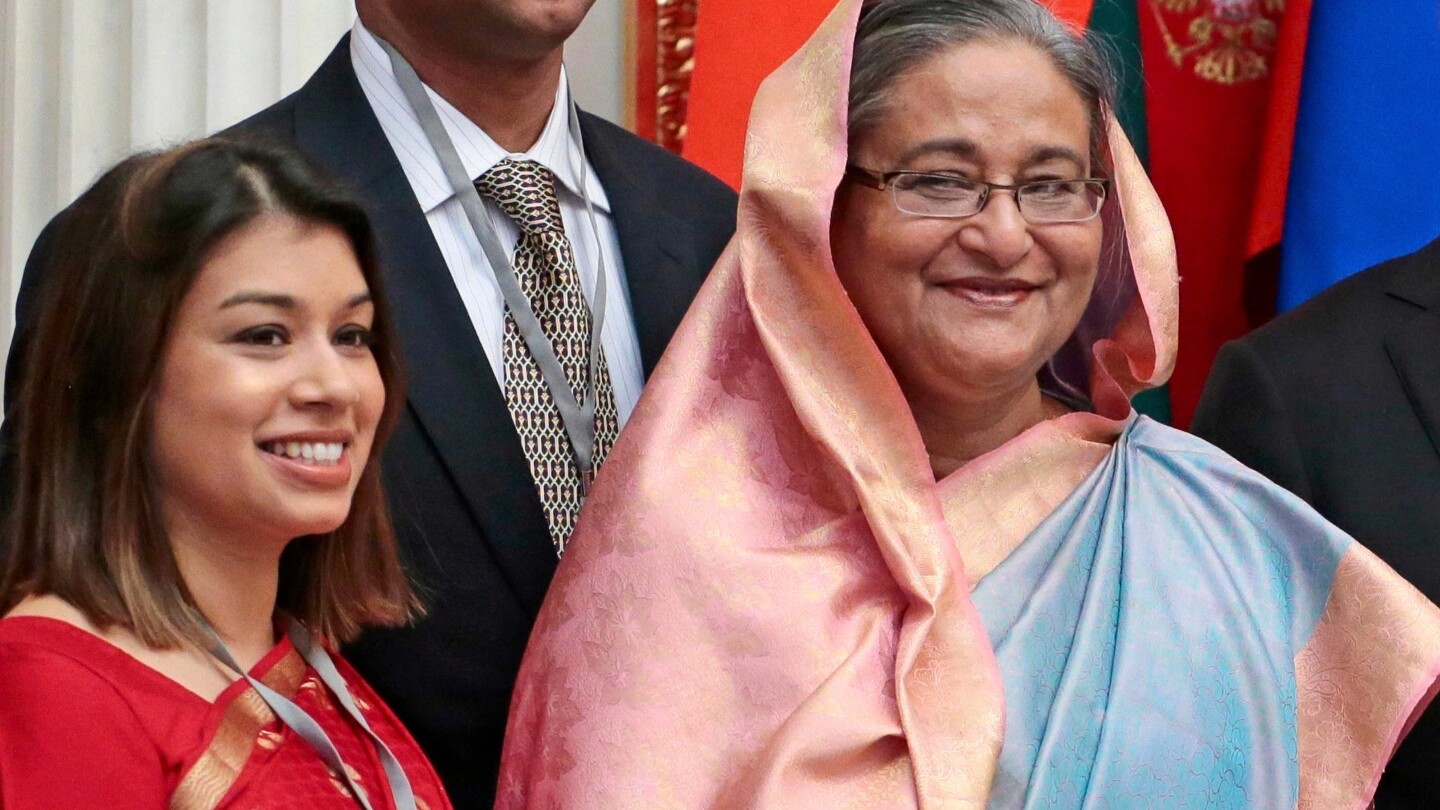
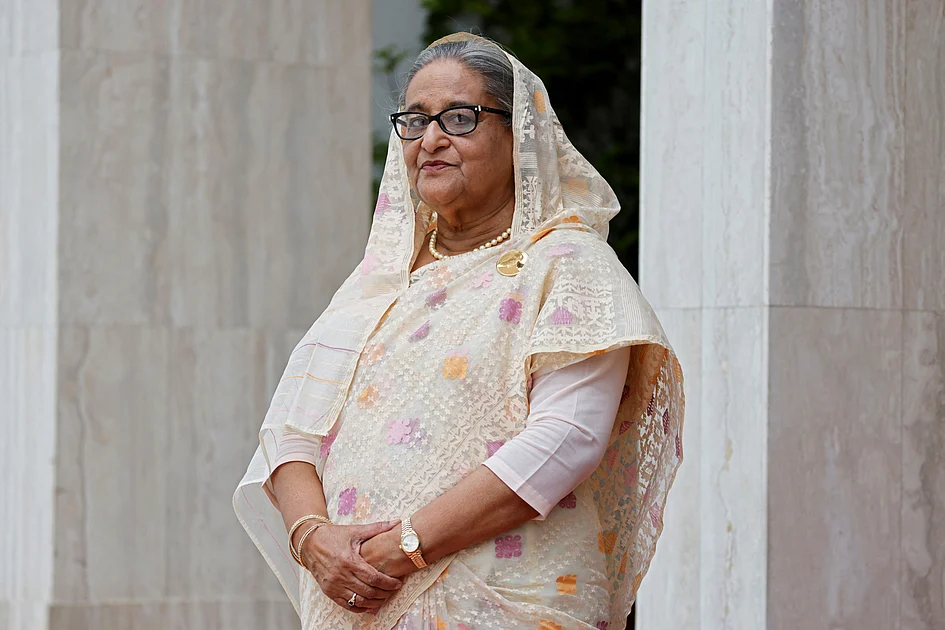
    A Dhaka special court has delivered prison sentences to ousted Prime Minister Sheikh Hasina and her family members in a high-profile corruption case involving a government land allocation scheme. The verdict, issued Monday, sentenced Hasina to five years imprisonment while her niece Tulip Siddiq—a sitting British Labour Party parliamentarian—received a two-year term.

    Presiding Judge Rabiul Alam found Hasina guilty of abusing her prime ministerial authority to facilitate illicit land acquisitions for family members. The court identified Sheikh Rehana, Hasina’s sister and Siddiq’s mother, as the primary beneficiary of the scheme, handing her a seven-year prison term—the most severe sentence among the defendants.

    All three convicted individuals were fined 70,000 taka (approximately $813) and ordered to forfeit the controversially acquired property. Fourteen additional suspects remain implicated in the case.

    Corruption prosecutor Khan Mohammed Mainul Hasan expressed disappointment with the sentencing, revealing that prosecutors had sought life imprisonment for the principal defendants. “We will consult with the commission for our next course of action,” Hasan stated following the verdict.

    The trial proceeded without defense representation, as none of the accused appointed legal counsel. All convicted parties currently reside outside Bangladesh—Hasina in exile in India, while Rehana and Siddiq’s siblings remain abroad facing separate charges related to last year’s political uprising.

    Siddiq, who represents London’s Hampstead and Highgate constituencies, previously denounced the proceedings as “a farce built on fabricated accusations and driven by a clear political vendetta.” She resigned from her ministerial position in January amid mounting pressure regarding her familial connections.

    This verdict adds to Hasina’s legal troubles, following her November death sentence for crimes against humanity during the crackdown that ended her fifteen-year administration. In a related case involving the same township project, another court previously sentenced Hasina to twenty-one years imprisonment, with her children receiving five-year terms.

    The interim government under Nobel Peace laureate Muhammad Yunus continues to oversee Bangladesh’s political transition, having announced parliamentary elections for February.

  • Ukrainian President Zelensky set for visit to Republic of Ireland

    Ukrainian President Zelensky set for visit to Republic of Ireland

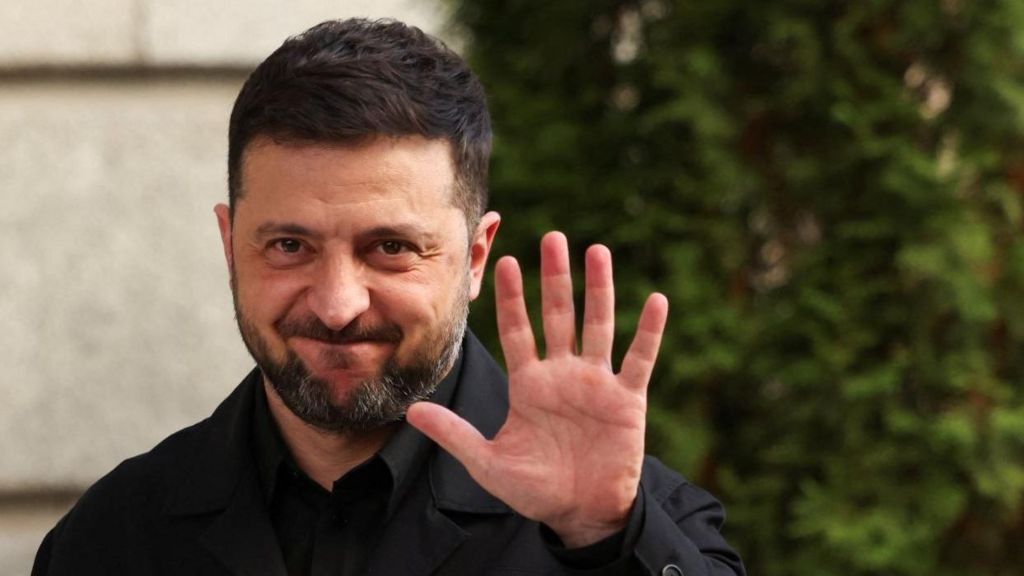
    Ukrainian President Volodymyr Zelensky is embarking on a landmark diplomatic mission to Dublin on Tuesday, marking the first official visit by a Ukrainian head of state to Ireland. The high-profile trip includes meetings with Taoiseach (Irish Prime Minister) Micheál Martin and newly-inaugurated Irish President Catherine Connolly during a formal courtesy call.

    The centerpiece of President Zelensky’s itinerary will be his participation in the inauguration ceremony of the Ireland-Ukraine Economic Forum. The event will feature prominent Irish political figures including Tánaiste (Deputy Prime Minister) Simon Harris and Minister for Foreign Affairs and Trade Helen McEntee, signaling the importance both nations place on enhancing economic cooperation.

    This visit builds upon previous diplomatic engagements between the two leaders. Taoiseach Martin previously welcomed President Zelensky at Shannon Airport in County Clare last February during the Ukrainian leader’s transit to the United States for meetings with President Donald Trump. Their diplomatic relationship further solidified during Martin’s official visit to Kyiv in July 2022.

    The Irish government emphasized the visit’s significance in reinforcing the “very close and warm relations” between Ireland and Ukraine. Official statements highlighted Ireland’s unwavering support for Ukraine’s defense against Russian aggression and recognition of the substantial contributions made by the Ukrainian refugee community in Ireland.

    Since the outbreak of conflict in February 2022, Ireland has provided refuge to approximately 120,000 Ukrainian nationals. While some have returned to Ukraine, current estimates indicate around 80,000 remain settled across Irish communities, creating enduring cultural and social bonds between the nations.

    Taoiseach Martin characterized the timing of President Zelensky’s visit as “critical” for both Ukraine and Europe, noting ongoing international efforts to establish “just and lasting peace” in the region. The Irish leader praised the resilience of the Ukrainian people, stating they have “inspired the world in their brave defence of their country and its sovereignty against brutal and illegal invasion.”

    Expected discussions will focus on Ireland’s continued support mechanisms for Ukraine and strategies to strengthen Ukraine’s negotiating position in future peace talks. The meetings represent a significant moment in European diplomatic relations amid continued conflict in Eastern Europe.

  • Tulip Siddiq MP given jail sentence in Bangladesh after trial in her absence

    Tulip Siddiq MP given jail sentence in Bangladesh after trial in her absence

    British Labour MP Tulip Siddiq has been convicted and sentenced to two years imprisonment by a Bangladeshi court for corruption-related offenses, tried in absentia alongside sixteen other defendants. The ruling centers on allegations that Siddiq improperly influenced her aunt, former Bangladeshi Prime Minister Sheikh Hasina, to obtain a land allocation for family members on the outskirts of Dhaka—charges the London-based parliamentarian vehemently denies.

    The verdict, delivered by Judge Rabiul Alam, includes a financial penalty of 100,000 Bangladeshi Taka (approximately $821), with an additional six-month prison term stipulated for non-payment. Despite the sentence, Siddiq is unlikely to serve time given the UK’s lack of an extradition treaty with Bangladesh and her status as a sitting British MP.

    This case emerges amid widespread legal actions initiated by Bangladeshi prosecutors following the ouster of Hasina’s government in July 2024. The former prime minister herself recently received a death sentence in a separate trial concerning crimes against humanity during anti-government protests.

    Siddiq’s legal representatives contest the jurisdiction of Bangladeshi courts, maintaining that she holds no Bangladeshi citizenship or official documentation. The trial has drawn international scrutiny, with prominent British legal figures—including former Justice Secretary Robert Buckland and human rights lawyer Cherie Blair—questioning the fairness of proceedings and noting Siddiq’s inability to secure adequate legal representation.

    The MP previously resigned from her Treasury ministerial position in January to avoid becoming a ‘distraction’ for the UK government, though an ethics investigation found no evidence of impropriety. She continues to face multiple additional charges in Bangladesh, including investigations into property transfers and a nuclear power plant deal during Hasina’s administration.

  • What to know about this week’s diplomatic efforts to end the war in Ukraine

    What to know about this week’s diplomatic efforts to end the war in Ukraine

    Diplomatic efforts to broker a peace agreement between Russia and Ukraine are intensifying this week as U.S. representatives engage in high-stakes shuttle diplomacy. The renewed push comes after President Donald Trump’s revised peace proposal, which has received cautious optimism from both Ukrainian President Volodymyr Zelenskyy and Russian President Vladimir Putin, though significant obstacles remain.

    The diplomatic sequence began with extensive four-hour discussions between Ukrainian officials—including National Security Council head Rustem Umerov and presidential adviser Oleksandr Bevz—and U.S. representatives on Sunday. Secretary of State Marco Rubio characterized the talks as productive while acknowledging substantial work ahead. This week, Trump’s envoy Steve Witkoff is scheduled to meet with Russian leadership in Moscow, with Kremlin spokesman Dmitry Peskov confirming discussions would occur in the week’s first half.

    Despite surface-level agreement that Trump’s proposal could form a negotiating basis, fundamental disagreements persist. Russia maintains its maximalist demands for Ukrainian territorial concessions in four illegally annexed regions and permanent exclusion from NATO membership. Ukraine remains adamant against ceding sovereign territory and continues to pursue NATO integration as a security guarantee.

    The political landscape shifted notably with Friday’s resignation of Andrii Yermak, Zelenskyy’s former chief of staff and lead negotiator, amid corruption allegations. While neither Zelenskyy nor Yermak face direct accusations, the departure removes a key experienced diplomat from negotiations.

    European powers face their own dilemmas as NATO and EU meetings convene this week to discuss military support for Ukraine and address the contentious issue of utilizing frozen Russian assets for Ukrainian reconstruction. The situation highlights Europe’s precarious position—being Ukraine’s primary supporter while remaining peripheral to U.S.-led diplomatic initiatives.

    Analysts note Putin’s strategic patience, believing time favors Russian objectives through military pressure. Meanwhile, Zelenskyy faces domestic challenges while maintaining Ukraine’s defensive stance, asserting that Ukraine “doesn’t have a right not to push it to the end.”

  • Bangladesh ex-PM Hasina ordered 2009 killings, reveals investigation

    Bangladesh ex-PM Hasina ordered 2009 killings, reveals investigation

    A government commission investigating Bangladesh’s deadly 2009 military mutiny has concluded that former Prime Minister Sheikh Hasina directly ordered the killings of 74 people during the two-day revolt. The findings, released on Sunday, represent a dramatic development in the case that has haunted the nation for sixteen years.

    The investigation commission, established by the current interim government led by Muhammad Yunus, determined that Hasina’s administration was directly involved in the Bangladesh Rifles (BDR) uprising that resulted in the massacre of military officers. According to the commission’s report, former parliament member Fazle Noor Taposh acted as principal coordinator with Hasina providing the ‘green signal’ to execute the killings.

    Commission chief A.L.M. Fazlur Rahman presented evidence suggesting foreign involvement in destabilizing Bangladesh, specifically implicating India in efforts to ‘weaken the Bangladesh Army’ following the carnage. The report contradicts previous investigations conducted during Hasina’s tenure that attributed the violence to soldiers’ grievances over pay and treatment.

    The 2009 mutiny began in Dhaka and rapidly spread nationwide, destabilizing Hasina’s government just weeks after she assumed office. The former prime minister, now 78, has sought refuge in India despite court orders demanding her return to Bangladesh. The commission’s findings have been welcomed by current leader Yunus, who stated the nation had long awaited truth about the motivations behind the killings.

  • US lawmakers demand answers over Hegseth Venezuela boat strike claims

    US lawmakers demand answers over Hegseth Venezuela boat strike claims

    A significant bipartisan inquiry is underway in Washington following explosive allegations regarding U.S. military conduct during anti-narcotics operations in the Caribbean. The controversy centers on a Washington Post report alleging that a secondary military strike was ordered specifically to eliminate survivors from an initial attack on a suspected Venezuelan drug-smuggling vessel on September 2nd.

    According to the report, Defense Secretary Pete Hegseth issued a directive to ‘kill everybody’ on board one such vessel. A Special Operations commander overseeing the mission subsequently ordered a follow-up strike to comply with these instructions, targeting the two survivors from the first engagement.

    The report has triggered a vigorous response from Congressional oversight committees. Both the Republican-led Senate Armed Services Committee and the House Armed Services Committee have announced bipartisan investigations to determine the factual circumstances of these operations. In a rare show of unity, lawmakers from both major parties have expressed profound legal and ethical concerns, with Senator Tim Kaine (D-VA) stating the allegations ‘rise to the level of a war crime if true.’

    Secretary Hegseth has vehemently denied the allegations, labeling them as ‘fabricated, inflammatory, and derogatory’ in a social media post. He maintains that all strikes conducted as part of Operation Sentinel are ‘lawful under both US and international law,’ asserting that every targeted trafficker was ‘affiliated with a Designated Terrorist Organization.’

    President Donald Trump offered his full support to his defense secretary, telling reporters aboard Air Force One, ‘He said he did not say that. And I believe him a 100%.’ The President added that his administration ‘will look into’ the matter and stated, ‘I wouldn’t have wanted that – not a second strike.’

    The military operations, which have resulted in over 80 fatalities since early September, represent a significant escalation of U.S. anti-narcotics efforts in international waters off Venezuela and Colombia. The Trump administration justifies these actions as acts of self-defense against vessels transporting illicit drugs toward American shores.

    Internationally, the incident has drawn sharp condemnation from Venezuela’s National Assembly, which has vowed to conduct its own ‘rigorous and thorough investigation.’ The Venezuelan government has consistently accused the United States of using anti-drug operations as a pretext to stoke regional tensions and undermine its sovereignty.

    Legal experts have raised questions about the operations’ compliance with international maritime law, particularly the United Nations Convention on the Law of the Sea, which generally prohibits interference with vessels in international waters except under specific circumstances such as ‘hot pursuit.’ Professor Luke Moffett of Queens University Belfast noted that while ‘force can be used to stop a boat… generally this should be non-lethal measures.’

  • Venezuela slams US’ ‘colonial threat’ on its airspace

    Venezuela slams US’ ‘colonial threat’ on its airspace

    Venezuela has issued a forceful condemnation of what it characterizes as a “colonial threat” from the United States following President Donald Trump’s declaration that the airspace “above and surrounding” Venezuela should be considered “closed in its entirety.” The South American nation’s government released an official statement on Saturday rejecting Washington’s attempted imposition of extraterritorial jurisdiction, describing the move as a violation of international law and Venezuelan sovereignty.

    The statement from Caracas emphasized that the 1944 Chicago Convention grants each nation exclusive sovereignty over its territorial airspace, labeling the US position as “another extravagant, illegal and unjustified aggression against the Venezuelan people.” Venezuelan authorities asserted they would not accept “orders, threats or interference” from any foreign power and characterized the US action as an explicit threat of force prohibited under the United Nations Charter.

    This diplomatic confrontation occurs amid escalating military activity in the region. Since early September, the United States has conducted over twenty known military strikes targeting suspected drug vessels in the Caribbean and eastern Pacific, resulting in more than eighty casualties. The military presence intensified in mid-November with the deployment of the USS Gerald R. Ford aircraft carrier to levels unprecedented in at least three decades.

    President Trump further heightened tensions during his Thanksgiving message to US troops, suggesting that America could “very soon” take action by land against drug trafficking networks in Venezuela. Venezuelan President Nicolas Maduro has consistently denied government involvement in narcotics trafficking, accusing the United States of fabricating pretexts for forced regime change.

    The situation has drawn concern from both Democratic and Republican members of the US Congress, who have questioned the president’s authority to initiate military action without legislative approval. Senate Democrat Chuck Schumer warned that “President Trump’s reckless actions toward Venezuela are pushing America closer and closer to another costly foreign war,” while Republican Representative Marjorie Taylor Greene reminded that “Congress has the sole power to declare war.”

    This incident follows last month’s Federal Aviation Administration warning to airlines operating in Venezuelan airspace, citing potential hazards from worsening security conditions and increased military activity. Venezuela subsequently revoked operating rights for six international airlines that had suspended flights following the FAA advisory.

    The regional implications extend beyond bilateral relations, with Cuba previously accusing the United States of pursuing violent regime change in Venezuela and warning that heightened US military deployment represents an “exaggerated and aggressive” threat to Caribbean stability.