分类: politics

  • A South African radio presenter is arrested on suspicion of recruiting fighters for Russia

    A South African radio presenter is arrested on suspicion of recruiting fighters for Russia

    A prominent South African radio personality has been formally charged with illegally recruiting citizens for Russia’s military operations in Ukraine, marking a significant development in the country’s growing foreign recruitment crisis. Nonkululeko Mantula, a 39-year-old presenter with state broadcaster SAFM, appeared in court Monday alongside four co-accused following their arrest based on intelligence reports.

    Authorities confirmed that three suspects were intercepted at a major international airport while attempting to travel to Russia via the United Arab Emirates. Investigators believe at least one individual successfully reached Russian territory under Mantula’s alleged coordination. South African law strictly prohibits citizens from enlisting in foreign militaries without explicit government authorization.

    This case emerges alongside a separate high-profile investigation involving Duduzile Zuma-Sambudla, daughter of former President Jacob Zuma. She recently resigned from her parliamentary position in the MK Party following allegations of deceiving 17 South African men into combat roles with Russian mercenary units. Victims reportedly traveled under false pretenses of receiving security training for employment opportunities.

    The South African government has initiated formal repatriation efforts through international law enforcement channels after receiving distress calls from citizens trapped in eastern Ukraine. According to official reports, these individuals had their passports destroyed and communication devices confiscated upon arrival in Russia.

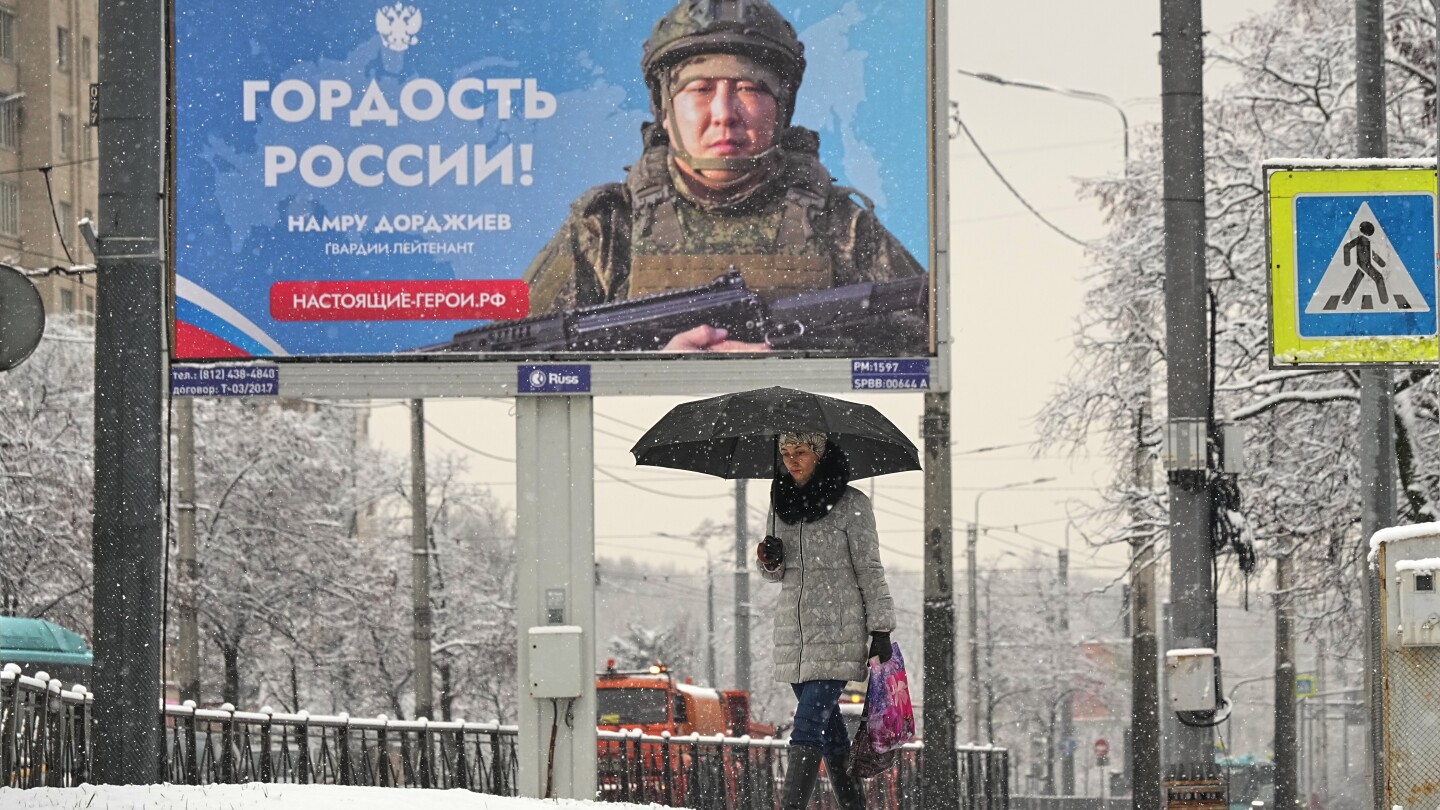
    Russian recruitment tactics have increasingly targeted developing nations through social media campaigns promising employment in various sectors. Recent intelligence indicates these operations have expanded to include deceptive recruitment of African women for drone manufacturing facilities under the guise of hospitality industry jobs.

    South African authorities have issued nationwide warnings about social media influencers promoting Russian employment and educational opportunities, emphasizing the grave risks associated with these allegedly fraudulent schemes.
  • Shock in Cameroon as 74-year-old opposition firebrand dies in detention

    Shock in Cameroon as 74-year-old opposition firebrand dies in detention

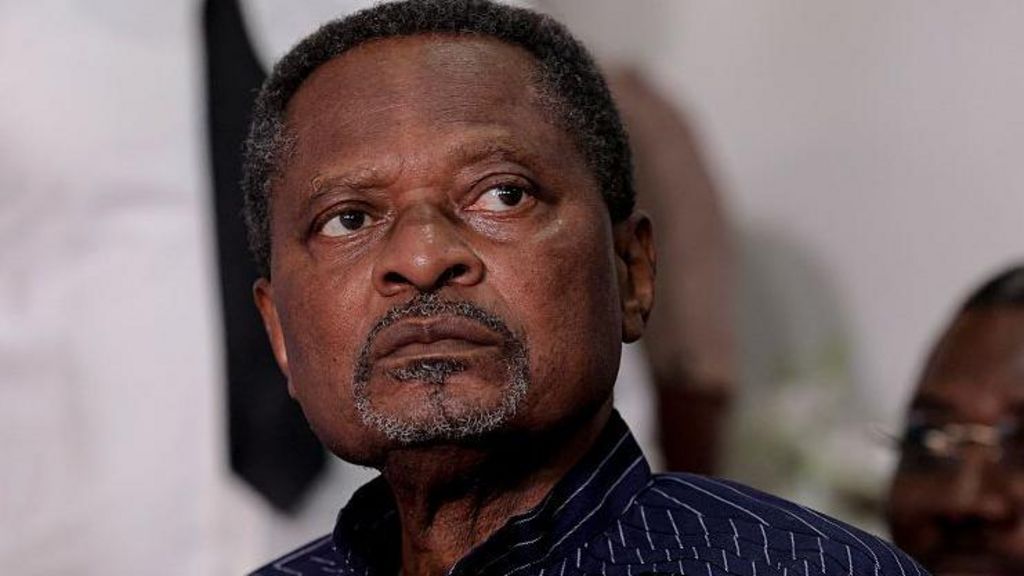
    Cameroon’s political landscape has been shaken by the death of prominent left-wing opposition figure Anicet Ekane, who passed away while detained at a military medical facility. The 74-year-old leader of the African Movement for New Independence and Democracy (MANIDEM) had been held for five weeks without formal charges following his October 24 arrest.

    Ekane’s sudden demise has sparked outrage among opposition supporters and raised serious questions about treatment of government critics. According to his legal representatives, the politician was never formally charged or presented before a judicial authority despite accusations of “hostility against the state, incitement to revolt, and calls for insurrection.”

    The circumstances surrounding his death remain shrouded in mystery. Family members received minimal explanation, with Ekane’s wife being abruptly presented with her husband’s corpse without prior notification of his deteriorating condition. Defense Ministry spokesman Captain Cyrille Serge Atonfack attributed the death to “various chronic pathologies” but provided no specific details about the medical circumstances.

    This incident occurs against a backdrop of heightened political tensions following October’s presidential election, which saw 92-year-old incumbent Paul Biya officially declared winner. Ekane had been a key figure in the Union for Change Coalition that backed former government spokesman Issa Tchiroma Bakary, who subsequently fled to The Gambia after disputing the election results.

    The opposition leader’s death has triggered widespread grief and anger, with supporters gathering at party headquarters in Douala while others expressed fury through online channels. Security forces have reportedly surrounded MANIDEM’s premises as authorities announce an investigation into the exact circumstances of Ekane’s death.

  • West African bloc delegation arrives in Guinea-Bissau for talks with military coup leaders

    West African bloc delegation arrives in Guinea-Bissau for talks with military coup leaders

    A high-level delegation from the Economic Community of West African States (ECOWAS) arrived in Guinea-Bissau’s capital Bissau on Monday to initiate critical mediation talks with military leaders who seized power in last week’s coup. The mission, headed by ECOWAS Chairman and Sierra Leonean President Julius Maada Bio, aims to negotiate the complete restoration of constitutional order following the overthrow of democratically elected institutions.

    The military government, which assumed control last Wednesday amid post-electoral turmoil, has implemented stringent security measures prohibiting all demonstrations, strikes, and activities deemed threatening to national stability. In an official statement released Sunday evening, the junta additionally mandated the reopening of public institutions and ministries.

    This political crisis erupted just three days after a tightly contested presidential election where both primary contenders declared victory. During the military takeover, ousted President Umaro Sissoco Embaló confirmed his deposition and arrest via telephone communication with French media before subsequently fleeing to Brazzaville, capital of the Republic of Congo.

    The armed forces have installed former army chief of staff General Horta Inta-a to lead a transitional military government overseeing a projected one-year political transition. On Saturday, Inta-a appointed a new 28-member administration predominantly composed of allies from the deposed president’s circle.

    In a significant development, Nigeria granted protective asylum to Guinea-Bissau opposition candidate Fernando Dias da Costa citing imminent threats to his life. Nigeria’s Minister of Foreign Affairs formally requested ECOWAS troop protection for da Costa, currently sheltering at the Nigerian embassy in Bissau.

    ECOWAS had previously suspended Guinea-Bissau from its decision-making bodies pending full constitutional restoration. United Nations Secretary-General Antonio Guterres condemned the military takeover as an unacceptable violation of democratic principles, particularly following the November 23 general elections. He demanded immediate unconditional restoration of constitutional order and release of all detained officials including electoral authorities and political leaders.

    Guinea-Bissau’s history remains marred by political instability since gaining independence from Portugal over five decades ago, with this representing the latest in numerous coups and attempted power seizures. The nation of 2.2 million people, among the world’s poorest, has become a notorious hub for narcotics trafficking between Latin America and Europe—a factor experts identify as exacerbating its chronic political crises.

    ECOWAS, the 15-nation bloc established in 1975 as West Africa’s primary political and economic authority, continues grappling with regional democratic backsliding despite its mandate to promote stability and integration. The organization faces mounting challenges reversing military takeovers in member states where citizens increasingly protest inequitable distribution of natural resource wealth.

  • National Guard shooting suspect radicalised after he came to US, homeland secretary says

    National Guard shooting suspect radicalised after he came to US, homeland secretary says

    U.S. Homeland Security Secretary Kristi Noem revealed on Sunday that the Afghan immigrant accused of ambushing National Guard members in Washington, D.C. underwent radicalization after entering the United States, not before his arrival. The suspect, identified as 29-year-old Rahmanullah Lakanwal, allegedly carried out Wednesday’s shooting just blocks from the White House, resulting in one National Guard member killed and another critically wounded.

    Speaking across multiple national news programs including NBC’s ‘Meet the Press’ and ABC’s ‘This Week,’ Secretary Noem indicated investigators believe Lakanwal became radicalized while residing in Washington state. ‘We believe he was radicalized since he’s been here in this country,’ Noem stated, adding that authorities suspect the process occurred ‘through connections in his home community and state.’

    The case has ignited political tensions regarding U.S. immigration policy. While President Trump’s administration has criticized the vetting processes during the Biden administration, records show Lakanwal was actually granted asylum in April under the current Trump administration. The suspect entered the United States in 2021 as part of the mass evacuation of Afghans who assisted U.S. forces during the Afghanistan conflict.

    In response to the attack, the Trump administration has implemented significant immigration policy changes, including a comprehensive freeze on processing all asylum applications. President Trump told reporters aboard Air Force One that his administration could ‘pause asylum admissions into the US for an extended period’ with ‘no time limit.’

    Secretary Noem warned that immigration officials would now review every pending asylum claim and consider deportations where warranted. She also issued a stern warning to anyone connected to the shooting: ‘Anyone who has information on this needs to know that we will be coming after you, and we will bring you to justice.’

    Investigators continue to seek additional information from family members and associates of Lakanwal, who previously served in a CIA-backed unit in Afghanistan before seeking refuge in the United States.

  • Trump says US freeze on asylum decisions will last ‘a long time’

    Trump says US freeze on asylum decisions will last ‘a long time’

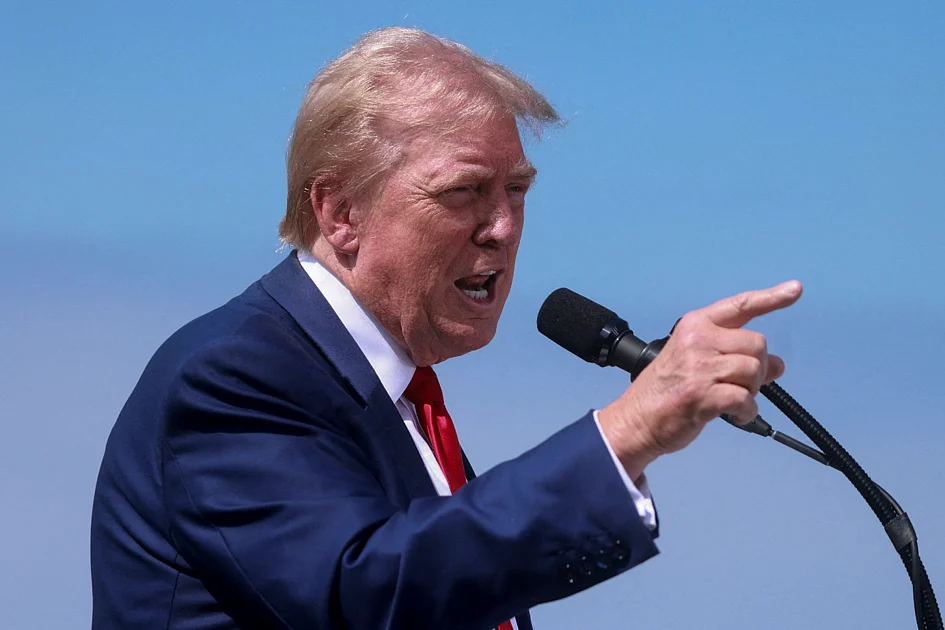
    President Donald Trump has declared an open-ended suspension of asylum admissions following a fatal shooting incident near the White House that resulted in the death of a National Guard member. The administration’s immigration pause, initially implemented after the November 26th attack, now appears set to continue indefinitely according to the President’s Sunday statements.

    The policy specifically targets nationals from 19 countries already subject to existing U.S. travel restrictions, including Afghanistan, Cuba, Haiti, Iran, and Myanmar. When pressed about the duration of this measure, Trump explicitly stated he had ‘no time limit’ in mind for maintaining the asylum freeze.

    The shooting incident involved Rahmanullah Lakanwal, a 29-year-old Afghan national who entered the United States through a resettlement program following the 2021 military withdrawal from Afghanistan. Despite being granted asylum under the current administration in April 2025, Lakanwal has been charged with first-degree murder in connection with the attack that killed 20-year-old Sarah Beckstrom and critically wounded another guardsman.

    Trump attributed the tragedy to what his administration characterizes as insufficient vetting procedures during the previous Biden administration’s handling of the Afghan evacuation. The Department of Homeland Security has directly linked the asylum pause to the list of countries already facing travel restrictions since June.

    The President reinforced his position with strong rhetoric, stating ‘We don’t want those people’ and asserting that ‘many have been no good, and they shouldn’t be in our country.’ This policy shift represents a significant hardening of the administration’s immigration stance following the security incident.

  • ICC president vows to resist US and Russian pressure despite sanctions and threats

    ICC president vows to resist US and Russian pressure despite sanctions and threats

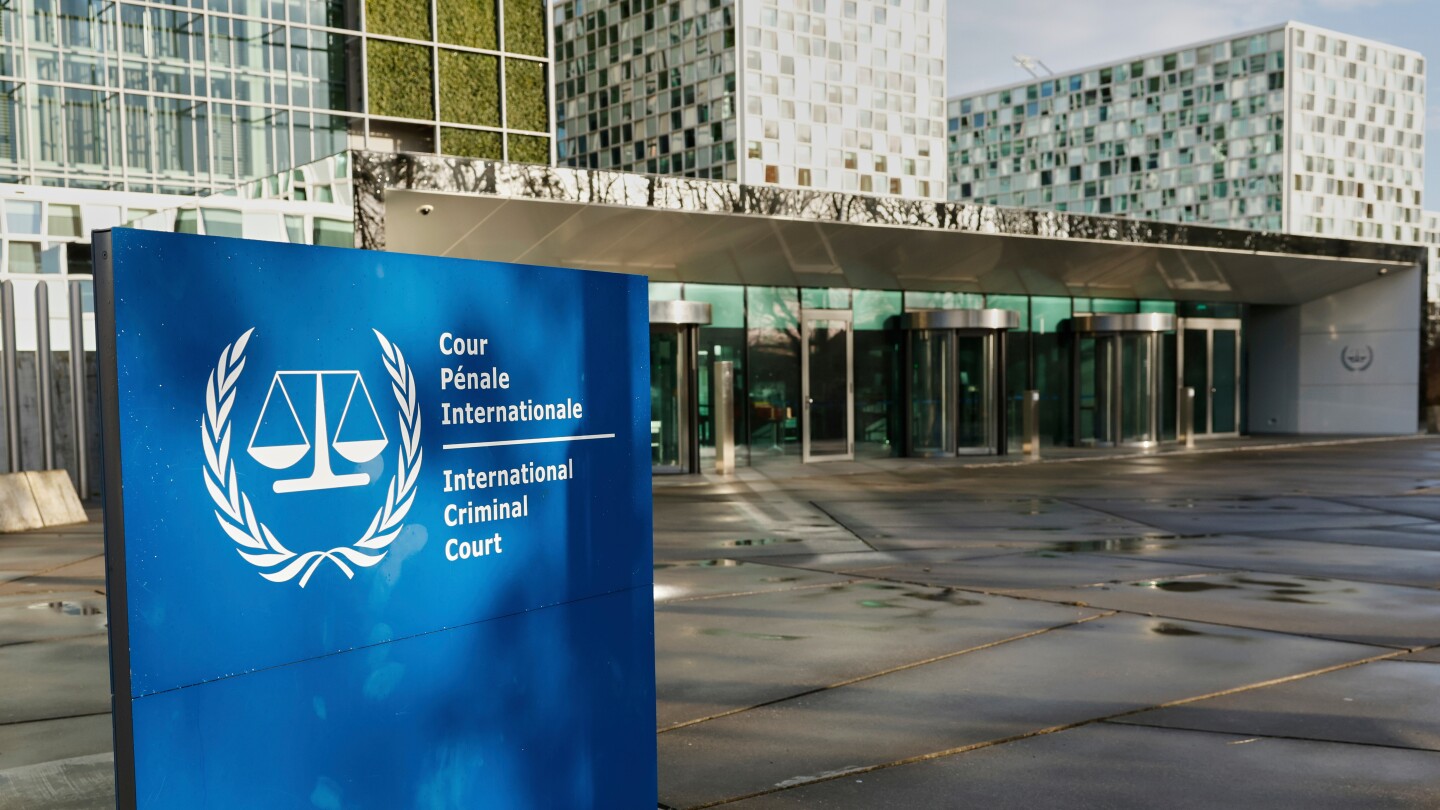
    THE HAGUE, Netherlands — In a defiant address at its annual assembly, the International Criminal Court (ICC) declared it would resist mounting external pressures from global powers. Court President Judge Tomoko Akane asserted the institution’s independence before delegations from 125 member states, emphasizing, “We never accept any kind of pressure.”

    The declaration comes amid significant challenges: nine ICC officials, including six judges and Chief Prosecutor Karim Khan, face sanctions from the Trump administration. These measures were imposed in response to investigations targeting U.S. and Israeli officials. Simultaneously, Moscow has issued warrants against court staff following the ICC’s arrest warrant for Russian President Vladimir Putin concerning Ukraine conflict allegations.

    These sanctions have substantially impacted the court’s operational capacity across multiple investigations, straining resources as demand for its services grows. The current administration under President Joe Biden has not reversed these sanctions, maintaining the stance established in 2020 when Trump targeted Prosecutor Khan over probes involving Israel.

    In a major development, the court has issued arrest warrants for Israeli Prime Minister Benjamin Netanyahu and former Defense Minister Yoav Gallant regarding alleged war crimes during Israel’s military operations in Gaza following Hamas’ October 2023 attacks.

    The ICC, established in 2002 as the permanent global court for prosecuting severe international crimes including genocide and war crimes, operates when national jurisdictions fail to act. Notably, the United States, Israel, Russia, and China remain non-member states. The court lacks its own enforcement capabilities and depends on member cooperation to execute warrants.

    Adding to these external pressures, Prosecutor Khan has temporarily stepped down pending an investigation into allegations of sexual misconduct, which he denies. Assembly of States Parties President Päivi Kaukoranta acknowledged frustrations with the prolonged investigation timeline, though no completion date has been set.

    The weeklong meeting will address critical operational matters, including budget approvals, against this backdrop of international pressure and internal challenges.

  • Zelenskyy meets with Macron in Paris as U.S.-led peace negotiations advance

    Zelenskyy meets with Macron in Paris as U.S.-led peace negotiations advance

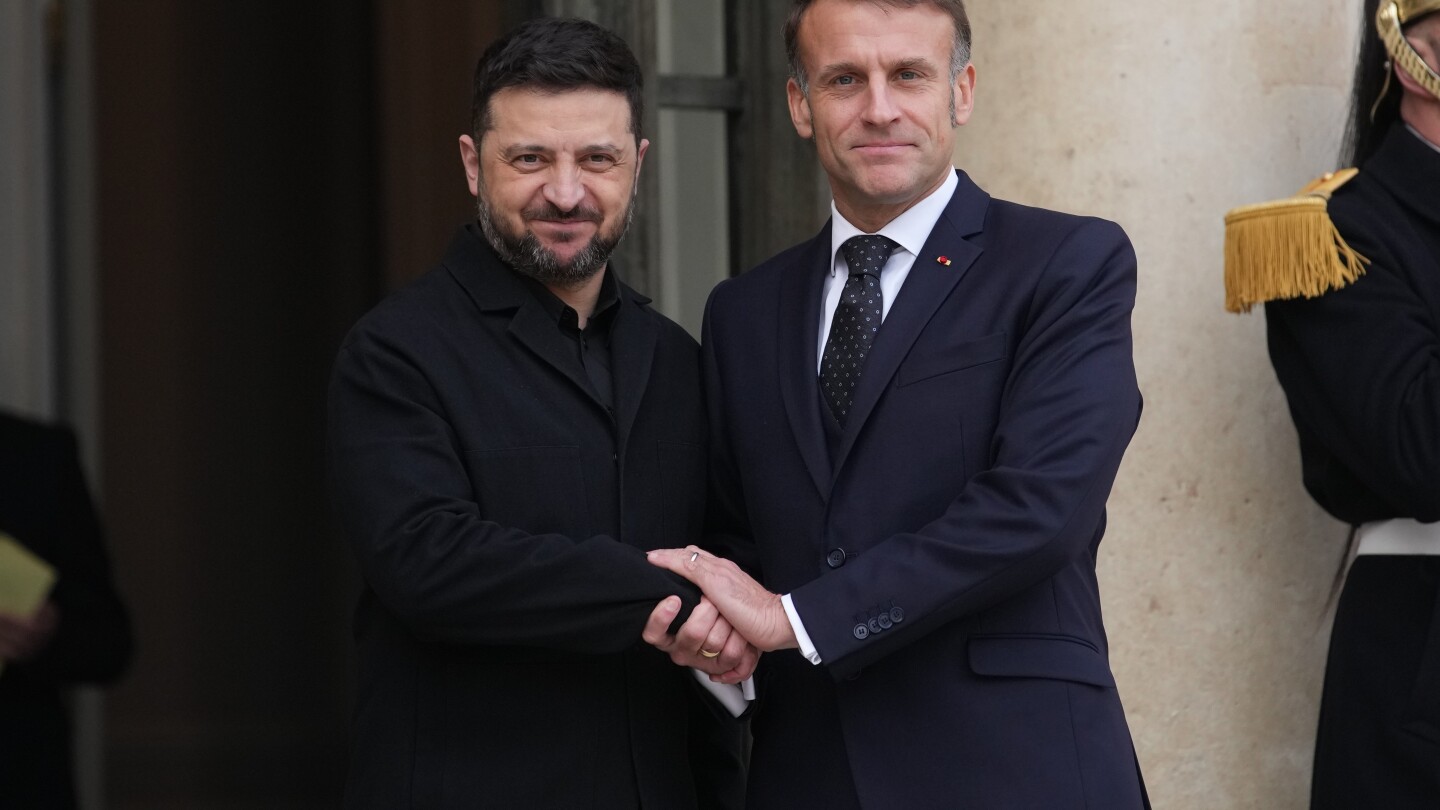
    PARIS — A significant diplomatic push unfolded Monday as Ukrainian President Volodymyr Zelenskyy convened with French counterpart Emmanuel Macron at the Élysée Palace, marking the latest high-level engagement in complex negotiations toward a potential ceasefire in the protracted Ukraine conflict. This Paris meeting followed Sunday’s discussions between Ukrainian and U.S. officials in Florida, which Secretary of State Marco Rubio characterized as productive despite substantial outstanding issues.

    The diplomatic efforts center on revising a U.S.-authored peace proposal that has drawn criticism from European allies for perceived excessive concessions to Russian interests. The initial 28-point framework—which would restrict Ukraine’s military capacity, bar NATO membership, and require territorial concessions—has been downplayed by U.S. President Donald Trump as merely a conceptual starting point requiring refinement.

    Macron’s office stated the leaders would deliberate conditions for a “fair and lasting peace,” with the French president emerging as a key counterbalance to elements favoring Russian positions. Last week, Macron urged Western allies to provide “rock-solid” security guarantees to Ukraine, including potential deployment of a multinational “reassurance force” across land, sea, and air domains to ensure the nation’s defense.

    Parallel diplomatic channels saw Kremlin confirmation that Russian President Vladimir Putin would meet Tuesday with U.S. presidential envoy Steve Witkoff, whose role faced scrutiny following reports he coached Russian officials on presenting the peace plan to Trump. Both Moscow and Washington minimized these revelations’ significance.

    Meanwhile, military tensions escalated as Kremlin spokesperson Dmitry Peskov condemned Ukrainian strikes on Russian energy infrastructure, including an attack on the Caspian Pipeline Consortium terminal that forced operational halts and another targeting tankers in Turkish waters. Ukraine confirmed conducting these operations, which Peskov labeled “outrageous” due to targeting international facilities.

    Russia’s Defense Ministry reported destroying 32 Ukrainian drones overnight across 11 regions and the Sea of Azov, with regional officials noting damage to residential structures in Dagestan—over 1,000 kilometers from frontline combat zones.

  • UK leader Keir Starmer backs his Treasury chief over claims she misled the public about the economy

    UK leader Keir Starmer backs his Treasury chief over claims she misled the public about the economy

    LONDON — British Prime Minister Keir Starmer has publicly supported his Treasury chief amid mounting opposition accusations regarding the government’s handling of pre-budget financial communications. The controversy centers on Chancellor of the Exchequer Rachel Reeves’ statements preceding last week’s fiscal announcement, which opposition parties claim misrepresented the nation’s economic outlook.

    Three weeks prior to unveiling her budget, Reeves indicated potential income tax increases that would have contradicted a key Labour election pledge. However, following resistance from within her own party and more favorable-than-anticipated public finance reports, the Chancellor altered course, implementing smaller revenue-generation measures instead.

    Conservative and Scottish National Party politicians have formally requested the Financial Conduct Authority to examine Reeves’ pre-budget remarks and media disclosures. Their allegations suggest the Chancellor possessed advance knowledge of the Office for Budget Responsibility’s improved fiscal forecast while publicly discussing economic challenges. Reform U.K. leader Nigel Farage has additionally urged the government’s standards advisor to investigate the matter.

    Reeves maintains her complete transparency, explaining that the OBR had initially projected a £16 billion ($21 billion) revenue shortfall due to downgraded productivity forecasts—a significantly smaller deficit than previously reported. The Chancellor emphasized she accurately communicated that the OBR assessment would necessitate additional public contributions.

    The current administration, which achieved a decisive electoral victory in July 2024 after campaigning on a platform of no income tax increases for working citizens, has implemented £26 billion ($34 billion) in tax measures primarily to establish financial buffers against potential economic volatility.

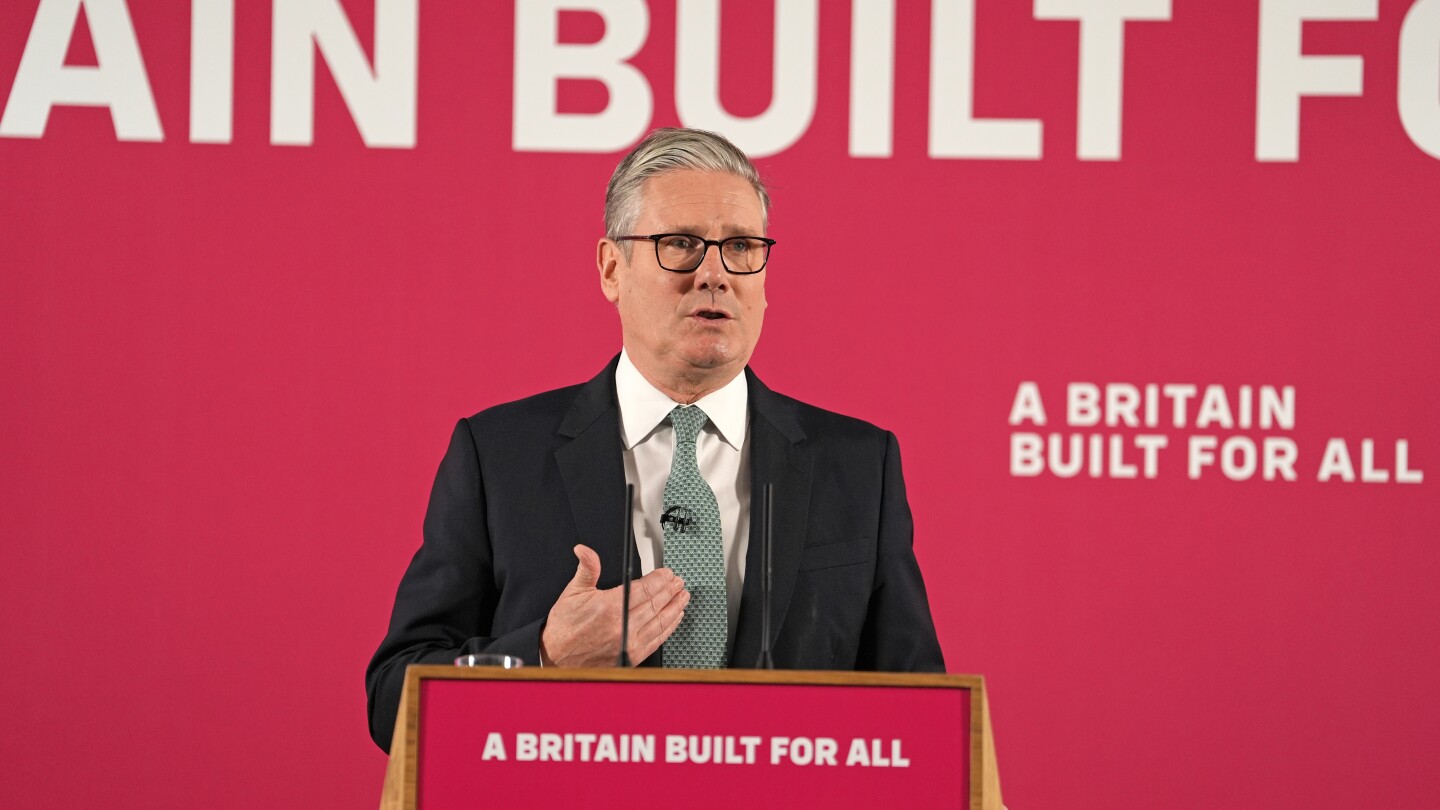
    Prime Minister Starmer, speaking at a London community center, defended these decisions by highlighting the “total crisis” in public finances and services inherited after fourteen years of Conservative governance. He framed the tax adjustments, minimum wage increases, and public service investments as necessary steps to alleviate child poverty and redirect the nation from economic decline.

    The government now advances two potentially contentious initiatives: reducing Britain’s expanding welfare expenditure and pursuing closer ties with the European Union. The former risks alienating Labour constituents, while the latter may provoke pro-Brexit Conservative and Reform politicians. Starmer acknowledged that the existing EU exit agreement has “significantly hurt our economy,” asserting that closer European relations remain essential for Britain’s economic future.

  • US state secretary says ‘more work to be done’ after talks with Ukraine over revised peace plan

    US state secretary says ‘more work to be done’ after talks with Ukraine over revised peace plan

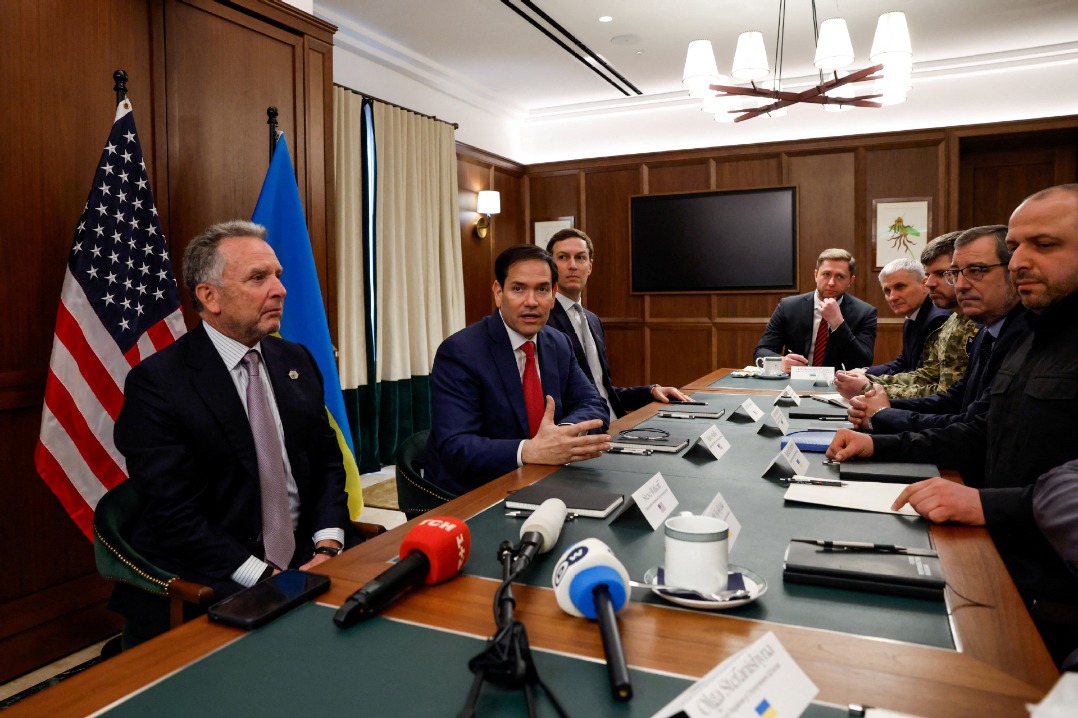
    Following an intensive four-hour diplomatic session in Hallandale Beach, Florida, United States Secretary of State Marco Rubio characterized recent negotiations with Ukrainian officials as making “additional” progress toward a revised blueprint for peace in Eastern Europe. The high-level discussions, held on November 30, 2025, brought together key figures from both nations but concluded without a finalized agreement.

    Secretary Rubio addressed journalists after the meeting, emphasizing the complex nature of the negotiations. “This is delicate, it’s complicated,” he stated. “There are a lot of moving parts, and obviously there’s another party involved here that will have to be a part of the equation” – an apparent reference to Russian interests in any comprehensive settlement.

    The American diplomatic contingent featured not only Secretary Rubio but also Special Envoy Steve Witkoff and Jared Kushner, son-in-law to former President Donald Trump. Their Ukrainian counterparts were led by Rustem Umerov, Secretary of Ukraine’s National Security and Defence Council, who described the dialogue as “difficult but productive” in a social media update.

    Umerov further noted that the parties had achieved “tangible progress toward establishing a just peace” while acknowledging significant work remains before a conclusive agreement can be reached. Both delegations have committed to ongoing consultations and coordination regarding subsequent measures.

    According to reports from The Wall Street Journal, the American diplomatic team is scheduled to travel to Moscow for follow-up discussions, indicating the multilateral dimension of these peace efforts. Neither Rubio nor Umerov fielded questions from the press following the conclusion of Sunday’s negotiations.

  • Trump confirms phone call with Venezuelan president: report

    Trump confirms phone call with Venezuelan president: report

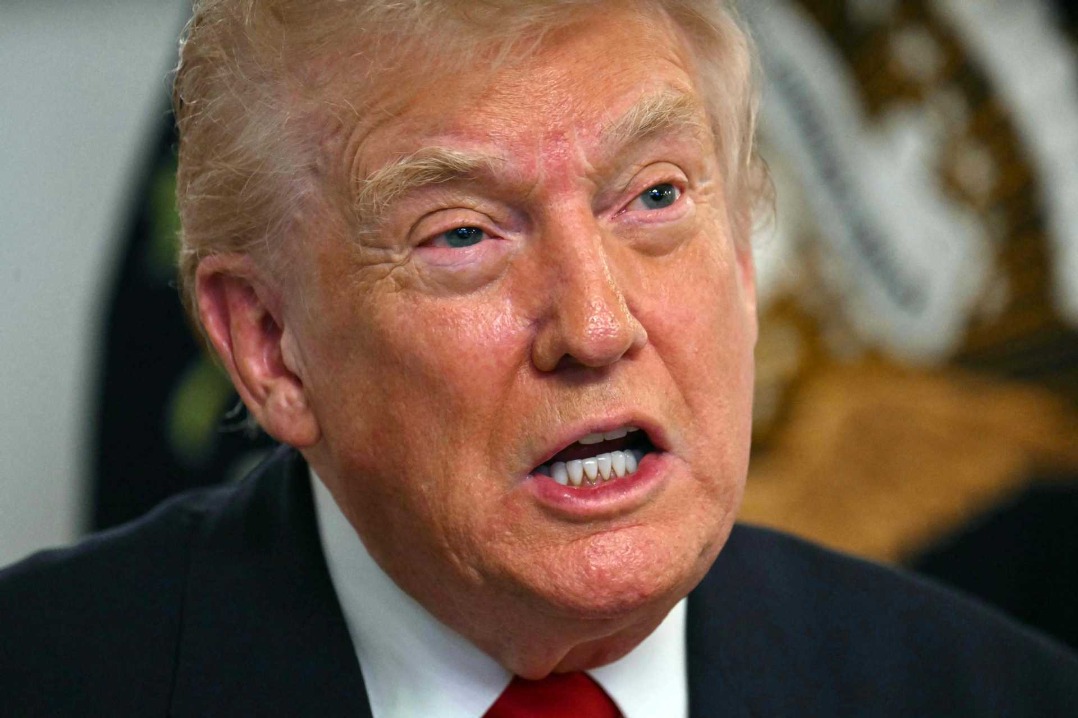
    WASHINGTON — U.S. President Donald Trump has officially acknowledged a direct telephone conversation with Venezuelan President Nicolás Maduro, marking a significant development in bilateral relations between the two nations. The confirmation came during a press briefing aboard Air Force One on Sunday, though the American leader remained notably guarded about substantive details of the exchange.

    When pressed by journalists for commentary on the nature of the discussion, Trump responded, “I don’t want to comment on it; the answer is yes.” He characterized the call in neutral terms, stating, “I wouldn’t say it went well or badly. It was a phone call,” effectively sidestepping deeper elaboration on diplomatic particulars.

    The revelation follows Trump’s social media activity from Saturday, wherein he issued a stark warning regarding Venezuelan airspace. In his post, the President declared that the airspace above and surrounding Venezuela “should be considered to be closed in its entirety.” This statement prompted immediate speculation about potential military escalation.

    However, Trump moved to downplay interpretations of imminent offensive action. “Don’t read anything into it,” he advised, clarifying that the alert was issued “because we consider Venezuela to be not a very friendly country.” This framing suggests the move was more a symbolic gesture of diplomatic pressure rather than a precursor to airstrikes. The exchange and subsequent statements represent a complex interplay of diplomacy and public posturing amid ongoing tensions between the United States and the Venezuelan government.