分类: politics

  • Israel’s Netanyahu appears in court after pardon request backed by Trump

    Israel’s Netanyahu appears in court after pardon request backed by Trump

    Israeli Prime Minister Benjamin Netanyahu appeared before the Jerusalem District Court on Monday amid escalating controversy over his unprecedented request for a presidential pardon in his ongoing corruption trial. The legal proceeding marks the first court appearance since Netanyahu formally sought clemency from President Isaac Herzog—a move that has received endorsement from former U.S. President Donald Trump but has ignited fierce opposition across Israel’s political spectrum.

    The pardon appeal, submitted through Netanyahu’s legal team on Sunday, argues that continuous court appearances are impairing the Prime Minister’s governance capabilities. Notably absent from the request is any admission of guilt regarding the bribery, fraud, and breach of trust charges originally filed in 2019. Netanyahu maintains his complete innocence, with his attorneys asserting they expect full acquittal should the trial proceed to conclusion.

    Opposition leaders have condemned the pardon bid as fundamentally undemocratic. Former Prime Minister Naftali Bennett conditionally supported ending judicial proceedings only if Netanyahu permanently withdraws from political life, stating this would allow Israel to ‘unite and rebuild the country together.’ Other critics demand national elections—scheduled by October 2026—before any pardon consideration.

    President Herzog acknowledged the divisive nature of the request, pledging to handle the matter with precision while prioritizing Israel’s national interests. The presidential office faces uncharted territory, as Israeli pardons traditionally occur only after conviction, not during active trials.

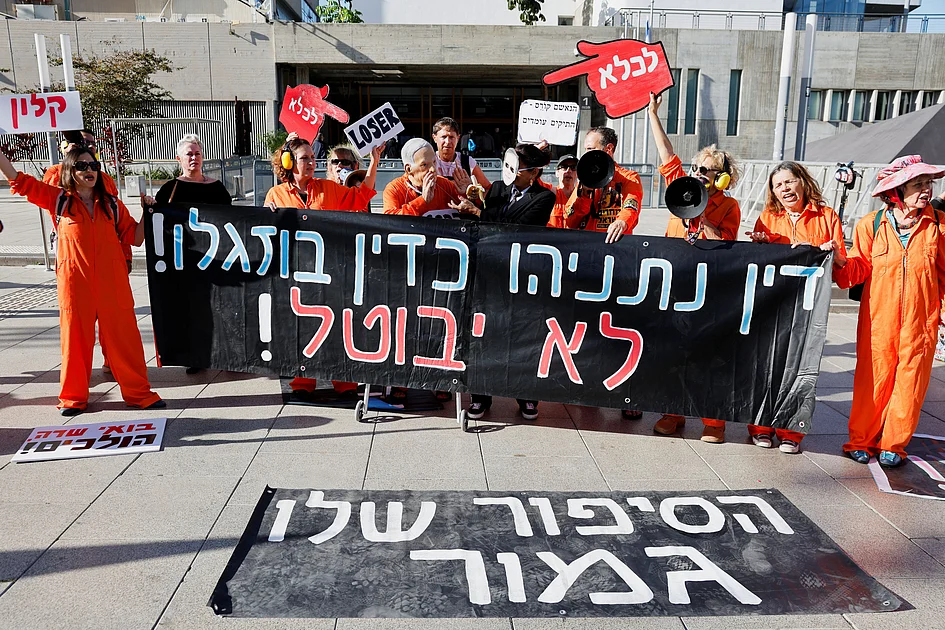
    Outside the courthouse, demonstrators wearing orange prison jumpsuits gathered, symbolizing their demand for accountability. Protester Ilana Barzilay expressed outrage that Netanyahu sought pardon without accepting responsibility.

    The political dimension intensified when Donald Trump characterized Netanyahu’s prosecution as ‘political and unjustified’ in a letter to President Herzog two weeks prior. This external endorsement has further polarized Israeli society, with Netanyahu’s right-wing coalition allies supporting the pardon while opponents view it as an assault on judicial integrity.

    Electoral implications loom large, with polls indicating Netanyahu’s coalition would struggle to maintain power in upcoming elections, where his legal troubles have become a central campaign issue.

  • Sons of Pakistan’s jailed Imran Khan voice fears for his safety

    Sons of Pakistan’s jailed Imran Khan voice fears for his safety

    The sons of Pakistan’s incarcerated former Prime Minister Imran Khan have escalated their concerns regarding his welfare, expressing grave fears that authorities might be concealing critical information about his condition. With over three weeks passing without verifiable evidence of Khan’s wellbeing, the family alleges a deliberate campaign of isolation that amounts to psychological torture.

    Kasim Khan, one of Imran Khan’s sons, revealed to Reuters that the family has been denied all direct contact despite existing judicial orders mandating weekly visitation rights. The complete communication blackout has prevented any independent confirmation of the former leader’s health status or even his current whereabouts within the prison system.

    The situation has been further complicated by persistent rumors regarding Khan’s potential transfer to a higher-security detention facility and the ongoing blockade of court-ordered medical examinations. Khan’s personal physician has been barred from conducting any health assessments for more than a year, raising additional concerns about potential deterioration in the 72-year-old’s physical condition.

    Pakistan’s Interior Ministry has remained silent on these allegations, while an anonymous jail official claimed Khan remains in good health and denied knowledge of any planned facility transfer. However, the family maintains that the information vacuum suggests possible serious developments being withheld from public knowledge.

    Imran Khan has been imprisoned since August 2023 following multiple convictions that his political party, Pakistan Tehreek-e-Insaf (PTI), characterizes as politically motivated maneuvers to eliminate him from public life and electoral politics. The cases include his conviction for allegedly illegally selling state gifts received during his tenure (the Toshakhana case), a 10-year sentence for leaking a diplomatic cable, and a 14-year term in a corruption case related to the Al Qadir Trust charity.

    The media blackout surrounding Khan has been particularly severe, with television networks reportedly instructed to avoid using his name or image. This has left a single grainy courtroom photograph as the only visual evidence of his existence since his imprisonment began.

    Kasim and his brother Suleiman Isa Khan, who reside in London with their mother Jemima Goldsmith, have typically maintained distance from Pakistan’s political landscape but have now become vocal advocates for their father’s welfare. They describe their last meeting with Khan in November 2022, following an assassination attempt, as a memory that now carries ominous significance given the current absence of verified information.

    The family is now pursuing multiple avenues for intervention, including appeals to international human rights organizations, while demanding the immediate restoration of court-ordered access and independent medical oversight. They characterize the situation not merely as a political dispute but as an urgent human rights crisis requiring global attention.

  • White House says admiral ordered follow-on strike on alleged drug boat, insists attack was lawful

    White House says admiral ordered follow-on strike on alleged drug boat, insists attack was lawful

    The White House has mounted a vigorous defense of a controversial military operation in the Caribbean Sea, asserting that a September naval strike against a suspected drug smuggling vessel was conducted within legal parameters. This declaration comes amid growing bipartisan calls for congressional investigation into the incident.

  • Is the US preparing for war with Venezuela?

    Is the US preparing for war with Venezuela?

    Recent US military maneuvers in the Caribbean Sea have ignited intense speculation regarding potential escalation with Venezuela. BBC Verify has conducted comprehensive monitoring of American naval assets following targeted strikes against vessels suspected of narcotics trafficking with Venezuelan connections.

    The strategic positioning of US forces represents a significant development in regional security dynamics. Military analysts note these deployments include sophisticated surveillance systems and rapid-response capabilities, suggesting preparation for various operational scenarios. The Pentagon maintains these actions fall squarely within counter-narcotics operations, but the scale and nature of the deployments have drawn attention from international observers.

    Venezuela’s government has condemned the military actions as violations of national sovereignty, characterizing them as pretexts for potential aggression. This comes amid longstanding tensions between Caracas and Washington, with the United States not recognizing Nicolás Maduro’s presidency since 2019.

    Regional security experts suggest these developments reflect broader geopolitical struggles, with Russia and China maintaining significant interests in Venezuelan affairs. The situation remains fluid, with diplomatic channels reportedly active behind the scenes to prevent miscalculation that could lead to broader confrontation.

  • Why New Delhi has become the most dependable partner in South Asia

    Why New Delhi has become the most dependable partner in South Asia

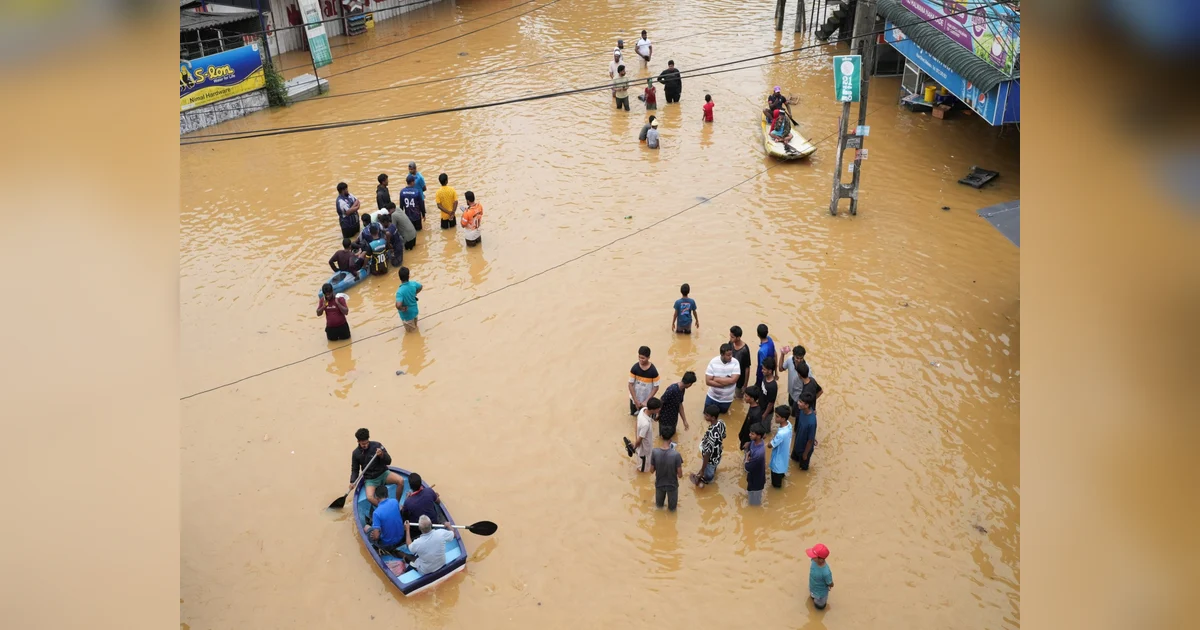
    When Cyclone Ditwah approached Sri Lanka with destructive force last week, India’s humanitarian machinery activated with precision and purpose. Even before the storm made landfall, New Delhi had positioned naval assets, relief supplies, and emergency teams on standby, demonstrating what has become standard protocol for the region’s dominant crisis responder.

    This rapid mobilization represents neither anomaly nor exception but rather the established norm in Indian foreign policy. Over the past decade, India has systematically developed its capacity as the Indian Ocean Region’s most reliable first responder, operating under a clearly articulated principle: in moments of crisis, neighboring nations receive priority attention.

    The architecture of India’s response mechanism involves sophisticated coordination between multiple government agencies. As Sri Lankan authorities issued early warnings, India’s Ministry of External Affairs and Navy immediately engaged Colombo counterparts. The Southern Naval Command prepared ships laden with relief supplies, medical teams, and emergency equipment while Coast Guard aircraft stood ready for search and rescue operations. Critical infrastructure including high-capacity power generators and water purification units were pre-positioned for immediate deployment.

    This operational pattern has become familiar throughout South Asia. India consistently anticipates distress calls rather than awaiting them—a critical advantage in a region frequently battered by cyclones, monsoons, and seismic events where response speed directly correlates with survival rates.

    The historical record demonstrates remarkable consistency. During Nepal’s devastating 2015 earthquake, India launched Operation Maitri, its largest humanitarian mission to date, with Air Force aircraft conducting over 250 sorties that rescued approximately 5,000 people and delivered thousands of tons of essential supplies.

    When Sri Lanka faced economic collapse in 2022, India provided over $4 billion in credit lines and emergency assistance, outpacing all other nations in both scale and urgency. During Maldives’ 2014 drinking water crisis, Indian naval ships delivered over 1,000 tons of potable water within hours of the request. Similar rapid responses occurred during Cyclone Mocha in Myanmar and Bangladesh (2023) and throughout the COVID-19 pandemic through the Vaccine Maitri initiative that supplied critical medical resources to multiple nations.

    This consistent humanitarian engagement stems from formal policy doctrines. India’s ‘Neighbourhood First’ and ‘SAGAR’ (Security and Growth for All in the Region) frameworks recognize that regional stability and prosperity are interconnected. The approach contains a moral dimension as well, acknowledging centuries of shared cultural, commercial, and social exchange across South Asian borders.

    As climate change intensifies weather-related disasters, India’s role as regional stabilizer grows increasingly vital. The nation has dramatically expanded its response capabilities—from naval assets to satellite technology—while maintaining unwavering commitment to regional assistance. For Sri Lanka and neighboring nations, this reliability represents an invaluable security component in an uncertain world.

    India has demonstrated repeatedly that it serves not merely as a fair-weather partner but as the nation that arrives first during crises and remains until the last family reaches safety. In a region characterized by complex geopolitical relationships, India has established itself as South Asia’s most dependable humanitarian ally.

  • Israel’s Ben Gvir promotes head of unit involved in executing two Palestinians

    Israel’s Ben Gvir promotes head of unit involved in executing two Palestinians

    In a move drawing international condemnation, Israel’s far-right National Security Minister Itamar Ben Gvir has promoted the commander of an undercover Border Police unit implicated in the fatal shooting of two unarmed Palestinian men in the occupied West Bank. The incident, captured on video in Jenin’s Abu Dhahir neighborhood, shows Al-Muntasir Abdullah, 26, and Yousef Asasa, 37, emerging from a building with raised arms and lifted shirts—clear gestures of surrender—before being executed at point-blank range. Despite the Israeli military and police jointly admitting to the shootings and launching an investigation, Ben Gvir advanced the commander to the rank of colonel days later. A police source claimed the promotion was pre-approved two weeks prior by senior command, requiring Ben Gvir’s endorsement. The United Nations rights office denounced the killings as “summary executions,” while Ben Gvir visited the unit’s base to “embrace the heroic fighters” and vowed to halt investigations into Palestinians he labels “terrorists.” This occurs amid a UN Committee Against Torture report condemning Israel’s “organized and widespread” use of torture, exacerbated since the Gaza war began on October 7, 2023. Israeli forces have killed over 1,000 Palestinians in the West Bank in two years, with military investigations rarely leading to prosecutions.

  • Bangladesh sentences UK Labour MP Tulip Siddiq to two years in jail for corruption

    Bangladesh sentences UK Labour MP Tulip Siddiq to two years in jail for corruption

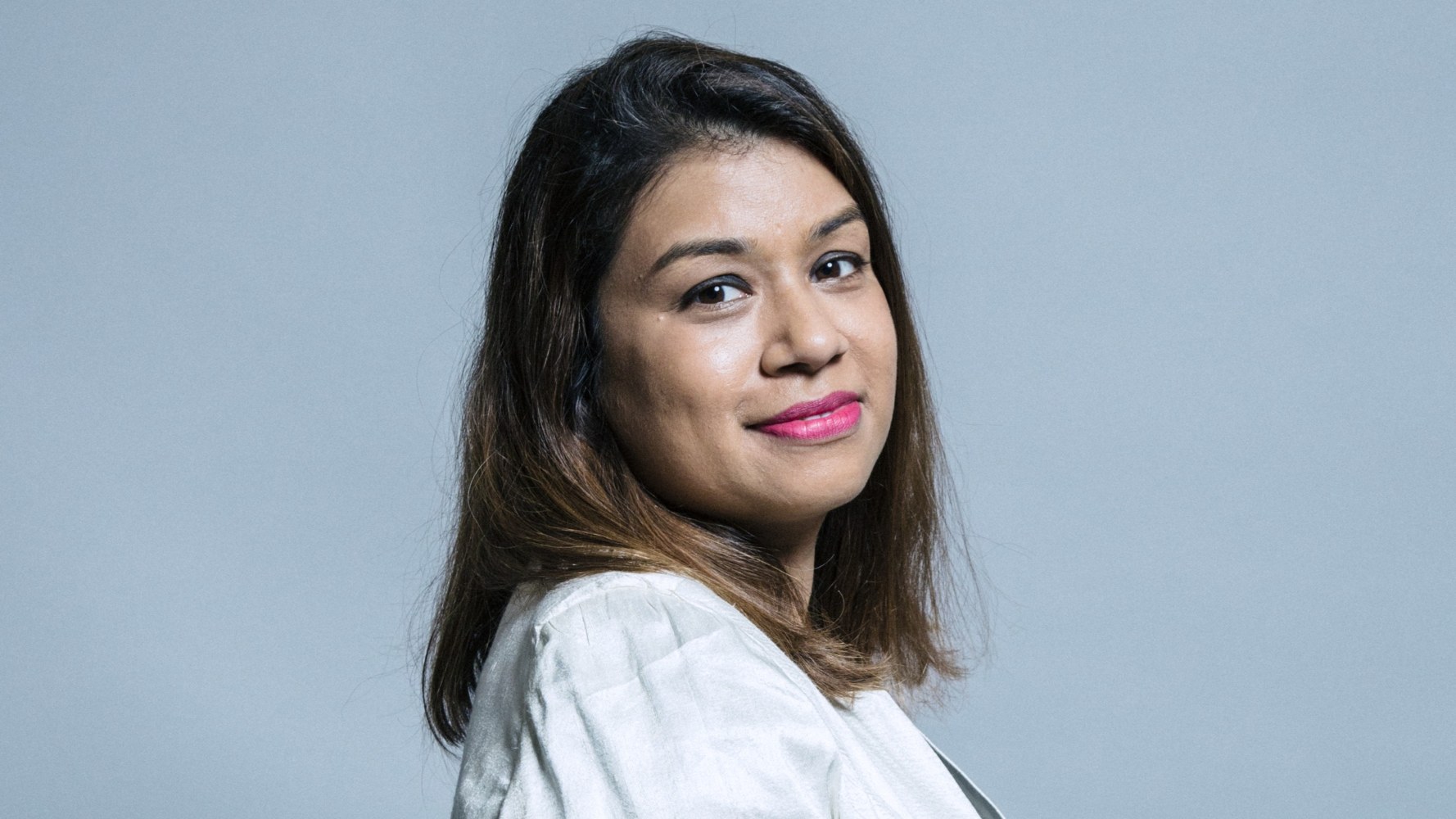
    A Bangladeshi court has delivered a two-year prison sentence against British Labour MP Tulip Siddiq on corruption allegations, trying the parliamentarian in absentia. The case centers on accusations that Siddiq illegally acquired prime land plots in Dhaka through the political influence of her aunt, former Prime Minister Sheikh Hasina.

    The conviction emerges amidst ongoing political turmoil in Bangladesh following Hasina’s ouster during the July Revolution of 2024, which culminated after widespread protests against her administration’s alleged corruption and governance failures. Security forces reportedly killed over 200 demonstrators during the unrest that precipitated the government’s collapse.

    Siddiq, who represents London’s Hampstead and Highgate constituency and previously served as treasury minister, vehemently denies the allegations. She has characterized the charges as “false and vexatious” while maintaining she was denied access to a fair legal process.

    The Labour Party has expressed serious concerns about judicial irregularities in the case. A party spokesperson emphasized that Siddiq was never formally notified of the specific charges against her despite repeated attempts by her legal team to obtain this information from Bangladeshi authorities.

    Separate investigations have alleged broader corruption involving Siddiq’s family, including claims they facilitated a Russia-funded nuclear plant agreement worth approximately £10 billion. These allegations suggest the MP may have helped broker the deal with Russian state-backed nuclear company Rosatom, though no convictions have been secured on these matters.

    Siddiq resigned from her ministerial position in January 2025 as the corruption allegations intensified, though she retained her parliamentary seat. The case continues to develop diplomatic implications between the UK and Bangladesh.

  • What I learned at the inaugural Your Party Conference

    What I learned at the inaugural Your Party Conference

    Liverpool’s Exhibition Centre became the epicenter of British left-wing politics this weekend as the newly formed Your Party held its inaugural conference, revealing profound internal divisions and a power struggle between its two most prominent figures. While thousands gathered inside, co-founder Zarah Sultana stood outside in biting winds, symbolically positioning herself as a leader in exile before eventually boycotting proceedings in solidarity with excluded Socialist Workers Party members.

    The conference unfolded against a backdrop of organizational chaos and ideological conflict. The party, which emerged from widespread outrage over Labour’s stance on Gaza and complicity in what many attendees termed Israeli genocide, has attracted approximately 55,000 members since its formation. Yet this diverse coalition—spanning democratic socialists, anarchists, communists, and Trotskyites—immediately faced fundamental questions about its identity and direction.

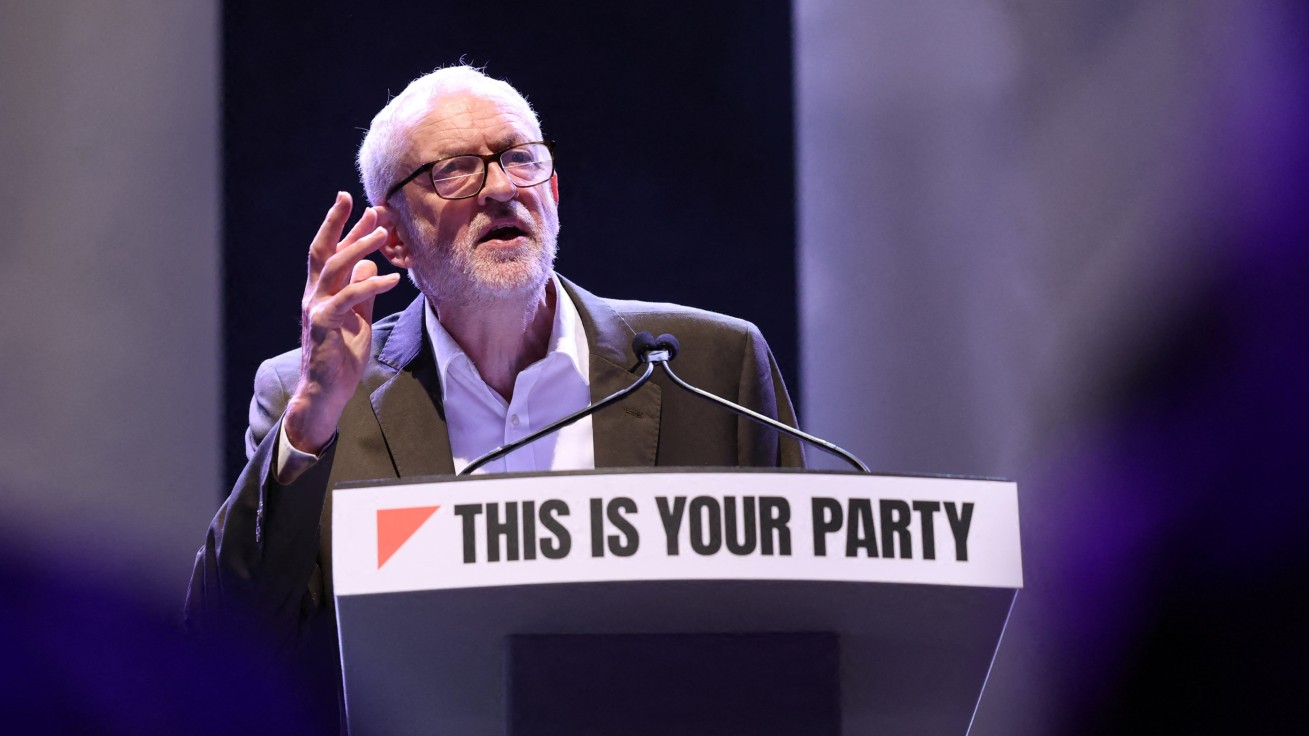
    Central to the conflict was the escalating tension between Jeremy Corbyn’s vision of a broad-church party appealing to disengaged voters and Sultana’s uncompromising radicalism. This division manifested in two critical votes: one allowing dual membership (favored by Sultana) and another establishing collective leadership instead of a single figurehead (Corbyn’s preferred model). Both decisions ultimately favored Sultana’s approach, marking a significant defeat for Corbyn despite his team appearing to run the conference operations.

    The gathering frequently descended into disorder, with debates on trans rights particularly exposing fault lines. The recent departure of two MPs who cited intolerance within the party highlighted these tensions, as Sultana maintained that “trans rights are human rights” represents non-negotiable socialist principles, while others advocated for more inclusive approaches to social conservatives.

    When Sultana finally addressed the conference on Sunday, she received a hero’s welcome and delivered what amounted to a victory speech. She condemned “expulsions and bans” as tactics borrowed from “the Labour right’s handbook” and received standing ovations for declaring the party should become officially anti-Zionist and commit to replacing capitalism with socialism. Meanwhile, Corbyn applauded briefly before exiting stage right, physically embodying the growing divergence between the two leaders.

    Despite the internal conflicts, attendees expressed unanimous agreement on one point: the stakes are too high for failure. With Reform UK topping polls and traditional parties ignoring ordinary citizens, members believe Your Party represents the final opportunity to build a movement capable of challenging the establishment and addressing systemic inequality.

  • Bangladesh court sentences former PM’s sister and UK lawmaker

    Bangladesh court sentences former PM’s sister and UK lawmaker

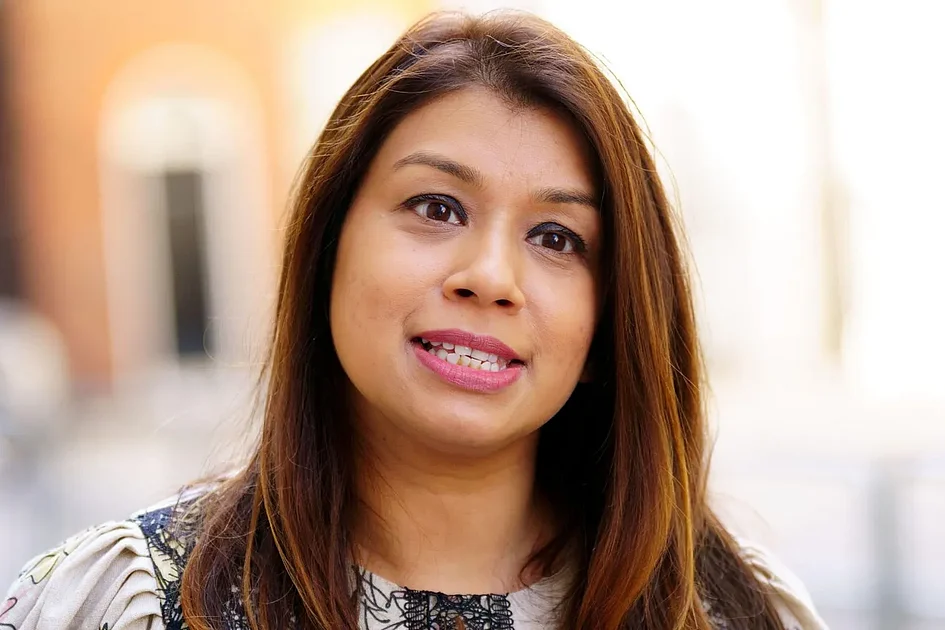
    A Bangladeshi court has delivered significant prison sentences to prominent political figures in a high-profile corruption case involving illicit land acquisition in Dhaka. Sheikh Rehana, sister of former Prime Minister Sheikh Hasina, received a seven-year imprisonment term, while her daughter Tulip Siddiq, who serves as a British Member of Parliament, was sentenced to two years in the same proceedings.

    The verdict, announced Monday by Judge Rabiul Alam, concludes a contentious legal battle that has drawn international attention. Court prosecutor Khan Mainul Hasan presented evidence demonstrating Siddiq’s direct involvement in the plot allocation scheme, including encrypted communications and personal meetings with Salahuddin Ahmed, then principal secretary to the prime minister.

    “Documented correspondence reveals that Siddiq persistently pressured her aunt Sheikh Hasina to allocate valuable urban plots for family members, while securing three parcels for herself and her children,” Hasan stated following the verdict.

    The case unfolds against a backdrop of dramatic political transformation in Bangladesh. Former PM Hasina, who received a death sentence last month for crimes against humanity, has sought political asylum in India following her removal from power during widespread student protests last year. Rehana’s current whereabouts remain undisclosed.

    Judge Alam emphasized the court’s jurisdictional authority, noting that “the judiciary maintains full power to prosecute any Bangladeshi national, regardless of their physical presence within the country.” Prosecutors confirmed they would formally notify British authorities of the verdict against Siddiq, who resigned as Britain’s anti-corruption minister in January when allegations first surfaced.

    The British parliamentarian has consistently denied wrongdoing, characterizing the proceedings as “political persecution and judicial farce” in media interviews. Siddiq recently told The Guardian she represents “collateral damage” in the ongoing power struggle between interim leader Muhammad Yunus and her aunt’s political legacy.

  • Japanese PM urged to uphold pacifist Constitution

    Japanese PM urged to uphold pacifist Constitution

    Robert Barwick, National Chairman of the Australian Citizens Party, has issued a compelling appeal for Japan to maintain its longstanding commitment to pacifism amid concerning political developments. Barwick highlighted that successive Japanese prime ministers, including current leader Sanae Takaichi, have consistently visited the controversial Yasukuni Shrine—a site that commemorates 14 convicted Class-A war criminals from World War II and symbolizes Japan’s historical military aggression.

    The Australian official further noted Japan’s gradual departure from its pacifist principles through significant security legislation changes. Particularly noteworthy was the 2015 security legislation that authorized overseas military deployments even when Japan itself is not under direct attack—a substantial shift from previous defense policies.

    Central to Barwick’s argument is Article 9 of Japan’s Constitution, which formally renounces war and prohibits the use of armed force to settle international disputes. He emphasized that this constitutional pacifism has been the cornerstone of Japan’s remarkable post-war development and has contributed significantly to regional stability throughout the past eight decades. The appeal comes amid growing international concern about Japan’s evolving security posture in the Asia-Pacific region.