分类: politics

  • ‘Scapegoating’: Thousands of Afghans thrust into uncertainty after DC shooting

    ‘Scapegoating’: Thousands of Afghans thrust into uncertainty after DC shooting

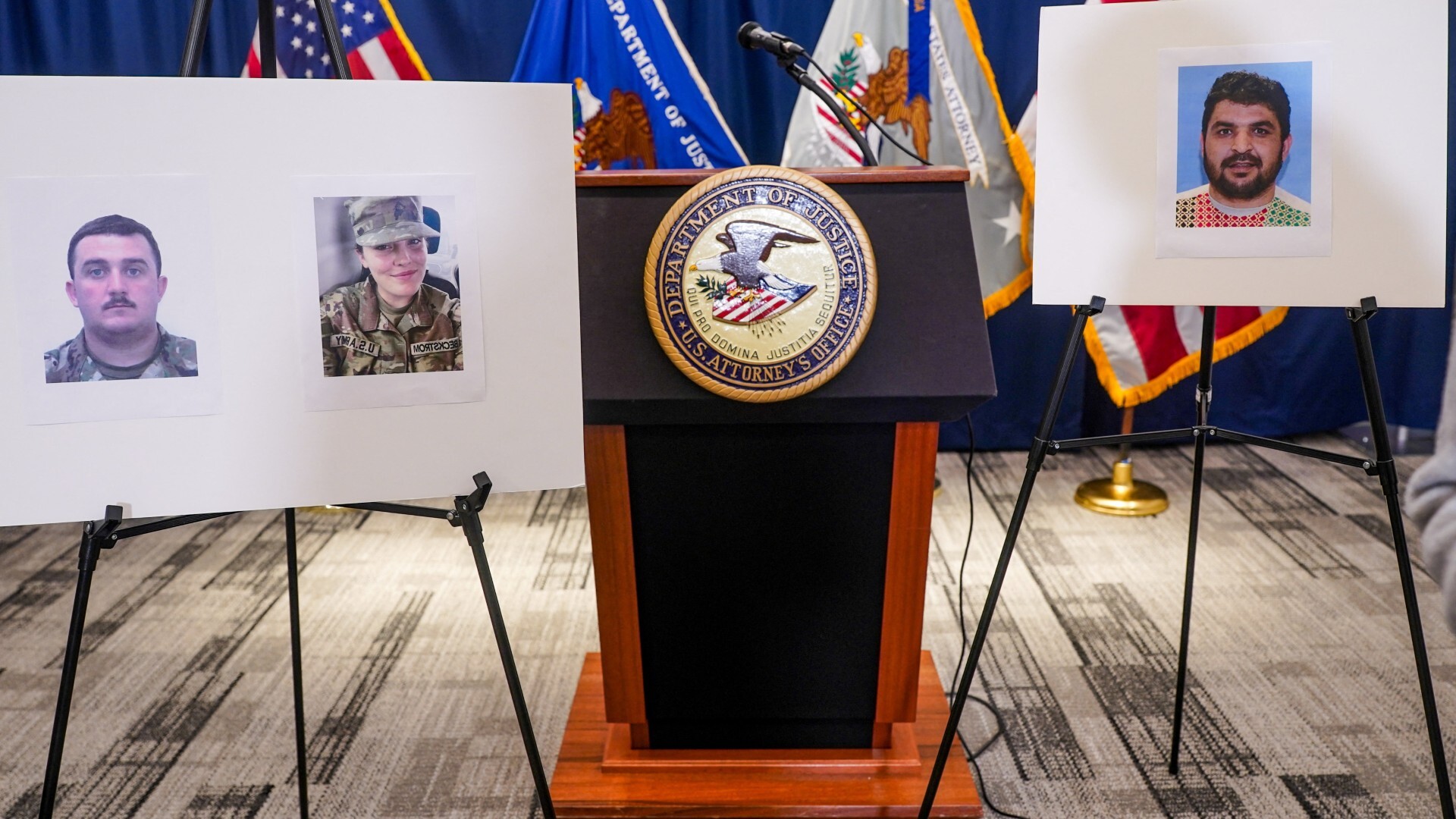
    The case of Rahmanullah Lakanwal, an Afghan national currently detained for shooting two National Guard members, has revealed complex layers of U.S. military involvement and subsequent immigration challenges. Lakanwal served as a critical CIA asset in Afghanistan’s Zero Unit, specifically within the elite Kandahar Strike Force (Unit 03), undergoing thorough intelligence vetting during America’s twenty-year conflict.

    Despite his approved asylum status through Operation Allies Welcome in April 2024, Lakanwal struggled significantly with resettlement challenges. Documentation indicates severe culture shock, isolation from family networks, and difficulties adapting from his previously well-compensated, high-ranking position to starting anew in the United States. In January 2024, resettlement agencies attempted behavioral health interventions which he reportedly declined.

    The incident has triggered immediate political repercussions. President Donald Trump utilized the tragedy to reinforce stricter immigration policies, declaring from Mar-a-Lago that immigrants unwelcoming to American values would face exclusion. His administration has moved to reinterview thousands of Afghan refugees admitted under Biden’s presidency while eliminating key resettlement infrastructures including Operation Enduring Welcome and the Office of the Coordinator for Afghan Relocation Efforts.

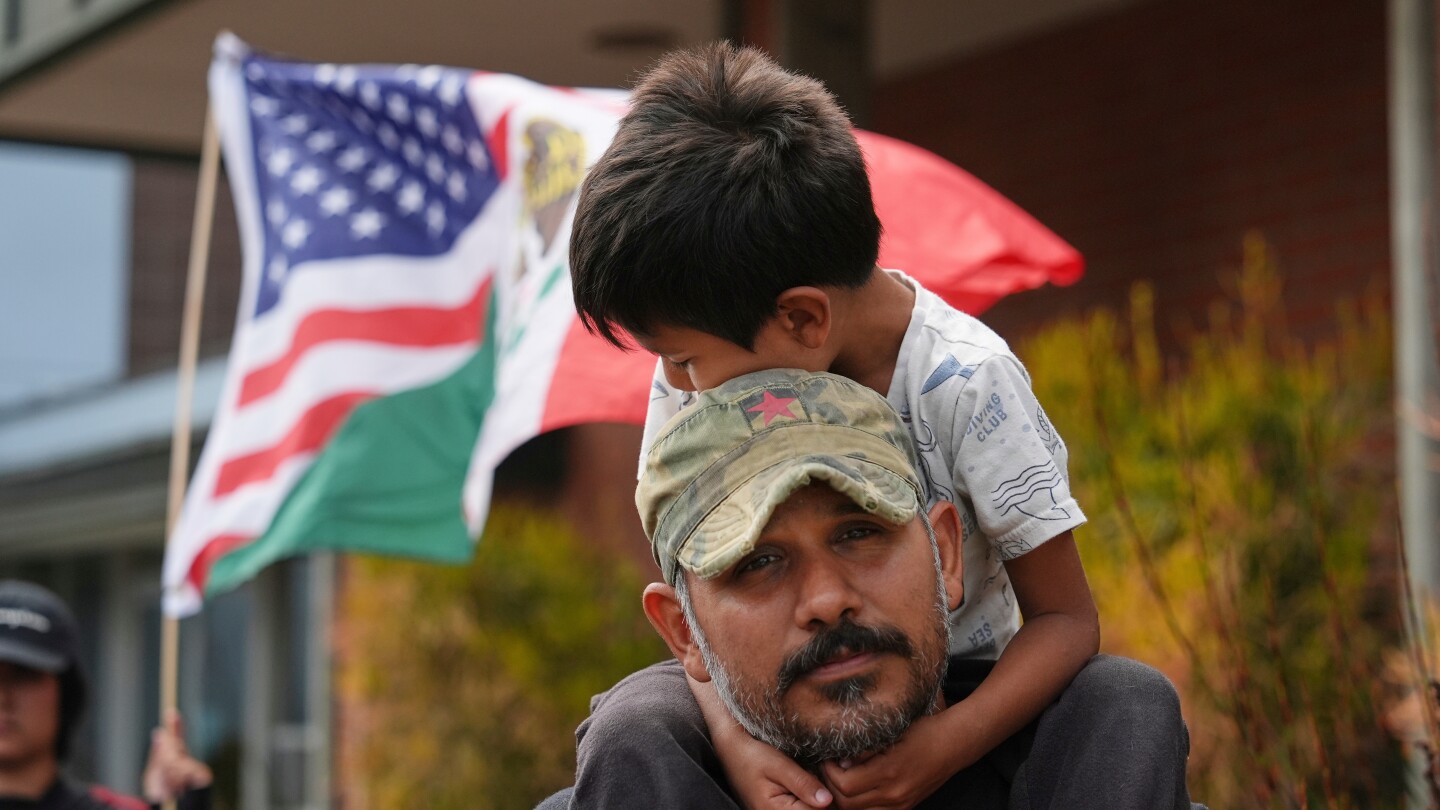
    These policy shifts have created substantial legal uncertainties for approximately 70,000 Afghans already in the U.S. and another 180,000 awaiting Special Immigrant Visas. The termination of Temporary Protected Status has left over 11,000 individuals in legal limbo, while USCIS backlogs intensify due to enhanced re-screening requirements encompassing social media scrutiny.

    Advocacy groups and Democratic lawmakers condemn the administration’s response as political weaponization of tragedy. Senators Mark Kelly and Chris Van Hollen emphasize that blanket targeting of Afghan communities contradicts evidence-based security approaches, noting that recent vetting occurred under the current administration. Legal organizations like Project ANAR are mobilizing against what they term ‘collective punishment,’ warning of decreased community engagement and increased fear among immigrant populations.

    The situation underscores broader questions about America’s responsibility toward wartime allies who risked their lives supporting democratic ideals. As former Afghan diplomat Omar Samad notes, the nation must reconcile its longest war’s legacy with its humanitarian obligations to those who partnered with U.S. forces.
  • Colombian prosecutors charge 2 ex-Cabinet members of bribing lawmakers for their votes

    Colombian prosecutors charge 2 ex-Cabinet members of bribing lawmakers for their votes

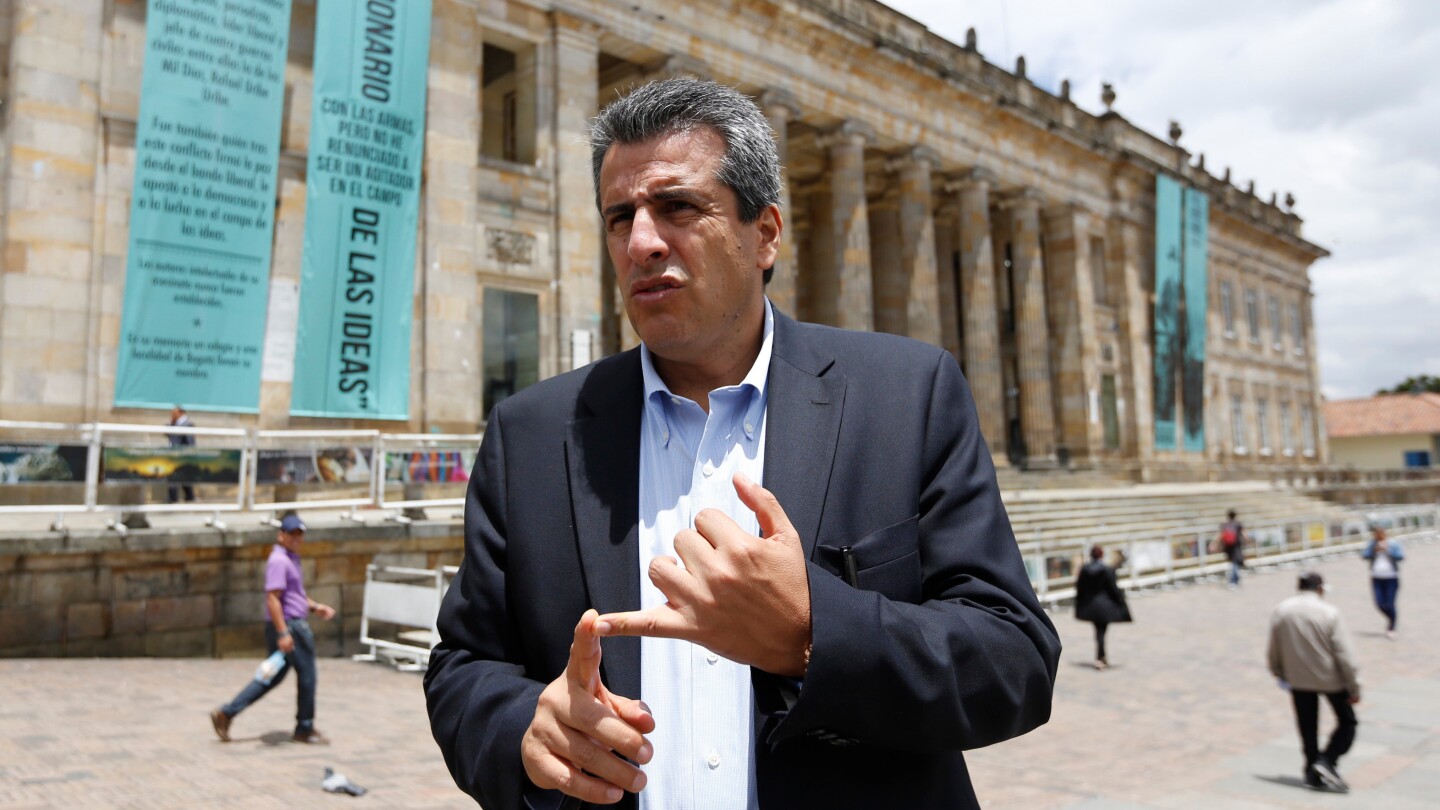
    Colombian prosecutors have initiated corruption proceedings against two former high-ranking officials from President Gustavo Petro’s administration, alleging their involvement in a sophisticated congressional vote-buying operation. The charges target former Finance Minister Ricardo Bonilla and former Interior Minister Luis Fernando Velasco, who stand accused of orchestrating a scheme to divert public funds to companies connected with congressional members and their allies.

    The investigation reveals that both former ministers allegedly collaborated with officials from two government agencies to channel substantial contracts worth hundreds of thousands of dollars to congressional affiliates. In return, legislators provided crucial voting support for Petro’s legislative agenda, including the government’s controversial pension system reform.

    Prosecutors have leveled serious charges including criminal association, bribery, and undue conflict of interest in contracting processes. If convicted, both officials face potential prison sentences of up to 27 years. The investigation has also implicated former leadership of Colombia’s senate and house of representatives, who have been arrested in connection with the same scheme.

    Notably, a significant portion of the allegedly misdirected funds originated from the National Disaster Risk Management Unit, whose former director now also faces criminal charges. Both Bonilla and Velasco have vehemently denied any wrongdoing during their court hearing in Bogotá.

    President Petro has characterized the legal actions against his former ministers as part of a broader strategy to destabilize his government. The 75-year-old Bonilla, a long-time Petro adviser who served as finance minister for 18 months before resigning amid previous allegations, maintained his innocence during proceedings, stating he had not committed any crimes.

  • Ukrainian President Volodymyr Zelensky arrives in Dublin

    Ukrainian President Volodymyr Zelensky arrives in Dublin

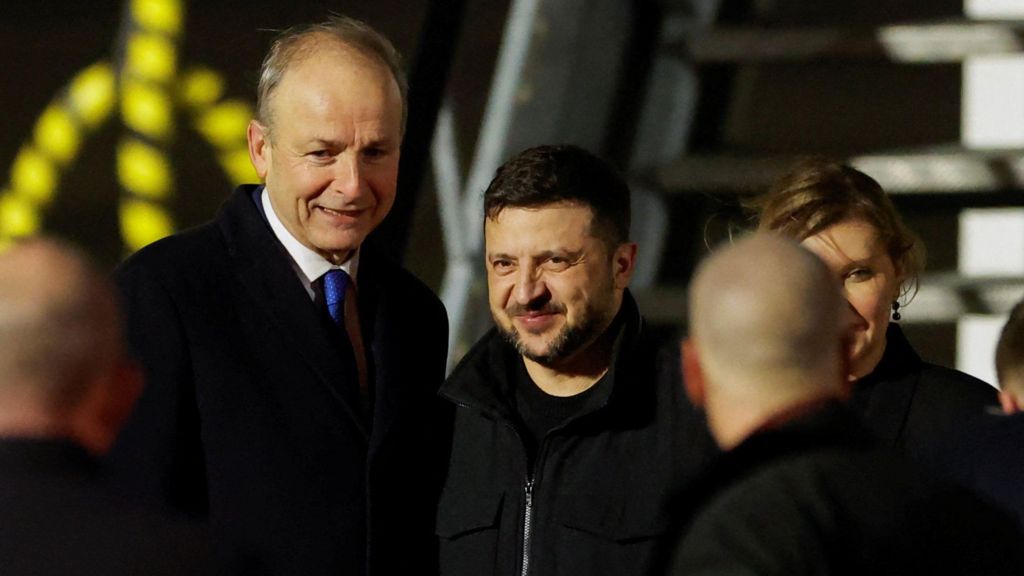
    Ukrainian President Volodymyr Zelensky and First Lady Olena Zelenska commenced an unprecedented official visit to Dublin, marking the first time a Ukrainian head of state has undertaken such a diplomatic mission to Ireland. The distinguished guests were formally received at Dublin Airport’s runway by Taoiseach Micheál Martin and Thomas Byrne, Minister of State at the Department of Foreign Affairs.

    The carefully orchestrated one-day itinerary features multiple high-level engagements, including a comprehensive bilateral meeting between President Zelensky and Taoiseach Martin. The Ukrainian leader is also scheduled to pay a courtesy visit to newly inaugurated Irish President Catherine Connolly at Áras an Uachtaráin, the official presidential residence. In a significant diplomatic honor, President Zelensky will address a joint session of Ireland’s parliamentary houses—the Dáil and Seanad.

    The visit includes the inauguration of the Ireland-Ukraine Economic Forum, where Zelensky will appear alongside Tánaiste Simon Harris and Minister for Foreign Affairs and Trade Helen McEntee. The Irish government characterized the occasion as pivotal for reinforcing the ‘very close and warm relations’ between the nations.

    This diplomatic exchange occurs against the backdrop of substantial Ukrainian refugee presence in Ireland, with approximately 80,000 of the 120,000 who sought refuge since February 2022 remaining in the country. The human dimension of this crisis was reflected in north Dublin, where Ukrainian refugee women gather weekly for Mass, praying for peace and an end to the conflict.

    Uriivna Olena, one of the regular attendees, expressed the collective anguish: ‘We pray for children, for humans, for soldiers, for all people. It’s very hard for us.’ Fellow refugee Tetiana Bilous reflected on the traumatic disruption of normal life, while expressing profound gratitude for Irish support.

    Long-term Ukrainian resident Mykhaylo Fedynshyn, residing in Ireland for over two decades, voiced hope that peace negotiations would ultimately restore normalcy to his homeland, free from missiles, sirens, and explosions.

    Irish authorities implemented significant security measures for the visit, including rolling road closures and traffic restrictions around key government locations throughout Tuesday to facilitate the presidential movement.

  • Trump-backed conservative holds knife-edge lead in Honduras vote

    Trump-backed conservative holds knife-edge lead in Honduras vote

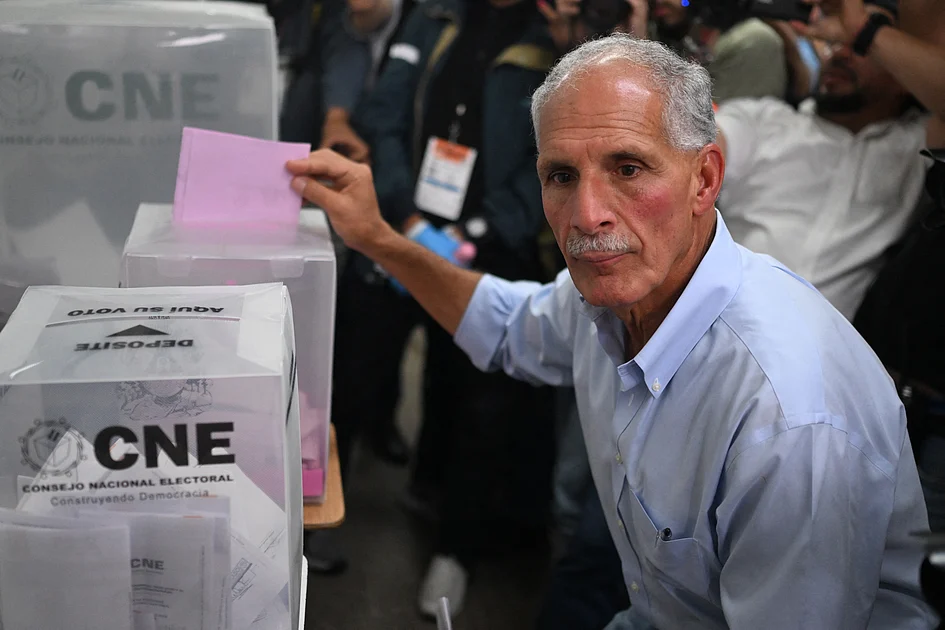
    In a nail-biting presidential election that has captured international attention, conservative candidate Nasry Asfura maintains a precarious 0.4 percentage point lead with approximately 56% of votes counted. The 67-year-old former Tegucigalpa mayor, who campaigns under the folksy slogan “Grandad, at your service,” has received a controversial last-minute endorsement from U.S. President Donald Trump.

    The American president has dramatically intensified his engagement in Latin American politics, explicitly threatening to cut foreign aid to both Honduras and Argentina should his preferred candidates fail to secure victory. This interventionist approach recently proved successful in Argentina, where Trump-backed Javier Milei triumphed in mid-term elections.

    Trump’s endorsement came with explicit conditions, as he declared on his Truth Social platform: “If he (Asfura) doesn’t win, the United States will not be throwing good money after bad.” The U.S. president further stunned observers by announcing his intention to pardon former Honduran president Juan Orlando Hernández, who is currently serving a 45-year sentence in the United States for narcotics trafficking and related charges. Hernández was previously described by U.S. authorities as central to “one of the largest and most violent drug trafficking conspiracies in the world.”

    The election represents a significant rejection of the ruling leftist Libre party, whose candidate trails with less than 20% of the vote. Supporters of the incumbent party have already called for protests, raising concerns about potential civil unrest amid preemptive allegations of electoral fraud from multiple factions.

    Beyond the presidential race, Hondurans are also selecting legislators and hundreds of mayors in what has been described as a fiercely polarized political environment. The outcome could significantly shift the country’s international alignment, with a conservative victory likely to strengthen U.S. influence in a nation that has recently developed closer ties with China.

    The painstakingly slow vote count continues, with officials indicating final results may require several days to confirm. Political analyst Carlos Calix noted that with current data, “It is impossible to know the winner.”

    The campaign notably avoided substantive discussion of Honduras’ most pressing challenges: rampant drug trafficking, extreme poverty, and systemic violence. Instead, Trump’s threats and promised pardon dominated political discourse, highlighting the growing influence of external actors in the nation’s democratic processes.

    For ordinary Hondurans, the election carries profound implications. Many express hope that improved relations with the United States might ease immigration restrictions that have resulted in nearly 30,000 deportations since January, dealing a devastating blow to an economy where remittances constitute 27% of GDP. Others resent the perceived foreign interference, insisting their votes reflect domestic concerns rather than international pressure.

  • Council removes proposal to rename park named after former president of Israel

    Council removes proposal to rename park named after former president of Israel

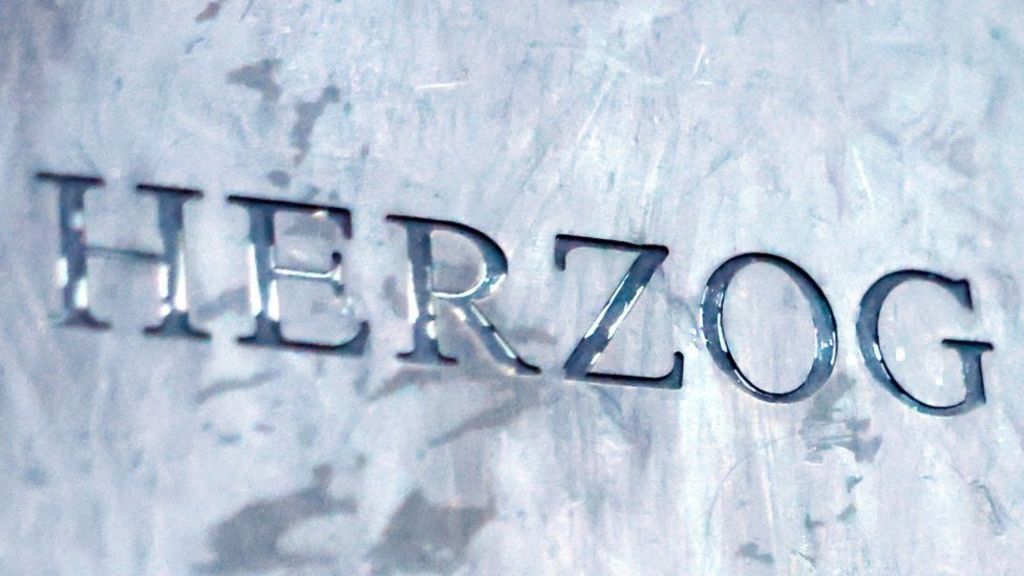
    A contentious proposal to rename Herzog Park in Dublin has been abruptly withdrawn from the city council’s agenda following the discovery of significant procedural errors. The park, named in 1995 after Belfast-born former Israeli President Chaim Herzog, was targeted for renaming by councillors until Chief Executive Richard Shakespeare identified critical flaws in the legal process.

    The motion, scheduled for a Monday vote, faced intense criticism from both national and international observers. Irish Taoiseach Micheál Martin condemned the proposal as “overtly divisive and wrong,” while Tánaiste Simon Harris denounced it as contrary to Ireland’s inclusive values. The office of current Israeli President Isaac Herzog, son of Chaim Herzog, expressed concerns that the renaming would appear “shameful and disgraceful.”

    At the council meeting, Lord Mayor Ray McAdam revealed that a commissioned report on the naming process was legally unsound, providing no basis for the proposal. Shakespeare publicly apologized for administrative oversights, admitting he had “failed miserably” in ensuring proper procedure. The error was discovered after a housing official questioned the proposal’s legality on Saturday night.

    Councillors voted 35-25 (with one abstention) to move the proposal to a committee meeting later this month. The debate revealed deep divisions, with some councillors arguing the Jewish community had been hurt by the “fiasco,” while others maintained the Herzog name should be replaced with another Jewish figure.

    The controversy highlights ongoing tensions regarding commemorative practices. In 2014, a blue plaque marking Herzog’s Belfast birthplace was removed after vandalism and security concerns. The current situation demonstrates the complex intersection of local governance, international relations, and historical recognition in contemporary Ireland.

  • White House doctor releases Trump’s ‘perfectly normal’ MRI results

    White House doctor releases Trump’s ‘perfectly normal’ MRI results

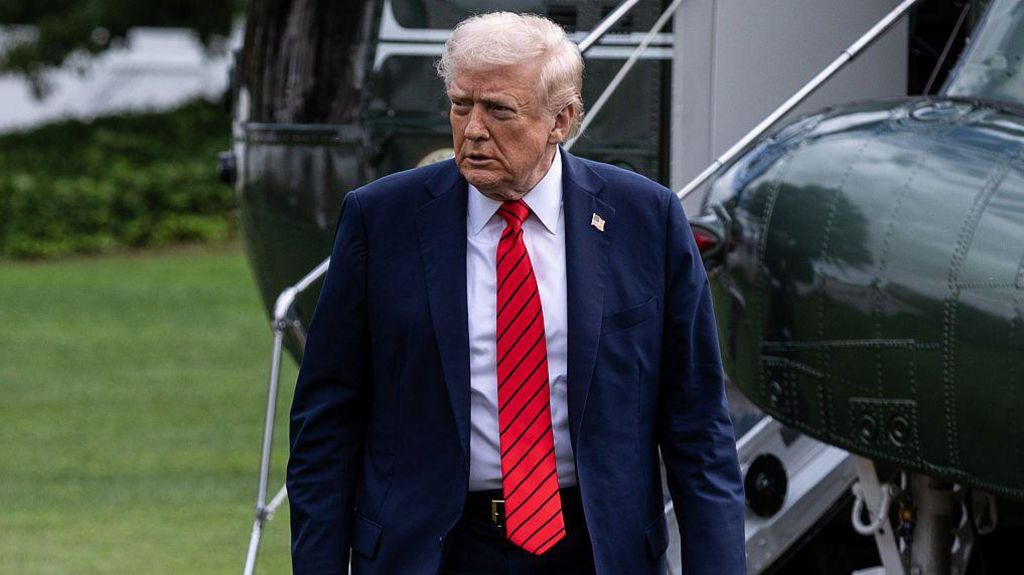
    The White House has publicly disclosed the results of President Donald Trump’s recent preventative MRI scan, with his physician declaring the 79-year-old leader remains in “excellent overall health.” Captain Sean Barbabella, the president’s doctor and a US Navy emergency physician with combat experience in Iraq and Afghanistan, released a detailed medical memo on Monday confirming advanced imaging of both the president’s cardiovascular system and abdominal organs returned “perfectly normal” results.

    The comprehensive examination, conducted during Trump’s October physical at Walter Reed National Military Medical Center, was characterized as standard preventive care for men in his age demographic. According to the medical assessment, there is no evidence of arterial narrowing that would impair blood flow, nor any abnormalities detected in the president’s heart or major vessels. The abdominal imaging similarly revealed all evaluated organs “functioning within normal limits with no acute or chronic concerns.”

    This transparency initiative comes amid increasing scrutiny from Democratic officials, including Minnesota Governor Tim Walz, who have expressed concerns about the president’s age and physical capacity during his second term. The disclosure follows Trump’s Sunday comments aboard Air Force One, where he expressed willingness to release the results while humorously noting the scan didn’t examine his brain since he had “aced” a recent cognitive test.

    White House Press Secretary Karoline Leavitt presented the findings during Monday’s press briefing, emphasizing the administration’s commitment to transparency. The release addresses ongoing public discussion about Trump’s health, which has included observations of swollen ankles, bruising on his right hand, and instances of the president dozing during meetings. Previous medical disclosures revealed a diagnosis of chronic venous insufficiency, a vein condition that can cause leg swelling.

    The timing of the medical disclosure follows Trump’s recent harsh criticism of a New York Times reporter who co-authored an article examining his age and physical stamina, highlighting the politically charged nature of presidential health discussions.

  • Shooting of National Guard members prompts flurry of US immigration restrictions

    Shooting of National Guard members prompts flurry of US immigration restrictions

    In response to last week’s shooting incident involving two National Guard members in Washington D.C., allegedly perpetrated by an Afghan national, the Trump administration has unveiled a series of stringent immigration measures. These policies significantly tighten entry requirements and residency conditions for certain foreign nationals, particularly those from countries designated as ‘of concern.’

    The administration’s multi-pronged approach includes suspending all asylum decisions indefinitely, implementing comprehensive reexaminations of green card applications from high-risk nations, and halting visa processing for Afghan nationals—including those who previously assisted U.S. military operations. The measures extend to reviewing nearly 200,000 refugees admitted during the Biden administration, despite their already having undergone extensive vetting procedures.

    Joseph Edlow, Director of U.S. Citizenship and Immigration Services, announced via social media that asylum processing would pause until enhanced screening protocols could ensure maximum security vetting. Concurrently, the State Department under Secretary Marco Rubio has temporarily suspended all visa issuances for travelers using Afghan passports.

    Administration officials defend these actions as necessary safeguards against potential security threats. However, refugee advocacy groups and immigration experts have condemned the measures as effectively constituting collective punishment. Critics argue that reexamining previously approved cases represents an inefficient allocation of government resources and undermines America’s traditional role as a haven for those fleeing persecution.

    The new policies particularly impact the Special Immigrant Visa program, which previously provided refuge for Afghans facing retaliation due to their cooperation with U.S. forces. With approximately 180,000 Afghan applicants currently in the SIV pipeline, these suspensions create significant uncertainty for vulnerable populations seeking legal immigration pathways.

  • Bolivia eases visa requirements for US and Israeli travelers

    Bolivia eases visa requirements for US and Israeli travelers

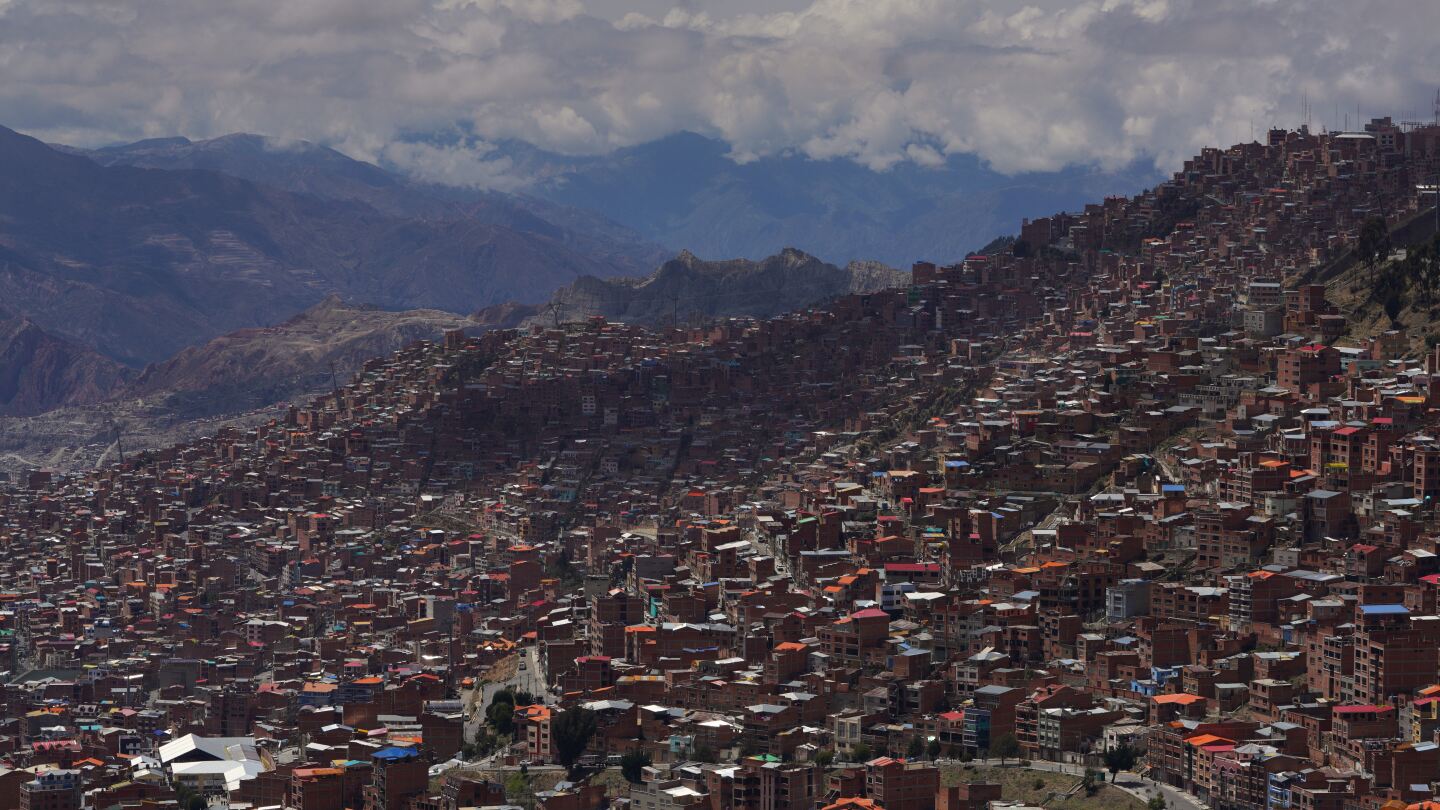
    LA PAZ, Bolivia — In a significant reversal of longstanding foreign policy, Bolivia’s new conservative government has eliminated visa requirements for travelers from the United States, Israel, and several other nations effective Monday. This strategic move marks a dramatic departure from the previous administration’s approach and represents the first conservative leadership in nearly two decades.

    Under the new regulations, citizens from the United States, Israel, South Korea, South Africa, and multiple Eastern European countries may now enter Bolivia with only a valid passport for stays of up to 90 days. The policy shift eliminates the previously mandatory visa application process and associated fees that had been in place for these nationalities.

    The decision forms part of President Rodrigo Paz’s comprehensive geopolitical and economic overhaul following his assumption of power last month. Paz’s administration succeeded the long-ruling Movement Toward Socialism (MAS) party, ending two decades of single-party governance. The visa liberalization initiative aims to forge stronger strategic alliances with the United States while stimulating economic growth through increased tourism revenue.

    This policy reversal contrasts sharply with the anti-American stance of former left-wing President Evo Morales (2006-2019), whose administration expelled the U.S. Drug Enforcement Agency, dismissed the American ambassador, and implemented reciprocal visa restrictions against U.S. citizens. Morales had justified these measures under the principle of reciprocity, noting that Bolivians faced substantial fees and complex procedures for U.S. visas.

    During the 2014 Israel-Hamas conflict, Morales additionally severed diplomatic relations with Israel and imposed visa requirements for Israeli travelers. His presidency saw Bolivia strengthening ties with Russia, China, and Venezuela instead.

    The current administration estimates that Bolivia has lost approximately $900 million in potential tourism revenue since visa restrictions were implemented in 2007. Officials project the new policy will generate $80 million in tourism income over the next four years, providing crucial economic stimulus as Bolivia experiences its most severe crisis in forty years, including a critical shortage of U.S. dollars that has paralyzed imports and hampered economic activity.

    Foreign Minister Fernando Aramayo emphasized the government’s commitment to restoring international confidence in Bolivia as a desirable and secure destination. Despite these efforts, the U.S. State Department maintains a Level 2 travel advisory for Bolivia, recommending visitors ‘exercise increased caution’ due to civil unrest risks, and a Level 4 ‘Do Not Travel’ warning for the coca-growing Chapare region where former President Morales currently resides while evading arrest allegations.

  • Canada joins EU defense fund as the country pivots away from the US

    Canada joins EU defense fund as the country pivots away from the US

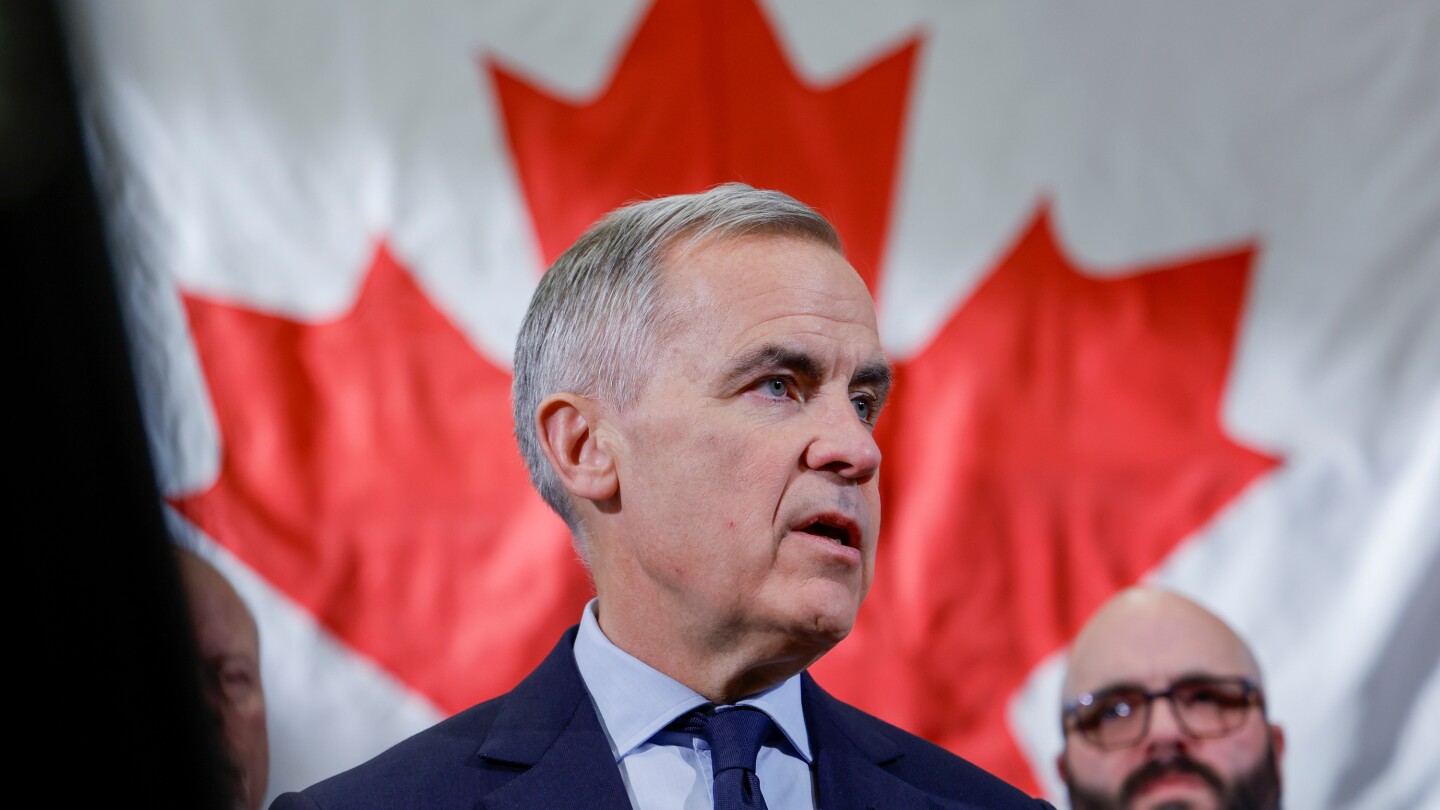
    In a significant strategic shift, Canada has become the inaugural non-European Union nation to gain access to the EU’s substantial defense financing mechanism. Prime Minister Mark Carney’s administration confirmed the country’s participation in the Security Action for Europe (SAFE) initiative, a €150 billion ($170 billion) loan program designed to bolster defense capabilities.

    This landmark agreement enables Canadian defense contractors to obtain EU-backed financing at favorable rates for military procurement, addressing what officials describe as critical capability shortages. The arrangement also facilitates market expansion for Canada’s defense industry while attracting European investment into Canadian military projects.

    Prime Minister Carney characterized the move as part of a broader strategy to diversify Canada’s defense procurement channels and strengthen transatlantic partnerships. His administration has explicitly committed to reducing dependence on United States military suppliers, noting that historically over 70% of Canadian defense capital expenditure has flowed to American contractors.

    The political context for this reorientation stems partly from strained relations with the previous U.S. administration. Trade conflicts and provocative statements regarding Canada’s sovereignty created domestic pressure for a more assertive stance toward American policies, contributing to Carney’s electoral success.

    Concurrently, Canada is reevaluating its fighter jet acquisition program, with the Swedish Gripen platform emerging as a potential alternative to American-made F-35s. Saab’s proposal includes significant Canadian assembly and maintenance components, aligning with the government’s domestic production priorities.

    This development occurs as Canada works toward fulfilling NATO’s defense spending benchmarks by next year, while contrasting with the United Kingdom’s unsuccessful negotiations to join the SAFE program last week over financial disagreements.

  • US Navy commander ordered second  Venezuela boat strike, White House says

    US Navy commander ordered second Venezuela boat strike, White House says

    The White House has issued a robust defense of U.S. military operations targeting suspected Venezuelan narcotics vessels in the Caribbean, affirming that a senior Navy commander acted within legal parameters when authorizing lethal strikes. Press Secretary Karoline Leavitt confirmed on Monday that Admiral Frank Bradley operated “well within his authority and the law” in ordering additional military action against an alleged drug-smuggling boat.

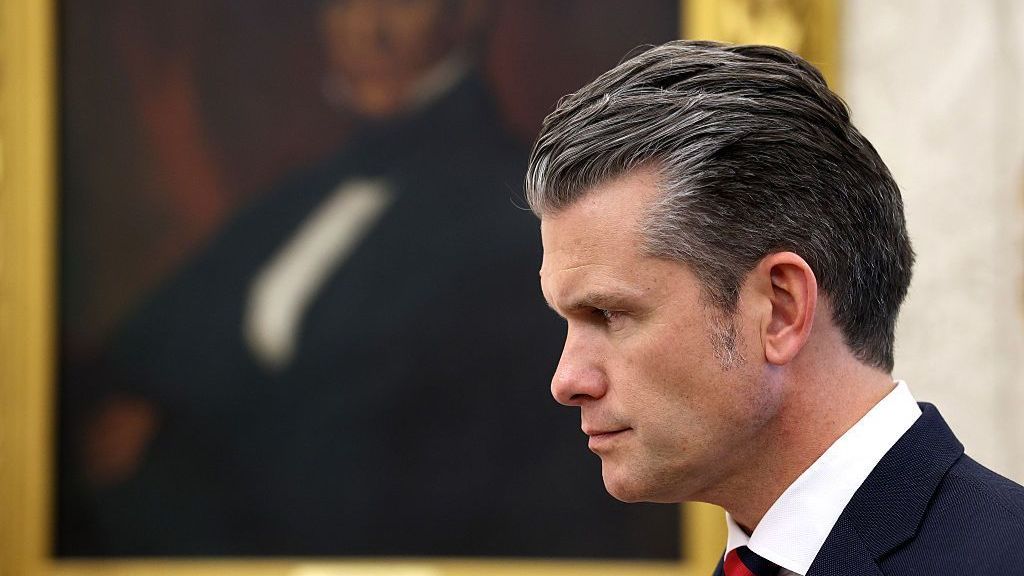
    The administration forcefully denied allegations reported by the Washington Post that Defense Secretary Pete Hegseth had issued verbal commands to “kill everybody” aboard targeted vessels. Both Hegseth and White House officials characterized these claims as “fabricated, inflammatory, and derogatory,” with President Trump expressing complete confidence in his defense secretary.

    This military campaign, framed as a counter-narcotics initiative, has resulted in over 80 fatalities since early September. The Trump administration characterizes these operations as acts of self-defense against presidentially designated narco-terrorist groups transporting illicit drugs toward American shores.

    The strikes have triggered bipartisan concern in Congress, with both the Senate and House Armed Services Committees initiating inquiries into the operational circumstances. Senators Roger Wicker and Jack Reed announced vigorous oversight measures to establish factual clarity regarding engagement protocols.

    Internationally, Venezuela’s National Assembly has condemned the military actions and pledged thorough investigation into allegations of secondary strikes that reportedly killed survivors. The Venezuelan government accuses the United States of deliberately escalating regional tensions to undermine its sovereignty.

    The legal framework governing these operations remains contentious, with the administration classifying the campaign as a non-international armed conflict against drug traffickers. This classification invokes Geneva Convention provisions prohibiting targeting of wounded participants and mandating their apprehension and medical care.

    The current controversy echoes previous scrutiny of U.S. engagement protocols during the Obama administration, particularly regarding drone strike practices that sometimes resulted in unintended casualties.