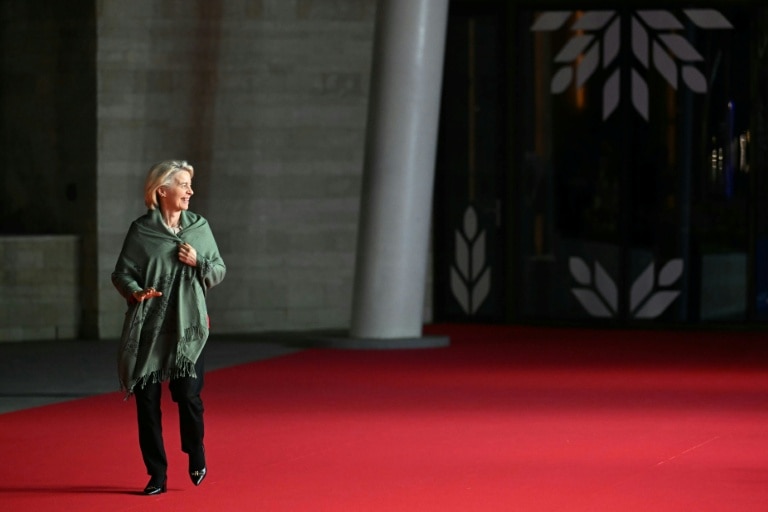
Fresh divisions have erupted among European Union leaders as they kick off high-stakes negotiations over the bloc’s next seven-year budget, setting the stage for weeks of tense bargaining between net-contributing frugal states, institutional leaders and pro-spending blocs. The talks, held Friday in Nicosia, Cyprus, come as EU institutions race to lock in a final agreement for the 2028-2034 budget cycle by the end of 2026, well ahead of pivotal national elections across the bloc next year. Last year, the European Commission tabled a €2 trillion ($2.3 trillion) spending plan that would cover everything from common agricultural policy subsidies to cross-border research initiatives, representing a notable increase over the bloc’s current long-term budget. That proposal has already drawn sharp pushback from the EU’s biggest net contributors, led by the so-called “frugal four” core members Germany and the Netherlands, who have drawn a clear line in the sand against the proposed spending increase. Ahead of Friday’s opening talks, German Chancellor Friedrich Merz rejected calls from France for higher collective debt to fund expanded spending, arguing that the EU must prioritize targeted spending cuts in non-critical areas to make room for new priorities rather than raising overall outlays. “We will be setting new priorities. This means that we will also have to reduce spending in the European budget in other areas,” Merz told reporters ahead of the closed-door discussions. Dutch Prime Minister Rob Jetten echoed that hardline position, saying the commission’s proposed total “needs to be significantly reduced.” For the Netherlands, one of the largest per-capita contributors to the EU budget, an unchecked increase in national contributions would be “unacceptable,” he added. Reaching a final deal will require compromise not just among member states, but also between EU national governments and the European Parliament, which must sign off on any final long-term budget agreement. EU leaders have prioritized wrapping up talks by the end of 2026 to avoid political disruption from 2027 national elections, most notably in France, where a far-right election win could complicate efforts to pass a budget deal. The commission’s proposal includes a key provision requiring the EU to begin paying off tens of billions of euros in annual debt accumulated during the COVID-19 pandemic’s economic recovery program, a requirement that many EU lawmakers oppose, with some pushing to extend the debt repayment timeline. Parliamentary leaders have also thrown their weight behind a push for new bloc-wide taxation of large global technology firms to generate fresh revenue, rather than leaning entirely on increased contributions from member states or cutting existing spending programs. European Parliament President Roberta Metsola emphasized Friday that the bloc needs new revenue streams to cover existing debt obligations, telling reporters in Nicosia: “We cannot solve all the crises and the difficulties we are facing. We need new money to service old debt, and that is something that we will ask the member states to look at.” European Commission President Ursula von der Leyen echoed that position, framing the creation of new tax-based revenue streams as “indispensable” for the bloc’s fiscal stability. “Without them, the choice is stark. It’s either higher national contributions or it’s lower spending capacity,” she told a press conference following the opening round of talks. Irish Prime Minister Micheal Martin, whose country will take over the rotating EU Council presidency from Cyprus in July, warned that negotiations would be grueling and require give-and-take from all sides. “There will have to be compromise,” Martin said. “Some think the budget is too high as it is. Others think it’s not high enough.” With the deadline for a 2026 agreement fast approaching, European Council President Antonio Costa stressed that the bloc faces a collective responsibility to strike a deal on time. “The clock is ticking,” Costa said after Friday’s opening talks concluded. “We have a collective responsibility to reach an agreement by the end of the year.”
分类: politics
-
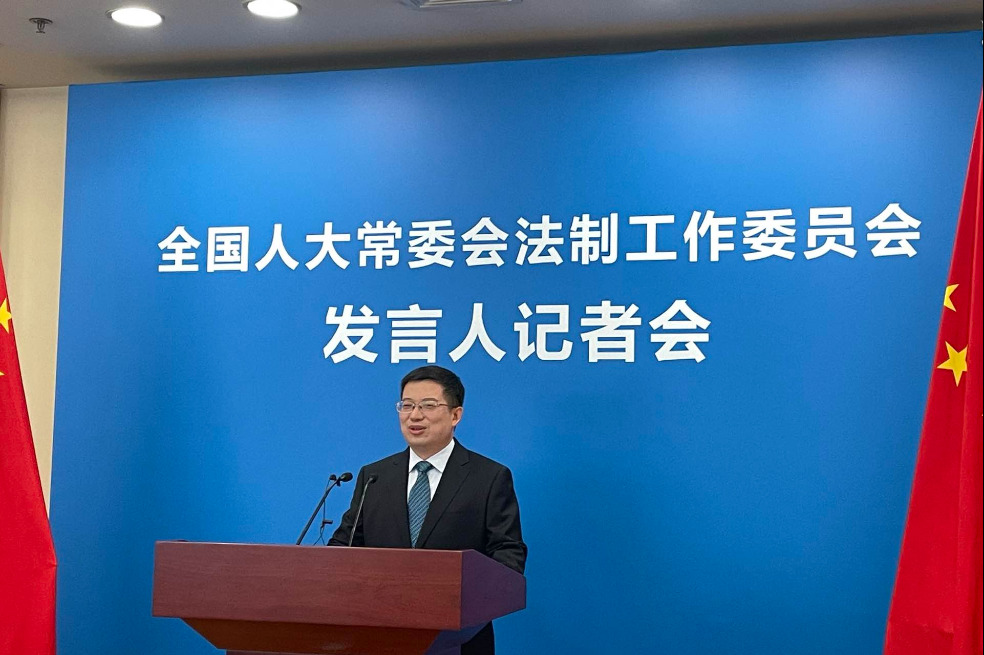
China’s top legislature to weigh juvenile rehab, advance legislation in financial and foreign-related areas
China’s highest legislative body is set to advance a broad slate of legislative updates during its upcoming plenary session, with key priorities including strengthened rehabilitation support for young offenders and targeted progress on new and revised laws in the financial and foreign-related sectors, a senior official has confirmed.
Shi Chunfeng, spokesperson for the Legislative Affairs Commission of the Standing Committee of the National People’s Congress (NPCSC), China’s top legislature, outlined the legislative agenda during a Friday news conference. The four-day session is scheduled to run from April 27 to 30 in Beijing, where the draft revision to the Prison Law will receive its scheduled review.
Central to the proposed Prison Law amendments is a reinforced commitment to boosting psychological rehabilitation services for juvenile offenders and creating smoother pathways for their reintegration into society. The draft also mandates expanded and improved rehabilitation and education programs for all incarcerated people, while requiring prosecutorial bodies to strengthen oversight over off-prison sentence execution, sentence commutation applications, and parole approvals.
To enhance transparency and standardization in prison operations, the draft revision introduces clear binding rules governing the professional conduct of prison staff. These rules cover key controversial areas including the appropriate use of restraint devices and firearms, as well as formalized protocols for inmate meetings with legal counsel and family members.
Beyond the Prison Law revision, the upcoming session will also see first-round reviews of draft amendments to four existing laws: the Law on State-owned Assets of Enterprises, the Agriculture Law, the National Defense Mobilization Law, and the Water Law. Lawmakers will also advance second-stage deliberations on new legislative proposals covering social assistance, healthcare security, and farmland protection and quality improvement.
Looking ahead to the full 2026 legislative cycle, Shi highlighted that financial regulation and foreign-related legal frameworks stand out as core focus areas for the year’s legislative work.
“Plans are currently underway to draft a dedicated cross-border anti-corruption law and new legislation to protect the legitimate rights and interests of overseas Chinese nationals, with a key emphasis on strengthening foreign-related clauses across multiple relevant domestic laws,” Shi stated.
He added that new legislative measures are also being planned to underpin the stable development of China’s financial sector, including possible targeted revisions to the Banking Supervision and Administration Law and the People’s Bank of China Law.
-
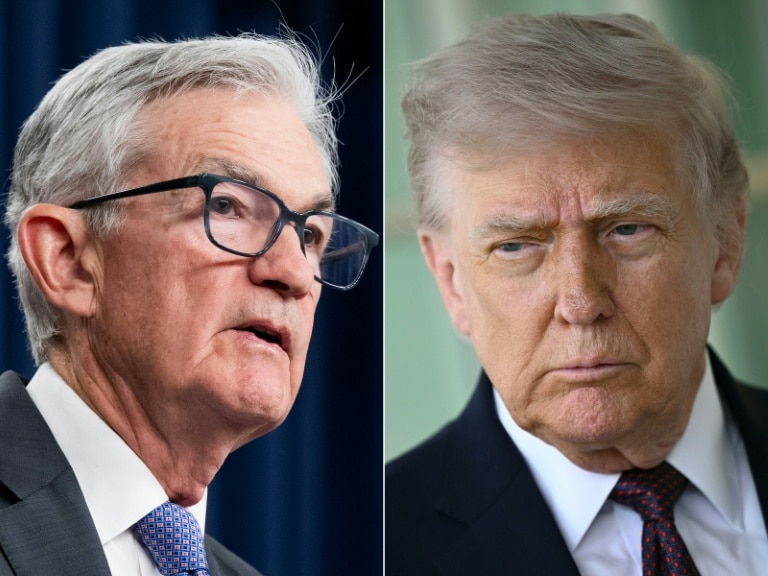
Justice Dept ends criminal probe into US Fed chair Powell
In a move that resolves a high-stakes political standoff over the independence of America’s central bank, the US Department of Justice announced Friday it has ended its criminal investigation into Federal Reserve Chair Jerome Powell. The development clears a major procedural hurdle for the confirmation of President Donald Trump’s nominee to lead the Fed, after weeks of controversy over what critics called a politically motivated inquiry.
US Attorney Jeanine Pirro made the announcement of the probe’s closure via the social platform X, confirming that oversight of the Fed’s headquarters renovation cost overruns — the core issue that sparked the Justice Department investigation — will now be handled by the Federal Reserve’s own inspector general. The investigation, which opened under intense public and private pressure from President Trump, will remain dormant for the time being, but Pirro left open the possibility of reviving criminal proceedings if new evidence emerges.
“I will not hesitate to restart a criminal investigation should the facts warrant doing so,” Pirro said in her public statement.
The probe has been a flashpoint in US politics for months, as Trump has repeatedly broken longstanding Washington norms to publicly and personally attack Powell, repeatedly calling on the Federal Reserve to cut interest rates far more aggressively than the central bank’s independent policy framework has allowed. With Powell’s four-year term as Fed chair set to expire on May 15, the looming investigation threatened to delay the Senate’s consideration of Trump’s pick to replace him, former Fed governor Kevin Warsh.
Shortly after the Justice Department’s announcement, White House spokesman Kush Desai reaffirmed the administration’s optimism that the Senate will move quickly to confirm Warsh. “The Trump administration remains as confident as before that the Senate will swiftly confirm Kevin Warsh as the next Federal Reserve Chairman,” Desai said.
Critics across the political spectrum, including former Federal Reserve chairs and sitting lawmakers from both parties, had denounced the investigation as an unprecedented attempt to erode the central bank’s long-held independence from political interference. The standoff reached a breaking point this week, when Republican Senator Thom Tillis of North Carolina, a member of the Senate Banking Committee, made clear he would continue blocking all new Fed appointments if the Powell investigation was not resolved. A single defection from Tillis would have been enough to create a deadlock on the panel, which Warsh must pass to move to a full Senate vote.
Even with the probe closed, however, top Democratic lawmakers warn that political pressure on the Federal Reserve remains far from over. Senate Banking Committee ranking member Senator Elizabeth Warren called the investigation a “bogus” inquiry, noting that the Justice Department’s action still leaves open the threat of renewed proceedings against Powell at any time, while a separate criminal investigation into Fed Governor Lisa Cook remains active. That probe stems from Trump’s move to attempt to fire Cook over unproven mortgage fraud allegations, a case that is currently before the US Supreme Court. Justices are set to rule on whether Trump has the legal authority to oust a sitting Fed governor.
Powell, who first took office as Fed chair in 2018 during Trump’s first term and was reappointed by Democratic President Joe Biden in 2022, said last month that he would not step down from his lifetime seat on the Fed’s Board of Governors until the investigation against him was concluded with full transparency and finality. It is unusual for a former Fed chair to remain on the board after leaving the leadership post, and Powell’s current term as governor runs through 2028. It remains unclear whether Powell will choose to stay on the board now that the probe has been closed.
All market and political observers are now turning their attention to Powell’s scheduled press conference next week, which will follow the conclusion of a two-day monetary policy meeting by the Federal Open Market Committee, where he is expected to address his future plans and the end of the investigation.
-
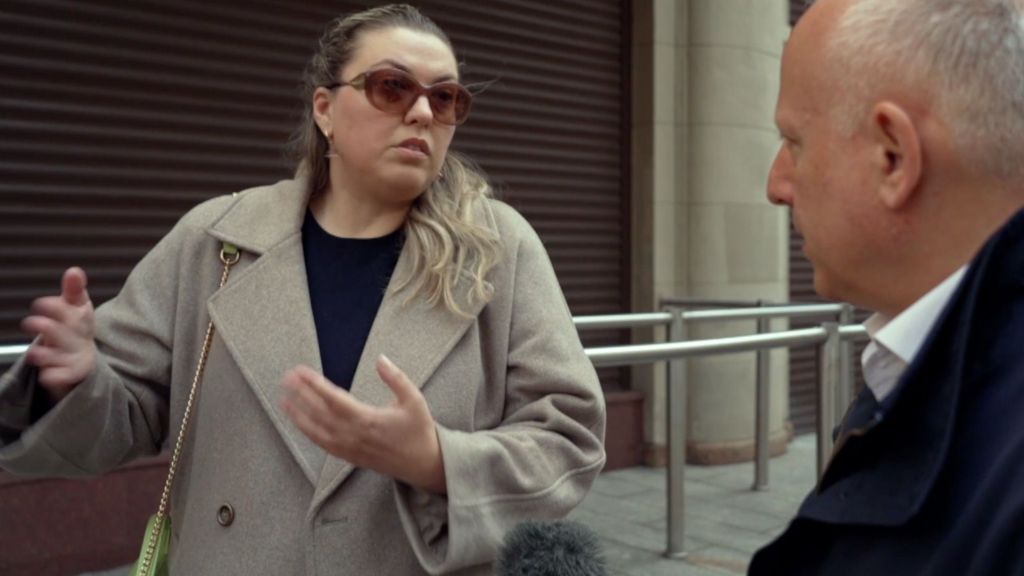
Watch: How the Kremlin’s internet crackdown is frustrating Russians
In recent months, the Kremlin’s expanding internet crackdown has sparked growing discontent across Russia, as ordinary residents and local business owners grapple with the tangible fallout of tightened digital controls. Senior Russian government officials have defended the wave of restrictions, framing them as a necessary measure to protect public safety and safeguard national security in an increasingly turbulent digital landscape. But for many people living inside the country, the new rules are anything but protective.
Ordinary Russians report daily disruptions to basic digital activities that were once taken for granted. Access to major international social media platforms that people relied on to stay connected to family members living abroad has been cut off. Communication tools that remote workers and students depended on to collaborate across borders now load slowly or are completely blocked. Even accessing independent domestic news sources has become a significant challenge for many, forcing people to navigate clunky workarounds like virtual private networks that often suffer from unstable connections and slow speeds.
The business community has been hit particularly hard by the crackdown. Small and medium-sized enterprises that built their customer bases and supply chains around open digital infrastructure now face collapsing online reach. Many companies that relied on cross-border digital services to process payments, communicate with international partners, or market their products have been forced to scale back operations or close entirely. Even large domestic businesses have reported increased operational costs, as they are forced to rebuild digital systems to comply with the new, stricter regulatory requirements.
While the Kremlin frames the crackdown as a response to growing external threats and misinformation threats to public order, critics argue that the restrictions are primarily aimed at suppressing dissent and controlling the flow of information within Russia’s borders. For millions of ordinary Russians, the cumulative effect of the crackdown has been growing frustration, as they see their access to open information and seamless digital connection steadily eroded by state policy.
-
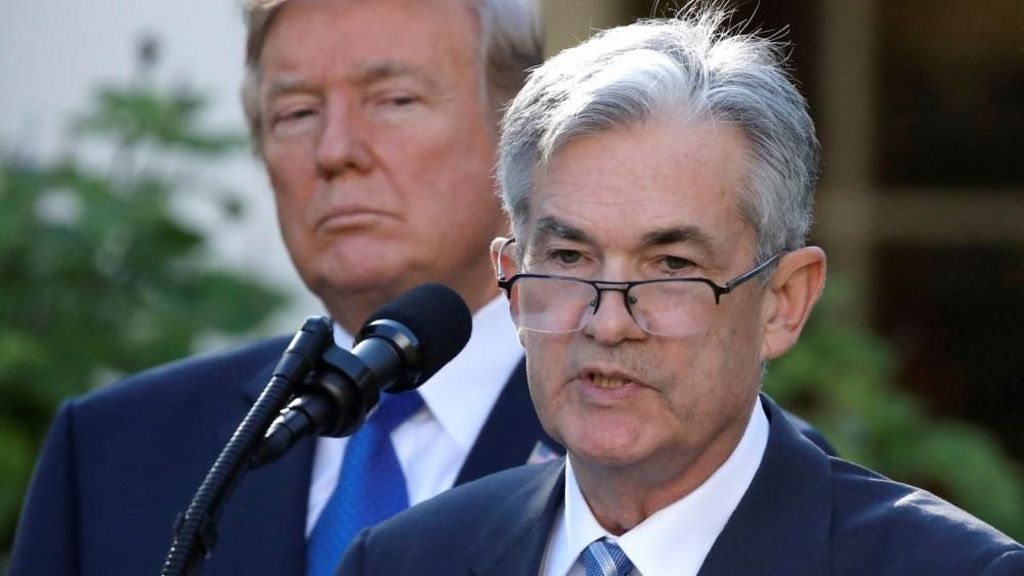
US justice department drops probe into Fed chairman Jerome Powell
In a dramatic development that intersects long-running political tensions, Federal Reserve leadership battles, and questions of central bank independence, the U.S. Department of Justice has formally abandoned its criminal investigation into Federal Reserve Chair Jerome Powell over allegations of unauthorized building renovation cost overruns.
Instead of a DOJ-led probe, the inquiry will now be handled through an internal review overseen by the Federal Reserve’s own inspector general, U.S. Attorney Jeanine Pirro announced this week. The shift comes amid a tangled web of political friction that stretches back more than a year, tied to President Donald Trump’s long-running public feud with Powell over monetary policy.
Last year, Trump first raised public complaints that the cost of the Federal Reserve’s headquarters renovation project had ballooned far beyond approved budgets, a critique that came in the middle of repeated demands from the president for the Fed to slash interest rates. After returning to office last year, Trump ramped up pressure on Powell, even floating the possibility of firing the Fed chair – a move that legal analysts widely argued would exceed executive authority and violate long-standing norms of central bank independence.
Powell, whose current term as Fed chair is set to expire imminently, made waves in January when he took the unprecedented step of publicly disclosing that the Department of Justice had served subpoenas to the Federal Reserve and was weighing a criminal indictment against him over testimony he delivered to the Senate committee regarding the building renovation costs. In that groundbreaking public statement, Powell called the DOJ investigation “unprecedented” and argued it had been launched solely because of Trump’s anger over the Fed’s refusal to bend to political pressure and cut interest rates. Powell emphasized that the core issue at stake was the ability of the U.S. central bank to make monetary policy based on economic data rather than political intimidation, noting “This is about whether the Fed will be able to continue to set interest rates based on evidence and economic conditions, or whether instead monetary policy will be directed by political pressure or intimidation.” The White House has previously maintained that Trump had no knowledge of the original DOJ investigation.
The decision to drop the probe follows a standoff over Trump’s nomination of Kevin Warsh to replace Powell as the next Fed chair, which is currently working its way through Senate confirmation. Key Senate Republican Thom Tillis had publicly refused to throw his support behind Warsh’s nomination until the Trump administration dropped the investigation into Powell, creating a critical roadblock for the White House’s priority of installing a new Fed leadership aligned with the president’s monetary policy goals.
In an official statement released after the announcement, White House spokesman Kush Desai defended the shift to an internal probe, arguing that “American taxpayers deserve answers about the Federal Reserve’s fiscal mismanagement, and the Office of the Inspector General’s more powerful authorities best position it to get to the bottom of the matter.” Desai added that the White House retains full confidence that the Senate will quickly confirm Warsh, framing his appointment as a necessary step to “finally restore competence and confidence in Fed decision-making.”
The development resolves one layer of tension in a fight that has shaken decades of norms around Federal Reserve independence, while setting the stage for the Senate to move forward on confirming a new Fed chair hand-picked by the Trump administration.
-
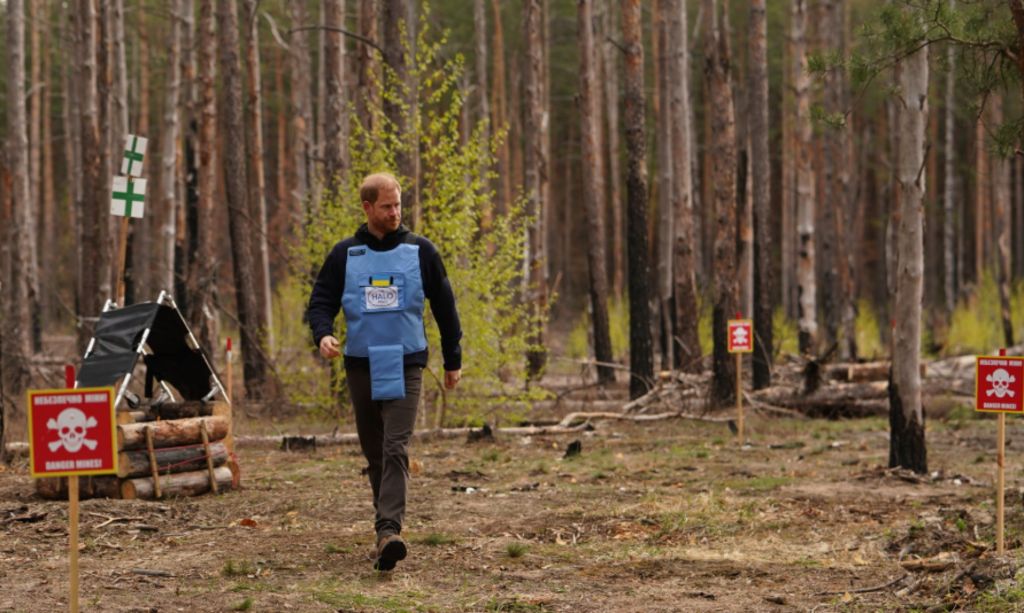
Trump says he speaks ‘for the UK more than Prince Harry’
As the United States prepares to welcome King Charles III and Queen Camilla for a high-stakes four-day state visit starting next Monday, a public exchange between US President Donald Trump and Prince Harry, Duke of Sussex, has injected unexpected tension into bilateral diplomatic preparations. The disagreement centers on Harry’s recent comments about Washington’s responsibility in the Ukraine conflict, made during an unannounced working trip to the war-torn country.
During his Kyiv visit, Harry — who stepped down from official royal duties alongside his wife Meghan Markle in 2020 — laid out a clear call for American leadership in upholding global security, without directly naming Trump. “The United States has a singular role in this story. Not only because of its power, but because when Ukraine gave up nuclear weapons, America was part of the assurance that Ukraine’s sovereignty and borders would be respected,” the Duke explained. He added that the US should “show that it can honour its international treaty obligations – not out of charity but out of its enduring role in global security and strategic stability.”
When reporters asked Trump for his reaction to Harry’s remarks ahead of the royal visit, the president pushed back firmly, downplaying the Duke’s standing as a representative of the United Kingdom. “Prince Harry is not speaking for the UK, that’s for sure. I think I am speaking for the UK more than Prince Harry,” Trump told reporters. He opened his response with informal well-wishes for Harry and Meghan, who recently completed a private trip to Australia, and noted that he appreciates the Duke’s input “very much.” When asked whether Harry would be included in official engagements during the King’s visit, Trump declined to give a direct answer, only expanding on his excitement for King Charles’ arrival.
“He’s a friend of mine. We’re really looking forward to it. We’ve spoken and we’re going to have a great time,” Trump said of the monarch. He added that all guests for the state visit events would be people who “love the UK,” a sentiment he said he shares, before offering unsolicited criticism of current UK policy directions. Trump argued that the UK government made “a big mistake on energy,” urging officials to open up more oil and gas extraction in the North Sea off Aberdeen. He also slammed the government’s immigration policies as another major misstep.
Beyond his diplomatic comments on Ukraine, Harry’s Ukraine trip continued a decades-long family legacy of landmine clearance advocacy. The Duke traveled to Bucha, just north of Kyiv, to observe demining operations run by the HALO Trust, a prominent international landmine clearance charity. During the visit, he tested an AI-powered drone designed for detecting hidden explosives, a technological advancement that marks a stark shift from the manual work his mother, Princess Diana, witnessed nearly 30 years prior.
“When my mother visited Angola nearly thirty years ago, deminers carried out their work on their hands and knees to uncover hidden explosives. Now they’re also using drones, AI and robots for greater precision and protection,” Harry noted. Diana’s 1997 visit to an active Angolan minefield, as a guest of the International Red Cross, is widely credited with catapulting the global landmine crisis into mainstream international attention, laying the groundwork for the Ottawa Treaty banning anti-personnel landmines.
The upcoming royal visit comes at a period of significant strain in US-UK relations, primarily over the ongoing conflict with Iran. Trump has repeatedly criticized Prime Minister Keir Starmer’s government for refusing to join US offensive operations against Iran, and even blocked the US military from launching strikes against Iranian targets from UK bases. In March, Trump publicly derided Starmer, saying he was “not Winston Churchill.” Still, the US president has struck an optimistic tone about King Charles’ visit, saying it could “absolutely” help repair fractured bilateral ties. He described the King as a “fantastic man” in his comments to BBC News. As of Wednesday, the BBC confirmed that it had requested comment from both Buckingham Palace and the UK Foreign Office on the exchange between Trump and Prince Harry, and had not yet received a response.
-
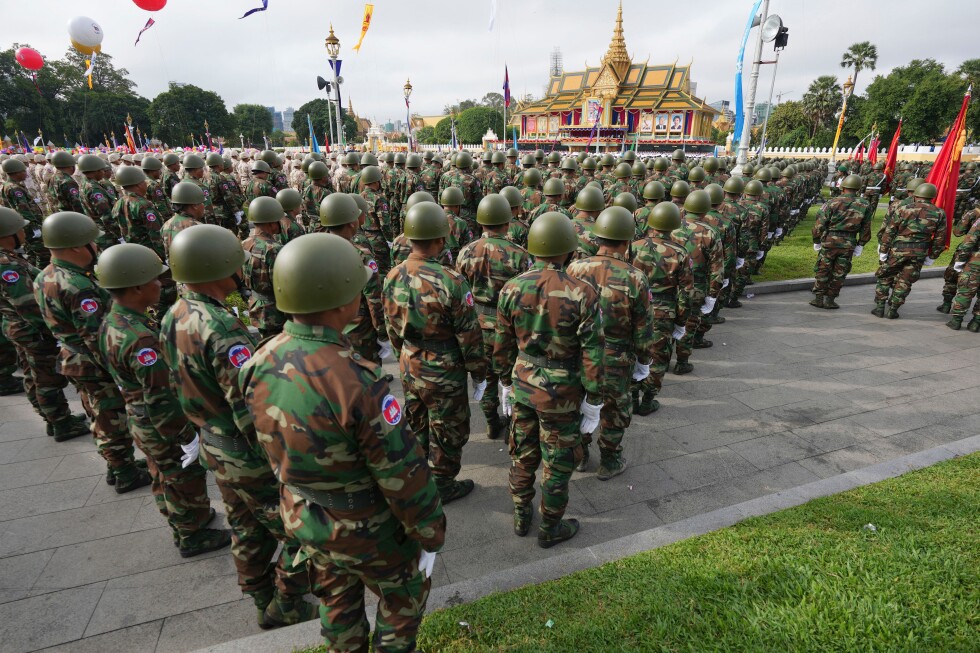
After last year’s fighting with Thailand, Cambodia readies new conscription law for men aged 18-25
Phnom Penh, Cambodia – In a direct policy shift shaped by recent violent border tensions with neighboring Thailand, Cambodia’s Cabinet has formally approved a revised conscription law mandating two years of compulsory military service for all male citizens between the ages of 18 and 25. The legislative update comes eight months after two separate outbreaks of armed conflict along the Cambodia-Thailand shared border that left dozens dead and displaced hundreds of thousands of civilians on both sides of the divide.
-
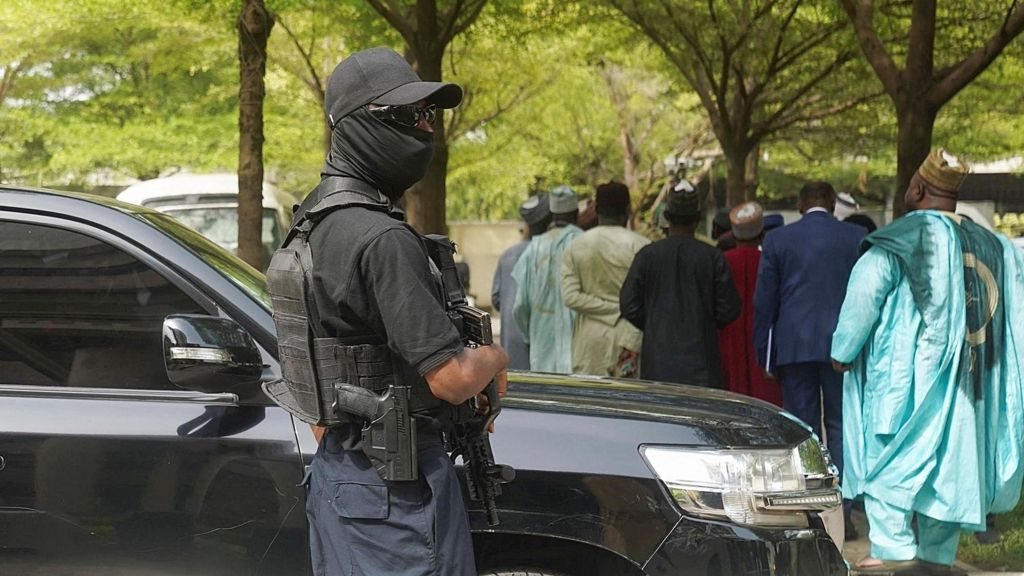
Behind Nigeria’s murky coup plot – the money, the prayers and a Nollywood arrest
For months, whispers and official silence shrouded the alleged Independence Day coup plot that targeted Nigeria’s sitting government last year. This week, the first public proceedings have finally lifted the veil, exposing new details of what prosecutors describe as an elaborate conspiracy to overthrow President Bola Tinubu, bringing long-unanswered questions into the public domain.
The plot was scheduled to unfold on October 1, 2025, Nigeria’s 65th Independence Day, when the nation was set to mark decades of freedom from British colonial rule. The annual celebratory parade, scheduled to be attended by President Tinubu, was abruptly canceled at the eleventh hour, with government and military officials offering no public explanation for the last-minute change. It was not until January 2026 that the military made a sparse, short statement confirming that 16 unnamed senior military officers would face court-martial over the alleged plot, finally confirming publicly that an attempted takeover had been foiled.
Now, court documents filed by state prosecutors at the Federal High Court in Abuja, the nation’s capital, have named the alleged mastermind of the conspiracy and laid bare the plotters’ strategy to destabilize the country ahead of their power grab. Six individuals, all civilians – including one serving police inspector and multiple retired military personnel – are facing trial in the High Court, as civilians are ineligible to be tried before military tribunals. All six have pleaded not guilty to 13 charges ranging from treason and terrorism to money laundering. While they are not believed to be the top leaders of the conspiracy, their open trial is expected to shine a light on a plot that investigators say drew participants from across all branches of Nigeria’s security forces.
Nigeria has a long history of military coups, but has maintained uninterrupted civilian rule since 1999. In recent years, however, a wave of successful military takeovers across neighboring West African nations, paired with rising economic hardship in Nigeria and widespread accusations of a political system rigged to favor a small elite, has fueled persistent speculation that the country could be next.
Court documents identify Colonel Mohammed Ma’aji, a 50-year-old Muslim born in western Niger State, as the plot’s chief strategist. Ma’aji spent much of his early military career deployed in the oil-rich Niger Delta, climbing the military ranks during the mid-2000s at the height of regional oil militancy, when heavily armed militant groups attacked oil infrastructure and kidnapped foreign workers for ransom. During this period, he built close professional ties to Timipre Sylva, a prominent oil businessman and former governor of Bayelsa State who helped broker a 2009 ceasefire and amnesty deal with militant groups in the region’s creeks. Multiple newspaper reports confirm Ma’aji coordinated security for Sylva during his unsuccessful 2015 campaign for a second term as governor, a relationship that investigators say is at the core of the alleged coup plot.
Though Sylva, 67, has not been formally indicted in this week’s filings, his name appears on seven of the 13 charges, each entry marked with the notation “still at large.” A former oil minister during the final term of President Muhammadu Buhari, who left office in 2023, investigators allege Sylva was the plot’s key financier, bankrolling the effort to oust Buhari’s elected successor, Tinubu. A member of the ruling All Progressives Congress (APC), Sylva notably declined to back Tinubu’s 2023 presidential campaign.
After the Independence Day parade was canceled, investigators raided Sylva’s Abuja residence. His spokesman has repeatedly denied any involvement, claiming the coup allegations and a separate arrest warrant for corruption are politically motivated. Sylva is currently in the United Kingdom for what his spokesman says is medical treatment, and has promised to return to clear his name – a step he has not yet taken.
Prosecutors allege the conspiracy required substantial funding to secure equipment and buy influence, with charges noting six accused civilians received payments ranging from 2 million naira ($1,500) to 50 million naira ($37,000), which they “reasonably ought to have known forms proceeds of an unlawful act… terrorism financing.”
Beyond financial details, a serving military investigator who spoke to the BBC on condition of anonymity shared the full scope of the plotters’ plans. The conspirators intended to storm Aso Rock, Nigeria’s heavily fortified presidential villa in Abuja, on the morning of October 1, leveraging insider intelligence gathered from co-conspirators already embedded at the compound. One of the indicted civilians, Zekeri Umoru, worked as an electrician at the villa, giving the plotters critical insight into the site’s layout and security protocols.
After seizing control of the villa, the plotters planned to immediately detain President Tinubu and other top government leaders. The investigator further alleged the conspirators intended to assassinate Tinubu, Vice President Kashim Shettima, Senate President Godswill Akpabio, and House Speaker Tajudeen Abbas. Authorities got wind of the plot in the days leading up to Independence Day, however, and made the first arrests before the plan could be executed. Concerns over the plot’s scale and penetration of security forces led the military to cancel the Independence Day parade, with investigations and additional arrests continuing in the months after.
Investigators say the conspirators also procured a fleet of sport utility vehicles to reach key strategic targets, including airports and other sensitive government sites. Of the 16 senior military officers arrested in connection with the plot, 14 are from the army, spread across multiple divisions, with one from the navy and one from the air force.
One of the most high-profile names among the six indicted civilians is Sani Abdulkadir, a popular Islamic cleric from Zaria in Kaduna State. Abdulkadir was reported missing by his family in late 2025 after he traveled to Abuja to inquire why his bank account had been frozen, sparking public outcry over his disappearance. It was only revealed months later he had been taken into security custody. On Monday, a Federal High Court judge ordered his release, awarded him more than $3,500 in damages for proven human rights violations, and ordered security agencies to issue a formal apology. Just 24 hours later, prosecutors named him as a coup conspirator and ordered him re-detained, noting court records show he received $1,500 from a plot leader. Contrary to early speculation that he was recruited to spread radical Islam to destabilize the country, the investigator said Abdulkadir was brought on as a “spiritual ‘prayer-warrior’ for the operation” – a common role for clerics in northern Nigeria, where community leaders regularly offer prayers for supporters undertaking major endeavors.
Earlier in 2026, an investigation by Nigerian newspaper Premium Times identified 40 total suspects, the vast majority serving military officers. Last week, the government inaugurated a closed-door military tribunal to try more than 30 of the accused officers, a decision that has drawn questions about transparency. One name that appears on leaked suspect lists but has not been brought into open court is Stanley Amandi, a popular Nollywood actor and director better known by his stage name “Stan K.” In January, the Actors Guild of Nigeria (AGN) confirmed to BBC Pidgin that Amandi, from the eastern city of Enugu, was arrested in September 2025 over allegations he was hired to serve as the plot’s propagandist. A legal source close to the investigation said Amandi was tapped to use his existing media connections and film production experience to build public support for the coup after the takeover.
AGN leader Emeka Rollas Ejezie said the organization has reached out to Nigeria’s domestic spy agency, the Department of State Services (DSS), to arrange access for Amandi’s lawyer, wife, and doctor. The DSS has stated Amandi is not in their custody, and is instead being held by military intelligence, which has declined to comment on his detention or whereabouts. Amandi has not been able to respond to the allegations against him, and the AGN continues to push for confirmation of his location.
The six defendants in the open High Court trial were remanded to DSS custody this Wednesday, with their next court date set for April 27 to hear bail applications. The limited details that have emerged so far have shaken Nigeria, where the last successful military coup took place in 1993 under General Sani Abacha. For many Nigerians, the trial offers the first chance to learn full details of what analysts say is the most serious coup attempt since the return to democracy in 1999 – a worrying development for a region that has already seen a string of military takeovers in recent years.
-
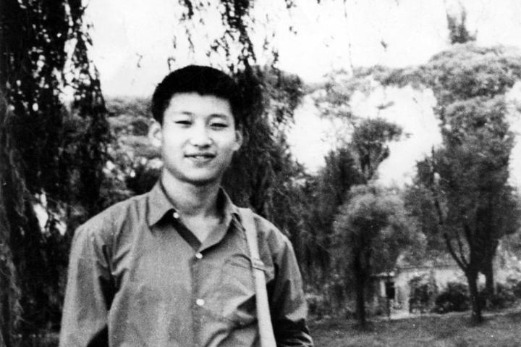
Xi’s everlasting passion for books
BEIJING – For Chinese President Xi Jinping, reading is far more than a casual pastime – it is an enduring passion and a core way of life that has shaped his decades-long journey from grassroots rural work to leading the world’s most populous nation. Beyond personal enrichment, Xi’s deep engagement with books has also become a unique diplomatic bridge, strengthening cultural connections between China and the global community and advancing dialogue and mutual understanding across different civilizations.
Xi’s love of reading began in childhood, rooted in the educational values of his family. Born in Beijing to a revolutionary family, Xi grew up in a household that prioritized learning. His father, veteran revolutionary leader Xi Zhongxun, rarely purchased toys for Xi and his siblings, but was always open-handed when it came to buying books. He would regularly take the children to bookstores and let them pick whatever volumes sparked their interest.
Chen Qiuying, who taught Xi Chinese when he was a teenager in 1965, recalled that even at a young age, Xi was a devoted reader of history and literature, with a particular fascination for the poetry of Tang Dynasty master Du Fu. Du, one of China’s most celebrated realist poets, wove profound empathy and care for ordinary people into his work, themes that would leave a lasting impression on Xi.
In 1969, at just 15 years old, Xi was sent to work as an “educated youth” in Liangjiahe, a remote mountain village in Shaanxi Province in Northwest China. Among his few belongings were two large suitcases stuffed entirely with books. Over the seven years he spent living in a yaodong – a traditional cave dwelling carved into the region’s yellow loess hills – harsh living conditions never dimmed his enthusiasm for reading. Instead, books became a vital source of spiritual strength through those challenging years.
Xi made use of every spare moment to read: he would study dictionaries during breaks from farm work, steal quiet moments to read while tending sheep on hilltops, and lose himself in books under the glow of a kerosene lamp long after dark. In one famous anecdote, he walked 15 kilometers along a rutted, dusty country road just to borrow a copy of Johann Wolfgang von Goethe’s *Faust*. He also drew great inspiration from Russian writer Nikolai Chernyshevsky’s *What Is to Be Done?*, where the main character’s unyielding resilience encouraged him through difficult times. By the end of his time in Liangjiahe, Xi had read nearly every classic work of literature he could get his hands on, once saying that the knowledge he draws on easily today all stems from the reading he did in those years.
Over time, Xi developed a distinctive, thoughtful reading method: he describes the approach as “turning thick books thin, and thin books thick.” This means distilling the core essence from dense, complex texts to extract key insights, while diving deep into the layers of shorter, concise works to unpack their full depth and meaning. By the time he was admitted to Tsinghua University in 1975, he had read Karl Marx’s *Das Kapital* cover to cover three times, and filled 18 notebooks with his own reflections and analysis.
For decades, no matter if he was serving as a grassroots local official or leading the entire country, Xi has maintained this consistent reading routine. He has also repeatedly encouraged both government officials and the general public across China to make reading a regular part of their lives.
Global observers have long noted the significance of Chinese leaders’ reading habits, as the knowledge gained from books directly shapes how policy is conceived and implemented. As international outlet *The Diplomat* wrote in a piece on the topic, “Overseas analysts of China are understandably very interested in whether Chinese leaders are reading, whether they have time to read, and what kind of books they are reading. Leaders’ knowledge is formed by the books they read … This in turn is an important factor in determining the shaping and implementation of policy.”
-
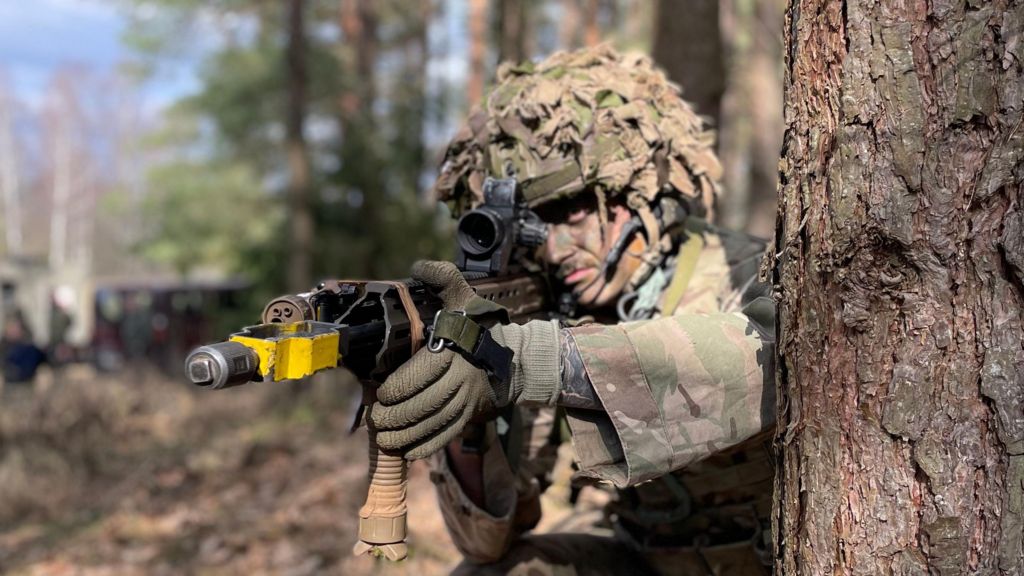
What is Nato and which countries are in it?
A leaked internal Pentagon memo obtained by Reuters has exposed unprecedented proposals from the United States to impose punitive measures on NATO allies that the Trump administration accuses of failing to back the US and Israel during their late February military campaign against Iran. The controversial plans include the radical step of suspending Spain’s membership in the 77-year-old transatlantic alliance and reopening a formal review of the United Kingdom’s long-recognized sovereignty over the Falkland Islands.
The disclosure comes amid a sustained wave of public criticism of NATO from President Donald Trump, who has spent months lashing out at member states for their perceived lack of support following the Iran conflict, which led to Iran imposing restrictions on commercial shipping through the strategically critical Strait of Hormuz. Trump has repeatedly questioned the alliance’s relevance, even labeling it a “paper tiger” and openly floating the possibility of a full US withdrawal from the bloc. In a post on his Truth Social platform following a recent meeting with new NATO Secretary General Mark Rutte, the president doubled down on his stance, writing bluntly: “NATO WASN’T THERE WHEN WE NEEDED THEM, AND THEY WON’T BE THERE IF WE NEED THEM AGAIN.” He has also consistently accused fellow member nations of free-riding on the massive US military investment that underpins collective transatlantic security.
NATO officials pushed back immediately on the suspension proposal, telling the BBC that the alliance’s founding treaty contains no legal mechanism to suspend or expel a member state. Downing Street also rejected the suggestion of reviewing Falkland Islands sovereignty, reaffirming that the UK’s claim to the territory remains unambiguous and fully rooted in the self-determination of the islands’ population.
Founded in 1949 in Washington D.C. by 12 original signatory nations, NATO was initially created to counter Soviet expansion in Europe and foster political integration across the continent to prevent the resurgence of nationalist militarism. Today, the alliance counts 32 member states spanning North America and Europe, with the most recent expansions bringing Finland into the bloc in 2023 and Sweden in 2024, both abandoning decades of neutrality after Russia’s 2022 full-scale invasion of Ukraine. Ukraine, Bosnia and Herzegovina, and Georgia hold official candidate status and have formally requested membership.
At the core of NATO’s collective defense framework is Article 5, which states that an armed attack against any single member is considered an attack against all, requiring members to take whatever action they deem necessary to restore security. To date, Article 5 has only been invoked once, in response to the 9/11 terrorist attacks against the United States in 2001. A separate provision, Article 4, allows members to bring pressing security concerns to the alliance’s main decision-making body, the North Atlantic Council, and has been used seven times since the alliance’s founding.
In 2025, NATO leaders agreed to a landmark new defense spending target requiring all members to commit 5% of their national GDP to defense-related expenditure by 2035. Of that total, 3.5% must go toward core defense capabilities, with up to an additional 1.5% allocated to broader security infrastructure. Prior to this agreement, members operated under a non-binding 2% target, which all alliance nations finally met for the first time in 2025. The United States remains by far the alliance’s largest defense spender, contributing roughly $980 billion in 2025 – accounting for 60% of total NATO defense spending across all members. Poland, Lithuania, and Latvia, all frontline states facing direct Russian pressure, each spent over 3.5% of GDP on defense in 2025, while the UK reported 2.3% of GDP spent on defense that year, with a government target to reach 3% by the end of its next parliamentary term.
Ukraine’s path to NATO membership remains one of the alliance’s most contentious issues. Russia has vehemently opposed Ukraine’s accession, viewing the expansion of alliance infrastructure to its border as an existential security threat. After the 2022 invasion, Ukrainian President Volodymyr Zelensky pushed to accelerate the accession process, but former NATO Secretary General Jens Stoltenberg confirmed membership would only move forward after the conclusion of active hostilities. Most recently, in August 2025, President Trump stated that Ukraine would not be permitted to join NATO as part of any proposed peace deal with Russia, placing a major new cloud over Kyiv’s long-term membership aspirations. While NATO has labeled Russia’s invasion of Ukraine the most direct threat to transatlantic security in decades, the alliance has declined to deploy direct military support or impose a no-fly zone over Ukraine to avoid a direct armed conflict with nuclear-armed Russia. Individual member states, however, have provided billions of dollars in military and humanitarian aid to Kyiv since the invasion began.