分类: politics

  • UK government plans to scrap some jury trials in an attempt to clear a court backlog

    UK government plans to scrap some jury trials in an attempt to clear a court backlog

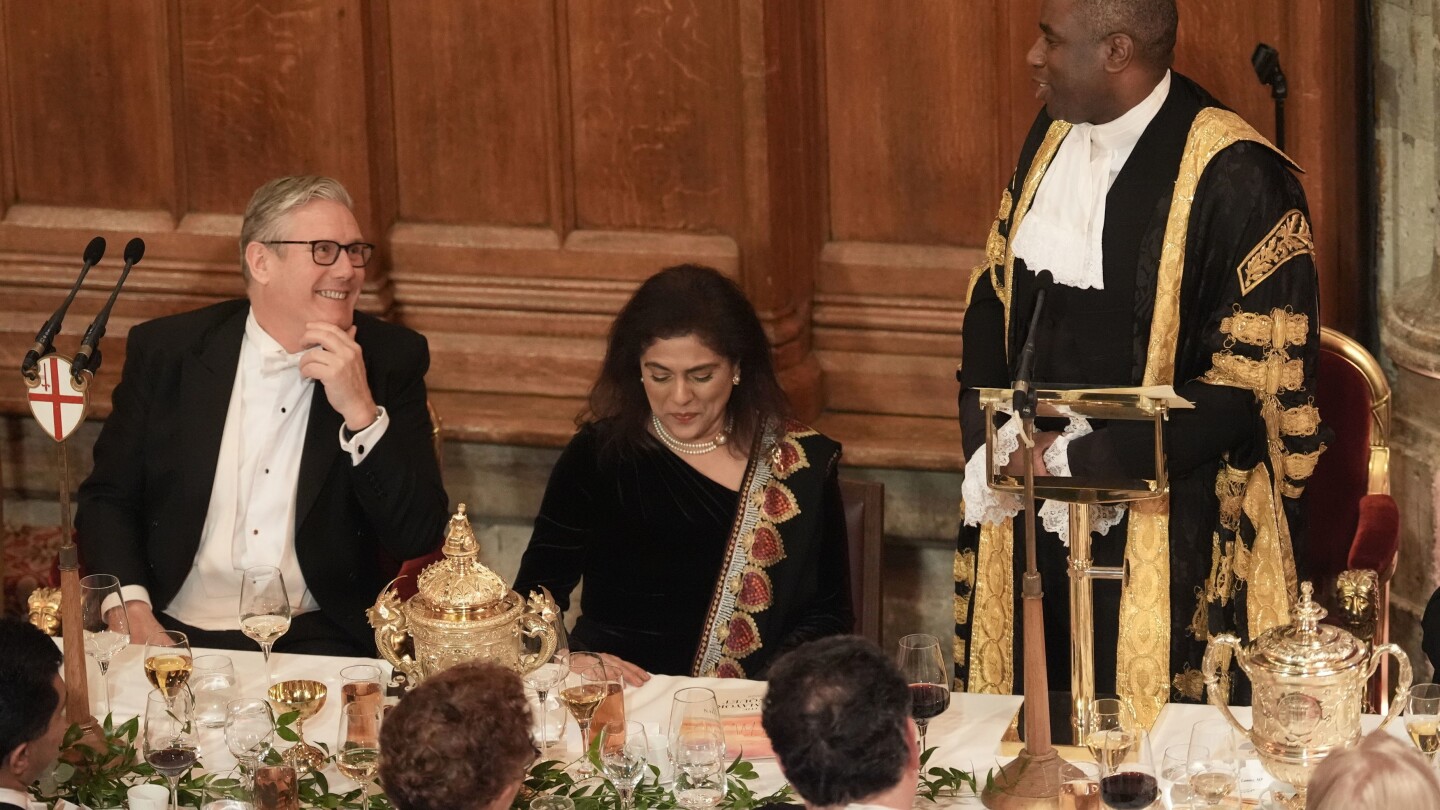
    The British government has unveiled sweeping reforms to the nation’s justice system, significantly scaling back the right to trial by jury in an effort to address a critical backlog of cases that has accumulated since the COVID-19 pandemic. Justice Secretary David Lammy declared the situation “an emergency in our courts” that threatens to undermine public confidence in British justice.

    The reforms represent the most substantial changes to jury trials in decades. Under the new measures, cases with expected sentences of three years or less—increased from the current two-year threshold—will be heard by judges alone without juries. Additionally, judges will gain authority to preside over certain complex fraud and financial cases without jury participation. Magistrates, who handle less serious offenses, will see their sentencing powers expanded from 12 to 18 months, enabling them to process more cases independently.

    These changes come as the justice system confronts nearly 80,000 pending criminal cases in England and Wales—more than double the pre-pandemic volume—with some trials delayed for several years. The government estimates these reforms will reduce jury trials by approximately 25%, while maintaining jury proceedings for the most serious offenses including murder, manslaughter, rape, serious assault, and robbery.

    Lammy invoked the Magna Carta’s principles during his announcement to Parliament, emphasizing that justice delayed effectively constitutes justice denied for victims. However, legal professionals have raised significant concerns about the erosion of fundamental rights. Riel Karmy-Jones, chairwoman of the Criminal Bar Association, criticized the move as “eviscerating protection by eroding the public’s right to trial by jury,” attributing court delays to systemic underfunding rather than jury proceedings.

    The reforms apply specifically to England and Wales, as Scotland and Northern Ireland maintain separate judicial systems.
  • UAE President shares heartfelt message marking 54th National Day

    UAE President shares heartfelt message marking 54th National Day

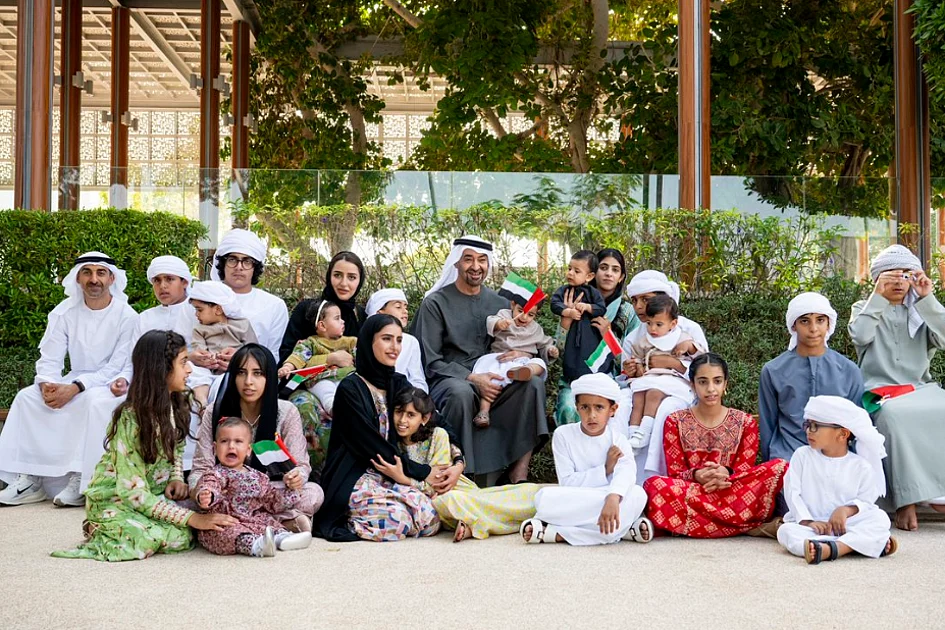
    In a powerful display of national unity, UAE President Sheikh Mohamed bin Zayed Al Nahyan delivered an emotionally resonant message commemorating the nation’s 54th National Day, known as Eid Al Etihad. The presidential address, shared on December 2nd, 2025, extended heartfelt congratulations to both citizens and residents while acknowledging their collective contributions to the nation’s continuous development.

    President Sheikh Mohamed emphasized that the UAE’s remarkable journey of progress stems from unified family structures and a cohesive society working toward common goals. His message contained a spiritual benediction, invoking divine protection for the nation’s enduring prosperity and the wellbeing of its people, referring to the UAE as ‘the blessed land of Zayed.’

    Concurrently, Sheikh Mohammed bin Rashid Al Maktoum, Ruler of Dubai and Vice-President, echoed these sentiments in his own National Day communication. He paid tribute to the nation’s founding fathers, particularly the late Sheikh Zayed bin Sultan Al Nahyan and Sheikh Rashid bin Saeed Al Maktoum, recognizing their visionary leadership in establishing what he described as ‘a unique model of unity’ back in 1971.

    The presidential address notably highlighted the critical importance of preserving national identity, cultural values, and the Arabic language as fundamental priorities. Sheikh Mohamed specifically called upon educational, cultural, and social development institutions to prioritize the moral and ethical development of youth, describing this preservation as a shared responsibility across all societal sectors.

    Reflecting on the historical significance of December 2nd, the President characterized Eid Al Etihad as both a celebration of national foundation and an opportunity for collective reflection and renewed commitment to nation-building. He reaffirmed the leadership’s dedication to maintaining the UAE as a nation exemplifying excellence, progress, and purposeful development, thus honoring the original vision established by the country’s founders.

  • Honduran ex-president Juan Orlando Hernández released from US prison after Trump pardon

    Honduran ex-president Juan Orlando Hernández released from US prison after Trump pardon

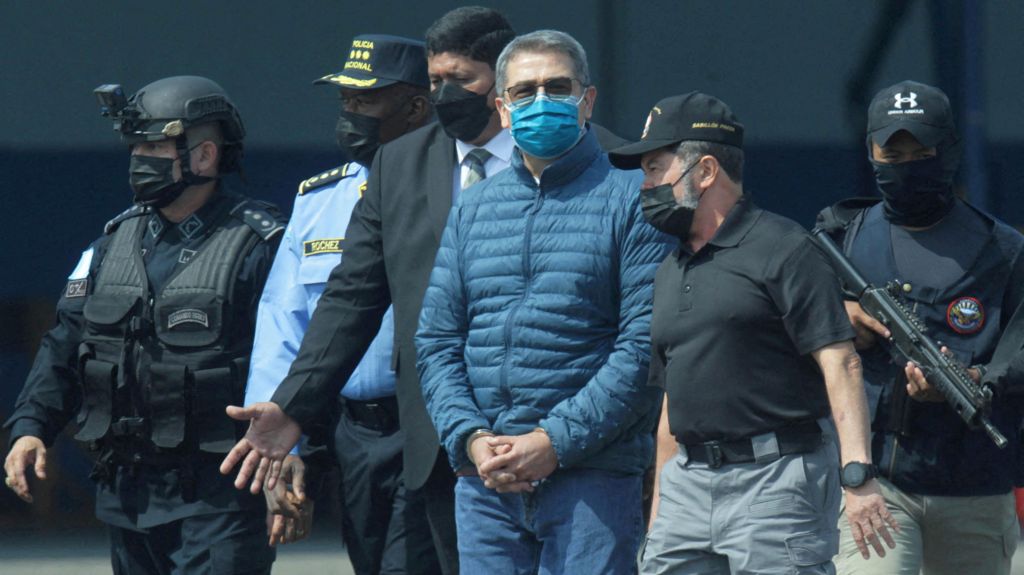
    In a politically charged move that has drawn international attention, former Honduran President Juan Orlando Hernández has been released from U.S. federal custody following a presidential pardon from Donald Trump. Online prison records confirm Hernández departed the high-security USP Hazelton facility in West Virginia on Monday.

    The former Honduran leader, who governed from 2014 to 2022, was convicted in March 2024 on serious charges including conspiracy to import cocaine into the United States and illegal possession of machine guns. His 45-year prison sentence, handed down by a New York court, included an $8 million fine following prosecutors’ characterization of his administration as operating a ‘narco-state’ that accepted millions in bribes from drug traffickers.

    Trump announced the controversial pardon through social media on Friday, asserting Hernández had been ‘treated very harshly and unfairly’ by the justice system. The former president further elaborated his reasoning to reporters aboard Air Force One on Sunday, claiming the investigation represented a ‘Biden administration set-up’ designed to politically target Hernández.

    The pardon emerges during a critical juncture in Honduran politics, with the country currently deadlocked in a ‘technical tie’ between right-wing candidate Nasry Asfura and centrist challenger Salvador Nasralla. Trump has openly inserted himself into the electoral process, praising Asfura as ‘standing up for democracy’ while labeling Nasralla a ‘borderline Communist.’

    Hernández’s wife, Ana García de Hernández, publicly thanked Trump for the pardon, declaring her husband ‘a free man’ in Tuesday social media posts. The former president was originally extradited to the United States in April 2022 to face charges that he facilitated the smuggling of hundreds of tons of cocaine while shielding traffickers from justice.

    The development occurs against the backdrop of ongoing U.S. pressure on Venezuela’s Nicolás Maduro, whom the Trump administration has repeatedly accused of narcotics trafficking. Current Honduran President Xiomara Castro, who has maintained diplomatic ties with both Cuba and Venezuela, now faces renewed political uncertainty following her predecessor’s unexpected release.

  • US waiver on Iran’s Chabahar Port a win for Central Asia

    US waiver on Iran’s Chabahar Port a win for Central Asia

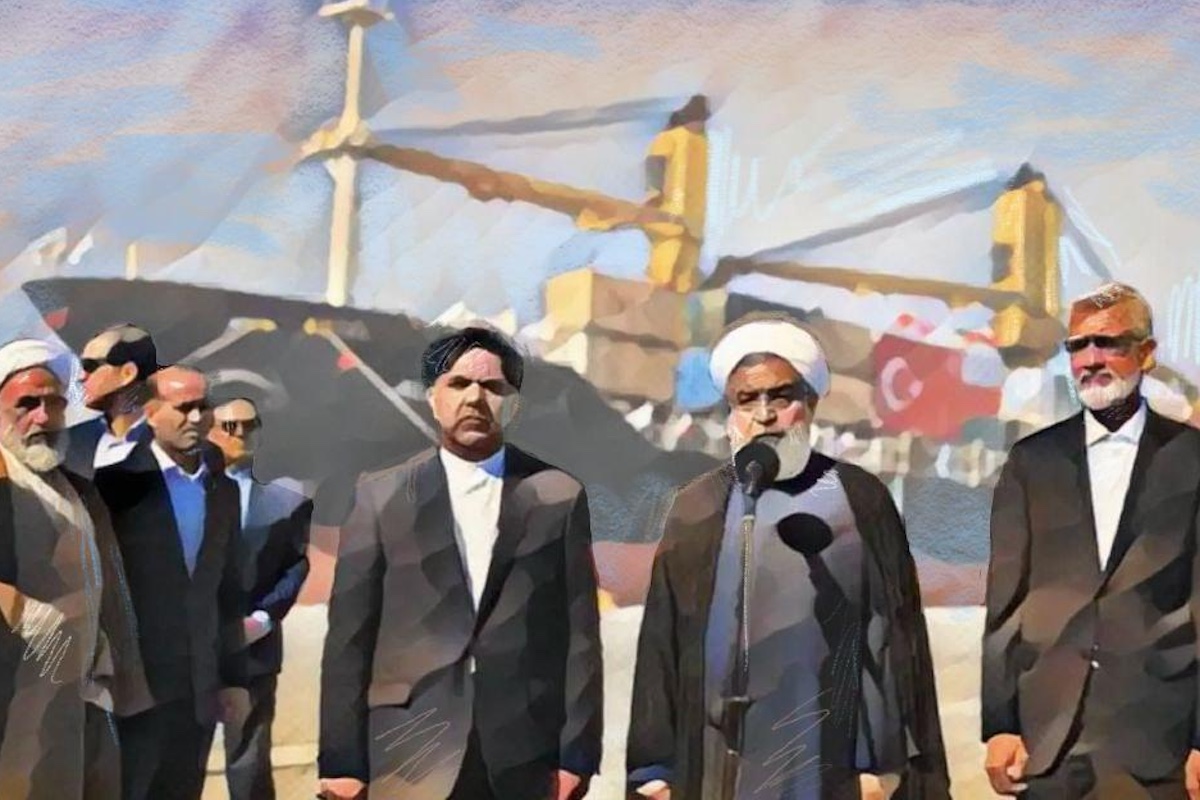
    In a significant geopolitical reversal, the United States has reinstated a crucial sanctions waiver for Iran’s Chabahar Port, marking a victory for Central Asian connectivity ambitions and India’s regional strategic interests. The October 30, 2025 decision by the State Department came just six weeks after its surprising September revocation of the 2018 exemption under the Iran Freedom and Counter-Proliferation Act (IFCA).

    The waiver restoration enables India to continue its 10-year management contract of the strategic Gulf of Oman port, which serves as a vital trade gateway for landlocked Central Asian nations and Afghanistan. This development directly counters China-Pakistan Economic Corridor’s Gwadar port located merely 100 miles away, highlighting the ongoing infrastructure competition in South Asian maritime routes.

    Central Asian capitals have welcomed Washington’s pragmatic realpolitik approach, recognizing Chabahar’s role in providing alternative trade routes beyond existing corridors through China, Russia, or the Middle Corridor. The port now offers faster export pathways for regional commodities including minerals, cotton, and energy products to global markets.

    Eldor Aripov, Director of Uzbekistan’s Institute for Strategic and Regional Studies, emphasized to The Times of Central Asia that ‘the waiver removes a major bottleneck to reliable access to the Indian Ocean, giving Uzbekistan and our neighbors one more route for our exports and imports. Diversification—which does not mean exclusivity—strengthens Central Asia’s strategic autonomy.’

    The decision has revitalized multiple transport initiatives including the Lapis Lazuli route (Afghanistan-Turkmenistan-Azerbaijan-Georgia-Turkey), the Five Nations Railway Corridor (China-Afghanistan-Tajikistan-Kyrgyzstan-Iran), and the 2016 Ashgabat Agreement involving Kazakhstan, Uzbekistan, Turkmenistan, Iran, India, Pakistan, and Oman.

    Recent diplomatic activity underscores the waiver’s significance: Afghan and Indian ministers met in New Delhi to explore Chabahar’s potential in reducing Kabul’s dependence on Pakistani routes, while Kazakh and Qatari officials discussed enhanced economic connectivity in Doha.

    The sustained sanctions exemption signals Washington’s recognition of India’s rising global presence and acknowledges Central Asia’s pursuit of north-south economic integration without sacrificing strategic autonomy to regional powers.

  • Belgian police make 3 arrests after raids on college and EU diplomatic headquarters

    Belgian police make 3 arrests after raids on college and EU diplomatic headquarters

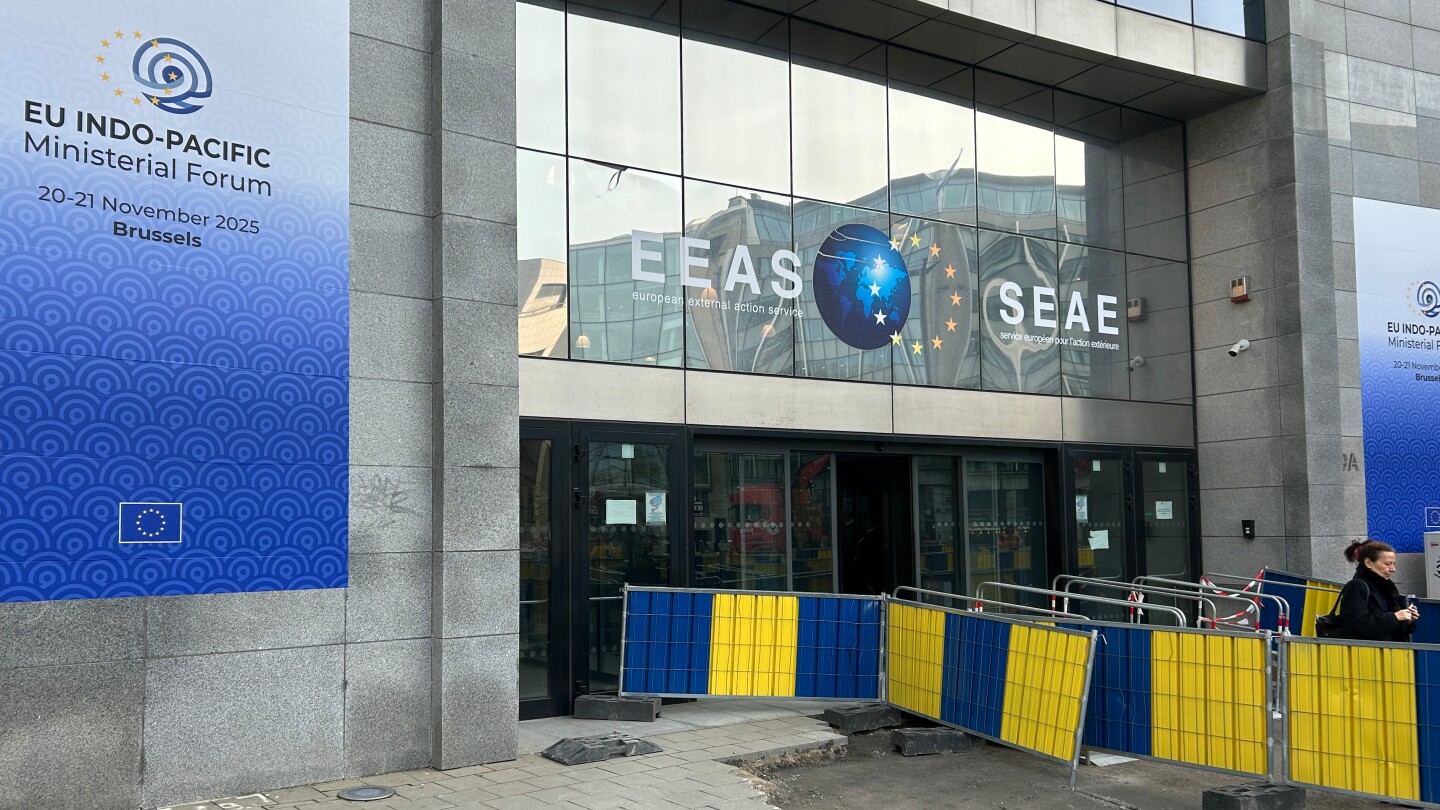
    BRUSSELS — Belgian law enforcement officials executed coordinated raids on Tuesday targeting key European Union institutions, resulting in three arrests amid a widening fraud investigation. The operation, authorized by the European Public Prosecutor’s Office (EPPO), targeted both the European External Action Service headquarters in Brussels and multiple facilities at the prestigious College of Europe in Bruges.

    The investigation centers on alleged misconduct in the awarding of a training program contract for the EU Diplomatic Academy during the 2021-2022 academic cycle. Prosecutors have identified multiple potential violations including procurement fraud, corruption breaches, conflict of interest infringements, and unauthorized disclosure of protected information.

    EPPO, the EU’s independent judicial body, issued a statement revealing ‘substantial evidence’ suggesting systematic irregularities in the tender process for junior diplomat training. The office has formally requested the waiver of diplomatic immunity for several individuals connected to the case, indicating the investigation may reach high-level officials.

    European Commission representative Anitta Hipper acknowledged the search operation at the EU’s diplomatic service headquarters while maintaining procedural discretion during her press briefing. Both federal police authorities and the prosecutor’s office have maintained strict confidentiality regarding ongoing investigative details and suspect identities.

    The raids represent one of the most significant anti-corruption operations targeting EU institutions recently, highlighting the increasing vigilance of European judicial authorities in maintaining institutional integrity within the bloc’s diplomatic training mechanisms.

  • Bulgaria ditches budget plan after tens of thousands join protests

    Bulgaria ditches budget plan after tens of thousands join protests

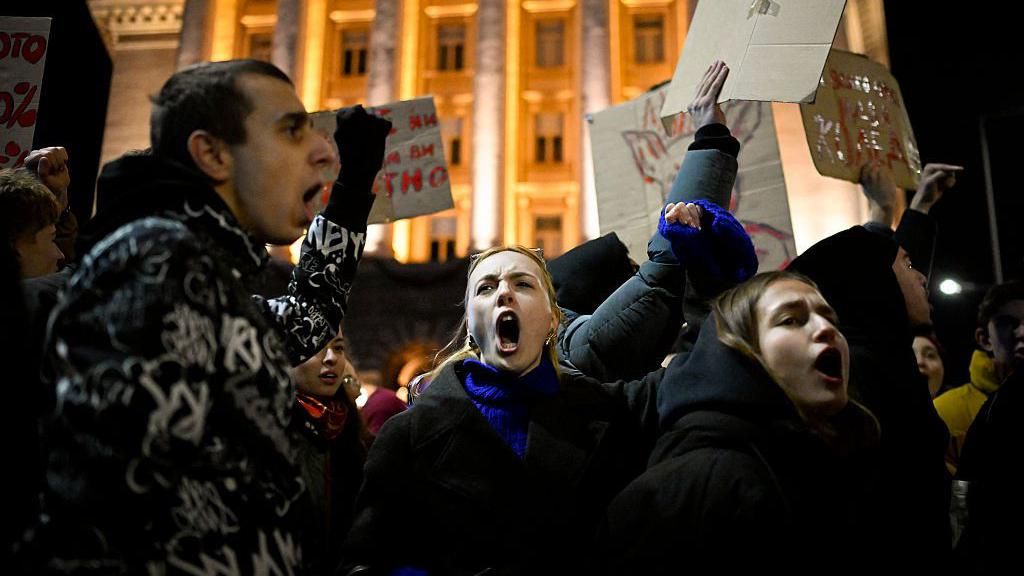
    Bulgaria’s government has capitulated to public pressure by withdrawing its controversial 2026 budget proposal following the largest anti-government demonstrations the country has witnessed in decades. The decision comes after tens of thousands of citizens flooded streets across multiple cities on Monday night, with the capital Sofia witnessing particularly massive gatherings in front of parliament buildings.

    The now-abandoned fiscal plan faced vehement opposition for its proposed tax increases and social security contribution hikes, which protesters argued served to mask systemic government corruption rather than address genuine economic needs. The demonstrations turned confrontational in Sofia where masked individuals clashed with riot police, damaged political party offices, and set fires, resulting in over 70 arrests according to local authorities.

    President Rumen Radev condemned the violence as ‘mafia provocations’ while simultaneously acknowledging the legitimacy of public discontent. Through social media, Radev demanded governmental resignation and early elections, stating that Bulgarians had unequivocally rejected the current administration.

    The political context underscores deeper tensions as Bulgaria prepares for its inaugural eurozone budget on January 1, 2026. Public opinion remains sharply divided on euro adoption, with many citizens in one of the EU’s poorest nations fearing potential inflationary consequences. The current minority coalition government under Prime Minister Rosen Zhelyazkov, formed after inconclusive 2024 elections, now faces intensified opposition calls for complete resignation rather than mere policy adjustments.

    This episode continues Bulgaria’s pattern of political instability that has persisted since 2020, when previous anti-corruption protests toppled another GERB-led coalition government. The government has committed to initiating a new budget consultation process involving opposition parties, trade unions, and employer representatives.

  • Nigeria’s defence minister resigns amid kidnapping crisis

    Nigeria’s defence minister resigns amid kidnapping crisis

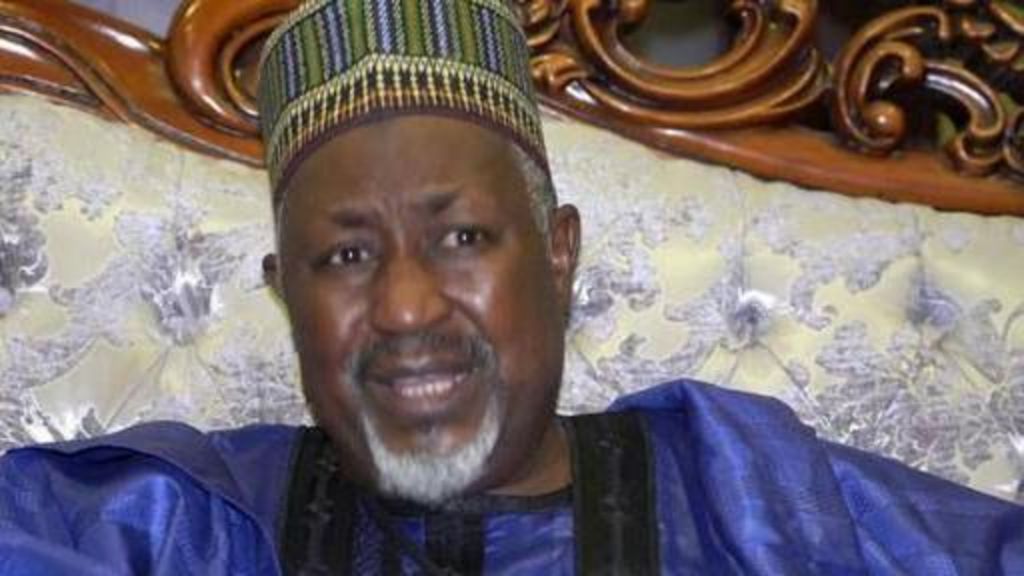
    In a significant development for Nigeria’s security apparatus, Defense Minister Mohammed Badaru Abubakar has abruptly resigned from his cabinet position citing health concerns. The 63-year-old’s departure comes at a critical juncture as the nation grapples with worsening security challenges, particularly a surge in mass abductions targeting civilians.

    The timing of Abubakar’s exit coincides with alarming reports from the UN Human Rights Office indicating at least 402 kidnappings since mid-November, predominantly affecting schoolchildren. Recent incidents include the abduction of 20 individuals during separate raids in northern Nigeria, capturing a Christian pastor alongside a Muslim bride and her bridal party. Approximately 250 students and 12 educators from a Catholic school in Niger state remain missing following what represents one of the largest kidnapping events in recent weeks.

    While analysts predominantly attribute these crimes to criminal syndicates seeking ransom payments, presidential representatives have suggested jihadist involvement. The minister, who previously served two terms as governor of Jigawa state from 2015 to 2023, played a pivotal role in President Bola Tinubu’s 2023 electoral victory by delivering his home state.

    President Tinubu has accepted the resignation with acknowledgments for Abubakar’s national service. Concurrently, the administration has declared a national security emergency, unveiling plans to expand police capabilities by recruiting 20,000 additional officers to reach a force strength of approximately 50,000.

    Nigeria currently confronts multiple security threats including criminal kidnappings, Islamist insurgencies in northern territories, separatist violence in southeastern regions, and resource conflicts between herders and farmers in central areas. Presidential spokespersons indicate Tinubu will present Abubakar’s successor to the Senate for confirmation within days.

  • US Homeland Security secretary calls for more travel bans

    US Homeland Security secretary calls for more travel bans

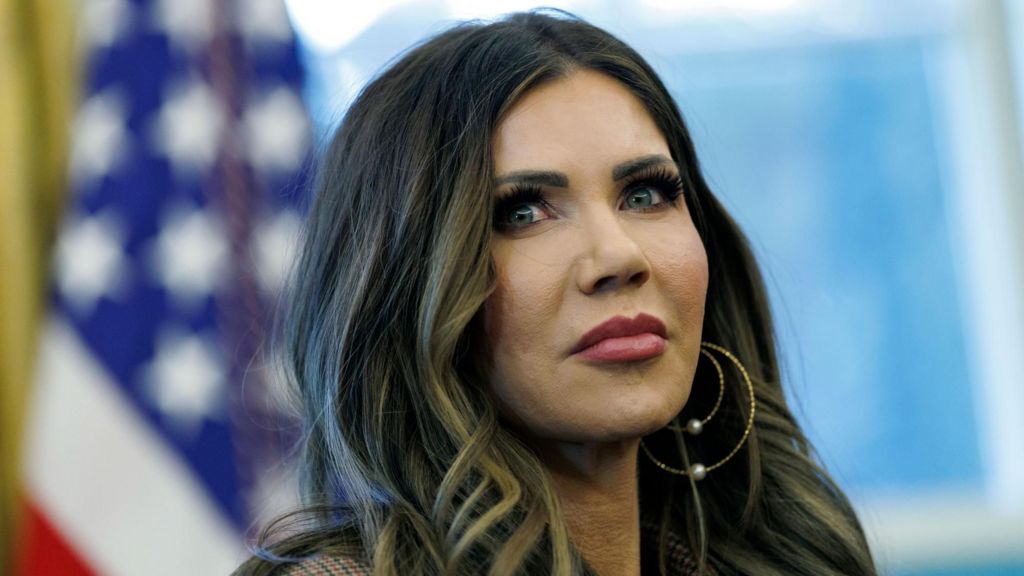
    In a significant escalation of immigration enforcement measures, Homeland Security Secretary Kristi Noem announced plans to recommend a comprehensive travel ban targeting nations allegedly responsible for importing criminal elements into the United States. The proposal emerged following Noem’s Monday meeting with President Donald Trump, after which she declared intentions to implement “a full travel ban on every damn country that’s been flooding our nation with killers, leeches, and entitlement junkies” via social media.

    The administration’s hardened stance comes in direct response to last Wednesday’s shooting incident in Washington DC that claimed the life of 20-year-old National Guard member Sarah Beckstrom and left 24-year-old Andrew Wolfe seriously injured. Federal officials identified the primary suspect as an Afghan national who entered the United States in 2021 through Operation Allies Welcome—a Biden-era program designed to evacuate Afghan civilians who assisted American forces during the two-decade military engagement.

    White House Press Secretary Karoline Leavitt clarified that Noem’s recommendation would substantially “widen” existing travel restrictions that already target 19 nations predominantly located in Africa, the Middle East, and Caribbean regions. The Trump administration has simultaneously implemented an immediate suspension of all asylum processing indefinitely, with US Citizenship and Immigration Services Director Joseph Edlow stating the pause will remain until “we can ensure that every alien is vetted and screened to the maximum degree possible.”

    President Trump has further directed a comprehensive review of green cards issued to migrants from the previously identified 19 countries while threatening to “permanently pause migration” from all developing nations. In his Thanksgiving address, the president attributed “social dysfunction in America” to refugee populations and vowed to remove “anyone who is not a net asset” to the nation.

    The Afghan Community Coalition of the United States issued a statement expressing profound sympathy for the shooting victims while cautioning against collective punishment, emphasizing that the incident represented “the act of one person” rather than reflecting broader immigrant communities. The United Nations has concurrently urged American authorities to maintain compliance with international agreements governing asylum seeker protections.

  • Nigeria grants asylum to Guinea-Bissau presidential candidate after coup

    Nigeria grants asylum to Guinea-Bissau presidential candidate after coup

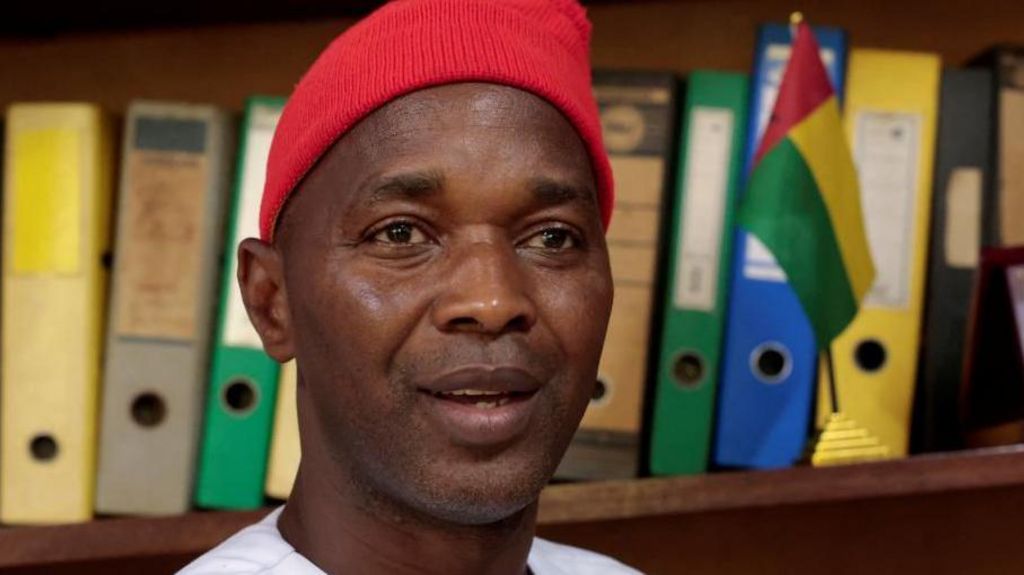
    In a significant diplomatic move, Nigeria has provided political asylum to Fernando Dias, a presidential contender from Guinea-Bissau, following a military takeover that disrupted the electoral process. The 47-year-old candidate from the Party for Social Renewal sought refuge at the Nigerian embassy in Bissau after reporting direct threats to his safety.

    The political crisis erupted when military forces suspended the electoral proceedings three days after the November 23 presidential vote, blocking the release of election results that both Dias and incumbent President Umaro Sissoco Embaló had claimed to win. The junta justified its intervention as necessary to prevent what it described as a plot to destabilize the politically volatile nation.

    Nigerian Foreign Minister Yusuf Tuggar confirmed the protective measures, stating President Bola Tinubu authorized Dias’s sanctuary at the embassy compound. “This decision demonstrates our unwavering commitment to protecting democratic aspirations and the sovereign will of Guinea-Bissau’s people,” Tuggar communicated to the ECOWAS Commission.

    The military regime has implemented stringent measures including a ban on public demonstrations and installed General Horta N’Tam as transitional leader for a one-year period. Meanwhile, ECOWAS mediators led by Sierra Leone’s Foreign Minister Alhaji Musa Timothy Kabba have engaged in tense negotiations with the junta, described as “productive” yet contentious.

    International scrutiny intensifies as Senegal’s Prime Minister Ousmane Sonko and former Nigerian leader Goodluck Jonathan have suggested the coup might be fabricated, though without presenting substantiating evidence. Local civil society organizations have accused Embaló of orchestrating a “simulated coup” to manipulate electoral outcomes—allegations the president has not addressed.

    Embaló, who departed for Senegal before reportedly continuing to Congo-Brazzaville, has historically faced accusations of exploiting crises to suppress opposition. The current turmoil adds to Guinea-Bissau’s extensive history of political instability, with at least nine coups or attempted takeovers since gaining independence from Portugal in 1974.

    ECOWAS has suspended Guinea-Bissau from all decision-making bodies pending restoration of constitutional order, while deploying security personnel to protect the Nigerian embassy where Dias remains under protection.

  • US envoy Witkoff will meet Putin in Moscow while Zelenskyy tours Europe as peace efforts press ahead

    US envoy Witkoff will meet Putin in Moscow while Zelenskyy tours Europe as peace efforts press ahead

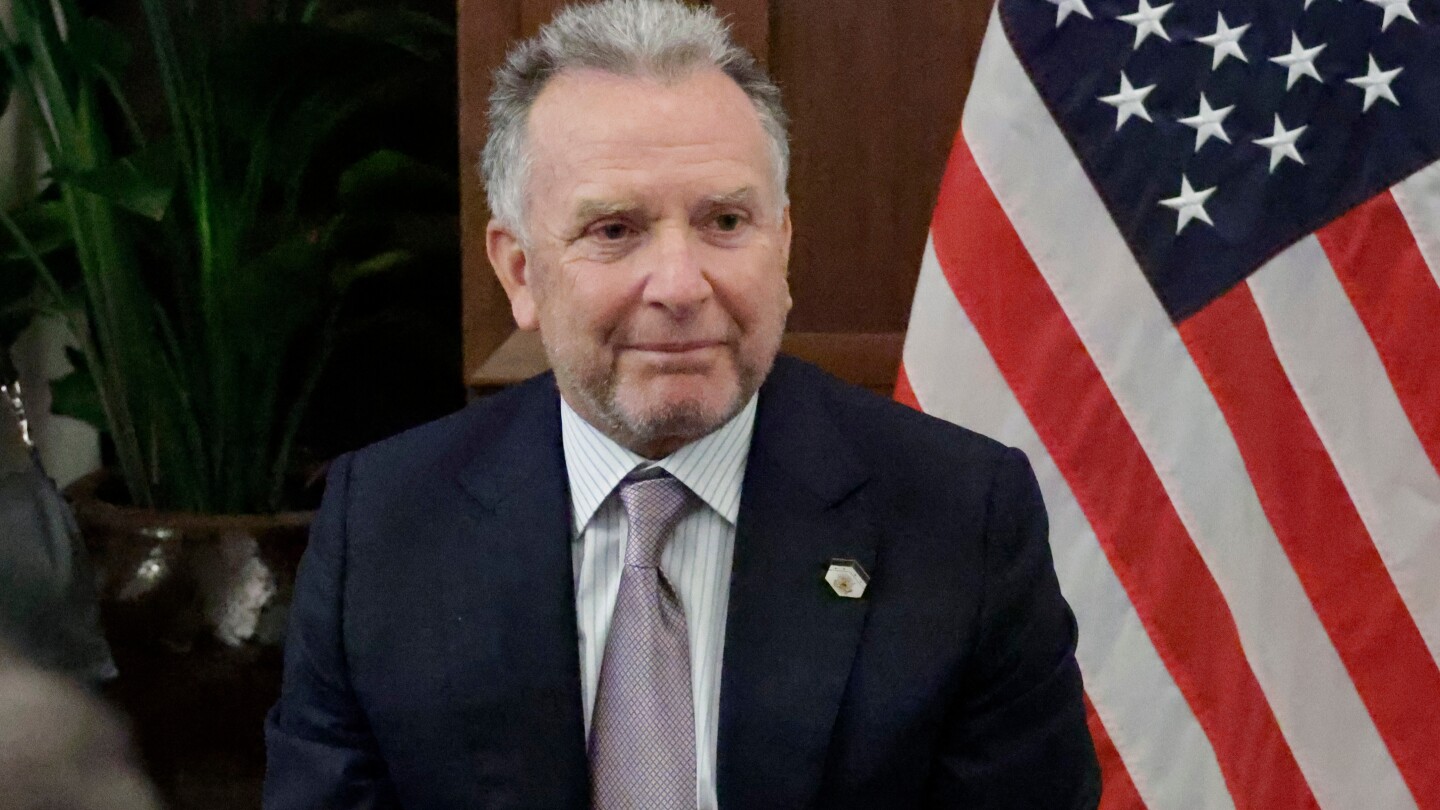
    In a significant diplomatic development, U.S. Special Envoy Steve Witkoff convened with Russian President Vladimir Putin in Moscow on Tuesday, presenting preliminary peace proposals aimed at resolving the protracted conflict in Ukraine. The Kremlin meeting represents Washington’s latest effort to advance negotiations after months of stalled diplomatic initiatives.

    Concurrently, Ukrainian President Volodymyr Zelenskyy traveled to Ireland as part of his ongoing European tour to secure continued support from nations backing Ukraine’s defense against Russian aggression. This diplomatic parallelism underscores the complex multilateral nature of the peace process.

    The Trump administration has intensified its diplomatic outreach following previous frustrations, deploying officials on dual tracks: Secretary of State Marco Rubio engaging with Ukrainian leadership while Witkoff pursues dialogue with Russian officials. Despite these efforts, substantive details remain closely guarded, particularly regarding territorial disputes and security arrangements that constitute the core disagreements between the warring parties.

    European leaders, concerned about Russia’s expansionist ambitions and contemplating long-term funding for Ukraine’s military efforts, are actively seeking involvement in peace discussions after perceiving marginalization by Washington. French President Emmanuel Macron revealed that he and Zelenskyy conducted multilateral consultations with Witkoff and numerous European counterparts, including EU officials and NATO Secretary-General Mark Rutte, characterizing the upcoming days as critical for diplomatic engagement.

    The challenges facing negotiators remain formidable. Fundamental issues including territorial concessions and security guarantees for Ukraine appear unresolved, while Zelenskyy confronts mounting pressures including financial constraints, corruption scandals within his administration, and deteriorating battlefield conditions. The Kremlin’s claim of capturing Pokrovsk in Donetsk region—contested by Ukrainian authorities—further complicates the diplomatic landscape.