分类: politics

  • Israel relishes in Trump’s Muslim Brotherhood crackdown as Gulf shrugs it off

    Israel relishes in Trump’s Muslim Brotherhood crackdown as Gulf shrugs it off

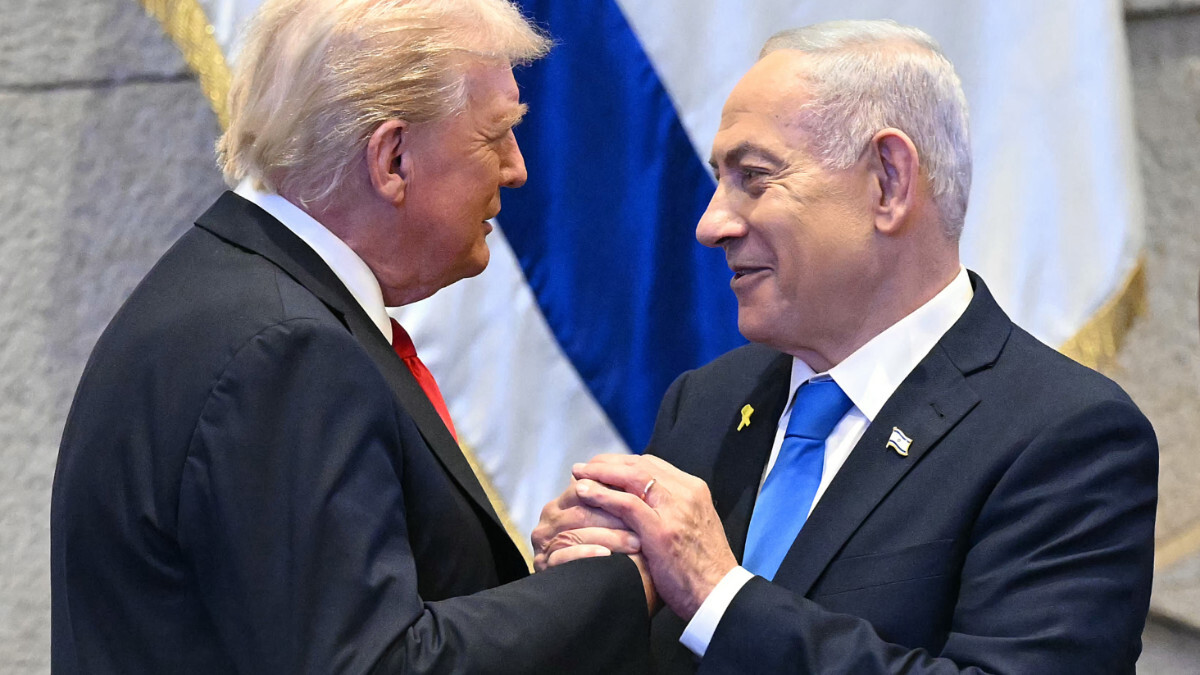
    Former President Donald Trump’s recent executive order targeting affiliates of the Muslim Brotherhood has been met with widespread indifference across the Middle East, revealing how regional dynamics have transformed since his first administration. The order, which establishes a review process rather than designating the group as a terrorist organization, drew dismissive responses from Arab officials and Western diplomats who characterized it as largely symbolic.

    The most enthusiastic support came from pro-Israel activists in the United States, including commentator Laura Loomer, who expressed disappointment that the measures didn’t go further. This contrast highlights a significant evolution in Middle East priorities since Trump’s first term, with regional powers now focused on different geopolitical concerns.

    Experts note that the Muslim Brotherhood, founded in Egypt in the 1920s as an Islamic political movement opposing British colonial rule, has never posed a direct terrorist threat to the United States. Instead, the push for designation appears driven primarily by Israeli security interests. The order specifically targets Brotherhood-affiliated groups in Egypt, Jordan, and Lebanon—countries of particular concern to Israel—while notably excluding NATO ally Turkey where the movement operates legally.

    The regional context has shifted dramatically since Trump first considered the designation in 2017. Then, the Middle East was grappling with the aftermath of the Arab Spring, and Gulf powers were deeply divided over political Islam. Saudi Arabia and the UAE viewed the Muslim Brotherhood as an existential threat to monarchical rule, leading to a blockade of Qatar that Trump endorsed. Today, these nations have largely reconciled through the 2021 Al Ula agreement, and fighting has diminished in proxy conflicts in Libya and Yemen.

    Current regional concerns center on Israel’s war in Gaza, Iran’s influence, and the ongoing conflict in Sudan, where new alliance patterns have emerged. Saudi Arabia now cooperates with Qatar and Turkey in supporting the Sudanese Armed Forces, while the UAE backs the rival Rapid Support Forces. The Emirates quickly leveraged Trump’s executive order to discredit the Sudanese military by alleging Muslim Brotherhood influence within its ranks.

    Analysts conclude that while the order may satisfy Trump’s domestic base and Israeli hardliners, it reflects outdated geopolitical realities in a region that has moved beyond the battles of the past decade.
  • Republicans hold Tennessee seat after closely-watched race

    Republicans hold Tennessee seat after closely-watched race

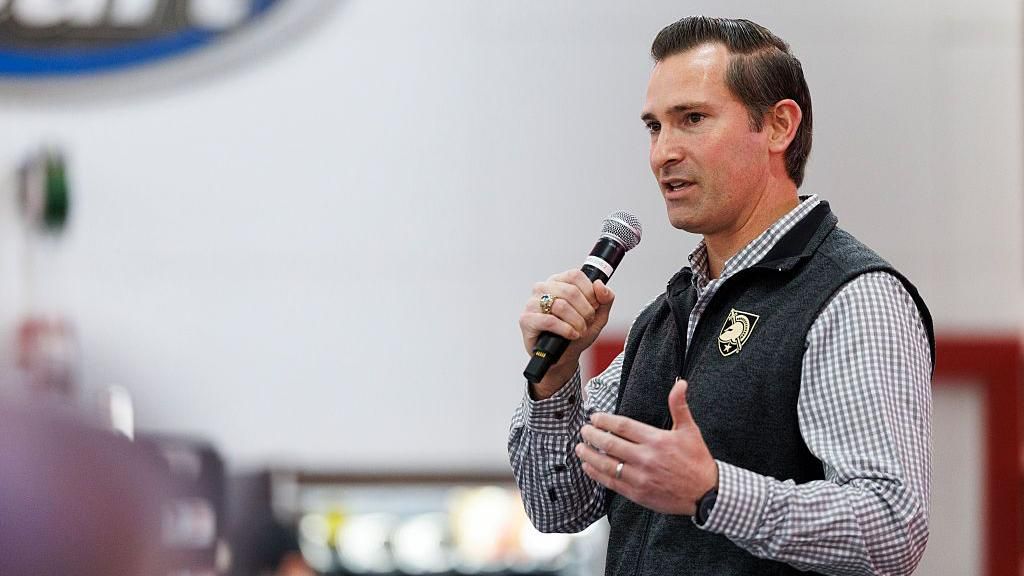
    In a closely watched special election for Tennessee’s 7th Congressional District, Republican candidate Matt Van Epps emerged victorious against Democratic challenger Aftyn Behn, according to projections by major U.S. media outlets. The outcome preserves Republican control of a seat that has remained in conservative hands for over four decades.

    The election, triggered by Republican Congressman Mark Green’s July resignation to enter the private sector, became a national battleground with both parties investing millions of dollars and deploying top leadership to campaign. The district, which spans from Alabama’s border to Kentucky and includes portions of Nashville, has not elected a Democrat in more than 40 years.

    Van Epps, a military veteran with nine combat deployments to Iraq and Afghanistan, secured his victory despite a significantly reduced margin compared to Donald Trump’s 22-point win in the district during the 2024 presidential election. The Republican candidate closely aligned himself with the former president, who provided a crucial endorsement during the primary and hosted a virtual rally to support his campaign.

    The Democratic effort, led by state lawmaker Behn, focused primarily on affordability and quality-of-life issues. Despite a stronger-than-expected performance that narrowed the historical Republican advantage, Behn only carried Davidson County, which contains Nashville.

    Top figures from both parties participated in the intense campaign, with former Democratic Vice Presidents Kamala Harris and Al Gore stumping for Behn, while Republican House Speaker Mike Johnson rallied support for Van Epps. Trump personally congratulated his ally on social media, claiming Democrats had ‘thrown everything at him, including Millions of Dollars.’

    Political analysts are scrutinizing the reduced victory margin as a potential indicator for the 2026 midterm elections, particularly given the Republican Party’s narrow control of the House of Representatives. Democratic operatives involved in the campaign suggested the outcome signals vulnerability for Republicans despite the victory.

  • US cancels citizenship ceremonies for migrants from travel ban countries

    US cancels citizenship ceremonies for migrants from travel ban countries

    The United States has implemented an immediate suspension of all immigration application processing for individuals from 19 countries previously subject to travel restrictions, according to an internal government memorandum obtained by CBS News. The directive instructs immigration officials to cease final adjudication of all cases and postpone naturalization ceremonies for applicants nearing citizenship approval.

    This administrative freeze emerges amid reports that the Trump administration is contemplating an expansion of existing travel restrictions from the current 19 nations to approximately 30 countries. The policy shift represents the latest escalation in immigration enforcement measures following last week’s fatal shooting in Washington DC that resulted in the death of one National Guard soldier and left another critically wounded. The primary suspect in the shooting is an Afghan national residing in the United States.

    The U.S. Citizenship and Immigration Services (USCIS) issued the comprehensive guidance on Tuesday, building upon last week’s suspension of asylum determinations and initiating re-examinations of green card visas previously granted to migrants from the restricted nations. The official memorandum explicitly states that the hold encompasses ‘all form types and making any final decisions (approvals, denials) as well as completing any oath ceremonies.’

    Matthew Tragesser, USCIS spokesperson, confirmed the suspension to The New York Times, emphasizing that ‘The Trump administration is making every effort to ensure individuals becoming citizens are the best of the best. Citizenship is a privilege, not a right.’

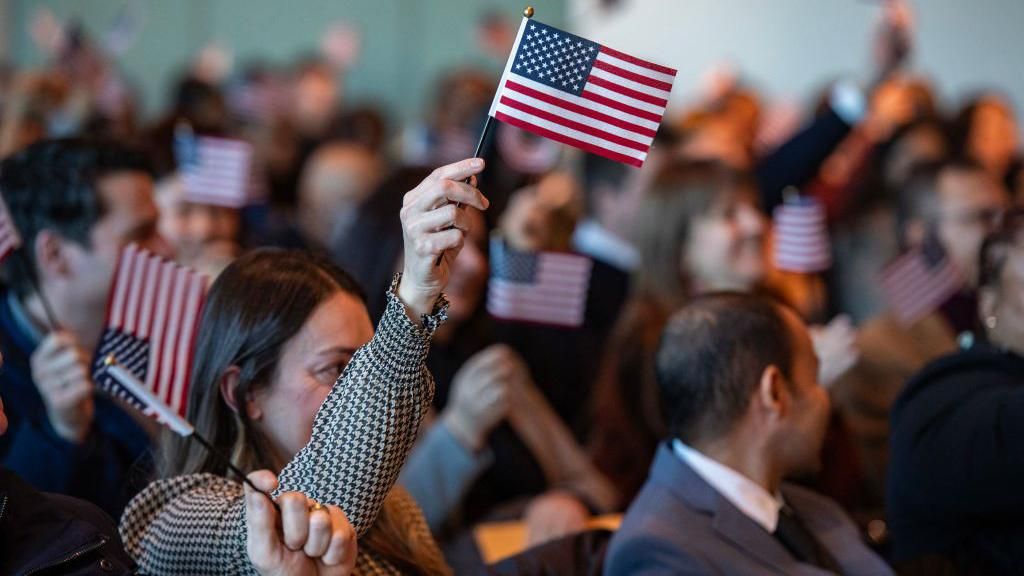
    Immigration attorneys report numerous canceled citizenship hearings this week affecting clients from Venezuela, Iran, and Afghanistan, according to ABC News. These naturalization ceremonies typically represent the culmination of a rigorous five-year application process, featuring emotional oath-taking rituals where new citizens pledge allegiance to the United States while waving miniature American flags.

    The policy implementation coincides with President Trump’s increasingly vocal assertions blaming migrants and refugees for contributing to what he characterizes as America’s ‘social dysfunction.’ The administration’s intensified immigration crackdown follows the tragic shooting incident that claimed the life of 20-year-old guardsman Sarah Beckstrom and seriously injured 24-year-old Andrew Wolfe. The Afghan suspect entered the United States through a special protection program designed for individuals who had collaborated with U.S. forces prior to the Taliban’s return to power.

  • ‘We keep taking in garbage’: Trump unleashes on Somali immigrants

    ‘We keep taking in garbage’: Trump unleashes on Somali immigrants

    In a marathon year-end cabinet session extending over two hours on Tuesday, President Donald Trump launched incendiary remarks targeting Somali immigrants and their sole congressional representative, alleging a hostile takeover of Minnesota. The president’s comments emerged during discussions concerning pandemic relief fraud investigations in the state.

    ‘They emanate from infernal conditions yet incessantly complain. We should repatriate them to address their nation’s failures,’ Trump declared to journalists, dismissing concerns about political correctness. ‘Their homeland’s deplorable state justifies my stance—this applies to multiple nations.’

    The Justice Department’s probe into COVID-19 assistance programs revealed substantial fraud schemes, with approximately eighty individuals facing charges or convictions across three distinct conspiracies totaling $1 billion. While acknowledging Minnesota’s systemic vulnerabilities to criminal exploitation, Governor Tim Walz condemned the president’s blanket community vilification as intellectually indolent.

    Minneapolis Councilman Jamal Osman, accompanied by municipal leadership and law enforcement officials, immediately denounced the presidential rhetoric as fundamentally racist, xenophobic, and Islamophobic, vowing community resilience against intimidation.

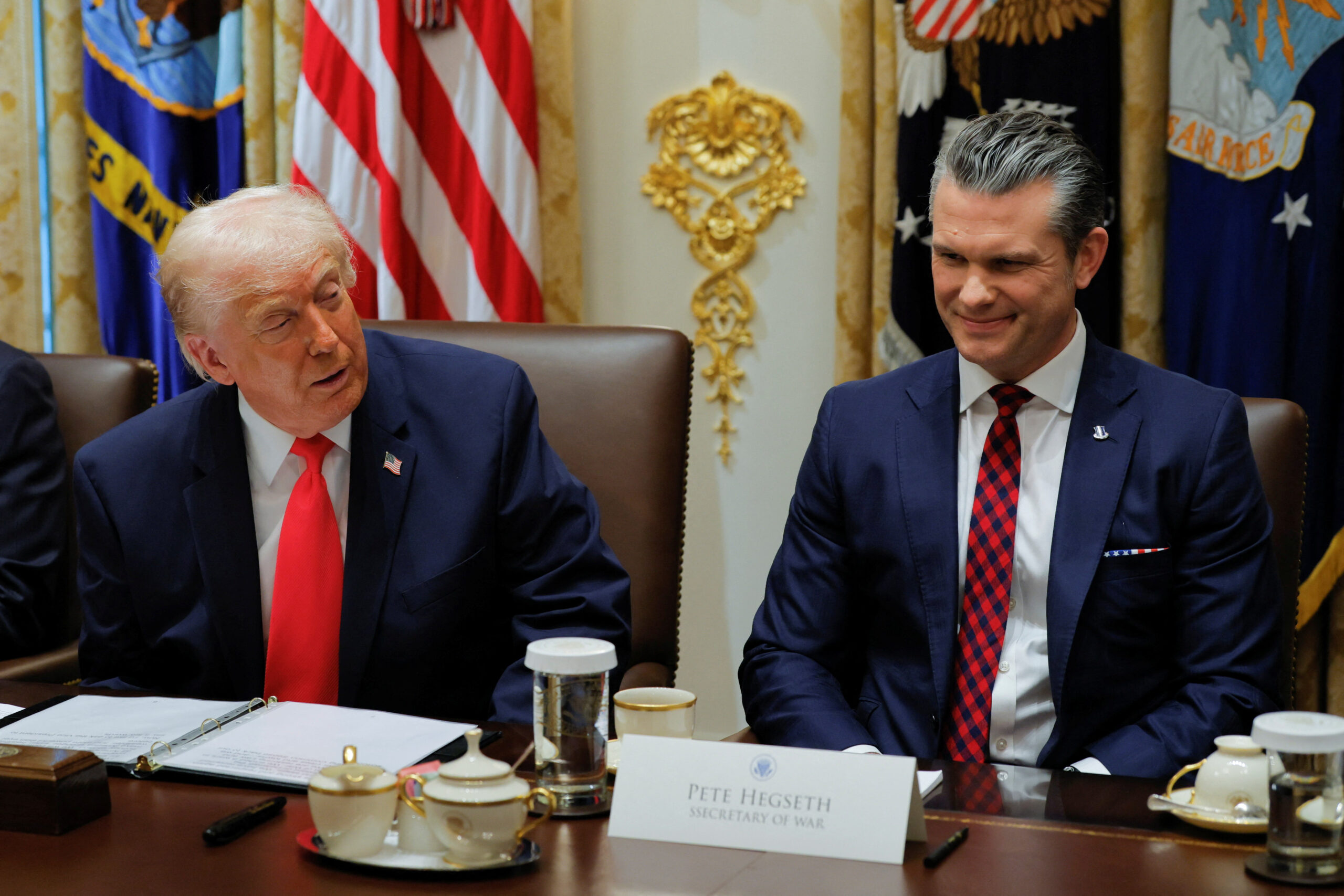
    Simultaneously, scrutiny intensified regarding a controversial military engagement in Venezuelan waters. Secretary of War Pete Hegseth faced allegations of ordering lethal force against suspected drug traffickers on September 2, resulting in numerous casualties. Pentagon representatives defended the secondary strike as legally justifiable under martial jurisprudence, though congressional armed services committees demanded comprehensive evidence review.

    The administration’s concurrent immigration crackdown manifested through terminated Temporary Protected Status for Somali refugees and suspended legal pathways for Afghan evacuees. This policy shift gained urgency following terrorism charges against Rahmanullah Lakanwal, an Afghan national and former CIA auxiliary operative accused of murdering National Guard personnel in Washington, D.C.

    Trump’s Mar-a-Lago address emphasized enhanced vetting procedures, declaring: ‘We must reassess every Afghan entrant under Biden’s administration and eliminate those contributing no benefit to our nation.’

  • Trump says he doesn’t want Somalis in US as ICE plans Minnesota operation

    Trump says he doesn’t want Somalis in US as ICE plans Minnesota operation

    President Donald Trump has sparked controversy with explicit remarks regarding Somali immigrants during a cabinet meeting, stating he does not want them in the United States and suggesting they should return to their country of origin. The comments came alongside revelations of planned immigration enforcement operations targeting Minnesota’s substantial Somali community.

    Speaking candidly to reporters, Trump characterized Somalia as lacking structure and described accepting immigrants from such nations as bringing ‘garbage’ into the country. ‘I don’t want them in our country,’ Trump emphasized, dismissing concerns about political correctness. His remarks extended to criticism of Representative Ilhan Omar, the first Somali-American congresswoman, whom he labeled as incompetent and hateful.

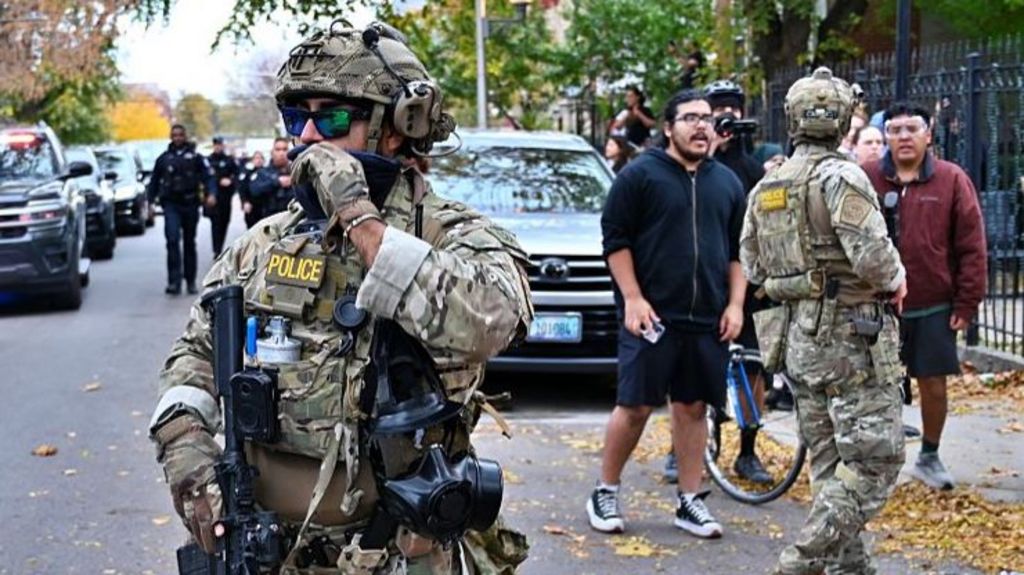
    The verbal attacks coincided with reports from CBS News that U.S. Immigration and Customs Enforcement (ICE) has been directed to conduct targeted operations against undocumented Somali immigrants in the Twin Cities area. While federal officials denied targeting based on race or ethnicity, stating enforcement focuses solely on immigration status, local authorities expressed concerns about potential violations of due process and the sweeping up of American citizens.

    Minnesota hosts one of the largest Somali communities globally, with approximately 80,000 residents of Somali descent, most of whom are U.S. citizens. The planned enforcement follows recent tragic events in Washington DC, where a shooting incident involving National Guard members prompted intensified immigration crackdowns. The administration also considers ending Temporary Protected Status for Somali residents, affecting several hundred immigrants.

    Local leaders and officials, including Minneapolis Mayor Jacob Frey and Minnesota Governor Tim Walz, have condemned both the rhetoric and planned operations, arguing that indiscriminate targeting undermines legitimate law enforcement efforts and community trust.

  • As lead changes in knife-edge Honduran election, will Trump fail to get his way?

    As lead changes in knife-edge Honduran election, will Trump fail to get his way?

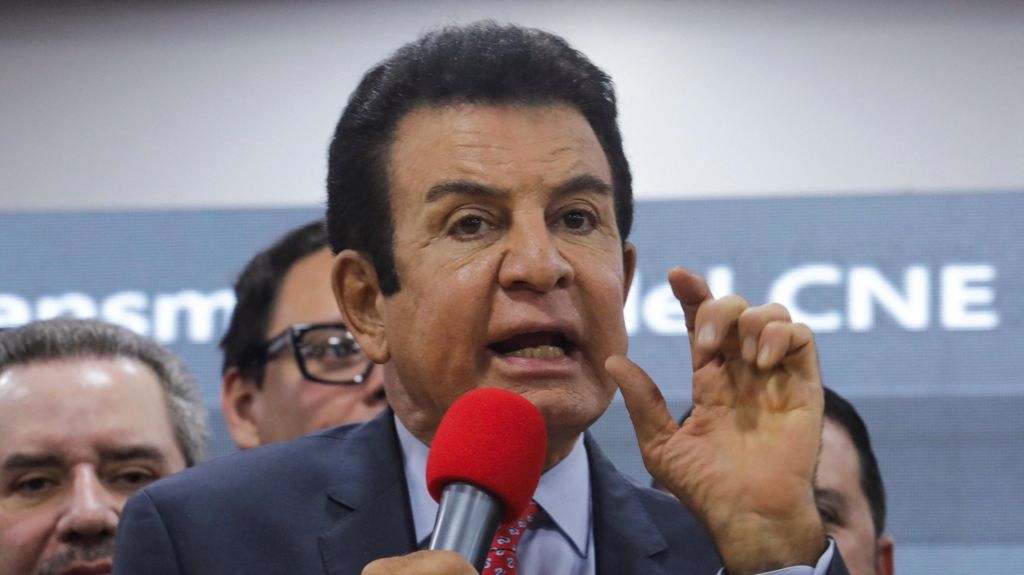
    In a dramatic turn of events that has captivated international attention, Honduras finds itself at a political crossroads with presidential candidate Salvador Nasralla maintaining a slender advantage as vote counting continues. The electoral process, now entering its critical final stages, sees Nasralla narrowly outpacing his conservative opponent Nasry Asfura, though Asfura’s National Party remains confident of ultimate victory.

    The election has been significantly influenced by external forces, particularly from Washington where former President Donald Trump has actively intervened in support of his preferred candidate. Trump’s involvement has ranged from suggesting potential aid cuts to the impoverished Central American nation to making unsubstantiated claims of electoral fraud, creating what analysts describe as an unprecedented level of American interference in Honduran domestic affairs.

    Adding to the political turbulence, ex-President Juan Orlando Hernández has been unexpectedly released from U.S. custody after serving merely one year of his 45-year sentence for drug trafficking and weapons charges. His pardon, directly orchestrated by Trump, has sparked both celebration and outrage. Hernández’s presidency was marred by serious allegations of human rights violations and corruption, making his early release particularly controversial among Honduran citizens who had viewed his conviction as a rare instance of accountability for political elites.

    Political analyst Josué Murillo characterizes Trump’s interventions as reminiscent of Cold War-era tactics: “No government should come here and treat us as a banana republic. That is a lack of respect. Donald Trump saying who we should elect violates our autonomy as a nation.”

    The former first lady, Ana García Carías, has emerged as a vocal defender of her husband, describing his release as “like being in a dream, a dream made reality.” She attributes Hernández’s legal troubles to what she calls “lawfare” and a “politically motivated witch-hunt” by the Biden administration, despite evidence that the case against Hernández was developed during Trump’s own presidency. García Carías acknowledged the instrumental role of Trump allies Roger Stone and Matt Gaetz in securing the pardon.

    As the nation awaits final election results, the outcome will determine not only Honduras’s political future but also the extent of American influence in Central American affairs, with Trump potentially gaining both a new ally in Asfura and the restoration of an old one in Hernández.

  • UK government lawyers use ‘secret evidence’ to justify ban on Palestine Action

    UK government lawyers use ‘secret evidence’ to justify ban on Palestine Action

    In a landmark legal proceeding, the UK government concluded its judicial review of Palestine Action by presenting classified evidence withheld from both the defendant’s legal team and the public. The controversial three-day review—the first ever granted to an organization proscribed as terrorist—culminated in a three-hour closed session where government lawyers submitted national security material under special procedures.

    The Home Office defended its ban on Palestine Action, with lawyer Stephen Kosmin asserting the prohibition was essential ‘to protect the public’ and ‘maintain national security.’ The government outlawed the direct-action group following an incident where activists protesting the Gaza war allegedly caused £7 million in damage to military aircraft at an air force base.

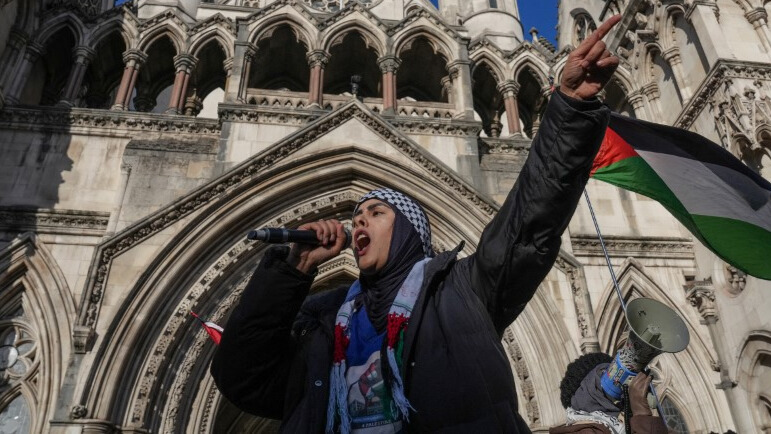
    Legal representatives for Palestine Action co-founder Huda Ammori sharply criticized the government’s tactics. Raza Husain KC revealed the ban has triggered house raids, frozen bank accounts, and protest injunctions, creating a ‘severe chilling effect’ on Palestinian activism nationwide. The European Legal Support Centre provided documentation showing hundreds of arrests related to opposition to the ban.

    The case attracted international attention with UN special rapporteurs arguing the UK has become an ‘international outlier’ in its terrorism definition. Notably, Irish novelist Sally Rooney submitted a witness statement warning that the prohibition could force the withdrawal of her books from UK stores due to her support for the group, representing what she called ‘a truly extreme incursion by the state into artistic expression.’

    The High Court has not indicated when a final judgment will be issued in this precedent-setting case that balances national security concerns against civil liberties and protest rights.

  • Was it coup or was it a ‘sham’? Behind Guinea-Bissau’s military takeover

    Was it coup or was it a ‘sham’? Behind Guinea-Bissau’s military takeover

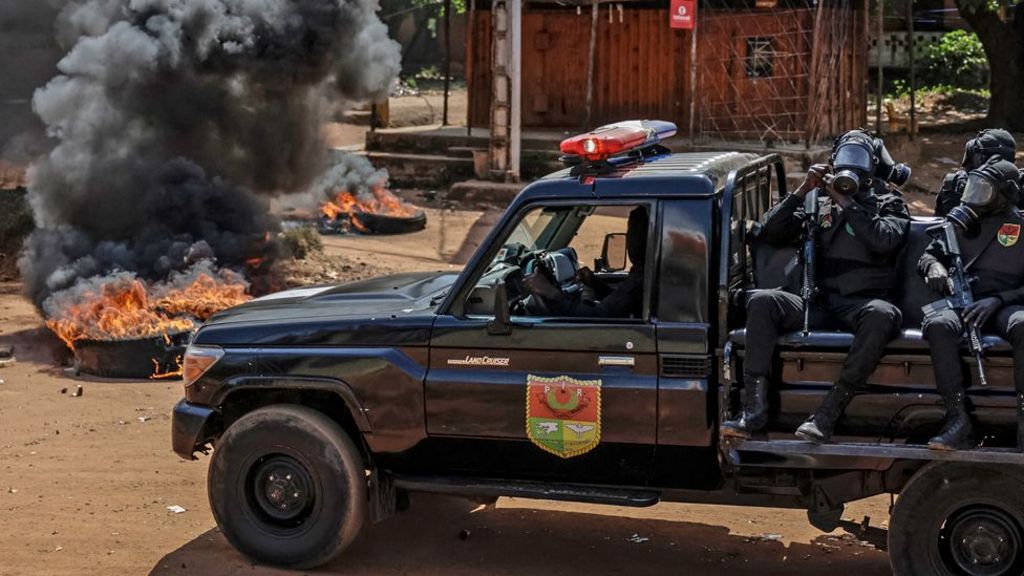
    In a development that has left regional experts questioning conventional coup narratives, Guinea-Bissau’s political landscape has been dramatically reshaped by what some are calling a ‘ceremonial coup.’ The events unfolded last Wednesday when military personnel seized control of key government institutions, detained President Umaro Sissoco Embaló, and suspended the electoral process just days after presidential elections.

    The military intervention occurred under highly unusual circumstances that have prompted widespread skepticism among political analysts and regional leaders. While soldiers occupied the presidential palace and state television stations—classic coup indicators—the subsequent events deviated markedly from standard military takeover protocols. President Embaló maintained communication with international media during his detention and was permitted to depart for Senegal on a military flight within 24 hours of his arrest, an exceptionally rapid release unprecedented in recent African coup history.

    Compounding the mystery, the newly installed military leader, General Horta N’Tam, had been widely regarded as a close ally of the deposed president. The military leadership has vehemently rejected the term ‘coup,’ instead claiming their actions prevented a destabilization plot backed by unnamed politicians and a known drug baron. Meanwhile, attackers destroyed the electoral commission’s main server, effectively eliminating any possibility of verifying the presidential election results that were scheduled for release the day after the military intervention.

    Regional reactions have been notably skeptical. Former Nigerian President Goodluck Jonathan, who was observing the elections, characterized the events as a ‘ceremonial coup’ rather than a genuine military takeover. Senegalese Prime Minister Ousmane Sonko similarly dismissed the situation as a ‘sham,’ prompting Embaló’s abrupt departure from Senegal to Congo-Brazzaville.

    The political context reveals deeper tensions. President Embaló had previously dissolved the opposition-dominated parliament in 2023 following another alleged coup attempt, ruling without legislative oversight. His main electoral opponent, Fernando Dias da Costa, had been backed by former Prime Minister Domingos Pereira, who was controversially disqualified from the presidential race. Both Embaló and Dias had claimed victory in the election before the military intervention.

    Public response has been divided, with some citizens welcoming military intervention while others protest demanding transparency. Hundreds demonstrated calling for Pereira’s release and the publication of election results, while civil society groups have initiated strikes and civil disobedience campaigns. The country now faces an uncertain future under a transitional military government that promises to rule for one year before restoring civilian governance.

  • Imran Khan healthy but cut off in jail, sister says as family seeks access

    Imran Khan healthy but cut off in jail, sister says as family seeks access

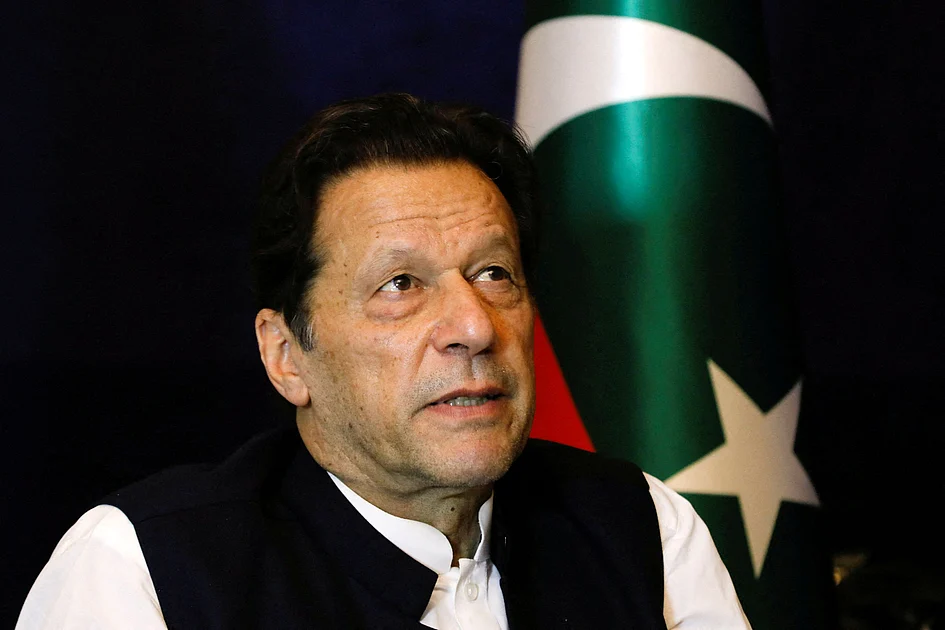
    Pakistan’s incarcerated former Prime Minister Imran Khan remains in satisfactory physical condition but suffers from severe psychological distress due to prolonged isolation, according to his sister Dr. Uzma Khanum following a closely supervised prison visit. The Tuesday meeting at Adiala Jail marked the first family access to the 73-year-old opposition leader in weeks, conducted under stringent surveillance without electronic devices.

    Dr. Khanum, the sole relative permitted contact, confirmed her brother’s physical wellbeing but revealed concerning detention conditions including indoor confinement with minimal outdoor exposure and complete communication blackout with relatives and political associates. The visit occurred as supporters of Khan’s Pakistan Tehreek-e-Insaf (PTI) party protested outside the facility against what they term politically motivated imprisonment.

    The former cricket star turned politician has been detained since August 2023 on corruption convictions he maintains are fabricated to eliminate his political influence. PTI officials allege routine visits have been systematically blocked despite judicial directives, fueling speculation about his treatment and potential prison transfers.

    Government authorities deny allegations of mistreatment, with Minister of State for Interior Talal Chaudhry asserting that Khan receives all standard prisoner entitlements and that visitation decisions rest with jail administrators rather than federal officials. This position contradicts family claims that they lacked verifiable contact for over three weeks, with Khan’s son previously expressing fear about ‘irreversible’ developments being concealed.

    The situation has drawn formal concern from Pakistan’s independent Human Rights Commission, which issued a statement emphasizing the necessity of regular family and legal access as fundamental protection against isolation and detention power abuse. The commission urged compliance with constitutional and international humane treatment standards, particularly regarding the year-long absence of medical examinations by Khan’s personal physician.

  • Putin hosts Trump negotiators at Kremlin for ‘constructive’ Ukraine talks

    Putin hosts Trump negotiators at Kremlin for ‘constructive’ Ukraine talks

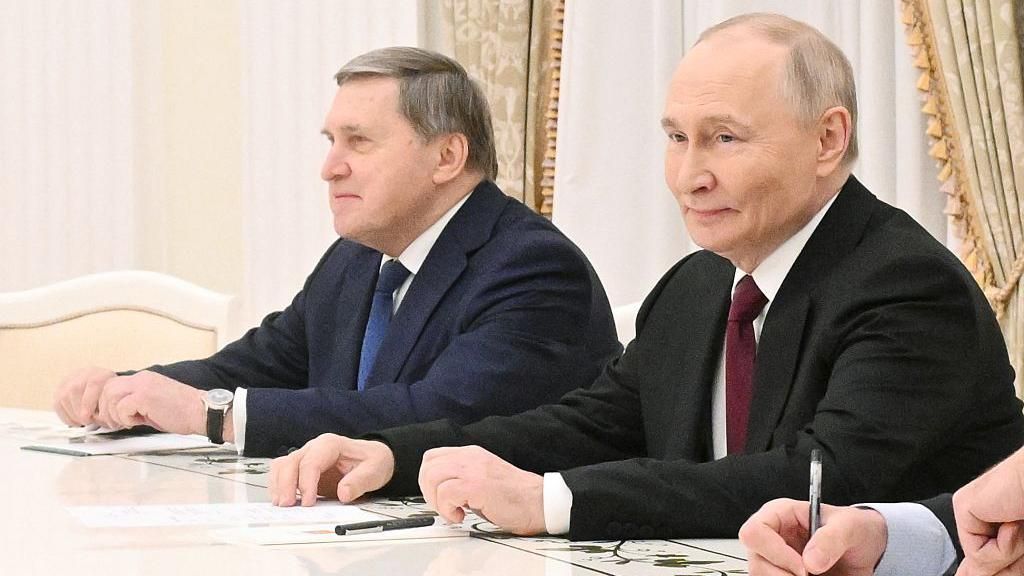
    Russian President Vladimir Putin engaged in an extensive five-hour diplomatic session with American negotiators at the Kremlin on Tuesday, marking a significant development in efforts to resolve the ongoing Ukraine conflict. The high-stakes discussions featured Putin’s foreign policy aide Yury Ushakov alongside US envoy Steve Witkoff and Jared Kushner, former President Donald Trump’s son-in-law.

    Despite the marathon closed-door meeting, Ushakov characterized the dialogue as “constructive” while emphasizing that substantial work remains before any comprehensive agreement can be reached. The negotiations occurred against a backdrop of heightened tensions, with Putin previously declaring European demands regarding the US-Russia draft peace proposal “unacceptable” and warning that Russia stands prepared should Europe seek confrontation.

    The American diplomatic team arrived in Moscow following two previous rounds of discussions with Ukrainian representatives over the past fortnight. Ukrainian President Volodymyr Zelensky, speaking from Dublin during an official visit to Ireland, expressed anticipation for a post-meeting briefing from US officials. While acknowledging that “no simple solutions” exist, Zelensky highlighted that current circumstances present the most favorable opportunity for conflict resolution since the war’s inception.

    Central to the diplomatic impasse remains the controversial 28-point peace plan initially circulated in November, which drew widespread criticism for perceived favorable treatment of Moscow’s interests. The proposal sparked particular concern regarding Ukrainian sovereignty over Russian-occupied territories and security guarantees, with Zelensky insisting on NATO membership provisions—a condition Russia has consistently opposed and Trump administration officials previously ruled out.

    European allies have countered the original American draft with a modified document eliminating contentious elements, including recognition of Donetsk and Luhansk as de facto Russian territories. Putin dismissed these European demands as obstructionist to peace efforts during pre-meeting comments with journalists.

    Meanwhile, military confrontations continued unabated along the front lines. Ukrainian authorities disputed Russian claims of capturing strategic locations including Pokrovsk and Vovchansk, characterizing Russian assertions as propaganda maneuvers. International observers corroborated Ukrainian positions regarding territorial control, noting significant Russian casualties in ongoing engagements.

    The human cost of the conflict continues to mount, with UN documentation confirming over 14,000 civilian casualties alongside tens of thousands of military injuries and fatalities since Russia’s full-scale invasion began in February 2022. Civilian infrastructure including educational facilities, medical centers, and residential buildings have sustained systematic destruction through nightly aerial assaults.

    The current confrontation represents an escalation of tensions originating in 2014 following Ukraine’s political realignment and Russia’s subsequent annexation of Crimea and support for separatist movements in eastern regions.