分类: politics

  • A coup too far: Why Benin’s rebel soldiers failed where others in the region succeeded

    A coup too far: Why Benin’s rebel soldiers failed where others in the region succeeded

    West African nations demonstrated unprecedented military coordination in neutralizing a coup attempt against Benin’s President Patrice Talon, marking a strategic reversal from previous ineffective responses to regional power grabs.

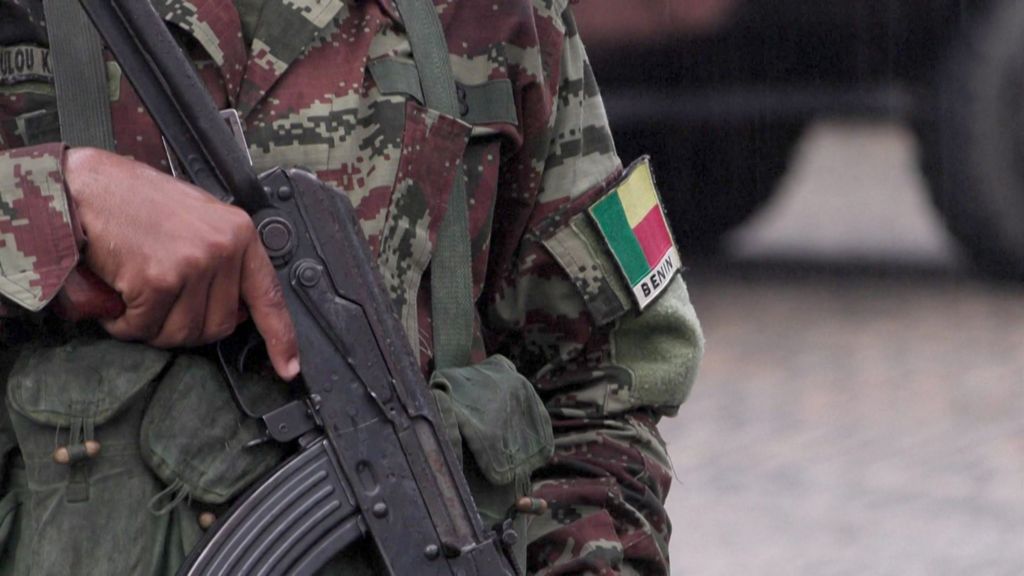
    Nigerian warplanes conducted precision strikes against mutinous soldiers occupying Benin’s state broadcaster and military installations near Cotonou’s airport, while the Economic Community of West African States (ECOWAS) rapidly deployed ground troops from Ghana, Nigeria, Ivory Coast and Sierra Leone. This robust intervention came just days after Guinea-Bissau’s presidential election was interrupted by military takeover.

    The failed putsch represents the ninth attempted overthrow in West Africa since 2020, occurring against the backdrop of last year’s withdrawal of Mali, Burkina Faso and Niger from ECOWAS. Unlike those successful coups that enjoyed popular support, the Benin conspirators fundamentally misjudged the national mood despite widespread grievances against Talon’s administration.

    ECOWAS learned critical lessons from its mishandling of Niger’s 2023 coup, when delayed intervention allowed junta leaders to consolidate power. This time, the bloc acted within hours while Talon maintained constitutional authority and could legitimately request regional support. The swift response prevented rebel consolidation despite their lethal resistance against loyalist forces.

    Benin’s distinctive political culture proved crucial to the operation’s success. While citizens share frustrations about the exclusion of Les Démocrates opposition party from upcoming elections, they maintain strong commitment to democratic processes forged during Benin’s pioneering role in Africa’s 1990s democratization wave. The coup plotters found zero popular support for their violent methods, with civilian casualties instead generating public anger.

    Regional analysis reveals that while West Africa faces shared challenges including Islamist violence, economic pressures, and political disillusionment, each coup attempt stems primarily from localized circumstances. The Benin conspirators appear motivated by military grievances and political complaints, contrasting with Guinea’s 2021 popular uprising against constitutional manipulation or Sahelian coups driven by security failures against jihadist threats.

    Security forces continue hunting coup leader Lieutenant Colonel Pascal Tigri and accomplices after rescuing two abducted military officials. The incident demonstrates ECOWAS’s renewed commitment to military intervention when constitutional order faces immediate threat, potentially establishing a new precedent for regional security response.

  • Global leaders plant Juncao grass, symbolize China ties

    Global leaders plant Juncao grass, symbolize China ties

    In a distinctive display of international diplomacy, ten state leaders including the King of Tonga have personally participated in Juncao grass planting ceremonies at Fujian Agriculture and Forestry University. The symbolic gestures represent growing friendship and cooperation between China and partner nations through agricultural technology exchange.

    Professor Lin Zhanxi, the pioneering inventor of Juncao technology, confirmed these diplomatic planting activities have become a significant tradition at the university. The ceremonies typically involve foreign dignitaries planting Juncao grass—a hybrid plant developed through Chinese innovation that serves both ecological and agricultural purposes.

    Juncao technology, which literally means “fungus grass,” represents one of China’s notable agricultural exports, particularly to developing countries. The technology enables mushroom cultivation using grass instead of traditional timber substrates, providing sustainable livelihood opportunities while addressing environmental conservation concerns.

    These planting ceremonies have evolved into diplomatic rituals that symbolize deepening bilateral relationships. The participation of monarchs, presidents, and prime ministers underscores the international recognition of China’s technological contributions to sustainable development. Each planting event is documented as both a scientific exchange and a milestone in international relations.

    The university has become an unexpected diplomatic hub where agricultural technology serves as a bridge for international cooperation. These events typically include technical demonstrations and discussions about implementing Juncao technology in the visitors’ home countries, creating practical partnerships beyond symbolic gestures.

  • Congress ups pressure to release boat strike video with threat to Hegseth’s travel budget

    Congress ups pressure to release boat strike video with threat to Hegseth’s travel budget

    US legislators are leveraging budgetary authority to compel the Trump administration into releasing controversial footage of a military engagement. A provision embedded within the extensive National Defense Authorization Act (NDAA) would impose travel budget restrictions on Defense Secretary Pete Hegseth’s office until the Pentagon provides unedited video of a September 2nd incident involving consecutive strikes on a vessel in the Caribbean.

    The legislative maneuver emerges amid bipartisan demands for transparency regarding the so-called ‘double-tap’ strike that resulted in eleven fatalities. According to Washington Post reporting, an initial attack killed nine individuals aboard a suspected drug-trafficking vessel, with a subsequent strike eliminating two survivors clinging to the wreckage.

    President Trump has characterized the release decision as resting solely with Secretary Hegseth, despite contradicting his own previous on-camera statement that he would have ‘no problem’ with public disclosure. The administration maintains that these operations target designated terrorist organizations and fall within legal armed conflict parameters, though international law experts have raised concerns about the second strike’s compliance with protocols regarding wounded survivors.

    The proposed budgetary restriction, first reported by Politico, would cap Hegseth’s office travel funding at 75% of allocated 2026 resources until compliance is achieved. The $901 billion defense bill has garnered unusual cross-aisle support, reflecting widespread congressional unease about the operation’s legal justification and the administration’s transparency.

    Divergent reactions emerged from lawmakers who viewed the classified footage in briefings led by Navy Admiral Frank Bradley. House Intelligence Committee Democrat Jim Himes described the video as ‘deeply troubling,’ while Republican Senator Tom Cotton defended the strikes as ‘entirely lawful and needful.’

    The White House continues to assert its adherence to armed conflict laws, emphasizing that operational decisions rest with military commanders rather than political appointees. Secretary Hegseth remains noncommittal regarding potential release, stating only that the matter remains ‘under review.’

  • Crunch budget vote risks trouble for French PM

    Crunch budget vote risks trouble for French PM

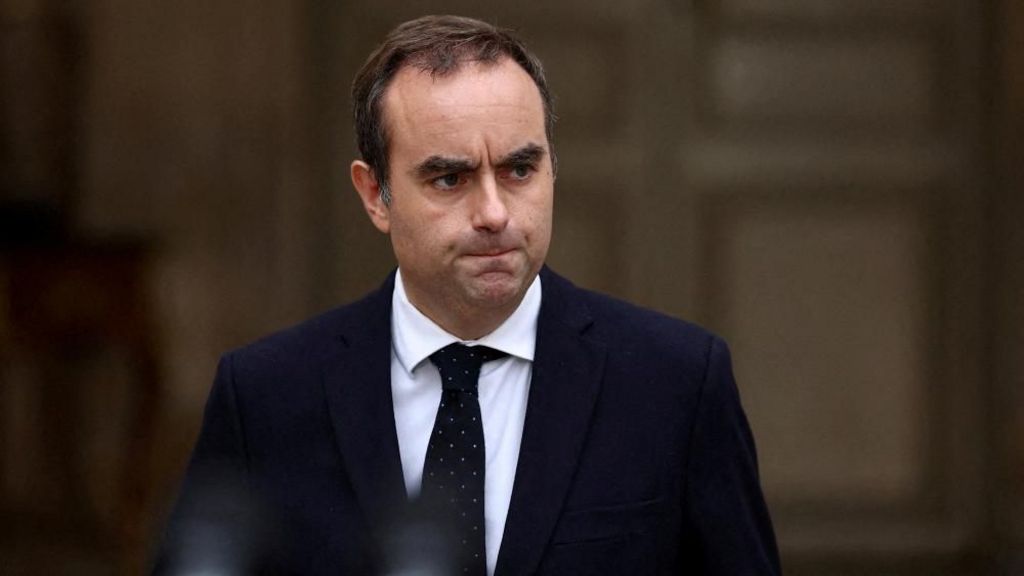
    French Prime Minister Sebastien Lecornu confronts a pivotal political challenge as the National Assembly prepares to vote on the 2026 social security budget this Tuesday. The outcome will serve as a critical indicator for the government’s ability to pass subsequent financial legislation and could potentially undermine Lecornu’s leadership authority.

    Appointed by President Emmanuel Macron in September, Lecornu has dedicated his premiership to navigating complex budget legislation through France’s divided parliament. The National Assembly, fractured since Macron’s June 2024 snap elections, remains split into three nearly equal blocs—center, left, and far-right—with none holding an outright majority.

    In a strategic maneuver to secure passage, Lecornu has made significant concessions to the Socialist Party (PS), which holds approximately 70 seats. These include suspending Macron’s controversial pension reform that would raise the retirement age to 64 and renouncing the use of constitutional article 49-3 to bypass parliamentary approval. Socialist leaders Olivier Faure and Boris Vallaud have acknowledged Lecornu’s compromise efforts and are urging their deputies to support the budget.

    However, these overtures to the left have risked alienating center-right allies, with prominent figures like former Prime Minister Edouard Philippe criticizing the bill’s inadequacy in addressing France’s deteriorating public finances. The parliamentary arithmetic remains exceptionally tight, with the far-right National Rally (140 seats), far-left France Unbowed (71 seats), and smaller left-wing factions (55 seats) all expected to reject the legislation.

    France operates with two distinct budget laws: the social security budget covering healthcare and pensions, and the main budget encompassing all other government expenditures. Both have consistently run substantial deficits for years. If Tuesday’s vote fails, the government would likely implement emergency provisions to maintain operations using 2025 allocations starting January 1st.

    Despite the high stakes, political observers suggest Lecornu is unlikely to resign immediately following a potential defeat. By voluntarily relinquishing the 49-3 option, the Prime Minister has strategically positioned parliament to bear responsibility should the budget legislation collapse.

  • US secretary of defense: No intention to change Taiwan status quo

    US secretary of defense: No intention to change Taiwan status quo

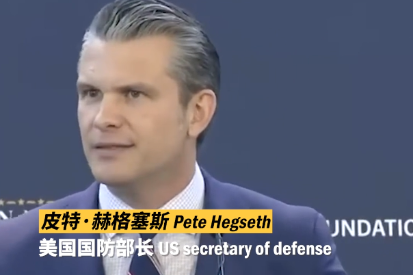
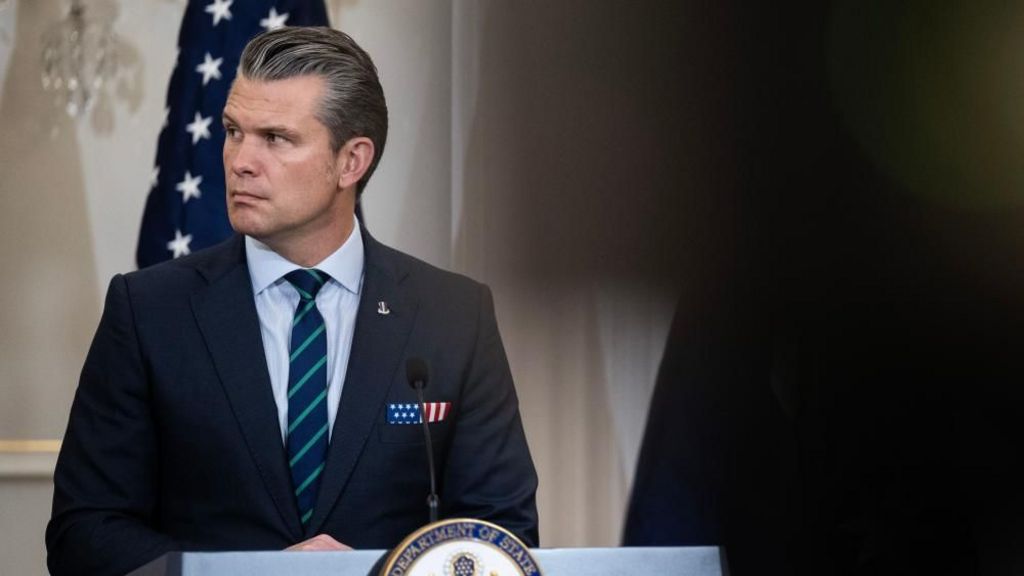
    United States Secretary of Defense Pete Hegseth has publicly reaffirmed Washington’s longstanding position regarding Taiwan during his address at the Reagan National Defense Forum on December 6. Speaking before military leaders and defense experts, Hegseth emphasized that the United States maintains no intention to alter the established status quo concerning the Taiwan question.

    The defense secretary’s comments came amid discussions about China’s ongoing military modernization efforts, which have drawn international attention. Hegseth acknowledged these developments while simultaneously stressing the consistency of American policy toward the island territory.

    This reaffirmation represents the Biden administration’s continued adherence to the One-China policy, which has formed the bedrock of Sino-American diplomatic relations since the 1970s. The policy recognizes Beijing as the sole legitimate government of China while maintaining unofficial ties with Taiwan.

    Hegseth’s statement aligns with recent diplomatic efforts to maintain stability in the Taiwan Strait, where military tensions have occasionally flared. The defense secretary’s remarks appear designed to provide clarity regarding US intentions while acknowledging regional security concerns.

    The Reagan National Defense Forum serves as a significant platform for US defense policy announcements and discussions, making Hegseth’s comments particularly noteworthy. His address highlighted the delicate balance the United States maintains in supporting Taiwan’s self-defense capabilities while avoiding actions that might escalate cross-strait tensions.

  • German leader says US strategy shows the need for more European security independence

    German leader says US strategy shows the need for more European security independence

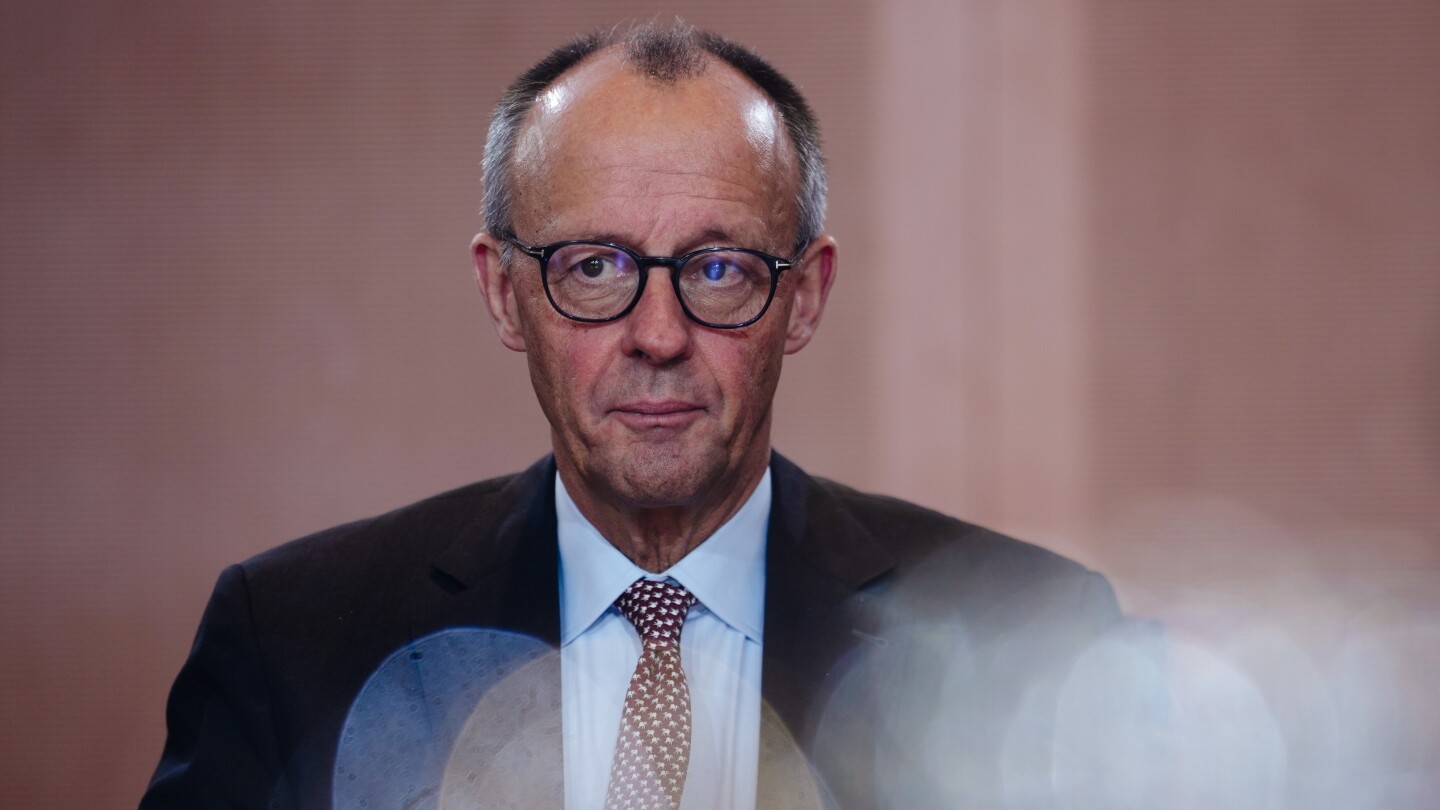
    BERLIN — German Chancellor Friedrich Merz declared on Tuesday that Europe must pursue significantly greater autonomy in security policy, responding to what he characterized as unacceptable elements within the Trump administration’s newly published national security strategy. The document, released Friday, has drawn sharp criticism for its portrayal of European allies as weakened and its perceived endorsement of far-right political movements across the continent.

    Merz, leader of the European Union’s most populous nation and largest economy, expressed particular concern over the strategy’s critical stance on European free speech and migration policies. His comments followed Monday’s warning from European Council President António Costa against U.S. interference in European governance matters, emphasizing that only European citizens should determine their political leadership.

    While acknowledging portions of the U.S. strategy as understandable, Merz stated that certain aspects remained unacceptable from a European perspective. He firmly rejected the notion that European democracy required American salvation, asserting that European nations possessed both the capability and responsibility to safeguard their democratic institutions independently.

    The chancellor revealed that the strategy’s content aligned substantially with Vice President JD Vance’s February address to European allies in Munich, which Merz said had profoundly influenced his thinking on defense matters. This awakening, he noted, had already manifested in Germany’s increased defense expenditures.

    Since assuming office in May, Merz’s government has implemented significant fiscal policy changes to enable enhanced military spending. By relaxing strict debt regulations, Germany has accelerated its military modernization initiative—a process ongoing since Russia’s full-scale invasion of Ukraine in 2022. This development occurred alongside NATO members’ agreement to substantially increase defense spending targets during June’s alliance meeting, following pressure from President Donald Trump.

    Merz concluded with a diplomatic overture to American leadership: “While ‘America first’ remains acceptable, ‘America alone’ cannot serve U.S. interests. Global partnerships remain essential, and Europe—or at minimum Germany—should stand among these crucial allies.”

  • Burkina Faso accuses Nigerian Air Force of violating its airspace

    Burkina Faso accuses Nigerian Air Force of violating its airspace

    A diplomatic crisis has emerged in West Africa following the detention of eleven Nigerian military officers in Burkina Faso after their aircraft made an unscheduled landing. The incident occurred when a Nigerian Air Force C-130 transport plane experienced technical difficulties while en route to Portugal, forcing an emergency landing at Bobo-Dioulasso airfield in western Burkina Faso on Monday.

    Contradictory narratives have surfaced regarding the circumstances. Nigerian authorities maintain the landing was a necessary safety procedure due to aircraft malfunction, with crew members receiving ‘cordial treatment’ from host authorities. However, the Alliance of Sahel States (AES) – a coalition comprising Burkina Faso, Mali, and Niger – claims the aircraft entered Burkinabè airspace without authorization, characterizing the incident as an ‘unfriendly act.’

    The AES joint statement revealed that an immediate investigation confirmed the violation of airspace protocols, prompting the three nations to place their air forces on maximum alert with authorization to ‘neutralize any aircraft’ violating their collective airspace. According to the alliance, the aircraft carried two crew members and nine passengers, all identified as military officers.

    This incident occurs against a backdrop of regional tensions following recent political developments. Nigeria recently led an ECOWAS mission to Benin following an attempted coup, deploying jets and troops to suppress the mutiny. The detained aircraft’s mission to Portugal remains unclear, though Nigerian officials stated plans were underway to resume the journey as scheduled.

    The confrontation highlights deepening fractures within West African regional politics. Burkina Faso, Mali, and Niger have all withdrawn from ECOWAS earlier this year, citing political and security grievances, while simultaneously distancing themselves from Western powers and strengthening ties with Russia. This incident represents the first significant military confrontation between the newly formed AES alliance and ECOWAS leadership under Nigeria.

  • Tanzania crackdown on planned protest leaves streets deserted

    Tanzania crackdown on planned protest leaves streets deserted

    Tanzanian cities remained under a veil of heightened security and palpable tension as authorities deployed police and military forces to patrol major urban centers. This significant security reinforcement comes in response to calls for anti-government demonstrations, strategically planned to coincide with the nation’s Independence Day celebrations, which have been officially cancelled.

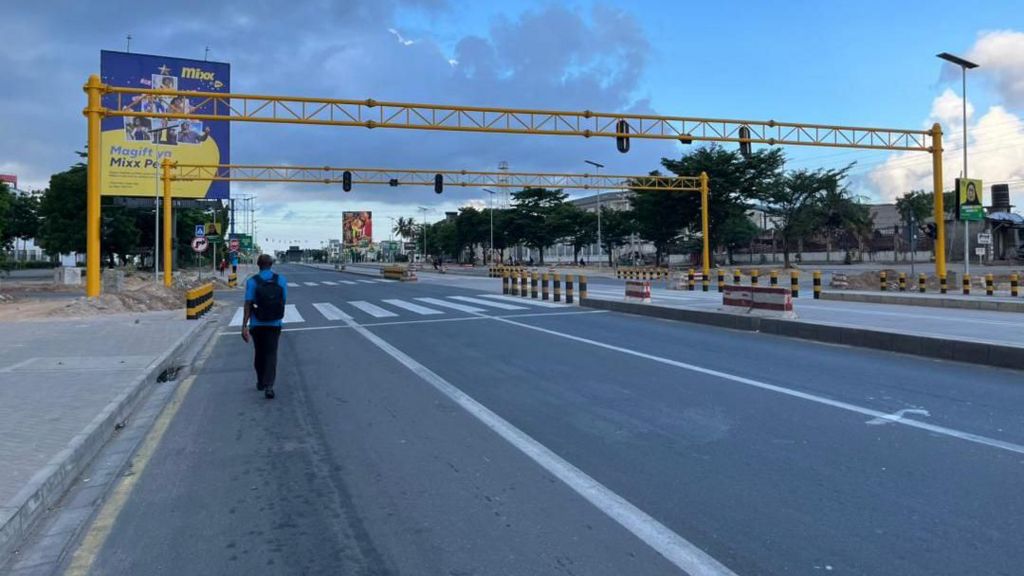
    In an unusual departure from their typical weekday bustle, metropolitan hubs including Dar es Salaam, Arusha, Mbeya, and Mwanza reported markedly subdued activity. By midday, the anticipated protests had not materialized, with many citizens opting to remain indoors amid widespread uncertainty. BBC correspondents observed nearly deserted streets in the commercial capital, creating a stark contrast to the city’s normally vibrant atmosphere.

    The planned demonstrations stem from ongoing demands for political reforms following October’s post-election unrest, which resulted in an unspecified number of casualties. Authorities have acknowledged employing force against protesters, justifying their actions as necessary to prevent what they characterize as attempts to overthrow the current regime.

    Security vehicles were visibly patrolling major thoroughfares and intersections, while officers established strategic positions around critical public infrastructure. Motorists reported encountering frequent checkpoints where security personnel rigorously questioned travelers about their destinations.

    On digital platforms, activists encouraged supporters to maintain vigilance, suggesting that any protest activities would likely commence during afternoon hours—a pattern consistent with previous demonstrations in Tanzania. The government has refrained from issuing detailed statements regarding either the enhanced security measures or the banned protests.

  • Hamas, Israel edge toward 2nd phase ceasefire

    Hamas, Israel edge toward 2nd phase ceasefire

    Significant progress emerges in the Israel-Hamas peace process as both parties indicate readiness to advance toward the second phase of their truce agreement. Palestinian militant group Hamas has expressed unprecedented willingness to discuss disarmament terms, while Israeli Prime Minister Benjamin Netanyahu acknowledges the challenging road ahead in achieving Gaza’s demilitarization.

    Bassem Naim, a Hamas political bureau member, articulated the group’s openness to a comprehensive approach during discussions with The Associated Press in Qatar. While welcoming the potential deployment of a United Nations stabilization force along border regions to monitor ceasefire compliance, Naim explicitly rejected any international military presence within Palestinian territories.

    The diplomatic developments follow reports that U.S. President Donald Trump intends to announce the transition to Phase Two of the Gaza peace process before Christmas. This phase addresses the most contentious elements of the agreement, including Hamas’s disarmament and Gaza’s demilitarization.

    Netanyahu, during a Jerusalem news conference with German Chancellor Friedrich Merz, confirmed that Israel anticipates moving to the second phase shortly after recovering the remains of deceased hostage Ran Gvili. The Israeli leader credited military pressure and Trump’s diplomatic engagement with Arab and Muslim nations for compelling Hamas to negotiate.

    Despite these diplomatic advances, tensions persist on the ground. Israeli forces reportedly stormed a UN relief agency headquarters in East Jerusalem, while settlers continued land operations in the northern Jordan Valley. These actions have raised concerns among Arab and Muslim-majority nations, particularly following Israel’s announcement about opening the Rafah crossing, which prompted eight countries to issue statements rejecting Palestinian displacement.

    Regional analysts warn that Israel’s objections to proposed stabilization force participants—specifically Türkiye and Qatar—and its continued military operations threaten to undermine the entire peace process. Haydar Oruc, a Middle East researcher, emphasized that Israel must cease attacks, permit humanitarian access, and allow interim administration establishment to facilitate successful transition to Phase Two.

  • Czech populist billionaire Babiš sworn in as prime minister

    Czech populist billionaire Babiš sworn in as prime minister

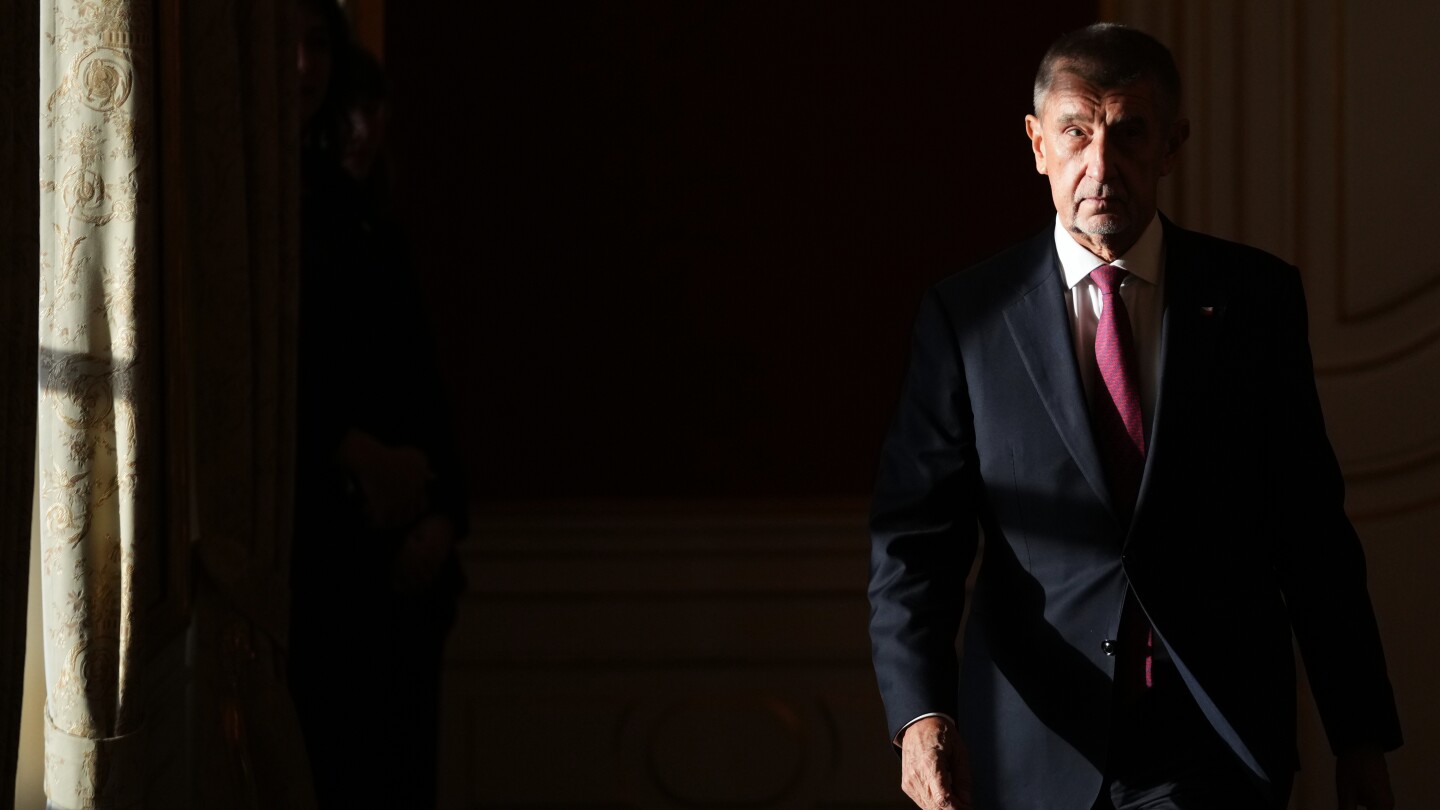
    PRAGUE — Andrej Babiš, the populist billionaire leader, officially assumed the role of Czech Prime Minister on Tuesday following his October parliamentary election victory. This political comeback marks a significant shift in the nation’s trajectory, particularly regarding European Union relations and support for Ukraine amidst ongoing regional conflicts.

    Babiš, who previously governed from 2017 to 2021, took his oath of office with ambitious promises to champion Czech interests globally and transform the country into ‘the best place for life on earth.’ His appointment came after President Petr Pavel formally requested him to form a government, recognizing the strong electoral performance of Babiš’s ANO (YES) movement.

    The new administration represents a coalition between Babiš’s centrist ANO party, the anti-migrant Freedom and Direct Democracy party, and the right-wing Motorists for Themselves group. This alliance commands 108 seats in the 200-member lower parliamentary house, effectively sidelining the previous center-right coalition led by Petr Fiala.

    Government structure will see ANO controlling eight ministerial positions including the premiership, while coalition partners receive four and three portfolios respectively. The complete cabinet is scheduled for formal appointment by President Pavel next Monday.

    International observers note this development aligns the Czech Republic more closely with the foreign policy approaches of Hungary and Slovakia, particularly regarding reduced support for Ukraine in the ongoing conflict with Russia. The coalition has additionally expressed strong criticism toward EU policies, especially concerning environmental regulations and migration management.

    Hungarian Prime Minister Viktor Orbán, widely regarded as Vladimir Putin’s closest EU ally, welcomed Babiš’s return to power with enthusiastic remarks: ‘An old ally has returned. Welcome back on board Andrej!’

    The 71-year-old billionaire’s return to power comes despite ongoing legal challenges, including fraud charges related to EU subsidies. The new parliament must lift his immunity before courts can proceed with a verdict.

    Babiš secured the premiership after meeting President Pavel’s condition to address potential conflicts of interest by transferring his extensive business empire—approximately 200 companies under the Agrofert conglomerate—into a trust fund managed by an independent trustee. The arrangement stipulates the businesses will remain under independent supervision during his lifetime before passing to his descendants.