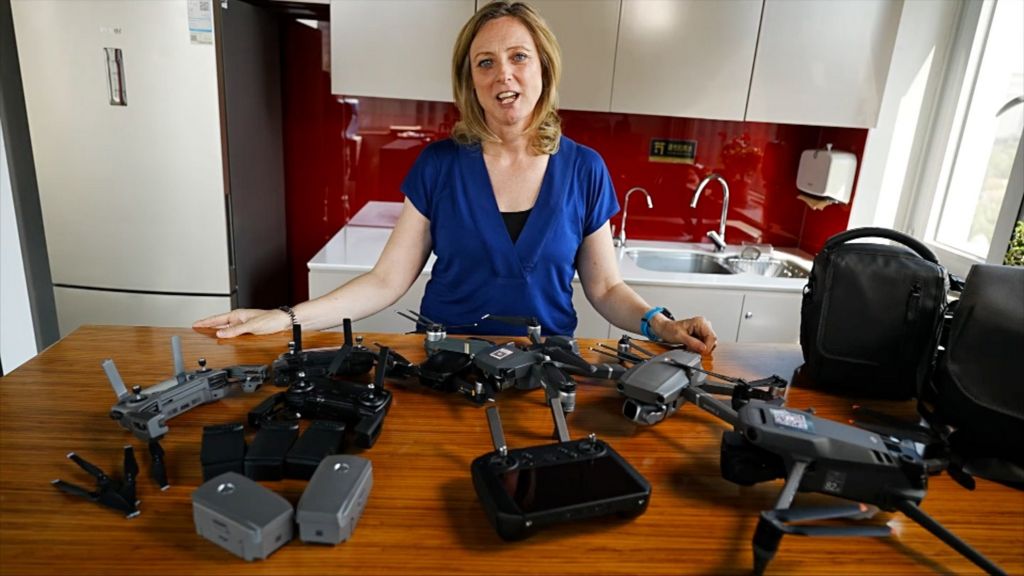
In recent weeks, new regulations restricting unauthorised drone operations and sales in Beijing have drawn international attention, with observers seeking clarity on the drivers behind the policy shift. Veteran BBC correspondent Laura Bicker has conducted on-the-ground reporting to unpack the motivations behind China’s decision to tighten drone oversight across the capital. According to Chinese authorities, the core impetus for the new rules is rooted in escalating public safety risks that have emerged as consumer and commercial drone ownership has skyrocketed across the country in recent years. Over the past decade, drones have moved from niche hobbyist equipment to widely accessible tools for photography, logistics, and industrial work, with millions of units now in operation nationwide. This rapid proliferation has brought growing safety challenges: unregulated drone flights have disrupted commercial air traffic at major airports, posed collision risks to manned aircraft, and enabled unauthorised surveillance that infringes on personal privacy. In densely populated urban areas like Beijing, the stakes of unsafe drone operation are even higher, with rogue units creating hazards for pedestrians and critical infrastructure. Bicker’s reporting notes that while the new restrictions have sparked some discussion among domestic drone hobby groups, the policy aligns with a broader global trend of governments updating aviation and technology regulations to address the risks posed by the fast-growing drone industry. Chinese regulatory bodies have emphasised that the restrictions are not a blanket ban on all drone activity in Beijing – rather, they are targeted at unregistered sales and unauthorised flights, with provisions for legitimate commercial and recreational operators who complete required registration and safety certification. As drone technology continues to advance and become more accessible, policymakers across the globe are grappling with how to balance innovation and public access with the need to protect communities and critical assets, and Beijing’s new regulatory framework represents one major government’s approach to that balancing act.
分类: politics
-
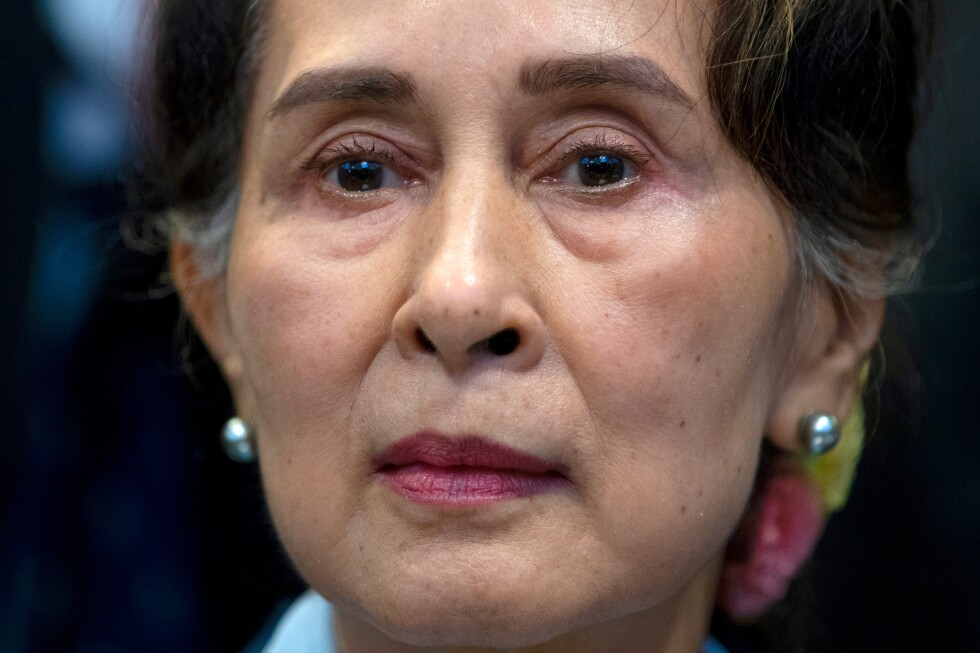
Myanmar reduces ousted leader Suu Kyi’s prison term in new amnesty
BANGKOK – In a move tied to a major Buddhist religious observance, Myanmar’s military-installed administration has slashed the prison term of ousted democratically elected leader Aung San Suu Kyi, marking the second mass prisoner pardon issued by the regime in just two weeks, according to anonymous legal sources and official state media reports.
The latest commutation, announced Thursday to mark the full moon day of Kason – the holiday that commemorates the birth, enlightenment, and passing of the Buddha – applies a one-sixth sentence reduction to all remaining convicted prisoners across the country, in addition to the full amnesty granted to 1,519 incarcerated people, 11 of whom hold foreign citizenship. It remains unclear how many of the thousands of people detained for opposing military rule are included in the most recent round of clemency.
Two legal officials, speaking on condition of anonymity out of fear of retaliation from state authorities, confirmed that the 80-year-old Nobel Peace Prize recipient would see her sentence reduced by an additional one-sixth under the new order. No official confirmation of her remaining term has been released, but calculations based on prior sentence cuts show she is still expected to serve more than 13 years behind bars.
This latest amnesty follows a broader pardon issued on April 17 that released more than 4,500 prisoners and cut sentences for inmates serving terms under 40 years, which already shaved more than four years off Suu Kyi’s sentence. The sequence of clemency measures comes three weeks after Senior General Min Aung Hlaing, the head of Myanmar’s military, was sworn in as the country’s president. His appointment followed a 2025 election widely dismissed by international observers and critics as neither free nor fair, widely seen as a carefully orchestrated move to cement the military’s authoritarian grip on national power. In his inauguration address, Min Aung Hlaing stated the amnesty program was designed to advance national reconciliation, social justice, and peace across the country.
Suu Kyi’s current detention stretches back to February 1, 2021, when the military seized power in a coup that ousted her democratically elected civilian government. By the end of 2022, she was convicted on a slate of politically charged charges and handed a 33-year prison sentence. Supporters and global human rights organizations have consistently characterized these convictions as a manufactured effort to discredit Suu Kyi, legitimize the 2021 coup, and permanently remove her from Myanmar’s political landscape. Her sentence was first reduced to 27 years in August 2023, before the additional cuts announced in April 2025.
Today, Suu Kyi is being held at an undisclosed location in Myanmar’s capital Naypyitaw. Unconfirmed reports circulated last week suggesting the regime planned to transfer her to house arrest as part of the latest clemency, but no official confirmation of this move has emerged. Information about her current health and well-being remains tightly controlled by state authorities. Unverified reports published in 2024 and early 2025 have documented declining health, including recurring low blood pressure, dizziness, and heart complications. Notably, Suu Kyi’s legal team has not been allowed to meet with her in person since December 2022.
The 2021 military coup sparked widespread popular resistance across Myanmar, which the regime responded to with brutal violent repression. The conflict has escalated into an ongoing bloody civil war that has killed thousands of civilians and displaced millions. As of the latest data from the Assistance Association for Political Prisoners, a Thailand-based human rights monitoring group, more than 22,000 people remain in detention for their opposition to military rule since the coup.
For decades, Suu Kyi has stood as the global face of Myanmar’s pro-democracy movement. The daughter of Aung San, Myanmar’s assassinated founding independence leader, she spent nearly 15 years under house arrest as a political prisoner between 1989 and 2010. Her unwavering nonviolent resistance to military authoritarianism earned her international acclaim and the 1991 Nobel Peace Prize, cementing her status as a global symbol of democratic struggle.
-
Under-fire UK boosts security for Jews after latest attack
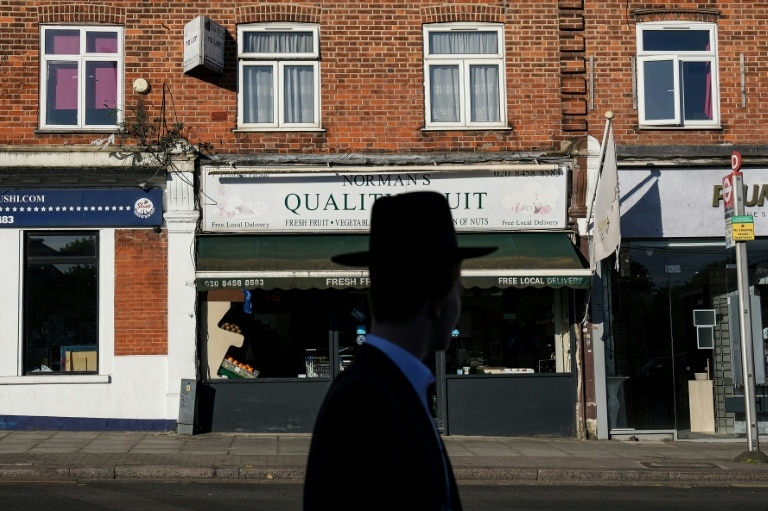
Facing mounting criticism over rising antisemitic violence across the country, the UK government has moved swiftly to ramp up protective measures for British Jewish communities, announcing an extra £25 million ($33 million) in funding for security at synagogues, schools, and other community sites. The policy announcement came just 24 hours after a daylight stabbing attack left two Jewish men injured in north London’s Golders Green, the latest in a string of violent incidents targeting the UK’s Jewish population.
The Wednesday attack unfolded in broad daylight on a public street in Golders Green, a neighborhood with a large longstanding Jewish community. The two victims, aged 34 and 76, were hospitalized and remain in stable condition as of Thursday. A 45-year-old British national, who was born in Somalia and moved to the UK as a child, is currently in police custody in connection with the stabbings.
This attack is only the most recent in a growing wave of violence targeting Jewish sites across the UK. Last year, a deadly assault on a Manchester synagogue left two people dead, and multiple arson attacks have targeted synagogues and other Jewish community spaces in the Golders Green area in recent months. Community leaders have repeatedly warned that persistent under-policing and growing antisemitic sentiment have left British Jewish communities feeling deeply vulnerable.
Speaking to Sky News, UK Home Secretary Shabana Mahmood acknowledged the pervasive sense of uncertainty among Jewish Britons, explaining the new funding was a direct response to this crisis. “People have a sense of deep insecurity… and that is why the government is bringing forward investment, an additional £25 million to invest in the security of our Jewish community,” Mahmood said. She confirmed the funding will go toward expanding protective security at Jewish places of worship, educational institutions, and community centers across the country.
The stabbing has already drawn renewed calls for broader action from community representatives. Rabbi Ben Kurzer, a leader at Golders Green Synagogue, told BBC Radio that regular visible police presence remains scarce in high-risk Jewish areas, with most current security provision falling to underfunded private providers. “There is definitely not a significant police presence on a regular basis in these areas. We have little bits here and there, but most of the security that we’re seeing is private,” Kurzer said. He urged the government to go beyond funding and implement more systemic protections for British Jews, including cracking down on what he described as hate-fueled pro-Palestine protests that have amplified antisemitic rhetoric.
“We all believe in free speech, but there’s obviously a limit to free speech when it’s leading to events such as we had yesterday,” Kurzer added, echoing longstanding concerns from Jewish community leaders that unregulated large-scale protests have created a permissive environment for antisemitic violence.
According to U.S.-based monitoring group SITE Intelligence Group, a little-known faction called Harakat Ashab al-Yamin al-Islamiya (HAYI), which is suspected of having links to Iran, has claimed responsibility for the stabbing in an online video, describing the attacker as one of its “lone wolves.” The claim remains uncorroborated by UK law enforcement as of Thursday.
In response to the alleged ties to a hostile foreign state, Mahmood announced the government would move forward with emergency legislation to close existing legal gaps that have hampered action against groups linked to foreign adversaries and their proxies. The new legislation will be fast-tracked through parliament in the coming weeks, she confirmed.
The push for tighter protest restrictions aligns with existing policy priorities set by Keir Starmer’s Labour government, which last year announced plans to grant UK police expanded powers to limit frequent demonstrations, in part to account for the “cumulative impact” of repeated protests on community safety.
Monitoring organizations across the UK have documented a dramatic spike in both antisemitic and Islamophobic incidents since the outbreak of the Israel-Hamas war in Gaza in October 2023, with antisemitic hate crimes rising by more than 100% in some regions of the country.
-
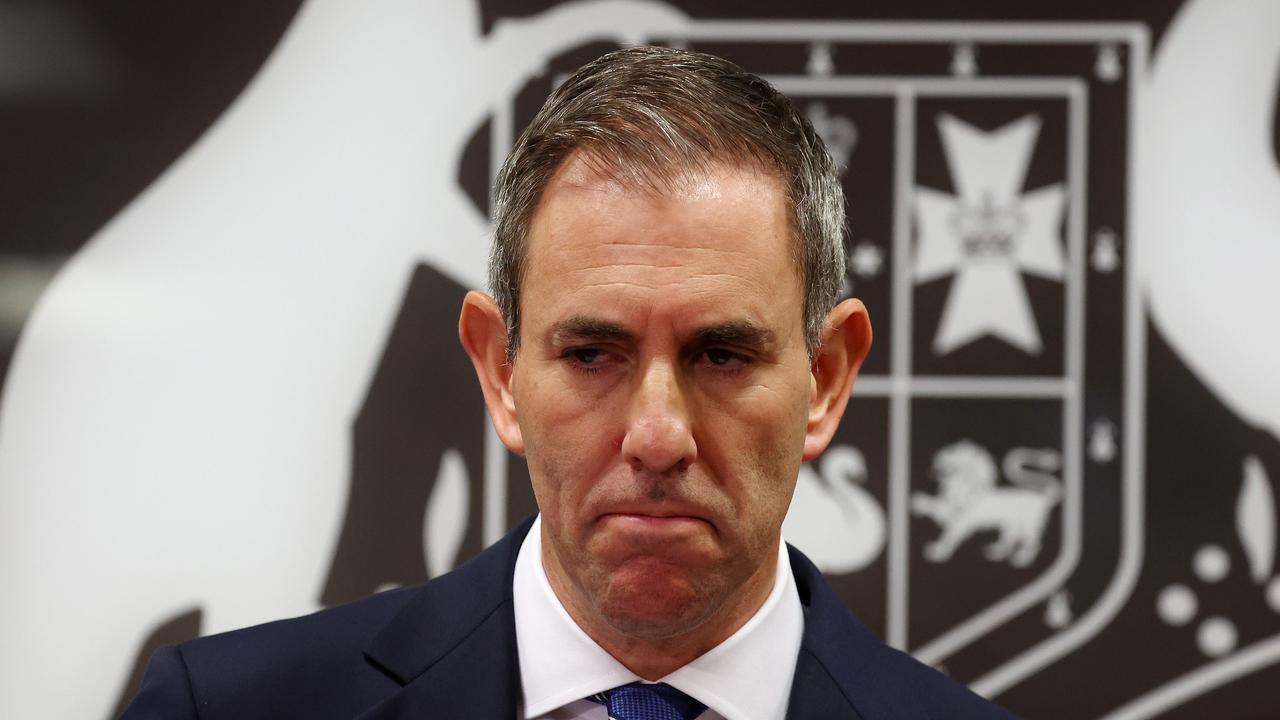
Housing affordability fix looms as Treasurer hints at capital gains tax reform
As Australia’s federal government prepares to hand down its May 12 budget, Treasurer Jim Chalmers has fuelled widespread speculation about sweeping changes to national housing tax policy, while pushing back against common assumptions that the reforms would deliver a massive windfall to government coffers.
Speaking in a recent podcast interview with Commonwealth Bank chief economist Luke Yeaman, Chalmers addressed the growing national housing affordability crisis, which has disproportionately locked younger generations out of first home ownership. He acknowledged the clear long-term shift in Australia’s property market, where investor activity has grown steadily at the expense of owner-occupiers, pointing to early 2000s changes to capital gains tax as a key contributing factor to this shift.
“Anyone who looks objectively at the way that home ownership rates have declined over time … between homeowners and owner‑occupiers versus investors, can see there’s been a long-term trend,” Chalmers told the podcast. “Even if you just go back to around the turn of the century, those changes that were made to capital gains, you can see that that’s had an impact in the composition of the housing market.”
Despite confirming the government is actively exploring reforms to negative gearing and the existing capital gains discount, Chalmers stopped short of confirming any final changes would be included in the upcoming budget, saying only that he would outline the government’s full plans on budget night. He did, however, push back heavily on widespread market speculation that any changes to these tax policies would generate significant new revenue for the government that could immediately be redirected to broad-based tax cuts for Australian workers.
“One of the things that I think is not well understood in the speculation is that even if we went down the path that has been speculated about in those areas that you’ve asked me about, people shouldn’t expect there to be this huge amount of new revenue show up over the course of the next few years in the Budget,” Chalmers said. “But people assume that all of a sudden, a huge amount of revenue will show up that you can automatically and immediately give away, and most people who think deeply about those tax changes … would understand that there wouldn’t be a heap of revenue.”
For weeks ahead of the budget, Chalmers and senior Labor cabinet ministers have framed potential housing tax changes as a matter of intergenerational equity. Critics of the current system argue the existing capital gains discount and negative gearing rules disproportionately benefit wealthy asset holders, while Australian working people bear the majority of the national tax burden. Chalmers said he welcomes the national debate over rebalancing the tax system to create greater fairness between income from labor and income from assets.
This focus on fairer tax distribution builds on the government’s earlier changes to the controversial Stage 3 tax cuts, which were redesigned to deliver greater relief to low- and middle-income earners when they take effect from July 1, 2024. The revised plan also gradually reduces the 16 per cent tax rate to 15 per cent by July 1, 2026, and 14 per cent by July 1, 2027, while adding a new $1000 instant tax deduction for eligible earners.
Market analysts and insiders widely predict the government will replace the existing 50 per cent flat capital gains discount with an indexation-based model. Under the current system, any investor holding an asset for more than 12 months qualifies for a 50 per cent discount on their taxable capital gain, a policy originally designed to benefit property investors. For example, an investor who buys a property for $500,000 and sells it two years later for $700,000 would only pay tax on $100,000 of the $200,000 profit under current rules. Under the proposed indexation model, the cost base of the asset would be adjusted for inflation rather than applying a flat 50 per cent discount.
Chalmers also revealed the budget is still being adjusted in the final weeks ahead of its release, an unusual step driven by ongoing economic volatility stemming from the Middle East crisis. The conflict has already driven a sharp spike in global fuel prices, which added a 9.2 per cent lift to Australian consumer transport costs, with monthly automotive fuel prices surging 32.8 per cent. Around one-fifth of the world’s total oil and gas supply passes through the Strait of Hormuz, and ongoing tensions and blockages in the region have sent global energy prices soaring.
“Ordinarily budgets are sketched out in summer, locked down in autumn,” Chalmers explained. “This one is being recalibrated even in autumn, and that’s different to normal. But there are some common elements.” He added he has prepared multiple versions of his upcoming budget speech to account for shifting global conditions.
-
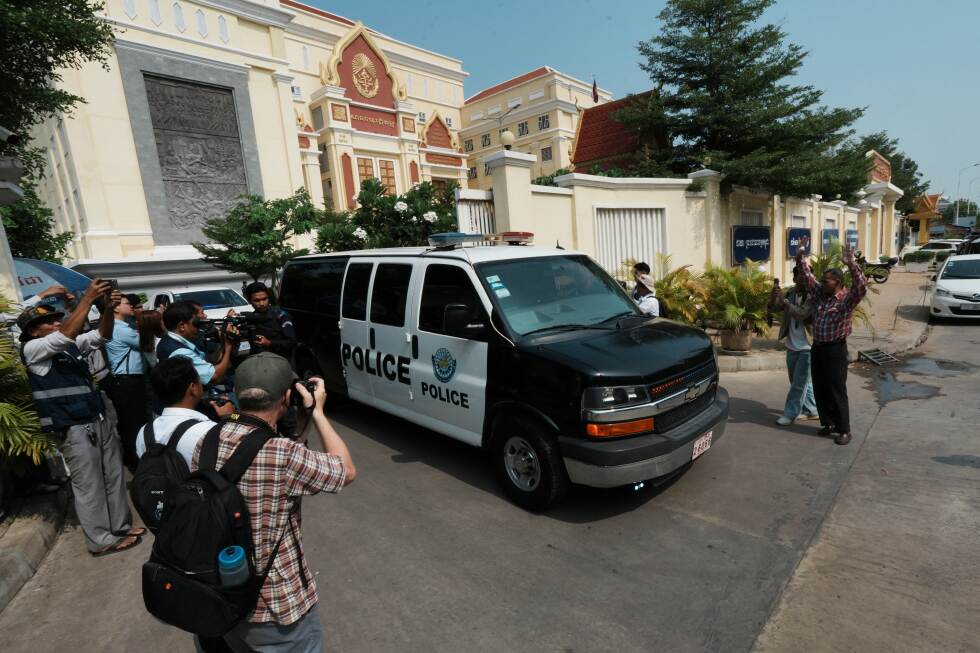
Cambodian court upholds opposition leader’s treason conviction
In a ruling that has reignited international scrutiny of Cambodia’s political landscape, the Phnom Penh Appeals Court confirmed Thursday a longstanding treason conviction and 27-year prison sentence for prominent opposition figure Kem Sokha, a decision that comes six years after his arrest triggered a sweeping nationwide crackdown on government critics.
In addition to upholding the original sentence, which the 72-year-old leader has been serving under house arrest, the court added a new restriction: a five-year ban on international travel that will take effect once he completes his prison term.
Kem Sokha’s legal saga stretches back to 2017, when his arrest cleared the way for the government to target all organized political opposition. At the time, his Cambodia National Rescue Party (CNRP) stood as the only major viable challenger to the long-ruling Cambodian People’s Party (CPP). Within months of the arrest, the country’s Supreme Court ordered the CNRP dissolved, barring the party from competing in the 2018 general election. The CPP, led by then-prime minister Hun Sen, subsequently won every seat in the National Assembly, consolidating its absolute control over national governance. Hun Sen handed power to his son, Hun Manet, in 2023, but the new administration has not moved to open up the country’s political system or roll back restrictions on opposition activity.
Kem Sokha was ultimately convicted of treason in 2023 following years of extended pretrial detention. The charges against him center on allegations that he conspired with the United States to overthrow the Cambodian government, with the prosecution’s core evidence consisting of a leaked video of him speaking about receiving political guidance from U.S.-based pro-democracy organizations.
During his most recent appearance before the appeals court earlier this month, Kem Sokha issued a firm denial of all accusations. He stated he never had collaborated with any foreign power at the expense of Cambodian citizens or national sovereignty, emphasizing that all his political work had been rooted in principles of nonviolence and national unity.
Following Thursday’s ruling, Kem Sokha’s defense attorney Pheng Heng told reporters he was disappointed by the court’s decision. The legal team will now deliberate whether to take the case to Cambodia’s Supreme Court in a final appeal, and Pheng Heng called on the ruling government to prioritize national reconciliation as a path forward for the country.
The ruling has already drawn formal concern from Western diplomatic missions based in Phnom Penh. The British Embassy released an official statement calling for Kem Sokha’s immediate release and the restoration of his full political rights, noting that such a move would support the strengthening of democratic institutions in Cambodia.
For years, international observers have repeatedly accused the Cambodian government of weaponizing the country’s judicial system to target political opponents and dissenting voices. Government officials have consistently pushed back against these claims, asserting that the state upholds the rule of law within a framework of electoral democracy. Despite this assertion, all major opposition groups have faced systematic legal action: parties perceived as electoral threats have been dissolved by courts, their leaders imprisoned or subjected to ongoing harassment.
-
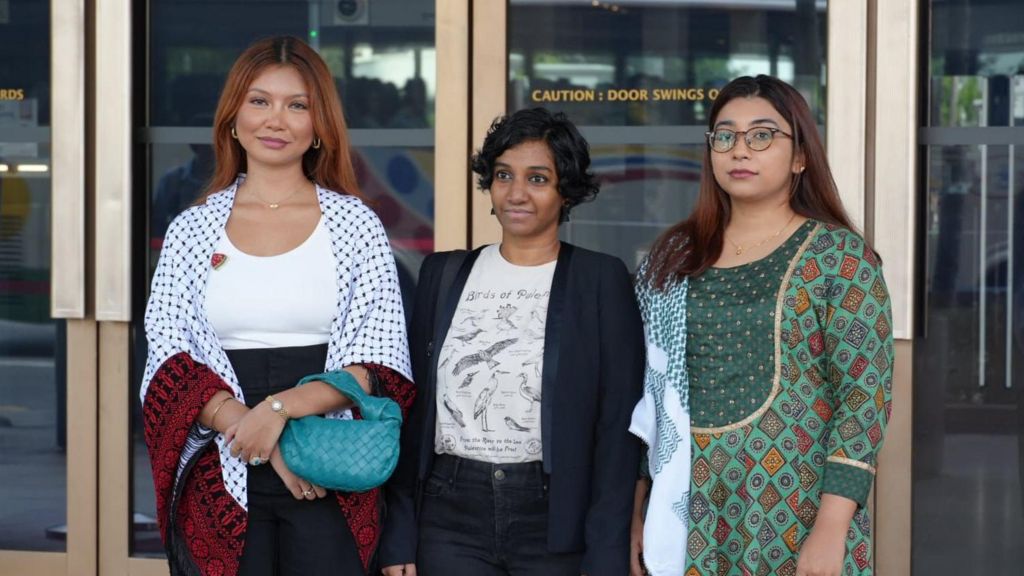
Singapore court fines women for pro-Palestinian walk
In a high-profile legal reversal that spotlights longstanding tensions between protest regulation and freedom of expression in Singapore, the city-state’s High Court has overturned a previous acquittal and imposed fines of S$3,000 (equivalent to roughly US$2,300 or £1,700) on three women activists who organized a public march in support of Palestinian people. The case traces back to February 2024, when activists Mossammad Sobikun Nahar, Siti Amirah Mohamed Asrori, and Kokila Annamalai led a group of approximately 70 participants on a walk from a nearby shopping mall to Singapore’s Istana presidential compound, located adjacent to the mall. The march was organized to deliver a petition letter to the prime minister calling for the Singaporean government to sever diplomatic and economic ties with Israel, amid the ongoing military conflict in Gaza.
Photographs from the event show demonstrators holding umbrellas emblazoned with watermelons, a symbol that has become a globally recognized motif for pro-Palestinian advocacy. Singapore maintains extremely strict regulations on public assemblies, and all public demonstrations require government approval. In the wake of the outbreak of the Israel-Gaza war, authorities have enacted a blanket ban on all public gatherings related to the conflict, making any unapproved pro-Palestinian protest a criminal offense.
The three organizers were formally charged in June 2024 for violating regulations by organizing an unpermitted procession in a restricted zone near the Istana. During their initial trial held in late 2024, the defense team argued that the women had merely walked along public roadways, and had no prior knowledge that the stretch of route passing the presidential compound fell within a prohibited area for unapproved gatherings. The trial judge ultimately ruled to acquit all three defendants in October 2024, concluding that evidence presented in court proved the women had made good-faith efforts to comply with Singapore’s laws, and were “trying their level best not to run afoul of the law.” Following the acquittal, Annamalai told the BBC that the ruling had given “a new sense of energy and hope” to Singaporean civil rights activists.
Prosecutors challenged the acquittal in an appeal to Singapore’s High Court, which issued its final ruling Thursday. The High Court judge rejected the original acquittal, stating that the three activists bore responsibility for failing to conduct more thorough inquiries to confirm whether their planned procession would be legally permitted under local regulations. After the ruling was issued, Annamalai reaffirmed the activists’ commitment to their cause in comments to the BBC, noting “There is a long fight ahead towards democratisation in Singapore, and acts of civil disobedience have an important part to play. We should have every right to walk to the Prime Minister’s Office at the Istana to deliver letters from ordinary Singaporeans.”
The Singaporean government has long defended its strict demonstration regulations as a necessary policy to preserve public peace, social stability, and intercommunal harmony across the country’s multi-ethnic population. However, civil society and human rights critics argue that these sweeping regulations effectively stifle freedom of expression and discourage grassroots civil activism, particularly on contentious geopolitical issues such as the Israel-Gaza conflict.
-
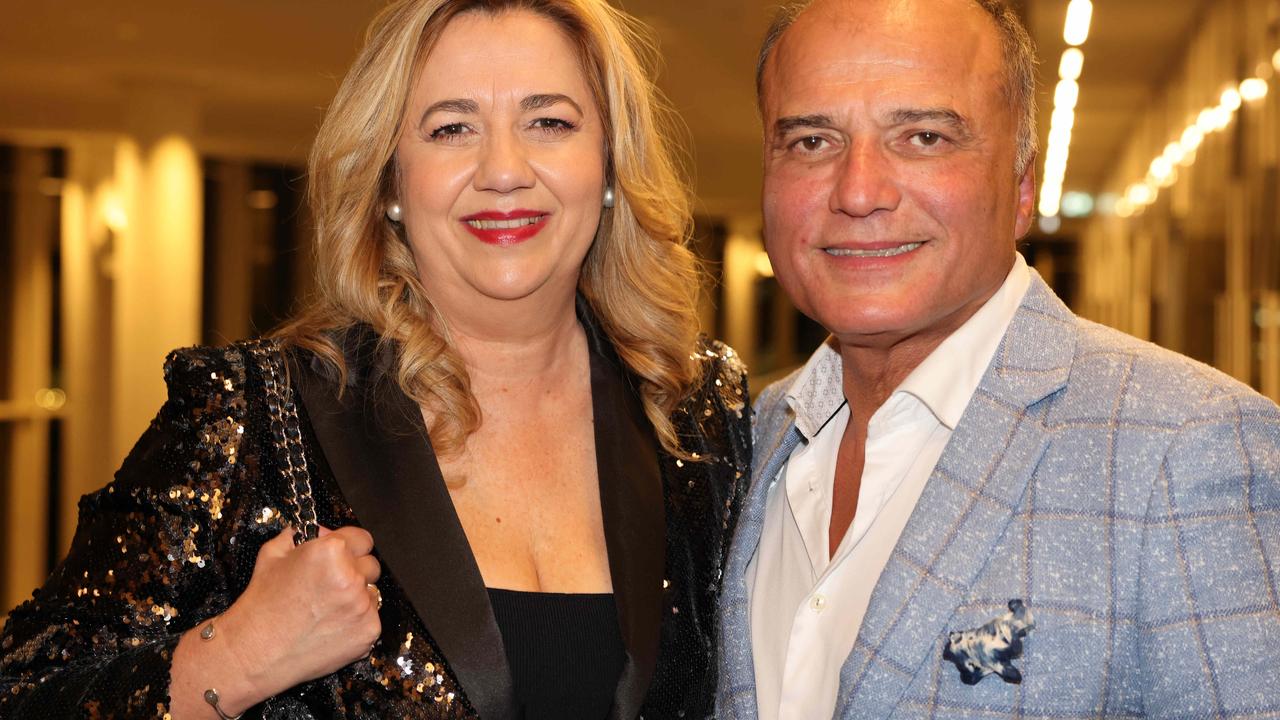
Police search Gold Coast property belonging to Dr Vahid Reza Adib, the partner of former premier Annastacia Palaszczuk
Queensland law enforcement officials have launched a search of a Gold Coast residential property registered to Dr. Vahid Reza Adib, the long-term partner of former Queensland state premier Annastacia Palaszczuk. Authorities confirmed Thursday that a dedicated crime scene was set up at the Burleigh Heads apartment as a core component of an active, ongoing investigation.
A spokesperson for the Queensland Police Service shared early details of the operation, confirming that plainclothes detectives and specialized response teams arrived at the Goodwin Terrace address shortly after 11 a.m. local time. The spokesperson added that no additional details about the nature of the investigation could be released to the public at this stage of the process.
According to initial reports from 7News, forensic investigators also participated in the search, carrying out a detailed inspection of the property before removing a number of undisclosed items for further analysis. As of the latest update, no criminal charges have been filed against any party connected to the property, and investigators have publicly stated that Palaszczuk herself is not considered a person of interest nor believed to have any connection to the conduct under investigation.
Notably, the search took place just hours before Palaszczuk was scheduled to appear at a public book launch event at the Robina Library on the Gold Coast, part of a statewide promotional tour for her recently released memoir *The Politics of Being Me*. Roughly 200 attendees were in attendance for the event, and multiple guests were overheard discussing the day’s police raid, local outlet the Courier Mail reported. Eyewitness accounts confirm Palaszczuk displayed no visible signs of distress or disruption during her scheduled remarks and public appearance.
Palaszczuk, who led Queensland as premier from 2015 to 2023, first went public with her relationship with Dr. Adib in 2021, while she still held office. The pair first met at the Stradbroke Day races, and reconnected through a shared network of mutual friends shortly after that initial encounter. They made their first public appearance together at the Caloundra Cup on the Sunshine Coast later that same year.
In a past interview with the Courier Mail, Palaszczuk spoke positively of her partner, describing him as a warm, caring, and highly intelligent person with a sharp sense of humor. “We are just enjoying getting to know each other,” she said at the time. “We make time when we can to see each other. It’s not easy, but when we do see each other we like to go out to dinner and go on long walks, and what has been nice for me is that he also makes me take a break from work every now and again.”
Dr. Adib is a prominent weight-loss surgeon based in Brisbane, who founded the Brisbane Obesity Clinic in 2004. Over his decades-long career, he has carried out tens of thousands of bariatric and weight loss procedures. He launched his surgical career at the Royal Brisbane Hospital in 1994, and completed advanced medical training in both Australia and leading European medical institutions.
-

No ‘meaningful’ shift from social media sites after Australia teen ban: govt report
Australia made global policy history last December when it became the first nation in the world to implement a formal ban restricting all users under the age of 16 from accessing major social media platforms including TikTok and Instagram. The landmark regulation was crafted to shield minors from two well-documented harms: pervasive cyberbullying and manipulative recommendation algorithms that prioritize engagement over adolescent well-being. Since its passage, policymakers and child welfare advocates across the globe have watched closely, with many weighing whether the Australian model could serve as a replicable blueprint for reining in the unchecked power of large technology companies.
Newly released internal government documents, obtained by Agence France-Presse via a freedom of information request, offer one of the first public glimpses into how the controversial policy has performed in its early months. The data, analyzed by Australia’s national online safety regulator the eSafety Commission, shows that just one month after the ban entered into force, top platforms including Instagram and TikTok maintained their dominant positions in Australian app store rankings and download charts. The commission’s internal February 2 briefing notes that while some users briefly experimented with alternative apps not covered by the ban, the vast majority quickly returned to the well-established major platforms they had used previously. Overall, the briefing concludes, there was “no meaningful shift” away from the restricted platforms in the initial weeks of the policy.
Officials did, however, note critical limitations to the early download data that prevent drawing definitive long-term conclusions. The data cannot track the age of active users, nor does it measure actual in-app usage after download, meaning it can only serve as a rough early indicator of shifting popularity trends. One unexpected early finding that has raised concerns is a 26% year-over-year increase in cyberbullying complaints related to the banned platforms between January 2025 and January 2026, with the majority of those new complaints linked specifically to TikTok.
In an official statement provided to AFP, an eSafety Commission spokesperson emphasized that the released documents only cover the very early implementation phase of the new law, as regulators and platforms work to embed the new restrictions. “Continued analysis as more data becomes available will support more robust, evidence-based conclusions regarding longer-term trends, reporting behaviours and impacts of (a minimum age for social media),” the statement read.
Interest in Australia’s policy experiment extends far beyond the country’s borders. According to the internal documents, officials from Israel, the United Kingdom, Norway and New Zealand have already held meetings with Australian policymakers to discuss the ban, joining a growing cohort of nations considering similar restrictions on minor access to social media. “The internet doesn’t stop at the border and nor should our efforts to minimise harm, especially to children,” the commission noted, acknowledging the widespread global attention its pioneering legislation has received.
Tensions between the Australian government and large tech firms have already escalated in the months since the ban took effect. Back in March, Communications Minister Anika Wells publicly accused major tech companies of intentionally failing to comply with their new legal obligations, noting that regulator assessments found a “substantial proportion of Australian children” still accessing banned platforms. “Australia’s world-leading social media laws are not failing. But big tech is failing to obey the laws,” Wells told reporters at the time, adding “Australia will not let the social media giants take us for mugs.”
Under the current legislation, non-compliant tech companies face maximum fines of up to 33.9 million USD (equivalent to 49.5 million Australian dollars). As of the latest government updates, more than five million accounts linked to underage Australian users have been removed from major platforms since the ban entered into force. TikTok declined to issue a formal comment when approached by AFP for this reporting.
-
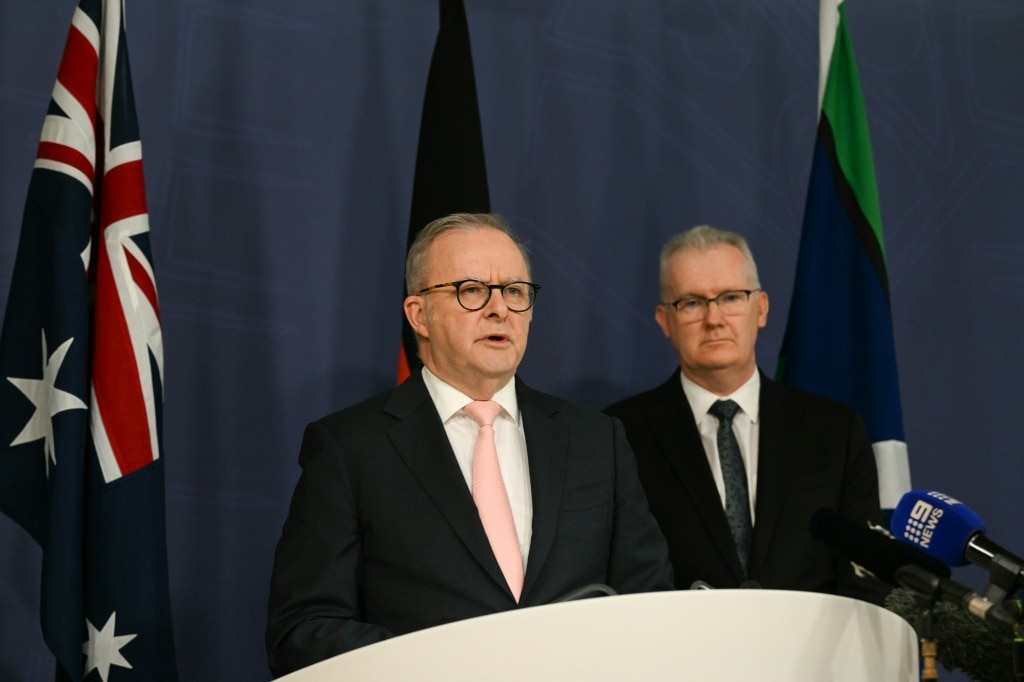
Australian Jewish group warned of ‘attack’ before Bondi mass shooting: inquiry
In a bombshell interim finding delivered this week, a high-level federal royal commission has confirmed that a Jewish community security organization warned Australian law enforcement a terror attack targeting Jewish gatherings was likely just days before two attackers killed 15 people in Australia’s deadliest mass shooting in three decades at Sydney’s iconic Bondi Beach.
The December attack unfolded as hundreds of Jewish families gathered at the coastal location to celebrate the Hanukkah festival. Authorities have charged 24-year-old Naveed Akram, an Australian-born citizen, with 15 counts of murder and terrorism offenses; he remains in custody awaiting trial. His 50-year-old father, Sajid Akram, the second accused attacker, was shot dead by responding police during the incident.
The inquiry, chaired by former High Court justice Virginia Bell – one of the nation’s most respected retired judicial figures – confirmed in its Thursday report that the Australian Jewish community was the explicit, intended target of the assault. The commission released a pre-attack email sent by the Community Security Group, a volunteer Jewish security organization, which warned bluntly that “A terrorist attack against the NSW Jewish Community is likely and there is a high level of antisemitic vilification” ahead of the public Hanukkah event.
Per the commission’s findings, the security group notified state police that the community faced elevated threats, but was informed that no dedicated uniformed officers could be assigned to the December 14 gathering. Instead, police offered only intermittent mobile patrols to check in on and monitor the celebration.
Jewish community leader Alex Ryvchin told public broadcaster ABC that event organizers had already sensed a pervasive atmosphere of unease in the lead-up to the festival, and that the tragedy stemmed from inadequate resourcing of security protections. “The police are the ones that make decisions around resourcing, and it seems like this was not adequately done,” Ryvchin said. “We need to understand why those resourcing decisions were made.”
New South Wales State Premier Chris Minns moved quickly to accept formal responsibility for the systemic failure to prevent the deaths. “If we had known what was going to happen, we would have put an army down there,” Minns told reporters. In contrast, State Police Commissioner Mal Lanyon defended his department’s actions, noting that officers had reviewed the threat intelligence provided by the Jewish group, and that roving patrols were deployed across the area on the night of the attack.
The interim report issued one immediate, key recommendation: law enforcement should significantly boost security arrangements for all future public Jewish celebrations that draw large crowds. Federal Prime Minister Anthony Albanese, who framed the operational failure as a matter for the New South Wales state government, pledged that the national government would adopt every recommendation the commission ultimately puts forward. “I can assure the Australian public that the government will do everything necessary to protect the community in the wake of the Bondi attack,” Albanese said.
The full federal royal commission, the most powerful form of public inquiry in the Australian government system, has been mandated to investigate all contributing factors to the attack, ranging from gaps in domestic intelligence sharing to the steady rise of violent antisemitism across Australian society. The commission also noted that the nation’s existing counter-terrorism capabilities have room for meaningful improvement, and redacted several national security-related recommendations to safeguard sensitive intelligence and ongoing criminal investigations.
In the wake of the attack, the nation entered a period of national reckoning over antisemitism, with widespread public anger directed at government and law enforcement for failing to protect Jewish Australian communities. Shortly after the shooting, the federal government proposed a package of gun law reforms, headlined by a nationwide voluntary gun buyback scheme designed to remove high-risk weapons from civilian circulation. That plan has since stalled, however, as the federal government struggles to secure buy-in from all state and territorial governments. The commission has now formally recommended that Australian leaders prioritize getting the buyback program launched and operational.
The inquiry itself was only established after victims’ families penned a public open letter to Prime Minister Anthony Albanese in December demanding a full, independent investigation. “We demand answers and solutions,” the letter read. Full public hearings for the royal commission are expected to proceed in the coming months, and such inquiries often run for multiple years as they gather evidence and probe complex systemic issues.
-
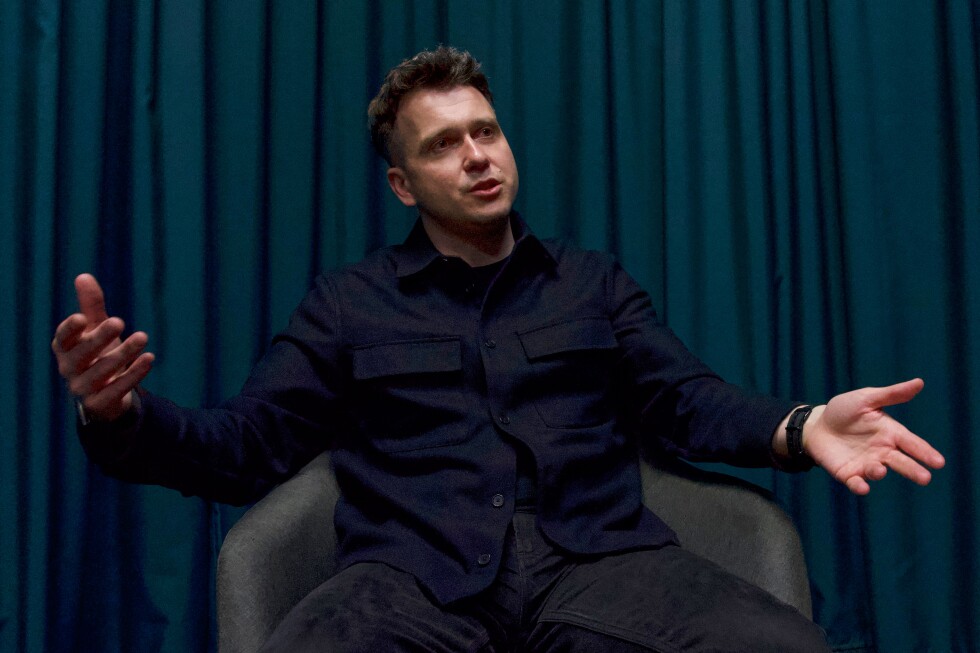
The AP Interview: Ukraine bets on battlefield AI as the race for weapons autonomy intensifies
As Ukraine defends itself against a larger, better-resourced invading force, the accelerated integration of artificial intelligence into military operations has become an existential priority for the nation, according to a senior Ukrainian defense AI leader. Even as full battlefield-wide AI integration remains a multi-year goal, the technology is already delivering tangible advantages to Kyiv’s frontline forces.