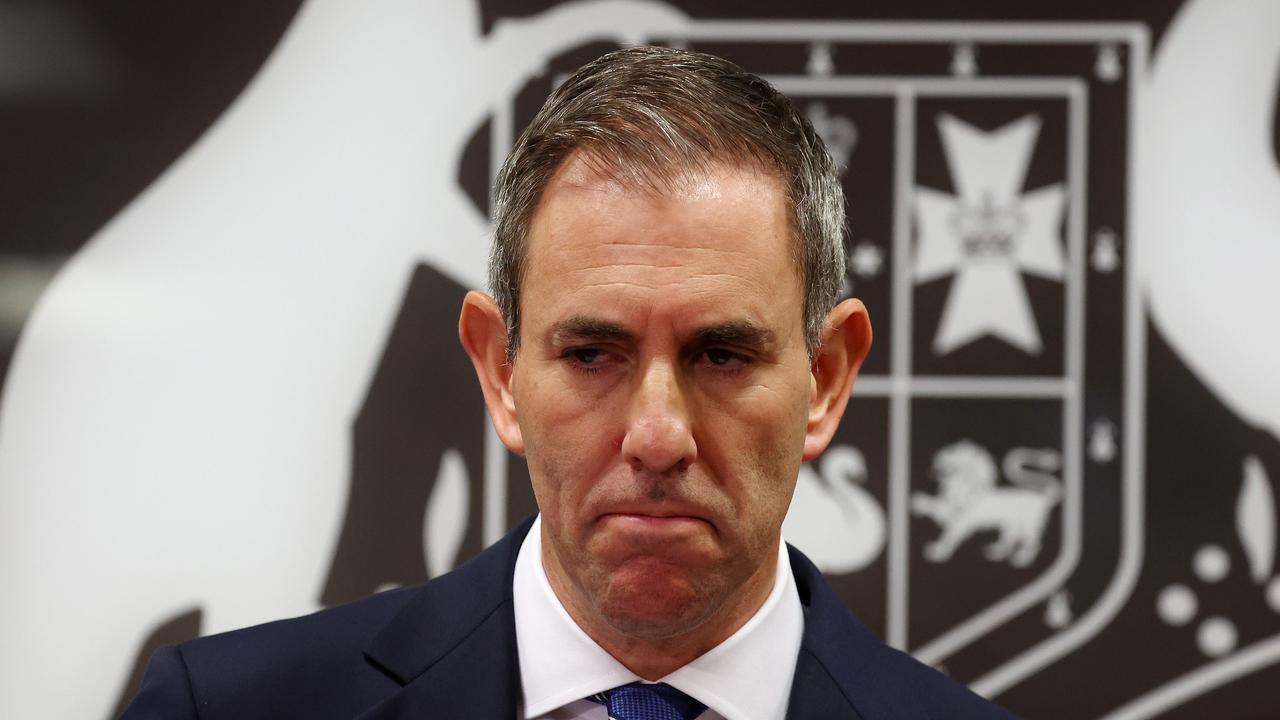
As Australia’s federal government prepares to hand down its May 12 budget, Treasurer Jim Chalmers has fuelled widespread speculation about sweeping changes to national housing tax policy, while pushing back against common assumptions that the reforms would deliver a massive windfall to government coffers.
Speaking in a recent podcast interview with Commonwealth Bank chief economist Luke Yeaman, Chalmers addressed the growing national housing affordability crisis, which has disproportionately locked younger generations out of first home ownership. He acknowledged the clear long-term shift in Australia’s property market, where investor activity has grown steadily at the expense of owner-occupiers, pointing to early 2000s changes to capital gains tax as a key contributing factor to this shift.
“Anyone who looks objectively at the way that home ownership rates have declined over time … between homeowners and owner‑occupiers versus investors, can see there’s been a long-term trend,” Chalmers told the podcast. “Even if you just go back to around the turn of the century, those changes that were made to capital gains, you can see that that’s had an impact in the composition of the housing market.”
Despite confirming the government is actively exploring reforms to negative gearing and the existing capital gains discount, Chalmers stopped short of confirming any final changes would be included in the upcoming budget, saying only that he would outline the government’s full plans on budget night. He did, however, push back heavily on widespread market speculation that any changes to these tax policies would generate significant new revenue for the government that could immediately be redirected to broad-based tax cuts for Australian workers.
“One of the things that I think is not well understood in the speculation is that even if we went down the path that has been speculated about in those areas that you’ve asked me about, people shouldn’t expect there to be this huge amount of new revenue show up over the course of the next few years in the Budget,” Chalmers said. “But people assume that all of a sudden, a huge amount of revenue will show up that you can automatically and immediately give away, and most people who think deeply about those tax changes … would understand that there wouldn’t be a heap of revenue.”
For weeks ahead of the budget, Chalmers and senior Labor cabinet ministers have framed potential housing tax changes as a matter of intergenerational equity. Critics of the current system argue the existing capital gains discount and negative gearing rules disproportionately benefit wealthy asset holders, while Australian working people bear the majority of the national tax burden. Chalmers said he welcomes the national debate over rebalancing the tax system to create greater fairness between income from labor and income from assets.
This focus on fairer tax distribution builds on the government’s earlier changes to the controversial Stage 3 tax cuts, which were redesigned to deliver greater relief to low- and middle-income earners when they take effect from July 1, 2024. The revised plan also gradually reduces the 16 per cent tax rate to 15 per cent by July 1, 2026, and 14 per cent by July 1, 2027, while adding a new $1000 instant tax deduction for eligible earners.
Market analysts and insiders widely predict the government will replace the existing 50 per cent flat capital gains discount with an indexation-based model. Under the current system, any investor holding an asset for more than 12 months qualifies for a 50 per cent discount on their taxable capital gain, a policy originally designed to benefit property investors. For example, an investor who buys a property for $500,000 and sells it two years later for $700,000 would only pay tax on $100,000 of the $200,000 profit under current rules. Under the proposed indexation model, the cost base of the asset would be adjusted for inflation rather than applying a flat 50 per cent discount.
Chalmers also revealed the budget is still being adjusted in the final weeks ahead of its release, an unusual step driven by ongoing economic volatility stemming from the Middle East crisis. The conflict has already driven a sharp spike in global fuel prices, which added a 9.2 per cent lift to Australian consumer transport costs, with monthly automotive fuel prices surging 32.8 per cent. Around one-fifth of the world’s total oil and gas supply passes through the Strait of Hormuz, and ongoing tensions and blockages in the region have sent global energy prices soaring.
“Ordinarily budgets are sketched out in summer, locked down in autumn,” Chalmers explained. “This one is being recalibrated even in autumn, and that’s different to normal. But there are some common elements.” He added he has prepared multiple versions of his upcoming budget speech to account for shifting global conditions.