分类: politics

  • US jets tracked circling Gulf of Venezuela as tensions mount

    US jets tracked circling Gulf of Venezuela as tensions mount

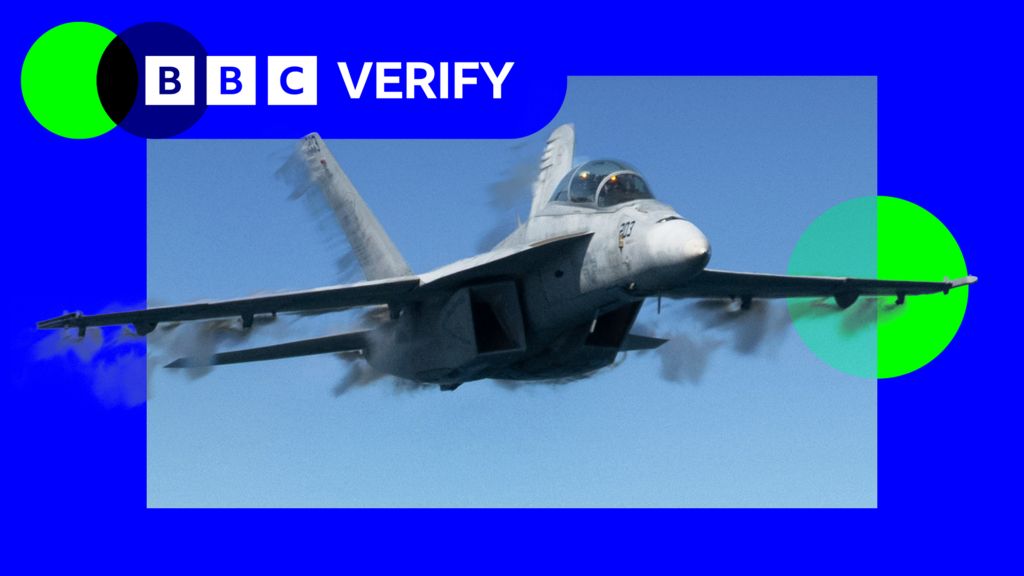
    Two US F/A-18 Super Hornets executed a precise aerial maneuver along Venezuela’s coastline on Tuesday, circling the Gulf of Venezuela for approximately 40 minutes in what defense officials described as a “routine training flight.” The incident, tracked by flight monitoring services, revealed the advanced fighter jets operating under callsigns RHINO11 and RHINO12 approached within 20 nautical miles of Venezuela’s second-largest city, Maracaibo.

    The operation coincided with the presence of an EA-18G Growler surveillance aircraft, designated GRIZZLY2, which conducted parallel intelligence-gathering activities. Aviation experts noted the aircraft only activated their transponders upon reaching the Venezuelan coastal region, suggesting a deliberate demonstration of US military capabilities.

    This development occurs amidst escalating tensions between Washington and Caracas, following a series of US maritime strikes targeting alleged drug trafficking operations in the Caribbean. These operations have resulted in over 80 casualties, raising international concerns about their legal justification.

    Venezuelan President Nicolás Maduro has characterized the increased US military presence as part of an orchestrated campaign to destabilize his government. His accusations gained traction when former President Donald Trump publicly stated that Maduro’s “days in power were numbered” in an interview preceding the aerial incursion.

    Military analysts interpret the flight patterns as sophisticated intelligence gathering. According to former RAF Air Marshal Greg Bagwell, the mission likely aimed to probe Venezuelan defense systems, with Growlers collecting signals intelligence while Super Hornets provided protective cover. The operation potentially tested electronic jamming capabilities and assessed response protocols of Venezuelan air defense networks.

    The strategic deployment includes at least nine military vessels recently identified in the Caribbean, spearheaded by the USS Gerald Ford aircraft carrier. Satellite imagery analysis confirms the reactivation of Roosevelt Roads airbase in Puerto Rico, now hosting advanced F-35 fighter aircraft, marking a significant enhancement of US operational capacity in the region.

    Security consultant Justin Crump of Sibylline assessed that these demonstrations serve dual purposes: showcasing technical superiority while psychologically pressuring Venezuelan leadership through visible military posturing.

  • Nobel Peace Prize winner will be in Oslo but won’t make awards ceremony

    Nobel Peace Prize winner will be in Oslo but won’t make awards ceremony

    In a dramatic development surrounding this year’s Nobel Peace Prize ceremonies, Venezuelan opposition leader María Corina Machado will miss the official award presentation in Oslo despite confirming her imminent arrival in Norway. The Nobel Institute announced that while the laureate is “safe” and en route to the Norwegian capital, her arrival timeframe between Wednesday evening and Thursday morning would preclude attendance at the scheduled 12:00 GMT ceremony.

    Machado, honored for her courageous struggle to achieve a peaceful democratic transition in Venezuela, has been living underground since July 2024 following contested presidential elections that saw Nicolás Maduro sworn into a third term. The elections were widely condemned both domestically and internationally as fraudulent, sparking widespread protests and resulting in approximately 2,000 arrests, including numerous members of Machado’s opposition coalition.

    In an audio recording released by the Nobel Institute, Machado asserted: “I will be in Oslo, I am on my way.” Her daughter, Ana Corina Sosa, is expected to accept the prestigious award on her behalf and deliver the speech Machado prepared for the occasion.

    The opposition leader’s last public appearance occurred on January 9th at a rally protesting Maduro’s inauguration. Since entering hiding, Machado has maintained communication with supporters through social media videos and interviews, consistently urging continued resistance against what she characterizes as an authoritarian regime.

    The Nobel Institute’s earlier uncertainty about Machado’s whereabouts had generated significant concern among her international supporters. The extraordinary secrecy surrounding her travel arrangements—including how she evaded travel restrictions and departed her hiding place—remains intact.

    Adding emotional depth to the situation, two of Machado’s children and her mother await her arrival in Oslo, anticipating their first reunion in over a year. The Nobel Peace Prize recognition has galvanized Machado’s supporters and drawn global attention to Venezuela’s ongoing political crisis.

  • US could ask foreign tourists for five-year social media history before entry

    US could ask foreign tourists for five-year social media history before entry

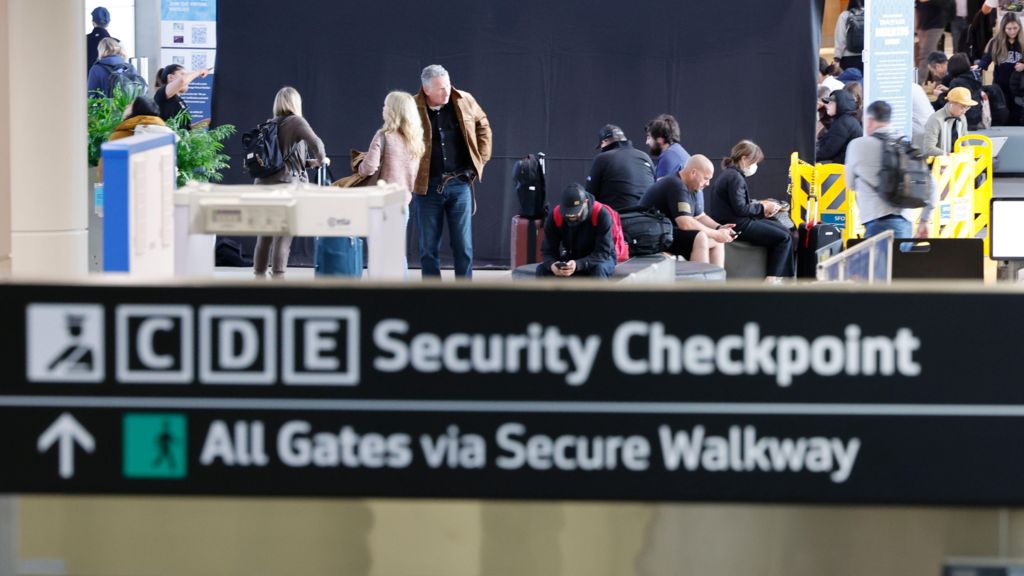
    The United States Department of Homeland Security (DHS) and Customs and Border Protection (CBP) have introduced a controversial proposal mandating visa-free tourists to submit five years of social media history as a new condition for entry. This significant policy shift, published in the Federal Register, would impact citizens from approximately 40 countries participating in the Visa Waiver Program, including the United Kingdom, Australia, Japan, and European Union nations.

    The proposed regulation expands the existing Electronic System for Travel Authorization (ESTA) requirements beyond the current $40 fee and basic biographical information. Applicants would now need to provide comprehensive digital footprints including all social media identifiers used over the past five years, telephone numbers from the previous decade, and extended family member details. The measure specifically affects those eligible for 90-day visa-free visits under the ESTA program.

    This initiative stems from President Donald Trump’s January executive order titled ‘Protecting the United States From Foreign Terrorists and Other National Security and Public Safety Threats.’ The administration has previously implemented similar requirements for student and H1B skilled worker visas, now extending digital scrutiny to tourist admissions. Officials cite enhanced national security screening as the primary motivation, particularly following recent security incidents including a Washington DC shooting involving an Afghan suspect.

    The proposal emerges as the United States prepares for major international events including the 2026 FIFA World Cup (co-hosted with Canada and Mexico) and the 2028 Los Angeles Olympics, potentially affecting millions of prospective visitors. A 60-day public comment period has commenced, during which privacy advocates and immigration experts are voicing substantial concerns.

    Digital rights organizations including the Electronic Frontier Foundation have condemned the measure as potentially exacerbating civil liberties violations. Immigration law firm Fragomen warns of practical consequences including extended ESTA processing times and administrative complications. The proposal follows documented declines in international tourism to the United States, with industry analysts noting a concerning trend of reduced visitor spending and Canadian boycott movements protesting Trump administration policies.

  • European nations agree to consider weakening protections for migrants dating to WWII

    European nations agree to consider weakening protections for migrants dating to WWII

    BRUSSELS (AP) — In a significant policy shift reflecting Europe’s evolving political landscape, 46 member states of the Council of Europe have initiated deliberations that could substantially reinterpret human rights protections for migrants. The discussions, held Wednesday in Strasbourg, France, signal a growing consensus toward modifying the application of the European Convention on Human Rights—a foundational document established post-World War II.

    Council of Europe Secretary General Alain Berset characterized the 75-year-old convention as a ‘living instrument’ while acknowledging nations’ responsibility to ‘safeguard national vital interests such as security.’ This development emerges as mainstream political parties across Europe increasingly adopt stricter migration policies to counter far-right political advances, despite data showing a 22% decrease in irregular border crossings into the EU this year.

    The movement gained momentum last year when nine nations signed a letter seeking to curtail the powers of the European Court of Human Rights—the council’s independent judicial arm. Critics, including Italy, Denmark and the United Kingdom, argue the court’s interpretations hinder their ability to deport migrant criminals and ensure national security. On Wednesday, 27 nations endorsed a separate statement advocating for less restrictive legal interpretations.

    Andrew Forde, co-founder of the AGORA legal academic group and former council employee, noted this represents the first time in the Council of Europe’s history that member states have explicitly identified a specific population segment for reduced rights protections.

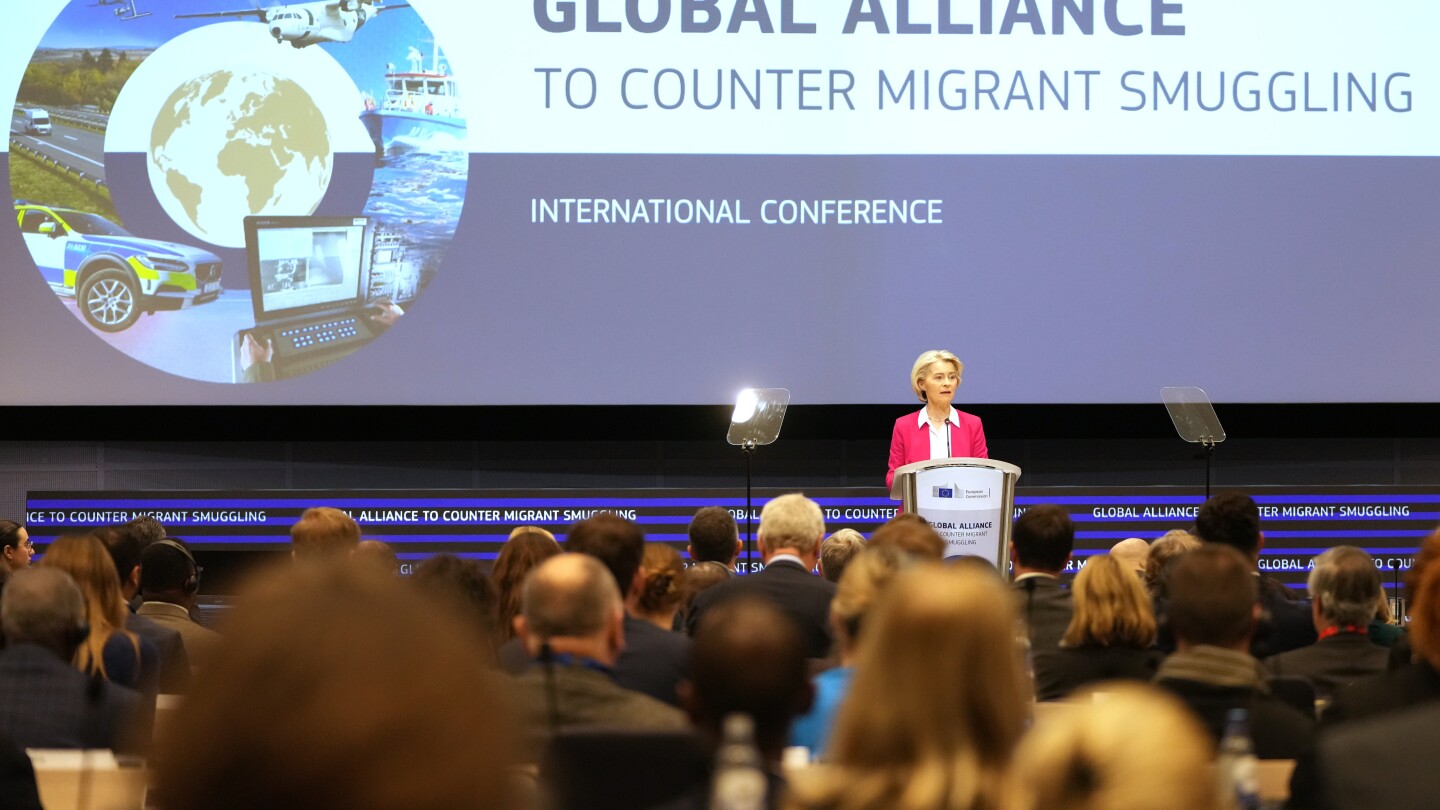
    Concurrently, European Commission President Ursula von der Leyen pledged in Brussels to dismantle human smuggling networks, declaring: ‘Our goal is simple. We want to bankrupt their businesses through all means available.’ This commitment came during the second anniversary observance of the EU-led Global Alliance to Counter Migrant Smuggling.

    Paradoxically, while migration dominates political discourse, European nations simultaneously invest in programs to attract foreign workers to address aging populations and labor shortages, highlighting the continent’s complex relationship with migration policy.

  • Elon Musk says Doge was ‘somewhat successful’ but he would not do it again

    Elon Musk says Doge was ‘somewhat successful’ but he would not do it again

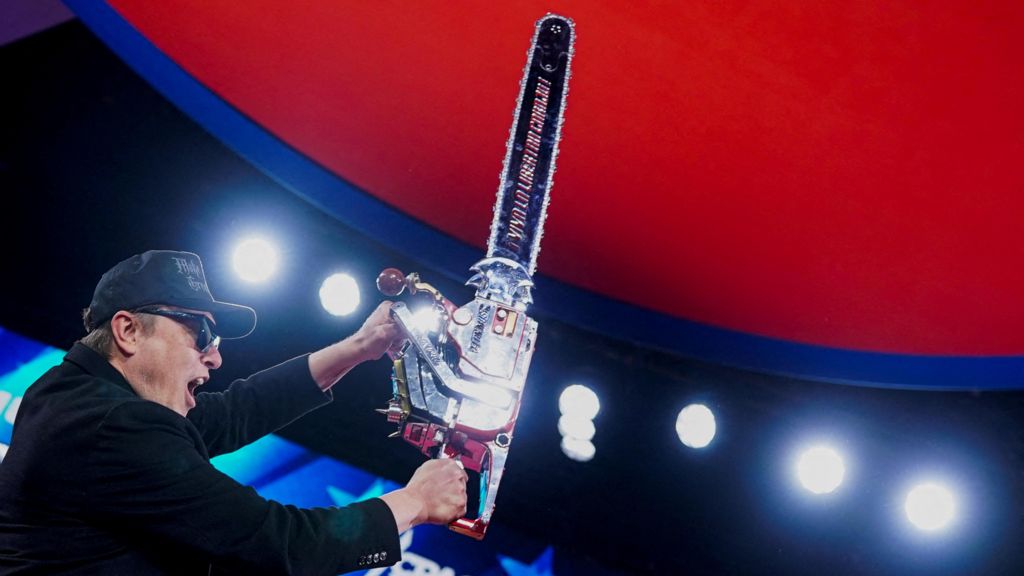
    In a revealing podcast interview, Elon Musk disclosed he would not reassume leadership of the Department of Government Efficiency (Doge) if given the opportunity, citing negative consequences for his corporate empire. The Tesla and SpaceX CEO made these remarks during an hour-long conversation on The Katie Miller Podcast, reflecting on his tumultuous tenure leading the Trump administration’s cost-cutting initiative.

    Musk departed Doge in May after initially pledging to save approximately $2 trillion annually through aggressive federal workforce reductions and program eliminations. The organization’s website claims $214 billion in savings this year, though Musk characterized the overall effort as only “a little bit successful” in achieving its objectives.

    When asked by host Katie Miller—a former White House adviser and Doge spokesperson—whether he would repeat his government service, Musk responded unequivocally: “I mean no, I don’t think so.” He indicated he would have preferred focusing exclusively on his companies, noting “they wouldn’t have been burning the cars” in reference to vandalism attacks targeting Tesla facilities and vehicles earlier this year.

    The billionaire’s high-profile political role sparked global protests and consumer boycotts against Tesla, contributing to the company’s sales plummeting to their lowest level in three years. Tesla warned investors that “changing political sentiment” continued to negatively impact demand.

    Despite his regrets, Musk defended Doge’s mission, stating: “You really want the least amount done by government as possible.” He asserted the advisory group—created through executive order on Trump’s first day back in office—had “stopped a lot of funding that really just made no sense,” including pushing for massive federal workforce reductions and attempting to shutter agencies like USAID.

    Musk revealed the unconventional name “Doge” originated from “internet suggestions,” acknowledging the group’s unofficial status within government. Several of its initiatives faced legal challenges or swift reversals, including the firing and subsequent rehiring of USDA bird flu officials.

    The Tesla CEO’s government service also strained his relationship with President Trump, culminating in a June falling-out when Musk criticized a Trump-backed spending bill. This triggered a public war of words on social media, with Trump threatening to investigate Musk’s government contracts.

    The relationship has since mended, with Musk attending a White House dinner in November and speaking positively of Trump’s “great sense of humor” during the podcast interview.

  • Ukraine to give revised peace plans to US as Kyiv readies for more talks with its coalition partners

    Ukraine to give revised peace plans to US as Kyiv readies for more talks with its coalition partners

    In a significant diplomatic development, U.S. President Donald Trump revealed Wednesday that he had engaged in substantive discussions with European counterparts regarding potential pathways to end the Ukraine conflict. The phone consultation with German Chancellor Friedrich Merz, British Prime Minister Keir Starmer, and French President Emmanuel Macron addressed what Trump characterized as “pretty strong terms” for a settlement, with a proposed follow-up meeting this weekend involving U.S. and Ukrainian representatives.

    The negotiations have reached what European leaders describe as “a critical moment” as Washington pursues a swift compromise to conclude hostilities that began with Russia’s full-scale invasion in 2022. This American urgency has reportedly constrained Kyiv’s diplomatic flexibility, placing President Volodymyr Zelenskyy in a delicate position where he must simultaneously safeguard national interests while demonstrating willingness to compromise to the Trump administration.

    Zelenskyy confirmed that Ukraine was preparing to submit its latest peace framework to U.S. negotiators, coinciding with planned virtual discussions Thursday with approximately 30 supporting nations dubbed the “Coalition of the Willing.” These allies have reinforced Zelenskyy’s efforts to ensure any settlement both addresses Ukrainian sovereignty and deters future Russian aggression while accommodating European security concerns.

    The Ukrainian leader outlined two primary documents under development: a comprehensive plan for postwar reconstruction and economic development, plus a separate 20-point framework specifically addressing conflict resolution. In a notable shift, Zelenskyy expressed conditional openness to holding presidential elections within 60-90 days if international partners can guarantee security during wartime and necessary legislative adjustments are implemented. This responsiveness follows Trump’s previous questioning of Ukraine’s democratic processes, which echoed similar Russian criticisms.

    The diplomatic landscape is further complicated by the Trump administration’s recently released national security strategy, which explicitly seeks improved relations with Moscow and “reestablished strategic stability with Russia” while characterizing European allies as weak. Russian Foreign Minister Sergey Lavrov praised Trump as “the only Western leader” demonstrating “understanding of the reasons that made war in Ukraine inevitable.”

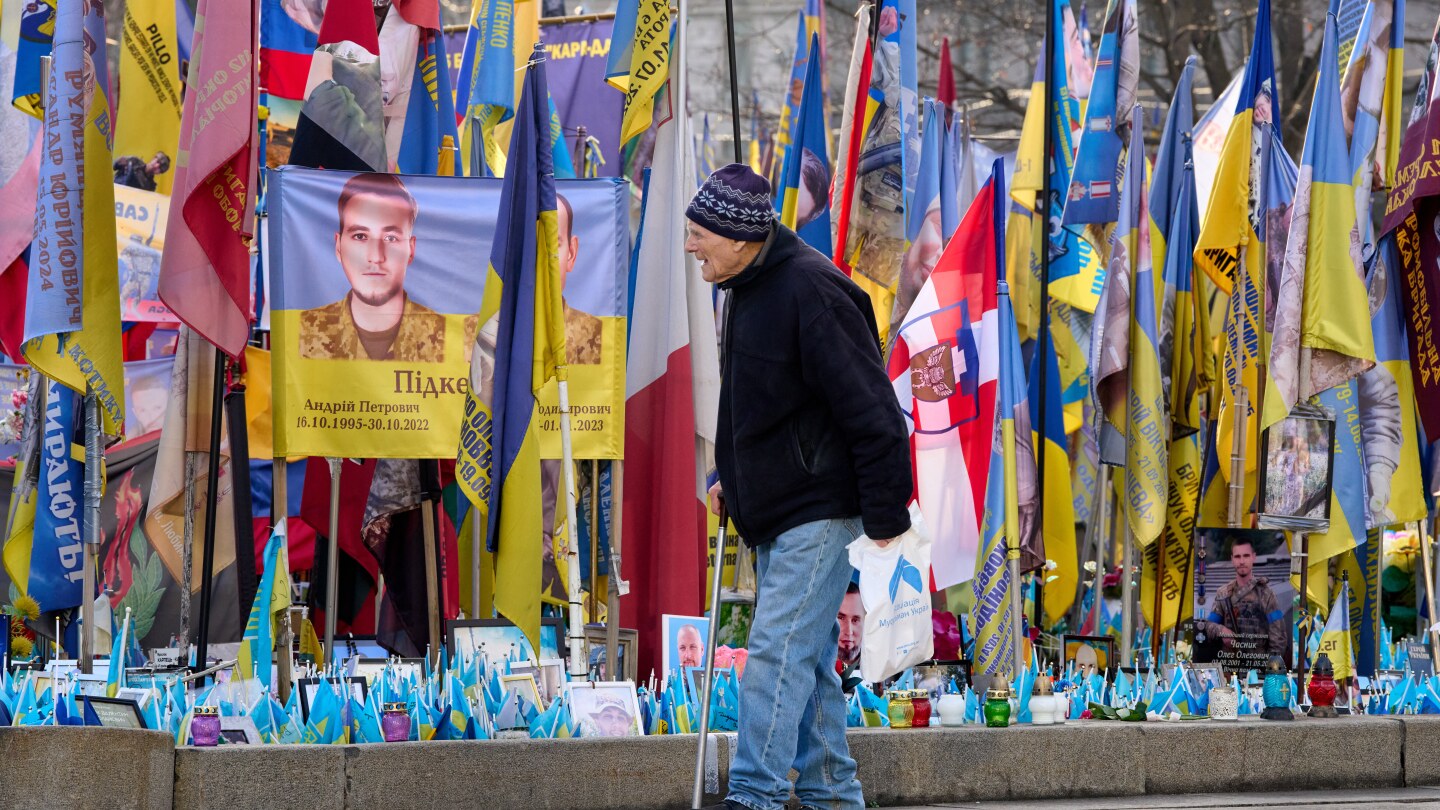
    Meanwhile, military assistance to Ukraine has declined significantly since the Trump administration mandated that NATO countries fund any further U.S. weapons transfers. According to data from Germany’s Kiel Institute, foreign military aid dropped sharply through 2025, with total support falling to €32.5 billion compared to the €41.6 billion annual average from 2022-2024. While Scandinavian nations and Germany substantially increased contributions, several European countries including Spain and Italy reduced or eliminated their military support.

  • China looks to strengthen LAC relations with release of policy paper

    China looks to strengthen LAC relations with release of policy paper

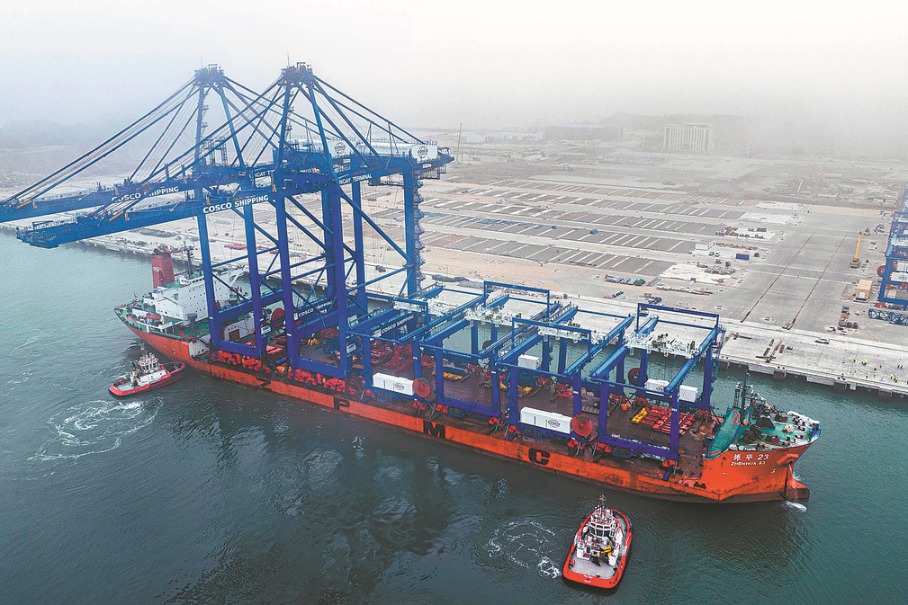
    In a significant diplomatic move, China has released its third comprehensive policy framework for engagement with Latin America and the Caribbean (LAC), marking the first update to its regional strategy in nine years. The document, unveiled on Wednesday by Assistant Foreign Minister Cai Wei, presents an ambitious roadmap for cooperation across more than 40 distinct areas.

    The newly published policy paper represents Beijing’s most detailed articulation of its approach to LAC relations to date, building upon previous frameworks established in 2008 and 2016. The comprehensive document addresses critical areas of mutual interest including trade expansion, investment facilitation, financial cooperation, technological innovation, and climate change mitigation.

    Foreign Ministry officials emphasized that the policy initiative demonstrates China’s commitment to fostering a community with a shared future between the nations. The strategy specifically responds to cooperation priorities and concerns expressed by LAC countries, positioning the document as a foundation for mutually beneficial development.

    Assistant Minister Cai characterized the release as a ‘springboard’ for enhanced collaboration, noting that the initiative aims to generate tangible benefits for citizens across all participating nations. The policy framework emerges amid growing economic ties between China and LAC countries, which have expanded significantly over the past decade through both trade agreements and infrastructure investment programs.

    The timing of this strategic document suggests China’s intention to further institutionalize its relationships throughout the Western Hemisphere, potentially influencing both economic and diplomatic dynamics across the region.

  • HKSAR’s 8th LegCo tasked with fostering Hong Kong’s development: LegCo president

    HKSAR’s 8th LegCo tasked with fostering Hong Kong’s development: LegCo president

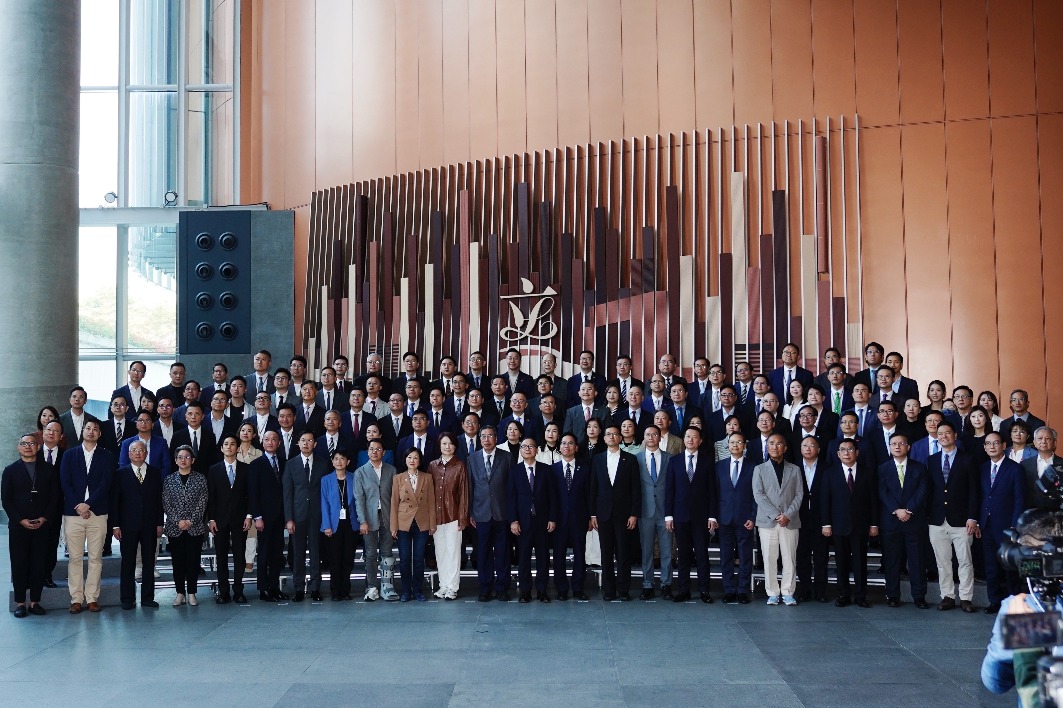
    Hong Kong’s political landscape enters a new chapter as the eighth-term Legislative Council (LegCo) prepares to assume office with a mandate to accelerate the region’s development. Outgoing LegCo President Andrew Leung Kwan-yuen articulated this vision during a transitional press briefing on December 9, 2025, attended by both incumbent legislators and newly elected members.

    The gathering followed Sunday’s electoral proceedings and Monday’s official results announcement, creating a forum for continuity and collaboration between outgoing and incoming representatives. Leung emphasized that the election outcomes demonstrate the successful implementation of the ‘patriots administering Hong Kong’ governance principle, which has established positive momentum for the region’s political development.

    With the new LegCo comprising 50 re-elected veterans and 40 first-time legislators, Leung specifically encouraged experienced members to mentor newcomers during their transition into legislative responsibilities. This knowledge transfer, he suggested, would be crucial for maintaining effective governance and advancing Hong Kong’s reform agenda.

    The eighth-term LegCo is scheduled to commence its four-year legislative term on January 1, 2026, marking the beginning of a new governance cycle for the Hong Kong Special Administrative Region. This transition represents not merely a change of personnel but an opportunity to inject renewed vitality into Hong Kong’s development through collaborative efforts between the legislative body and the HKSAR government.

  • The Group of Friends of Global Governance established at the UN

    The Group of Friends of Global Governance established at the UN

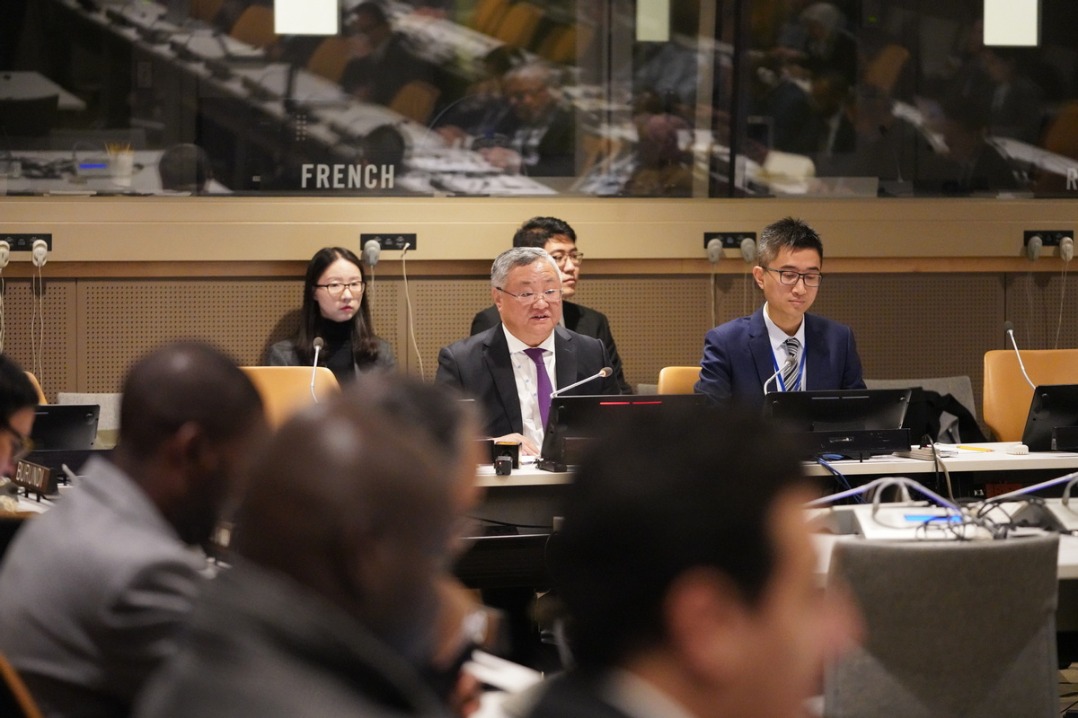
    In a significant move to strengthen multilateral cooperation, the Group of Friends of Global Governance was formally established at United Nations Headquarters in New York on December 9, 2025. The initiative brings together 43 founding member countries including Cuba, Iran, Kenya, Kazakhstan, Morocco, and Malaysia, representing a collective effort to address growing challenges in international governance.

    Chinese Ambassador Fu Cong, the nation’s permanent representative to the UN, announced that the group operates under the guidance of the Global Governance Initiative (GGI) proposed by Chinese President Xi Jinping. This marks the fourth major global initiative launched by President Xi, following previous frameworks focused on development, security, and civilization.

    Ambassador Fu emphasized the timely nature of this collaboration, noting that multilateralism and the UN’s role face unprecedented strain amid what he described as ‘a new period of turbulence.’ The initiative has already garnered support from more than 140 countries and international organizations since its introduction in September 2025.

    The Chinese diplomat framed the establishment within the context of the UN’s 80th anniversary, reminding attendees of the organization’s founding principles following the devastation of two world wars. He outlined five core principles anchoring the GGI: sovereign equality, international rule of law, multilateralism, a people-centered approach, and emphasis on tangible actions.

    Fu stressed the critical importance of preserving historical accuracy regarding World War II outcomes, warning against attempts to ‘whitewash aggression, distort history, or revive militarism.’ He called for strengthened commitment to the UN Charter’s foundational principles and emphasized the inseparable connection between security and development, particularly for developing nations seeking to bridge economic divides and achieve sustainable stability.

  • Events honor role of first provincial governor in modernizing Taiwan

    Events honor role of first provincial governor in modernizing Taiwan

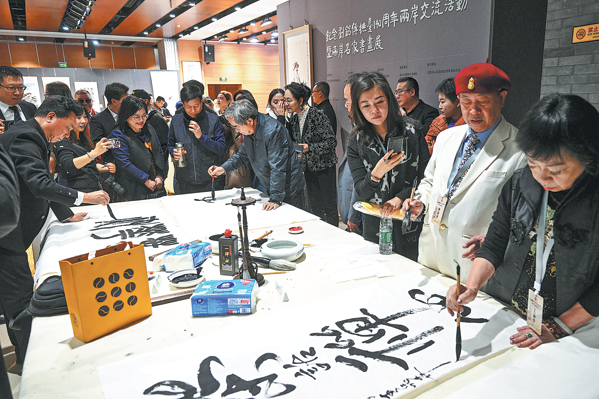
    Beijing hosted a significant cross-strait gathering on Tuesday to commemorate the 140th anniversary of Liu Mingchuan’s appointment as Taiwan’s first provincial governor during the Qing Dynasty. The event at Beijing’s Taiwan Guild Hall brought together representatives from both sides of the strait, highlighting the historical interconnectedness between Taiwan and mainland China.

    Liu Mingchuan, who led successful defenses against French invaders during the Sino-French War (1883-1885), was appointed in 1885 when Taiwan was formally elevated to provincial status. During his six-year tenure, Governor Liu transformed Taiwan into the most progressive province of late Qing China by introducing railway systems, telegraph technology, and modern infrastructure, earning him the title ‘father of Taiwan’s modernization.’

    Yang Yizhou, Vice-Chairman of the All-China Federation of Taiwan Compatriots, emphasized that Taiwan’s establishment as a province ‘institutionally reinforced Taiwan’s status as an inseparable part of Chinese territory.’ He noted that UN documents continue to designate Taiwan as ‘Taiwan, Province of China,’ reflecting contemporary reality.

    Yu Shu-chin, President of Taiwan’s Association of World Peace Promotion, addressed current cross-strait tensions, stating that separatist forces advocating ‘Taiwan independence’ are ‘destined to fail.’ She expressed concern about revised curriculum guidelines in Taiwan that obscure historical facts, making it harder for younger generations to learn their history.

    The commemoration included a calligraphy and painting exhibition featuring over 100 works by 91 artists from across the strait, depicting Liu’s life and character. Liu Xuexuan, president of the Liu Mingchuan Research Association and descendant of the governor, expressed hope that the event would build ‘a bridge of understanding across the Taiwan Strait.’

    Participants noted that many Taiwanese locations bear Liu’s name, including Ming Chuan University and the Liu Ming-Chuan Tunnel in Keelung, serving as shared cultural symbols between the mainland and Taiwan.