分类: politics

  • South Africa arrests 12 senior police officers on suspicion of corruption

    South Africa arrests 12 senior police officers on suspicion of corruption

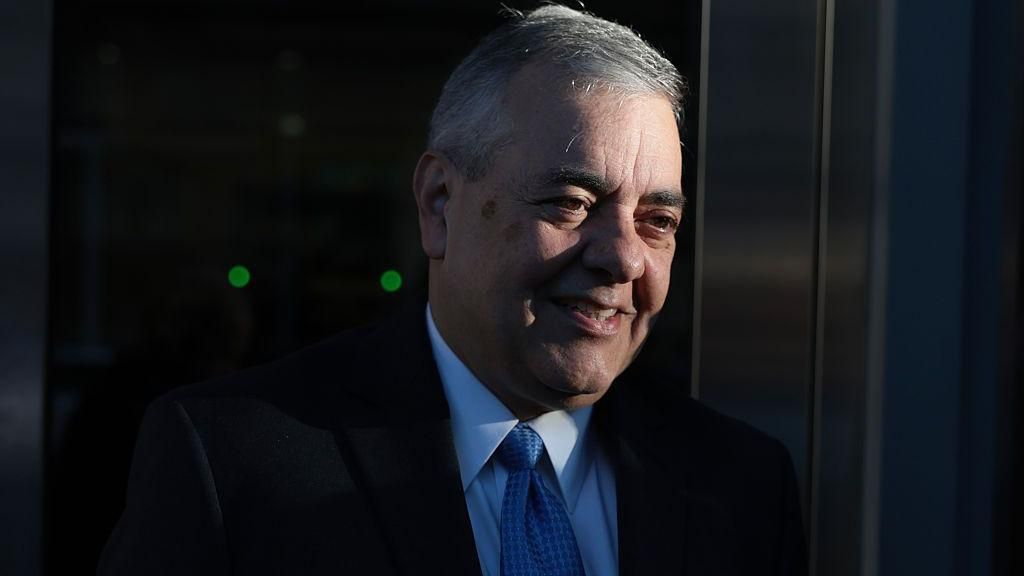
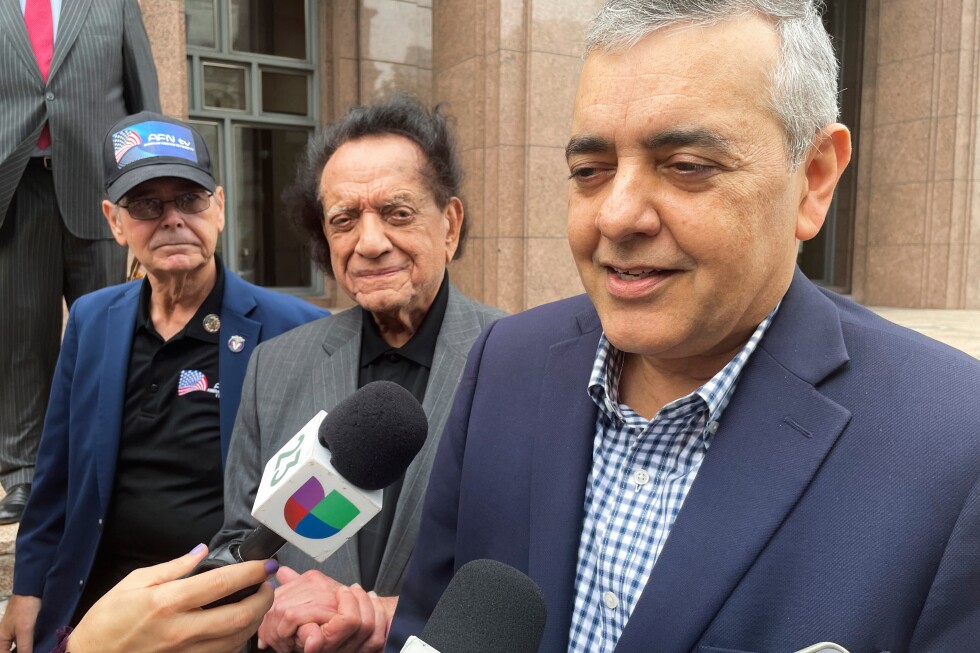
    In a significant escalation of South Africa’s anti-corruption campaign, authorities have detained twelve high-ranking police officials on charges of corruption and fraud. The arrests, confirmed by prosecutors on Wednesday, represent a direct response to mounting concerns about systemic graft within the nation’s law enforcement hierarchy.

    The detained officers, who appeared before the Pretoria Magistrates Court the same day, are implicated in a scandal involving a fraudulent health and wellness services contract awarded to Medicare24, a company with alleged connections to organized crime. Vusimuzi “Cat” Matlala, the company’s director who is currently incarcerated on unrelated attempted murder charges, was also arrested and appeared in court alongside the officers.

    This development occurs against the backdrop of two parallel investigations ordered by President Cyril Ramaphosa. The first presidential commission continues to examine corruption allegations within the police force, which previously led to the suspension of the police minister last year. Simultaneously, a parliamentary inquiry is investigating claims that senior officers maintained corrupt relationships with alleged crime bosses, including financial exchanges for preferential treatment.

    Prosecutors revealed that several arrested officers served on the bid evaluation committee that improperly awarded the contract to Medicare24. According to the National Prosecuting Authority’s investigative unit, these officers failed to disqualify the company’s application despite clear grounds for exclusion.

    All defendants have submitted affidavits supporting their bail applications, with prosecutors indicating they would not oppose temporary release pending further investigations. The case represents a critical test for Ramaphosa’s administration as it attempts to demonstrate tangible progress in combating institutional corruption.

  • Senate confirms new chief for Homeland Security

    Senate confirms new chief for Homeland Security

    The United States Senate has formally confirmed Markwayne Mullin as the new Secretary of Homeland Security, voting 54-45 to install the Oklahoma Republican at the helm of the embattled agency. The 48-year-old former senator assumes leadership during a critical period marked by a partial government shutdown and ongoing immigration enforcement challenges.

    Mullin succeeds Kristi Noem, who was dismissed earlier this month following controversy surrounding a large-scale operation against undocumented migrants in Minnesota. The operation resulted in federal agents fatally shooting two protesters who were U.S. citizens, contributing to the leadership change.

    During his confirmation hearing, Mullin emphasized his intention to reduce the public profile of both the Department of Homeland Security and its Immigration and Customs Enforcement division. His appointment comes as the agency grapples with funding limitations that began on February 14, with Democratic lawmakers pushing for comprehensive immigration enforcement reforms.

    The prolonged shutdown has significantly impacted DHS operations, particularly affecting the Transportation Security Administration. Hundreds of TSA employees have worked without compensation for weeks, leading to more than 300 resignations nationwide and creating substantial travel delays at airports across the country.

    In response to the escalating airport security crisis, President Trump announced on Sunday that ICE agents would be deployed to affected airports. This decision has raised concerns among aviation workers and union representatives, who note that immigration agents lack the specialized training of TSA personnel.

    Everett Kelley, national president of the American Federation of Government Employees, issued a statement criticizing the move: “Our members deserve to be paid, not replaced by untrained, armed agents who have shown how dangerous they can be.” The unusual deployment of immigration officers at domestic security checkpoints represents a significant escalation in the ongoing standoff over funding and immigration policy.

  • Trump’s approval rating hits new low amid surging fuel prices, Iran war disapproval: poll

    Trump’s approval rating hits new low amid surging fuel prices, Iran war disapproval: poll

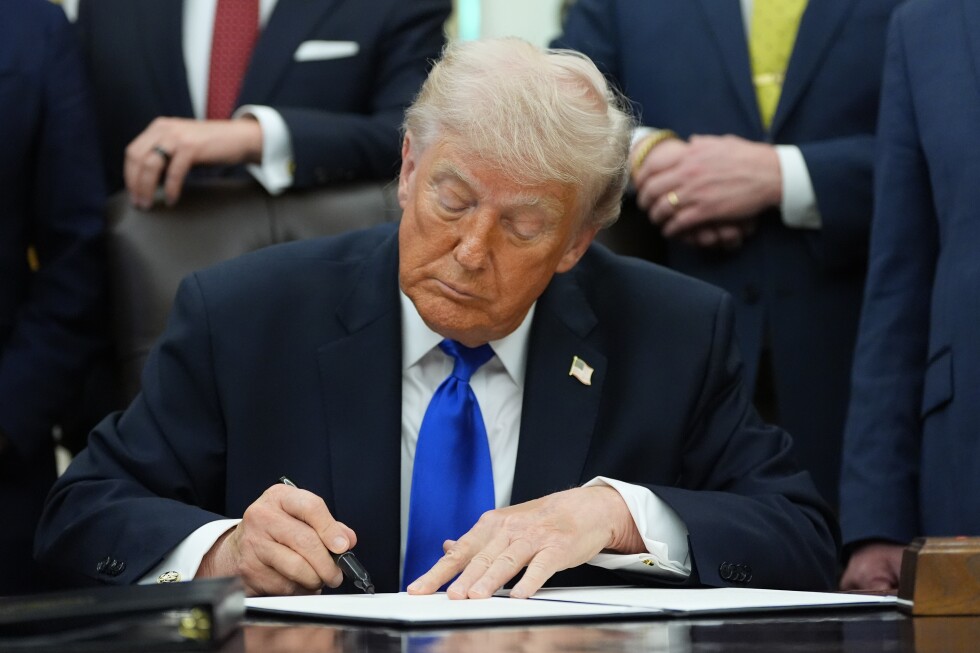
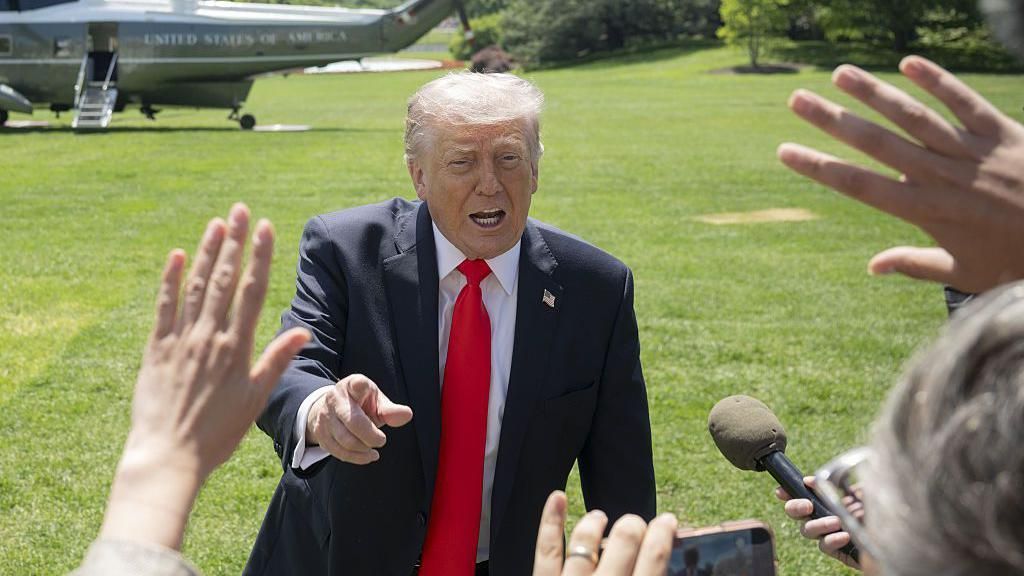
    President Donald Trump’s public approval has collapsed to unprecedented depths during his second term, reaching its lowest recorded level according to the latest Reuters/Ipsos survey released Tuesday. The comprehensive poll, conducted over four days through Monday, reveals only 36% of American citizens now endorse Trump’s presidential performance—a significant four-point drop from the previous week’s reading.

    The dramatic decline appears directly linked to two critical factors: skyrocketing fuel prices that are straining household budgets nationwide, and mounting public opposition to the ongoing military engagement with Iran that Trump initiated three weeks ago. The conflict has triggered unusual dissent from within the President’s own political orbit, including prominent MAGA movement figures who previously supported his agenda.

    Economic concerns appear central to the approval crash. A mere 25% of respondents expressed satisfaction with Trump’s handling of living costs—particularly striking given his campaign emphasis on economic issues during the 2024 election victory. The survey further indicates only 29% approve of his overall economic stewardship, representing the lowest economic rating of either Trump administration and falling below even the poorest ratings recorded by his predecessor President Joe Biden.

    The Iran conflict has generated remarkable internal pushback, with influential conservative voices including former strategist Steve Bannon, commentator Tucker Carlson, and media personality Megyn Kelly publicly breaking with the administration over military operations. This unusual dissent from key allies suggests deepening political vulnerability as business leaders and political figures increasingly call for conflict resolution.

    The convergence of economic pressure and foreign policy discontent has created the most challenging period of Trump’s second term, testing the resilience of his political base while providing ammunition to critics who question both his economic and military leadership.

  • Belarusian President Lukashenko arrives in North Korea for talks with Kim Jong Un

    Belarusian President Lukashenko arrives in North Korea for talks with Kim Jong Un

    Belarusian leader Alexander Lukashenko commenced an official state visit to North Korea on Wednesday, marking a significant diplomatic engagement between two nations increasingly aligned against Western powers. The long-serving president was formally received at Pyongyang’s Sunan International Airport by senior North Korean official Kim Tok Hun, recently appointed vice premier, according to reports from Belarusian state media.

    The meeting between Lukashenko and North Korean Supreme Leader Kim Jong Un represents the latest development in strengthening bilateral relations between Minsk and Pyongyang. This diplomatic engagement follows their previous encounter in September 2025 during multilateral meetings in Beijing, where Kim extended the invitation for Lukashenko to visit North Korea.

    Both nations have positioned themselves as strategic partners to Russia amid ongoing geopolitical tensions. Lukashenko has permitted Belarusian territory to serve as a staging ground for Russian military operations in Ukraine and authorized the deployment of Russian tactical nuclear weapons within his country. Similarly, North Korea has provided substantial military support to Moscow’s campaign in Ukraine while pursuing an increasingly assertive foreign policy against American influence.

    During preparatory discussions earlier this week, Kim Jong Un delivered vehement criticism of United States foreign policy, accusing Washington of ‘state terrorism and aggression’ in global affairs. The North Korean leader emphasized the need for strengthened alliances among nations opposing American hegemony.

    The current visit is expected to culminate in the signing of a comprehensive friendship and cooperation treaty, building upon previous diplomatic exchanges including Belarusian Foreign Minister Maxim Ryzhenkov’s 2024 visit to North Korea. This agreement would formalize the growing partnership between two nations that have found common cause in their opposition to Western geopolitical dominance.

  • Efforts increase cross-Strait connectivity

    Efforts increase cross-Strait connectivity

    China’s newly ratified 15th Five-Year Plan (2026-2030) has charted an ambitious course for enhanced integration between Fujian province and Taiwan-administered territories, marking a significant advancement in cross-Strait connectivity. The strategic blueprint prioritizes the establishment of a seamless ‘common market’ framework that promises to transform economic and social ties across the region.

    The human dimension of this integration is exemplified by individuals like Chang Yang-yang, a Traditional Chinese Medicine practitioner at Xiamen Chang Gung Hospital. For Chang, what was once an arduous journey between his workplace and his ancestral home on Jinmen Island has evolved into a routine 20-minute commute—a dramatic improvement from the hour-plus crossings of his childhood.

    This transformation stems from systematic infrastructure upgrades implemented since the inauguration of direct ferry services in January 2001. The evolution from paper-based documentation to advanced facial recognition systems illustrates the technological progression enabling this connectivity revolution. The integration has expanded beyond transportation to encompass institutional coordination, economic cooperation, and physical infrastructure alignment.

    Chang’s personal narrative underscores the practical benefits of this integration. Having witnessed Jinmen’s historical medical resource limitations during his youth—where serious illnesses necessitated hazardous journeys to Taiwan’s main island—he deliberately pursued medical studies at Xiamen University. Now, he regularly returns to provide complimentary medical services to his community, embodying the human-centered development envisioned by the integration policy.

    The geographic proximity of Jinmen (approximately 2 kilometers from Fujian’s coast) and Matsu positions these islands as natural testing grounds for deeper cross-Strait collaboration. The ongoing improvements reflect a gradual but consistent advancement in regional connectivity, with the new Five-Year Plan expected to accelerate this trend through structured economic integration and enhanced people-to-people exchanges.

  • US sent Iran 15-point plan aimed at month-long ceasefire: Israeli media

    US sent Iran 15-point plan aimed at month-long ceasefire: Israeli media

    JERUSALEM—In a significant diplomatic maneuver, the United States has presented Iran with a comprehensive 15-point proposal aimed at establishing a month-long ceasefire, according to exclusive reporting from Israel’s Channel 12. The initiative, delivered amid heightened regional hostilities, outlines a structured framework for de-escalation and potential long-term agreement.

    The proposed roadmap, reportedly advanced by senior advisors to former President Donald Trump including Jared Kushner and Steve Witkoff, seeks an immediate 30-day cessation of hostilities. This temporary pause would create a diplomatic window for finalizing a more comprehensive agreement addressing multiple points of contention between the nations.

    Central to the proposal are stringent demands regarding Iran’s nuclear program. Tehran would be required to completely dismantle its nuclear weapons capabilities and cease all uranium enrichment activities, coupled with a permanent commitment to non-proliferation. The plan further stipulates that Iran must terminate financial and military support to regional allied groups while guaranteeing uninterrupted international access to the strategic Strait of Hormuz.

    Additional provisions call for limitations on Iran’s missile production, restricting future development exclusively to defensive purposes. In return, Washington offers substantial incentives including complete sanctions relief, technical assistance for civilian nuclear energy development at the Bushehr facility, and elimination of the “snapback” mechanism that could automatically reinstate previously lifted UN sanctions.

    The proposal emerges against a backdrop of escalating violence, with joint US-Israeli strikes against Iranian targets commencing February 28th prompting retaliatory attacks from Iran and its regional allies against American and Israeli interests throughout the Middle East. Israeli Prime Minister Benjamin Netanyahu, maintaining his longstanding opposition to diplomatic engagement with Iran, has yet to issue an official response but recently reiterated his position that Iran’s current leadership cannot be trusted.

  • ‘Shut the door’: Australia to ban Iranian visa holders citing ‘national interest’

    ‘Shut the door’: Australia to ban Iranian visa holders citing ‘national interest’

    The Australian government has enacted stringent new immigration measures that prohibit Iranian nationals holding visitor visas from re-entering the country, effective immediately. This policy shift comes in response to escalating geopolitical tensions following recent military actions involving Iran, the United States, and Israel.

    Under the revised regulations, individuals possessing subclass 600 visitor visas linked to Iranian passports who are currently outside Australia will be denied entry for a six-month period. The policy makes limited exceptions for immediate family members of Australian citizens or permanent residents, including spouses, de facto partners, dependent children, and parents of minors already residing in Australia.

    Home Affairs Minister Tony Burke defended the measures as necessary for maintaining the integrity of Australia’s migration system. “Many visitor visas were issued prior to the current conflict in Iran that might not have been granted under present circumstances,” Burke stated. He emphasized that permanent residency decisions should reflect deliberate government policy rather than accidental circumstances of travel timing.

    Government officials expressed concern that heightened regional instability increases the likelihood that temporary visa holders might overstay their visas or be unable to return to Iran upon expiration. The six-month suspension period will allow immigration authorities to conduct thorough case assessments while maintaining what the government describes as “flexibility in limited cases.”

    The policy development involved consultations with Iranian diaspora communities but has faced significant criticism from refugee advocacy groups. Kon Karapanagiotidis, Chief Executive of the Asylum Seeker Resource Centre, condemned the measures as effectively “shutting the door” on people seeking safety in Australia.

    The government clarified that the restrictions don’t prevent new visa applications from outside Australia and that special consideration will be given to parents of Australian citizens in exceptional circumstances. The policy also includes provisions for travelers holding active Permitted Travel Certificates, even if they’ve already departed for Australia.

    This controversial move follows the government’s much-publicized offer of asylum to members of the Iranian women’s soccer team earlier this month, of which only two players ultimately remained in Australia.

  • Iran fires missile salvo after Trump signals progress in talks

    Iran fires missile salvo after Trump signals progress in talks

    Amid conflicting signals of military escalation and diplomatic progress, the Middle East conflict entered a critical phase on Wednesday as Iran launched a new missile barrage across the region while the United States indicated potential breakthrough negotiations.

    President Donald Trump revealed that Washington is currently engaged in negotiations with Tehran, describing a significant “present” received from Iranian authorities related to the Strait of Hormuz situation. “They gave us a present and the present arrived today. And it was a very big present worth a tremendous amount of money,” Trump stated in Oval Office remarks, adding “That meant one thing to me—we’re dealing with the right people.”

    Despite these diplomatic overtures, Iran’s Revolutionary Guards conducted simultaneous missile attacks targeting Israeli positions and U.S. bases in Kuwait, Jordan, and Bahrain. The attacks resulted in limited damage at Kuwait International Airport where drones struck a fuel tank, while Jordan reported falling shrapnel near Amman without casualties.

    According to New York Times reports citing unnamed officials, the U.S. has transmitted a 15-point peace proposal to Iran through Pakistani mediators, though it remains unclear whether Israel has endorsed this diplomatic initiative. The proposal emerges as Israel continues strikes against Iranian infrastructure and Hezbollah positions in Lebanon, where recent attacks killed six people in southern regions.

    The conflict originated from the February 28 joint U.S.-Israel operation that killed Iran’s Supreme Leader Ayatollah Ali Khamenei, triggering retaliatory actions that have drawn Lebanon, Iraq, and Gulf states into the expanding regional confrontation.

    Market responses reflected the diplomatic developments, with oil prices dropping over six percent as Trump extended his deadline for Strait of Hormuz resolution by five days, citing diplomatic progress. The strait remains a critical flashpoint, with Iran assuring safe passage to “non-hostile vessels” while maintaining restrictions against U.S. and Israeli shipping.

    International pressure continues to mount, with French President Emmanuel Macron publicly urging Iran to “engage in good faith in negotiations” following discussions with Iranian counterpart Masoud Pezeshkian.

  • Cambodian man deported by the US to Eswatini is being repatriated, his lawyer says

    Cambodian man deported by the US to Eswatini is being repatriated, his lawyer says

    A Cambodian national detained for five months in Eswatini under the Trump administration’s controversial third-country deportation initiative has been released pending repatriation, marking the second such release from the African kingdom. Pheap Rom, who previously served a 15-year U.S. prison term for attempted murder, was transferred to Eswatini in October 2024 under a program that has relocated approximately 300 migrants to nations with which they have no established connections.

    The United States has dispatched 19 migrants to Eswatini across three separate groups since July, pursuant to a $5.1 million agreement permitting detainment for up to one year. While Eswatini’s government characterizes these individuals as being in ‘transit,’ legal representatives contest the lawfulness of their detention without criminal charges in the host nation.

    This case highlights ongoing judicial scrutiny of the third-country deportation policy, which faces multiple legal challenges in both U.S. courts and recipient nations. Last month, a federal judge ruled the program unlawful due to insufficient procedural protections, though an appeals court subsequently suspended that decision.

    The selection of partner countries—including Eswatini, South Sudan, and Equatorial Guinea—has drawn criticism from human rights advocates and Democratic lawmakers. These nations have been criticized for authoritarian governance patterns and questionable human rights records, raising ethical concerns about the financial arrangements underpinning the deportation agreements.

    Rom’s attorney, Tin Thanh Nguyen, emphasized that the release validates their position that these deportations constitute unnecessary and illegal detention, fundamentally bypassing established immigration protocols and denying deportees their legal rights.

  • Penny Wong warns Israel Minister Australia does ‘not want’ Lebanon occupation

    Penny Wong warns Israel Minister Australia does ‘not want’ Lebanon occupation

    Australian Foreign Minister Penny Wong has issued a stern warning to Israel regarding its proposed military operations in southern Lebanon, emphasizing Canberra’s firm stance against any occupation of Lebanese territory. The diplomatic exchange occurred during a Tuesday night telephone conversation with Israeli Foreign Minister Gideon Sa’ar, where Wong expressed grave concerns about the potential expansion of conflict in the region.

    This high-level discussion follows Israel’s Defense Minister Israel Katz announcing plans for Israeli forces to establish control over extensive areas south of Lebanon’s Litani River. Katz described the intended operation as creating a “security zone” between Israel’s northern border (designated as the Blue Line) and the river, purportedly to enhance Israel’s security posture.

    The humanitarian situation has reached critical levels with over 1,000 Lebanese casualties reported since hostilities intensified, including more than 100 children killed in Israeli strikes targeting Hezbollah positions. The conflict has triggered massive displacement, forcing more than one million people from their homes amid escalating violence.

    Minister Wong explicitly communicated Australia’s support for Lebanon’s sovereignty and territorial integrity, stating: “We do not want to see occupation of southern Lebanon by Israel.” She further urged all parties to adhere strictly to international humanitarian law while emphasizing the imperative protection of civilians and humanitarian workers.

    The Australian diplomat also addressed concerning statements from Israeli Finance Minister Bezalel Smotrich, who had previously suggested expanding Israel’s borders into Lebanese territory and annexing occupied areas in Gaza and Syria. Additionally, Wong raised alarms about increasing violence by Israeli settlers against Palestinians in the West Bank and pressed for the safe return of Australian diplomats to Ramallah, the de facto administrative capital of Palestine.

    Historical context underscores the sensitivity of Israeli operations in southern Lebanon, where Israel maintained occupation forces from 1982 until their withdrawal in 2000 following sustained resistance from Hezbollah. The current hostilities represent a significant escalation since the outbreak of the Gaza conflict and subsequent Israeli strikes against Iranian targets.

    Wong also reiterated Australia’s condemnation of Iran’s activities in the Strait of Hormuz, noting that Tehran’s “weaponization” of the critical waterway has disrupted global energy supplies and contributed to rising oil prices worldwide, adversely affecting households and businesses across international markets.