分类: politics

  • US State Department changes official font in latest anti-diversity move

    US State Department changes official font in latest anti-diversity move

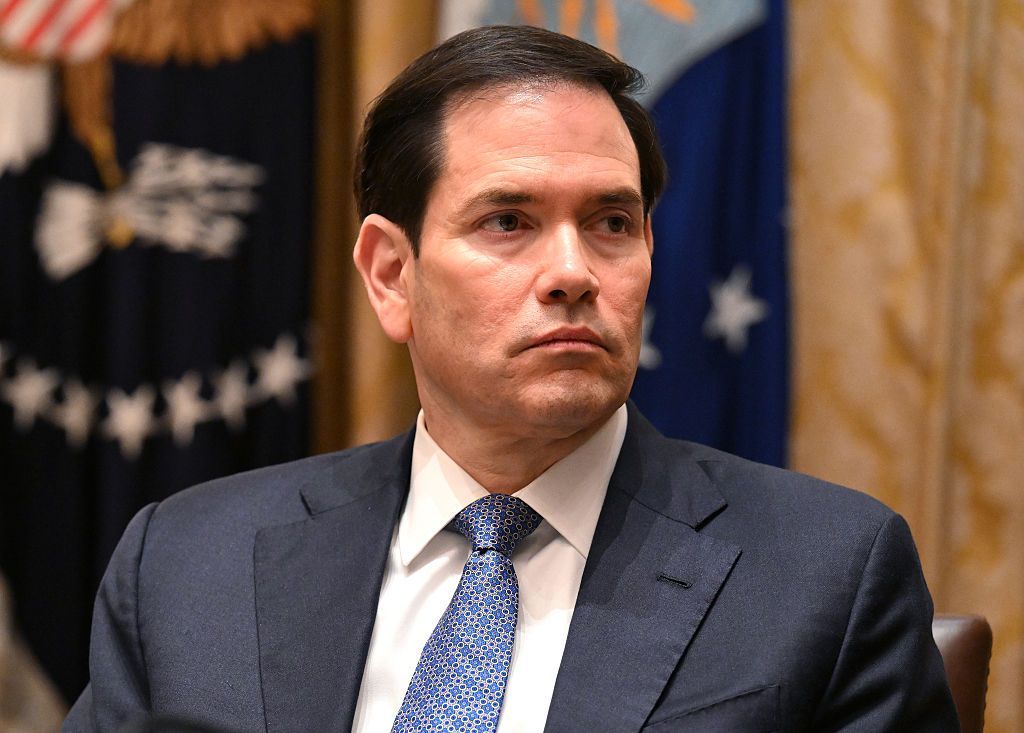
    In a significant policy reversal, U.S. Secretary of State Marco Rubio has mandated the State Department to abandon the Calibri font and return to using Times New Roman for all official documents. This decision overturns a previous directive implemented during the Biden administration under Secretary Antony Blinken, who had introduced Calibri to enhance accessibility for individuals with disabilities.

    The new font policy, effective December 10th, applies to both internal communications and external documents. Secretary Rubio justified the reversal as necessary to maintain ‘formality and professionalism’ in governmental correspondence. This change aligns with the Trump administration’s broader objective to present a unified, professional voice across all federal communications.

    Times New Roman, a traditional serif font characterized by small lines extending from letters, has long been standard in legal, legislative, and official government documents. In contrast, Calibri is a sans serif font without these embellishments, specifically designed for improved digital screen legibility, particularly benefiting those with visual impairments or reading difficulties.

    Dutch typeface designer Lucas de Groot, creator of Calibri, expressed mixed reactions to the policy shift, describing it as both ‘sad and hilarious.’ He noted that Calibri was originally developed to replace Times New Roman specifically for its superior performance on modern computer screens.

    According to an internal department cable obtained by Reuters, Secretary Rubio characterized the previous administration’s font choice as part of ‘wasteful’ diversity initiatives. This font policy change represents the latest in a series of actions by the Trump administration to eliminate diversity, equity, and inclusion programs across federal agencies, including recent decisions to alter free admission days at national parks.
  • EU enlargement chief says Ukraine’s membership ‘inevitable’ despite Hungary’s objections

    EU enlargement chief says Ukraine’s membership ‘inevitable’ despite Hungary’s objections

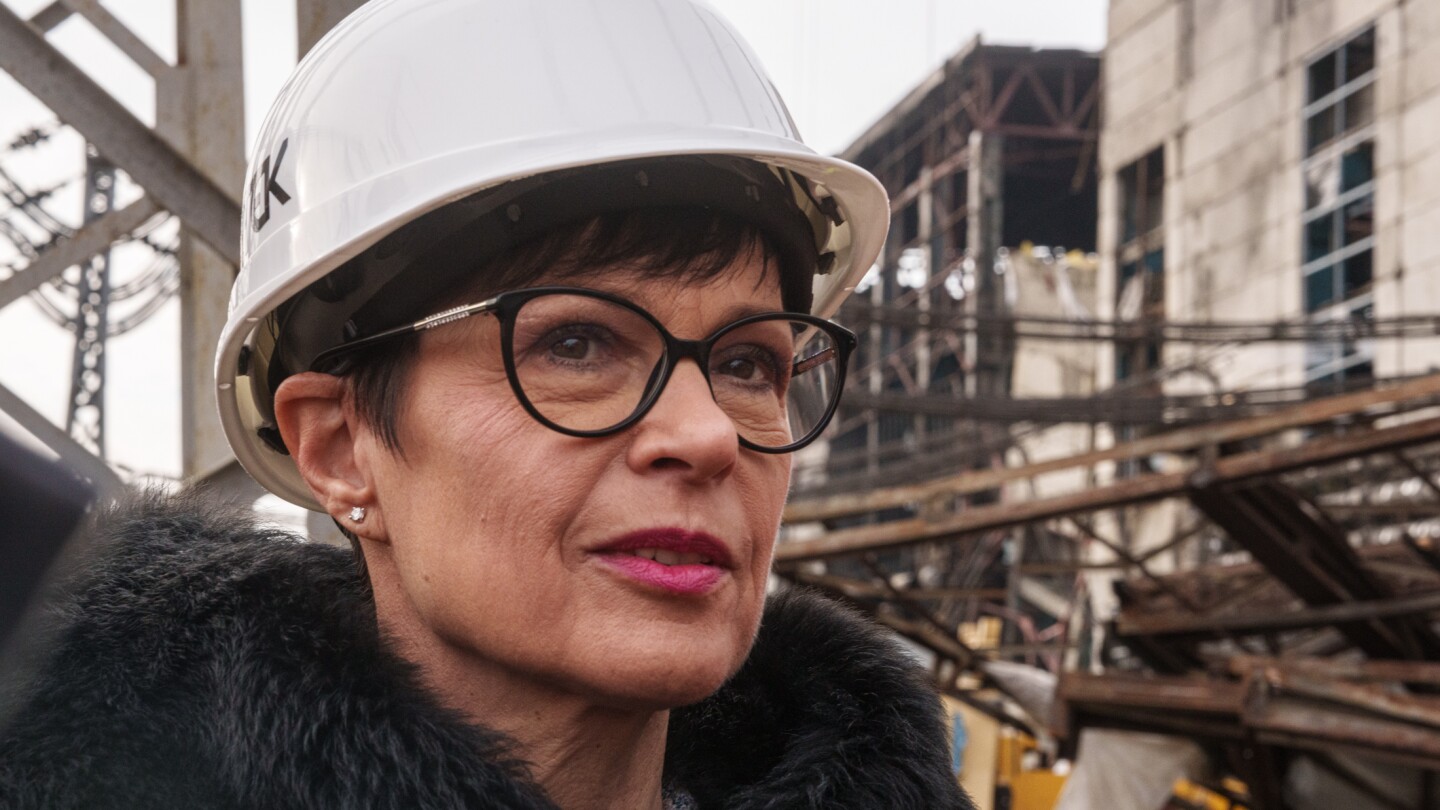
    KYIV, Ukraine — European Union Enlargement Commissioner Marta Kos expressed unwavering confidence during a visit to war-torn Ukraine that the nation’s accession to the bloc remains unstoppable, despite objections from Hungarian Prime Minister Viktor Orbán.

    Speaking at a severely damaged thermal power plant in western Ukraine, the Slovenian diplomat dismissed concerns about Hungary potentially derailing Ukraine’s EU membership path. “I’m not worried,” Kos told reporters amidst the wreckage of critical energy infrastructure targeted by Russia’s systematic campaign. “I would be concerned only if there were legitimate substantive reservations.”

    Kos characterized Ukraine’s eventual EU integration as “inevitable” and described it as a “political anchor of security guarantees,” emphasizing that “There has never been a war on the territory of the European Union.” Her remarks came as she convened an informal meeting of European affairs ministers to prepare for the next phase of accession negotiations.

    While Ukraine aspires to join the bloc by 2030, Prime Minister Orbán has opposed initiating membership talks during ongoing hostilities. Kos directly addressed these objections, stating, “We do not require Orbán’s approval to implement the reforms essential for Ukraine’s EU membership.”

    The Commissioner suggested the accession process could accelerate based on reform implementation, noting, “The pace of this journey depends entirely on Ukraine’s progress with necessary transformations.”

    Her visit included an inspection of a devastated power facility operated by private utility DTEK, where heavy machinery stood blackened, control panels melted, and structural damage revealed gaping openings to the sky. Turbine operator Andrii, who requested partial anonymity for security reasons, recounted the chaos of recent attacks: “The initial sensation is an overwhelming adrenaline surge. Thick smoke, deafening noise, and intense pressure create disorientation amid escaping steam and high-temperature feedwater.”

    Kos praised the extraordinary resilience of Ukrainian energy workers and citizens, declaring, “No nation worldwide demonstrates greater fortitude than Ukrainians. Putin anticipated a week-long conquest, yet nearly four years later, you stand as victors.”

  • US judge blocks Trump’s National Guard deployment in Los Angeles

    US judge blocks Trump’s National Guard deployment in Los Angeles

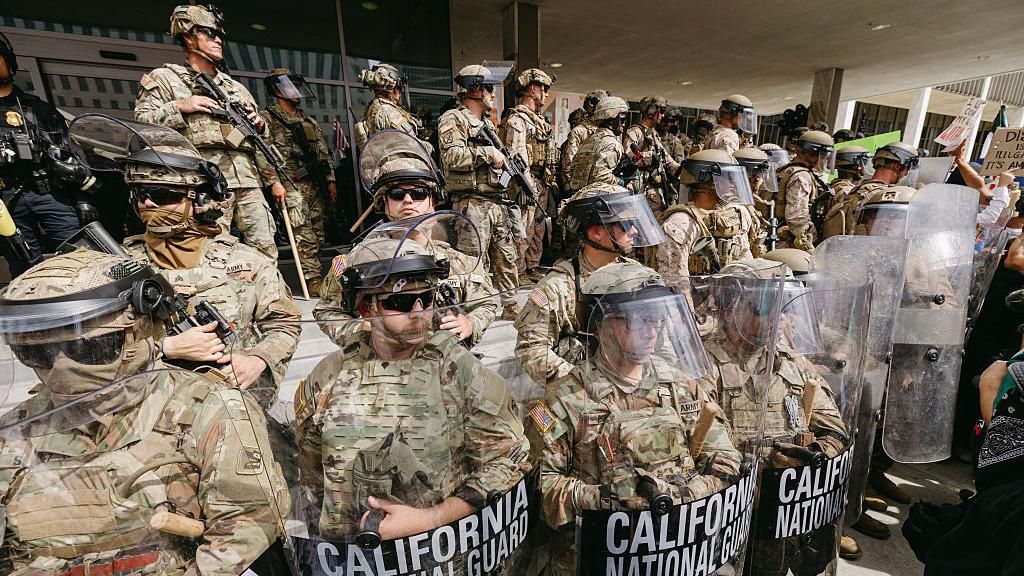
    A federal court has delivered a significant legal setback to the Trump administration’s domestic military deployment strategy. U.S. District Judge Charles Breyer issued a ruling on Wednesday prohibiting President Trump’s continued federal control of National Guard troops in Los Angeles and mandating their return to California Governor Gavin Newsom’s authority.

    The judicial decision addresses the contentious deployment initiated in June 2020 when thousands of National Guard personnel were federalized and dispatched to Los Angeles following protests against intensified immigration enforcement operations. Judge Breyer determined the administration failed to demonstrate that ongoing protest activities justified maintaining federal command over state guard units six months after their initial mobilization.

    In a robust defense of constitutional principles, Judge Breyer rejected the administration’s position that courts should refrain from reviewing presidential emergency authority over state guard units. “The Founders designed our government to be a system of checks and balances,” Breyer stated in his ruling. “Defendants, however, make clear that the only check they want is a blank one.”

    The implementation of the order has been stayed until December 15 to allow the administration opportunity to appeal. This ruling represents the latest development in an ongoing legal confrontation between federal and state authorities that has unfolded across multiple jurisdictions.

    The Los Angeles deployment forms part of a broader pattern that has seen National Guard units deployed to various cities including Portland, Oregon and Washington D.C., with similar legal challenges emerging nationwide. While an earlier appellate decision had sided with the administration in June, Governor Newsom renewed legal efforts in November arguing that diminished protest activity eliminated the justification for continued military presence.

    Administration lawyers contended during recent hearings that troops remained necessary due to ongoing targeting of federal immigration officials, but Judge Breyer questioned the persistence of emergency conditions months after initial unrest. “I think experience teaches us that crises come and crises go,” the judge remarked during proceedings.

    The ruling further criticized the administration’s practice of deploying California National Guard personnel to other states, characterizing it as “effectively creating a national police force made up of state troops.” This marks the second judicial finding that the administration’s deployment methodology violated legal standards, following Breyer’s earlier determination that summer deployments were conducted illegally.

  • DPP’s RedNote ban undermines democracy and youth freedom

    DPP’s RedNote ban undermines democracy and youth freedom

    Mainland Chinese officials have issued strong condemnation against Taiwan’s Democratic Progressive Party (DPP) administration for implementing a comprehensive ban on the popular social media application RedNote (Xiaohongshu). The controversial prohibition, enacted on December 4th, 2025, mandates a full-year restriction on the platform that reportedly serves over 3 million Taiwanese users, with approximately 70% belonging to the millennial demographic.

    Chen Binhua, spokesperson for China’s State Council Taiwan Affairs Office, characterized the prohibition as politically motivated rather than security-driven during a Wednesday press briefing. While Taiwanese authorities justified the measure as necessary for combating cyber fraud and addressing security vulnerabilities, Chen dismissed these explanations as pretextual.

    “The DPP’s administrative measures represent a deliberate assault on democratic principles and digital freedoms,” Chen stated. “This action effectively denies Taiwanese citizens, particularly younger generations, their fundamental right to information access and cross-strait cultural exchange.”

    Chen emphasized the platform’s significant role in facilitating genuine understanding between mainland Chinese citizens and Taiwanese users. According to his assessment, RedNote has served as a vital channel through which Taiwanese youth could bypass what he described as government-curated information ecosystems and engage directly with mainland perspectives.

    The spokesperson further highlighted the economic repercussions of the ban, noting that numerous Taiwanese content creators and businesses reliant on RedNote for livelihood purposes now face substantial financial uncertainty.

    In a comparative analysis, Chen referenced statistical data indicating that established platforms like Facebook have documented significantly higher instances of fraudulent activity than those attributed to RedNote, questioning the consistency of the DPP’s regulatory approach.

    The spokesman concluded with a warning about the inevitable consequences of such restrictive policies, suggesting they would ultimately fail to suppress the growing desire among Taiwanese youth for meaningful connections with mainland compatriots.

  • Canada’s ambassador to the US to step down ahead of key trade talks

    Canada’s ambassador to the US to step down ahead of key trade talks

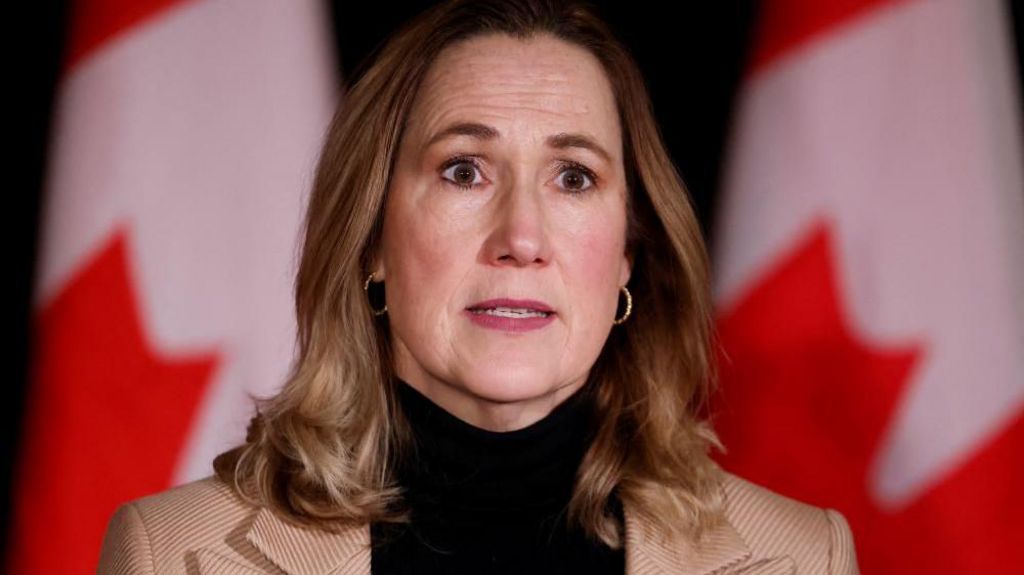
    In a significant diplomatic development, Canada’s Ambassador to the United States Kirsten Hillman has declared her intention to resign from her position in the coming year. The announcement comes during a particularly delicate phase in Canadian-American relations, with the crucial review of the Canada-United States-Mexico Agreement (CUSMA) currently underway.

    Ambassador Hillman, who assumed her role in March 2020, communicated her decision through social media platform X on Monday evening. While acknowledging that no ideal moment exists for such transitions, she expressed confidence in the timing, stating this period allows for the establishment of a new team that will shepherd the trade agreement through its comprehensive review process.

    The veteran trade lawyer and career diplomat emphasized her continued availability to Canada’s negotiation team during the challenging months ahead. Her diplomatic tenure encompassed navigating the complex COVID-19 pandemic landscape and playing an instrumental role in securing the release of Canadian citizens Michael Kovrig and Michael Spavor from detention in China.

    Reactions to her departure have been notably positive from both sides of the border. United States Trade Representative Jamieson Greer characterized Ambassador Hillman as ‘a class act,’ while former Canadian Prime Minister Justin Trudeau praised her as ‘a real patriot who has served Canadians proudly,’ specifically acknowledging her contributions to resolving trade disputes and strengthening economic ties.

    The resignation occurs against the backdrop of substantial trade tensions initiated by President Donald Trump’s imposition of tariffs on Canadian metals, lumber, and automotive products. These measures form part of a broader protectionist policy agenda that includes a sweeping 35% tariff on all goods, though most Canadian products have remained exempt under the current trade agreement.

    Trade negotiations faced additional complications in late October when President Trump suspended talks following his objection to an anti-tariff advertisement commissioned by Ontario and broadcast in American markets. The ongoing CUSMA review process involves public hearings and stakeholder consultations, with all three nations potentially agreeing to renew, renegotiate, or allow the agreement to expire.

    While both Canadian and Mexican authorities have indicated their preference for maintaining the existing agreement, and U.S. business interests have expressed similar support during December hearings, President Trump has suggested openness to either letting the pact expire or negotiating an entirely new arrangement. Market analysts and diplomatic observers are closely monitoring the situation, as the outcome will significantly impact North American trade dynamics and economic cooperation.

  • China Coast Guard fleet patrols around Diaoyu Islands

    China Coast Guard fleet patrols around Diaoyu Islands

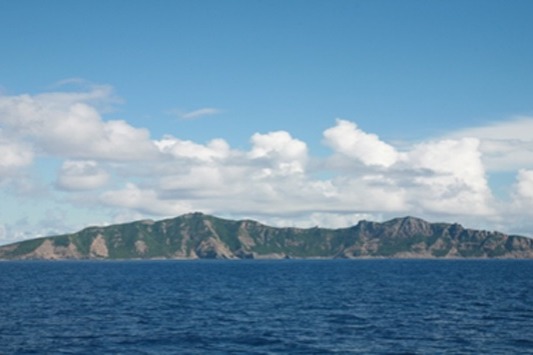
    The China Coast Guard announced on Wednesday, December 10, 2025, that it had deployed a specialized task force to conduct a lawful patrol within the territorial waters surrounding the Diaoyu Islands. The maritime operation was led by the flagship vessel No. 2501, which spearheaded the fleet’s activities in the contested region.

    According to an official statement released by the coast guard authorities, this patrol constituted a legitimate rights protection mission executed in strict compliance with Chinese law and international maritime protocols. The deployment demonstrates China’s ongoing commitment to maintaining sovereignty and monitoring activities in what it considers its traditional fishing grounds and territorial waters.

    These routine patrols occur amid longstanding territorial disputes in the East China Sea, where multiple nations have overlapping maritime claims. The Diaoyu Islands, known as the Senkaku Islands in Japan, have been a persistent point of contention between the two Asian powers, with both countries asserting historical claims to the strategically significant archipelago.

    The coast guard’s announcement emphasizes China’s continued assertion of its maritime rights through measured law enforcement operations rather than military deployments, reflecting Beijing’s preferred approach to asserting its territorial claims in disputed waters.

  • Venezuela opposition leader Machado to miss Nobel Peace Prize ceremony

    Venezuela opposition leader Machado to miss Nobel Peace Prize ceremony

    In a development highlighting Venezuela’s ongoing political tensions, opposition leader Maria Corina Machado will be conspicuously absent from Wednesday’s Nobel Peace Prize ceremony in Oslo. The Nobel Institute confirmed to AFP that the 58-year-old activist, who currently lives in hiding, will not personally accept the prestigious award.

    Erik Aasheim, spokesperson for the Nobel Institute, stated ahead of the 1:00 PM (1200 GMT) event that ‘She is not coming to the ceremony.’ Instead, Machado will be represented by her daughter at the formal proceedings honoring her achievements in promoting democracy and human rights.

    The absence underscores the precarious situation facing Venezuelan opposition figures. Machado’s current whereabouts remain undisclosed, and it was uncertain prior to the ceremony whether she had successfully exited Venezuela amid the country’s political repression. Her inability to travel to Norway personally to receive one of the world’s highest honors serves as a stark reminder of the challenges facing democratic movements in authoritarian states.

    The Nobel Peace Prize recognition represents a significant international endorsement of Machado’s pro-democracy efforts against the Maduro government, even as she remains constrained within her nation’s borders.

  • China-Russia joint aerial strategic patrol shows shared resolve, capability to address regional security challenges: spokesman

    China-Russia joint aerial strategic patrol shows shared resolve, capability to address regional security challenges: spokesman

    In a significant display of bilateral military coordination, China and Russia have conducted a joint aerial strategic patrol that underscores their collective determination and operational capacity to confront regional security challenges. The operation, conducted on December 10, 2025, represents the latest development in the deepening defense partnership between the two nations.

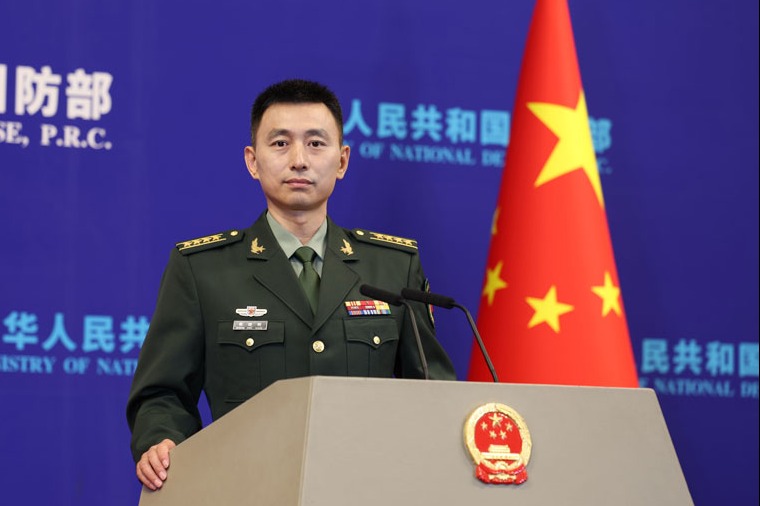
    A Chinese defense spokesman characterized the mission as a routine exercise that aligns with the annual military cooperation plan between Chinese and Russian armed forces. The patrol involved advanced aircraft from both countries operating in coordinated fashion over designated airspace, demonstrating interoperability and strategic alignment.

    The spokesman emphasized that this collaborative operation does not target any third party, but rather serves as a manifestation of the comprehensive strategic partnership between Beijing and Moscow. The exercise highlights the growing sophistication of military cooperation between the two powers, which has expanded significantly in recent years amid shifting global security dynamics.

    This aerial patrol follows a pattern of increasingly complex joint military activities between China and Russia, including previous naval exercises and ground force collaborations. Analysts view these developments as indicative of a strengthening strategic alignment that could influence the regional security architecture and balance of power.

    The timing of this demonstration coincides with ongoing discussions about regional security frameworks and reflects both nations’ commitment to maintaining stability through demonstrated capability and coordinated action.

  • Rednote ban undermines freedom, harms interests of Taiwan people: mainland spokesman

    Rednote ban undermines freedom, harms interests of Taiwan people: mainland spokesman

    BEIJING – Mainland Chinese authorities have issued a stern condemnation of Taiwan’s Democratic Progressive Party (DPP) administration for implementing a comprehensive one-year prohibition against Rednote, a prominent social media application. During a routine press briefing, Chen Binhua, the official spokesperson for the State Council’s Taiwan Affairs Office, characterized the ban as a severe infringement on democratic principles and personal freedoms for Taiwanese citizens.

    Chen articulated that this regulatory action systematically strips individuals in Taiwan, particularly the youth demographic, of their fundamental rights to information access and digital communication. He further emphasized the tangible economic repercussions, noting that the prohibition severely impacts the livelihoods of numerous island residents who rely on the platform as a primary source of income. Rednote, which is headquartered in Shanghai, enjoys widespread popularity within Chinese-speaking communities globally, serving as a hub for content related to lifestyle, beauty, fashion, and travel.

    With an estimated user base exceeding three million in Taiwan—approximately 70% of whom are under 35 years old—the platform has functioned as a significant conduit for cross-strait cultural exchange. Chen highlighted that these digital interactions have provided young Taiwanese with authentic insights into mainland society, countering what he described as a deliberately constructed ‘echo chamber’ of misinformation.

    The spokesman accused the DPP authorities of leveraging the ban to suppress dissenting narratives and perpetuate a smear campaign against mainland China. This move, he asserted, ultimately exposes the administration’s underlying apprehensions and anxiety regarding open discourse and truthful information dissemination across the Taiwan Strait.

  • Ex-president’s daughter sworn in as South African MP after half-sister quits

    Ex-president’s daughter sworn in as South African MP after half-sister quits

    In a dramatic political development, Brumelda Zuma, daughter of former South African President Jacob Zuma, has been officially sworn into the National Assembly as a member of parliament. The ceremony occurred on Wednesday, with Zuma assuming her position under the banner of uMkhonto weSizwe (MK), the opposition party currently led by her father.

    This parliamentary appointment comes merely two weeks after her half-sister, Duduzile Zuma-Sambudla, was compelled to resign from her legislative position following serious allegations of recruiting South African men as mercenaries for Russia’s military operations in Ukraine. Zuma-Sambudla has consistently denied these accusations.

    Brumelda Zuma’s entry into parliament signals the former president’s continued influence in South African politics and suggests a strategic effort to maintain family representation within the government’s legislative branch. She was inaugurated alongside three other MK party members, whom the party described as bringing ‘substantial experience and unwavering dedication’ to their parliamentary roles.

    In her initial statements, Brumelda Zuma emphasized her commitment to ensuring ‘quality public services’ for South African citizens, noting that this focus aligns with her academic background in public administration.

    The controversy surrounding her half-sister involves allegations that Zuma-Sambudla deceived 17 South African men into traveling to Russia under false pretenses before they were handed over to Russian mercenary forces operating in Ukraine’s conflict-ridden Donbas region. The South African government has confirmed receiving distress calls from multiple citizens who reportedly joined these mercenary groups.

    Among the most prominent accusers is another half-sister, Nkosazana Zuma-Mncube, who has filed formal criminal charges against Zuma-Sambudla and two associates. Zuma-Mncube alleges the defendants lured the men to Russia ‘through deceptive means’ and transferred them to a Russian mercenary organization ‘without their informed consent.’ She revealed that eight of the recruited individuals are her relatives.

    South African law explicitly prohibits citizens from serving as mercenaries or fighting for foreign military forces without government authorization. Police authorities have confirmed an ongoing investigation into the matter.

    Zuma-Sambudla maintains her innocence, claiming in a sworn affidavit that she believed the men were traveling to Russia for ‘legitimate training purposes.’ She concurrently faces separate terrorism-related charges concerning social media posts made during violent protests in 2021, which she also denies.

    The MK party emerged as a significant political force after Jacob Zuma established it in 2023 following his rift with current President Cyril Ramaphosa. The party secured third place in last year’s general election and subsequently became the primary opposition party in parliament after the second-largest party joined Ramaphosa’s coalition government.