分类: politics

  • What Yemenis in Hadhramaut and al-Mahra think of the STC takeover

    What Yemenis in Hadhramaut and al-Mahra think of the STC takeover

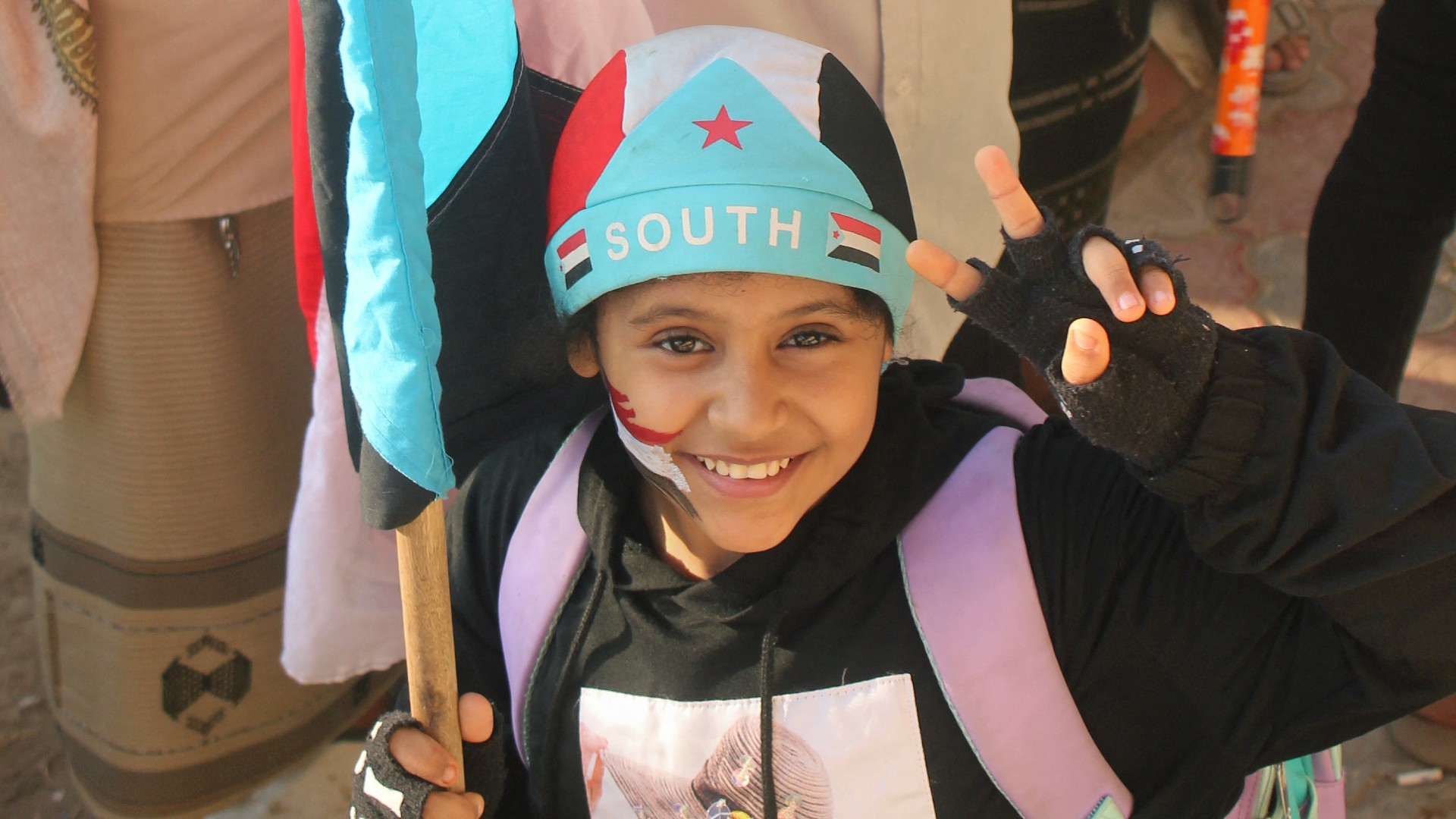
    The Southern Transitional Council (STC), a UAE-backed separatist movement, has consolidated its control over Yemen’s eastern governorates of Hadhramaut and al-Mahra following a swift military campaign. This expansion grants the STC authority over regions containing most of Yemen’s oil reserves and its only two functional border crossings with Saudi Arabia and Oman.

    The takeover, executed by STC-aligned Hadrami Elite Forces earlier this month, represents a significant shift in Yemen’s complex geopolitical landscape. While the STC and its supporters celebrated their territorial gains from their stronghold in Aden, residents in the newly controlled eastern provinces have responded with caution and apprehension.

    Ayman, a 43-year-old resident of Hadhramaut, expressed the ambivalence shared by many locals: “I’m not against the internationally recognized government and not against the STC if they are in Aden. But I’m against anyone who invades us to loot our oil and other wealth and leave us suffering.”

    The military advance began after tribal leaders in Hadhramaut announced in late November they would assume control of oil fields and manage their governorate independently. Saudi Arabia attempted to broker a truce through a delegation on December 3, but these efforts proved unsuccessful. Saudi-backed Dira al-Watan forces withdrew as STC fighters advanced, encountering minimal resistance beyond tribal members and soldiers at few military bases.

    With this expansion, the STC now controls all southern governorates that previously constituted the People’s Democratic Republic of Yemen before unification in 1990. The group emerged in 2018 advocating for an independent southern state but has operated as part of the internationally recognized Yemeni government based in Aden.

    Local resistance appears to be organizing through peaceful means. Ammar, a 38-year-old resident of al-Mahra, stated that residents “won’t seek violent conflict with the STC, but will resist it nonetheless through peaceful means like protests.” Many residents traditionally oppose the STC and now fear potential retaliation.

    STC fighter Mahmoud Taher defended the movement’s actions: “Now we, the STC, lead the south, and its forces need to spread in all governorates, not to fight residents but to keep all governorates safe. We will stop those who try to create chaos.”

    The situation remains tense as the STC seeks to impose its authority on regions historically accustomed to autonomy, with local communities deeply suspicious of outside intervention regardless of its origin.
  • Israeli minister says war ‘inevitable’ after Syrian troops chant for Gaza

    Israeli minister says war ‘inevitable’ after Syrian troops chant for Gaza

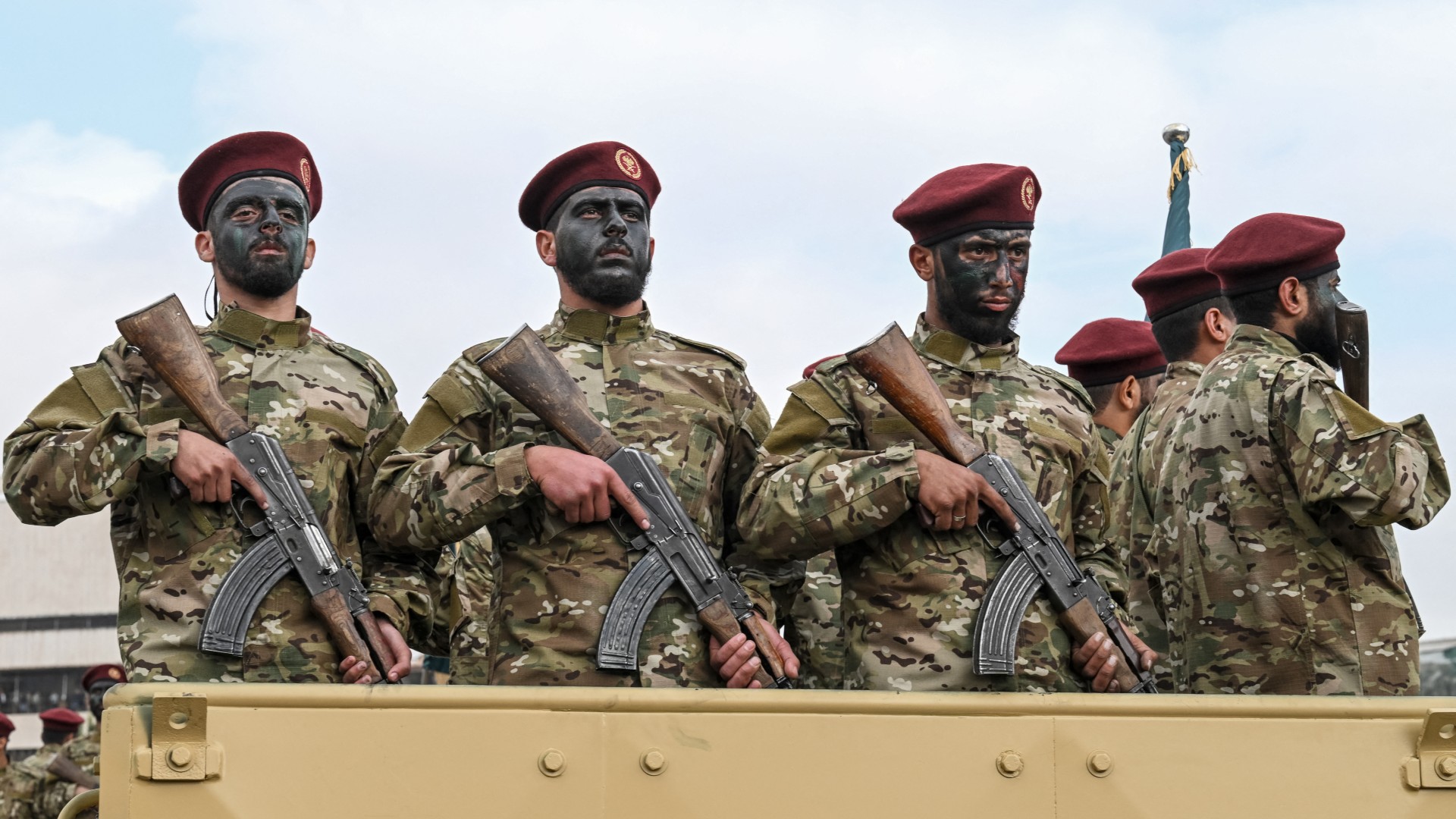
    Tensions between Israel and Syria have escalated dramatically after Israel’s Minister of Diaspora Affairs, Amichai Chikli, declared war “inevitable” in response to inflammatory footage from a Syrian military parade. The incident occurred during Damascus’ commemoration of the first anniversary of Bashar al-Assad’s fall, where Syrian troops were filmed chanting: “Gaza, Gaza, Gaza, our slogan, night and day, bombing and ruin. We are coming for you, our enemy, coming, coming for you, even if you were a mountain of fire.”

    Chikli, sharing the video originally posted by far-right aggregator Visegrad24, accused Syria of fostering “jihadist terror” and warned that “a full-blown Islamic jihadist caliphate now sits on Israel’s northern border.” The minister emphasized that Israel would not repeat the lessons of October 7th, stating: “Do not let the beast become an untouchable monster.”

    Israeli security officials confirmed that defense establishments have convened emergency meetings to assess the footage, with one anonymous official telling Army Radio: “We deal with the Syrian regime with a doctrine of complete suspicion. We monitor it with mistrust. Its nature is extreme and jihadist, and we cannot afford to misread it.”

    The historical context reveals deepening complexities: Israel has maintained occupation of Syria’s Golan Heights since 1967 and expanded its territorial control following Assad’s downfall. In December 2024, Israel seized the entire UN-patrolled buffer zone that previously separated forces in the region.

    Syrian Interim President Ahmed al-Sharaa countered these developments at a Doha conference, accusing Israel of “exporting crises” to divert attention from Gaza operations. Sharaa detailed extensive Israeli military actions, citing “more than 1,000 air strikes and 400 incursions into Syrian territory” since December 2024, including a recent attack on Beit Jinn that killed at least 13 people.

    The international dimension intensified as U.S. President Donald Trump cautioned Israel against interfering with Syria’s “evolution,” expressing satisfaction with Syria’s progress and emphasizing the importance of maintaining “strong and true dialogue” between the nations.

  • Why Thailand and Cambodia are fighting again after Trump ceasefire

    Why Thailand and Cambodia are fighting again after Trump ceasefire

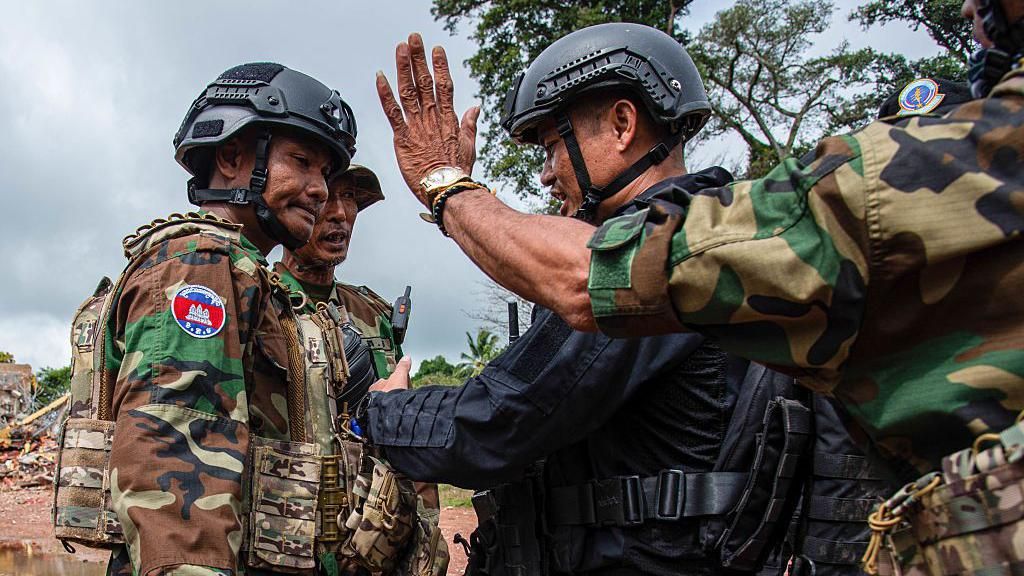
    Artillery fire and aerial bombardments have resumed along the contentious Thai-Cambodian border, shattering the temporary peace established by a US-mediated ceasefire in July. The renewed hostilities have triggered mass evacuations, displacing approximately half a million residents from villages within a hundreds-kilometer conflict corridor for the second time in five months.

    The immediate catalyst emerged from a border incident on Sunday when Cambodian troops allegedly opened fire on a Thai engineering team constructing an access road in disputed territory. While only two Thai soldiers sustained non-life-threatening injuries, the event exposed the profound mistrust between the neighboring nations that has rendered diplomatic resolutions ineffective.

    President Donald Trump’s July intervention, touted as a historic peace achievement, ultimately proved unsustainable. Thailand reluctantly accepted the ceasefire under economic pressure, facing imminent tariff threats on crucial exports to the United States. Cambodia, conversely, welcomed international involvement as leverage against its larger neighbor.

    The conflict has escalated dangerously since July. Cambodian forces have deployed new landmines along the border, resulting in at least seven Thai soldiers suffering limb amputations. Thailand has responded by authorizing military autonomy under Prime Minister Anutin Charvirakul’s minority government, with objectives including permanent neutralization of Cambodian military capabilities and seizure of strategic hilltop positions.

    Political dimensions further complicate the situation. Former Cambodian Prime Minister Hun Sen continues to influence current PM Hun Manet, employing both public appeals for restraint and covert political maneuvers. The leaking of a confidential conversation with former Thai PM Paetongtarn Shinawatra ultimately catalyzed her government’s collapse and intensified Thai public support for military action.

    Prospects for renewed diplomacy appear dim. Thailand insists Cambodia must demonstrate verifiable sincerity—particularly regarding landmine deployment cessation—before considering further negotiations. While US re-engagement remains possible, any ceasefire without addressing underlying tensions and territorial disputes would likely prove equally transient.

  • ‘Death run’: New film shot in Cyprus reveals UK military help to Israel during Gaza genocide

    ‘Death run’: New film shot in Cyprus reveals UK military help to Israel during Gaza genocide

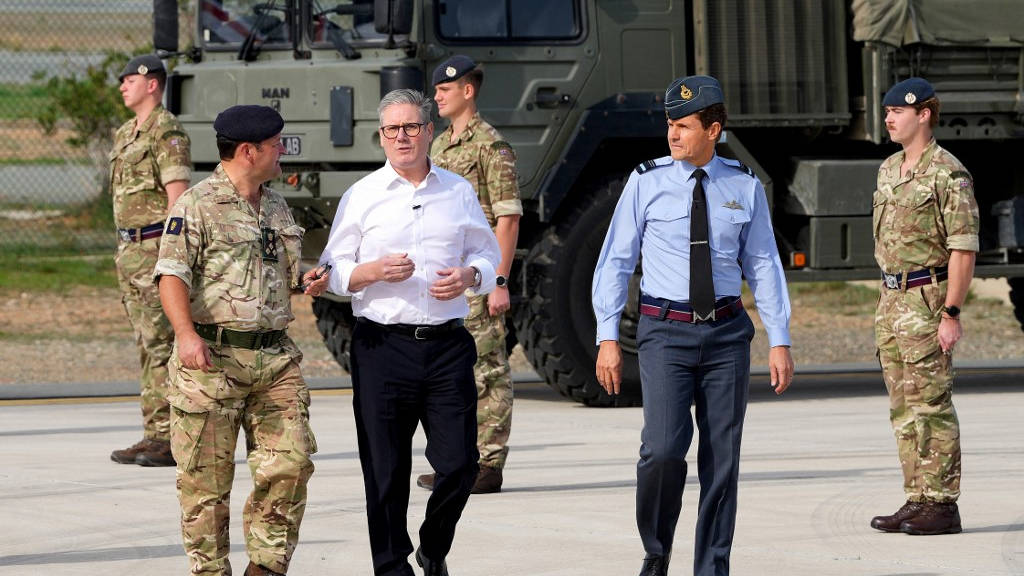
    A groundbreaking investigation by Declassified UK has exposed extensive covert military collaboration between Britain and Israel during the Gaza conflict, challenging official narratives about the purpose of surveillance operations. The documentary ‘Britain’s Gaza Spy Flight Scandal,’ released Thursday, presents evidence of hundreds of Royal Air Force surveillance missions conducted from Cyprus’s RAF Akrotiri base, located merely 40 minutes from Tel Aviv.

    While Britain’s Ministry of Defence maintains these flights exclusively support hostage rescue operations, the investigation reveals significantly broader activities. The film captures unprecedented footage of American contractor-operated spy planes—leased by the RAF—departing from Akrotiri to conduct surveillance over Gaza. These operations reportedly included up to 116 additional missions beyond previously disclosed numbers, utilizing advanced radar imaging systems capable of transmitting high-resolution footage to Israeli forces in real time.

    The documentary highlights the tragic case of James Henderson, a former royal marine killed in an Israeli airstrike on a World Central Kitchen aid convoy on April 1, 2024. Despite RAF aircraft capturing footage from that exact day, the MoD has refused to release the material citing national security concerns—a decision Henderson’s father Neil characterizes as ‘an insult’ that prevents understanding whether aid workers were deliberately targeted.

    Further investigations reveal the MoD possesses additional footage of Israeli strikes that killed eight volunteers from UK charity Al-Khair Foundation in March, yet continues to withhold this evidence under security exemptions. Former RAF technician Steve Masters challenges the official narrative, noting Britain cannot control how Israel utilizes shared intelligence, suggesting the material could easily serve target acquisition purposes rather than purely humanitarian missions.

    The film also documents growing Cypriot opposition to British military operations, featuring local protests and statements from politician Melanie Steliou who condemns the base’s role in facilitating missions that result in civilian casualties. This comprehensive investigation raises serious questions about accountability, transparency, and the ethical implications of military intelligence sharing during active conflicts.

  • France Unbowed ‘has become a target’ of the UAE, Melenchon says

    France Unbowed ‘has become a target’ of the UAE, Melenchon says

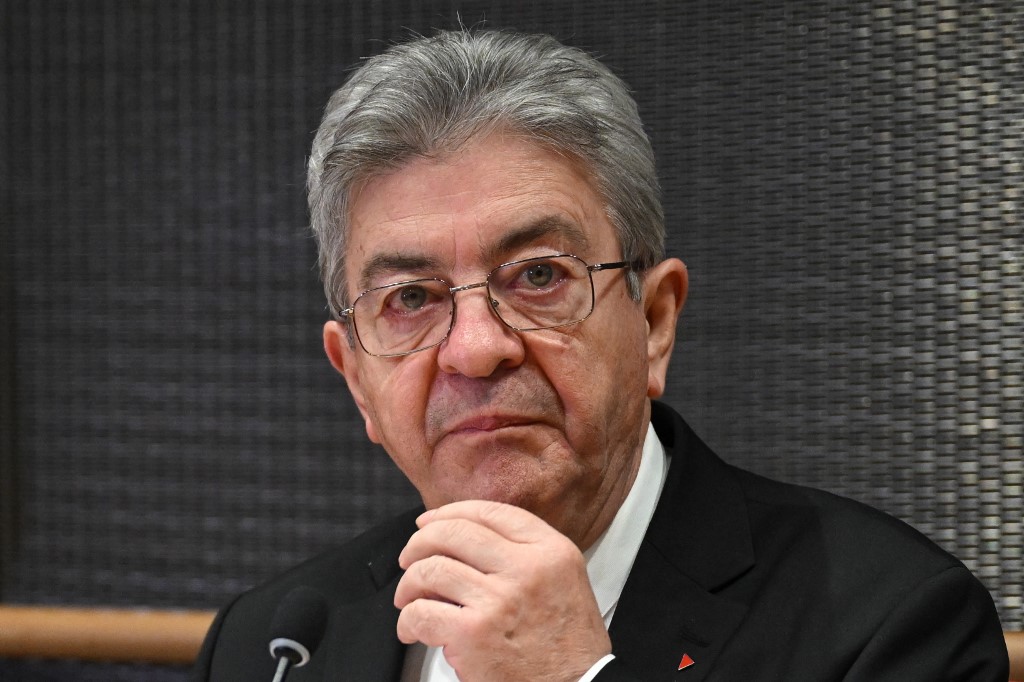
    Jean-Luc Melenchon, leader of France’s left-wing La France Insoumise (LFI) party, has publicly denounced what he characterizes as a coordinated influence operation by networks linked to the United Arab Emirates targeting his political movement. The allegations emerge amid a contentious parliamentary inquiry into alleged Islamist connections within French politics.

    The controversy centers on a controversial poll conducted by the French Institute of Public Opinion (Ifop) that suggested a phenomenon of ‘re-Islamization’ in France. Commissioned by the magazine Écran de Veille, which has documented ties to UAE interests, the survey has faced multiple legal challenges from Muslim organizations alleging biased methodology and inflammatory rhetoric.

    LFI has formally lodged a complaint with French prosecutors, arguing the poll serves as platform for discriminatory discourse and may violate laws prohibiting intelligence activities with foreign powers that threaten national interests. The party contends that an Emirati influence network may have infiltrated French institutions, citing connections between Écran de Veille consultants and UAE-linked operatives.

    Media investigations have revealed that Écran de Veille’s parent company, Global Watch Analysis, maintains strong anti-Islamist positions particularly targeting the Muslim Brotherhood—an organization banned in the UAE. According to Le Monde, the publication’s founder, Atmane Tazaghart, communicated with anonymous accounts linked to former Emirati intelligence operatives involved in European influence campaigns.

    The Swiss firm Alp Services reportedly conducted surveillance on hundreds of European individuals and organizations, including LFI, allegedly branding them as Muslim Brotherhood affiliates before forwarding information to Emirati intelligence services for further targeting.

    The political dimension intensified as consultants from Écran de Veille testified before a parliamentary inquiry committee examining connections between political parties and Islamist organizations—an investigation initially requested by right-wing legislators. Melenchon questioned why the committee focused on domestic political ties rather than foreign interference, specifically highlighting UAE’s alleged campaign to settle regional scores with Qatar using French political discourse as a battleground.

    The LFI leader also referenced the case of party member Carlos Martens Bilongo, who faced investigation based on a financial intelligence report later dismissed by prosecutors. Recent investigative reporting suggests the original report contained implausible errors and may have been produced under Emirati pressure following Bilongo’s criticism of UAE policies.

    Historical context indicates ongoing Emirati influence campaigns targeting Qatar and political Islam throughout Western nations, employing methods including character assassination, media manipulation, and policy influence. The UAE has consistently denied involvement in such operations.

    Notably, the French far-right National Rally party reportedly received an €8 million loan through Emirati banking channels in 2017, though the ultimate origin of these funds remains unclear. A subsequent parliamentary inquiry into foreign interference chaired by the National Rally highlighted operations by Russia and China but omitted any mention of similar campaigns by the UAE or Israel.

  • Former Bolivian President Arce arrested in corruption investigation a month after leaving office

    Former Bolivian President Arce arrested in corruption investigation a month after leaving office

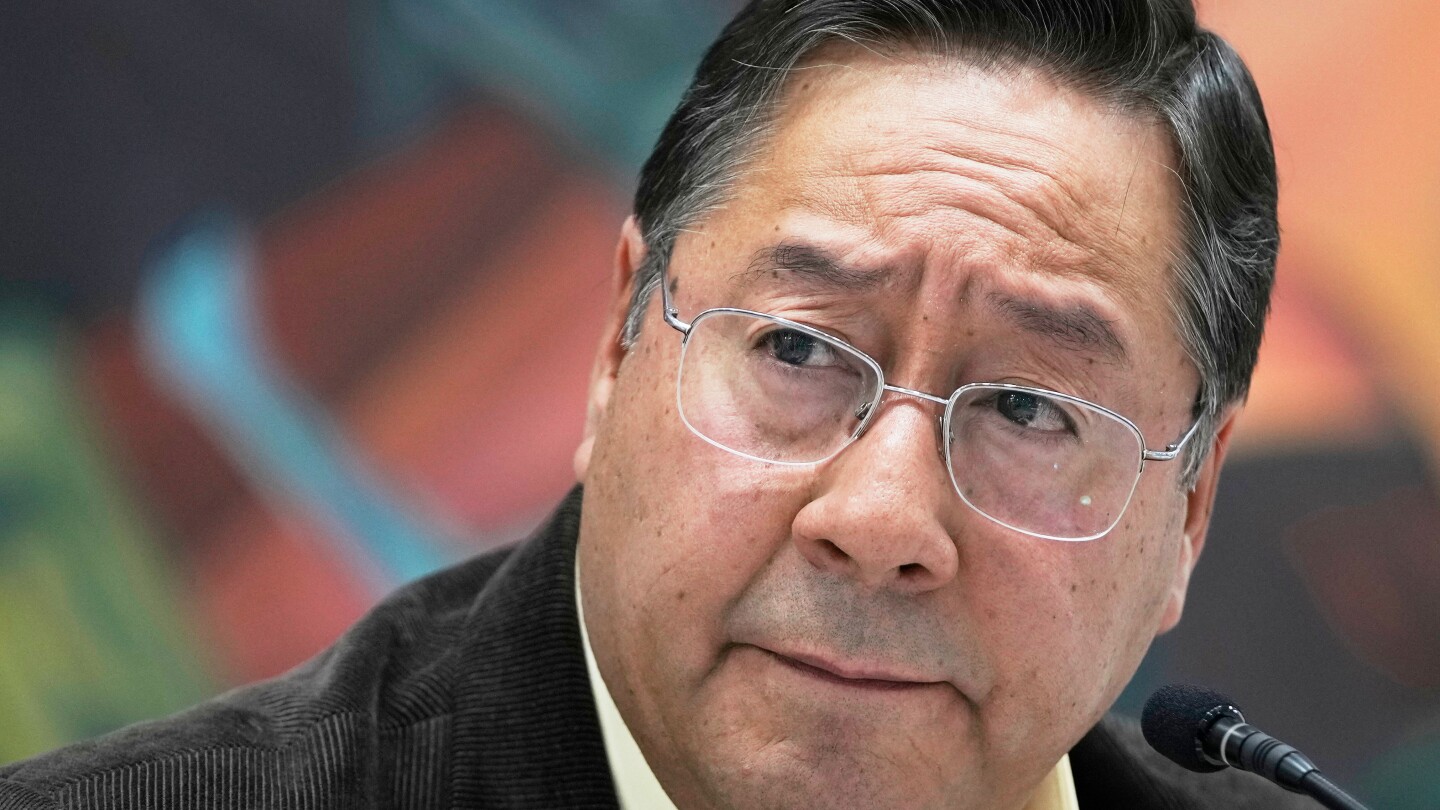
    In a dramatic political development, Bolivian authorities have taken former President Luis Arce into custody as part of a sweeping corruption investigation. The arrest marks a significant escalation in the nation’s ongoing political transformation following the inauguration of conservative President Rodrigo Paz, which concluded two decades of socialist governance last month.

    Government official Marco Antonio Oviedo announced that Arce faces serious allegations of breach of duty and financial misconduct during his tenure as economy minister under former leader Evo Morales (2006-2019). The charges specifically relate to the alleged embezzlement of approximately $700 million from a state fund established to support Indigenous communities and peasant farmers—the core constituency of Morales’ Movement Toward Socialism party.

    A specialized anti-corruption police unit confirmed Arce is currently detained at their headquarters in La Paz. The arrest occurred under controversial circumstances, with allies claiming Arce was apprehended without prior notification while walking through an upscale neighborhood after teaching an economics class.

    The new administration has positioned this arrest as evidence of its commitment to fulfilling campaign promises to combat high-level corruption. “It is the decision of this government to fight corruption, and we will arrest all those responsible for this massive embezzlement,” Oviedo stated.

    However, the action has intensified Bolivia’s deep political divisions. Maria Nela Prada, Arce’s former government minister and key ally, denounced the detention as “a total abuse of power” and alleged political persecution. She described frantic scenes outside police headquarters where supporters gathered to protest the arrest.

    Prosecutor General Roger Mariaca countered these claims, asserting the case represents a straightforward anti-corruption effort rather than political targeting. Arce has invoked his right to remain silent during questioning and will remain in custody pending a judicial determination regarding continued detention.

    The arrest occurs against the backdrop of Bolivia’s volatile political landscape. Paz secured electoral victory in October amid widespread public dissatisfaction with Arce’s administration, which left the nation grappling with hyperinflation, fuel shortages, and depleted state coffers.

    This development continues Bolivia’s pattern of judicial actions against former leaders. The previous interim right-wing government had issued arrest warrants for Morales and his officials in 2019, while Arce’s administration subsequently imprisoned political opponents including former interim president Jeanine Añez—many of whom have now been released following Paz’s election.

    Vice President Edman Lara celebrated the arrest on social media, warning that additional anti-corruption cases against former officials would follow and declaring “death to the corrupt.” The case highlights the persistent challenges of Bolivia’s politicized judiciary and institutional fragility, which experts note has historically enabled corruption across political factions.

  • Taoiseach deems drones ‘not a threat’ to Zelensky aircraft

    Taoiseach deems drones ‘not a threat’ to Zelensky aircraft

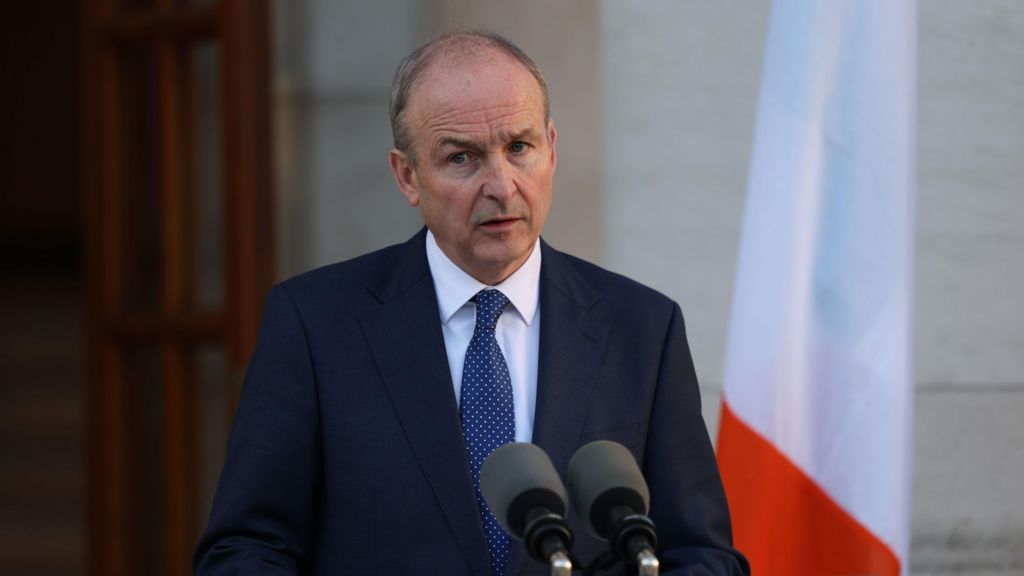
    Irish Taoiseach Micheál Martin has addressed security concerns surrounding Ukrainian President Volodymyr Zelensky’s recent diplomatic visit to Dublin, confirming the detection of unidentified drones near naval assets but emphasizing they posed no threat to the Ukrainian leader’s aircraft. The incident occurred during President Zelensky’s single-day official visit with First Lady Olena Zelenska last week.

    According to Martin’s statement before the Dáil, crew members aboard the Irish naval vessel LÉ William Butler Yeats observed multiple unidentified drones operating near Howth over the Irish Sea during the day of the visit. The Taoiseach clarified that these sightings occurred ‘quite some time’ after President Zelensky’s plane had already landed safely at Dublin Airport, eliminating any direct aviation security risk.

    Martin characterized the drone activity as ‘highly concerning’ and indicative of ‘an ongoing Russian-inspired hybrid campaign targeting European and Ukrainian interests.’ He noted similar incidents have occurred across other European states, suggesting a coordinated pattern of psychological operations rather than immediate physical threats.

    The Irish leader detailed that an immediate operational response was initiated by the naval commander upon detection, with subsequent coordination between police and military authorities. Despite the unsettling nature of the incident, Martin affirmed that overall security operations during President Zelensky’s Irish visit remained ‘effective’ and uncompromised.

    The disclosure highlights growing concerns about non-conventional security threats during high-profile diplomatic events, particularly involving nations directly engaged in geopolitical conflicts. Irish authorities continue to investigate the origin and purpose of the drone incursions while maintaining heightened security awareness.

  • Five things we learnt at the Doha Forum

    Five things we learnt at the Doha Forum

    The recent Doha Forum became a stage for revealing the profound shifts in Middle Eastern geopolitics and America’s evolving role in the region. Syrian leader Ahmed al-Sharaa received an unexpectedly warm reception, highlighting his rehabilitated status, while prominent US figures sparked contentious debates on Gaza and regional security.

    Mr. al-Sharaa’s appearance generated remarkable enthusiasm, with attendees rising to capture photos during his CNN interview. When questioned about past terrorist allegations, he deflected by referencing Israel’s actions in Gaza and Western military interventions, asserting that public perception of terrorism has become increasingly politicized. His confidence appeared bolstered by recent White House engagement, including his meeting with President Trump.

    The Trump administration’s distinctive approach was articulated by several representatives. US Ambassador to Turkey Tom Barrack signaled a departure from previous democratic promotion efforts, comparing them to colonial mandates. He emphasized that Syria would determine its own future without Western-imposed timelines. This perspective was reinforced by Donald Trump Jr., who championed his father’s ‘America First’ doctrine, stating the US would no longer serve as the world’s financial backer but rather seek transactional partnerships, particularly with energy-rich Gulf states.

    However, regional reactions to America’s retrenchment have been mixed. Saudi analyst Dr. Abdulaziz Alghashian expressed diminished expectations regarding US security guarantees, citing Washington’s muted response to 2019 Houthi attacks as prompting Riyadh to diversify alliances, including pursuing détente with Iran.

    Significant policy divergences emerged regarding Palestine. While US delegates focused on expanding the Abraham Accords and Gaza reconstruction, Arab diplomats uniformly emphasized the necessity of Palestinian statehood as a precondition. Egypt’s Foreign Minister outlined ceasefire implementation requirements, while Turkey’s Hakan Fidan challenged Israel’s disarmament prerequisites. Both Qatar and Saudi Arabia explicitly conditioned reconstruction funding on a credible pathway to statehood—a proposition Israel’s government strongly opposes.

    The forum also featured notable Western voices. Tucker Carlson, interviewing Qatar’s Prime Minister, denounced expectations that Qatar fund Gaza’s reconstruction while denying allegations of being a Qatari agent. Former Secretary Hillary Clinton defended her comments about young people consuming propaganda on TikTok regarding Gaza, asserting they lacked historical context while expressing anger about multiple global conflicts.

    The evident disparities between US and regional priorities, particularly regarding Palestinian statehood and security commitments, suggest that while America First rhetoric has reached the Gulf, its practical implementation faces substantial resistance from partners seeking more reliable alliances and diplomatic solutions.

  • Why were two US fighter jets near Venezuela?

    Why were two US fighter jets near Venezuela?

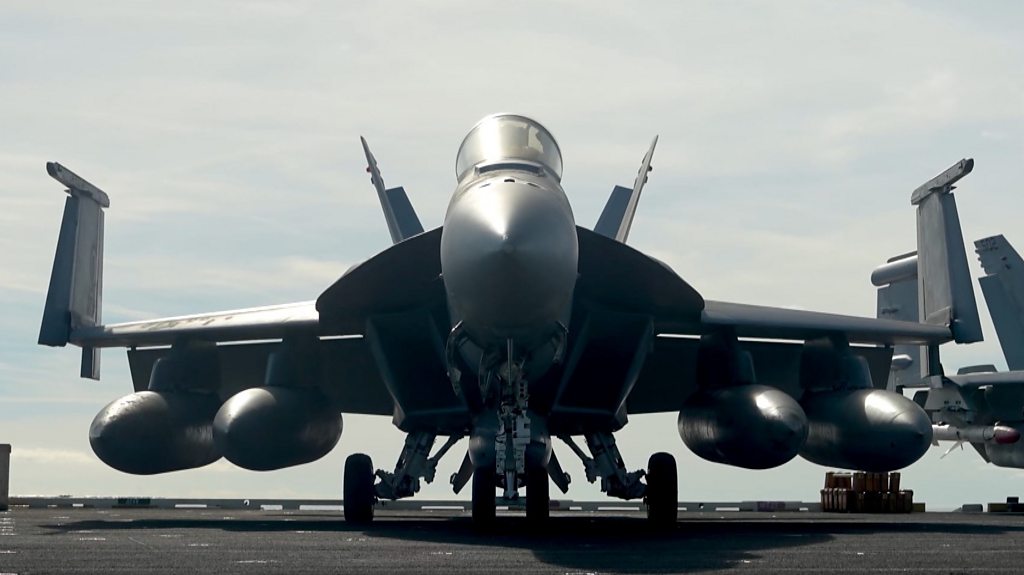
    Two U.S. Navy F/A-18 Super Hornet fighter jets executed a prolonged surveillance mission in close proximity to Venezuelan territory, according to flight tracking data. The advanced aircraft appeared on public flight monitoring systems near Maracaibo, Venezuela’s second-largest city and crucial economic hub, before initiating an extensive 40-minute circular pattern over the Gulf of Venezuela.

    The operation, which occurred in international airspace, represents the latest development in ongoing tensions between the United States and the administration of Venezuelan President Nicolás Maduro. Aviation experts confirmed the aircraft were operating at standard surveillance altitudes and patterns consistent with intelligence-gathering missions.

    This aerial activity follows previous U.S. military deployments in the region, including recent naval exercises and increased surveillance operations aimed at monitoring Venezuelan military movements and alleged illicit activities. The Gulf of Venezuela represents a strategically significant maritime corridor for both commercial shipping and regional security operations.

    The U.S. Southern Command has maintained an increased presence in the Caribbean region, citing concerns about drug trafficking, regional stability, and the humanitarian situation in Venezuela. Venezuelan officials have repeatedly condemned such operations as violations of their sovereignty and examples of U.S. aggression.

    Military analysts note that such flights typically serve multiple purposes: demonstrating regional commitment to allies, gathering intelligence on potential security threats, and maintaining operational readiness in strategically important regions. The extended duration of this particular mission suggests comprehensive surveillance objectives rather than mere presence demonstration.

  • US sanctions Colombians involved in Sudan war but fails to mention UAE link

    US sanctions Colombians involved in Sudan war but fails to mention UAE link

    The United States has imposed targeted sanctions on a sophisticated transnational network responsible for recruiting Colombian combat veterans to serve as mercenaries alongside Sudan’s Rapid Support Forces (RSF). The Treasury Department’s action specifically identifies four individuals and four entities central to this operation, yet notably omits any direct reference to the United Arab Emirates, despite mounting evidence of its alleged involvement.

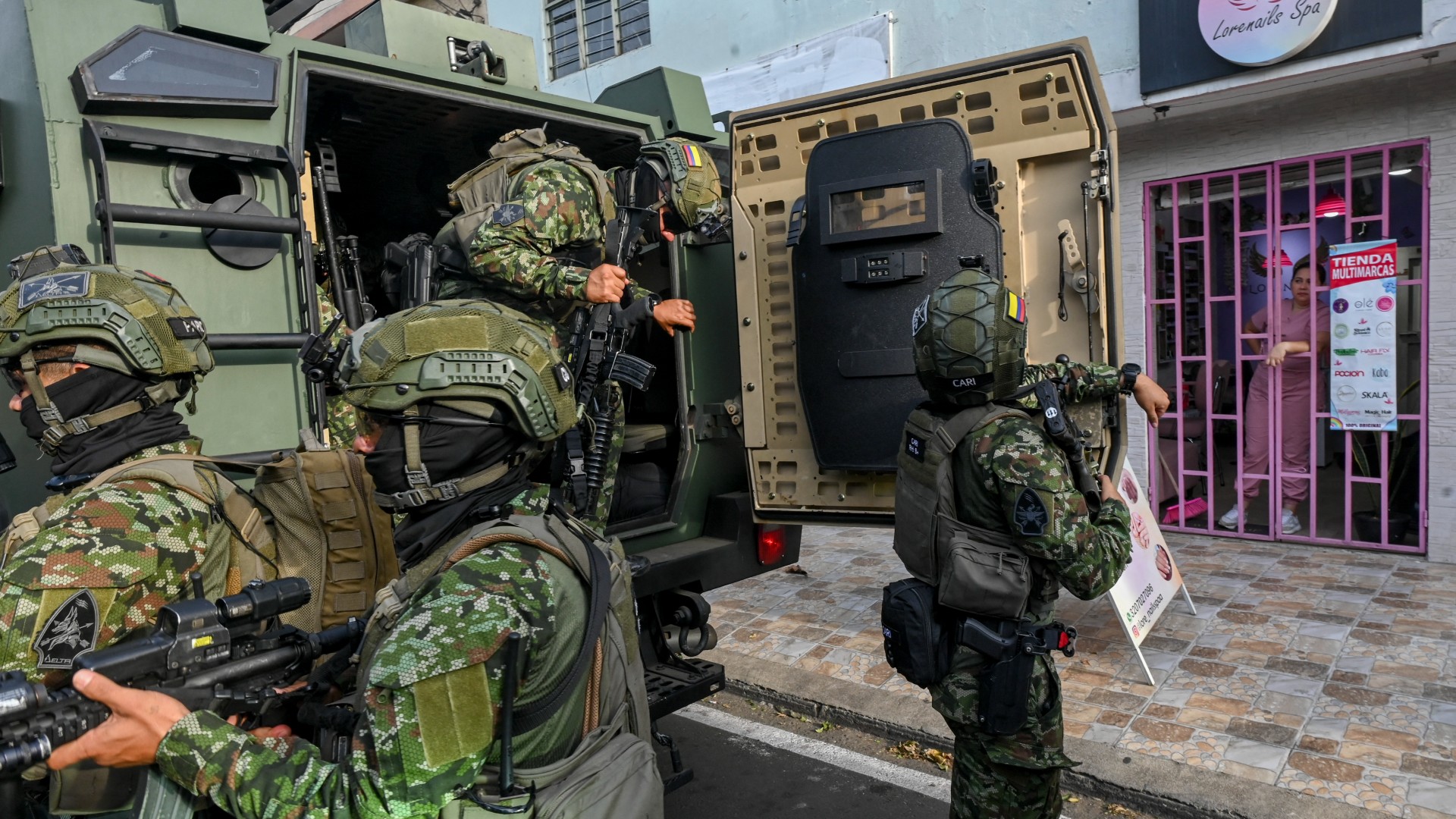
    According to official statements, this sanctioned network systematically recruited former Colombian military personnel who provided the RSF with critical tactical expertise in infantry operations, artillery, drone piloting, and vehicle operations. Disturbingly, some were implicated in training child soldiers. These mercenaries have reportedly participated in major battles across Sudan, including engagements in Khartoum, Omdurman, Kordofan, and el-Fasher—where the RSF stands accused of documented mass killings and human rights abuses.

    The sanctioned entities include Bogota-based International Services Agency (A4SI), its co-founder Alvaro Andres Quijano Becerra (a retired Colombian officer residing in the UAE), and his wife Claudia Viviana Oliveros Forero. Additional designations extend to Panama-based Global Staffing S.A., along with Colombian firms Maine Global Corp S.A.S. and Comercializadora San Bendito. Individuals Monica Munoz Ucros and Mateo Andres Duque Botero were also sanctioned.

    Leaked documents obtained by Colombian media outlet La Silla Vacia reveal that a UAE-registered company, Global Security Services Group—which identifies as “the only armed private security services provider for the UAE government”—contracted A4SI to supply hundreds of former troops to Sudan. This company remains conspicuously absent from the US sanctions list.

    The complex recruitment pipeline funnels Colombian fighters through multiple routes: one via Benghazi, Libya, where passports are reportedly confiscated, and another through Spain, Ethiopia, Somalia’s Bosaso port, and Chad before reaching RSF-controlled territories in Darfur. Exclusive footage obtained by Middle East Eye captures dozens of Colombians disembarking at Bosaso airport, with senior port sources confirming undisclosed heavy logistical materials funneled through UAE networks ultimately destined for Sudan’s RSF.

    This development occurs against the backdrop of Sudan’s formal complaint to the UN Security Council accusing the UAE of sponsoring Colombian mercenaries, and the August downing of a UAE aircraft carrying 40 Colombian fighters and arms allegedly destined for the RSF. The UAE consistently denies these allegations, dismissing evidence as fabricated.

    The strategic value of Colombian mercenaries in modern warfare cannot be overstated. Decades of internal conflict against guerrillas and drug cartels have produced combat-hardened veterans offering exceptional value—costing approximately a quarter of American counterparts while demonstrating superior discipline and chain-of-command adherence. Their services have been previously utilized in Ukraine, Libya, Afghanistan, and Iraq.

    Sudan’s devastating conflict erupted in April 2023 from tensions between the regular army under General Abdel Fattah al-Burhan and the RSF commanded by Mohamed Hamdan Dagalo. Disagreements over RSF integration into the national army spiraled into nationwide warfare that has killed tens of thousands and displaced over 13 million people, with both sides facing accusations of severe human rights violations.