分类: politics

  • Wes Streeting slammed for linking intifada chant to ‘terrorist action’

    Wes Streeting slammed for linking intifada chant to ‘terrorist action’

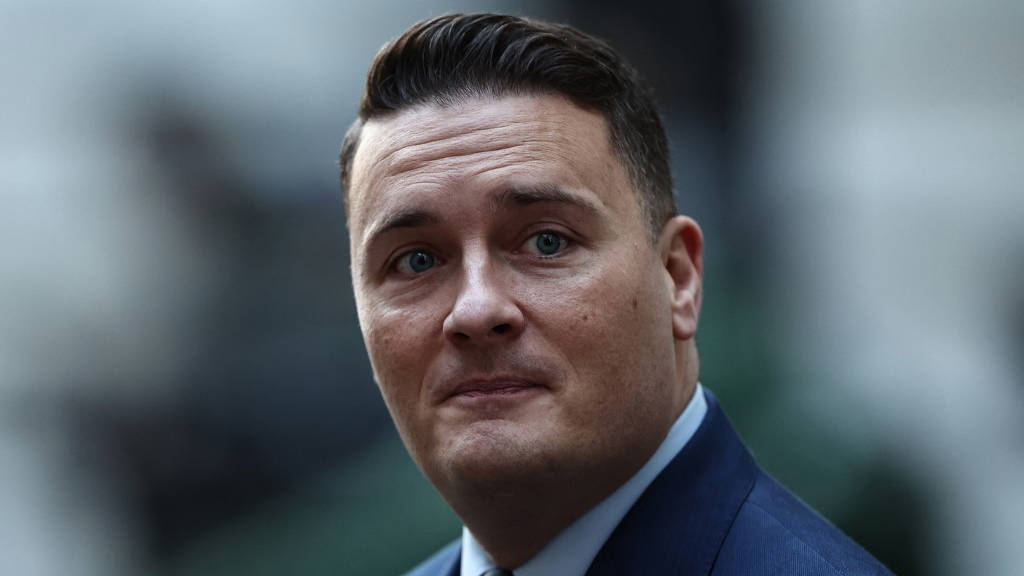
    A significant political controversy has erupted in the United Kingdom following remarks by Health Secretary Wes Streeting, who asserted that the pro-Palestine protest chant “globalise the intifada” is inherently linked to terrorism and antisemitic violence. His comments, made during a BBC interview on Monday, came in the immediate aftermath of a deadly antisemitic attack at Bondi Beach in Australia that killed 15 people and wounded 40.

    Streeting delivered a forceful condemnation of the phrase, stating, “What on earth do you think globalise the intifada means?… Can’t people see the link between that kind of rhetoric and attacks on Jewish people as Jewish people?” He characterized the slogan as being “received by and seen as support for terrorist action against Jewish people” and called for greater solidarity with the Jewish community.

    These claims have been met with fierce criticism from pro-Palestine campaigners and organizers. Ben Jamal, Director of the Palestine Solidarity Campaign (PSC), denounced the remarks as a “reprehensible” attempt to exploit a tragedy to further repress protests for Palestinian rights. Ismail Patel, Chair of Friends of Al-Aqsa, accused Streeting of cynically using the event to divert attention from the “ongoing genocide in Gaza” and silence peaceful solidarity. Both leaders clarified that within their movement, ‘intifada’—an Arabic word meaning ‘uprising’ or ‘to shake off’—is understood as a call for global solidarity to end the Israeli occupation through peaceful means, not as an incitement to violence.

    The debate occurs amidst a broader governmental push for new protest restrictions, which critics label as authoritarian and a threat to free expression, particularly concerning criticism of Israel. The opposing viewpoints highlight a deep societal fracture: one side sees certain slogans as direct incitements to hatred requiring stricter regulation, as echoed by British Chief Rabbi Ephraim Mirvis, while the other sees the conflation of such language with terrorism as a dangerous tool to criminalize legitimate dissent and justify the erosion of civil liberties.
  • ‘Lost Canadians’ citizenship bill now in place

    ‘Lost Canadians’ citizenship bill now in place

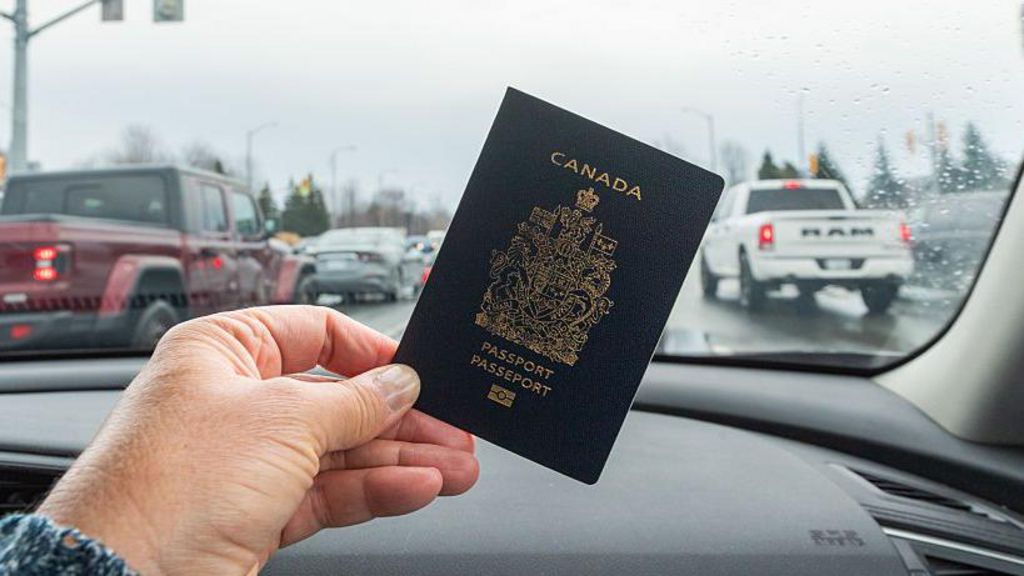
    Canada has implemented significant reforms to its citizenship laws, extending automatic citizenship eligibility to children born or adopted abroad to Canadian parents who were themselves born outside the country. The new provisions, effective immediately, address what the government acknowledges as “outdated provisions” that previously left many without citizenship status.

    The updated legislation requires Canadian parents to demonstrate a “substantial connection” to Canada by having resided in the country for at least three years prior to their child’s birth or adoption. This change stems from a landmark 2023 Ontario Superior Court of Justice decision that declared portions of the existing citizenship by descent laws unconstitutional.

    The court’s ruling addressed consequences of a 2009 law passed under former Conservative Prime Minister Stephen Harper’s government that eliminated automatic citizenship for descendants of Canadians born abroad. The current Liberal administration chose not to appeal the decision, acknowledging that the previous legislation produced “unacceptable outcomes” for children of expatriate Canadians.

    According to the Parliamentary Budget Officer’s 2024 assessment, approximately 115,000 individuals could benefit from these changes over the next five years. The reforms have not been without controversy, however. Conservative MP Michelle Rempel Garner, shadow minister for immigration, expressed concerns that the bill enables “unfettered citizenship by descent and create[s] untold citizens of convenience.”

    The Conservative party, with support from the Bloc Québécois, proposed amendments that would have imposed stricter requirements including language proficiency and security checks for adult applicants. These proposed measures failed to pass in the House of Commons.

    Among the immediate beneficiaries is Alfie Jones, a British-born football player recently recruited to represent Canada in the 2026 FIFA World Cup. Jones qualifies through his grandmother from Alberta, illustrating how the policy changes affect real-world cases.

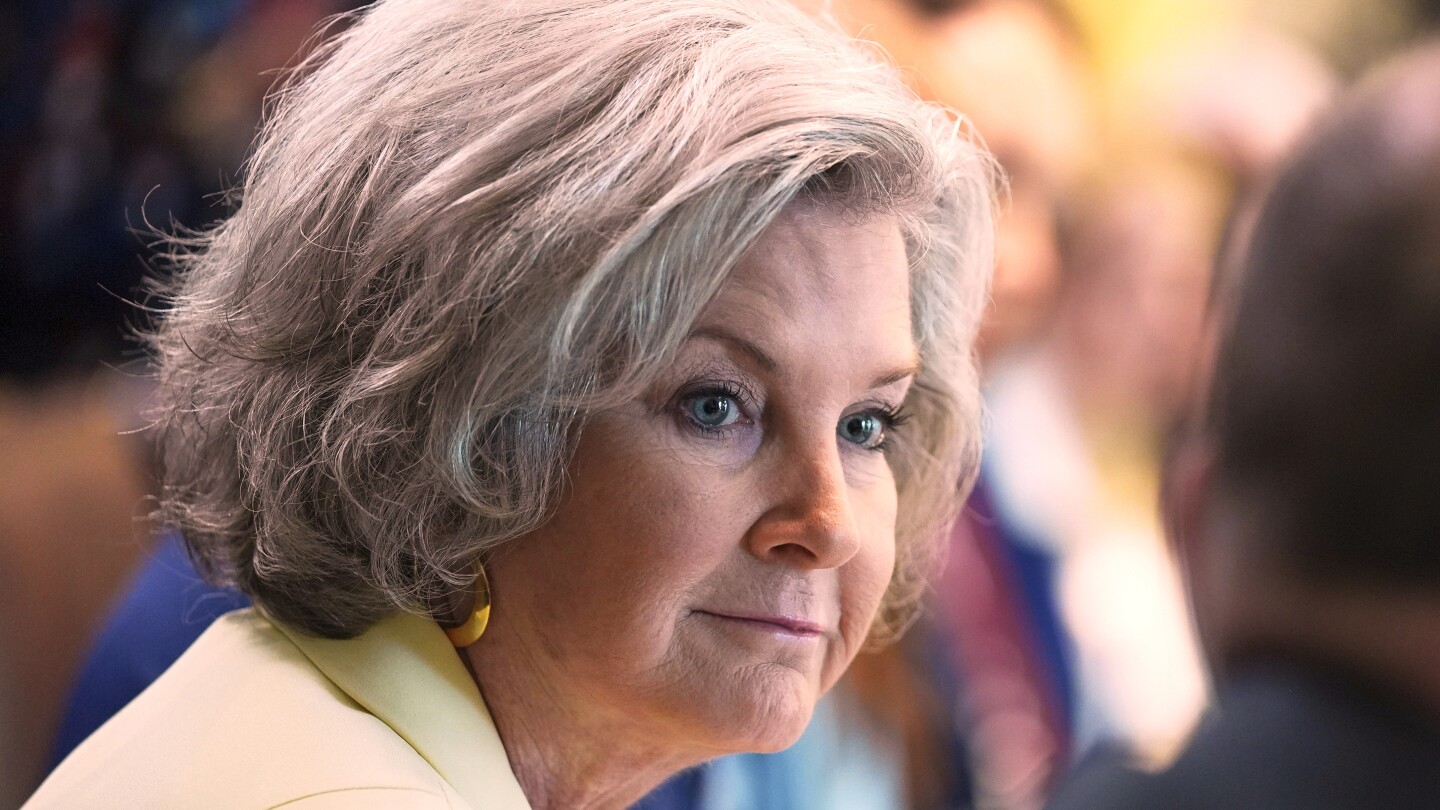
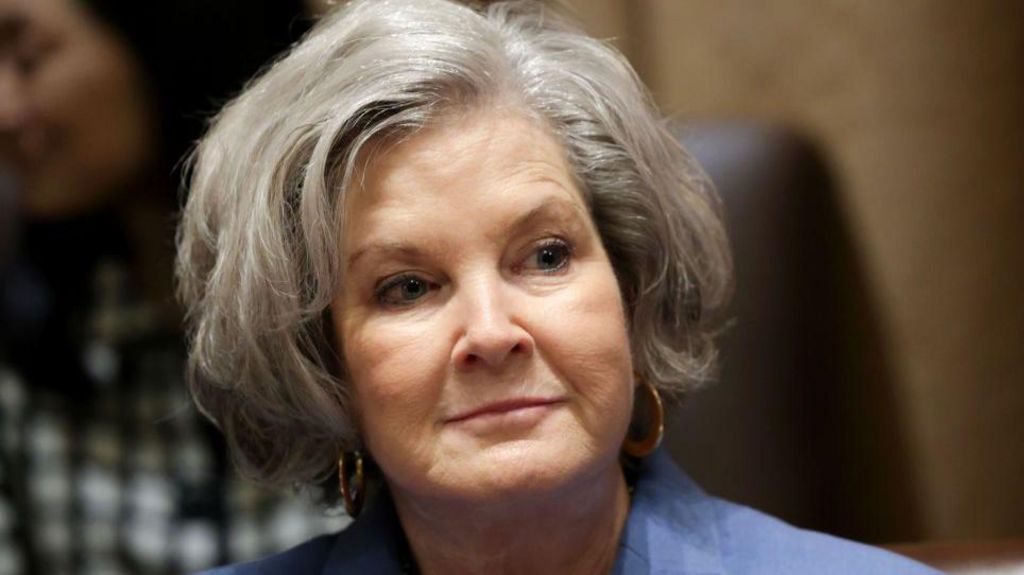
  • Trump’s chief of staff Susie Wiles hits back at Vanity Fair ‘hit piece’

    Trump’s chief of staff Susie Wiles hits back at Vanity Fair ‘hit piece’

    White House Chief of Staff Susie Wiles has publicly challenged a Vanity Fair article that portrays the Trump administration in what she characterizes as a deliberately negative light. The 68-year-old political strategist, who made history as the first woman to hold the key West Wing position, took to social media platform X to accuse the publication of creating “an overwhelmingly chaotic and negative narrative” by omitting “significant context” from her extensive interviews.

    The controversial profile, based on nearly a dozen conversations with Wiles, contained startling character assessments of prominent administration figures. Wiles described former President Donald Trump as possessing “an alcoholic’s personality” despite his teetotalism, drawing parallels to her childhood experiences with an alcoholic father. She suggested this background made her particularly adept at handling strong personalities, noting Trump governs with the conviction that “there’s nothing he can’t do.”

    Regarding Vice President JD Vance, Wiles referenced his past as a “conspiracy theorist” for approximately a decade before his political transformation into a Trump ally. When questioned by reporters, Vance responded that he only believes in conspiracy theories that are “true,” citing reports about President Joe Biden’s health as an example.

    The most pointed criticisms were reserved for tech billionaire Elon Musk, who briefly led cost-cutting initiatives at the Department of Government Efficiency before departing in May. Wiles characterized Musk as an “avowed Ketamine [user]” who slept in a sleeping bag in the Executive Office Building and described him as an “odd, odd duck” whose approach to government restructuring was fundamentally flawed.

    She specifically criticized Musk’s efforts to dismantle the US Agency for International Development (USAID), stating she was “initially aghast” at the proposal. While acknowledging Musk’s drive for rapid execution, Wiles asserted that “no rational person could think the USAID process was a good one.”

    The White House has rallied behind Wiles following the article’s publication. Press Secretary Karoline Leavitt issued a statement praising Wiles for helping Trump achieve “the most successful first 11 months in office of any President in American history” and emphasizing that the entire administration stands “united fully behind her.” Neither Trump nor Musk has publicly commented on the Vanity Fair piece.

  • Susie Wiles, White House chief of staff, criticizes Bondi and opines on Trump in Vanity Fair

    Susie Wiles, White House chief of staff, criticizes Bondi and opines on Trump in Vanity Fair

    WASHINGTON — In a series of candid interviews with Vanity Fair published Tuesday, White House Chief of Staff Susie Wiles offered unprecedented insights into the inner workings of President Donald Trump’s second administration while leveling sharp criticism against Attorney General Pam Bondi’s management of the Jeffrey Epstein case.

    The influential yet typically reserved aide acknowledged underestimating the magnitude of the Epstein scandal involving the disgraced financier but delivered pointed remarks about Bondi’s approach to the sensitive matter. “I think she completely whiffed on appreciating that that was the very targeted group that cared about this,” Wiles stated, referencing Bondi’s distribution of binders containing no new information to social media influencers.

    Despite her extensive on-the-record conversations with the magazine, Wiles subsequently dismissed the published piece as a “disingenuously framed hit piece” that omitted significant context to portray the administration negatively. She did not, however, deny the accuracy of the attributed comments.

    The interviews revealed several provocative administration positions, including Trump’s desire to continue military strikes against suspected drug vessels off Venezuela’s coast until leader Nicolas Maduro “cries uncle”—a statement seemingly at odds with the official position that operations focus solely on narcotics interception.

    Wiles provided rare personal assessment of the president, comparing his personality traits to those of “high-functioning alcoholics” despite his teetotalism, noting his unwavering belief that “there’s nothing he can’t do.” She described her role as channeling Trump’s energy and policy objectives while occasionally tempering his impulses.

    Regarding the administration’s much-discussed retribution campaign, Wiles acknowledged a “loose agreement” that score-settling would conclude within the first 90 days, though operations continued beyond that timeframe. She alternatively framed these actions as removing individuals who “have done bad things” from government rather than pure vengeance, though conceded the prosecution of New York Attorney General Letitia James for mortgage fraud might qualify as retribution.

    The Justice Department faces impending deadlines to release Epstein-related documents following Trump’s signing of legislation mandating disclosure, despite initial objections from the administration.

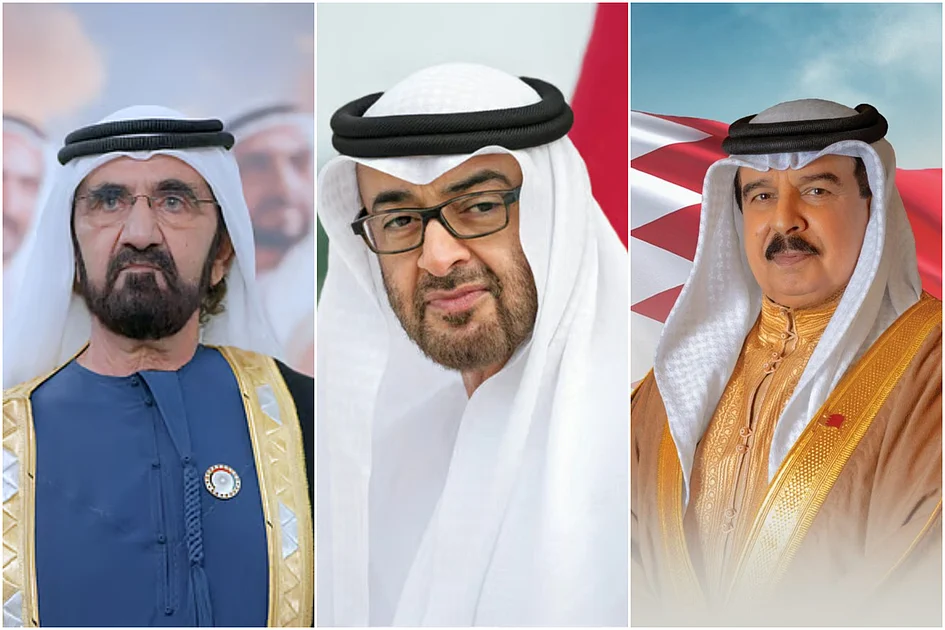
  • UAE leaders congratulate King of Bahrain on National Day

    UAE leaders congratulate King of Bahrain on National Day

    In a demonstration of regional solidarity, the United Arab Emirates has formally extended congratulations to the Kingdom of Bahrain on the occasion of its National Day. UAE President Sheikh Mohamed bin Zayed Al Nahyan and Vice President Sheikh Mohammed bin Rashid Al Maktoum both conveyed warm wishes to King Hamad bin Isa Al Khalifa and the Bahraini people through official channels on Tuesday, December 16, 2025.

    President Sheikh Mohamed emphasized the “enduring bonds of friendship between the UAE and Bahrain” in a statement posted on social media platform X. He expressed optimism about future cooperation, stating both nations look forward to “strengthening our ties to promote ongoing progress and prosperity for our nations, our peoples, and the region.”

    Dubai Ruler Sheikh Mohammed bin Rashid echoed these sentiments, offering prayers for Bahrain’s continued “security, safety, and prosperity.” He poetically described Bahrain as “the heart and the eye—an enduring affection and a shared destiny,” highlighting the deep cultural and historical connections between the two Gulf nations.

    The UAE is participating directly in the celebrations by hosting special events and shows, reflecting the leadership’s commitment to shared festivities. This diplomatic gesture underscores the strategic partnership and fraternal bonds that characterize UAE-Bahrain relations.

    Concurrently, the Bahraini government has formally declared December 16-17, 2025 as public holidays throughout the kingdom. Crown Prince and Prime Minister Prince Salman bin Hamad Al Khalifa confirmed the closure of all ministries, government departments, and public institutions during this period. The holidays commemorate both Bahrain’s National Day and the Accession Day of King Hamad bin Isa Al Khalifa, with the announcement applying to all government agencies and public authorities across the nation.

  • EU likely to delay free-trade deal with South America as French farmers block roads

    EU likely to delay free-trade deal with South America as French farmers block roads

    A quarter-century in the making, the landmark trade agreement between the European Union and South America’s Mercosur bloc faces significant delays as French agricultural protests intensify. Farmers across France have mobilized heavy machinery to blockade highways and construct makeshift barricades, employing tactics that have historically pressured the government into concessions.

    The core contention revolves around the proposed elimination of tariffs on nearly all goods traded between the blocs over a 15-year period. French producers argue this would expose them to unfair competition from Mercosur nations—Brazil, Argentina, Uruguay, Paraguay, and Bolivia—that operate under different regulatory standards concerning pesticides and environmental practices.

    Compounding trade anxieties, scattered outbreaks of lumpy skin disease in French cattle herds have ignited additional fury. Government-mandated culling of infected animals has further inflamed rural discontent, creating a volatile combination of economic and sanitary grievances.

    Despite the European Parliament’s recent approval of the deal with additional safeguards (431-161 vote, with 70 abstentions), France insists on three unmet demands: robust mechanisms to monitor and halt economic disruption, heightened regulatory alignment in Mercosur countries, and strengthened import inspections at EU ports.

    French European Affairs Minister Benjamin Haddad criticized the EU’s approach as “naive” and called for more assertive trade policies mirroring those of the United States and China. “We need to be open, but we also need to protect ourselves and protect our interests,” Haddad stated.

    While Ireland and Poland share France’s agricultural concerns, German MEP Svenja Hahn argued the pact would strengthen Europe’s geopolitical position, reducing dependence on China and Russia. The agreement, covering 780 million people and a quarter of global GDP, requires backing from two-thirds of EU member states for ratification. Despite scheduled signing ceremonies in Brazil, the growing protest movement suggests further delays are inevitable as farmers vow to escalate demonstrations, including planned marches in Brussels.

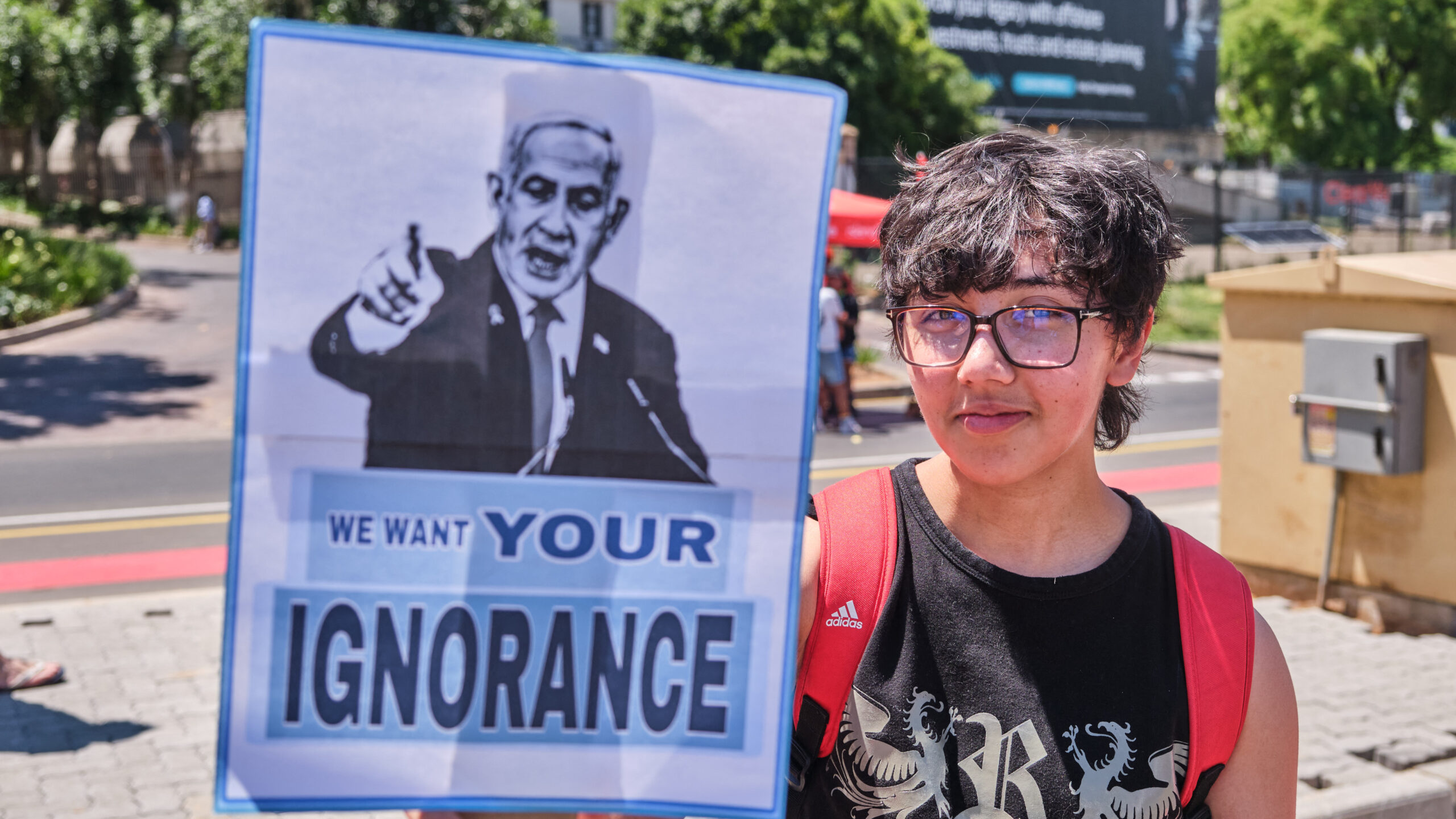
  • Netanyahu faces backlash after blaming Bondi attack on Australia’s support for Palestinian statehood

    Netanyahu faces backlash after blaming Bondi attack on Australia’s support for Palestinian statehood

    International condemnation has mounted against Israeli Prime Minister Benjamin Netanyahu for his controversial assertion that Australia’s recognition of Palestinian statehood contributed to the deadly Sydney attack that killed 15 people. The political firestorm erupted after Netanyahu revealed he had previously warned Australian Prime Minister Anthony Albanese that his government’s policy was “promoting and encouraging antisemitism” and would “pour fuel on the antisemitic fire.”

    The tragedy unfolded when two gunmen opened fire during a Hanukkah celebration at Sydney’s Bondi Beach on Sunday, leaving multiple others wounded in one of Australia’s deadliest antisemitic attacks. Netanyahu immediately connected the massacre to Australia’s diplomatic stance, claiming recognition of Palestine “rewards Hamas terrorism” and “emboldens those who menace Australian Jews.”

    Prime Minister Albanese firmly rejected this connection in an ABC interview, stating: “No, I don’t perceive a link, and overwhelmingly, most of the world recognises a two-state solution as being the way forward in the Middle East.” This position received substantial support across social media platforms, where users widely criticized Netanyahu’s logic as flawed and politically motivated.

    United Nations Special Rapporteur on Human Rights and Counter Terrorism Ben Saul expressed being “disgusted” by Netanyahu’s allegations, emphasizing that “Australia has taken extensive measures to prevent anti-semitism.” Prominent voices including Israeli-American academic Shaiel Ben-Ephraim and journalist Barry Malone accused Netanyahu of exploiting tragedy to advance political objectives, with Malone noting the consistent “weaponisation” of antisemitic attacks reduces victims to “political pawns.”

    The digital backlash highlighted concerns that Netanyahu’s comments undermine genuine efforts against antisemitism while attempting to legitimize Israel’s military actions in Gaza. Many social media users characterized the response as “predictable” and “morally obscene,” arguing it represents a cynical conflation of Palestinian statehood with antisemitic violence.

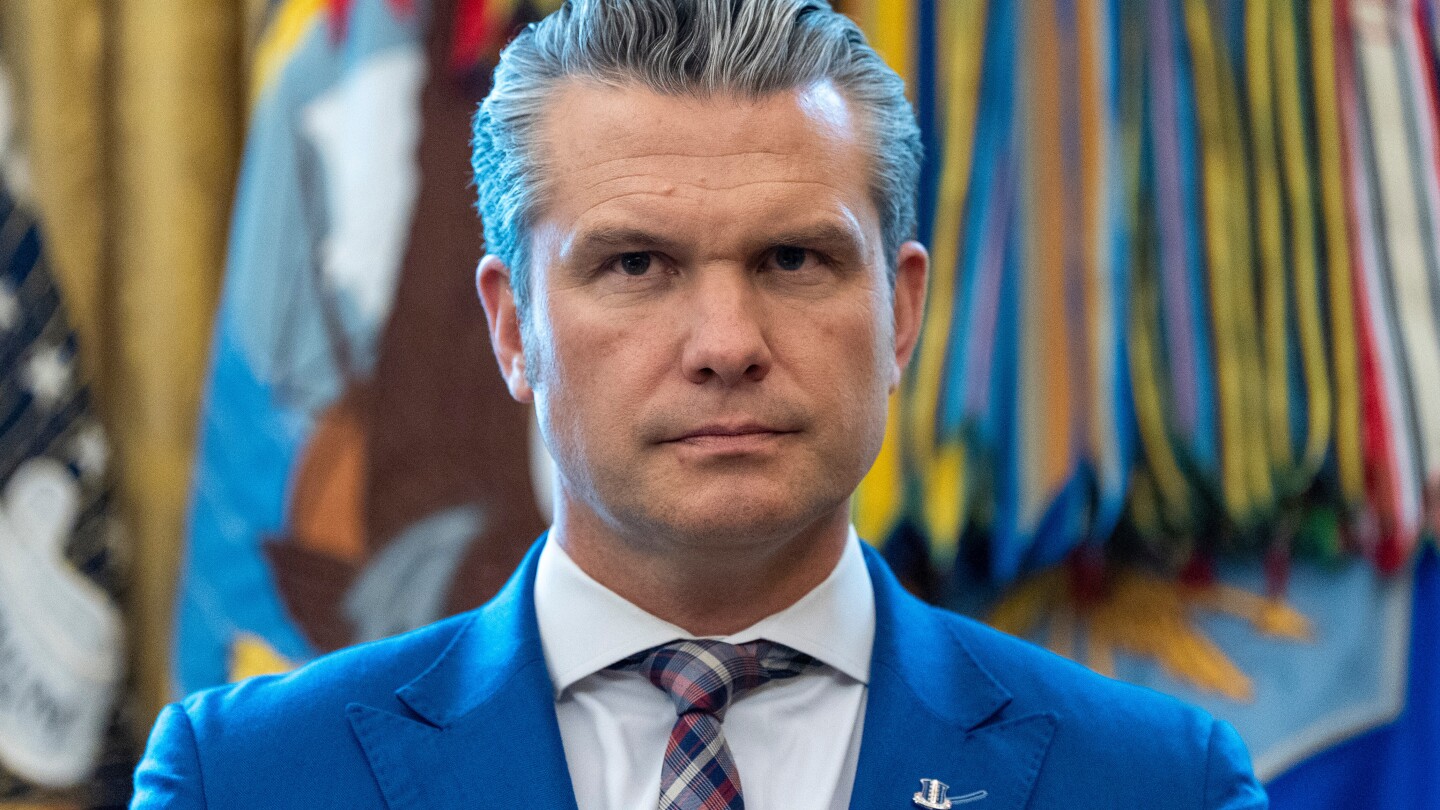
  • Hegseth and Rubio are expected back on Capitol Hill as questions mount over boat strikes

    Hegseth and Rubio are expected back on Capitol Hill as questions mount over boat strikes

    WASHINGTON — Senior U.S. national security officials returned to Capitol Hill on Tuesday amid intensifying congressional investigations into deadly military operations in international waters near Venezuela. Defense Secretary Pete Hegseth and Secretary of State Marco Rubio faced lawmakers demanding explanations for a series of controversial strikes that have resulted in numerous casualties.

    The congressional scrutiny follows a September 2nd incident where U.S. forces killed two survivors of an initial attack on a vessel allegedly transporting cocaine in the Caribbean. Just hours before the scheduled briefings, the military announced additional strikes in the eastern Pacific Ocean that eliminated eight individuals on three boats suspected of drug smuggling.

    This military escalation occurs alongside a substantial buildup of U.S. naval assets in the region, including the deployment of thousands of troops and the nation’s largest aircraft carrier. The administration has simultaneously conducted fighter jet flights near Venezuelan airspace and seized an oil tanker as part of its campaign against President Nicolás Maduro’s government.

    Notably, the Trump administration has operated without seeking congressional authorization for these actions, prompting bipartisan concerns about the legal and strategic foundations of the operations. Lawmakers are advancing war powers resolutions that could reach votes this week in response to what many perceive as executive overreach.

    The September incident has become particularly contentious after revelations that the victims were survivors clinging to wreckage from the initial strike. Admiral Frank ‘Mitch’ Bradley, who ordered the fatal follow-up attack, reportedly acknowledged to lawmakers that although the two individuals attempted to overturn their damaged vessel, success was unlikely. According to briefings, the victims were waving from the overturned craft without attempting to call for reinforcement.

    Legal experts including John Yoo of Berkeley Law and Michael Schmitt, former Air Force lawyer and professor emeritus at the U.S. Naval War College, have raised serious concerns about potential violations of the Pentagon’s manual on laws of war, which explicitly prohibits firing upon shipwrecked persons.

    The administration maintains that these operations are legally justified under U.S. and international law, with supporters like Senator Jim Risch claiming the drug interdictions have saved numerous American lives by preventing narcotics from reaching domestic shores.

    As congressional committees schedule additional classified briefings, lawmakers from both parties are seeking greater transparency, including the release of video footage from the September engagement and a clearer explanation of the strategic objectives behind the military buildup targeting Venezuela.

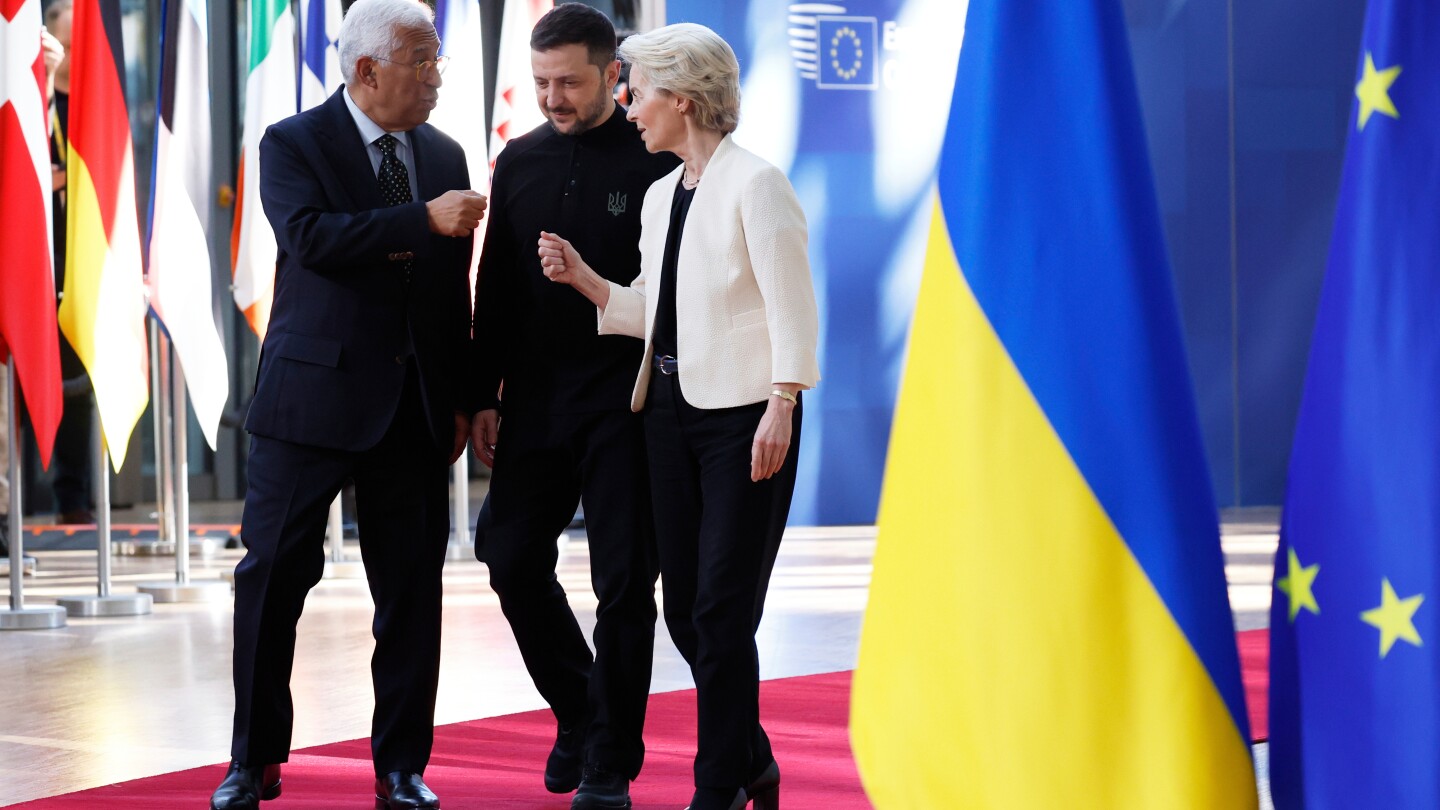
  • Envoys try to narrow gaps on a loan plan for Ukraine ahead of Thursday’s crunch EU summit

    Envoys try to narrow gaps on a loan plan for Ukraine ahead of Thursday’s crunch EU summit

    BRUSSELS — European Union diplomats are engaged in intensive negotiations to finalize an unprecedented plan that would utilize frozen Russian assets as collateral for a massive loan package to support Ukraine’s economic and military requirements through 2026. This development comes as EU leaders prepare for a critical summit later this week aimed at securing Ukraine’s financial stability amid Russia’s ongoing invasion.

    With Ukraine’s needs estimated by the International Monetary Fund at approximately €135 billion ($157 billion), the proposed mechanism represents a groundbreaking financial approach to wartime support. Swedish EU Affairs Minister Jessica Rosencrantz emphasized the urgency, stating, “We do not have the luxury of time. The cost and risk of doing nothing is greater than acting decisively.”

    The complex proposal faces significant challenges, including concerns from the European Central Bank about potential impacts on euro confidence and fears of Russian retaliation. Belgium, where the majority of Russian assets are held through the Euroclear financial clearinghouse, remains the primary opponent due to these security and economic concerns.

    Two distinct approaches have emerged: Plan A involves creating a “reparations loan” using Russian assets until Moscow agrees to pay war damages, while Plan B would require the EU to borrow on financial markets—a challenging proposition given many member states’ existing debt burdens. The frozen assets, totaling approximately €210 billion ($247 billion), were indefinitely secured last Friday to prevent obstruction by Moscow-friendly governments like Hungary and Slovakia.

    European Commission President Ursula von der Leyen has proposed the EU cover two-thirds of Ukraine’s needs through a €90 billion ($105 billion) loan, with international partners providing the remainder. The mechanism would transfer accumulated cash balances from sanctioned Russian assets to an EU debt instrument, with repayment contingencies tied to future sanctions lifting and Russian reparations agreements.

    Despite legal challenges from the Russian Central Bank and Belgium’s continued reservations, supporters argue the plan represents a vital financial security guarantee for Ukraine. German and Swedish commitments to share potential risks have strengthened the proposal’s viability as leaders work toward a qualified majority decision that would bypass potential vetoes from dissenting member states.

  • Trump sues BBC for $10 billion over documentary speech edit

    Trump sues BBC for $10 billion over documentary speech edit

    Former US President Donald Trump has initiated a monumental $10 billion legal action against the British Broadcasting Corporation (BBC), alleging deliberate manipulation of his January 2021 speech preceding the Capitol riot. The lawsuit, filed in Miami’s federal court on December 15, 2025, accuses the broadcaster of deceptive editing practices that allegedly distorted Trump’s remarks to suggest he explicitly incited violence.

    The legal challenge centers on a documentary aired on BBC’s flagship ‘Panorama’ program shortly before the 2024 presidential election. According to court documents, producers spliced together disparate segments of Trump’s address, creating the false impression that he directly encouraged supporters to storm the Capitol building where legislators were certifying President Biden’s electoral victory.

    Trump’s legal representatives characterized the broadcast as “intentionally malicious and deceptive” editing designed to influence electoral outcomes. The 79-year-old former president previously suggested the broadcaster might have employed artificial intelligence technologies to alter his statements, though no evidence supports this claim.

    The controversy has triggered significant organizational upheaval at the BBC, culminating in the resignation of both the director-general and top news executive following internal disclosures about the editing process. While BBC chairman Samir Shah has issued a formal apology and acknowledged the corporation’s delayed response to addressing the error, the organization maintains its position that the broadcast did not constitute legal defamation.

    This litigation represents the latest in a series of high-profile legal actions Trump has pursued against media organizations, several of which have resulted in multimillion-dollar settlements. The case raises fundamental questions about media ethics, political broadcasting standards, and the legal boundaries of editorial discretion in election coverage.