
Pakistan has formally extended its prohibition on Indian aircraft utilizing its airspace through January 23, 2026, according to an official Notice to Airmen (NOTAM) issued by the Pakistan Airports Authority on Wednesday, December 17, 2025. This decision prolongs a significant aviation restriction initially imposed in the aftermath of the Pahalgam attack in April, an incident that resulted in 26 fatalities and severely escalated bilateral tensions. The monthly renewal pattern continues, with the previous mandate scheduled to lapse on December 24. This ongoing closure compels airlines operating to and from India to navigate lengthier, more fuel-intensive flight paths, particularly affecting routes to and from Afghanistan, Central Asia, and parts of the Middle East, thereby increasing operational costs and flight durations. The persistent extension underscores the deep-rooted and unresolved diplomatic discord between the two nuclear-armed neighbors, with no immediate indications of a thaw in relations or aviation cooperation. The aviation sectors of both nations, along with international carriers servicing these routes, continue to adapt to this protracted geopolitical reality.
分类: politics
-
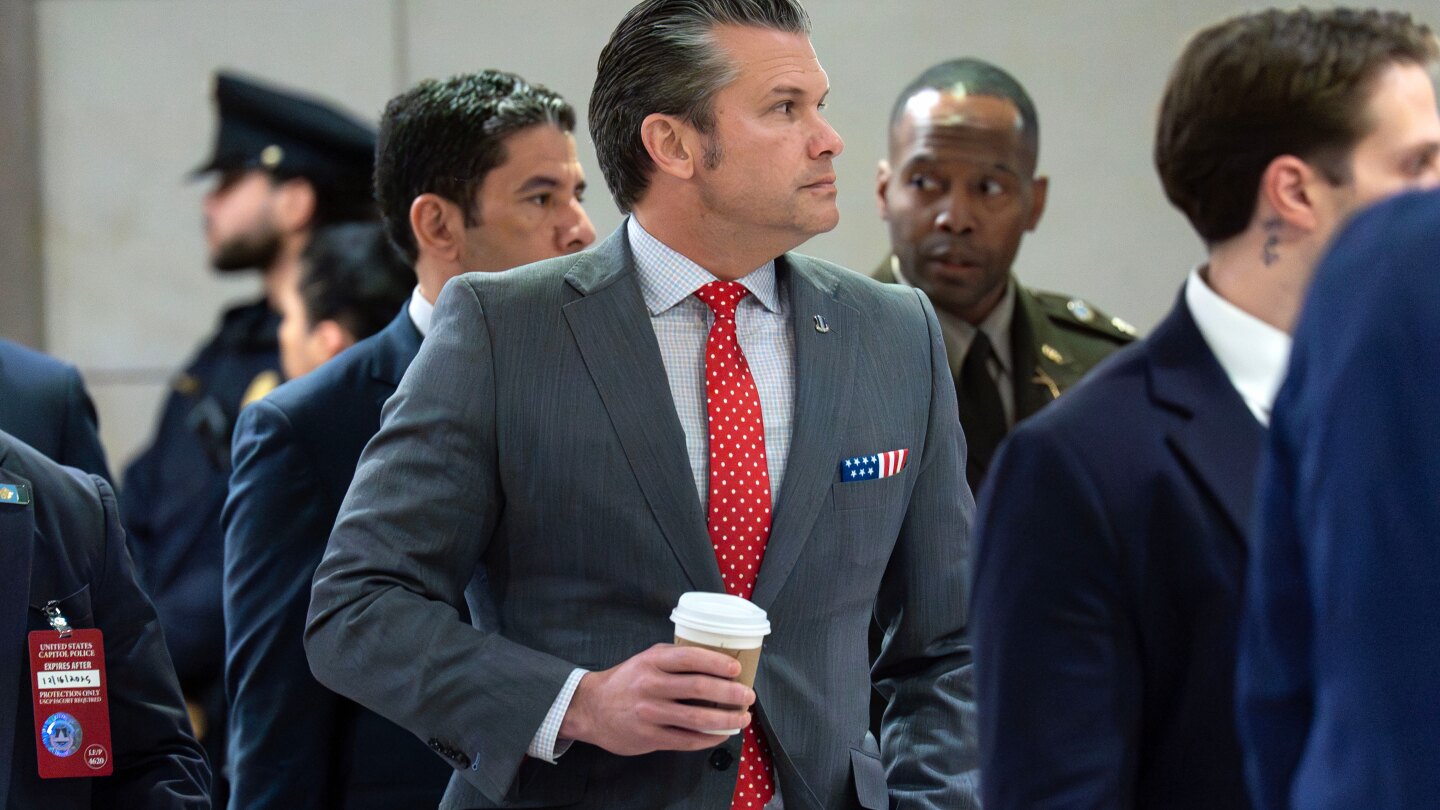
House to vote on resolutions to put limits on Trump’s campaign against Venezuela and drug cartels
The U.S. House of Representatives engaged in a significant constitutional confrontation on Wednesday, voting on war powers resolutions designed to curtail President Donald Trump’s autonomous military actions against Venezuelan targets and drug cartels in the Western Hemisphere. This legislative move represents the first formal congressional challenge to Trump’s escalating military campaign across Central and South America.
Democratic lawmakers orchestrated these votes amid growing concerns over the administration’s aggressive posture toward Venezuela and its controversial counter-narcotics operations. These operations have reportedly resulted in the destruction of 25 vessels allegedly transporting drugs and the deaths of at least 95 individuals. The resolutions would legally compel the Trump administration to seek explicit congressional authorization before continuing attacks against cartels designated as terrorist organizations or initiating military action against Venezuela itself.
Congressman Gregory Meeks, the senior Democrat on the House Foreign Affairs Committee, asserted that the administration’s true motivations extend beyond counter-narcotics. “The president is coveting Venezuelan oil,” Meeks declared, suggesting economic interests rather than national security concerns drive the aggressive stance.
The political landscape reveals deep partisan divisions. While Democratic leadership demands transparency and constitutional adherence, most Senate Republicans previously opposed similar measures. President Trump would almost certainly veto any such legislation reaching his desk. Nevertheless, Democrats forced the vote to initiate public debate and record Republican positions on the matter.
Republican leaders have increasingly endorsed Trump’s campaign, even as it potentially escalates into direct confrontation with Venezuelan President Nicolás Maduro. Senate Majority Leader John Thune (R-S.D.) characterized Maduro as “a cancer on that continent,” indicating openness to regime change objectives.
The administration defends its actions under existing counter-terrorism authorities, arguing that drug-trafficking organizations represent imminent threats to national security. This rationale has faced intensified scrutiny following revelations that a September 2nd operation killed two survivors of an initial attack.
Classified briefings with Secretary of State Marco Rubio, Defense Secretary Pete Hegseth, and the Navy admiral who ordered the controversial strike produced sharply contrasting reactions. Republican lawmakers largely supported the operation as based on precise intelligence, while Democrats described footage of the missile strike as “shocking” and demanded criminal investigations.
The debate extends beyond immediate operations to broader constitutional questions. Representative Don Bacon (R-Neb.), a retired Air Force brigadier general, acknowledged that while he believes the boat strike was lawful, “continued hostility does require congressional approval.”
Some Republicans joined Democrats in questioning the administration’s stated objectives. Representative Thomas Massie (R-Ky.) pointedly noted that if drugs were the primary concern, operations would focus on Mexico, China, or Colombia—the actual sources of most illegal substances. “This is about oil and regime change,” Massie concluded, echoing Democratic criticisms of the administration’s underlying motivations.
-
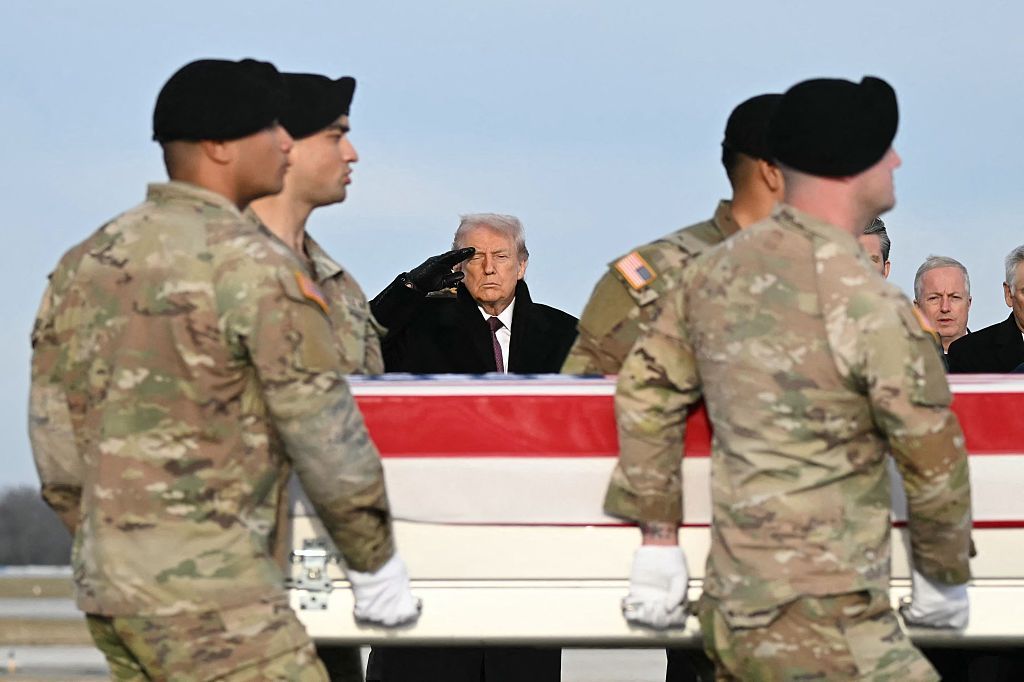
Watch: Trump attends dignified transfer for Americans killed in Syria
President Donald Trump made a solemn journey to Delaware’s Dover Air Force Base on Friday to participate in the dignified transfer ceremony honoring three American patriots killed in a hostile engagement in Syria. The fallen include two US service members and a civilian defense department interpreter who lost their lives during a routine patrol in the northern city of Manbij when their convoy was ambushed by an Islamic State militant.
The attack represents the deadliest confrontation for US forces in Syria since American troops commenced operations against the terrorist organization in 2015. The dignified transfer ceremony, a profoundly moving military tradition, saw the President and First Lady Melania Trump standing in respectful silence as flag-draped transfer cases carrying the remains of the deceased were carefully moved from a military aircraft to a waiting vehicle.
This poignant event occurs amid ongoing discussions regarding the future of US military presence in Syria, following President Trump’s December announcement of a planned withdrawal of approximately 2,000 troops from the region. Defense officials have emphasized that despite this tragic incident, the campaign against ISIS continues with undiminished determination, though they acknowledge the terrorist organization still maintains some operational capabilities within the region.
The fallen individuals, whose identities are being withheld pending family notifications, exemplified extraordinary bravery in serving their nation against global terrorism. Their sacrifice underscores the persistent dangers that American personnel face even as ISIS has lost virtually all of its formerly controlled territory.
-
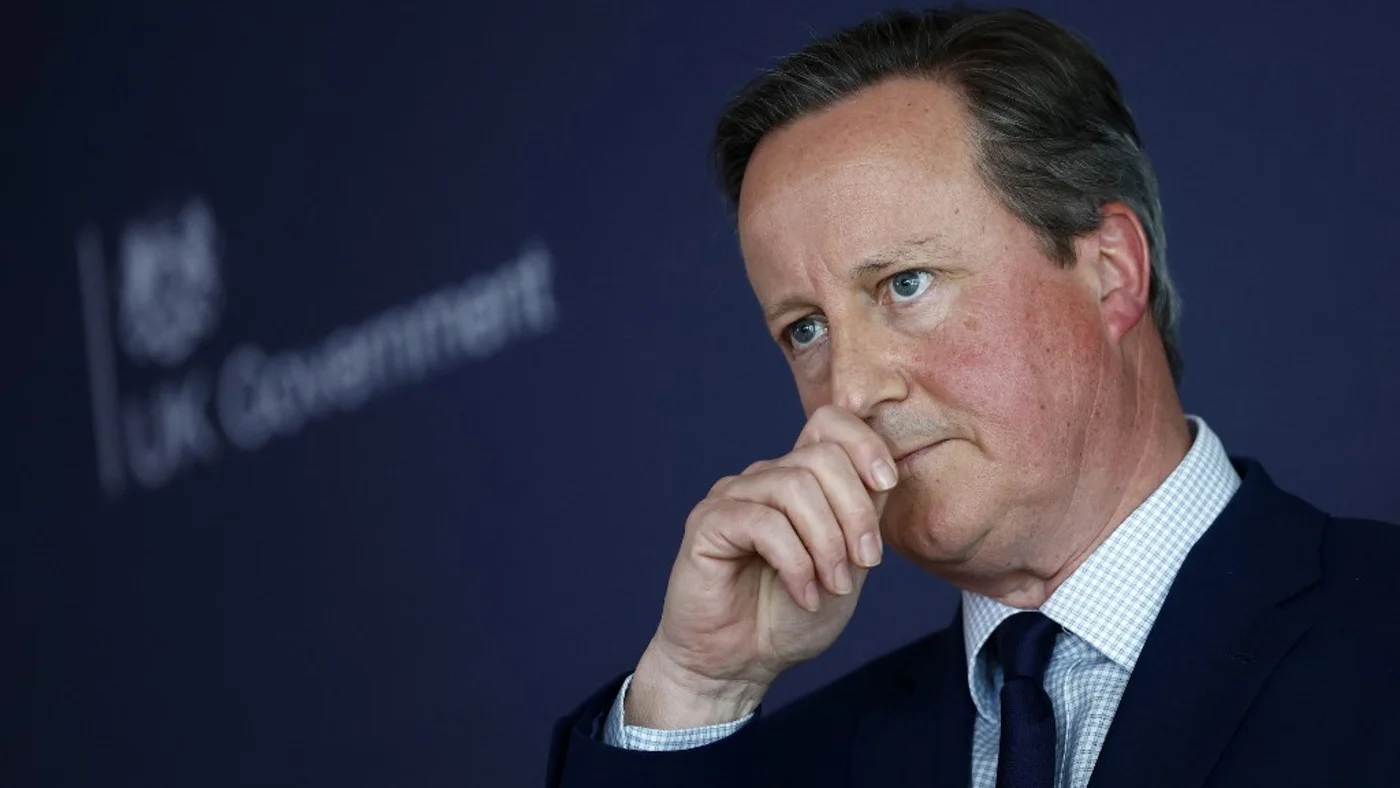
Foreign Office adviser urged Cameron to support Karim Khan days before he threatened prosecutor
Newly disclosed documents reveal a significant diplomatic confrontation between the United Kingdom and the International Criminal Court in April 2024. According to emails obtained through Freedom of Information requests, the UK Foreign Office’s top legal adviser, Sally Langrish, initially recommended that then-Foreign Secretary David Cameron meet with ICC Chief Prosecutor Karim Khan. Langrish emphasized that such a meeting would demonstrate Britain’s “strong support for the Court and for Karim Khan as its prosecutor.”
The recommended meeting was scheduled for April 15, 2024, in London. However, in a notable deviation from this advice, Cameron did not attend the meeting. Instead, Justice Secretary Alex Chalk met with Khan, during which the prosecutor revealed his intention to pursue arrest warrants for Israeli Prime Minister Benjamin Netanyahu, Defense Minister Yoav Gallant, and three Hamas leaders.
The situation escalated dramatically on April 23, 2024, when Cameron personally contacted Khan while the prosecutor was on an official visit to Venezuela. Multiple sources, including former staff from Khan’s office who have seen meeting minutes, confirm that Cameron employed strong rhetoric during this conversation. The foreign secretary characterized the potential arrest warrants as “like dropping a hydrogen bomb” and warned of their “profound implications” for British politics and his Conservative Party.
Most significantly, Cameron reportedly threatened that if the ICC proceeded with warrants against Israeli leaders, the UK would “defund the court and withdraw from the Rome Statute”—the ICC’s founding charter. This stance directly contradicted the Foreign Office’s earlier position of strong support for the international judicial body.
The Foreign Office has consistently declined to comment on these allegations. A source close to Cameron acknowledged the call occurred but characterized it as “robust” rather than threatening, suggesting Cameron was merely highlighting potential political pressures within his party. The incident has prompted calls for official investigation, with former Scottish First Minister Humza Yousaf demanding accountability and transparency regarding the UK’s position on international justice institutions.
-
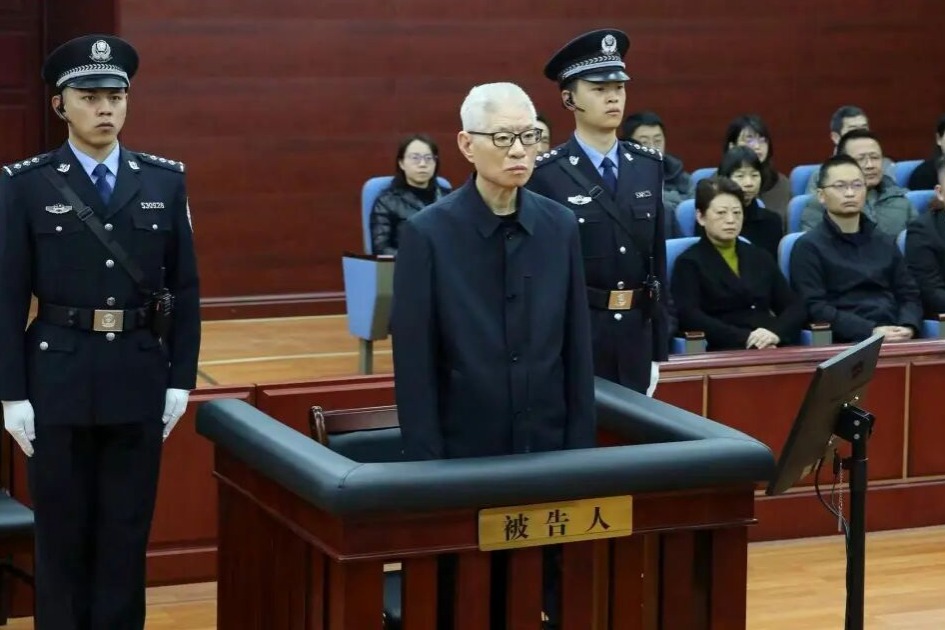
Former senior political advisor of Sichuan sentenced to 14 years
In a significant judicial ruling, Cui Baohua, formerly a high-ranking political advisor in Sichuan Province, has been sentenced to 14 years imprisonment for corruption offenses. The Intermediate People’s Court of Kunming in Yunnan province delivered the first-instance verdict on Wednesday, additionally imposing a substantial fine of 5 million yuan (approximately $710,000).
The court investigation revealed that between 2005 and 2024, Cui systematically exploited his official positions to illicitly acquire money and property valued at over 65.39 million yuan. His influential roles during this period included serving as Party secretary of Suining, head of the United Front Work Department of the Communist Party of China Sichuan Provincial Committee, and vice-chairman of the Sichuan Provincial Committee of the Chinese People’s Political Consultative Conference.
Judicial authorities have ordered the complete confiscation of all illicit assets obtained by Cui, including accrued interest, which will be transferred to the State treasury. This sentencing follows Cui’s expulsion from the Communist Party in March 2025, when he was found guilty of severe violations of Party discipline and national laws.
The case represents continued efforts by Chinese authorities to combat corruption within government ranks, demonstrating the judicial system’s commitment to holding high-ranking officials accountable for abuse of power and financial misconduct.
-

Canada’s population drops for first time since the pandemic
Canada has experienced its most significant quarterly population contraction since the 1940s, with federal statistics revealing a decline of 76,068 residents between July and October 2025. This demographic reversal marks a dramatic shift from the record growth witnessed in 2022, when Canada’s population expanded by over one million people.
The unprecedented decrease stems primarily from reduced numbers of non-permanent residents, including international students and temporary foreign workers. Statistics Canada’s preliminary data indicates this represents the largest quarterly drop since comparable record-keeping began in 1971. The contraction follows the federal government’s strategic decision to impose stricter limits on temporary residency permits.
Finance Minister François-Philippe Champagne, speaking from Berlin during a European visit, characterized the adjustment as necessary to achieve “a more sustainable level” of immigration. “Our goal is to take back control over our immigration system and find a better balance between our capacity to welcome people and the number of people who want to come to the country,” Champagne told reporters.
This policy reversal addresses mounting concerns that rapid population growth had exacerbated housing affordability crises, strained social services, and contributed to youth unemployment. The current administration under Prime Minister Mark Carney has continued the course set by predecessor Justin Trudeau, who acknowledged his government “didn’t get the balance quite right” when boosting immigration post-pandemic to address labor shortages.
Ottawa now aims to reduce temporary residents from the current 6.8% of the population (approximately 2.8 million people) to just 5% by 2027. Targets for new temporary residents will be slashed from 673,650 to 385,000 next year, with further reductions to 370,000 planned for 2027 and 2028.
The demographic shift has affected regions unevenly, with Ontario and British Columbia experiencing the most substantial population decreases. Only Alberta and the territory of Nunavut recorded growth during this period. Bank of Montreal senior economist Robert Kavcic noted that “a major population adjustment is well underway, and it remains one of the biggest economic stories in Canada.”
-

Mainland warns US against letting Taiwan separatists push confrontation
China has issued a forceful diplomatic warning to the United States regarding escalating tensions surrounding Taiwan, cautioning that American alignment with separatist elements risks creating a dangerous confrontation between the two global powers. The statement came from Zhu Fenglian, spokeswoman for China’s State Council Taiwan Affairs Office, during a Wednesday press briefing where she articulated Beijing’s growing concerns over recent developments.
Zhu emphasized that Taiwan constitutes an internal Chinese matter that permits no external interference, directly criticizing what she characterized as the provocative actions of Taiwan’s administration under Lai Ching-te. The spokeswoman specifically referenced Lai’s proposed $40 billion supplementary defense package intended for weapons procurement from the United States, alongside recent American media speculation about China’s military capabilities regarding the island territory.
According to Zhu, the current complex situation in the Taiwan Strait originates fundamentally from what she described as the Lai administration’s stubborn adherence to separatist policies and their continued collaboration with foreign powers to heighten tensions. She delivered Beijing’s unambiguous position that independence aspirations represent a ‘dead end’ while reaffirming China’s stance that reunification remains historically inevitable.
The spokeswoman further condemned Taiwan’s Democratic Progressive Party (DPP) authorities for allegedly transforming island temples into venues for military preparedness briefings. Zhu characterized the reported series of 16 ‘civil defense safety guidelines’ sessions held at religious sites as a desecration of sacred spaces, accusing the DPP of converting places of tranquility into what she called ‘arms depots for stockpiling weapons and venues for beating the drums of war.’
Zhu additionally accused the DPP of repeatedly obstructing cross-Strait religious exchanges while allegedly appropriating deities including Mazu and Guan Gong as instruments of political propaganda. She asserted that temple gatherings are being exploited to deceive voters and manufacture inter-community hatred, conduct which she claimed has already drawn substantial public criticism.
The comments followed the US Senate’s December 11 passage of the PORCUPINE Act (Providing Our Regional Companions Upgraded Protection in Nefarious Environments Act), legislation designed to facilitate arms sales to Taiwan that received enthusiastic endorsement from the DPP administration. Zhu expressed strong opposition to the congressional push, demanding that Washington cease ‘arming Taiwan’ and refrain from interfering in China’s internal affairs.
In her concluding remarks, Zhu urged American compliance with the one-China principle and the provisions established in the three China-US joint communiques. She warned that the DPP authorities, driven by self-serving separatist motives, appear willing to permit external forces to transform Taiwan into what she termed a ‘war hedgehog’ while reducing the island’s population to mere cannon fodder.
-
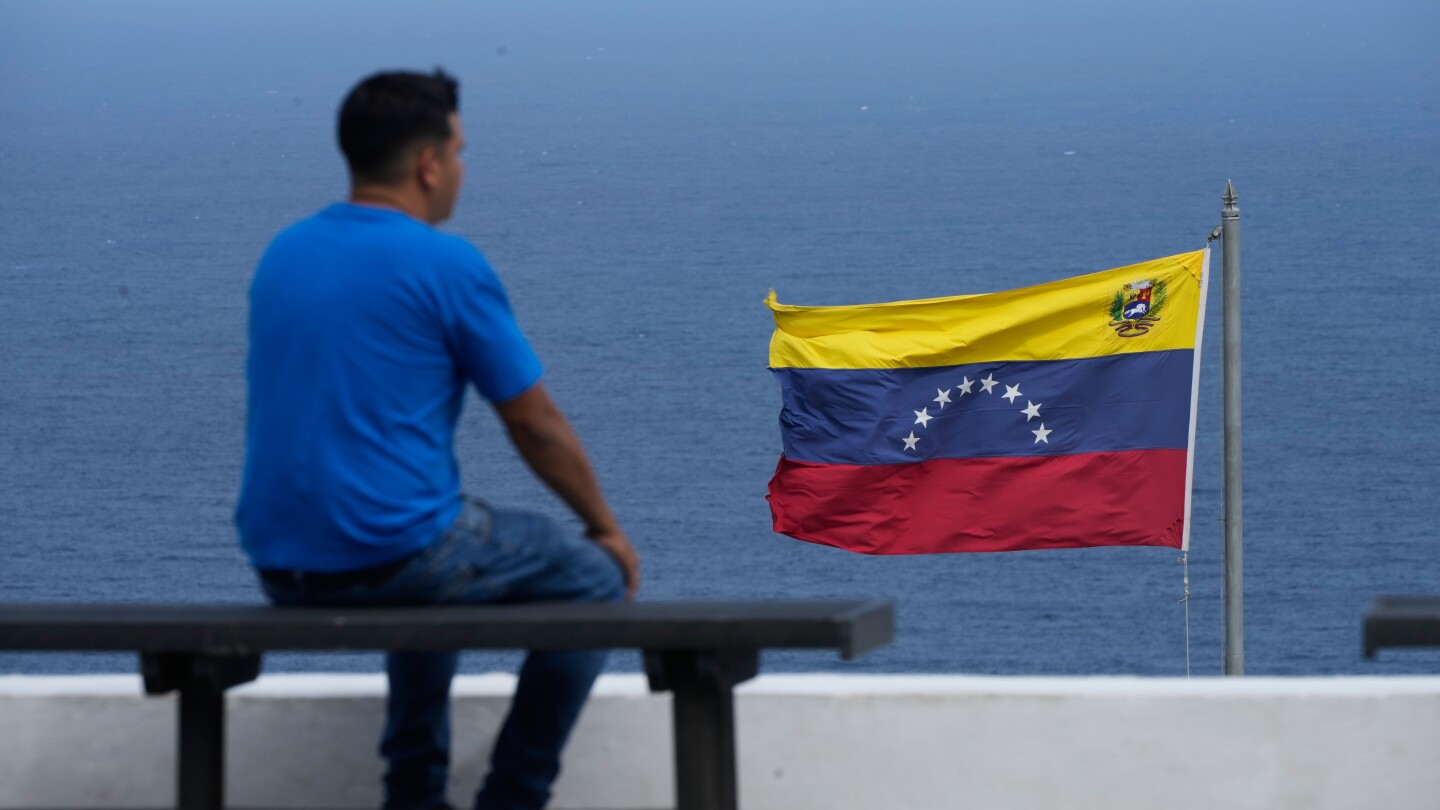
The oil blockade threat creates anxiety in Venezuela but people stick to their daily lives
CARACAS, Venezuela — The United States has escalated its economic offensive against Venezuela with President Donald Trump announcing plans to implement a naval blockade targeting sanctioned oil tankers. This strategic maneuver represents a significant intensification of pressure on the administration of President Nicolás Maduro, potentially crippling a nation already grappling with profound multidimensional crises.
Venezuelan citizens, seasoned by years of political turmoil, social unrest, and economic collapse, responded to the latest development with a mixture of heightened anxiety and weary resignation. Many residents expressed that after enduring severe shortages of essential commodities including food and gasoline, this new threat feels like merely another hardship in their daily struggle for survival.
The geopolitical confrontation escalated when Trump publicly declared the blockade initiative through social media platforms on Tuesday evening. The U.S. President asserted, without providing substantiating evidence, that Venezuela utilizes oil revenues to finance international drug trafficking operations and other criminal activities. He explicitly vowed to maintain military presence in the region until Venezuela concedes petroleum resources, territorial access, and additional assets to American interests.
This development follows recent military actions including the seizure of a Venezuelan tanker by U.S. naval forces last week, accompanied by a noticeable buildup of American military assets in the Caribbean region. Venezuela maintains the world’s largest proven oil reserves and currently produces approximately one million barrels daily, with petroleum exports constituting nearly 90% of the nation’s foreign currency earnings.
According to expert analysis, a full implementation of the blockade would precipitate catastrophic economic consequences. David Smilde, a Tulane University professor and Venezuela scholar with over thirty years of research experience, warned that such action would trigger massive economic contraction. “This nation traditionally imports not only finished products but most intermediate goods—everything from toilet paper to food containers,” Smilde explained. “Without incoming foreign currency, the entire economic apparatus grinds to a halt.”
The current situation represents an escalation of economic measures that began in 2017 when the Trump administration initially imposed comprehensive oil sanctions. In response, Maduro’s government has increasingly relied on sanctioned tankers to circumvent restrictions and maintain crude oil distribution through global supply networks.
-
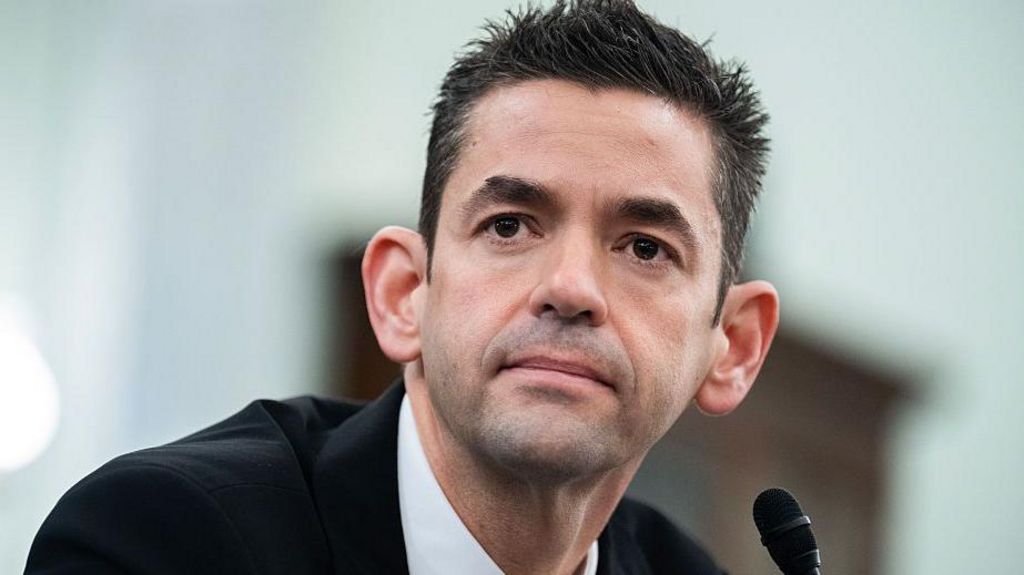
Billionaire Jared Isaacman confirmed as Nasa chief after turbulent nomination
In an unprecedented move for America’s space leadership, billionaire entrepreneur and amateur astronaut Jared Isaacman has been confirmed as NASA’s next administrator following a contentious nomination process. The Senate approved his appointment with a decisive 67-30 vote on Wednesday, marking a historic departure from tradition as Isaacman becomes the first NASA chief in decades to come directly from outside government circles.
The confirmation culminates a remarkable political saga that saw President Donald Trump initially nominate Isaacman in May, subsequently withdraw the nomination citing ‘thorough review of prior associations,’ and ultimately renominate the space-faring billionaire. This unusual sequence occurred during a public feud between Trump and Elon Musk, whose SpaceX maintains professional ties with Isaacman.
At 42, Isaacman brings unique credentials to the position, having achieved the distinction of being the first non-professional astronaut to conduct a spacewalk. His tenure will be fundamentally tested by one overriding objective: returning American astronauts to the lunar surface ahead of China’s expanding space ambitions. President Trump has explicitly prioritized establishing a permanent lunar base both for resource extraction and as a strategic stepping stone toward Mars missions.
Isaacman has fully embraced this lunar vision, placing him at odds with Musk who has frequently characterized Moon missions as distractions from Mars colonization. In recent congressional testimony, Isaacman emphasized the urgency of the space race: ‘This is not the time for delay but a time for action because if we fall behind – if we make a mistake – we may never catch up, and the consequences could shift the balance of power here on Earth.’
A leaked policy document reveals Isaacman’s strategic approach centers on intensifying private sector competition within America’s space ecosystem. This philosophy recently manifested in his praise for Blue Origin’s major contract award, potentially creating friction with Musk’s SpaceX dominance. His vision also proposes strengthened partnerships with academic institutions, repositioning NASA as a ‘force multiplier for science.’ The planned 2027 launch of the Roman Space Telescope serves as a flagship example of this collaborative approach.
Financially independent with an estimated net worth of $1.2 billion from his payment processing company and aviation ventures, Isaacman has demonstrated willingness to personally fund critical programs if necessary. He succeeds Transportation Secretary Sean Duffy, who has served as interim NASA chief since July, and represents a dramatic shift from recent agency leadership patterns as he assumes his first political role.
-
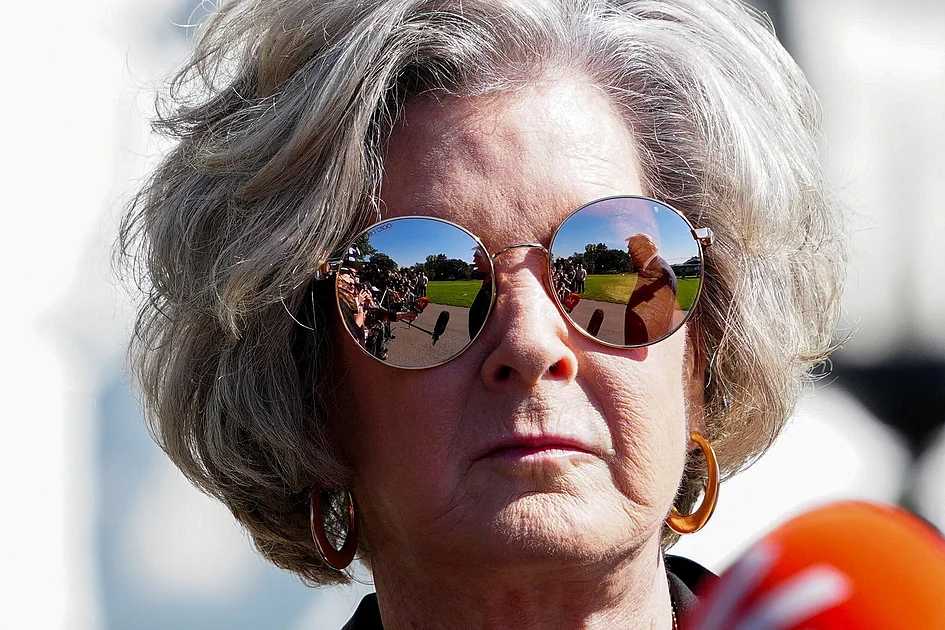
Trump has ‘alcoholic’s personality,’ chief of staff says in bombshell interview
A remarkably candid interview with White House Chief of Staff Susie Wiles has triggered significant political turbulence within the Trump administration, revealing extraordinary internal dynamics through blunt character assessments of key figures. Published by Vanity Fair following extensive interviews conducted over the past year with veteran journalist Chris Whipple, the piece portrays a White House grappling with internal tensions despite public displays of unity.
Wiles, whom President Trump has previously dubbed the ‘ice maiden’ and credited as instrumental to his second-term operations, offered startlingly frank evaluations of administration colleagues. She characterized Vice President JD Vance as a ‘conspiracy theorist’ regarding his long-standing views on the Jeffrey Epstein scandal, described tech mogul Elon Musk—who briefly headed the Department of Government Efficiency—as an ‘odd, odd duck’ and ‘complete solo actor,’ and labeled budget director Russ Vought a ‘right-wing absolute zealot.’
Most remarkably, Wiles suggested President Trump possesses ‘an alcoholic’s personality,’ drawing from her personal experience with her father’s alcoholism. She elaborated that this manifests as an unwavering belief ‘that there’s nothing he can’t do,’ while clarifying she considers herself ‘not an enabler’ to the president.
The interview revealed significant policy divisions, including Wiles’ criticism of Musk’s shutdown of USAID’s international aid apparatus and her disclosure of a ‘loose agreement’ with Trump to limit political retaliation against opponents after 90 days. On foreign policy, she indicated Trump believes Vladimir Putin ‘wants the whole country’ of Ukraine, despite ongoing peace negotiations.
The administration responded with a coordinated defense, with Trump himself validating Wiles’ characterization of his personality while praising her job performance. Vice President Vance downplayed the remarks as inside jokes, and Defense Secretary Pete Hegseth declared there was ‘absolutely nobody better’ for the chief of staff role. Wiles herself dismissed the piece as a ‘disingenuously framed hit piece’ that omitted crucial context.