分类: politics

  • Trump draws condemnation for expanding travel ban, barring Palestinians

    Trump draws condemnation for expanding travel ban, barring Palestinians

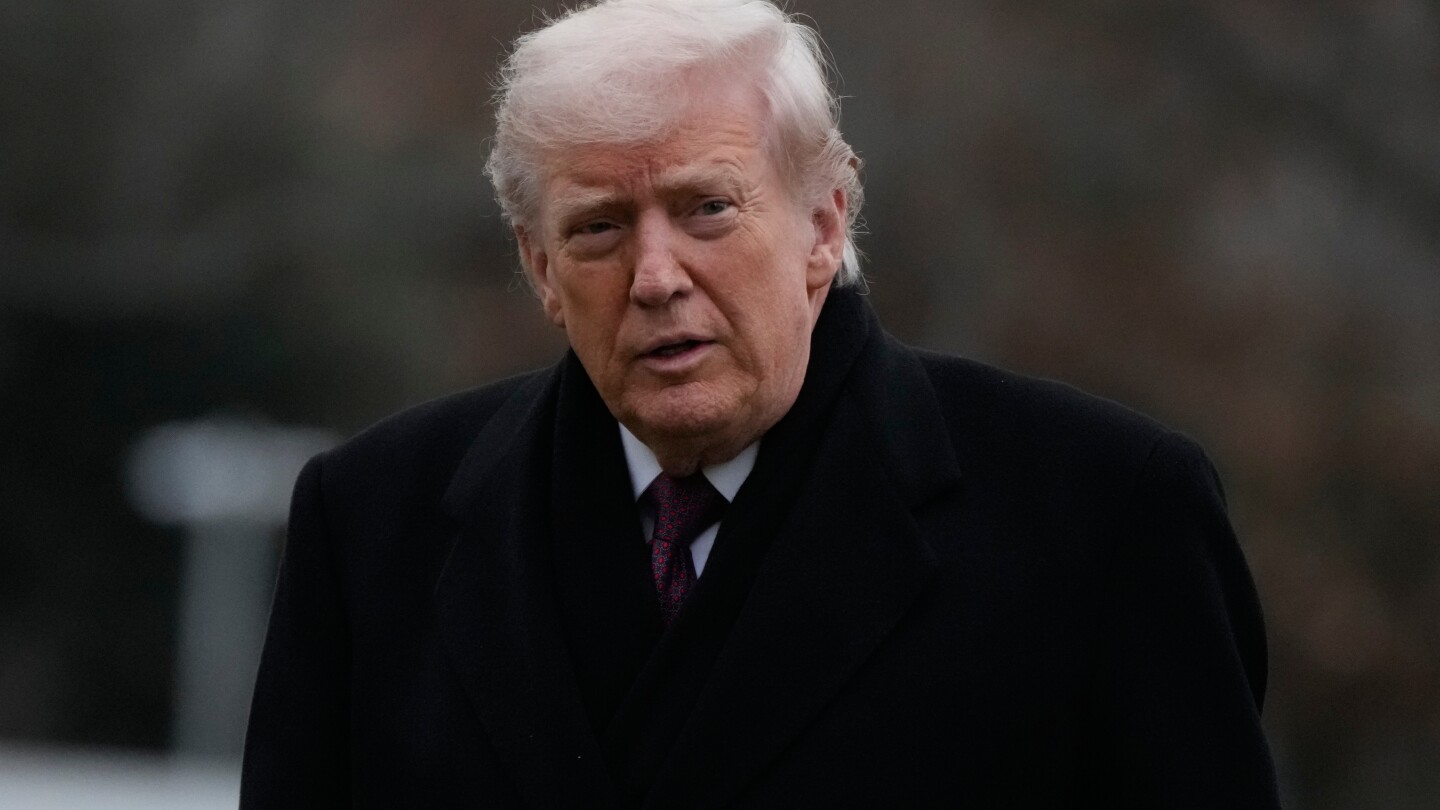
    The Trump administration has ignited a firestorm of criticism with its significant expansion of the controversial travel ban, adding 20 new countries to the restrictions and bringing the total number of affected nations to 39. Announced on Tuesday, the updated policy imposes a full entry ban on Syrian nationals and explicitly targets individuals holding Palestinian Authority travel documents, alongside new restrictions affecting numerous African and Arab nations. The White House justified the measures, set to take effect January 1, as essential for safeguarding U.S. national security through enhanced vetting protocols.

    The expansion has been met with immediate and fierce condemnation from lawmakers, advocates, and public figures who decry it as a thinly veiled manifestation of racism and religious discrimination. Massachusetts Senator Ed Markey declared the policy ‘racism disguised as security, xenophobia disguised as policy,’ a sentiment echoed across social media and official statements.

    Notably, the ban’s timing and specific targets have drawn intense scrutiny. Representative Rashida Tlaib, the sole Palestinian-American in Congress, condemned the inclusion of Palestinians amidst the ongoing conflict in Gaza, stating the administration’s ‘racist cruelty knows no limits.’ This perspective was reinforced by Georgia State Representative Ruwa Romman, a Palestinian American, who warned the policy would cruelly separate families already displaced by violence.

    Critics further argue the administration’s rhetoric reveals a broader agenda beyond security. Immigration policy analyst Aaron Reichlin-Melnick pointed to Department of Homeland Security language classifying even children and spouses of U.S. citizens on legal visas as ‘foreign invaders,’ suggesting an underlying contempt for legal immigration itself. The human cost of the policy was highlighted by users citing the case of Palestinian peace activist Awdah al-Hathaleen, who was denied entry and later killed after being returned.

    While Vice President JD Vance defended the move on X as key to eliminating antisemitism and promoting assimilation, the overwhelming response framed the expansion as a discriminatory policy disproportionately targeting Muslim-majority regions already grappling with war and displacement, drawing historical parallels and signaling a profound shift in U.S. immigration ideology.
  • Trump announces ‘warrior dividend’ payments for troops

    Trump announces ‘warrior dividend’ payments for troops

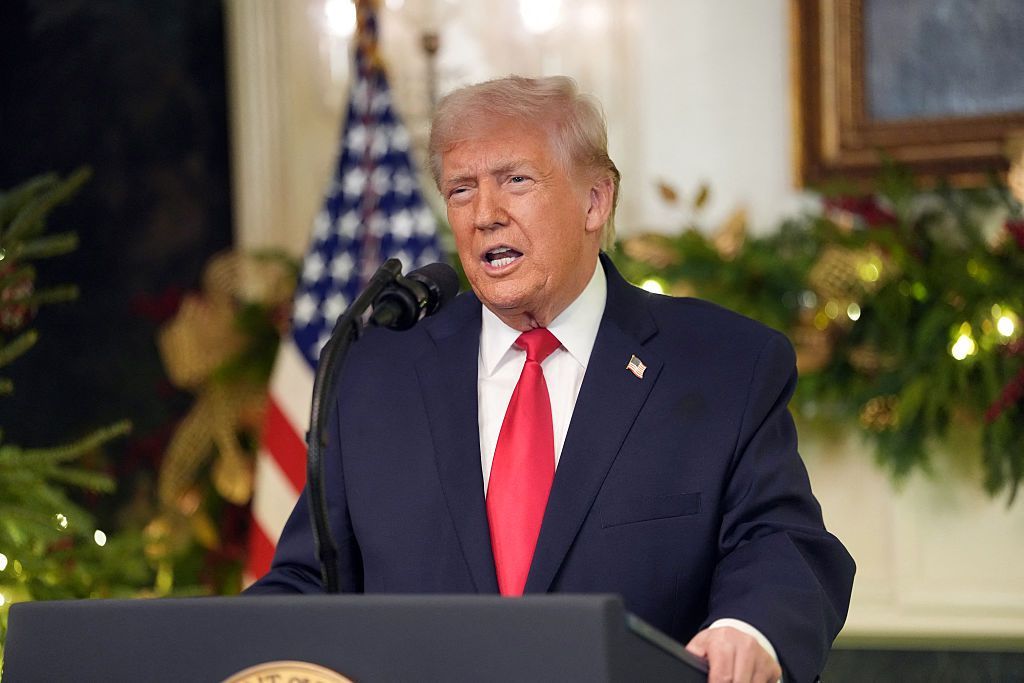
    President Donald Trump utilized a nationally televised address on Wednesday evening to announce a special $1,776 payment designated for 1.45 million U.S. service members, characterizing it as a “warrior dividend” honoring the nation’s 1776 founding. The substantial financial allocation, totaling $2.57 billion, will be partially financed through tariff revenues collected by the administration.

    During his 18-minute primetime presentation, Trump assured viewers that distribution was already underway with anticipated delivery before Christmas. The commander-in-chief framed this gesture as appropriate recognition for military personnel, asserting “nobody deserves it more than our military.” Additional funding originates from the “One Big, Beautiful Bill” legislation enacted last July 4th.

    The economic address extensively promoted administration achievements while assigning blame to Democratic predecessors for current financial challenges. Trump specifically referenced former President Joe Biden seven times during the speech, maintaining that under current leadership “they [prices] are all coming down and coming down fast” despite contradictory economic indicators.

    Recent inflation data reveals persistent consumer concerns, with September figures showing 3% inflation alongside declining consumer confidence metrics. Multiple polls indicate widespread public dissatisfaction regarding living expenses, particularly housing, childcare, and healthcare costs that remain elevated despite presidential claims of general price reduction.

    Political analysts note the timing coincides with concerning midterm election projections for Republicans, compounded by recent Democratic victories in Virginia, New Jersey, New York City, Miami and Georgia. The administration faces increasing pressure regarding economic perception, with approval ratings on economic issues dropping 15 points since March according to CBS News/YouGov polling.

    While acknowledging historical patterns where incumbent parties struggle during midterms, the president offered limited policy innovations during the address. Instead, he highlighted previously enacted tax reforms and pointed toward symbolic improvements during upcoming 250th anniversary celebrations of nation’s founding next year.

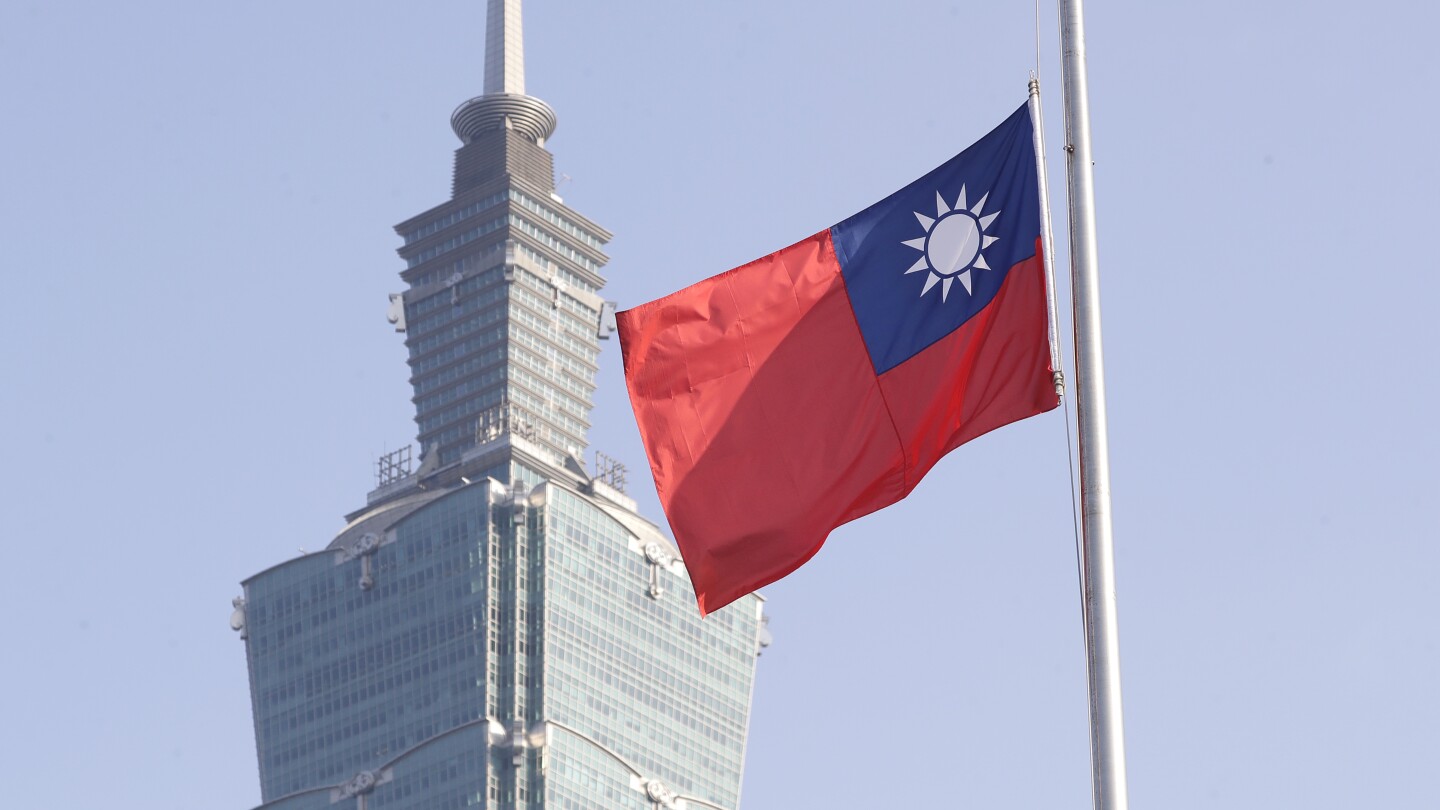
  • US announces massive package of arms sales to Taiwan valued at more than $10 billion

    US announces massive package of arms sales to Taiwan valued at more than $10 billion

    The Trump administration has authorized a comprehensive $10 billion military assistance package for Taiwan, marking one of the most significant arms transfers to the self-governing island in recent history. The substantial defense package, announced by the State Department late Wednesday, includes sophisticated weaponry systems designed to enhance Taiwan’s defensive capabilities against potential threats.

    The extensive arms deal comprises 82 High Mobility Artillery Rocket Systems (HIMARS) alongside 420 Army Tactical Missile Systems (ATACMS), representing a combined value exceeding $4 billion. These advanced systems mirror the military equipment previously supplied to Ukraine during the Biden administration’s support efforts against Russian aggression. Additionally, the package incorporates 60 self-propelled howitzer artillery systems with associated equipment valued at over $4 billion, alongside reconnaissance and combat drones worth approximately $1 billion.

    Supplementary components include advanced military software systems priced at over $1 billion, Javelin and TOW anti-tank missiles totaling $700 million, helicopter spare parts amounting to $96 million, and Harpoon missile refurbishment kits valued at $91 million. The State Department emphasized that these transfers align with U.S. national security interests while supporting Taiwan’s ongoing military modernization initiatives.

    In official statements, department officials asserted that the proposed sales would contribute to regional stability by maintaining political equilibrium and supporting economic progress. The arms transfer occurs amidst escalating tensions between Washington and Beijing, particularly regarding Taiwan’s status. China maintains its longstanding position that Taiwan must reunify with the mainland, employing forceful rhetoric regarding potential reunification measures.

    The military assistance initiative follows Congressional legislation that the administration is expected to formally endorse shortly. China’s embassy in Washington previously condemned the defense authorization act, characterizing it as promoting a ‘China threat’ narrative and undermining bilateral relations. Beijing expressed strong opposition to what it perceives as interference in China’s sovereignty and security interests.

    Under established federal law, the United States maintains obligations to assist Taiwan with self-defense capabilities, though this commitment remains a persistent point of contention in Sino-American relations. The substantial arms package represents the latest development in the complex geopolitical dynamics involving the United States, China, and Taiwan.

  • Australian PM announces crackdown on hate speech after Bondi shooting

    Australian PM announces crackdown on hate speech after Bondi shooting

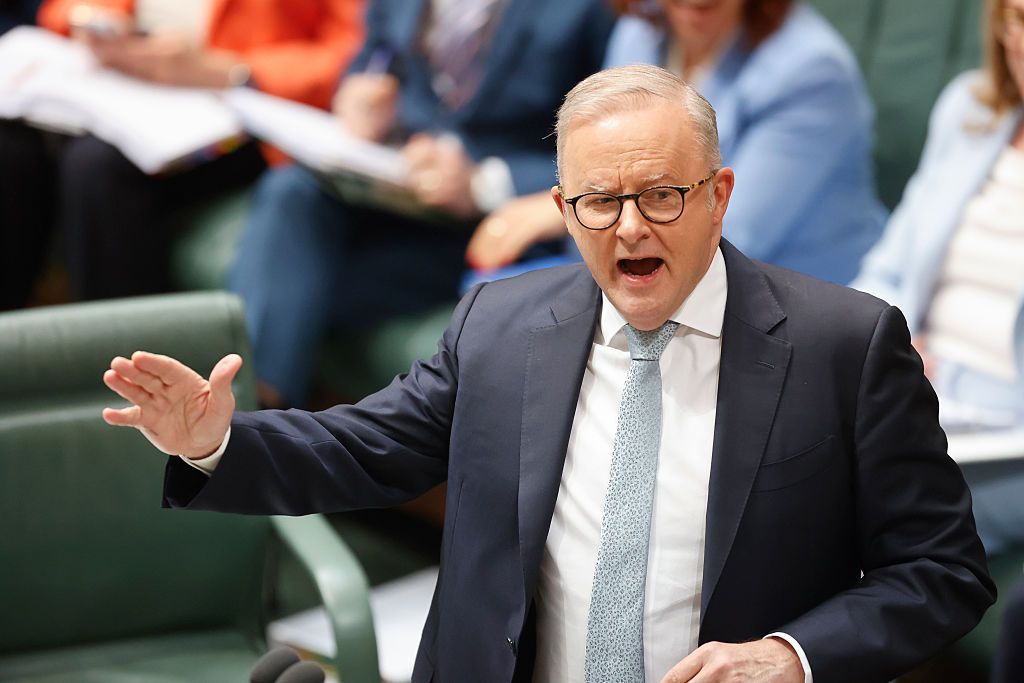
    In a decisive response to the Bondi Beach massacre that claimed 15 lives during a Hanukkah celebration, Australian Prime Minister Anthony Albanese has unveiled comprehensive legislation targeting hate speech and radicalization. The legislative package represents Australia’s most significant hardening of hate crime laws in decades, introducing multiple layers of legal consequences for perpetrators of religious-based violence and intimidation.

    The framework establishes a new federal offense categorized as ‘aggravated hate speech’ while empowering courts to treat ‘hate’ as an aggravating factor during sentencing for online threats and harassment. Religious leaders and preachers who promote violence will face specific penalties under the new provisions. The Home Affairs Minister will receive expanded authority to cancel or refuse visas for individuals engaged in hate dissemination, fundamentally altering Australia’s approach to handling foreign nationals who propagate division.

    A specialized taskforce will oversee educational reforms to combat antisemitism systemically, ensuring institutions implement robust prevention and response mechanisms. This initiative follows the government’s full endorsement of recommendations from Antisemitism Envoy Jillian Segal’s July report, which previously sparked free speech concerns due to its proposed monitoring of universities and arts organizations.

    Prime Minister Albanese acknowledged criticisms regarding his administration’s response to rising antisemitism since the October 7 Hamas attacks, stating: ‘I accept my responsibility as Prime Minister of Australia. What people seek during this period isn’t further division but national unity.’ Home Affairs Minister Tony Burke emphasized the legislation ‘shifts the threshold’ for acceptable speech, addressing individuals who ‘exploit principles of free speech to dehumanize others without explicitly crossing into violence.’

    The Bondi attackers, identified as ISIS-inspired radicals, attempted to fracture Australian social cohesion through targeted violence against Jewish citizens. Instead, according to Albanese, Australians have responded with ‘love and sympathy for those in mourning,’ reinforcing the nation’s commitment to multicultural values and religious safety.

  • Trump leaning on Pakistan to contribute troops to Gaza force: Report

    Trump leaning on Pakistan to contribute troops to Gaza force: Report

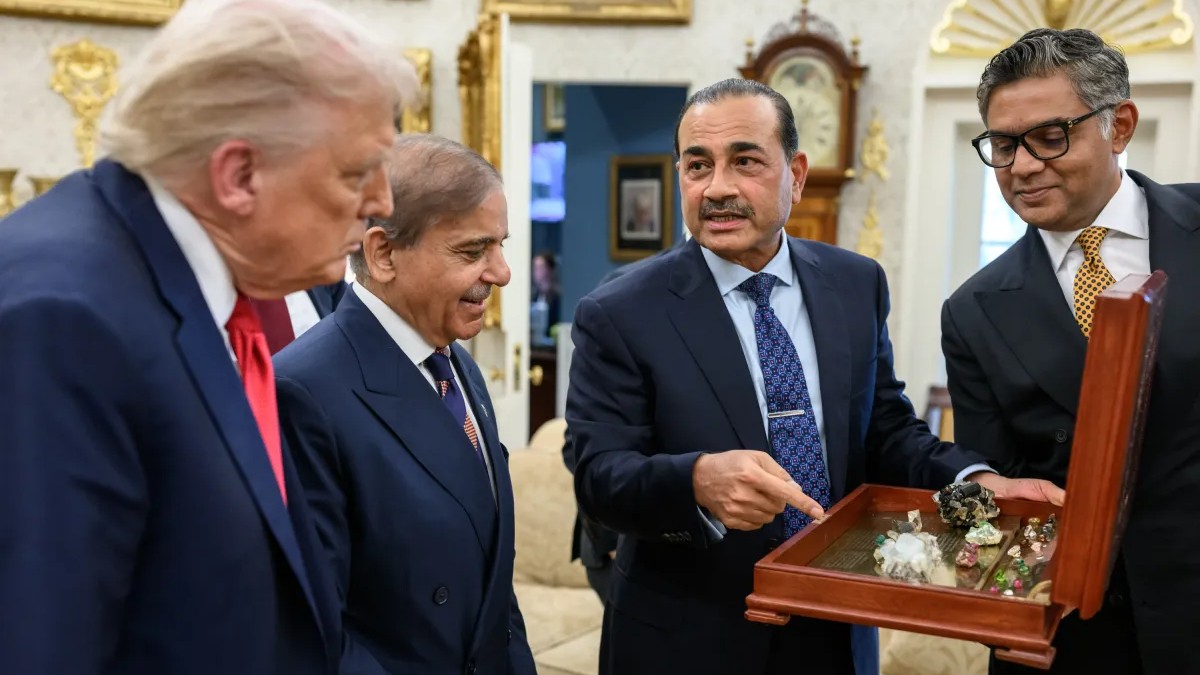
    The Trump administration is actively soliciting Pakistan’s military leadership to contribute troops to a proposed International Stabilization Force (ISF) for Gaza, according to a Reuters report. This development emerges as Pakistani Field Marshal Asim Munir prepares for an upcoming Washington visit, his third meeting with US officials since President Trump took office earlier this year.

    Munir, who attained Pakistan’s highest military rank in May following perceived successes in regional conflicts, now represents Islamabad’s most influential defense figure in decades. The proposed ISF constitutes a fundamental component of President Trump’s 20-point peace initiative aimed at resolving the Israel-Gaza conflict, though the concept faces significant operational and political challenges.

    Recent negotiations in Doha, Qatar, involving approximately 45 nations, concluded without concrete troop commitments. Key regional powers including Turkey and Israel were notably excluded from these discussions, while potential contributors like Azerbaijan have reportedly reconsidered their participation.

    Pakistan faces particular complications as a Muslim-majority nation maintaining no diplomatic relations with Israel. Foreign Minister Mohammad Ishaq Dar previously indicated potential openness to troop contribution while explicitly rejecting any mandate involving Hamas disarmament. This position reflects domestic political sensitivities, where public sentiment strongly favors Palestinian causes.

    Parallel diplomatic channels reveal Hamas has proposed freezing offensive operations for up to a decade and considering weapon decommissioning contingent on complete Israeli withdrawal from Gaza—a proposal neither Israel nor the US has formally addressed.

    Munir’s recent diplomatic tour across Muslim-majority nations including Indonesia, Malaysia, Saudi Arabia, and Egypt suggests coordinated efforts to build consensus around Gaza stabilization proposals. This engagement occurs against the backdrop of evolving Pakistan-US relations, which have undergone significant transformation following America’s withdrawal from Afghanistan.

    The bilateral relationship has recently yielded tangible benefits for Pakistan, including mineral resource agreements and substantial energy investment commitments. Pakistan’s participation in multilateral peace initiatives has additionally helped avoid punitive trade measures while elevating its international standing. However, potential ISF involvement presents both strategic opportunity and domestic political risk, potentially exposing Pakistani leadership to significant criticism while offering enhanced White House relations.

  • Lebanon likely to announce full disarmament of south ‘in coming weeks’

    Lebanon likely to announce full disarmament of south ‘in coming weeks’

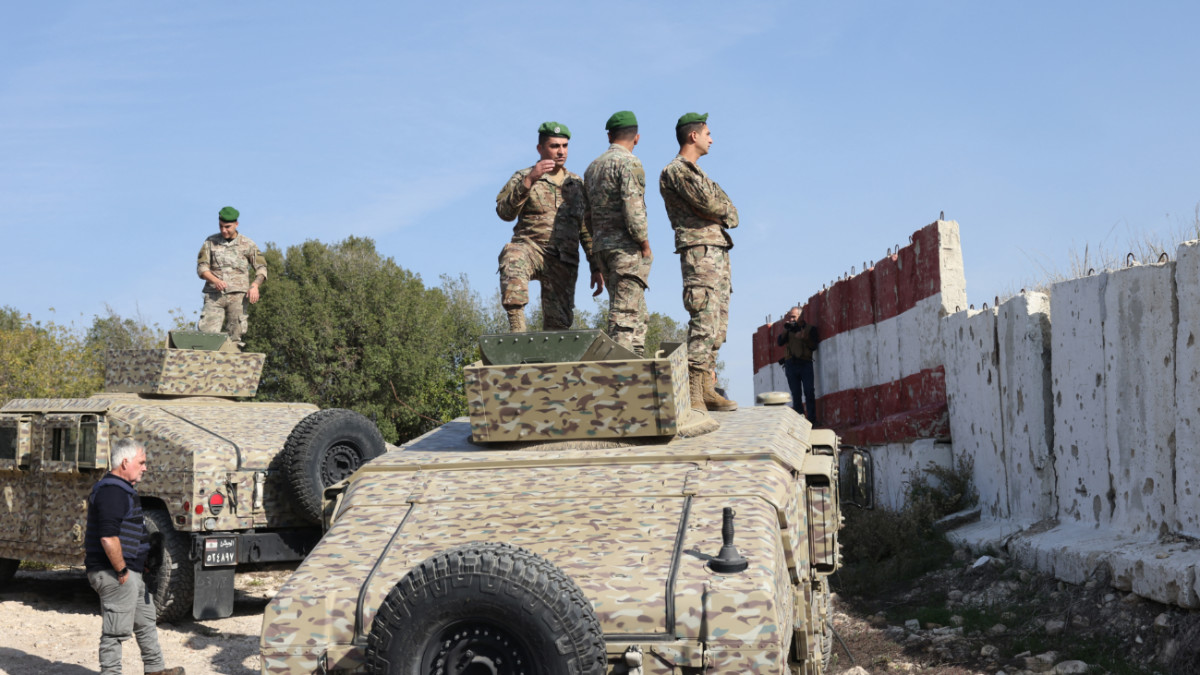
    Lebanon is poised to declare the complete disarmament of Hezbollah in its southern territories within weeks, marking a pivotal development in its security landscape. This announcement comes as the Lebanese Armed Forces (LAF) prepare to extend their disarmament operations to northern regions, targeting remaining weapon caches belonging to the group.

    The disarmament process south of the Litani River has progressed significantly under the framework of a 2024 ceasefire agreement with Israel. Ed Gabriel of the American Task Force on Lebanon confirmed these advancements following recent consultations with US and Arab officials, noting that military planning is now shifting toward northern operations.

    This potential declaration arrives during a period of profound transformation for Lebanon, recently characterized by a senior US official as a ‘failed state.’ The nation continues to engage in US-brokered direct talks with Israel while simultaneously enduring cross-border strikes from its southern neighbor.

    The disarmament process has unfolded against a complex geopolitical backdrop. Hezbollah’s military capabilities were substantially degraded following Israel’s invasion and targeted assassination of longtime leader Hassan Nasrallah, compounded by the collapse of the Assad government in Syria which severed critical Iranian supply lines.

    While Hezbollah maintains its right to bear arms against Israeli threats, the group has provided tacit consent to LAF operations in southern territories. However, significant arsenals remain in southern Beirut and the Bekaa Valley according to Western and Arab diplomatic sources.

    International verification remains crucial, with Lebanon previously expressing willingness to accept US or French troops to validate disarmament claims. This validation is particularly significant as Beirut seeks to unlock promised reconstruction funds from Gulf states, contingent upon demonstrated progress in weapons dismantlement.

    The political landscape has shifted notably, with US-favored leadership in Beirut and increasing tensions with Tehran reflected in Lebanon’s rejection of recent Iranian diplomatic overtures.

  • EU leaders face crunch decision on loaning Russia’s frozen cash to Ukraine

    EU leaders face crunch decision on loaning Russia’s frozen cash to Ukraine

    European Union leaders convened in Brussels for a pivotal two-day summit facing one of their most consequential financial decisions since Russia’s invasion of Ukraine: whether to loan approximately €90 billion from frozen Russian assets to support Ukraine’s military and economic survival.

    The proposed package, representing nearly two-thirds of Ukraine’s estimated €137 billion requirement for 2026-2027, would mark a dramatic escalation in EU support. Currently, Belgium-based financial institution Euroclear holds the majority of Russia’s €210 billion in frozen EU assets, generating interest that has already been directed to Kyiv.

    European Commission President Ursula von der Leyen emphasized the proposal’s dual purpose: providing immediate financial stability for Ukraine while significantly increasing Moscow’s cost of continued aggression. “We know the urgency. It is acute. We all feel it. We all see it,” von der Leyen told the European Parliament ahead of the summit.

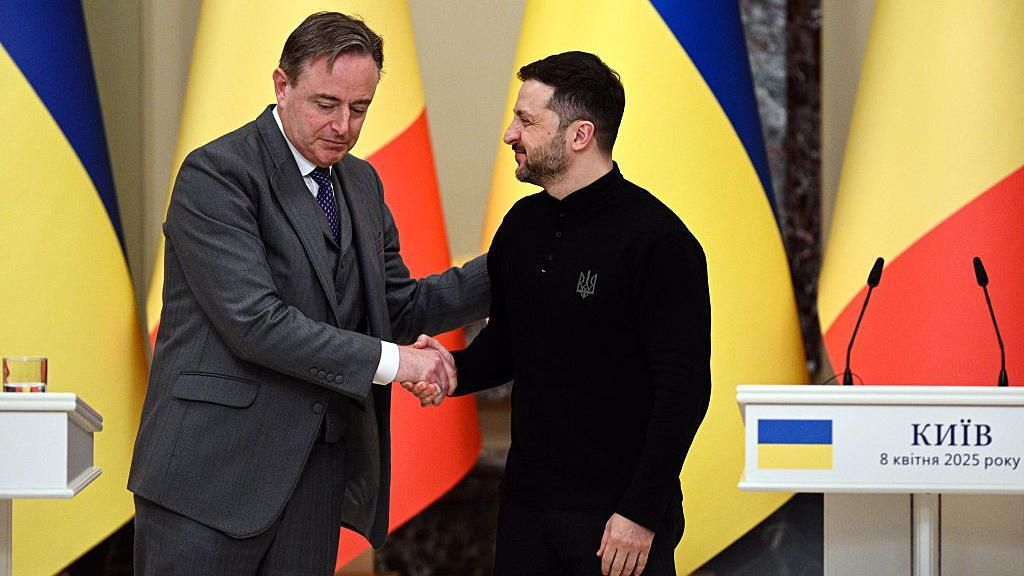
    Despite mounting pressure, Belgian Prime Minister Bart De Wever remains unconvinced, with his Defense Minister Theo Francken warning that loaning the Euroclear funds would constitute a “big mistake.” Their concerns echo broader legal and financial apprehensions, particularly regarding potential court orders requiring Belgium to return the assets to Russia.

    Hungary’s Viktor Orbán represents the most staunch opposition, having previously blocked EU financial aid packages for Ukraine. Slovakia’s Robert Fico has also expressed reservations, particularly if funds would prioritize military procurement over reconstruction efforts.

    German Chancellor Friedrich Merz emerged as a leading advocate, telling the Bundestag that utilizing frozen assets would send a “clear signal” to Moscow about the futility of prolonged conflict. Supporters argue the move would strengthen Ukraine’s negotiating position amid emerging peace talks that U.S. President Donald Trump described as “closer now than we have been ever.”

    The proposal requires approval from approximately two-thirds of member states. European Council President António Costa pledged not to override Belgian concerns, committing to “work very intensively with the Belgian government” to address risk mitigation. Several nations have offered financial guarantees against potential legal losses, though specific figures remain undisclosed.

    Commission officials maintain confidence in their legal standing, suggesting Russia could only reclaim assets by paying Ukrainian reparations—which would then be used to repay the EU loan. This complex financial arrangement represents the EU’s most ambitious attempt to balance immediate Ukrainian needs against long-term legal and economic considerations.

  • Trump demands Venezuela pay for seized US oil assets after calling for ‘blockade’

    Trump demands Venezuela pay for seized US oil assets after calling for ‘blockade’

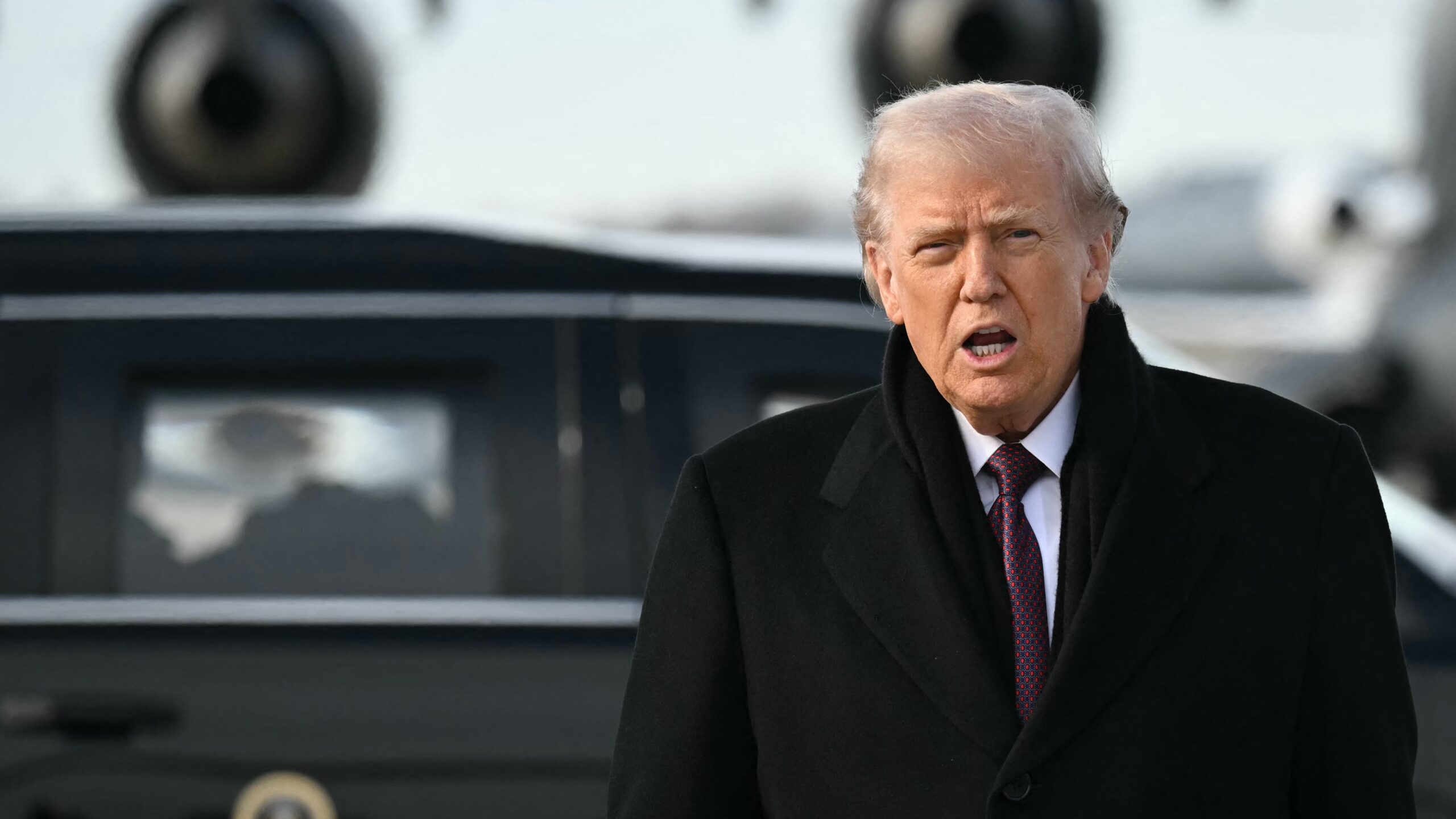
    WASHINGTON — President Donald Trump intensified pressure on Venezuela’s socialist government Wednesday by demanding the return of U.S. oil assets nationalized under previous administrations, framing his newly announced naval blockade as justified response to what he termed “illegal seizure” of American energy investments.

    The President explicitly connected Venezuela’s past appropriation of oil facilities to his current sanctions enforcement strategy, stating tankers violating U.S. restrictions would be intercepted. “They took all of our energy rights. They illegally took it,” Trump told reporters, referencing nationalization efforts that began in the 1970s and expanded under Hugo Chávez and Nicolás Maduro. “We want it back.”

    This economic confrontation unfolds alongside narcotics allegations, with Trump asserting Venezuelan oil revenues fund drug trafficking operations targeting the United States. The administration’s multifaceted pressure campaign has recently included:
    – Military seizures of sanctioned oil tankers near Venezuela’s coast
    – Coordinated strikes against suspected drug trafficking vessels
    – Consideration of potential land-based military options
    – Diplomatic efforts to isolate Maduro’s government internationally

    Stephen Miller, Trump’s deputy chief of staff, amplified the rhetoric by labeling Venezuela’s nationalization program “the largest recorded theft of American wealth and property” in a social media post, claiming expropriated assets subsequently funded terrorism and narcotics proliferation.

    The historical context traces to incomplete compensation for nationalized assets, notably a 2014 international arbitration ruling ordering Venezuela to pay $1.6 billion to ExxonMobil. While Chevron maintains limited operations under U.S. waiver, most American energy interests remain unresolved.

    Venezuela responded through diplomatic channels, with Foreign Minister Yván Gil denouncing tanker seizures as “piracy” in a letter to the U.N. Security Council obtained by The Associated Press. The communication demanded return of “kidnapped crew” and confiscated oil while seeking formal condemnation of U.S. actions.

    Notably, administration officials clarified Trump’s reference to designating Venezuela as a foreign terrorist organization should be treated as rhetorical rather than literal policy, though the Justice Department had previously indicted Maduro on narcoterrorism charges.

    Military analysts observe that interdiction operations and targeted seizures represent lower-risk alternatives to direct military confrontation while maintaining economic pressure on Caracas. The evolving situation continues to test international law boundaries regarding maritime sanctions enforcement and asset recovery claims.

  • Dan Bongino stepping down as FBI deputy director

    Dan Bongino stepping down as FBI deputy director

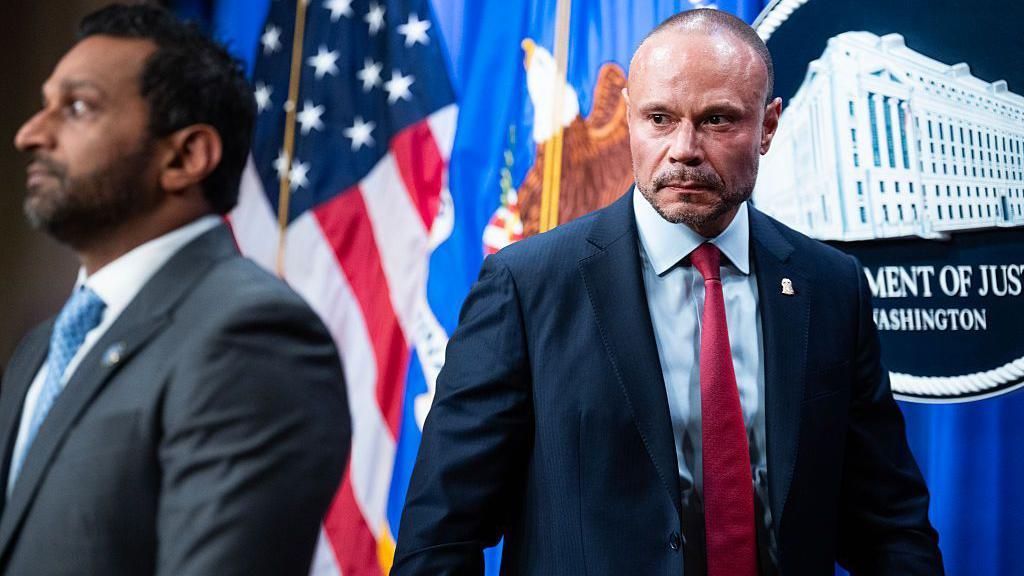
    In a significant development within U.S. law enforcement leadership, Dan Bongino confirmed his departure as Deputy Director of the Federal Bureau of Investigation effective January 2025. The controversial appointee made his announcement via social media platform X on Wednesday, expressing gratitude to former President Donald Trump, Attorney General Pam Bondi, and Director Kash Patel for the opportunity to serve.

    Bongino’s appointment in February 2024 marked a departure from tradition, as he became the first political commentator and podcast host to assume the role typically reserved for career law enforcement professionals. His background includes service as a New York City police officer and U.S. Secret Service agent before transitioning to media, where he cultivated a substantial conservative following through his podcast and regular media appearances.

    The announcement followed public praise from former President Trump, who acknowledged Bongino’s performance while noting his desire to return to broadcasting. Bongino’s tenure was not without controversy, as his appointment faced opposition from the FBI Agents Association, representing approximately 14,000 current and former agents who questioned his qualifications for the high-level position.

    Internal tensions surfaced in July 2024 when CBS News reported a contentious meeting between Bongino and Attorney General Bondi regarding the government’s handling of the Jeffrey Epstein case files. Despite these challenges, Bongino’s departure statement emphasized his appreciation for the opportunity to serve with purpose and extended thanks to the American public for the privilege of service.

    The transition comes at a critical juncture for the FBI, which continues to navigate complex political and operational challenges. The departure of a politically appointed senior official typically triggers a reassessment of leadership structure and priorities within the bureau.

  • Former Pak PM Imran Khan’s sons worry, describe ‘awful’ jail conditions

    Former Pak PM Imran Khan’s sons worry, describe ‘awful’ jail conditions

    The sons of former Pakistani Prime Minister Imran Khan have issued a grave warning about their father’s deteriorating prison conditions, describing his confinement as tantamount to psychological torture. In an exclusive Sky News interview, Kasim Khan and Sulaiman Isa Khan revealed they haven’t spoken to their father in seven months and fear they “might never see him again.”

    The brothers detailed what they characterized as “awful” detention circumstances, including prolonged solitary confinement in a small, dimly lit cell with intermittent electricity and questionable water quality. Sulaiman specifically noted that such facilities have historically been used for inmates on death row, labeling it a “death cell” that falls dramatically below international standards for prisoner treatment.

    Their concerns echo those of United Nations Special Rapporteur on Torture Alice Jill Edwards, who recently warned that Khan’s conditions could constitute inhuman or degrading treatment under international law. Edwards emphasized that extended isolation beyond 15 days represents psychological torture and urged Pakistani authorities to immediately lift the solitary confinement measures.

    The sons plan to visit their father in January pending visa approvals, though they approach the journey with apprehension despite prior safety guarantees from Pakistan’s Defense Minister. Beyond personal visits, they intend to lobby international bodies in Brussels and Geneva, arguing that their father’s case differs significantly from typical political imprisonments due to its duration and severity.

    Khan, ousted from power in a 2022 no-confidence vote after previously enjoying military support, faces multiple corruption charges that he denies. His supporters maintain that the charges are politically motivated and part of a broader campaign against his Tehreek-e-Insaf party following his accusations that army leadership orchestrated his downfall.