分类: politics

  • Kremlin envoy set to visit Miami for talks on US peace plan for Ukraine

    Kremlin envoy set to visit Miami for talks on US peace plan for Ukraine

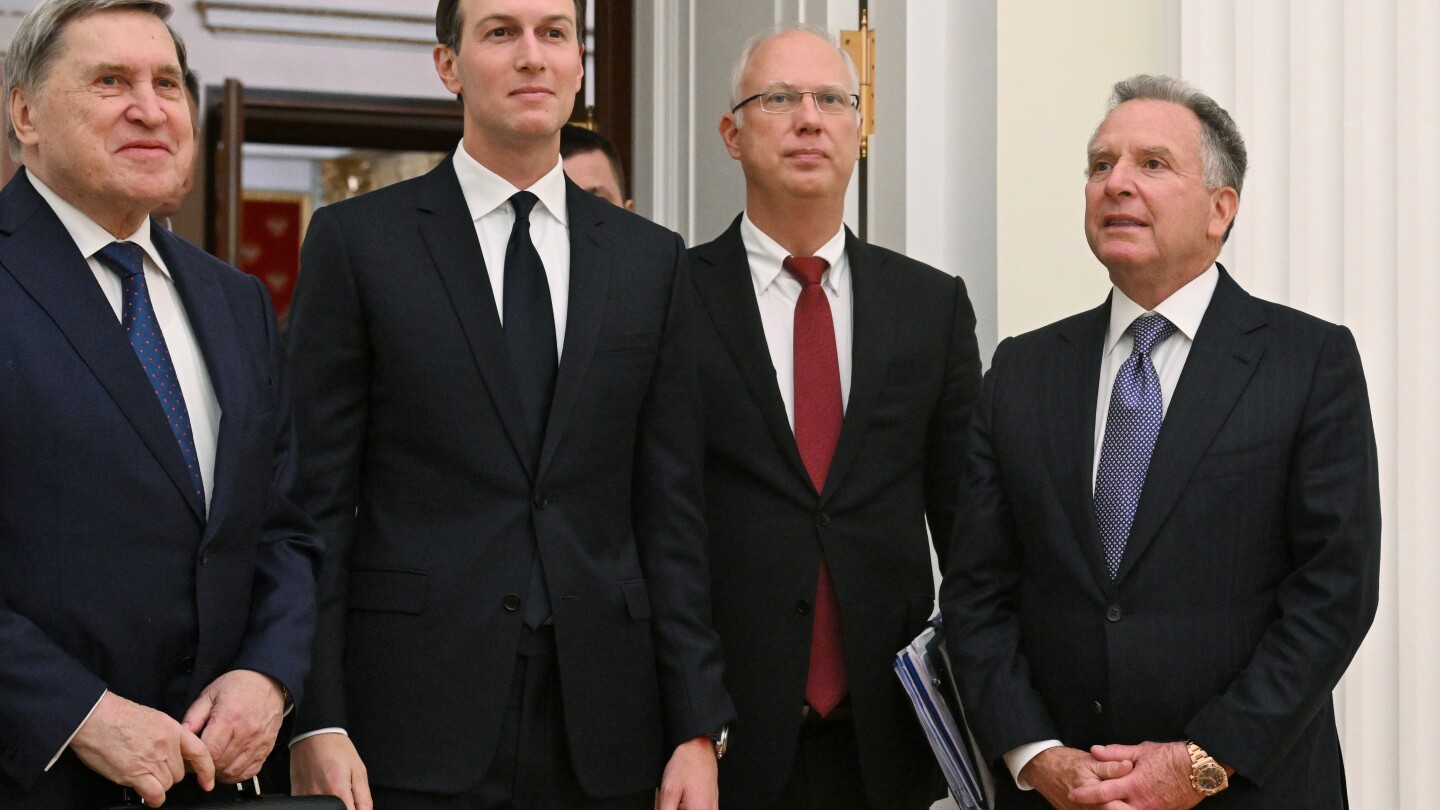
    In a significant escalation of diplomatic efforts to resolve the Ukraine conflict, a high-level Kremlin representative is scheduled to travel to Florida for confidential discussions regarding a U.S.-proposed peace framework. Kirill Dmitriev, head of Russia’s sovereign wealth fund, will meet with Trump envoy Steve Witkoff and presidential son-in-law Jared Kushner in Miami this Saturday, according to anonymous U.S. officials familiar with the arrangement.

    The upcoming meeting follows preliminary discussions held earlier this week in Berlin, where American intermediaries engaged with Ukrainian and European officials to address critical components of the proposed settlement. These include potential security guarantees for Kyiv, territorial adjustments, and other substantive elements within the American-drafted peace initiative.

    Kremlin spokesman Dmitry Peskov confirmed Moscow’s preparation for diplomatic contacts with U.S. representatives, though he withheld specific details regarding the Florida meeting. This diplomatic surge represents the most substantial American engagement attempt since Russia’s full-scale invasion commenced in February 2022, though negotiations confront fundamentally incompatible demands from both warring parties.

    The diplomatic developments occur alongside continued military aggression, with both nations exchanging aerial assaults overnight. Ukrainian authorities reported Russian forces launched 82 drones across multiple regions, resulting in civilian casualties and infrastructure damage. Simultaneously, Russian officials acknowledged Ukrainian drone strikes in the Rostov region that caused fatalities and injuries.

    President Vladimir Putin recently articulated Russia’s uncompromising position, demanding international recognition of captured territories—including four occupied regions and the illegally annexed Crimean Peninsula—as Russian sovereign territory. Additional Kremlin prerequisites include Ukraine’s permanent NATO exclusion and withdrawal from eastern territories currently under Ukrainian control.

    Ukrainian President Volodymyr Zelenskyy, while expressing willingness to consider alternative security arrangements resembling NATO protections, maintains that full alliance membership remains Ukraine’s preferred safeguard against future Russian aggression. Zelenskyy has unequivocally rejected demands for territorial concessions beyond current battle lines.

    The diplomatic proceedings coincide with crucial European Union deliberations regarding unprecedented financial support for Ukraine. EU leaders convened in Brussels to determine whether to utilize frozen Russian assets to underwrite a massive loan addressing Ukraine’s military and budgetary requirements through 2026.
  • Two US presidents and their long associations with Jeffrey Epstein

    Two US presidents and their long associations with Jeffrey Epstein

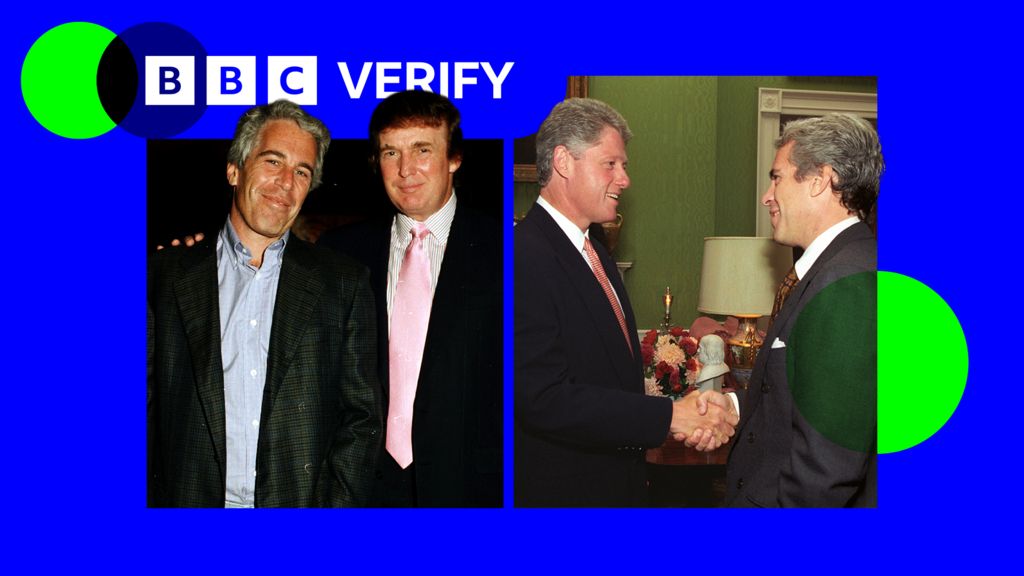
    A comprehensive archival investigation has uncovered detailed documentation of former U.S. Presidents Donald Trump and Bill Clinton’s social connections with convicted sex offender Jeffrey Epstein throughout the 1990s and early 2000s. Both presidents maintained documented associations with the financier for approximately 15 years before distancing themselves from him years prior to his criminal convictions.

    Photographic evidence and archival records indicate Trump’s relationship with Epstein began around 1987, with multiple documented interactions throughout the following decade. Footage from 1992 shows both men socializing at Trump’s Mar-a-Lago estate with Ghislaine Maxwell, Epstein’s convicted accomplice, visible in the background. Epstein attended Trump’s 1993 wedding to Marla Maples, and the two were photographed together at various high-profile events including a Victoria’s Secret fashion show in 1999.

    Clinton’s association with Epstein reportedly began in the early 1990s, with photographs capturing their interaction at a White House restoration donor event in September 1993. Public records show Epstein contributed $2,000 to Clinton’s 1992 presidential campaign. The former president reportedly took four trips on Epstein’s private jet between 2002-2003 for Clinton Foundation work, including a humanitarian trip to Africa.

    Both presidents contributed to Epstein’s 50th birthday book in 2003, though Trump has disputed the authenticity of his alleged contribution and filed a defamation lawsuit against the Wall Street Journal for publishing it. Clinton never publicly commented on his message in the book.

    According to statements from both parties, their relationships with Epstein ended around 2004-2005. Trump claims he banned Epstein from Mar-a-Lago for inappropriate behavior with staff, while Clinton stated he cut ties before Epstein’s first arrest in 2005. Both have consistently denied any knowledge of Epstein’s criminal activities during their associations.

    The White House has emphasized the Trump administration’s cooperation with Epstein-related investigations, stating they have released thousands of documents and supported congressional oversight requests regarding the case.

  • Brazil’s Lula vows to veto bill that could reduce Bolsonaro’s prison sentence

    Brazil’s Lula vows to veto bill that could reduce Bolsonaro’s prison sentence

    BRASILIA — Brazilian President Luiz Inácio Lula da Silva declared on Thursday his firm intention to veto legislative measures that would substantially diminish the 27-year prison sentence of his predecessor, Jair Bolsonaro. The former leader remains incarcerated since November following convictions related to attempted coup activities against Brazil’s democratic institutions.

    The controversial legislation, which cleared both the Chamber of Deputies and Senate this week, proposes significant modifications to Brazil’s penal system. It would accelerate the transition of convicted individuals from stringent to more lenient prison regimes and provide sentence reductions of up to two-thirds for crimes committed within crowd contexts—provisions that would directly benefit participants in the January 8, 2023, insurrection in Brasília.

    President Lula emphasized to journalists that those who committed crimes against Brazilian democracy must face appropriate consequences for their actions. His administration maintains that the proposed law undermines judicial accountability for acts threatening constitutional order.

    The legislative proposal faces additional challenges beyond presidential veto. Brazil’s Supreme Court is expected to review the bill’s constitutionality, particularly regarding provisions that would prevent cumulative sentencing for related offenses such as abolishing democratic rule and attempting a coup d’état—a central argument in Bolsonaro’s legal appeal.

    Political tensions surrounding the legislation have ignited nationwide demonstrations. Tens of thousands of Brazilians protested in major cities including São Paulo, Salvador, and the capital Brasília over the weekend, expressing opposition to what many perceive as special treatment for political figures convicted of anti-democratic actions.

    The developments occur against the backdrop of emerging electoral dynamics. Senator Flávio Bolsonaro, the former president’s eldest son and potential presidential candidate, has endorsed the legislation while criticizing the legitimacy of the judicial process against his father. Political analysts anticipate he may challenge President Lula in the 2026 elections, representing the Bolsonaro-aligned Liberal Party.

  • India’s Parliament approves bill to open civil nuclear power sector to private firms

    India’s Parliament approves bill to open civil nuclear power sector to private firms

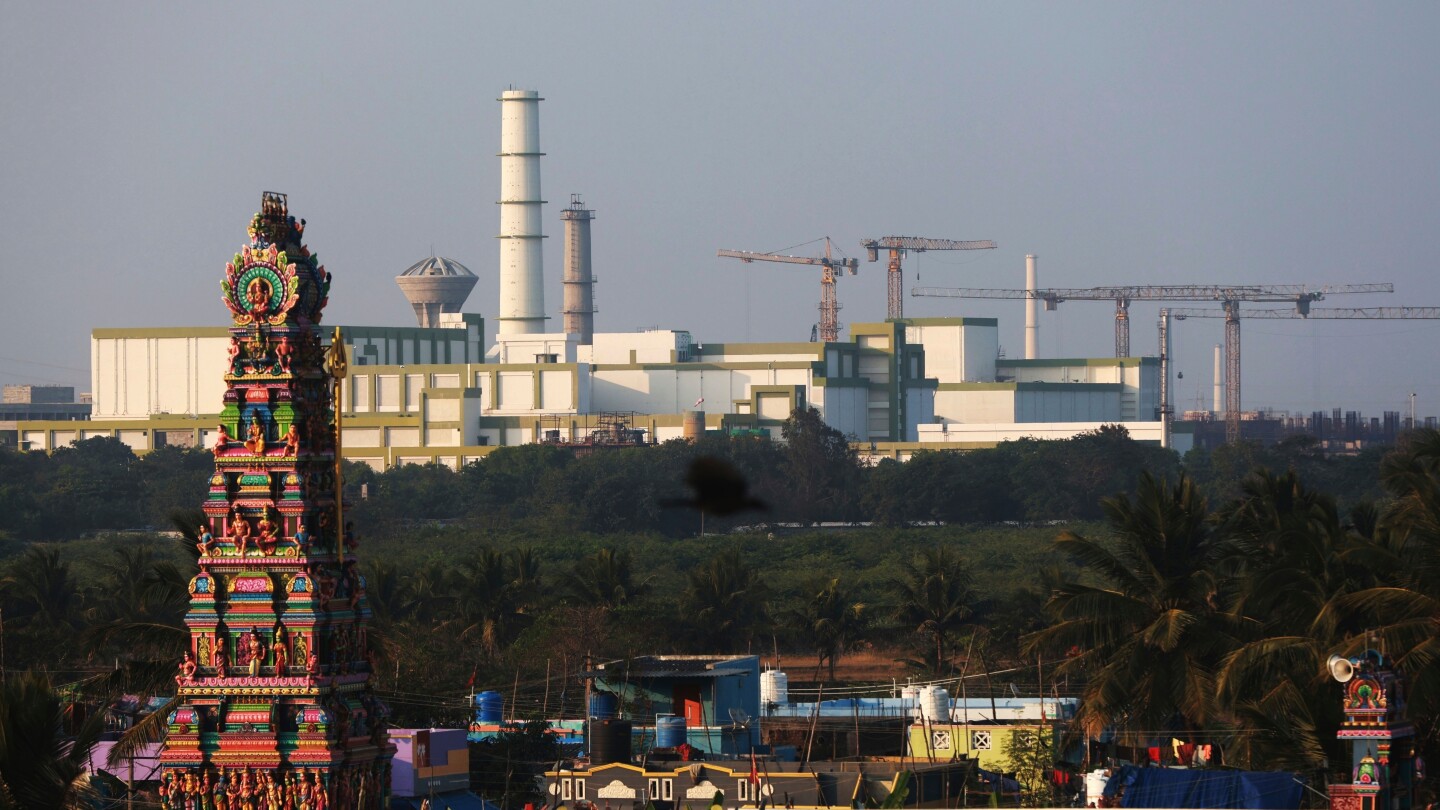
    India’s Parliament has enacted groundbreaking legislation that fundamentally restructures the nation’s nuclear energy sector, ending decades of state monopoly. The Sustainable Harnessing and Advancement of Nuclear Energy for Transforming India (SHANTI) bill received final approval from the upper house on Thursday, following Wednesday’s passage in the lower house. The legislation now awaits presidential assent, considered a formality.

    The policy shift represents India’s strategic move to accelerate clean energy expansion and position itself as a global leader in next-generation nuclear technology, including small modular reactors. Junior Minister Jitendra Singh, overseeing atomic energy, emphasized that the modernization aligns with India’s growing geopolitical role and addresses escalating energy demands while maintaining enhanced safety and regulatory frameworks.

    Supporters hail the legislation as transformative for India’s energy landscape. Karthik Ganesan of the Council on Energy, Environment and Water noted it ‘signals capable private sector players that the country is open for business in the nuclear energy space.’ The move comes as India pledges over $2 billion toward nuclear research and aims to install 100 gigawatts of nuclear power by 2047—sufficient to power approximately 60 million households annually.

    However, opposition parties and activists voice significant concerns regarding diluted liability safeguards and potential health hazards. Lawmaker Ashok Mittal criticized insufficient protections for communities near nuclear facilities, while anti-nuclear activist G. Sundarrajan condemned the legislation as ‘disastrous,’ warning it reduces corporate accountability and limits citizens’ ability to claim damages from radiation exposure.

    The development carries global significance as nations reassess nuclear power to meet climate targets and transition from fossil fuels. With over 75% of its electricity still generated from coal, India’s nuclear expansion represents a critical component of its decarbonization strategy despite ongoing debates about implementation safety and public perception challenges.

  • US official defends Trump’s nuclear test comments by citing mounting risks from other states

    US official defends Trump’s nuclear test comments by citing mounting risks from other states

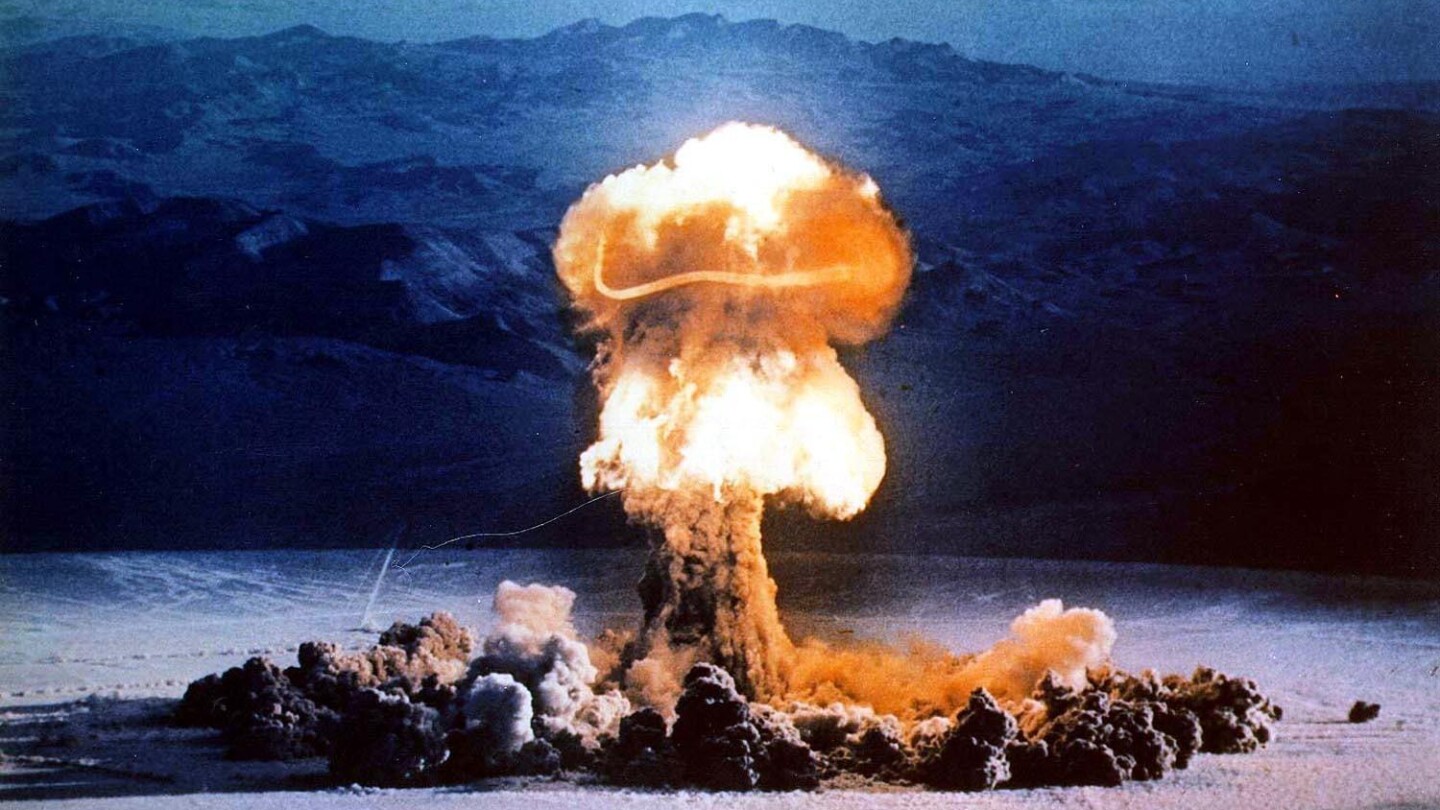
    VIENNA — The United States has formally defended its position on potentially resuming nuclear testing activities during a global arms control meeting, citing concerns about nuclear provocations from Russia, China, and North Korea. The stance, initially suggested by President Donald Trump earlier this year, was articulated by U.S. Chargé d’Affaires Howard Solomon at a November 10 meeting of the Comprehensive Nuclear-Test-Ban Treaty Organization (CTBTO) Preparatory Commission in Vienna.

    Solomon stated that the U.S. would commence testing activities “on an equal basis with other nuclear-armed states,” emphasizing this process would begin immediately while maintaining transparency and national security commitments. The official justification centered on alleged violations of the zero-yield nuclear test moratorium by Russia and China since 2019, alongside North Korea’s six confirmed nuclear tests this century.

    The comments specifically referenced supercritical nuclear test explosions prohibited under the Comprehensive Nuclear-Test-Ban Treaty (CTBT), which involve compressing fissile material to initiate self-sustaining nuclear chain reactions. While the global monitoring network established in 1996 has detected North Korea’s larger-yield tests, experts note it cannot identify very low-yield supercritical tests conducted underground in metal chambers.

    Russia’s Permanent Representative Mikhail Ulyanov condemned the U.S. position during the closed-door meeting, warning that resumed testing “could cause significant damage to the nuclear non-proliferation regime and international security.” He rejected American allegations as “completely unacceptable and unsubstantiated” while demanding detailed explanations from Washington.

    The exchange occurred against the backdrop of deteriorating nuclear arms control frameworks. Solomon additionally cited Russia’s violations of New START, its disproportionately large stockpile of non-strategic nuclear weapons (estimated at 1,000-2,000 warheads compared to America’s 200), and concerning nuclear doctrine developments. These tactical weapons pose particular concern due to their lower threshold for potential use and absence from arms control treaties.

    With New START set to expire on February 5, 2021, and Russia having suspended participation without fully withdrawing, the strategic nuclear arsenals of both nations face becoming unconstrained for the first time in decades. President Trump has expressed openness to extending the treaty temporarily, describing it as “a good idea” in October comments.

  • Rebels start to withdraw from key DR Congo city, leaders say

    Rebels start to withdraw from key DR Congo city, leaders say

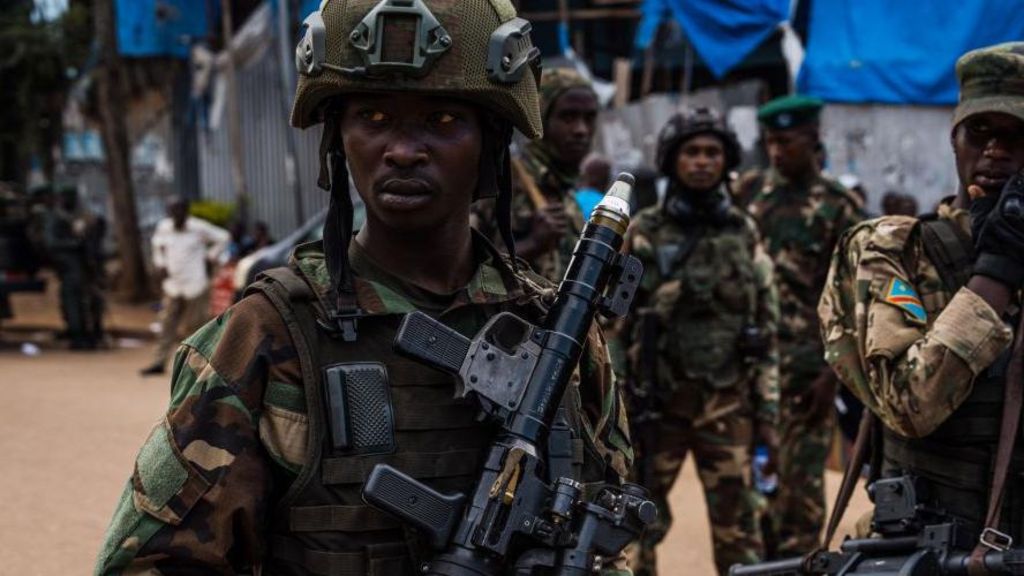
    In a significant development in the ongoing conflict in eastern Democratic Republic of Congo, the M23 rebel faction has declared the commencement of its withdrawal from the strategically vital city of Uvira. This announcement follows intense diplomatic pressure from the United States, which has simultaneously issued allegations of Rwandan support for the insurgents—a claim vehemently denied by Kigali.

    The capture of Uvira, situated near the Burundian border, represents a major escalation despite the recent signing of a US-brokered peace agreement between the Congolese and Rwandan governments on December 4th. The seizure triggered immediate condemnation from Washington, accompanied by warnings of potential sanctions against Rwanda.

    M23 leadership, including commander Bertrand Bisimwa, confirmed the withdrawal process was ‘underway,’ characterizing the move as a concession ‘for the sake of peace.’ Through social media channels, Bisimwa appealed to international mediators to ensure protection for the city against potential reprisals and remilitarization.

    However, the declared withdrawal has been met with profound skepticism from both local residents and the Congolese government. DR Congo’s official spokesman, Patrick Muyaya, described the announcement as a potential ‘diversion’ tactic intended to influence the American mediation team. Ground reports from Uvira residents early Thursday revealed continued movement of M23 vehicles throughout the city, casting doubt on the sincerity of the pullout.

    The humanitarian impact of the offensive has been severe, with UN agencies reporting dozens of fatalities, at least 100 wounded, and approximately 200,000 displaced persons. An additional 30,000 civilians sought refuge across the border in Burundi.

    This development occurs against the backdrop of parallel peace processes—the Washington agreement between nation-states and a separate Qatar-mediated negotiation involving the rebels themselves, highlighting the complex multilateral efforts to resolve the persistent instability in the region.

  • Top EU court rules Polish Constitutional Tribunal is not independent

    Top EU court rules Polish Constitutional Tribunal is not independent

    In a landmark decision with profound implications for European judicial standards, the European Court of Justice has declared Poland’s Constitutional Tribunal lacking in independence and impartiality due to politically motivated appointments during the previous conservative administration.

    The ruling specifically identified that Poland’s highest judicial body violated fundamental EU principles by disregarding effective judicial protection and undermining the primacy, autonomy, and uniform application of European law. This verdict stems from systematic reforms implemented between 2015 and 2023 by the Law and Justice party, which established political control over Poland’s top courts including both the Constitutional Tribunal and Supreme Court.

    These judicial reforms precipitated a direct confrontation with European institutions, leading the European Commission to challenge the changes before the EU’s highest court and suspend substantial financial transfers to Poland. The court’s scrutiny focused particularly on the appointment procedures for three judges and the tribunal president under the previous government, determining they compromised the body’s legitimacy under EU legal standards.

    Despite the ruling’s theoretical requirement for national reforms to restore judicial independence, practical implementation has stalled. Two successive justice ministers from the liberal government that assumed power in 2023 have been unable to reverse the changes, primarily due to resistance from Poland’s current and former presidents, both aligned with Law and Justice, who have either vetoed or threatened to veto legislative corrections.

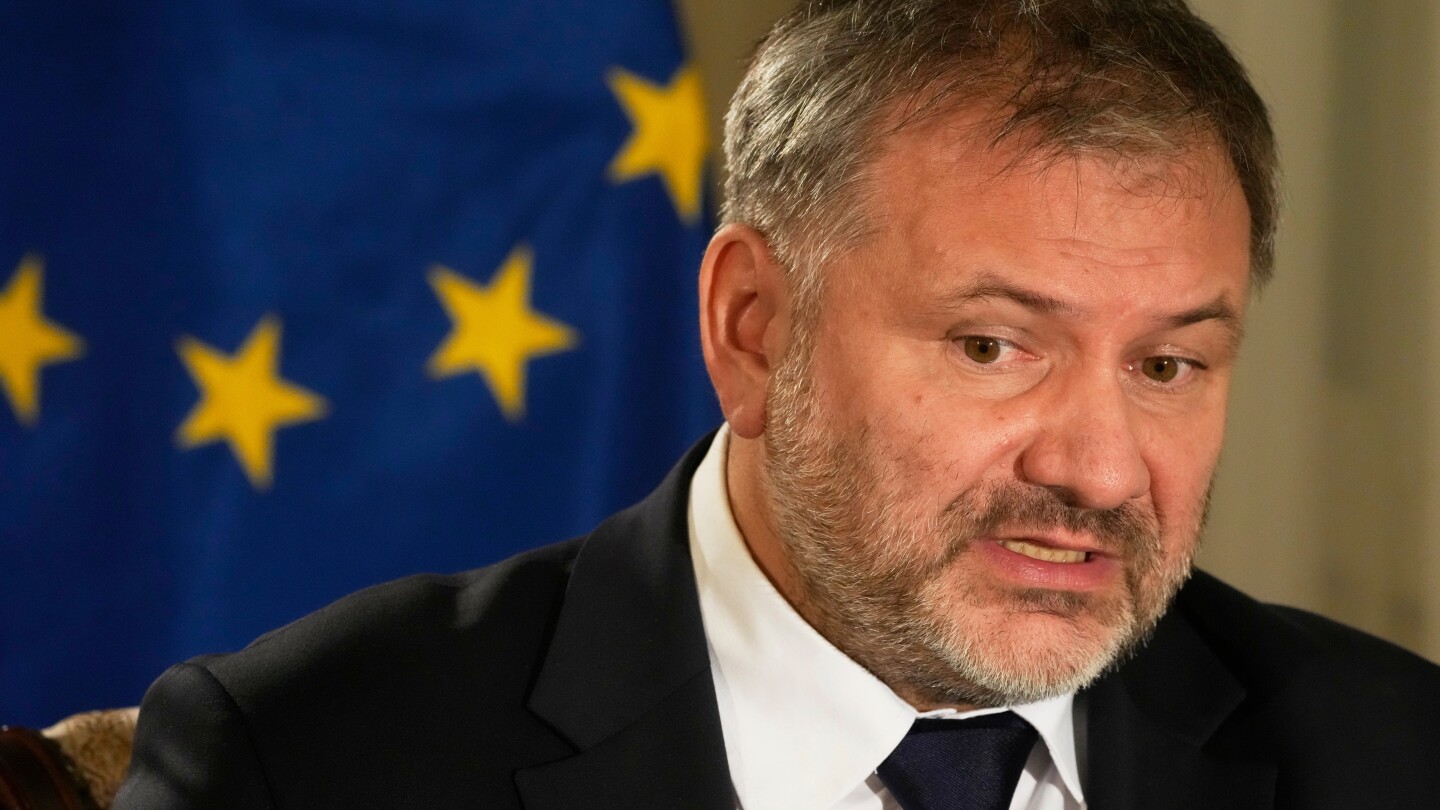
    Justice Minister Waldemar Żurek welcomed the decision, stating on social media platform X that the ruling ‘obliges our state to take action’ and emphasizing the government’s readiness to ‘rebuild a genuine, independent Tribunal together’ as a fundamental issue for both state institutions and citizens.

  • Trump again demands Venezuela ‘return’ assets to US

    Trump again demands Venezuela ‘return’ assets to US

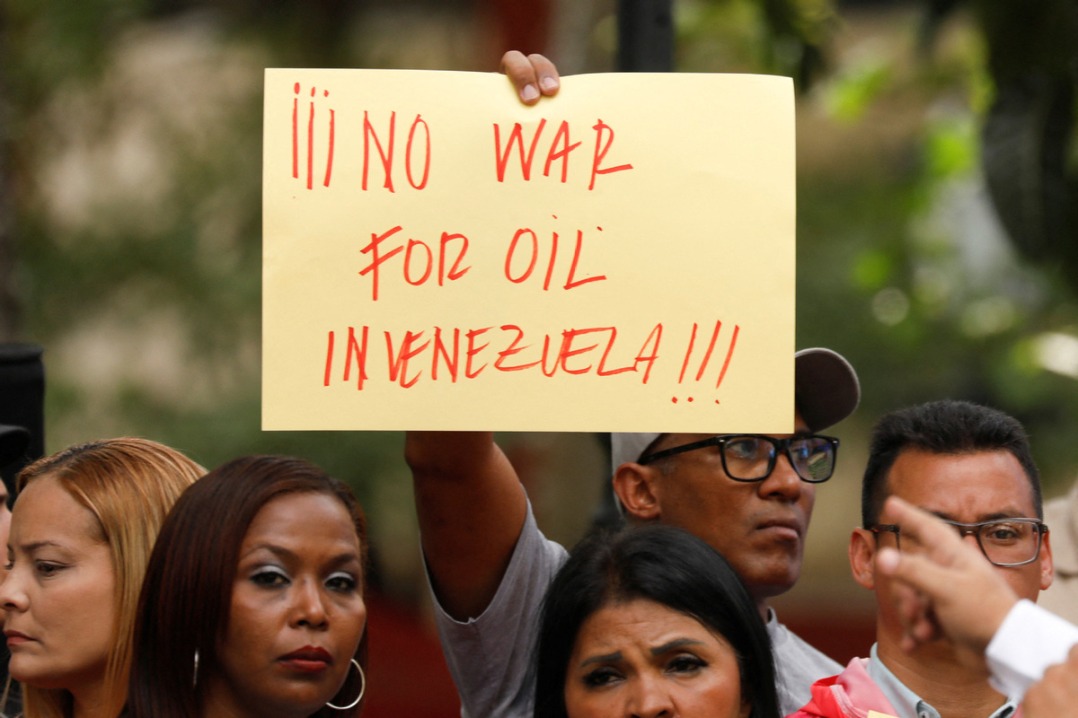
    WASHINGTON — U.S. President Donald Trump intensified pressure on Venezuela Wednesday by demanding the return of what he characterized as stolen American oil assets, while simultaneously enforcing a comprehensive naval blockade against the oil-rich nation.

    Addressing reporters at the White House, Trump asserted that Venezuela had unlawfully seized valuable oil rights from American corporations. “They confiscated our oil assets—we possessed substantial resources there. As everyone is aware, they expelled our companies, and we insist on their restitution,” Trump declared, referencing Venezuela’s historical nationalization of its oil industry during the 1970s and under the administrations of both Nicolás Maduro and Hugo Chávez.

    The administration’s rhetoric escalated further through social media channels. Stephen Miller, Trump’s deputy chief of staff, described Venezuela’s resource nationalization as “the most extensive documented theft of American wealth and property in history.” Miller additionally alleged that these appropriated resources had been utilized to “finance terrorist activities and inundate American communities with violent actors, mercenaries, and narcotics.”

    This verbal offensive follows Tuesday’s presidential directive implementing a full-scale blockade on all sanctioned oil tankers entering or departing Venezuelan waters. The administration has simultaneously designated Venezuela as a Foreign Terroristic Organization (FTO), though official registry updates remained pending as of Wednesday evening.

    The geopolitical confrontation intensified last week when Pentagon forces intercepted an oil tanker near Venezuela’s coastline, redirecting the vessel to a U.S. port. White House officials subsequently confirmed intentions to retain the confiscated petroleum—a maneuver condemned by Caracas as outright “piracy.”

    Despite Venezuela’s status as holder of the world’s largest proven oil reserves, U.S. crude imports from the South American nation have dramatically declined over the past decade due to escalating sanctions and diplomatic tensions. Chevron Corporation continues operations in Venezuela under special governmental authorization, reporting no current disruptions to its activities.

    The United States has maintained substantial naval deployment in the Caribbean for nearly four months, ostensibly for counter-narcotics operations—a justification Venezuelan authorities reject as pretext for forced regime change. Since September, U.S. forces have destroyed至少25 suspected drug-trafficking vessels in Caribbean and eastern Pacific waters, resulting in至少95 fatalities.

    Contrasting with official narratives, Drug Enforcement Administration data indicates Venezuela does not rank among primary sources of narcotics entering the United States. Domestic sentiment appears skeptical of administration strategies, with a Quinnipiac University poll revealing 63% of American adults oppose military actions against Venezuela, compared to 25% expressing support.

  • Nigeria apologises over Burkina Faso military flight that saw 11 servicemen detained

    Nigeria apologises over Burkina Faso military flight that saw 11 servicemen detained

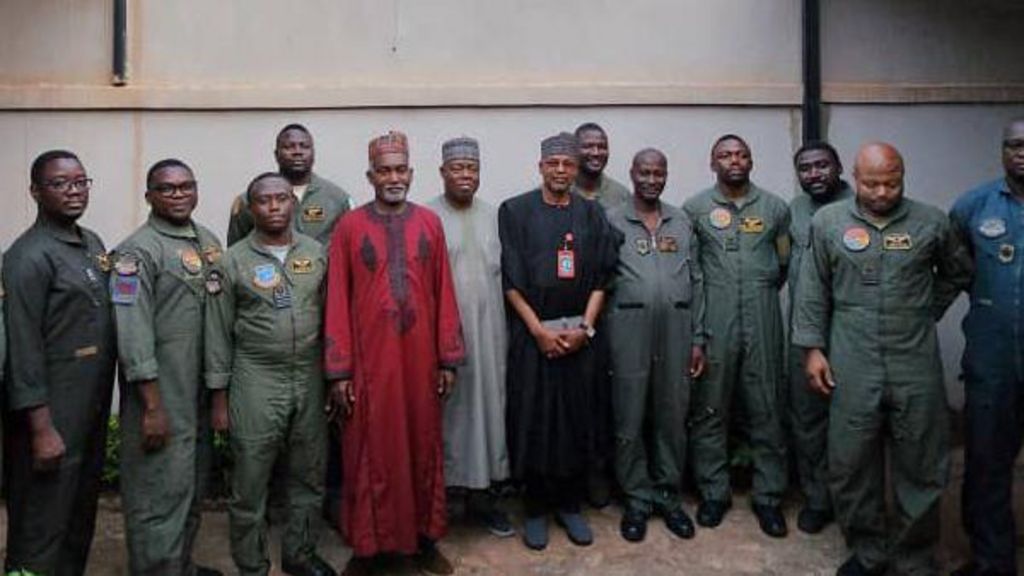
    In a significant diplomatic development, Nigeria’s Foreign Minister Yusuf Tuggar has issued a formal apology to Burkina Faso following the unauthorized incursion of a Nigerian military aircraft into Burkinabè airspace. The incident, which resulted in the detention of eleven Nigerian servicemen, has been resolved with their subsequent release and anticipated return to Nigeria.

    According to official statements from the Nigerian Air Force, the aircraft experienced technical difficulties while en route to Portugal, necessitating an emergency landing in Burkina Faso. This unauthorized landing triggered a serious diplomatic confrontation with the Alliance of Sahel States (AES), a regional coalition comprising Burkina Faso, Mali, and Niger.

    The AES leadership characterized the incident as an ‘unfriendly act’ and responded by elevating their defense readiness. Member states’ air forces were placed on maximum alert and authorized to ‘neutralize any aircraft’ violating the confederation’s airspace—a strong indication of the regional tensions.

    Minister Tuggar led a high-level delegation to Ouagadougou on Wednesday for crisis talks with Burkinabè military leader Captain Ibrahim Traoré. During a joint appearance on national television, Tuggar acknowledged administrative failures regarding flight authorizations and expressed regret for the incident.

    The diplomatic resolution comes against a complex geopolitical backdrop. The three AES states, all under military governance, have recently withdrawn from the West African regional bloc ECOWAS and have strengthened ties with Russia, while most ECOWAS members maintain alliances with Western nations.

    Both nations have agreed to maintain regular consultations and implement practical measures to enhance bilateral cooperation and regional integration, according to Nigeria’s foreign ministry. The detained personnel, described as being in ‘high spirits,’ await their return alongside the aircraft, though specific timing remains undisclosed.

  • Germany charges teens in alleged right-wing extremist group with attempted murder

    Germany charges teens in alleged right-wing extremist group with attempted murder

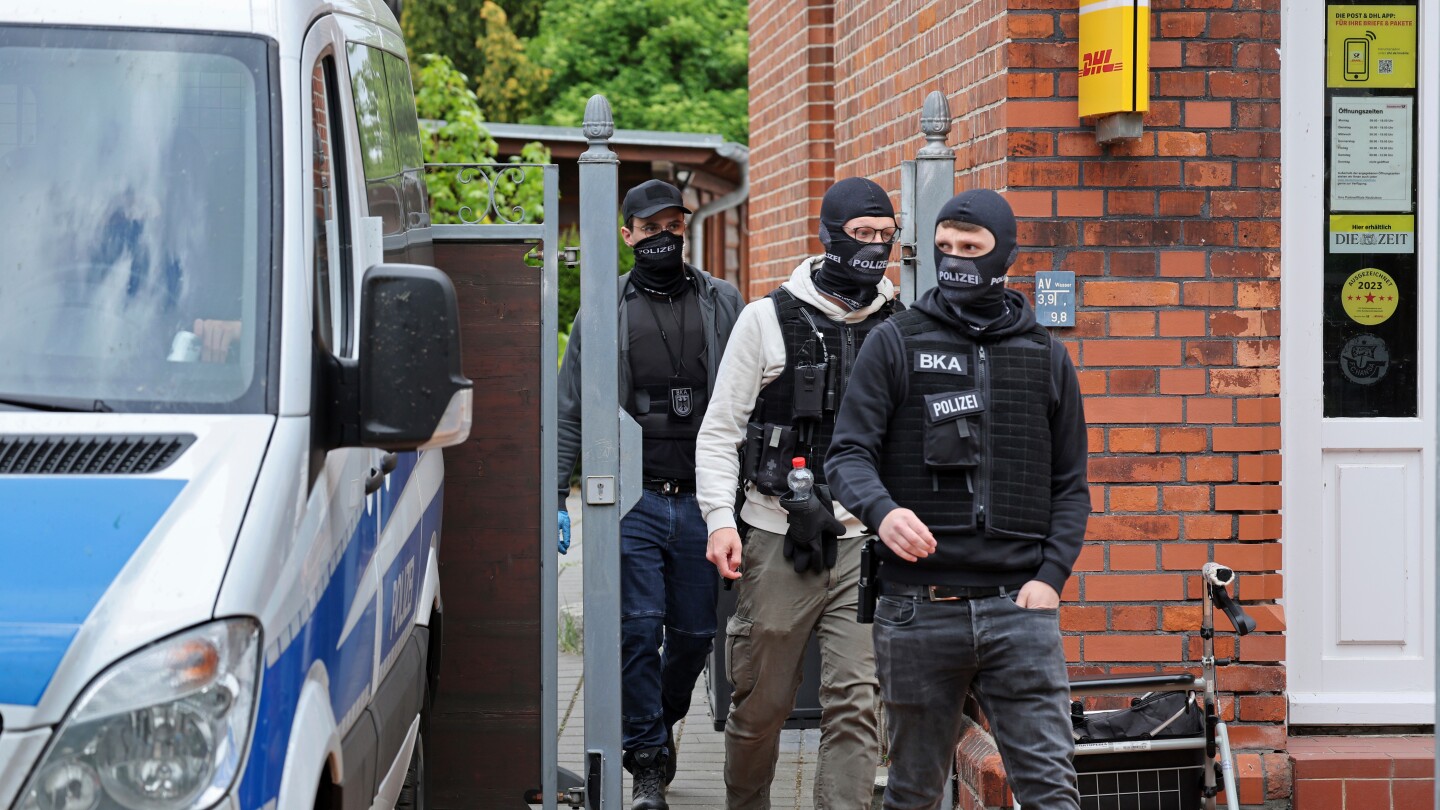
    German federal prosecutors have formally charged eight individuals for their involvement in what authorities describe as a “right-wing extremist terrorist” organization. The group, operating under the name “Last Defense Wave,” allegedly sought to undermine Germany’s democratic foundations through coordinated attacks on migrant accommodations and political opponents.

    The accused face multiple serious charges including membership in a terrorist organization, attempted murder, conspiracy to commit murder, and causing grievous bodily harm. Notably, several defendants are teenagers, highlighting the concerning recruitment of youth into extremist movements.

    According to investigative documents, the cell was established in May 2024 with the declared mission of acting as the “final authority” for protecting the “German nation.” Their operational activities included both executed and planned attacks on asylum-seeker facilities and left-wing institutions across multiple German states.

    The case involves three specifically documented operations: an arson attack on a Brandenburg cultural center, a failed attempted attack on a Thuringia asylum seekers’ home, and detailed plans to target migrant accommodation in Senftenberg. While these incidents resulted in no injuries, group members additionally stand accused of violently assaulting and robbing individuals, causing significant physical harm.

    Internal communications revealed the group’s ultimate objective to instigate a “race war” that would precipitate a cycle of violence intended to preserve the “white race” and ultimately dismantle liberal democracy. Investigators documented their proliferation of racist and antisemitic content on social media platforms, along with overt glorification of Nazi ideology and the Third Reich.

    Following May arrests across Mecklenburg-Western Pomerania, Brandenburg, and Hesse, seven defendants remain in pretrial detention while one has been released since July. Due to the juvenile status of several accused, legal proceedings have required parental accompaniment during court appearances.