分类: politics

  • Israel’s Ben Gvir pushes bill to ban Islamic call to prayer

    Israel’s Ben Gvir pushes bill to ban Islamic call to prayer

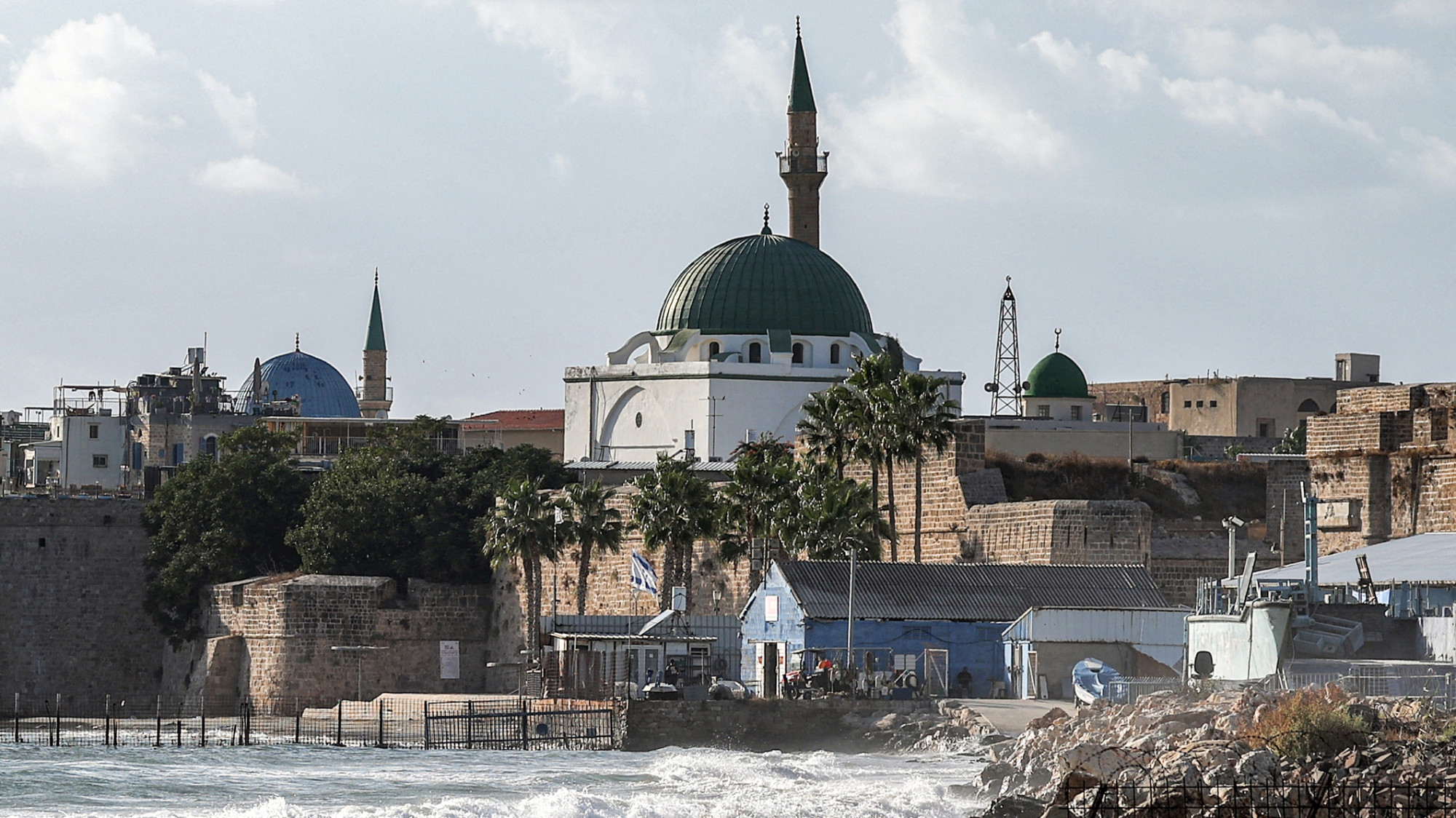
    A contentious legislative proposal is advancing through Israel’s political system that would grant the state unprecedented authority to regulate the Islamic call to prayer. Sponsored by Jewish Power party member and National Security Committee chair Zvika Fogel, the bill mandates that all mosque loudspeaker broadcasts must obtain government licensing to operate legally.

    The proposed legislation establishes stringent criteria for approval, including specific volume limitations, mandatory noise-reduction implementations, and evaluations of mosque proximity to residential zones. Under these provisions, law enforcement would gain powers to immediately silence loudspeakers violating permit conditions and confiscate equipment for repeated offenses. Financial penalties would be severe, with unauthorized loudspeaker installation carrying fines of 50,000 shekels ($15,660) and permit violations resulting in 10,000 shekel ($3,100) penalties.

    Proponents, including National Security Minister Itamar Ben Gvir, frame the initiative as addressing public health concerns. They characterize the muezzin’s call as “unreasonable noise” that allegedly compromises residents’ wellbeing and quality of life. Fogel asserts existing legislation provides insufficient tools to handle what he describes as systematic legal violations affecting communities.

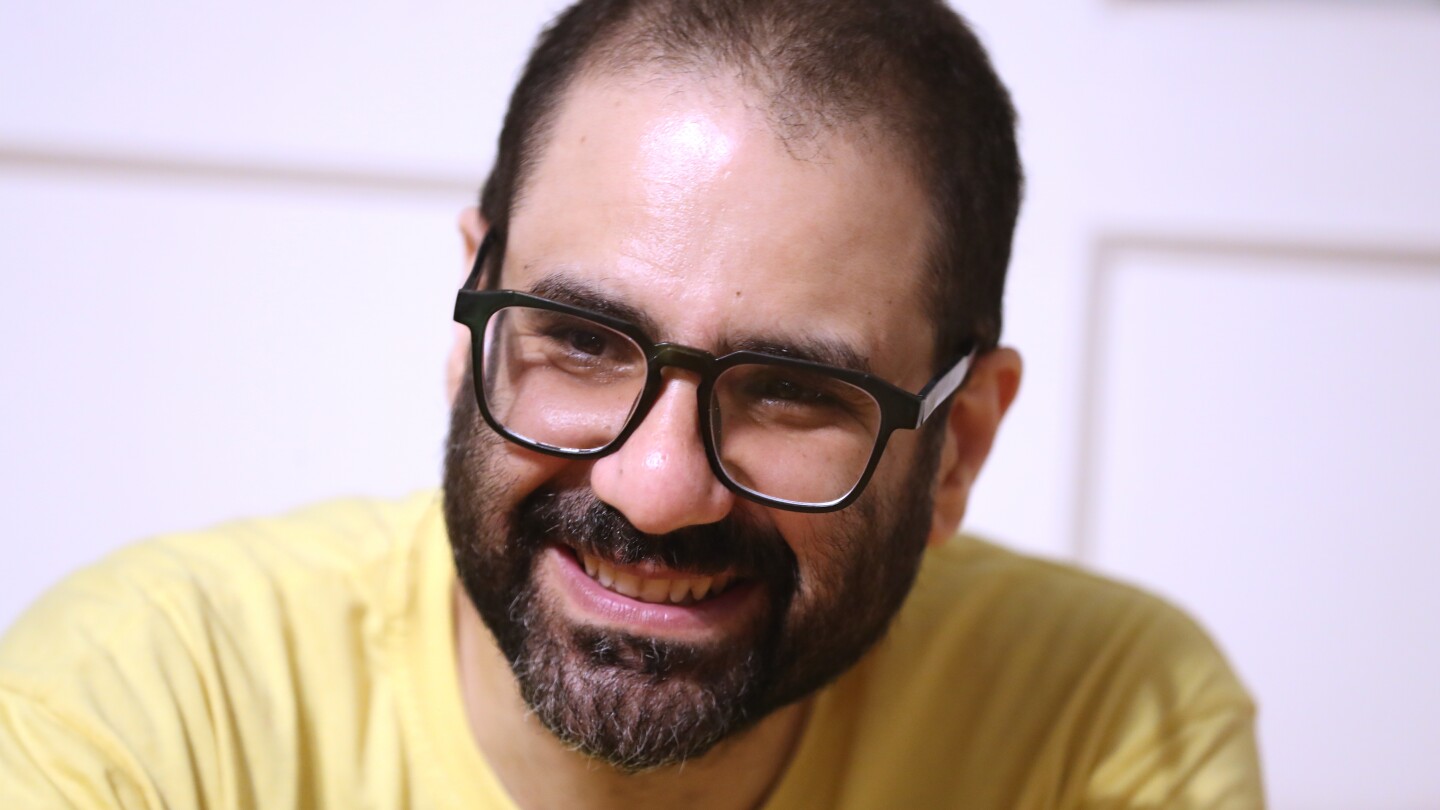
    Palestinian citizens of Israel and religious leaders have vehemently opposed the measure, rejecting the noise pollution justification as disingenuous. Human rights attorney Khaled Zabarqa contends the legislation represents another systematic effort to erase Palestinian cultural and religious identity from public spaces. “The call to prayer has existed for hundreds of years and has been recited daily since Israel was established,” Zabarqa noted. “It did not suddenly become a noise problem.”

    Sheikh Kamal Khatib, former deputy leader of the banned Islamic Movement in Israel, condemned the proposal as particularly dangerous compared to previous restriction attempts because it seeks to institutionalize the ban through formal legislation. Khatib characterized the initiative as part of an escalating religious conflict targeting Muslim communities and warned that any limitation on religious practices must be categorically rejected.

    This represents not the first attempt to regulate mosque broadcasts, with a similar 2017 proposal passing initial parliamentary reading before stalling. The current effort reflects ongoing tensions between religious expression and state authority in Israel’s complex sociopolitical landscape.

  • ‘Unfair election’: Young voters absent from Myanmar polls

    ‘Unfair election’: Young voters absent from Myanmar polls

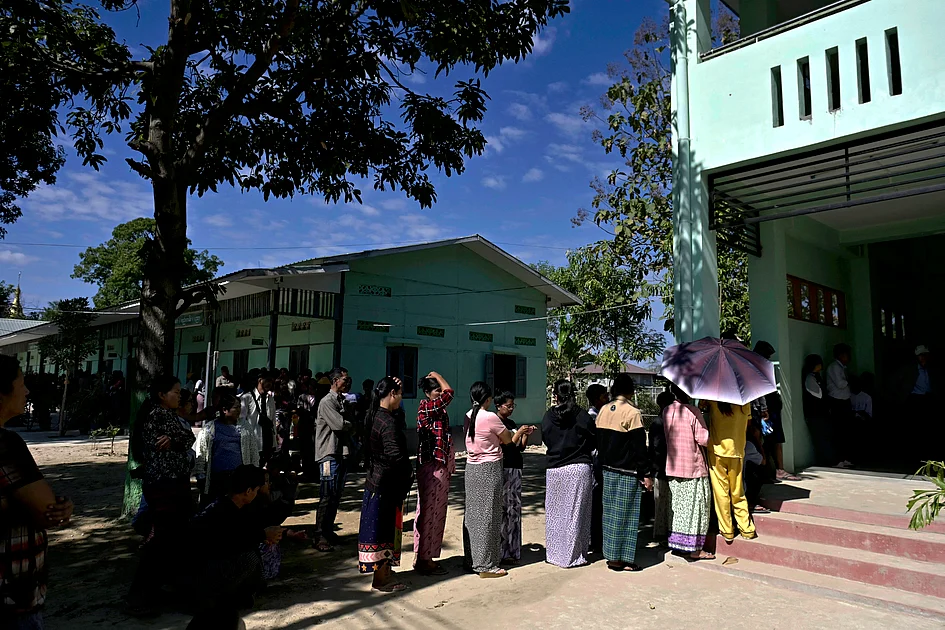
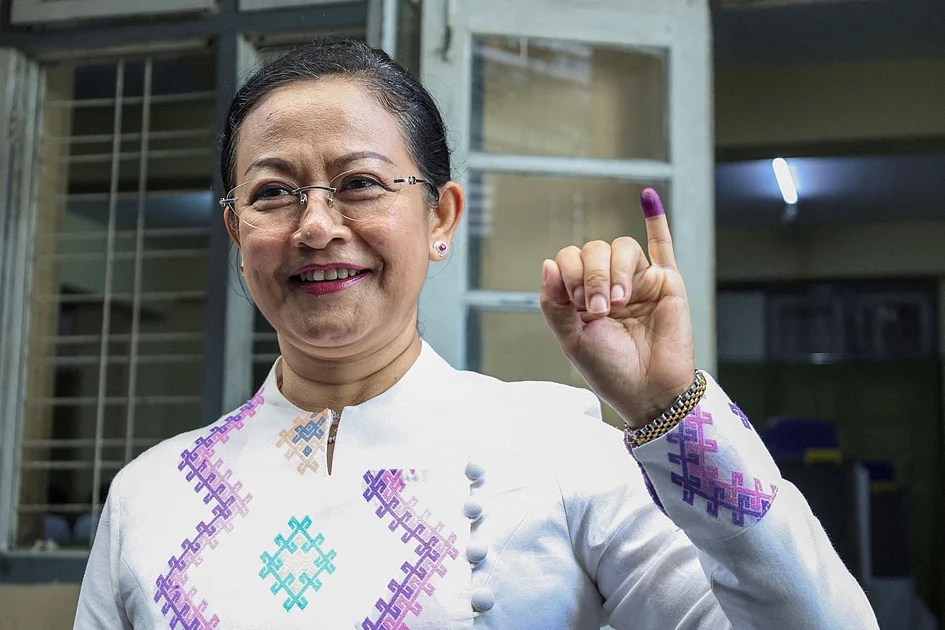
    Myanmar’s military junta conducted nationwide elections on Sunday that were conspicuously absent of the youthful electorate that once characterized the country’s democratic processes. The polling stations, instead dominated by elderly citizens and mothers with children, presented a stark contrast to previous elections that saw enthusiastic participation from younger generations.

    The military government, which seized power in a 2021 coup that plunged the nation into civil war, promoted the vote as a restoration of democratic norms. However, international rights organizations and many citizens dismissed the exercise as fundamentally illegitimate. At a polling station near Yangon’s Sule Pagoda—a site previously known for violent crackdowns on pro-democracy protesters—electoral officials reported fewer than 500 ballots cast from 1,400 registered voters just hours before closing.

    This represents a dramatic decline from the 70% participation rate recorded during the 2020 elections. The current climate of conscription, implemented two years ago to bolster military ranks against ethnic minority armies and resistance forces, has created widespread apprehension among the population. Anonymous young voters from Mandalay expressed their disillusionment, characterizing the process as ‘chaos’ and questioning its fundamental fairness.

    In conflict-ridden regions like Rakhine State, where ethnic minority armies maintain control, residents voiced skepticism about the election’s potential to bring meaningful change. Anti-regime groups issued safety warnings to voters, with reports emerging of coercion tactics including armed intimidation at polling locations. Despite these concerns, junta-allied candidates maintained that participation remained a civic responsibility, even as the streets of major cities remained unusually quiet throughout the voting process.

  • The US 2025: a year of deep division

    The US 2025: a year of deep division

    The United States concludes 2025 entrenched in unprecedented political fragmentation, marking one of the most divisive periods in modern American history. The year witnessed severe governmental dysfunction culminating in the longest federal shutdown ever recorded, driven by irreconcilable differences between political factions.

    Central to the turmoil were the Trump administration’s stringent immigration measures, which ignited massive nationwide demonstrations across multiple metropolitan centers. These protests reflected broader societal tensions that transcended policy disagreements, revealing fundamental fractures within the American political landscape.

    A striking indicator of the deep-seated division emerges from recent polling data, showing approximately 80% of Americans now perceive the opposing political party as fundamentally detached from reality. This statistic underscores the erosion of shared factual understanding and the growth of parallel informational ecosystems that characterize contemporary political discourse.

    Political analysts note that these developments represent not merely temporary disagreements but structural weaknesses within the American democratic system. The prolonged government shutdown paralyzed essential services and exposed the vulnerability of governance mechanisms when ideological polarization prevents basic legislative functionality.

    The immigration policies that triggered widespread civil unrest have become symbolic of larger cultural and political battles, with competing visions of national identity preventing consensus on even the most basic governance matters. This polarization has effectively created two distinct Americas with increasingly incompatible worldviews and value systems.

  • Brazil’s Bolsonaro undergoes medical treatment for hiccups

    Brazil’s Bolsonaro undergoes medical treatment for hiccups

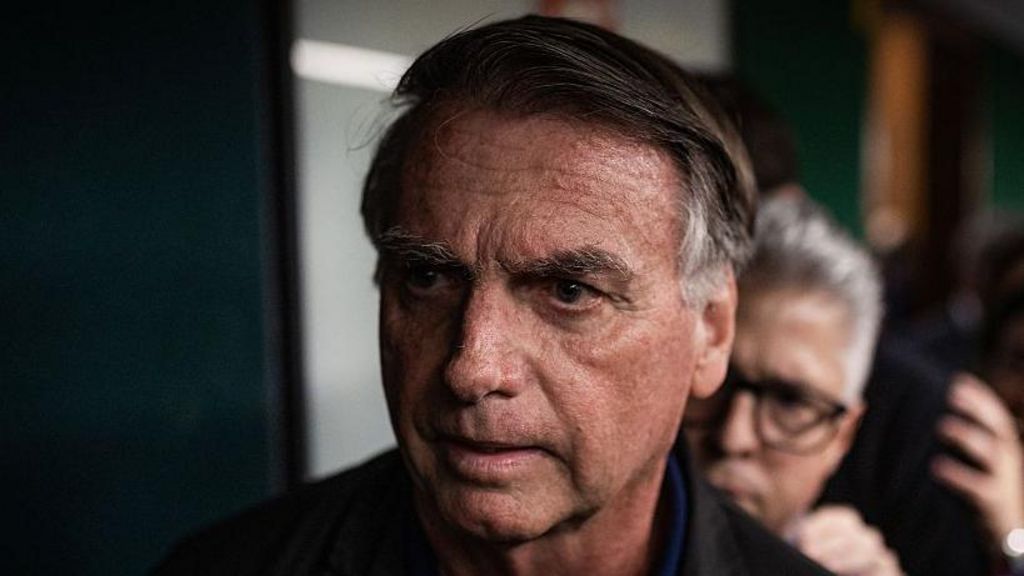
    Former Brazilian President Jair Bolsonaro has undergone a specialized medical procedure to address a persistent nine-month bout of chronic hiccups, according to official statements from his medical team. The non-surgical intervention, performed on Saturday and lasting approximately one hour, targeted his right phrenic nerve—a critical neural pathway controlling diaphragm function.

    This latest medical development follows Bolsonaro’s recent surgery for a double hernia, conducted earlier in the week after judicial authorities granted him temporary hospital transfer from custody. The 70-year-old far-right leader is currently serving a 27-year imprisonment sentence for orchestrating a coup plot following his defeat to left-wing rival Luiz Inácio Lula da Silva in the 2022 presidential election.

    In a significant political maneuver from his hospital bed, Bolsonaro formally endorsed his son Flávio Bolsonaro as a presidential contender against Lula in the upcoming 2026 elections. The endorsement was delivered via handwritten letter and publicly announced by the younger Bolsonaro outside the medical facility.

    Medical authorities have scheduled a follow-up procedure for Monday to address the left phrenic nerve. Upon completion of medical treatment, Bolsonaro will return to his cell at federal police headquarters to continue serving his sentence. His incarceration followed September’s guilty verdict for coup plotting, with subsequent house arrest ending last month when courts deemed him a ‘concrete flight risk’ following alleged attempts to disable his ankle monitor and use public gatherings as escape cover.

    In related developments, Brazil’s Supreme Court issued house arrest orders on Saturday for ten additional officials from Bolsonaro’s administration for their participation in the attempted coup.

  • UK leader criticized for applauding return of man freed from Egyptian prison as old tweets resurface

    UK leader criticized for applauding return of man freed from Egyptian prison as old tweets resurface

    British Prime Minister Keir Starmer has come under intense political scrutiny following his public celebration of Alaa Abd el-Fattah’s return to the United Kingdom. The prominent human rights activist, who holds dual British-Egyptian citizenship, was recently freed from Egyptian incarceration after spending nearly 14 years imprisoned primarily for his opposition to President Abdel-Fattah el-Sissi’s administration.

    While successive UK governments had consistently advocated for Abd el-Fattah’s release as a matter of diplomatic priority, Starmer’s personal endorsement has ignited a firestorm of controversy. The Prime Minister expressed being ‘delighted’ that the activist had been reunited with his family following the lifting of Egyptian travel restrictions that had confined him to the country since his September release.

    The situation escalated when Robert Jenrick, the Conservative Party’s justice spokesman, publicly challenged Starmer’s stance. Jenrick revealed historical social media posts allegedly authored by Abd el-Fattah that contained violent rhetoric against Zionists and law enforcement personnel. The Conservative MP demanded to know whether the Prime Minister had been aware of these controversial statements before offering his ‘unalloyed endorsement’ and called for both condemnation and retraction of the supportive remarks.

    In response to the growing political tension, the Foreign, Commonwealth and Development Office issued a clarifying statement emphasizing that while securing Abd el-Fattah’s freedom represented a long-standing bipartisan priority, this diplomatic effort should not be interpreted as endorsement of his social media content. The government department explicitly condemned the historic tweets as ‘abhorrent’ while maintaining its commitment to opposing arbitrary detention globally.

    The controversy has highlighted the complex intersection of human rights advocacy, diplomatic priorities, and political accountability. Abd el-Fattah’s case gained international attention partly due to his mother’s extraordinary 10-month hunger strike campaign pressuring British authorities to intensify their efforts for his release. As critics circulate the controversial posts, questions regarding context and authenticity have emerged, with The Times of London reporting that the activist had previously claimed the comments were extracted from private conversations during Israeli military operations in Gaza and misrepresented.

  • Myanmar junta stages election after five years of civil war

    Myanmar junta stages election after five years of civil war

    Myanmar’s military regime conducted a heavily controlled electoral exercise on Sunday, presenting the event as a democratic transition five years after seizing power in a coup that plunged the nation into civil war. The voting process unfolded under intense international scrutiny and widespread domestic skepticism.

    With former civilian leader Aung San Suu Kyi serving a 27-year prison sentence and her National League for Democracy party dissolved, the electoral landscape has been fundamentally reshaped. The Union Solidarity and Development Party, aligned with military interests, stands as the anticipated victor in what critics characterize as an attempt to legitimize continued authoritarian rule.

    Junta chief Min Aung Hlaing asserted the election’s credibility during his ballot casting in Naypyidaw, stating, “We guarantee it to be a free and fair election. It’s organized by the military, we can’t let our name be tarnished.”

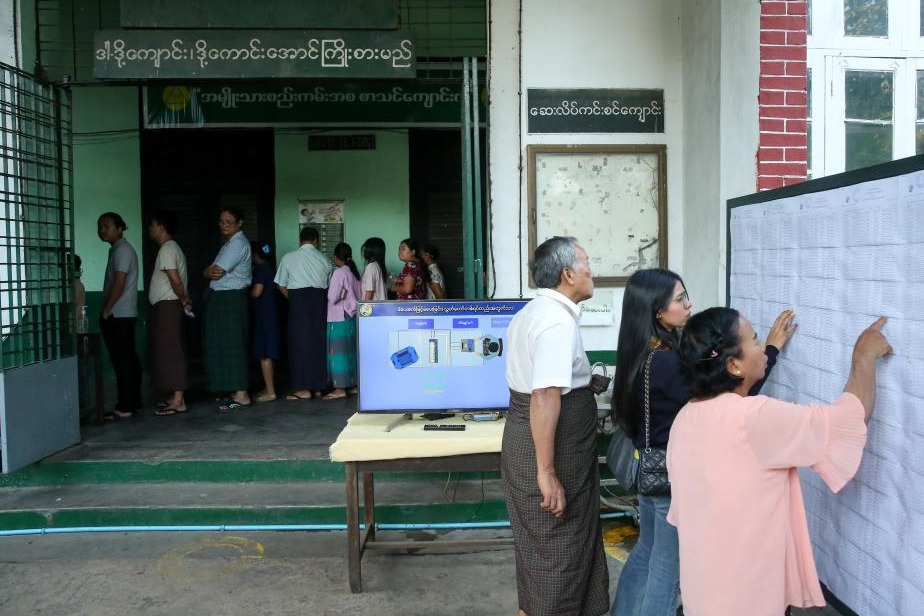
    The reality on ground reveals a different picture. Voting was impossible across substantial territories controlled by ethnic rebel factions challenging military authority. In Yangon polling stations, journalists and election staff frequently outnumbered the sparse trickle of voters during early hours—a stark contrast to the enthusiastic queues witnessed during the 2020 elections that prompted the military’s power grab.

    The United Nations human rights chief Volker Turk condemned the process, noting it occurs within “an environment of violence and repression.” The junta has pursued legal actions against over 200 individuals under legislation prohibiting election criticism or disruption.

    Technical aspects of the voting process further raised concerns, as new electronic machines prevent write-in candidates or ballot spoiling. The military administration has acknowledged that elections cannot proceed in nearly 20% of lower house constituencies due to security concerns.

    The phased election will continue with additional rounds scheduled over the coming weeks, though many displaced citizens and international observers remain skeptical about its potential to restore stability or democratic governance to the conflict-ravaged nation.

  • Myanmar kicks off 2025 general election

    Myanmar kicks off 2025 general election

    Myanmar has commenced its highly anticipated 2025 multi-party democratic general election, marking a significant political event for the Southeast Asian nation. The electoral process began on Sunday, December 28, 2025, with polling stations across Yangon and other regions opening for the first phase of voting.

    This comprehensive election will unfold across three distinct phases, with subsequent voting scheduled for January 11 and January 25, 2026. The electoral landscape encompasses 692 constituencies nationwide, featuring approximately 5,000 candidates representing 57 political parties. These candidates are competing for positions across multiple governmental bodies, including the Pyithu Hluttaw (Lower House), Amyotha Hluttaw (Upper House), and various State and Region Parliaments.

    The Union Election Commission has established an extensive network of 21,517 polling stations throughout the country to facilitate the democratic process. This election introduces two significant innovations: the Mixed-Member Proportional (MMP) electoral system, which integrates First-Past-the-Post and Proportional Representation methods, and the implementation of Myanmar Electronic Voting Machines.

    According to the Ministry of Information, Myanmar citizens residing abroad have already participated through advance voting at overseas embassies and consulates. The election has attracted international attention, with observation teams from several countries arriving to monitor the proceedings.

    The outcome of this election will determine the composition of the Union Parliament and regional legislatures, which will subsequently elect a new president and form the next Union Government. This election follows Myanmar’s previous general election held in November 2020.

  • Protesting students in Serbia urge support for early election they hope will oust Vucic

    Protesting students in Serbia urge support for early election they hope will oust Vucic

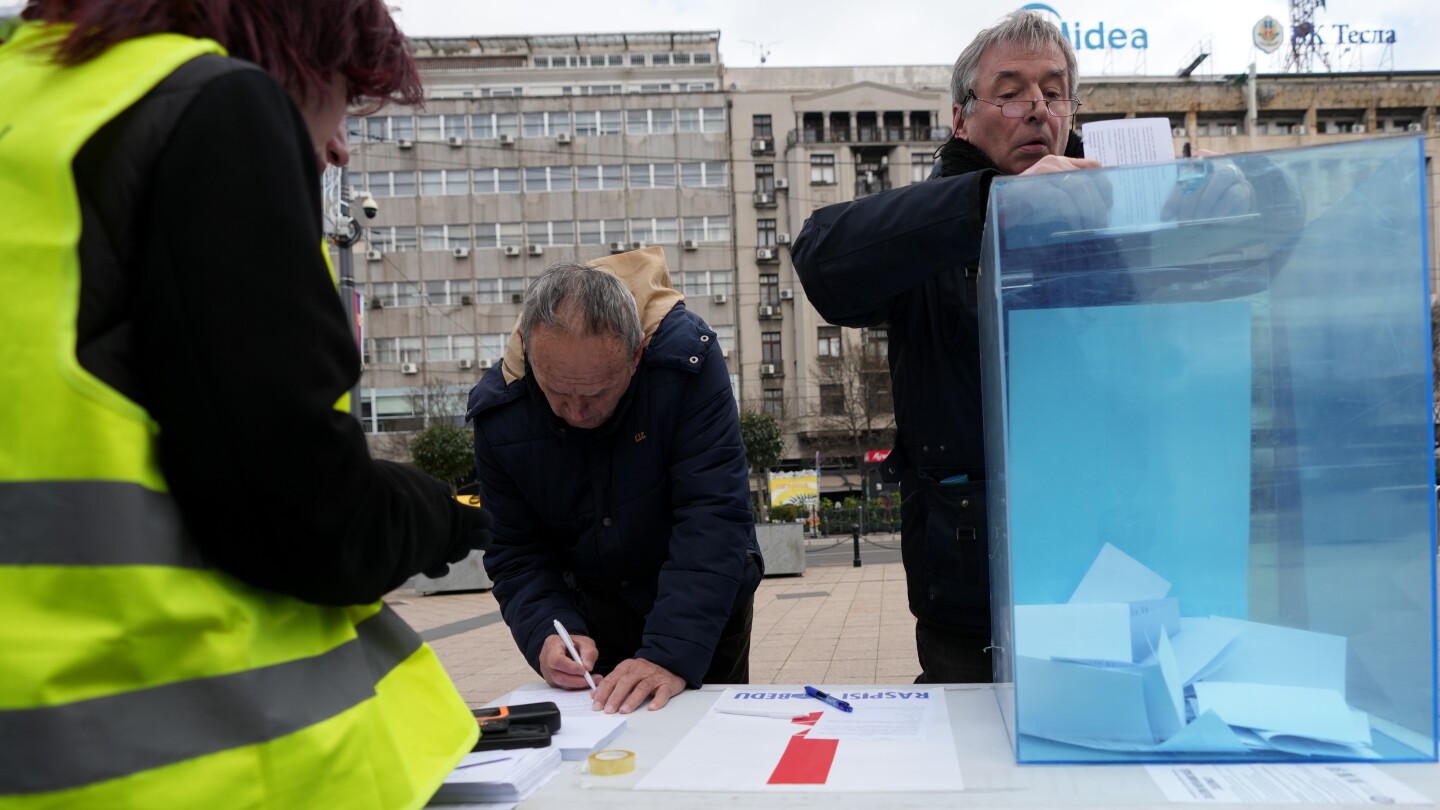
    BELGRADE, Serbia — In a bold demonstration of political dissent, Serbian university students orchestrated a nationwide signature-gathering initiative on Sunday, demanding early parliamentary elections to challenge President Aleksandar Vucic’s administration. Defying frigid temperatures, protesters established approximately 500 collection points across cities, towns, and villages throughout the Balkan nation.

    This mobilization represents the latest escalation in a sustained youth-led movement that has emerged as the most significant challenge to Vucic’s populist regime during his 13-year tenure. The protest movement initially gained momentum following the November 2024 train station catastrophe in Novi Sad, where 16 lives were lost due to a concrete canopy collapse. The tragedy has been widely attributed to systemic corruption and blatant disregard for construction safety protocols during station renovations, with no officials yet held accountable.

    While the signature drive does not constitute a formal petition, organizers describe it as both a barometer of public support and a mechanism to intensify pressure on the government. Igor Dojnov, a student coordinator at a Belgrade collection point, emphasized the campaign’s purpose: “We have stands that serve to connect with the citizens.”

    The political landscape has already shown signs of strain under protest pressure, culminating in the resignation of Serbia’s populist prime minister in January. Vucic subsequently initiated a crackdown on demonstrators that drew international condemnation. Although street protests have diminished recently, underlying discontent remains pervasive among the populace.

    Belgrade resident Milca Cankovic Kadijevic expressed solidarity with the students, stating, “I support them because I have a desire to live decently — me, my children and my grandchildren.”

    Vucic has dismissed calls for immediate early voting, suggesting potential elections might occur next year rather than waiting until the scheduled 2027 parliamentary and presidential votes. The president has accused protesters of attempting to orchestrate a Western-backed “color revolution” — a term referencing early 21st-century mass movements that toppled governments in post-Soviet states and other regions.

    Despite his formal commitment to European Union integration, Vucic maintains strong ties with Russia and China while facing persistent allegations of eroding democratic institutions and tolerating corruption and organized crime networks.

  • Thai and Cambodian top diplomats meet in China to solidify ceasefire

    Thai and Cambodian top diplomats meet in China to solidify ceasefire

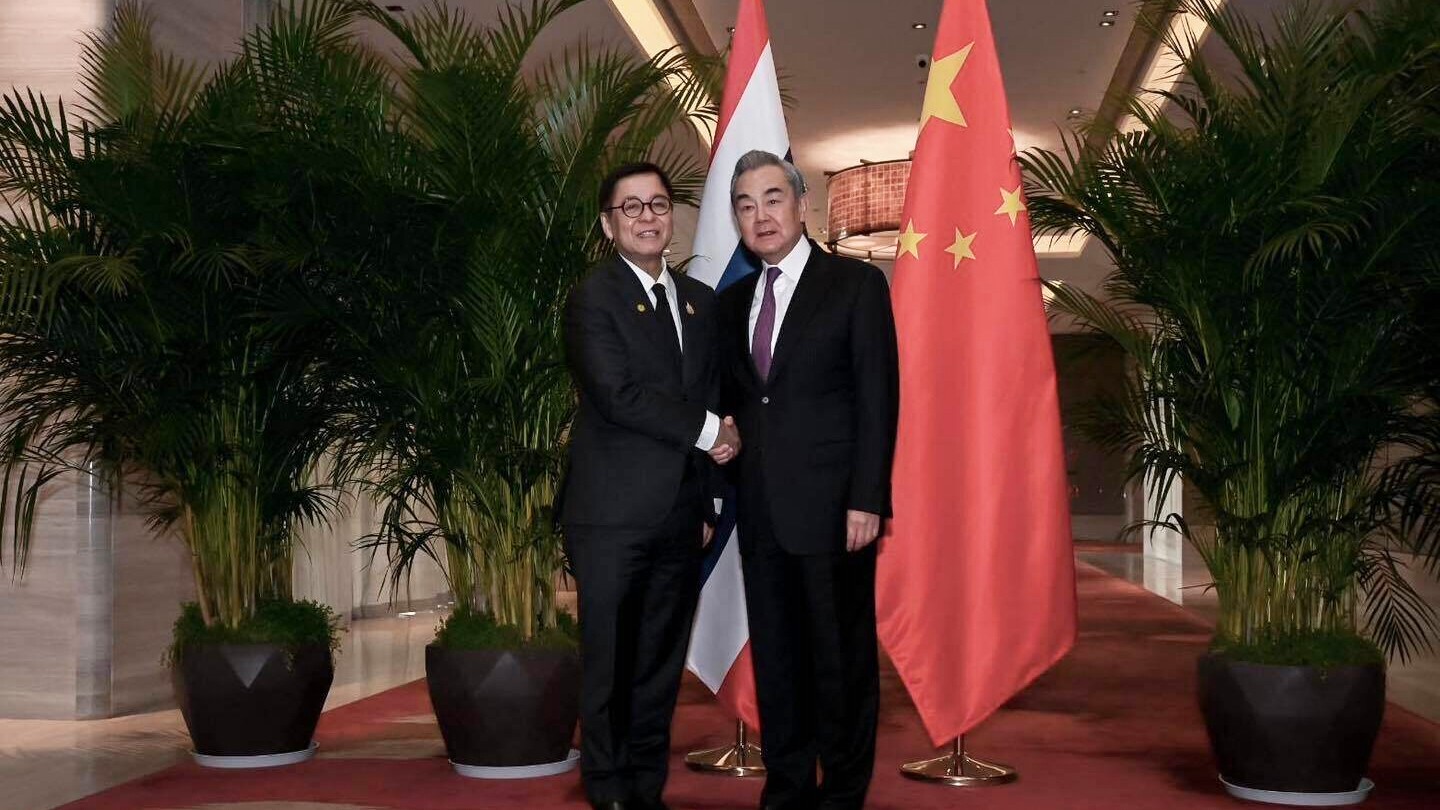
    BEIJING — Top diplomats from Thailand and Cambodia commenced crucial negotiations in China’s Yunnan province on Sunday, marking a significant development in the ongoing border conflict between the Southeast Asian neighbors. The talks, mediated by Chinese Foreign Minister Wang Yi, followed the signing of a new ceasefire agreement designed to halt weeks of deadly clashes that have resulted in over 100 casualties and displaced more than 500,000 civilians from both nations.

    The diplomatic engagement represents Beijing’s strategic effort to strengthen its role as a regional peacemaker, positioning itself alongside the United States and Malaysia in mediation efforts. The ceasefire agreement includes a 72-hour observation period and stipulates that Thailand will repatriate 18 Cambodian soldiers held since previous fighting in July—a key demand from Cambodian authorities.

    Chinese Foreign Ministry statements emphasized Beijing’s commitment to “providing the platform and creating conditions” for continued dialogue between the conflicting parties. China simultaneously announced 20 million yuan ($2.8 million) in emergency humanitarian assistance for Cambodia, with initial shipments of food, tents, and blankets arriving Sunday.

    While the Chinese mediation progressed, U.S. President Donald Trump asserted American influence in the conflict resolution from his Mar-a-Lago estate in Florida. In social media posts, Trump claimed the fighting “will stop momentarily” and boasted about U.S. effectiveness, suggesting America had “become the REAL United Nations” through his administration’s involvement.

    Thai Foreign Minister Sihasak Phuangketkeow articulated expectations that China would not only support the ceasefire but also discourage Cambodia from reigniting hostilities. “Thailand does not see China merely as a mediator in our conflict with Cambodia,” Sihasak stated, “but wants China to play a constructive role in ensuring a sustainable ceasefire.”

    Cambodian Foreign Minister Prak Sokhonn expressed appreciation for China’s “vital role” in facilitating the truce. The diplomatic meetings will continue with bilateral discussions and a trilateral talk scheduled for Monday, aiming to establish mechanisms for lasting peace along the contested border region.

  • Thailand’s political parties name prime minister candidates for February election

    Thailand’s political parties name prime minister candidates for February election

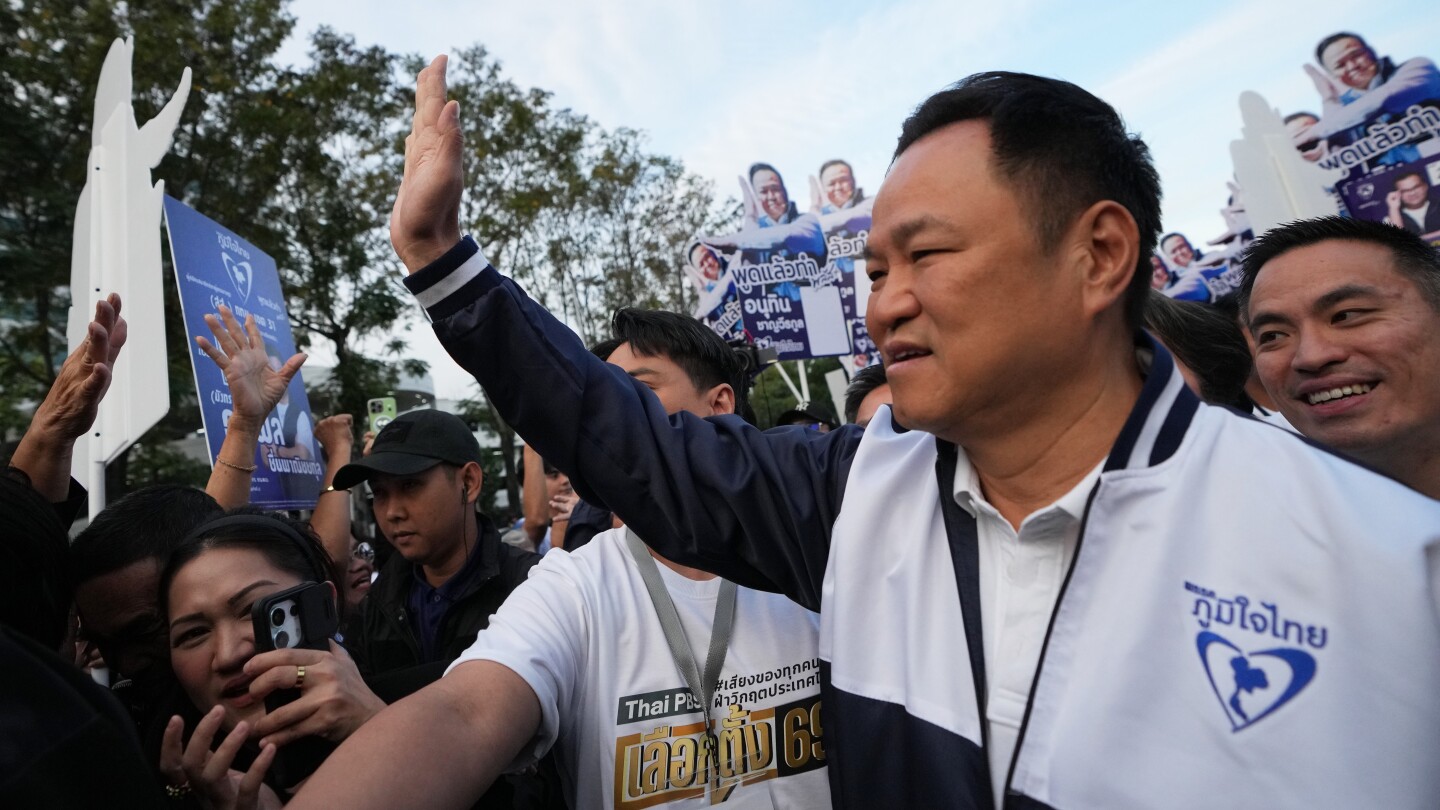
    BANGKOK — Thailand’s political arena intensified on Sunday as parties formally registered their prime ministerial candidates, signaling the commencement of unofficial campaigning for the February 8 general election. The electoral landscape emerges following Prime Minister Anutin Charnvirakul’s dissolution of Parliament this month, a strategic maneuver to consolidate his Bhumjaithai Party’s parliamentary strength amid mounting opposition pressure.

    The upcoming election presents a triangular contest between Anutin’s conservative faction, the progressive People’s Party, and the populist Pheu Thai Party backed by incarcerated former premier Thaksin Shinawatra. Simultaneously, voters will participate in a constitutional referendum championed by progressive forces seeking to diminish the influence of unelected bureaucratic bodies.

    Anutin’s brief three-month tenure witnessed declining popularity due to catastrophic southern flooding and high-profile corruption scandals. However, his administration may have regained nationalist support through heightened military engagements with Cambodia regarding persistent border disputes.

    The Electoral Commission reported 68 prime ministerial candidates from 32 parties, alongside 1,502 party-list nominees from 52 organizations. Additionally, 3,092 constituency candidates will compete for direct electoral mandates. Bhumjaithai strategically nominated only two candidates—Anutin himself and Foreign Minister Sihasak Phuangketkeow as secondary option.

    A significant development involves the dissolution of the temporary alliance between Anutin’s party and the People’s Party. Their September power-sharing arrangement—where progressive lawmakers supported Anutin’s premiership in exchange for constitutional referendum commitments—has collapsed amid accusations of bad faith. People’s Party leader Natthaphong Ruengpanyawut has unequivocally declared that no party legislators will endorse either Anutin or Sihasak for premiership.

    The progressive faction continues advocating controversial reforms, including amnesty for political detainees imprisoned under Thailand’s stringent lèse-majesté laws. This stance positions them directly against the nation’s powerful royalist establishment. Meanwhile, Pheu Thai has nominated 46-year-old Yodchanan Wongsawat as their primary candidate, maintaining Thaksin’s influence despite his imprisonment for corruption and power abuse convictions.