分类: politics

  • Why Israel’s recognition of Somaliland as an independent state is controversial

    Why Israel’s recognition of Somaliland as an independent state is controversial

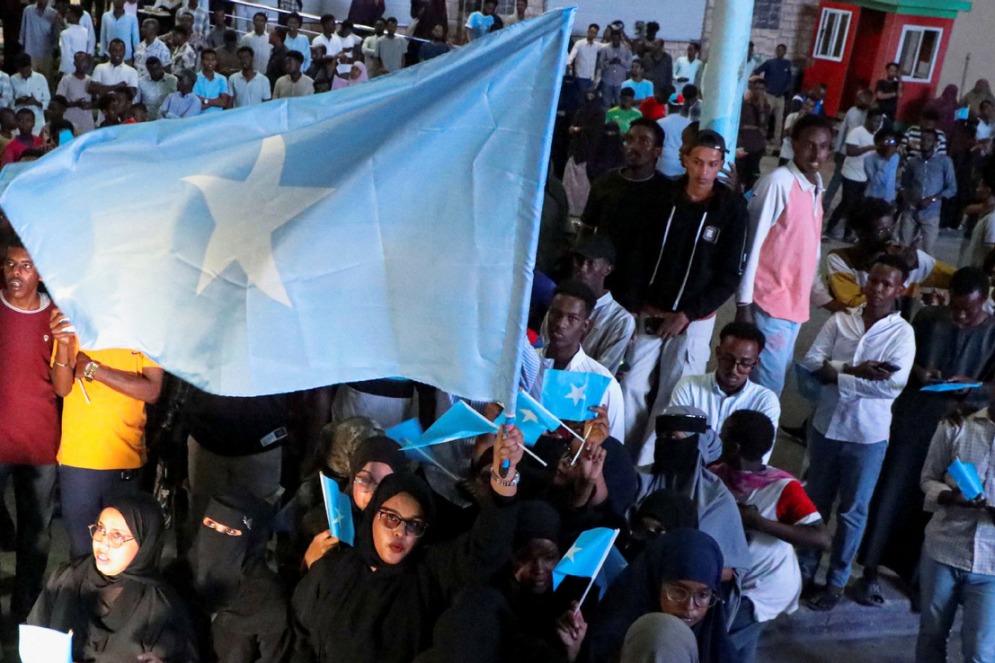
    In a groundbreaking diplomatic move that has sent shockwaves through international relations, Israel has become the first nation to officially recognize the breakaway territory of Somaliland as an independent sovereign state. This controversial decision, announced on Friday, has triggered widespread condemnation from numerous countries and international organizations while being hailed by Somaliland’s leadership as a historic milestone.

    The recognition follows more than three decades of Somaliland’s de facto independence from Somalia, declared in 1991 following the overthrow of military dictator Siad Barre. Despite maintaining its own government institutions, currency, and security forces, the semi-desert territory along the Gulf of Aden has remained internationally unrecognized until Israel’s unexpected declaration.

    China has emerged among the most vocal critics, with Foreign Ministry spokesperson Lin Jian asserting that “no country should encourage or support other countries’ internal separatist forces for its own selfish interests.” This condemnation comes ahead of an emergency UN Security Council session convened to address the escalating diplomatic crisis.

    Somalia has reacted with fury, characterizing Israel’s move as a direct assault on its territorial integrity. President Hassan Sheikh Mohamud labeled the recognition an “existential threat” to national unity, while Somalia’s parliament unanimously rejected what it termed a violation of international law.

    Strategic analysts suggest Israel’s motivation extends beyond mere diplomatic recognition. According to research from the Institute for National Security Studies, Somaliland offers Israel a strategic foothold in the Red Sea region, potentially providing operational access near conflict zones involving Yemen’s Houthi rebels. Israeli Prime Minister Benjamin Netanyahu confirmed in a phone call with Somaliland President Abdirahman Mohamed Abdullahi that the recognition acknowledges Somaliland’s “right of self-determination” and presents “a great opportunity for expanding” bilateral partnership.

    The Houthi movement has responded with threats, warning that any Israeli presence in Somaliland would be considered legitimate military targets. This development occurs against the backdrop of reported discussions about potential resettlement of Palestinians from Gaza, though Somaliland has denied any connection between recognition and the Palestinian issue.

    Regional powers including Turkey, Saudi Arabia, and the African Union have joined the condemnation, expressing concern that this recognition could establish a dangerous precedent for separatist movements across the continent. The African Union specifically warned of potential chain reactions where other regions might seek external alliances without central government consent.

    Notably, traditional Somaliland allies including the United Arab Emirates and Ethiopia have maintained cautious silence. Analysis suggests the UAE aligns with Israeli interests in the region, while Ethiopia—which recently secured port access through Somaliland—appears to be adopting a wait-and-see approach despite potentially benefiting from the recognition.

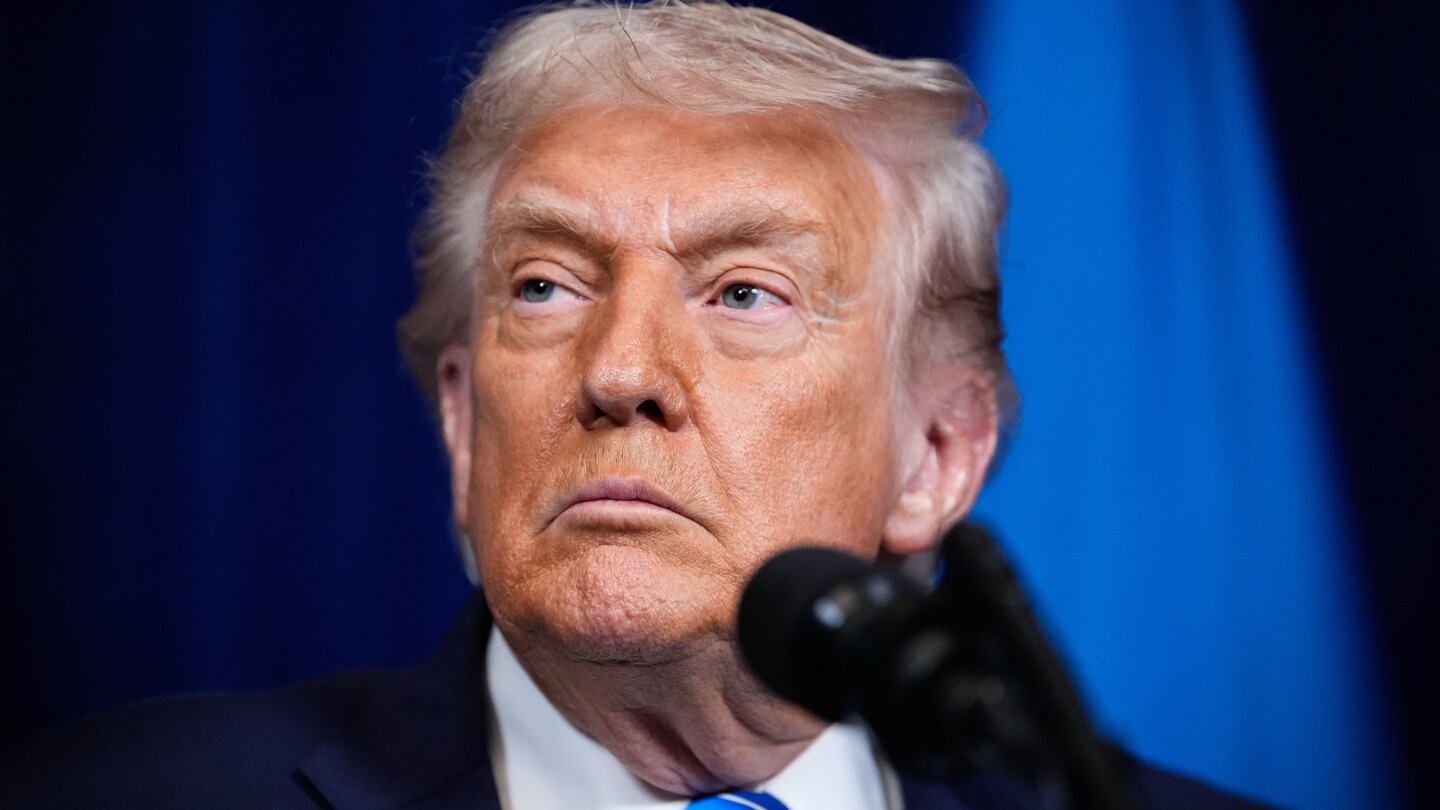
    The United States has shown reluctance to follow Israel’s lead, with former President Donald Trump questioning general awareness of Somaliland’s status. The international community remains deeply divided, setting the stage for continued diplomatic confrontation as this unexpected geopolitical realignment unfolds.
  • Somali president to visit Turkey amid Israel–Somaliland tensions

    Somali president to visit Turkey amid Israel–Somaliland tensions

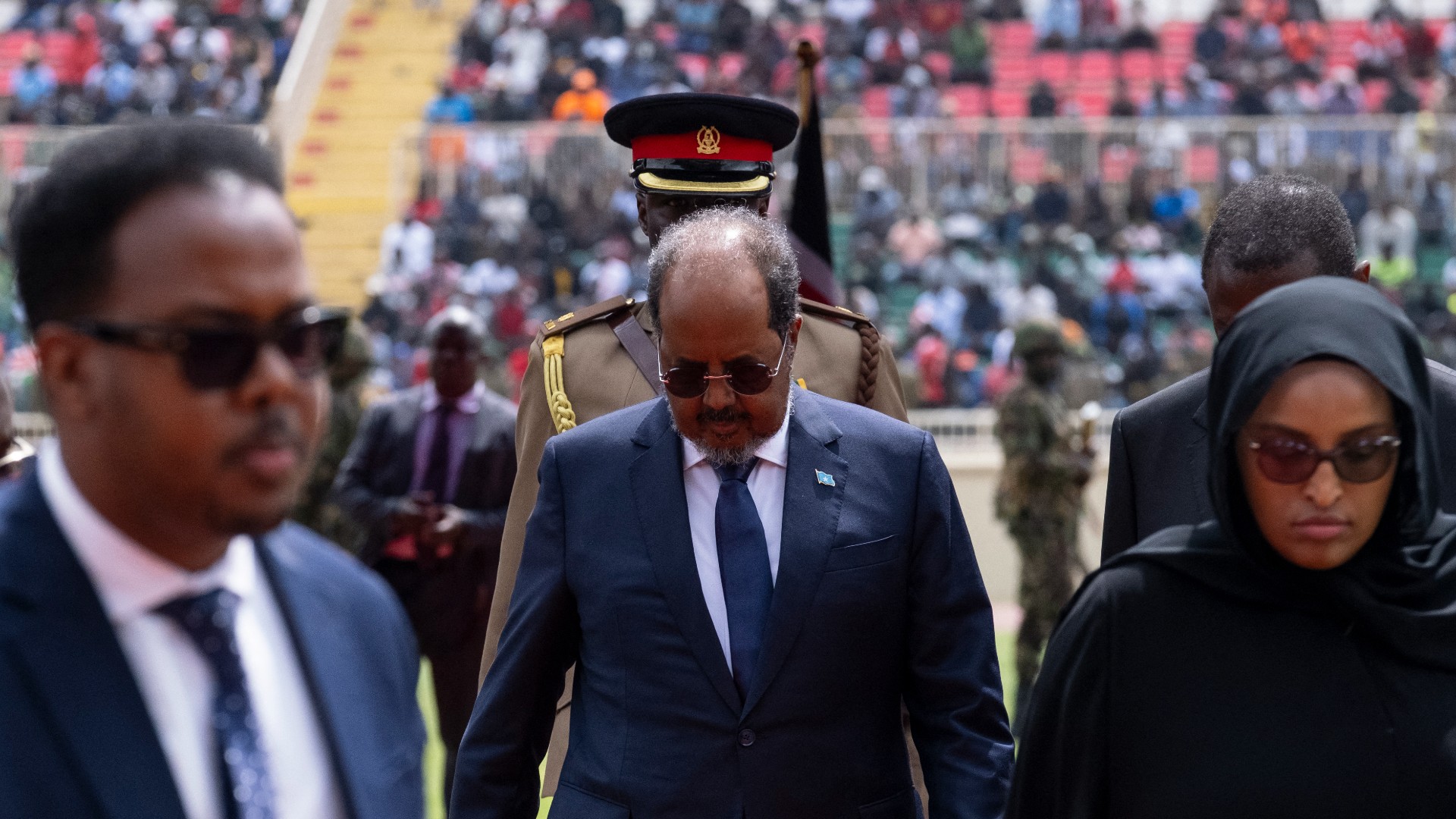
    Somali President Hassan Sheikh Mohamud is scheduled to arrive in Ankara on Tuesday for a high-stakes meeting with Turkish President Recep Tayyip Erdogan, according to sources familiar with the diplomatic agenda. The visit occurs amidst escalating regional tensions following Israel’s unprecedented recognition of the breakaway Somaliland region over the weekend.

    While the presidential summit was arranged prior to the recent diplomatic developments, Ankara officials anticipate that Erdogan will strongly address Israel’s controversial move during bilateral discussions. The talks are expected to focus extensively on the implications of Israel’s recognition of Somaliland, which has drawn widespread international condemnation.

    A significant portion of the agenda will center on energy cooperation, particularly the results of seismic surveys completed in October. Both leaders are projected to make a joint announcement regarding hydrocarbon exploration initiatives, building upon recent statements by Turkish Energy Minister Alparslan Bayraktar who confirmed Ankara’s plans to commence drilling operations off the Somali coast by 2026.

    Turkey’s substantial investment in Somalia spans over a decade, with more than $1 billion in humanitarian assistance provided since 2011. Ankara maintains the world’s largest embassy compound in Mogadishu and operates a major military training facility where thousands of Somali soldiers have received instruction. Turkish corporations currently manage critical infrastructure including the capital’s airport and seaport, with additional plans underway to establish a spaceport facility.

    The bilateral relationship expanded significantly last year through a confidential defense and energy pact that positioned Turkey as the protector of Somali maritime territory. This agreement facilitated energy exploration activities by Turkish research vessels escorted by naval forces, particularly during escalating tensions between Somalia and Ethiopia.

    Israel’s recognition of Somaliland has prompted a unified response from twenty-two nations and the Organisation of Islamic Cooperation, who jointly condemned the move. Notably absent from the condemnation was the United Arab Emirates, which maintains longstanding relations with Somaliland and is considered a key advocate for its international recognition.

    Somaliland declared independence from Somalia in 1991 following the collapse of the unified Somali Republic established in 1960. While operating as a de facto independent state for three decades, no permanent UN Security Council member has formally recognized its sovereignty.

  • FACT FOCUS: Trump says he’s ended eight wars. His numbers are off

    FACT FOCUS: Trump says he’s ended eight wars. His numbers are off

    President Donald Trump’s repeated assertions about terminating eight international conflicts this year require careful examination against the complex backdrop of ongoing global tensions. While the administration has achieved certain diplomatic milestones, many situations remain unresolved or have escalated despite White House claims.

    The recent Trump-Netanyahu meeting underscores the precarious nature of the Gaza situation. Although the current U.S.-brokered ceasefire represents significant progress, Israel maintains that transitioning to the truce’s second phase depends entirely on the release of all remaining hostages. Hamas simultaneously threatens to abandon the agreement, citing insufficient humanitarian aid and continued Israeli strikes. The path toward permanent resolution involves formidable challenges including Hamas disarmament, international security deployment, and determining Gaza’s future governance structure.

    Regarding the Israel-Iran confrontation in June, while Trump successfully negotiated a ceasefire after authorizing strikes on Iranian nuclear facilities, experts characterize this as a temporary respite rather than permanent resolution. Evelyn Farkas of the McCain Institute acknowledged Trump’s role in ending the 12-day conflict, though Lawrence Haas of the American Foreign Policy Council described it merely as a pause in an ongoing ‘day-to-day cold war.’

    In Africa, the White House-mediated agreement between Rwanda and Congo faces immediate challenges. Despite two signed agreements in June and December, the M23 rebel group—allegedly backed by Rwanda—has continued military operations, capturing additional territory days after the latest ceremony. Similarly, the Armenia-Azerbailand conflict shows partial progress with transportation agreements signed, but the comprehensive peace treaty remains unratified by parliaments.

    The Cambodia-Thailand border dispute demonstrates the limitations of presidential influence. While Trump’s leveraging of trade negotiations initially produced ceasefire agreements, fighting resumed weeks later, requiring additional diplomatic intervention and a new December 27th agreement.

    Several conflicts listed as ‘resolved’ never constituted formal wars. The Serbia-Kosovo tensions have persisted without military threat throughout Trump’s term, maintained primarily by NATO peacekeepers rather than presidential diplomacy. The Egypt-Ethiopia dam dispute remains stalled in mediation efforts, while the India-Pakistan ceasefire involved disputed U.S. involvement with India denying Trump’s claims of trade concession involvement.

    This pattern reveals a discrepancy between diplomatic achievements and comprehensive conflict resolution, highlighting the complexity of international peacemaking beyond presidential declarations.

  • Zohran Mamdani: New year brings new mayor for New York City

    Zohran Mamdani: New year brings new mayor for New York City

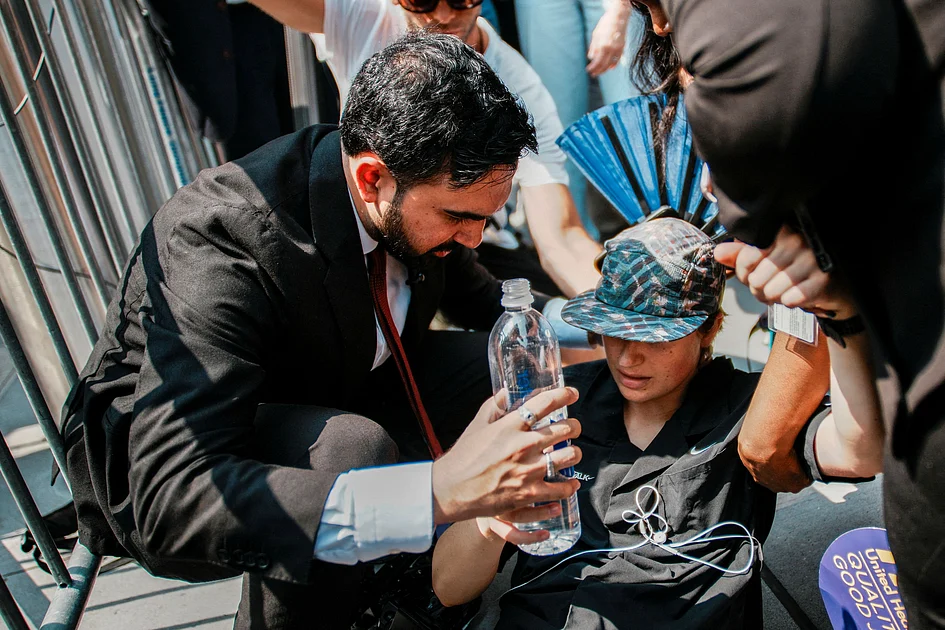
    New York City ushered in a new political era as Zohran Mamdani was inaugurated as the city’s first Muslim mayor during ceremonial proceedings that commenced precisely at midnight on New Year’s Eve. The 34-year-old Democratic Socialist, among the youngest mayors in the city’s history, assumed office following a distinctive swearing-in ceremony administered by New York Attorney General Letitia James, a noted political adversary of former President Donald Trump.

    The inauguration festivities continued at midday with a formal ceremony outside City Hall presided over by Vermont Senator Bernie Sanders, a prominent figure within progressive political circles. Columbia University political science professor Lincoln Mitchell observed that the celebratory atmosphere reflected one of Mamdani’s central campaign themes—that New York remains a desirable place to live despite its challenges.

    Mamdani’s political platform, characterized by its progressive agenda, focuses primarily on addressing the city’s affordability crisis affecting its 8.5 million residents. His key proposals include implementing rent freezes for over one million apartments, constructing 200,000 units of affordable housing, establishing universal childcare access, creating publicly owned supermarkets, and introducing free bus services throughout the city.

    The new mayor faces immediate governance challenges, including potential resistance from the city’s rent control board, which remains populated with appointees from previous mayor Eric Adams. However, Mamdani possesses a significant political advantage through his reportedly strong relationship with New York Governor Kathy Hochul, whose support would be crucial for implementing proposed tax increases.

    Despite his limited political experience—having previously served only as a local representative in the State Assembly—Mamdani has assembled an experienced team of advisors drawn from previous mayoral administrations and even former President Joe Biden’s administration. He has also engaged in dialogue with business leaders who had expressed concerns about his election, with real estate sector representatives recently dismissing predictions of wealthy resident exodus.

    As a Muslim politician of Indian descent and defender of Palestinian rights, Mamdani faces the additional challenge of reassuring New York’s Jewish community of his inclusive leadership approach. This concern gained relevance following the resignation of one appointee after the discovery of historical antisemitic social media posts.

    Beyond policy matters, Mamdani has already emerged as a cultural figure, with his background in rap music, improvisational theater classes, and distinctive fashion sense drawing public attention. His wife, Syrian-born artist Rama Duwaji, has similarly garnered significant public interest, accumulating over one million Instagram followers since November according to Social Blade statistics.

  • US pledges $2bn for humanitarian aid, but tells UN ‘adapt or die’

    US pledges $2bn for humanitarian aid, but tells UN ‘adapt or die’

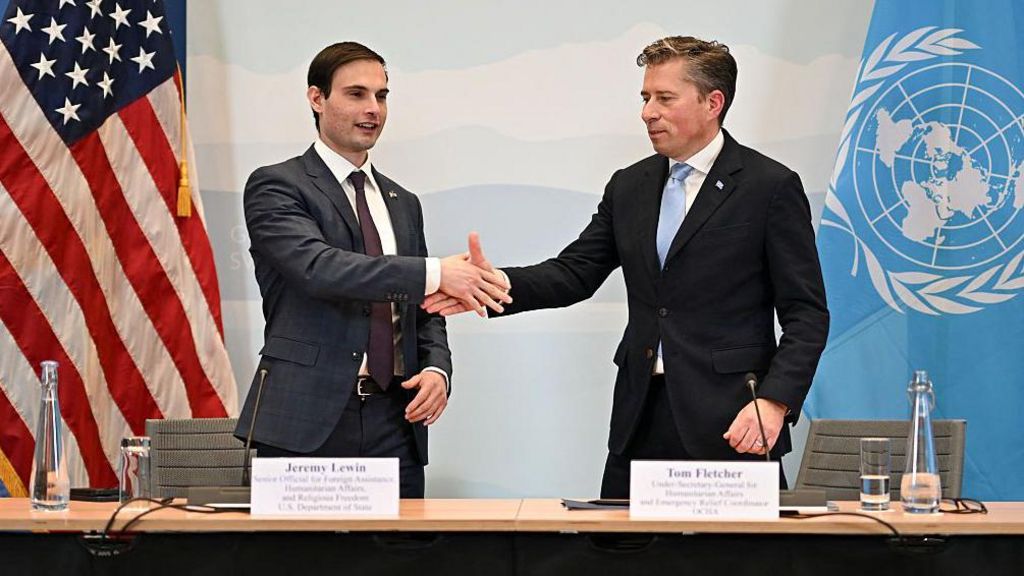
    In a significant diplomatic move that underscores shifting foreign policy priorities, the United States has committed $2 billion to United Nations humanitarian programs while delivering a stark ultimatum to the international body: reform or face financial consequences. The announcement, made jointly in Geneva by Trump administration official Jeremy Lewin and UN emergency relief chief Tom Fletcher, represents both a lifeline and a challenge to global humanitarian operations.

    The funding comes amid substantial reductions in American contributions to international aid, with previous annual commitments reaching approximately $17 billion as recently as 2022. While Fletcher acknowledged the new injection of funds would preserve “millions of lives,” the assistance carries unprecedented restrictions that break with traditional humanitarian principles.

    Washington has explicitly excluded Afghanistan and Yemen from receiving any portion of the aid package. Lewin justified this decision by asserting that evidence indicates UN funds in Afghanistan have been diverted to Taliban operations, stating emphatically that “President Trump will never tolerate a penny of taxpayers’ money going to terrorist groups.”

    Additionally, the funding prohibits expenditures related to climate change initiatives, which Lewin characterized as neither “life-saving” nor aligned with “US interests.” The assistance will be concentrated in just 17 predetermined nations, including Haiti, Syria, and Sudan, bypassing many regions experiencing severe humanitarian crises.

    Lewin, architect of the recent USAID restructuring that eliminated thousands of positions, delivered a blunt message to UN leadership: “adapt or die.” He emphasized that American generosity would not extend to “organizations that just want to return to the old system,” demanding focused, efficient implementation without program duplication.

    While UN officials publicly endorse principles of efficiency and accountability, concerns emerge regarding the politicization of humanitarian aid. The exclusion of specific countries and entire categories of crisis response challenges the fundamental humanitarian principles of neutrality and impartiality—cornerstones of international aid distribution.

    The funding reduction has already produced tangible consequences: closure of maternal health clinics in Afghanistan, reduced food rations for displaced populations in Sudan, and anticipated increases in global child mortality rates reversing years of progress.

    Despite these concerns, the UN faces the pragmatic reality that $2 billion represents critical support during an ongoing funding crisis, even from a skeptical donor administration. The arrangement illustrates the complex negotiation between humanitarian ideals and political realities in contemporary international relations.

  • Alaa Abd el-Fattah pushes back against calls to revoke his UK citizenship

    Alaa Abd el-Fattah pushes back against calls to revoke his UK citizenship

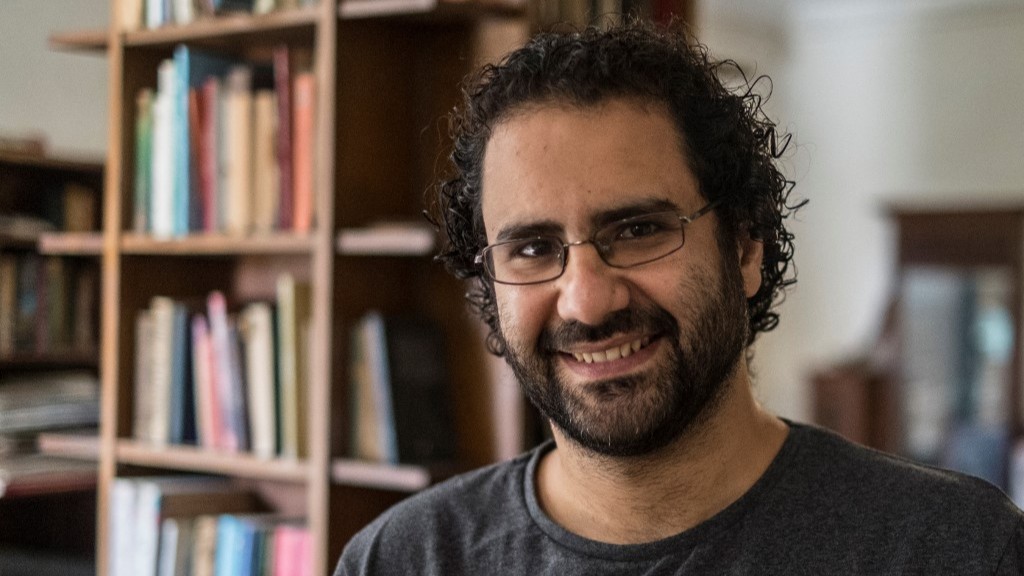
    British-Egyptian political activist Alaa Abd el-Fattah has issued a formal response to UK politicians demanding the revocation of his citizenship, following their citation of controversial social media posts from 2010. The 44-year-old prominent figure of Egypt’s 2011 Arab Spring uprising, recently released from imprisonment and reunited with his family in Britain, finds himself at the center of a new political storm.

    Opposition politicians, including Reform UK leader Nigel Farage and Conservative Party leader Kemi Badenoch, have highlighted decade-old posts allegedly containing antisemitic content and calls for violence against Zionists, police, and British forces in Iraq. Farage has reportedly escalated the matter by filing a report with the Metropolitan Police’s counterterrorism unit, while Badenoch has publicly advocated for stripping Abd el-Fattah’s citizenship through the Daily Mail.

    In a detailed statement addressing the controversy, Abd el-Fattah expressed being ‘shaken’ by the attacks so soon after his family reunion. While acknowledging that some posts appear ‘shocking and hurtful’ when viewed out of context, he offered an unequivocal apology, characterizing the messages as ‘expressions of a young man’s anger and frustrations’ during regional conflicts including the wars on Iraq, Lebanon, and Gaza, alongside rising police brutality against Egyptian youth.

    The activist vehemently denied allegations of homophobia and Holocaust denial, explaining that controversial tweets were actually intended to ridicule such positions rather than endorse them. He noted having ‘paid a steep price’ for his public support of LGBTQ rights in Egypt and emphasized his secular, non-religious background despite some British media outlets incorrectly labeling him an ‘alleged Islamist extremist.’

    Abd el-Fattah’s political journey includes significant involvement in the 2011 Arab Spring demonstrations that ousted Hosni Mubarak, followed by imprisonment after Abdel Fattah el-Sisi’s 2013 military coup. Despite being pardoned and released earlier this year, his history includes multiple arrests and sentences totaling years of detention on charges human rights organizations describe as politically motivated.

    Human rights advocates have raised alarms about the potential consequences of this campaign. Ahmed Attalla of the Egyptian Front for Human Rights warned that forced return to Egypt could subject Abd el-Fattah to ‘yet another cycle of arbitrary detention’ through fabricated charges, noting that the case is being instrumentalized by right-wing groups and pro-government media in Egypt. The situation highlights broader concerns about Egypt’s human rights record, where Freedom House ranks the country 18th out of 100 for political freedom, and Human Rights Watch documents ‘wholesale repression’ of peaceful dissent.

    The UK Home Office has not responded to inquiries regarding potential deportation proceedings, leaving the activist’s legal status in uncertainty amid what Attalla describes as ‘an increasingly unstable global environment’ and rising far-right influence.

  • EAC warns Israel move to recognize Somaliland threatens stability of the Horn of Africa

    EAC warns Israel move to recognize Somaliland threatens stability of the Horn of Africa

    The East African Community (EAC) has issued a stern warning that Israel’s groundbreaking recognition of Somaliland as an independent sovereign state poses significant risks to stability throughout the Horn of Africa. In an official statement released Sunday from its Secretariat headquarters in Arusha, Tanzania, the seven-nation regional bloc firmly rejected Israel’s diplomatic move and reaffirmed its unwavering support for Somalia’s territorial integrity.

    The EAC, comprising Rwanda, Kenya, Tanzania, Uganda, South Sudan, Burundi, and the Democratic Republic of Congo, emphasized its recognition of Somalia as a unified sovereign state within its internationally established borders. The regional organization explicitly urged all parties to respect established international legal frameworks governing state sovereignty and territorial integrity.

    This declaration aligns with the African Union’s consistent position on Somali unity. On Friday, African Union Commission Chairperson Mahmoud Ali Youssouf expressed profound concern regarding recent developments surrounding Somaliland, reiterating the continental body’s unequivocal opposition to any initiatives recognizing the breakaway region’s sovereignty. Youssouf emphasized that Somaliland remains constitutionally part of the Federal Republic of Somalia.

    These diplomatic responses came after Israel’s December 26 announcement that it had formally recognized Somaliland as an independent state—marking the first time any United Nations member nation has granted such recognition to the region that declared independence from Somalia in 1991. The EAC cautioned that such unilateral recognition moves could substantially complicate both political landscapes and security dynamics throughout the volatile region.

  • Trump says the US ‘hit’ a facility along shore where he says alleged drug boats ‘load up’

    Trump says the US ‘hit’ a facility along shore where he says alleged drug boats ‘load up’

    PALM BEACH, Fla. — President Donald Trump has revealed that United States forces targeted a dock facility along Venezuela’s shoreline as part of an intensified pressure campaign against narcotics trafficking networks. The disclosure came during an exchange with reporters on Monday while meeting with Israeli Prime Minister Benjamin Netanyahu in Florida.

    Trump described the targeted site as a major implementation zone where vessels suspected of transporting illicit drugs were loaded. “There was a major explosion in the dock area where they load the boats up with drugs,” the president stated. “They load the boats up with drugs, so we hit all the boats and now we hit the area.”

    The operation represents a significant escalation in the Trump administration’s anti-narcotics initiative, marking a transition from intercepting vessels in international waters to conducting strikes on coastal infrastructure. This strategic shift aligns with Trump’s repeated warnings about potential land-based operations in South America targeting drug cartels.

    According to administration figures, U.S. forces have conducted at least 30 strikes since early September, resulting in 107 casualties. Just on Monday, the military reported another strike in the eastern Pacific Ocean that killed two individuals aboard a suspected drug-smuggling vessel.

    Despite Trump’s assertions, the administration provided limited operational details. The president declined to specify whether U.S. military or CIA assets executed the dock strike or confirm its precise location within Venezuela. “I know exactly who it was, but I don’t want to say who it was,” Trump remarked during the briefing.

    The Pentagon redirected inquiries to the White House, which had not responded to requests for clarification at the time of reporting. Venezuelan government officials similarly remained silent regarding Trump’s claims.

    This escalation occurs alongside other pressure measures including naval deployments, regional military buildup, and the seizure of oil tankers. Administration officials characterize these actions as part of an “armed conflict” with drug cartels aimed at stemming narcotics flow into the United States.

    Venezuelan President Nicolás Maduro maintains that the true objective behind U.S. operations is regime change. This perspective finds support in recent comments by White House chief of staff Susie Wiles, who told Vanity Fair that Trump intends to continue military actions until Maduro ‘cries uncle.’

  • Ukraine denies drone attack on Putin’s residence

    Ukraine denies drone attack on Putin’s residence

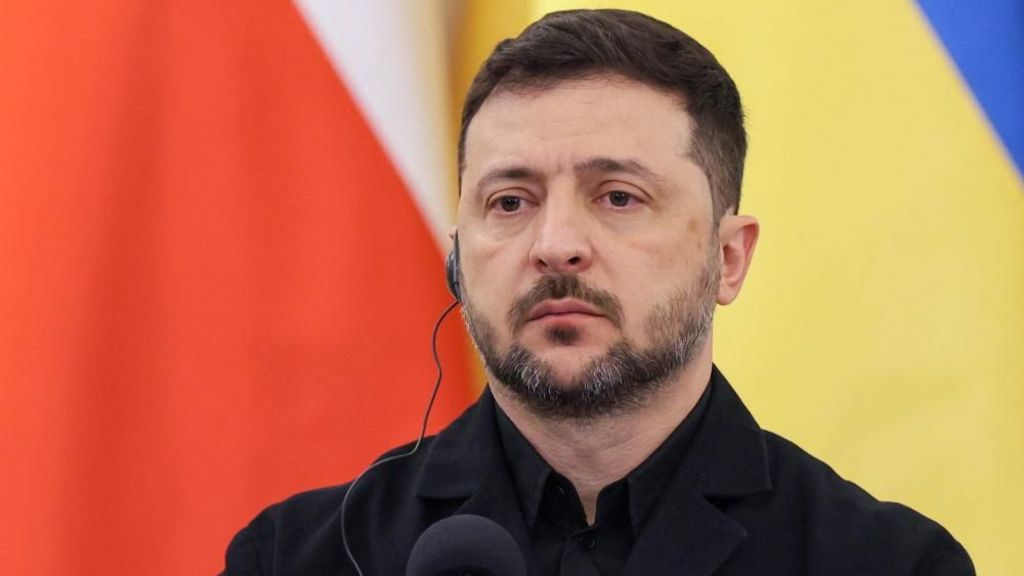
    Ukrainian President Volodymyr Zelensky has categorically refuted Russian allegations that Ukraine targeted one of President Vladimir Putin’s residences with drone strikes. The denial comes after Russian Foreign Minister Sergei Lavrov asserted that Kyiv had deployed 91 long-range unmanned aerial vehicles (UAVs) against Putin’s state residence in the Novgorod region overnight.

    Lavrov stated through official channels that Russian air defense systems successfully intercepted and eliminated all purported drones, resulting in no casualties or structural damage. However, he declared that Russia would reassess its negotiating stance in peace talks, citing what he termed the ‘final degeneration of the criminal Kyiv regime’ into ‘state terrorism.’

    The allegations emerge amidst heightened diplomatic activity, following substantial US-Ukraine discussions in Florida where President Trump and Zelensky advanced revised peace terms. Zelensky characterized the security guarantees offered by the United States—spanning 15 years—as nearly finalized, with Trump indicating approximately 95% completion. Outstanding issues reportedly include territorial disputes and the status of the Russian-occupied Zaporizhzhia nuclear facility, while the Donbas region remains a point of contention.

    Zelensky dismissed Moscow’s claims as ‘typical Russian lies’ designed to justify continued aggression against Ukraine and undermine recent diplomatic progress. He emphasized the critical importance of international vigilance, urging global leaders not to remain silent amid what he described as Russian attempts to sabotage peace efforts.

    The White House confirmed that President Trump subsequently held a ‘positive call’ with Putin, adding complexity to the evolving diplomatic landscape as all parties navigate accusations and counter-accusations.

  • Top political advisor meets Chinese Buddhist delegates

    Top political advisor meets Chinese Buddhist delegates

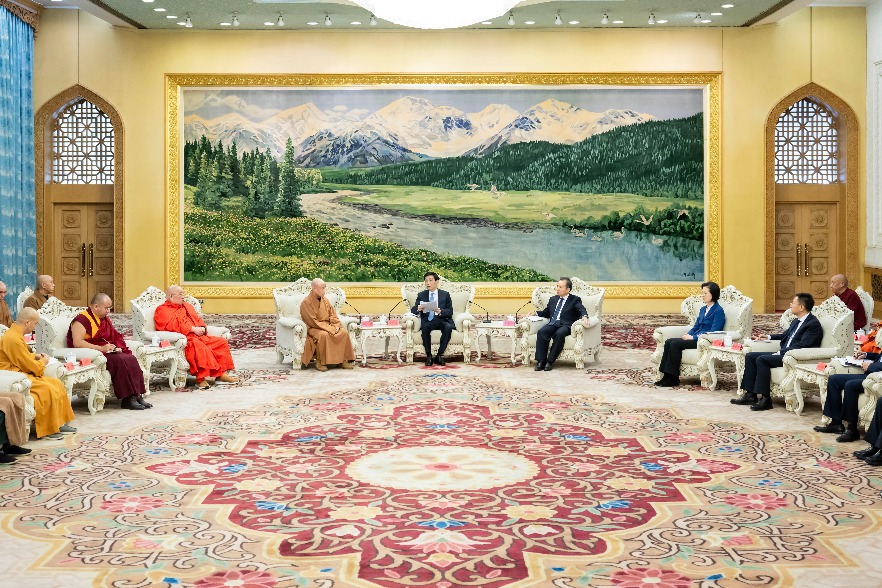
    BEIJING – Wang Huning, Chairman of the Chinese People’s Political Consultative Conference (CPPCC) National Committee, convened with delegates from the Buddhist Association of China during their 11th national congress in Beijing this week. The high-level meeting emphasized the strategic alignment of religious practices with national development objectives.

    As a senior member of the Communist Party of China Central Committee’s Political Bureau Standing Committee, Wang articulated the necessity of implementing the Party’s fundamental religious policies. He called upon Buddhist leaders and adherents to actively contribute to China’s comprehensive modernization initiatives, highlighting the role of religious communities in national progress.

    Wang directed the association to strengthen internal governance through rigorous oversight and enhanced legal awareness. He emphasized the imperative for clerical personnel to maintain strict adherence to both national laws and traditional monastic disciplines, ensuring proper faith practices and conduct.

    The political advisor further encouraged the Buddhist community to develop talent well-versed in both religious teachings and China’s rich cultural heritage. He advocated for expanded international exchanges on Buddhist matters, promoting cultural diplomacy through religious channels.

    The congress itself marked a significant organizational milestone, featuring the adoption of revised constitutional documents and updated religious regulations. Delegates elected a new leadership team to guide the association’s activities in coming years, signaling a fresh chapter for organized Buddhism in China.