分类: politics

  • ‘No worries’: Trump downplays Chinese military drills around Taiwan

    ‘No worries’: Trump downplays Chinese military drills around Taiwan

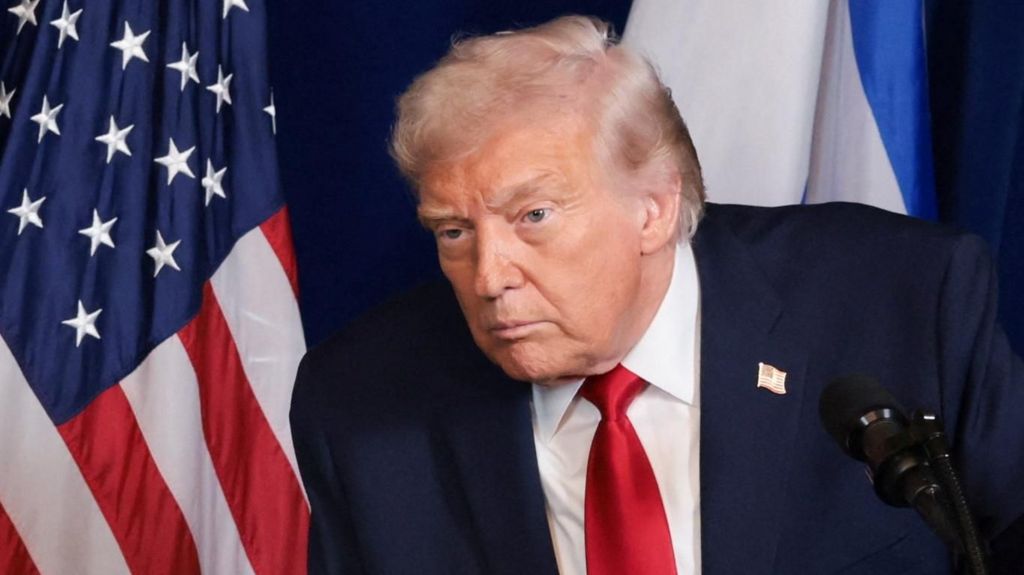
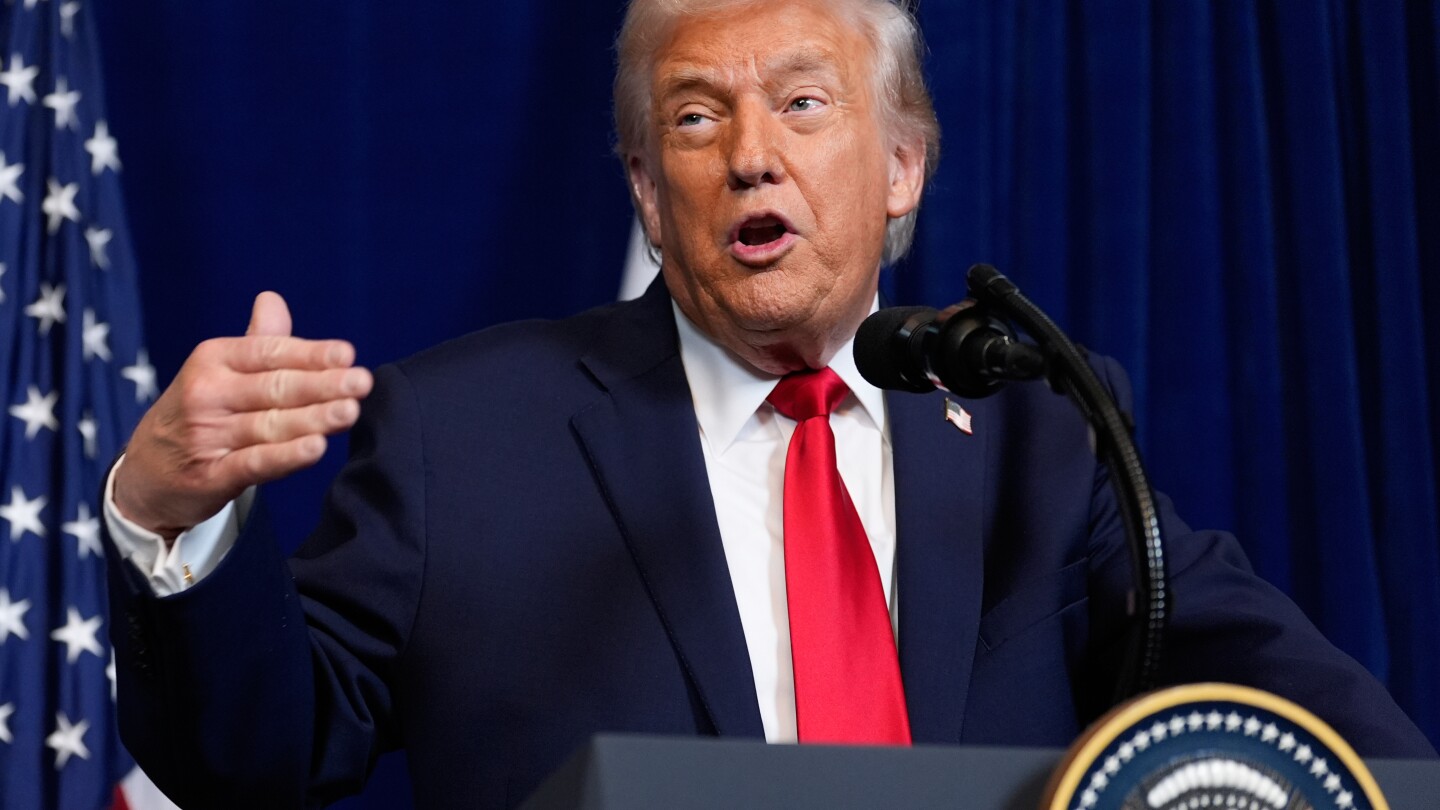
    President Donald Trump has publicly minimized concerns regarding Beijing’s ongoing military exercises around Taiwan, instead emphasizing his strong personal relationship with Chinese President Xi Jinping. The remarks came during a press conference on Monday, nearly two weeks after the United States unveiled an $11 billion arms sale package to Taiwan—one of the largest such transactions in history.

    When questioned about the drills, Trump stated: ‘I have a great relationship with President Xi, and he hasn’t told me anything about [the drills]. I certainly have seen it. No, nothing worries me. They’ve been doing naval exercises for 20 years in that area.’

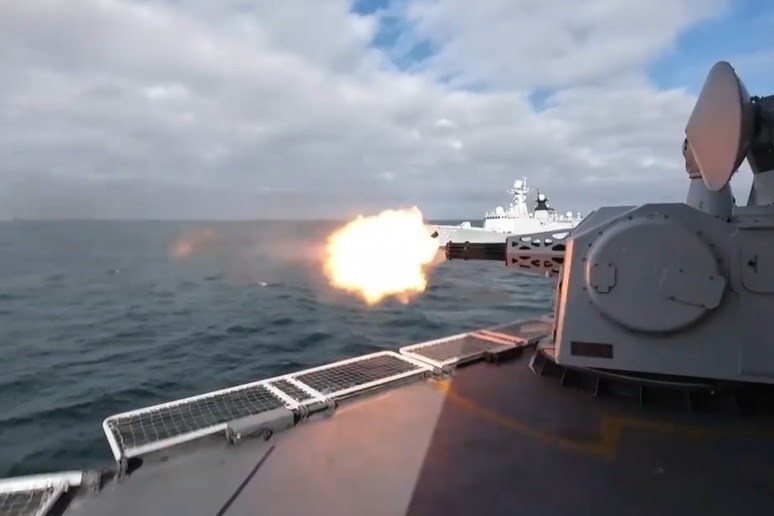
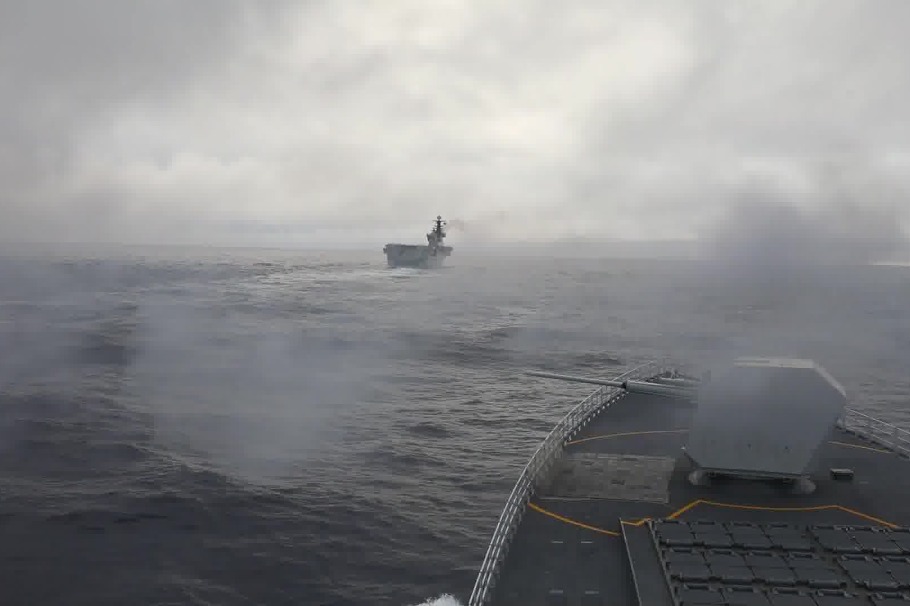
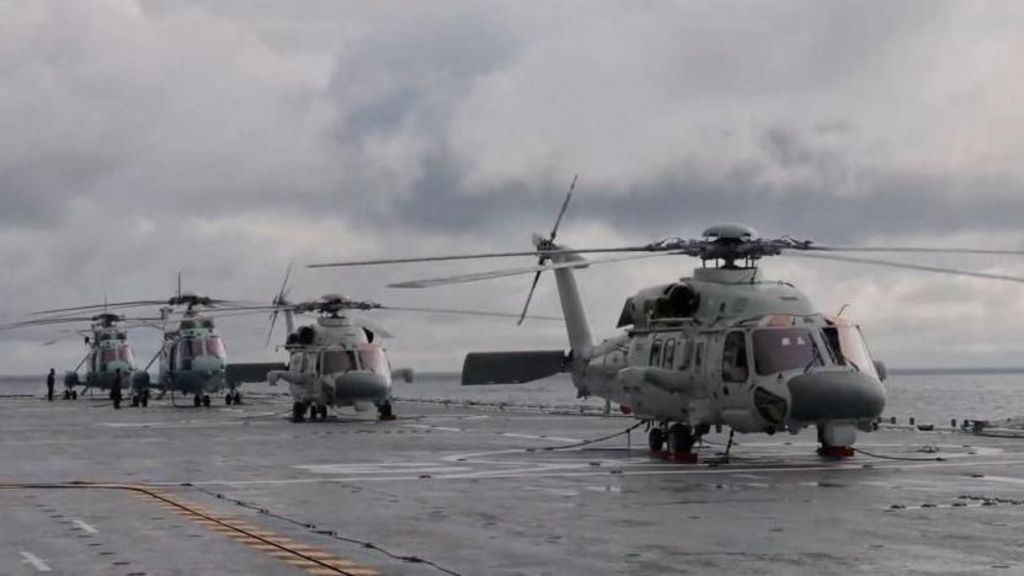
    The Chinese military launched a two-day exercise simulating the seizure and blockade of key areas on Taiwan, explicitly characterizing the operations as a warning against ‘Taiwan independence separatist forces’ and ‘external interference.’ The Eastern Theater Command deployed destroyers, frigates, and fighter-bombers to test sea-air coordination and integrated containment capabilities. Live-firing exercises were scheduled across five locations surrounding the island.

    Taiwan’s presidential office condemned the maneuvers as a breach of international norms. In response to growing military pressure from Beijing—which includes frequent incursions into Taiwanese air and sea space—Taiwan has plans to modernize its armed forces through increased defense spending.

    The U.S. maintains formal diplomatic relations with China rather than Taiwan but continues to be the island’s primary military ally and arms supplier. The recent weapons package includes advanced rocket launchers, self-propelled howitzers, and missiles.

    China retaliated against the arms sale by imposing sanctions on several U.S. defense firms. The Chinese Foreign Ministry asserted that any attempt to ‘contain China by using Taiwan will absolutely not succeed.’

  • Washington pipe bomb suspect has confessed, prosecutors say

    Washington pipe bomb suspect has confessed, prosecutors say

    Federal prosecutors have disclosed that Brian Cole, a 30-year-old Virginia resident accused of planting pipe bombs in Washington D.C., has provided a full confession to FBI investigators following his arrest earlier this month. According to court documents unsealed on Sunday, Cole admitted to placing explosive devices outside both Democratic and Republican national committee headquarters on January 5, 2021—the eve of the U.S. Capitol insurrection.

    Cole detailed to investigators that ‘something just snapped’ regarding his frustration with the American political system, prompting him to take action against both major parties due to their perceived influence in national politics. ‘I really don’t like either party at this point,’ Cole stated during his interrogation, as cited in the prosecution’s filing.

    The suspect, who faces two explosives-related charges, initially denied involvement when questioned by authorities. He claimed his presence in Washington was solely to participate in protests supporting former President Donald Trump’s unsubstantiated allegations of voter fraud in the 2020 election. Cole expressed his belief that the election had been ‘tampered with,’ telling FBI agents that powerful figures needed to speak out about electoral integrity issues.

    Prosecutors revealed these new investigative details while arguing for Cole’s pretrial detention, with a hearing scheduled in Washington federal court. The case had remained unsolved for nearly five years until FBI leadership ordered a comprehensive review of evidence, which had previously fueled various right-wing conspiracy theories connected to the Capitol riot.

    The unexploded pipe bombs were discovered approximately at 1:00 PM on January 6, 2021, coinciding with the Capitol breach and diverting critical law enforcement resources during the emergency. Cole specifically denied any connection between his bomb placement and the subsequent electoral certification process in Congress.

  • Trump hopes to reach phase two of Gaza ceasefire ‘very quickly’

    Trump hopes to reach phase two of Gaza ceasefire ‘very quickly’

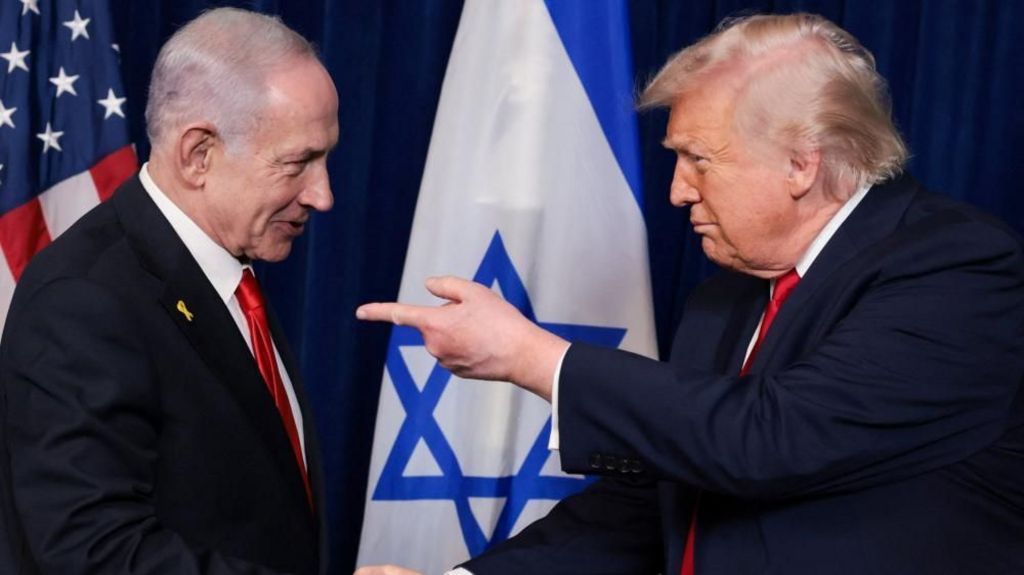
    In a decisive meeting with Israeli Prime Minister Benjamin Netanyahu in Florida, U.S. President Donald Trump delivered a stern warning to Hamas, emphasizing that the militant group would face severe repercussions if it fails to disarm promptly. The high-level discussions centered on the implementation of the Gaza peace plan, which entered its initial phase in October.

    President Trump affirmed that Israel has fully complied with the agreement’s provisions, despite ongoing military operations in Gaza that have resulted in significant casualties. The Hamas-run health ministry reports at least 414 Palestinian fatalities since the ceasefire began, while Israel maintains its actions constitute responses to ceasefire violations.

    The American leader outlined the critical sequencing of the peace plan’s second phase, which necessitates Hamas’s complete disarmament before establishing a technocratic government in Gaza and initiating reconstruction efforts. Trump expressed optimism about commencing reconstruction shortly but insisted disarmament must occur within a constrained timeframe.

    The bilateral talks expanded to address regional security concerns, particularly regarding Iran’s nuclear ambitions. Trump cautioned that the United States would not hesitate to launch additional strikes if evidence emerges of Iran rebuilding its ballistic missile or nuclear weapons programs at alternative facilities. This warning follows June’s extensive U.S. air and missile strikes that targeted Iranian nuclear infrastructure.

    Iranian officials dismissed these allegations as psychological warfare, asserting their preparedness to defend against renewed aggression and warning of escalated consequences for Israel. The discussions also covered regional dynamics involving Syria and Hezbollah, with Trump expressing hope for improved Israeli-Syrian relations under President Ahmed al-Sharaa’s leadership.

    Analysts note the complex challenges facing the peace process, including Netanyahu’s alleged stalling tactics and Hamas’s insistence that disarmament must coincide with progress toward Palestinian statehood. The meeting underscored the delicate balance between diplomatic negotiations and military readiness in the volatile Middle East region.

  • Trump says US hit ‘big facility’ linked to alleged Venezuelan drug boats

    Trump says US hit ‘big facility’ linked to alleged Venezuelan drug boats

    In a significant development in the Caribbean security landscape, former President Donald Trump has disclosed that United States forces executed a military strike targeting a dock facility allegedly utilized by Venezuelan drug trafficking operations. The revelation came during a press briefing in Florida on Monday, where Trump characterized the operation as targeting a “dock area” central to narcotics loading operations.

    Trump’s description of a “major explosion” occurring last week marks the second time he has referenced this operation, though he maintained deliberate ambiguity regarding operational details. When pressed by journalists about potential CIA involvement, Trump responded cryptically: “I don’t want to say that. I know exactly who it was, but I don’t want to say who it was.”

    This incident represents the latest escalation in Washington’s intensified counter-narcotics campaign targeting Venezuelan operations. Since September, U.S. forces have conducted strikes against more than twenty vessels allegedly involved in drug smuggling, resulting in approximately 100 casualties according to official reports.

    The geopolitical context reveals deepening tensions between the two nations. The Trump administration has deployed substantial military assets to the region, including 15,000 troops and advanced naval vessels such as the USS Gerald Ford aircraft carrier. This deployment represents the largest U.S. military presence in the Caribbean since the 1989 invasion of Panama.

    Venezuela’s government under President Nicolás Maduro has previously condemned U.S. actions as “piracy” and rejected allegations that Maduro maintains connections to drug cartels. Maduro contends that Washington’s anti-drug campaign serves as a pretext for regime change and access to Venezuela’s extensive oil reserves.

    The White House and Pentagon have maintained official silence regarding the dock strike, breaking from established precedent where the Defense Department typically releases visual evidence confirming such operations. This departure from standard procedure raises questions about the nature and location of the strike, particularly whether it occurred within Venezuelan territorial waters.

  • Israel-Turkey rivalry moves to the Horn of Africa

    Israel-Turkey rivalry moves to the Horn of Africa

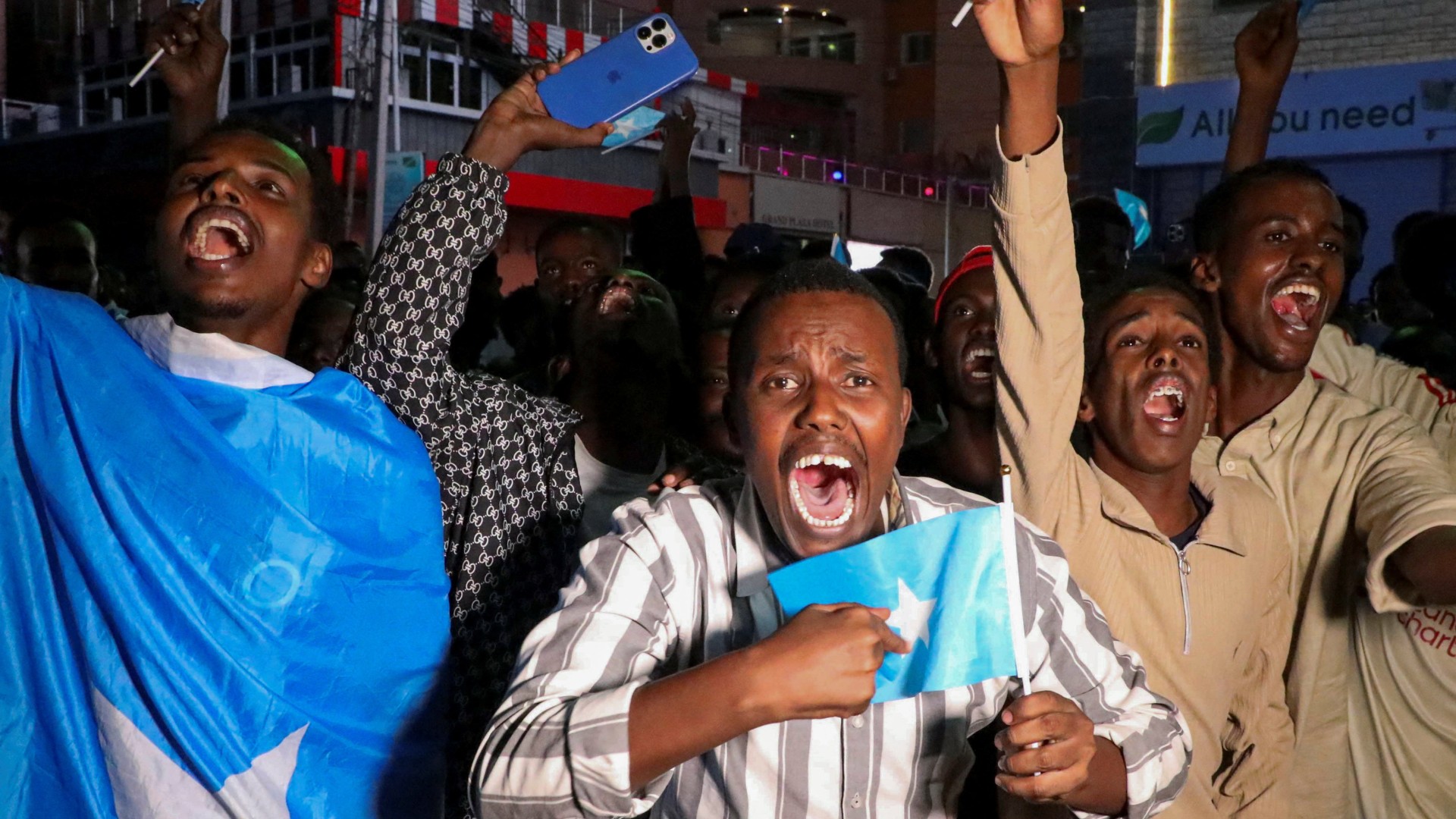
    Israeli journalists attempting to travel to Hargeisa this week encountered an immediate diplomatic reality check: international airlines required visas issued by Somalia’s Mogadishu government despite Israel’s recent recognition of breakaway Somaliland. This practical hurdle underscores the broader geopolitical tensions emerging from Prime Minister Benjamin Netanyahu’s controversial decision.

    The recognition has drawn swift condemnation across the region, with Turkey leading criticism alongside numerous Arab nations. The United Arab Emirates stands as the notable exception in regional opposition. This development has significantly intensified the existing Turkish-Israeli rivalry, particularly in the strategically vital Horn of Africa and Red Sea regions.

    Regional experts present divergent interpretations of Israel’s strategic motives. Some analysts suggest the move facilitates potential Palestinian relocation from Gaza to the Horn of Africa, while others emphasize the strategic imperative to counter threats from Yemen’s Houthi movement. Kani Torun, former ambassador and current Turkish parliamentarian, notes Somaliland’s geographic position offers Israel military access to the Bab al-Mandeb Strait and influence in East Africa.

    Amichai Stein, an Israeli regional affairs specialist, confirms this strategic calculus, highlighting Israel’s need to counter Houthi threats and navigate Suez Canal disruptions. Additionally, the move serves to balance Turkey’s substantial influence in Somalia, where Ankara has established military bases, infrastructure projects, and its largest global embassy.

    Turkish-Israeli relations have deteriorated precipitously since 2023, with Ankara accusing Israel of genocide in Gaza and implementing trade embargoes. The relationship further strained following Syria’s regime collapse and Israel’s support for Syrian decentralization—a position contradicting Turkish interests regarding Kurdish control.

    Abdiwahab Sheikh Abdisamad of the AfroAsia Institute observes that Israel’s recognition directly challenges Turkey’s geopolitical investments in Somalia. Reports indicate Turkey and Somalia had previously planned a military base in Las Qoray, a port with Red Sea access, though the project remains unrealized.

    The situation exposes internal Somali tensions, with federal states like Puntland and Jubaland severing ties with Mogadishu, creating opportunities for external manipulation. However, experts note Israel’s move lacks broader international support, with Torun referencing Ethiopia’s failed similar attempt that collapsed under regional pressure. The ultimate success of Israel’s recognition may hinge on Mogadishu’s ability to unify Somalia’s fractured political landscape.

  • US military carries out 30th strike on alleged drug boat

    US military carries out 30th strike on alleged drug boat

    The United States military has intensified its maritime counter-narcotics operations with a recent lethal strike in the eastern Pacific Ocean, resulting in two fatalities. This latest engagement brings the total number of vessel strikes to 30 and casualties to at least 107 since the campaign’s initiation in early September, according to official figures released by the Trump administration.

    U.S. Southern Command publicly announced the operation through social media channels, asserting that the targeted vessel was actively participating in narco-trafficking activities. While visual evidence circulated online depicts a marine craft being destroyed by dual explosions, specific operational evidence supporting the trafficking allegations remains undisclosed.

    President Donald Trump characterized these aggressive measures as essential components of America’s intensified efforts to disrupt drug smuggling networks, explicitly framing the situation as an ‘armed conflict’ against international cartels. The administration’s strategic approach extends beyond maritime strikes, encompassing increased military deployment throughout the region as part of a comprehensive pressure campaign targeting Venezuelan leadership.

    During a press briefing alongside Israeli Prime Minister Benjamin Netanyahu in Florida, Trump referenced ‘a major explosion in the dock area’ where drug-loading operations allegedly occur, though neither the White House nor Pentagon officials provided additional operational specifics.

    The administration’s multidimensional strategy has included December’s seizure of two sanctioned oil tankers near Venezuelan waters and pursuit of a third vessel, resulting in redirected shipping patterns away from the South American nation. Venezuelan President Nicolás Maduro, facing U.S. narcoterrorism charges, maintains that Washington’s true objective remains regime change.

    This aggressive tactical approach has drawn congressional scrutiny, particularly following revelations that early September operations included secondary strikes that eliminated two survivors clinging to vessel wreckage from initial engagements.

  • European Court challenges UK on Shamima Begum citizenship revocation

    European Court challenges UK on Shamima Begum citizenship revocation

    The European Court of Human Rights has formally requested the United Kingdom government to provide legal justification for its controversial 2019 decision to revoke the citizenship of Shamima Begum, who traveled to Syria as a teenager to join Islamic State. In a significant development, the Strasbourg-based court has presented the British authorities with detailed inquiries regarding potential violations of anti-trafficking obligations under Article 4 of the European Convention on Human Rights.

    The case centers on whether former Home Secretary Sajid Javid’s decision to strip Begum of her British citizenship on national security grounds complied with international human rights standards. The government had argued that the revocation was ‘conducive to the public good’ and that Begum qualified for Bangladeshi citizenship through parental heritage—a claim contested by Bangladesh itself.

    Begum’s legal representatives from Birnberg Peirce Solicitors contend that UK authorities failed to consider critical factors before revoking her citizenship, including whether she was a victim of trafficking, whether British institutions failed in their protective duties, and whether citizenship removal would obstruct future trafficking investigations. They argue that as a 15-year-old, Begum was ‘lured, encouraged, and deceived for purposes of sexual exploitation’ to IS-controlled territory.

    The legal team emphasizes that British authorities had prior knowledge of trafficking risks, citing that a close friend had previously disappeared via identical routes, yet police failed to implement adequate safeguarding measures or warn families. The ECHR’s intervention occurs amid growing concerns about the UK’s expanded use of citizenship-stripping powers and follows previous judicial findings that Begum faces ‘inhuman and degrading treatment’ in her Syrian detention camp.

    While the UK Home Office declined to comment, the case represents a pivotal examination of counter-terrorism measures versus human rights protections. A final judgment is anticipated after both parties submit their comprehensive legal arguments to the European court.

  • Defense spokesman: PLA drills around Taiwan justified

    Defense spokesman: PLA drills around Taiwan justified

    The People’s Liberation Army has initiated comprehensive military exercises surrounding Taiwan, characterizing them as both justified and necessary operations to protect China’s sovereignty and territorial integrity. Defense Spokesman Zhang Xiaogang formally announced these developments on Monday evening, framing the drills as a direct response to escalating external interference and separatist activities.

    Zhang identified recent large-scale arms transactions between the United States and Taiwan as a primary catalyst for the military response. He asserted that such external engagements repeatedly violate established boundaries on the Taiwan question, effectively encouraging separatist movements and intensifying cross-strait tensions. The spokesman emphasized that these actions fundamentally compromise China’s national security while destabilizing regional peace.

    Regarding Taiwan’s current leadership under Lai Ching-te, Zhang accused the administration of demonstrating ‘no bottom line’ in its pursuit of independence through external alliances. He characterized these maneuvers as reckless provocations that fundamentally undermine the status quo across the Taiwan Strait.

    ‘Taiwan independence is fundamentally incompatible with peaceful relations across the Strait,’ Zhang stated unequivocally. He further cautioned that international support for separatist activities would ultimately prove counterproductive for involved nations.

    The defense spokesman urged relevant countries to abandon what he termed the ‘fantasy’ of utilizing Taiwan as a strategic tool against China. He specifically called for cessation of activities that ‘fan flames and stir trouble’ regarding the Taiwan question, warning against testing China’s determination to protect its core interests.

    Addressing Taiwan’s Democratic Progressive Party authorities directly, Zhang delivered a stark message: dependence on external support for independence aspirations is destined to fail, and military resistance against reunification represents a ‘dead end.’ He affirmed the PLA’s unwavering commitment to combat separatist activities and advance reunification through continued operations against external interference and independence movements.

  • From AI to chips, Big Tech is getting what it wants from Trump

    From AI to chips, Big Tech is getting what it wants from Trump

    A significant political realignment has emerged in Washington as the Trump administration solidifies a cooperative partnership with the technology sector, marking a dramatic shift from earlier adversarial postures. Despite initial confrontations that included antitrust actions against Meta, supply chain tariffs affecting Apple, and export restrictions on AI chips, the administration has substantially reversed course to accommodate industry priorities.

    The transformation began materializing during summer 2025 when the administration lifted multiple constraints on AI chip exports, accelerated data center construction critical for artificial intelligence development, and endorsed cryptocurrency through supportive legislation. Most notably, December witnessed President Trump signing an executive order that nullified state-level AI restrictions while authorizing enhanced chip sales to China through Nvidia.

    This policy evolution follows intensive lobbying efforts from technology executives who engaged in substantial inauguration donations and strategic visits to Mar-a-Lago. Key figures including venture capitalist David Sacks, serving as AI and crypto tsar, facilitated direct access to administration officials. The courtship culminated in a September White House dinner where President Trump praised tech leaders as revolutionary visionaries, receiving reciprocal commendations from executives including OpenAI’s Sam Altman and Google’s Sundar Pichai for pro-business leadership.

    The alliance has yielded substantial economic benefits, with major technology firms announcing combined investments exceeding $1.4 trillion in domestic manufacturing and infrastructure projects. Stock valuations for Alphabet, Amazon, Apple, Meta, Microsoft, Nvidia and Tesla have achieved record performance, while Bitcoin reached unprecedented valuation heights.

    However, this détente has generated significant friction within conservative circles. Republican lawmakers, conservative think tanks, and populist figures including former advisor Steve Bannon have expressed concerns about regulatory capture and the concentration of technological power. Criticism focuses on perceived administration favoritism toward industry interests at the expense of consumer protections, AI safety standards, and state sovereignty.

    Controversy has particularly surrounded the federal preemption of state AI regulations, with 57% of voters in a November poll opposing federal limitations on state oversight authority. Practical implementation has also provoked local opposition, as demonstrated by protests against data center projects in Wisconsin over concerns regarding utility costs, tax incentives, and environmental impacts.

    Parent advocacy groups have additionally raised alarms regarding child safety implications, citing lawsuits against AI companies concerning chatbot-related teen suicides. These developments suggest the technology policy landscape will remain contentious heading into the 2026 midterm elections, with Republican voters potentially reconsidering support based on regulatory priorities.

  • Video: PLA conducts drills on assault against maritime targets to the southeast of Taiwan

    Video: PLA conducts drills on assault against maritime targets to the southeast of Taiwan

    The People’s Liberation Army Eastern Theater Command executed extensive military exercises southeast of Taiwan on December 29, 2025, demonstrating advanced operational capabilities in maritime security. The drills featured coordinated task forces comprising strategic bombers, amphibious assault ships, and anti-ship missile units engaging in sophisticated warfare simulations.

    The comprehensive exercises focused on multiple tactical dimensions including vessel-aircraft coordination protocols, precision strikes against maritime targets, long-distance raid operations, and integrated support systems. These operations were conducted across both maritime and aerial domains, representing one of the most complex military demonstrations in the region.

    Military analysts note these drills specifically tested the PLA’s capacity for integrated operations both inside and outside island chain formations, while evaluating the effectiveness of neutralizing capabilities at maximum operational ranges. The timing and location of these exercises reflect ongoing developments in regional security dynamics and defense preparedness.

    The Eastern Theater Command, responsible for operations in the Taiwan Strait and East China Sea regions, has increasingly conducted such exercises to maintain combat readiness and technological superiority. These drills occur within the context of China’s ongoing commitment to territorial integrity and national sovereignty principles.