分类: politics

  • Russia’s nuclear-capable Oreshnik missiles have entered active service, Moscow says

    Russia’s nuclear-capable Oreshnik missiles have entered active service, Moscow says

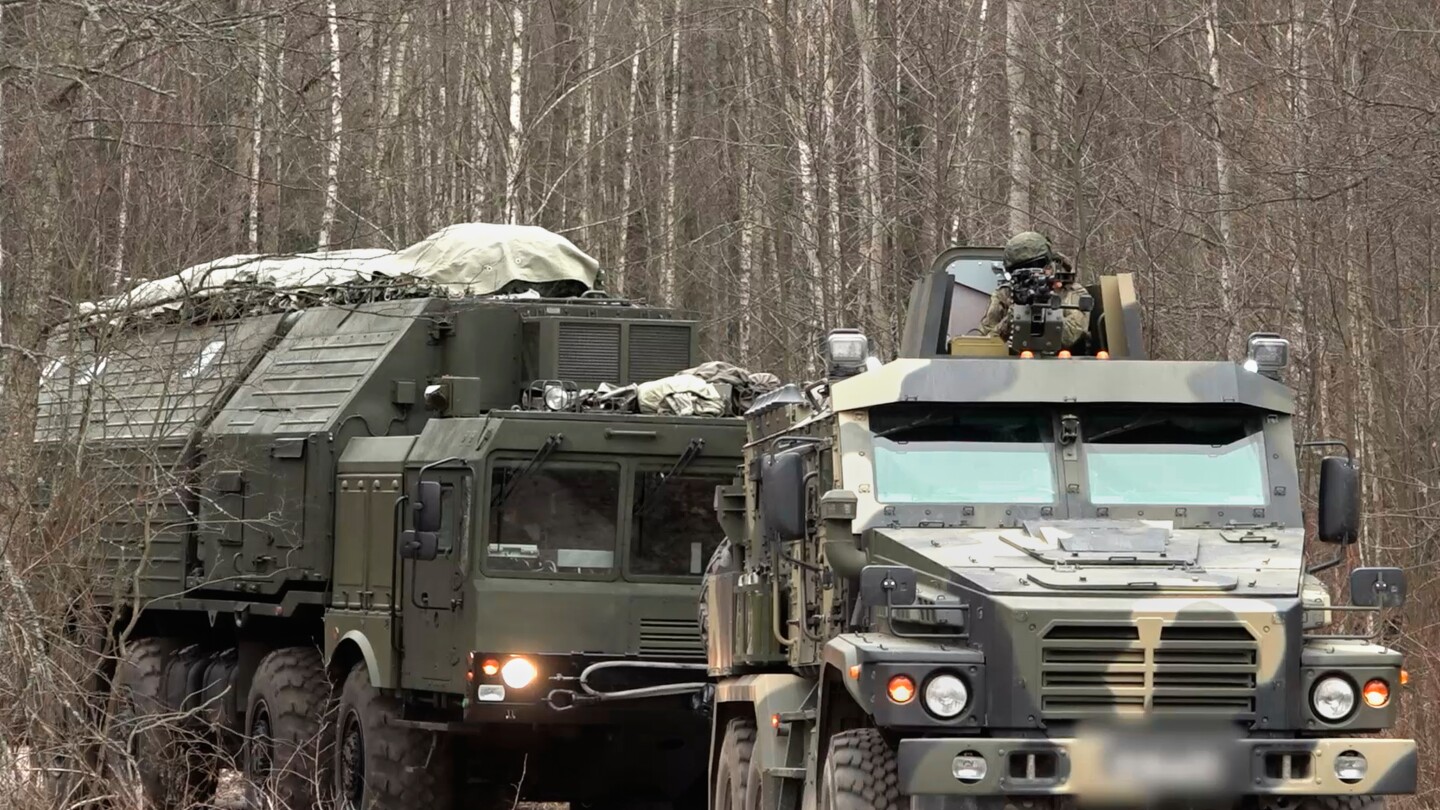
    Russia’s Ministry of Defense confirmed on Tuesday the operational deployment of its advanced Oreshnik missile system, a nuclear-capable weapon platform, during a ceremonial event in Belarus. The announcement arrives at a delicate juncture in international efforts to broker peace between Moscow and Kyiv.

    President Vladimir Putin had previously indicated in early December that the Oreshnik system would assume combat duties this month. During high-level military consultations, the Russian leader emphasized that Moscow would pursue expanded territorial gains should Ukraine and Western allies reject Kremlin conditions in ongoing negotiations.

    The missile system, whose name translates to “hazelnut tree” in Russian, represents a significant escalation in Russia’s strategic capabilities. Military experts confirm the Oreshnik can deliver multiple warheads at hypersonic velocities reaching Mach 10, with sufficient range to target locations across Europe. The system accommodates both conventional and nuclear payloads.

    This deployment coincides with complex diplomatic maneuvers. Recent discussions between U.S. leadership and Ukrainian President Zelenskyy yielded optimistic statements regarding potential peace settlements, though critical obstacles remain unresolved. Key sticking points include territorial withdrawal parameters and the status of the Russian-occupied Zaporizhzhia nuclear facility, among Europe’s largest atomic energy installations.

    President Putin continues to posture from a position of military strength, emphasizing the creation of buffer zones along Russia’s borders while reporting advances in Donetsk and Zaporizhzhia regions. The Oreshnik’s operational history includes a November 2024 combat test against a former Soviet missile factory in Dnipro, Ukraine.

    The introduction of these intermediate-range missiles—weapons previously restricted under the now-defunct INF Treaty abandoned by both Moscow and Washington in 2019—signals a new phase in regional security dynamics. Russian military leadership has explicitly noted the system’s potential application against NATO members providing long-range strike capabilities to Ukraine.
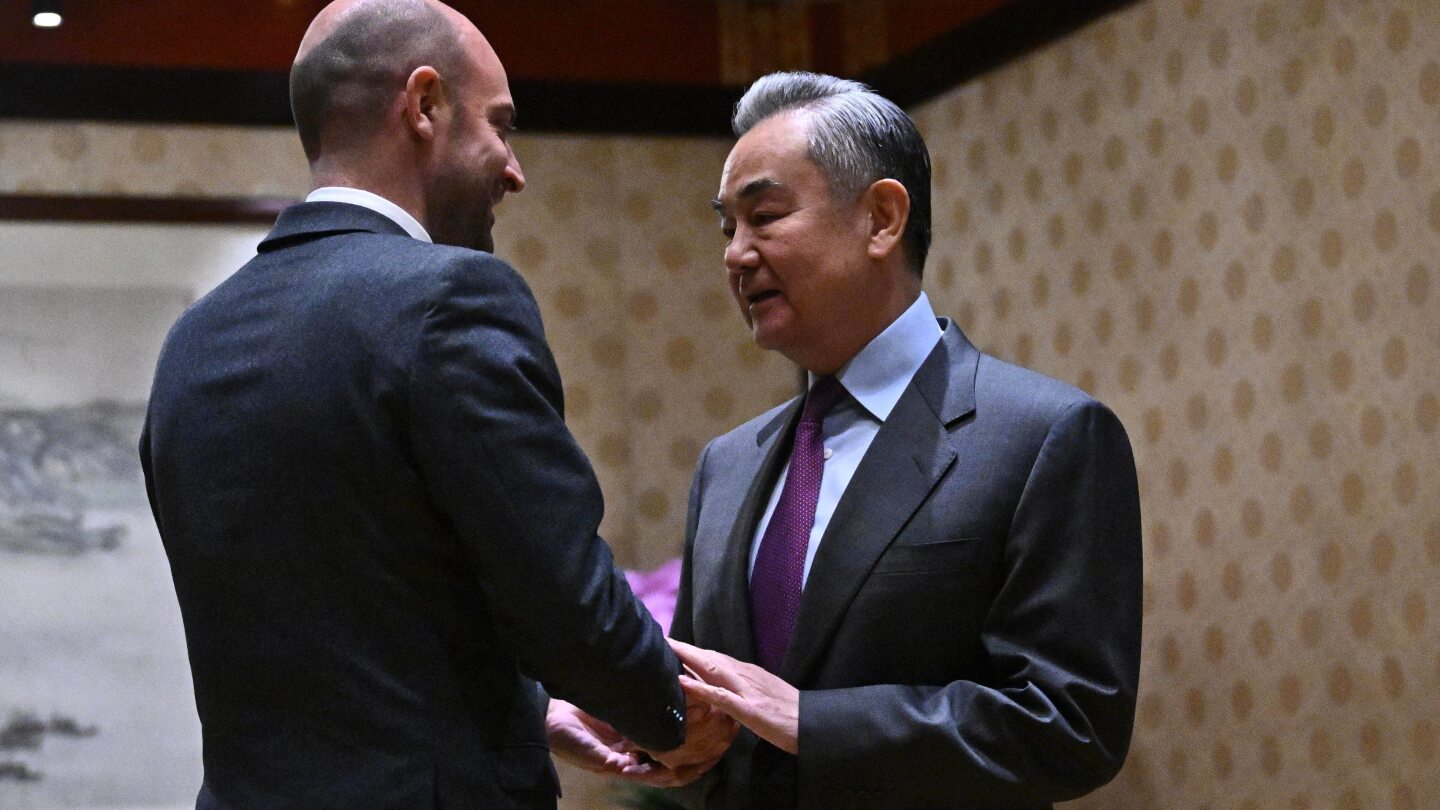
  • Xi’s diplomacy in 2025: Shedding light on a world at crossroads

    Xi’s diplomacy in 2025: Shedding light on a world at crossroads

    As 2025 concludes, Chinese President Xi Jinping’s diplomatic engagements throughout the year have demonstrated China’s increasingly assertive role in shaping global affairs during a period of significant international turbulence. Against a backdrop of escalating geopolitical tensions and transformative shifts in world order, China’s foreign policy approach has provided distinct alternatives to current global challenges.

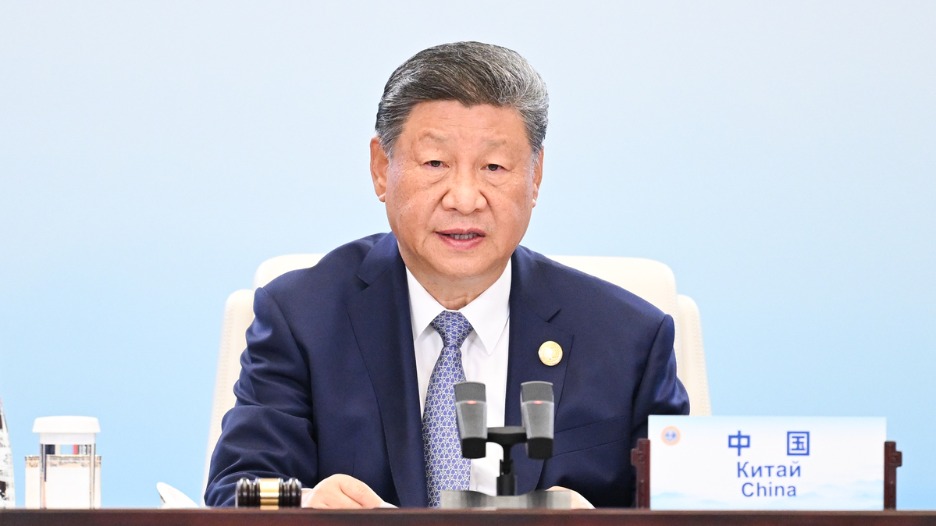
    The cornerstone of China’s 2025 diplomatic agenda emerged during the landmark Shanghai Cooperation Organization summit in Tianjin—the largest gathering in the organization’s 24-year history. President Xi unveiled the Global Governance Initiative (GGI), presenting a comprehensive framework for international cooperation that emphasizes five fundamental principles: sovereign equality, adherence to international rule of law, multilateralism, people-centered development, and actionable implementation.

    This initiative represents the fourth major global proposal advanced by Xi, following previously established frameworks including the Global Development Initiative, Global Security Initiative, and Global Civilization Initiative. Chinese officials characterize the GGI as another significant contribution to international public goods, positioning China as a proactive architect of global governance structures rather than merely a participant.

    The Tianjin summit brought together leaders from more than 20 nations and representatives from 10 international organizations, creating an unprecedented platform for diplomatic engagement. Observers note that China’s diplomatic strategy throughout 2025 has consistently emphasized alternatives to division and confrontation, advocating instead for dialogue and mutually beneficial cooperation amid increasing global fragmentation.

    Analysts suggest that China’s diplomatic offensive throughout 2025 reflects a calculated effort to expand its influence within existing international institutions while simultaneously proposing alternative governance frameworks. This approach comes at a time when traditional Western-led global governance systems face mounting challenges and criticisms from developing nations seeking greater representation and alternative partnership models.

  • China’s top diplomat blasts US arms sale to Taiwan as military drills around the island unfold

    China’s top diplomat blasts US arms sale to Taiwan as military drills around the island unfold

    Chinese Foreign Minister Wang Yi delivered a stern condemnation of United States military policy toward Taiwan during a year-end diplomatic review in Beijing on Tuesday. The address came as China entered its second day of coordinated military exercises around the self-governed island.

    Wang characterized the recent $11 billion U.S. arms package to Taiwan—the largest such sale in history—as a severe provocation requiring “resolute opposition and strong countermeasures.” The comprehensive weapons package includes advanced missile systems, unmanned aerial vehicles, artillery platforms, and specialized military software.

    Reiterating China’s longstanding position, Wang emphasized Beijing’s commitment to “complete reunification” with Taiwan, which has maintained separate governance since the conclusion of China’s civil war in 1949. Taiwan’s administration maintains that it has never been under the jurisdiction of the current Communist Party-led government in Beijing.

    The foreign minister’s remarks extended beyond U.S.-Taiwan relations to include sharp criticism of Japan’s leadership. Wang accused Japanese officials of “openly challenging China’s territorial sovereignty” and expressed concern about the “resurgence of Japanese militarism,” referencing Japan’s wartime aggression against China.

    China’s military exercises, initiated Monday, serve dual purposes: responding to American arms sales and signaling disapproval of recent statements from Japanese Prime Minister Sanae Takaichi, who suggested potential military intervention regarding Taiwan.

    Beyond regional tensions, Wang highlighted China’s broader diplomatic agenda, including addressing the Israel-Gaza conflict where China supports international ceasefire efforts and advocates for Palestinian rights. Wang also detailed China’s mediation between Thailand and Cambodia, helping consolidate a ceasefire after months of border fighting, and reiterated Beijing’s aim to facilitate Ukraine-Russia peace talks despite Western skepticism about China’s impartiality.

    These diplomatic initiatives demonstrate China’s concerted effort to expand its influence as an international mediator and major power in resolving regional and global conflicts.

  • China flexes blockade capabilities near Taiwan on second day of military drills

    China flexes blockade capabilities near Taiwan on second day of military drills

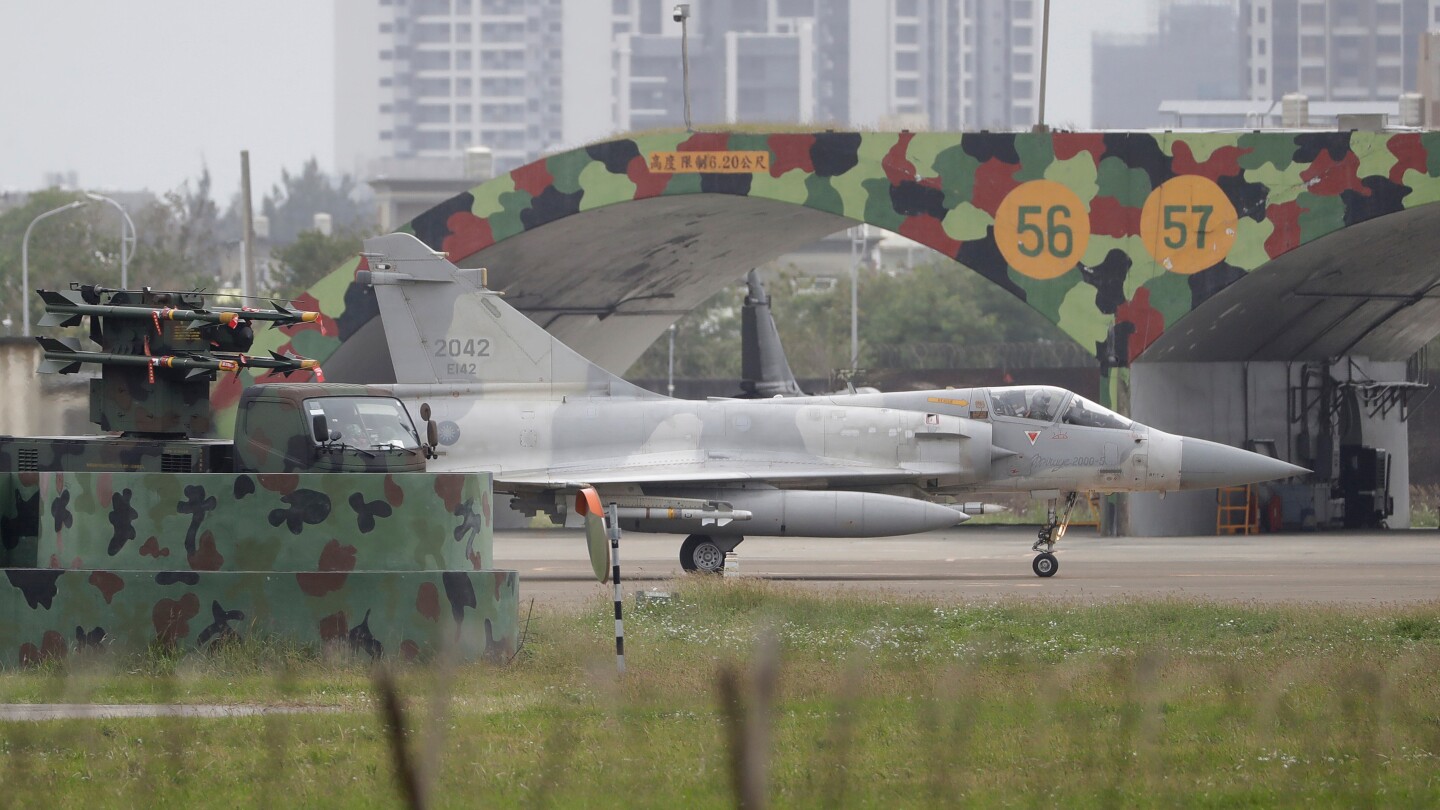
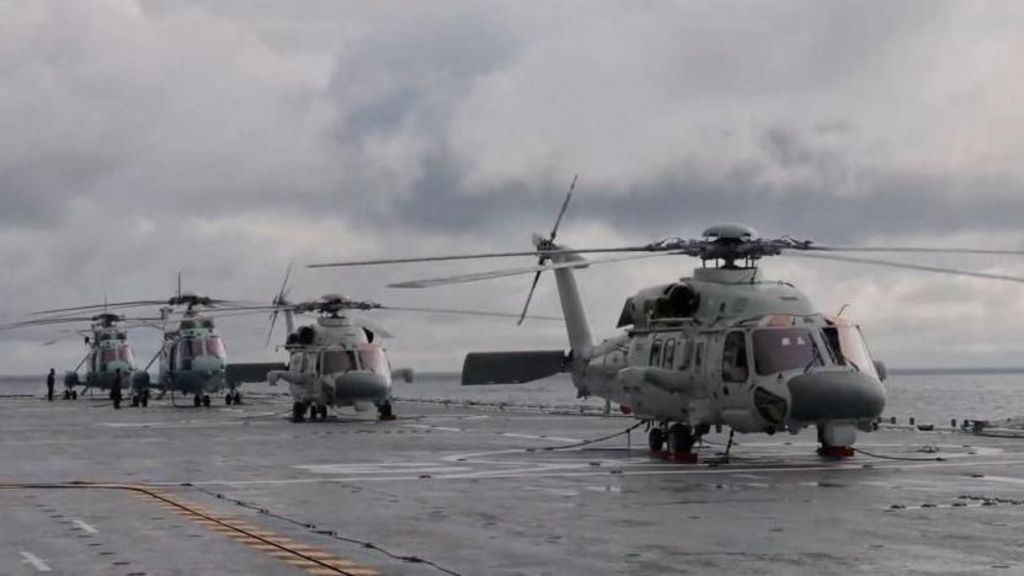
    China’s People’s Liberation Army intensified its military presence around Taiwan with large-scale exercises dubbed ‘Justice Mission 2025,’ entering a second day of operations on Tuesday. The Eastern Theater Command deployed destroyers, frigates, fighter jets, and bombers to waters north and south of the island, conducting comprehensive sea-air coordination drills and live-fire artillery exercises that officials claimed achieved ‘desired effects.’

    The maneuvers significantly heightened tensions across the Taiwan Strait as 2025 concluded, with tangible impacts on civilian aviation. Taiwan’s Civil Aviation Administration reported seven temporary ‘dangerous zones’ established around the strait, potentially disrupting both international and domestic flight operations.

    According to Taiwan’s Defense Ministry, surveillance detected 130 Chinese military aircraft, including fighters and bombers, alongside 14 naval vessels and eight other official ships operating near the island within a 24-hour period. Notably, 90 aircraft crossed the median line of the strait, entering Taiwan’s air defense identification zone, while a Chinese balloon was also observed. Long-range artillery units from China’s Fujian province conducted live-fire exercises targeting zones approximately 44 kilometers off Taiwan’s northern coast.

    Chinese officials framed the exercises as a ‘stern warning’ against what they characterize as Taiwan independence separatist forces and external interference. Through its official Xinhua News Agency, Beijing accused Taiwan’s ruling Democratic Progressive Party of binding the island to a ‘catastrophic secessionist chariot’ through arms purchases and alignment with the United States.

    The developments occurred against the backdrop of recent U.S.-Taiwan defense agreements, with Washington announcing arms sales valued at over $10 billion—a move that prompted Beijing to impose sanctions against 20 U.S. defense companies and 10 executives. The situation also drew responses from regional powers, with Japan’s government suggesting potential military involvement if China takes action against Taiwan, further complicating the geopolitical landscape.

    Despite the escalated tensions, U.S. President Donald Trump expressed limited concern, highlighting his relationship with Chinese President Xi Jinping and suggesting he didn’t anticipate military action against Taiwan. The historical context of the dispute traces back to 1949, when Communist forces took control of mainland China, and Nationalist forces retreated to Taiwan, establishing separate governance systems that have persisted for decades.

  • Bangladesh’s first female prime minister Khaleda Zia dies aged 80

    Bangladesh’s first female prime minister Khaleda Zia dies aged 80

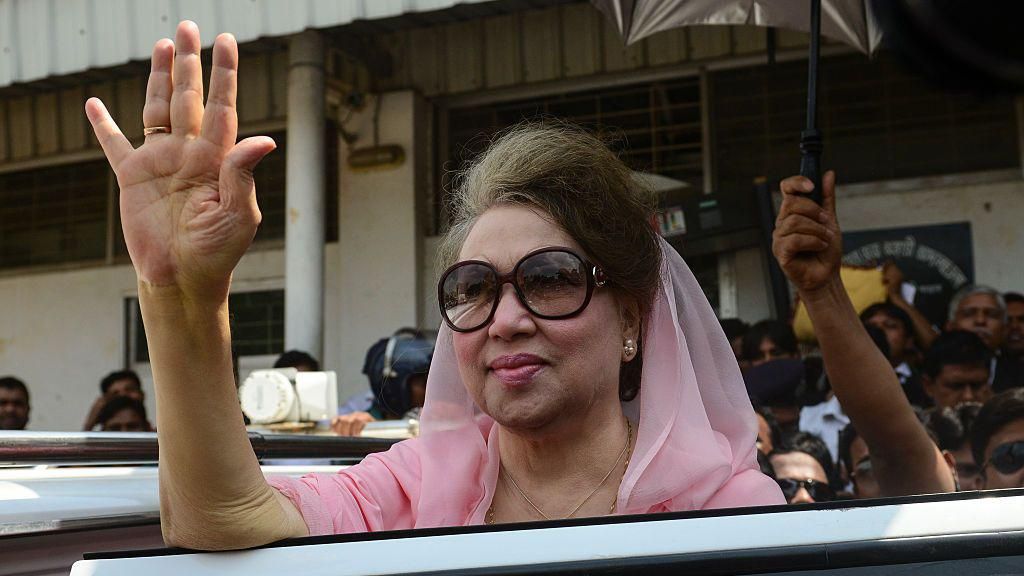
    Bangladesh’s political landscape has been permanently altered with the passing of Khaleda Zia, the nation’s first female prime minister, who died at age 80 following an extended period of illness. Her death was confirmed by the Bangladesh Nationalist Party (BNP) via social media on Monday, stating their “favorite leader is no longer with us.”

    Zia’s political journey began tragically following the 1981 assassination of her husband, President Ziaur Rahman, during a military coup. She transformed from first lady into a formidable political force, eventually leading the BNP to victory in Bangladesh’s first democratic election in two decades, securing her historic position as head of government in 1991.

    Her tenure was marked by significant political turbulence, including a second term in 1996 that lasted merely weeks, and another premiership from 2001 until October 2006. Throughout her career, Zia maintained a fierce rivalry with political opponent Sheikh Hasina, leader of the Awami League, creating a decades-long power dynamic that defined Bangladeshi politics.

    Zia’s later years were overshadowed by legal challenges, including a 2018 corruption conviction under Hasina’s administration which she denounced as politically motivated. Her release last year coincided with mass anti-government protests that ultimately toppled Hasina, forcing her into exile.

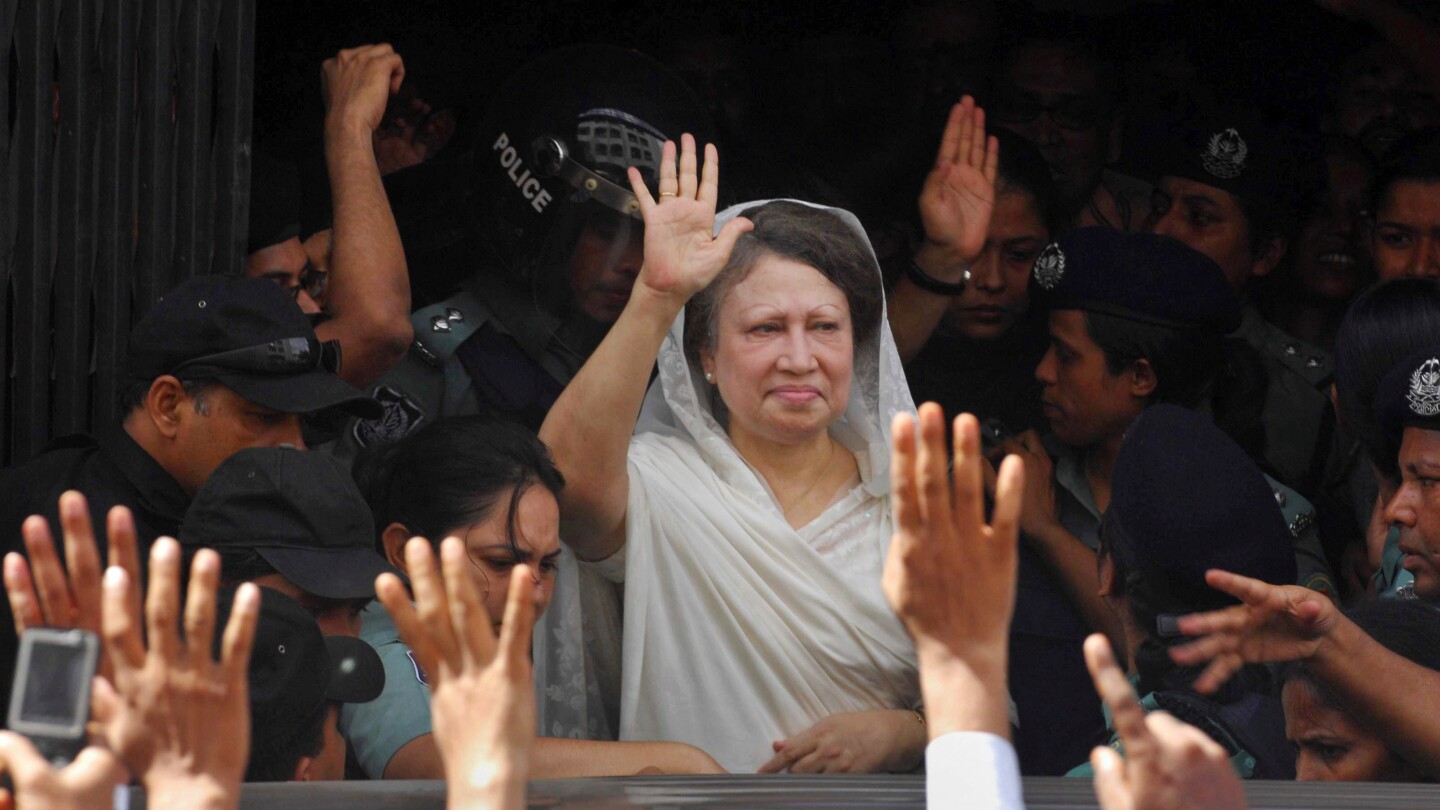
    Despite severe health complications including kidney damage, heart disease, and pneumonia, Zia remained politically relevant. Her party had recently announced her intention to contest upcoming February elections, demonstrating her enduring influence. Following news of her death, crowds gathered outside Dhaka’s Evercare Hospital where she had been receiving treatment, with photographs showing police managing emotional supporters.

    With Zia’s passing, political attention turns to her son Tarique Rahman, who recently returned from 17 years of self-imposed exile in London and is expected to assume leadership of the BNP as the party eyes a return to power.

  • Netanyahu awards Trump ‘Israel Prize’ as Trump lavishes him with praise

    Netanyahu awards Trump ‘Israel Prize’ as Trump lavishes him with praise

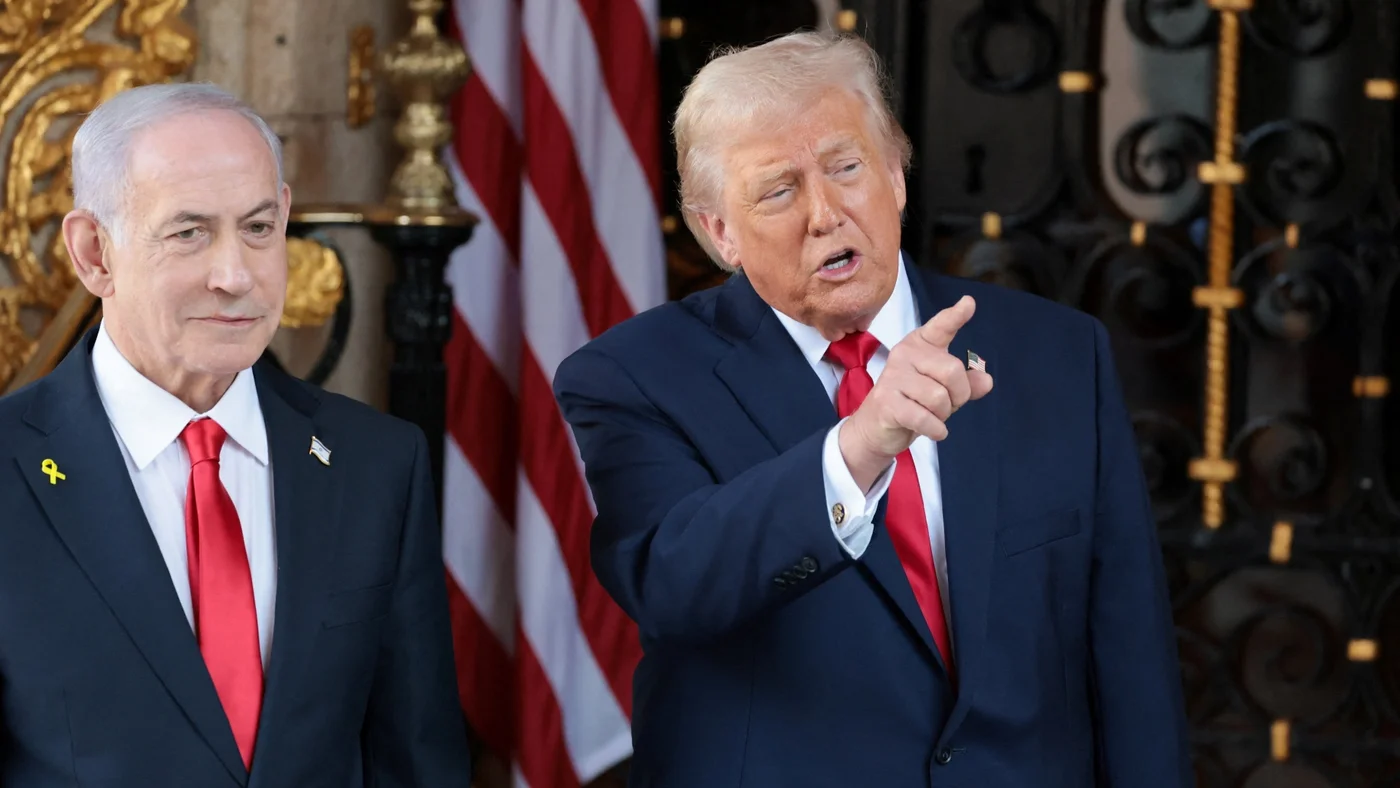
    The highly anticipated meeting between U.S. President Donald Trump and Israeli Prime Minister Benjamin Netanyahu at Mar-a-Lago yielded significant symbolic gestures but left the future of the Gaza ceasefire plan shrouded in ambiguity. In an unprecedented move, Netanyahu announced the awarding of Israel’s highest cultural honor, the Israel Prize, to President Trump for his “tremendous contributions to Israel and the Jewish people”—marking the first time the prize has been bestowed upon a non-Israeli citizen.

    President Trump reciprocated with effusive praise, repeatedly hailing Netanyahu as a “wartime prime minister at the highest level” and asserting that Israel’s very existence depended on his leadership. “If you had a weak man, you wouldn’t have Israel right now,” Trump declared during their joint appearance.

    The central focus of discussions revolved around the stalled Trump-branded ceasefire plan for Gaza, which has remained effectively dormant since its implementation on October 10th. Trump adopted an increasingly assertive posture, warning that Hamas faces a “very short period of time to disarm” or there would be “hell to pay.” While refusing to specify a concrete deadline, the U.S. president suggested unnamed countries outside the Middle East had offered to deploy troops to forcibly disarm Hamas if necessary.

    Despite the hardline rhetoric, Trump indicated potential flexibility by considering reconstruction initiatives in Gaza prior to Hamas’s disarmament. A ambitious $112 billion proposal dubbed the “Sunrise Project,” developed by U.S. envoy Steve Witkoff and Jared Kushner, envisions transforming Gaza into a high-tech urban center over a decade. The plan calls for the U.S. to fund 20% of the project costs, though unnamed officials have expressed skepticism about its feasibility given Gaza’s current humanitarian situation.

    The meeting also addressed regional geopolitics, with Trump suggesting possible approval of F-35 fighter jet sales to Turkey despite Netanyahu’s historical objections. When questioned about Iranian nuclear capabilities, Trump warned that the U.S. would “knock the hell out of them” if Iran attempts to rebuild its nuclear program, while simultaneously expressing openness to diplomatic negotiations.

    Critical challenges remain, as evidenced by a Palestinian Centre for Policy and Survey Research poll indicating 70% of Palestinians oppose Hamas disarmament even if it means renewed Israeli attacks. Hamas has previously offered to “bury” its weapons in exchange for a decade-long truce and Palestinian statehood recognition—a position at odds with the current U.S.-Israel approach that emphasizes total disarmament as a precondition for peace.

  • Khaleda Zia: Slain leader’s widow who became Bangladesh’s first PM

    Khaleda Zia: Slain leader’s widow who became Bangladesh’s first PM

    Khaleda Zia, Bangladesh’s pioneering female prime minister who shaped the nation’s political landscape for decades, has passed away at age 80 in Dhaka. Her death marks the end of an era for Bangladeshi politics, closing a chapter on one of the most consequential and controversial political figures in the country’s history.

    Born in 1945 in West Bengal, Zia’s journey from a tea trader’s daughter to the highest office of government was nothing short of extraordinary. Her transformation began after the 1981 assassination of her husband, President Ziaur Rahman, a war hero who had played a pivotal role in Bangladesh’s independence struggle. Despite being characterized as a “shy housewife” during her husband’s presidency, she emerged from his shadow to lead the Bangladesh Nationalist Party (BNP) and eventually the nation.

    Zia’s political career was defined by both groundbreaking achievements and fierce controversies. She made history in 1991 when she became Bangladesh’s first female prime minister and only the second woman to lead a Muslim-majority nation. During her two non-consecutive terms (1991-1996 and 2001-2006), she implemented significant educational reforms, including making primary education free and compulsory in a country where children averaged just two years of schooling. She also championed women’s political representation through constitutional amendments reserving parliamentary seats for female lawmakers.

    Her tenure coincided with Bangladesh’s brutal political landscape, where she engaged in a decades-long power struggle with her principal rival, Sheikh Hasina of the Awami League. This rivalry defined Bangladeshi politics, with the two women alternating power for nearly twenty years until both found themselves embroiled in corruption cases following the 2006 military intervention.

    Zia’s later years were marred by legal battles and health challenges. In 2018, she was convicted and sentenced to five years imprisonment for embezzling approximately $252,000 intended for an orphanage trust established during her premiership. The charges, which she consistently denied as politically motivated, resulted in her being disqualified from seeking public office.

    Her fortunes shifted dramatically in 2024 when widespread anti-government protests toppled Sheikh Hasina’s administration. The interim government that assumed power ordered Zia’s release and unfroze her assets. By this time, she was battling multiple life-threatening conditions including liver cirrhosis and kidney damage. In January 2025, she was permitted to travel to London for medical treatment but ultimately returned to Dhaka, where she spent her final months.

    Zia is survived by her elder son Tarique Rahman, who returned from exile in London and is widely considered a frontrunner for Bangladesh’s leadership. Her younger son, Arafat “Koko” Rahman, who was implicated in the corruption cases against her, predeceased her in 2015.

    Her passing leaves a complex legacy: a trailblazer for women in politics who broke gender barriers in a conservative Muslim society, yet also a figure whose career was overshadowed by allegations of corruption and political vendettas that reflected the turbulent nature of Bangladeshi democracy.

  • Khaleda Zia, former Bangladeshi prime minister and archrival of Hasina, dies at 80

    Khaleda Zia, former Bangladeshi prime minister and archrival of Hasina, dies at 80

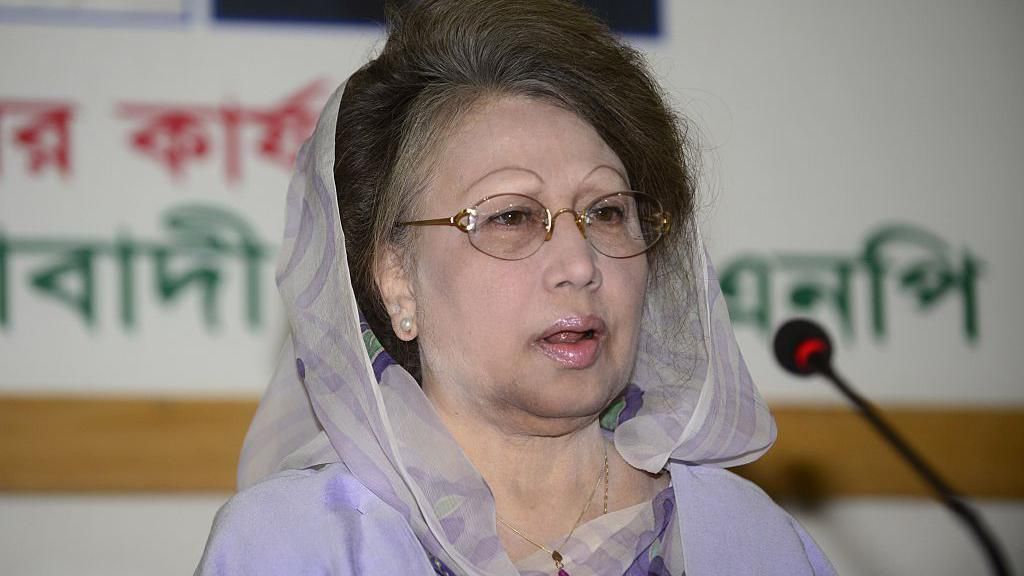
    DHAKA, Bangladesh — Khaleda Zia, Bangladesh’s pioneering female prime minister whose decades-long political rivalry with Sheikh Hasina shaped the nation’s democratic trajectory, has passed away at age 80. Her Bangladesh Nationalist Party (BNP) confirmed her death in an official statement Tuesday.

    Zia’s political journey witnessed extraordinary highs and devastating lows, culminating in a dramatic final chapter that saw her recently acquitted of corruption charges by the Supreme Court in January 2025. This judicial clearance would have permitted her participation in February’s general elections, marking a potential political resurgence after years of legal battles she maintained were politically motivated.

    The former leader’s health struggles became a focal point in her later years. Following her 2020 release from prison on medical grounds, her family submitted at least 18 formal requests to the Hasina administration seeking permission for international medical treatment—all systematically denied. The political landscape shifted dramatically with Hasina’s ouster in the 2024 mass uprising, enabling an interim government headed by Nobel laureate Muhammad Yunus to finally authorize Zia’s medical transfer to London in January. She returned to Bangladesh in May 2025.

    Zia’s political legacy is inextricably linked to Bangladesh’s turbulent post-independence era. Her husband, President Ziaur Rahman, assumed power in 1977 and established the BNP the following year. Following his assassination in a 1981 military coup, Zia emerged as a formidable force against military dictatorship, ultimately contributing to the overthrow of dictator H.M. Ershad in 1990.

    Her electoral victories in 1991 and 2001 positioned her in direct competition with Hasina, daughter of independence leader Sheikh Mujibur Rahman. Zia’s second term (2001-2006) proved particularly controversial due to her coalition with the Islamist Jamaat-e-Islami party and allegations that her elder son Tarique Rahman operated a parallel government engaged in widespread corruption.

    The bitter rivalry between Zia and Hasina intensified following the 2004 grenade attacks in Dhaka that killed 24 Awami League members, which Hasina blamed on Zia’s government. Subsequent years saw Zia imprisoned on corruption charges, boycotts of elections, and ultimately Hasina’s extended tenure until the 2024 uprising.

    Despite withdrawing from public political activities in her final years, Zia remained the BNP’s official chairperson until her death, with her son Tarique Rahman serving as acting chair since 2018. Her last public appearance occurred at a November military function where she appeared frail in a wheelchair.

    Zia’s passing marks the end of an era in Bangladeshi politics, leaving behind a complex legacy as both a groundbreaking female leader and a polarizing political figure whose life mirrored the nation’s tumultuous democratic evolution.

  • ‘No worries’: Trump downplays Chinese military drills around Taiwan

    ‘No worries’: Trump downplays Chinese military drills around Taiwan

    President Donald Trump has publicly minimized concerns regarding Beijing’s ongoing military exercises around Taiwan, instead emphasizing his strong personal relationship with Chinese President Xi Jinping. The remarks came during a press conference on Monday, nearly two weeks after the United States unveiled an $11 billion arms sale package to Taiwan—one of the largest such transactions in history.

    When questioned about the drills, Trump stated: ‘I have a great relationship with President Xi, and he hasn’t told me anything about [the drills]. I certainly have seen it. No, nothing worries me. They’ve been doing naval exercises for 20 years in that area.’

    The Chinese military launched a two-day exercise simulating the seizure and blockade of key areas on Taiwan, explicitly characterizing the operations as a warning against ‘Taiwan independence separatist forces’ and ‘external interference.’ The Eastern Theater Command deployed destroyers, frigates, and fighter-bombers to test sea-air coordination and integrated containment capabilities. Live-firing exercises were scheduled across five locations surrounding the island.

    Taiwan’s presidential office condemned the maneuvers as a breach of international norms. In response to growing military pressure from Beijing—which includes frequent incursions into Taiwanese air and sea space—Taiwan has plans to modernize its armed forces through increased defense spending.

    The U.S. maintains formal diplomatic relations with China rather than Taiwan but continues to be the island’s primary military ally and arms supplier. The recent weapons package includes advanced rocket launchers, self-propelled howitzers, and missiles.

    China retaliated against the arms sale by imposing sanctions on several U.S. defense firms. The Chinese Foreign Ministry asserted that any attempt to ‘contain China by using Taiwan will absolutely not succeed.’

  • Washington pipe bomb suspect has confessed, prosecutors say

    Washington pipe bomb suspect has confessed, prosecutors say

    Federal prosecutors have disclosed that Brian Cole, a 30-year-old Virginia resident accused of planting pipe bombs in Washington D.C., has provided a full confession to FBI investigators following his arrest earlier this month. According to court documents unsealed on Sunday, Cole admitted to placing explosive devices outside both Democratic and Republican national committee headquarters on January 5, 2021—the eve of the U.S. Capitol insurrection.

    Cole detailed to investigators that ‘something just snapped’ regarding his frustration with the American political system, prompting him to take action against both major parties due to their perceived influence in national politics. ‘I really don’t like either party at this point,’ Cole stated during his interrogation, as cited in the prosecution’s filing.

    The suspect, who faces two explosives-related charges, initially denied involvement when questioned by authorities. He claimed his presence in Washington was solely to participate in protests supporting former President Donald Trump’s unsubstantiated allegations of voter fraud in the 2020 election. Cole expressed his belief that the election had been ‘tampered with,’ telling FBI agents that powerful figures needed to speak out about electoral integrity issues.

    Prosecutors revealed these new investigative details while arguing for Cole’s pretrial detention, with a hearing scheduled in Washington federal court. The case had remained unsolved for nearly five years until FBI leadership ordered a comprehensive review of evidence, which had previously fueled various right-wing conspiracy theories connected to the Capitol riot.

    The unexploded pipe bombs were discovered approximately at 1:00 PM on January 6, 2021, coinciding with the Capitol breach and diverting critical law enforcement resources during the emergency. Cole specifically denied any connection between his bomb placement and the subsequent electoral certification process in Congress.