分类: politics

  • Nod to Somaliland opposed

    Nod to Somaliland opposed

    China has aligned with a growing coalition of nations and international organizations in vehemently opposing Israel’s unprecedented recognition of Somaliland as an independent sovereign state. The diplomatic move, announced by Israel on Friday, has triggered a swift and widespread backlash across the international community.

    At an emergency session of the United Nations Security Council, China’s Deputy Permanent Representative to the UN, Sun Lei, articulated Beijing’s firm position. “China expresses grave concerns and firmly opposes this recognition,” stated Sun, emphasizing that the action dangerously escalates tensions throughout the Horn of Africa while directly threatening regional peace and stability.

    The recognition marks a historic departure as Somaliland, which unilaterally declared independence from Somalia in 1991, had previously failed to gain formal recognition from any UN member state. Israel’s decision to establish full diplomatic relations with the breakaway region has drawn immediate condemnation from more than twenty nations, predominantly from Middle Eastern and African regions, alongside major international bodies.

    Notable among the critics are Somalia’s federal government, Egypt, Türkiye, Djibouti, the African Union, the Arab League, the Gulf Cooperation Council, the Organization of Islamic Cooperation, the Intergovernmental Authority on Development, and the European Union. These entities have collectively reaffirmed their support for Somalia’s territorial integrity and sovereignty.

    Ambassador Sun underscored the fundamental principle of respecting sovereignty and territorial integrity as enshrined in the UN Charter, describing it as an unshakable cornerstone of international law. “Somaliland is an integral part of Somali territory,” he asserted, reiterating China’s unwavering support for Somalia’s unity and territorial completeness.

    The Chinese diplomat characterized the Somaliland issue as exclusively Somalia’s internal affair, asserting that resolution must come through dialogue consistent with Somalia’s national conditions and constitutional framework. Sun urged external nations to cease unwarranted interference and specifically cautioned against countries aiding separatist forces to advance their own geopolitical interests.

    China called upon the relevant nation—implicitly Israel—to act responsibly by adhering to international law, heeding the international community’s consensus, and immediately rectifying what Beijing termed an “erroneous act.” Simultaneously, China urged Somaliland authorities to halt separatist activities and external collaborations, encouraging a return to dialogue with Somalia’s federal government.

    Looking forward, China committed to continuing its support for Somalia’s sovereignty while working with the international community to enhance counter-terrorism capabilities, advance political dialogue, and promote national unity, ultimately striving for peace, stability, and prosperity throughout the region.
  • Sheikh Hasina condoles passing of former Bangladesh PM and rival Khaleda Zia

    Sheikh Hasina condoles passing of former Bangladesh PM and rival Khaleda Zia

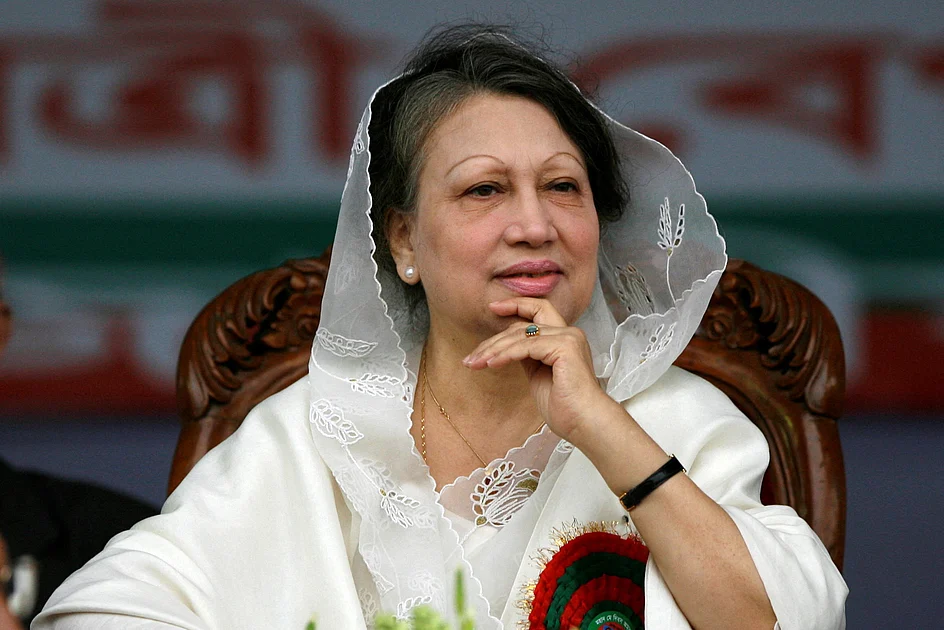
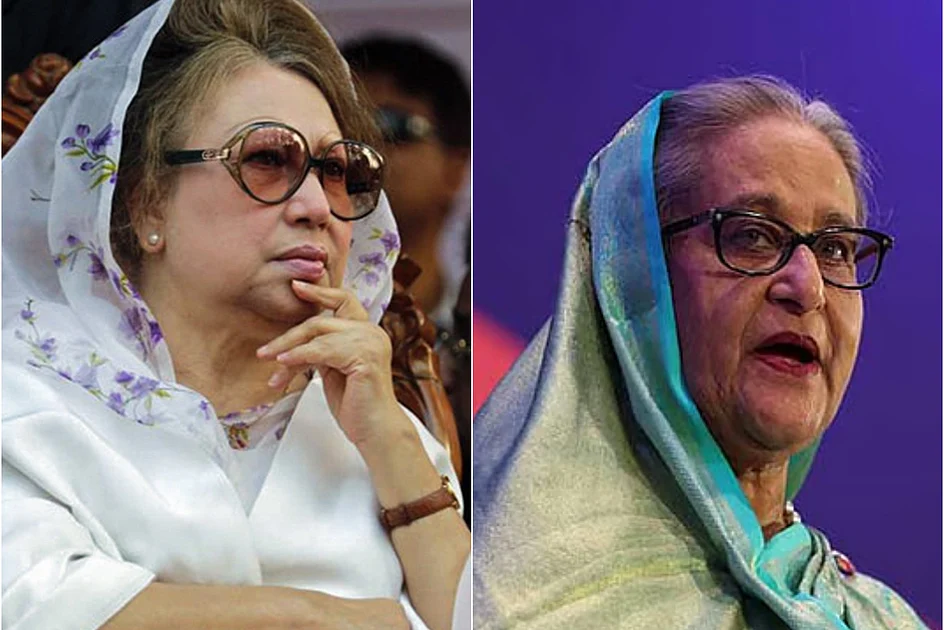
    Bangladesh entered a period of national mourning following the passing of former Prime Minister Begum Khaleda Zia, who died at age 80 during treatment at Evercare Hospital in Dhaka. The three-time premier and first female head of government in Bangladeshi history succumbed to multiple health complications in the early hours of Tuesday, December 30, 2025, shortly after dawn prayers.

    In a remarkable demonstration of political reconciliation, Prime Minister Sheikh Hasina—her longstanding political rival and leader of the opposing Awami League—issued a comprehensive statement honoring Zia’s legacy. Hasina recognized Zia’s pioneering role as the nation’s first woman premier and acknowledged her substantial contributions to Bangladesh’s democratic development and political landscape. The carefully worded tribute emphasized Zia’s historical significance beyond partisan politics.

    The Bangladesh Nationalist Party (BNP), which Zia led for decades, confirmed her passing through an official social media announcement. Zia had been hospitalized since November 23 with a severe lung infection, compounding existing conditions including cardiac issues, diabetes, liver cirrhosis, and kidney complications. Her medical situation had previously necessitated specialized treatment in London earlier this month.

    The scene outside Evercare Hospital grew increasingly emotional as news of her death spread, with supporters gathering to pay respects. Zia’s son, Tarique Rahman—currently serving as BNP’s Acting Chairman—arrived at the medical facility to lead mourning arrangements.

    Condolences extended beyond national borders, with Indian Prime Minister Narendra Modi recalling his 2015 meeting with Zia and highlighting her role in strengthening India-Bangladesh relations. Within Bangladesh, Muhammad Yunus, Chief Adviser of the interim government, described Zia as a ‘great guardian’ of the nation whose passing represents an irreparable loss to the country’s democratic traditions. Yunus’ message particularly emphasized that Zia transcended mere party leadership to embody a significant historical chapter in Bangladesh’s political evolution.

  • Guinea restricts social media sites as junta chief takes election lead

    Guinea restricts social media sites as junta chief takes election lead

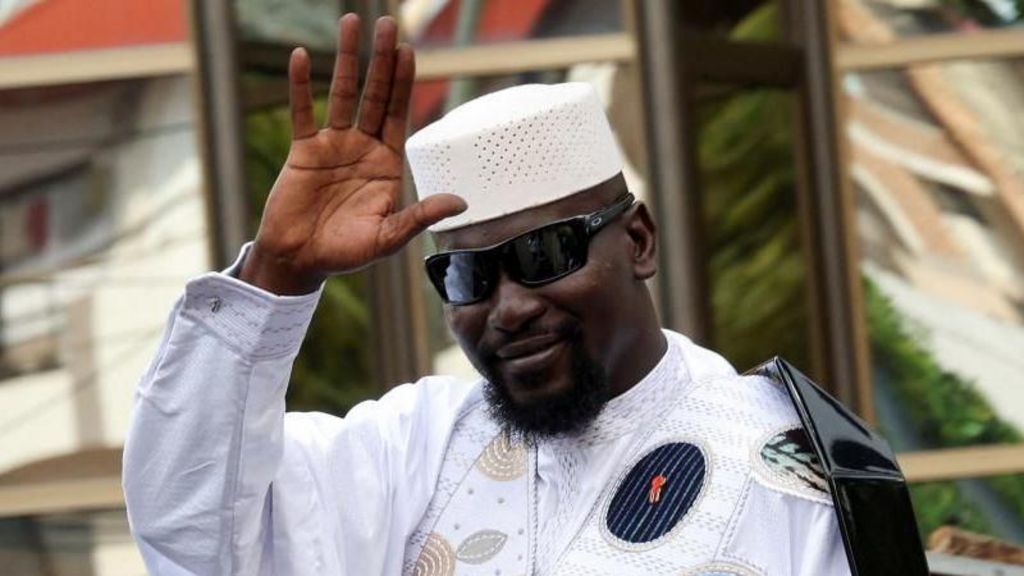
    Guinea’s military government has imposed sweeping restrictions on major social media platforms including TikTok, YouTube, and Facebook as the nation awaits final results from Sunday’s contentious presidential election. Internet monitoring organization NetBlocks confirmed widespread disruptions affecting primary service providers Orange and MTN.

    Initial results released Monday evening reveal junta leader General Mamady Doumbouya, who seized power in a 2021 coup, commanding a substantial lead in the presidential race. According to AFP reports, the 41-year-old general has secured over 80% of votes across multiple districts in the capital Conakry, with similar dominance reported in western regions including Boffa and Fria, northwestern Gaoual, northern Koundara and Labe, and southeastern Nzerekore.

    The electoral process has drawn sharp criticism from opposition groups and civil society organizations. Main opposition parties RPG Arc en Ciel and UFDG were barred from participation, leaving eight alternative candidates with limited political footing. A civil society coalition advocating for civilian rule condemned the election as a ‘charade,’ citing numerous irregularities.

    General Doumbouya’s candidacy represents a direct reversal of his previous commitment. Following his overthrow of 83-year-old President Alpha Condé in 2021, he explicitly promised: ‘Neither I nor any member of this transition will be a candidate for anything… As soldiers, we value our word very much.’ His reversal became possible through a new constitution implemented in September that permitted his electoral participation.

    Critics interpret the social media restrictions as a deliberate attempt to suppress dissent and scrutiny of the electoral process. The junta has previously faced condemnation for restricting opposition activities, banning protests, and curtailing press freedom in the pre-election period.

    Paradoxically, General Doumbouya justified his 2021 coup using similar grievances—citing Condé’s alleged corruption, human rights violations, and economic mismanagement. Despite Guinea possessing the world’s largest bauxite reserves and recently launching the massive Simandou iron-ore project, World Bank data indicates over half the population lives in poverty.

  • Protests draw largest turnout of Somalis since Israel’s recognition of Somaliland

    Protests draw largest turnout of Somalis since Israel’s recognition of Somaliland

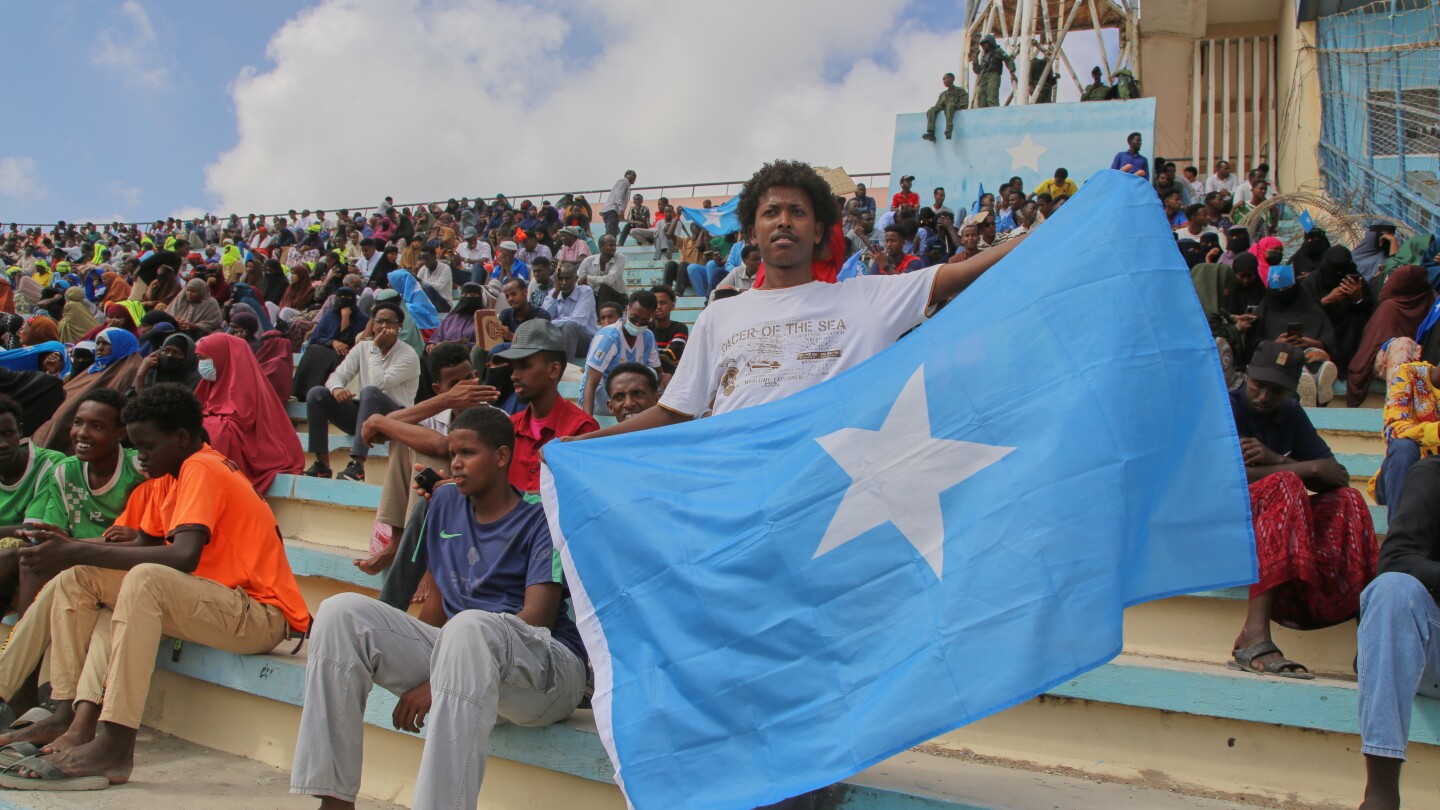
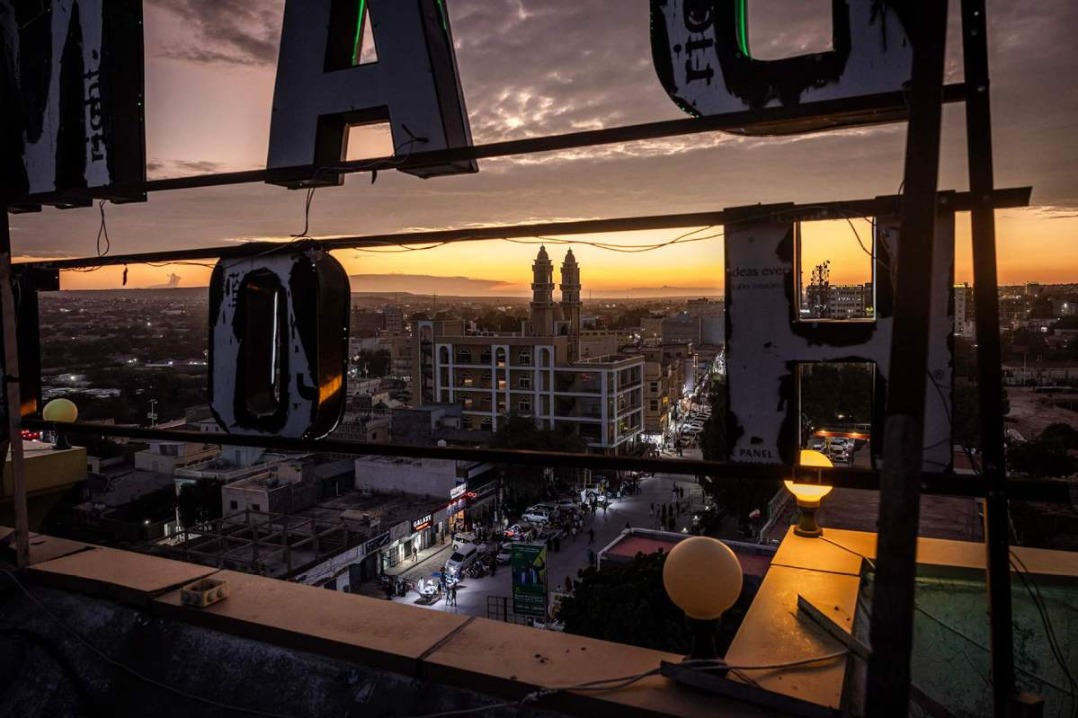
    MOGADISHU, Somalia — Massive demonstrations erupted across Somalia on Tuesday as tens of thousands of citizens united in protest against Israel’s unprecedented recognition of the breakaway region of Somaliland. The controversial diplomatic move has ignited a firestorm of international condemnation and raised concerns about regional stability in the Horn of Africa.

    In the capital Mogadishu, protesters filled the national stadium waving Somali flags and chanting slogans rejecting what they perceive as an assault on their nation’s sovereignty. Religious leader Sheikh Mohamud Sheikh Abulbari addressed the crowd, condemning Israel’s action as “unacceptable” given its treatment of Palestinians and Muslim holy sites in Jerusalem. Similar large-scale protests were documented in Baidoa, Guriel, Dhusamareeb, Lasanod, and Buhoodle, marking the largest public mobilization since Israel’s declaration.

    Meanwhile, Somali President Hassan Sheikh Mohamud embarked on a strategic diplomatic mission to Turkey, meeting with President Recep Tayyip Erdogan in Istanbul. Both leaders delivered strong statements against Israel’s recognition, with Mohamud characterizing it as a violation of international law, the UN Charter, and African Union principles. “This sets a dangerous precedent contrary to the principle of sovereignty and territorial integrity,” Mohamud stated alongside his Turkish counterpart.

    Erdogan pledged unwavering support for Somalia’s territorial unity, accusing Israel of attempting to destabilize the already fragile Horn of Africa region. The Turkish president emphasized that preserving Somalia’s integrity remains “a priority for us under all circumstances.”

    The diplomatic confrontation reached the United Nations Security Council on Monday, where Somalia’s permanent representative Abukar Dahir Osman warned that Israel’s action “poses a serious threat to regional and international peace and security.” The Israeli delegation countered by accusing Somalia of applying double standards, noting that other nations have recognized Palestinian statehood.

    The recognition controversy occurs against the backdrop of ongoing tensions between Somalia and Ethiopia, which signed a memorandum of understanding with Somaliland in January 2024 to lease coastline territory for a naval base in exchange for potential recognition. Turkey has emerged as a key mediator in these disputes while strengthening its military and economic presence in Somalia, including operating a military training base in Mogadishu and planning offshore drilling operations by 2026.

    Somaliland, with approximately 3 million inhabitants, declared independence from Somalia in 1991 during the country’s civil conflict. Despite maintaining its own government and currency for over three decades, no nation had formally recognized its sovereignty until Israel’s surprise announcement last week.

  • ‘Battling Begum’ falls silent: How Khaleda Zia became Bangladesh’s first female PM

    ‘Battling Begum’ falls silent: How Khaleda Zia became Bangladesh’s first female PM

    Khaleda Zia, Bangladesh’s pioneering female prime minister and formidable political force, passed away at 80 after battling prolonged health complications. Her death marks the end of an era for a nation shaped by her decades-long rivalry with contemporary Sheikh Hasina.

    Initially characterized as a shy homemaker devoted to her two sons, Zia’s political destiny transformed following the 1981 assassination of her husband, military leader and President Ziaur Rahman. Assuming leadership of his Bangladesh Nationalist Party (BNP) in 1984, she emerged as an unexpected political powerhouse who would eventually break gender barriers in Muslim-majority governance.

    Zia’s 1991 electoral victory constituted a historic milestone, making her Bangladesh’s first female premier and only the second woman to democratically lead a majority-Muslim nation after Pakistan’s Benazir Bhutto. Her administration implemented significant constitutional reforms, replacing the presidential system with parliamentary governance and instituting progressive policies including free compulsory primary education and economic liberalization measures.

    Her political journey was defined by the legendary rivalry with Sheikh Hasina—daughter of Bangladesh’s founding father—which earned them the collective nickname ‘the battling Begums.’ Their contrasting leadership styles—Zia’s reserved deliberateness versus Hasina’s assertive outspokenness—created a political dichotomy that dominated national discourse for generations.

    Zia’s second term faced significant challenges including militant extremism and corruption allegations. The 2004 grenade attack targeting Hasina’s rally, which killed over 20 people, remains a controversial chapter with her administration facing widespread accusations of involvement.

    Following her 2006 exit from power, Zia endured imprisonment and house arrest on corruption charges she consistently denounced as politically motivated. Her final years witnessed partial political rehabilitation, with August 2024 bringing release from house arrest after Hasina’s ouster, and early 2025 Supreme Court acquittals clearing her of previous convictions.

    The BNP, under leadership of her son Tarique Rahman following his recent return from exile, remains a potent political force as Bangladesh approaches February parliamentary elections. Zia’s legacy endures as that of a transformative leader who reshaped constitutional governance while embodying both the possibilities and perils of dynastic politics in South Asia.

  • Myanmar’s military-backed party claims strong lead in election’s first phase

    Myanmar’s military-backed party claims strong lead in election’s first phase

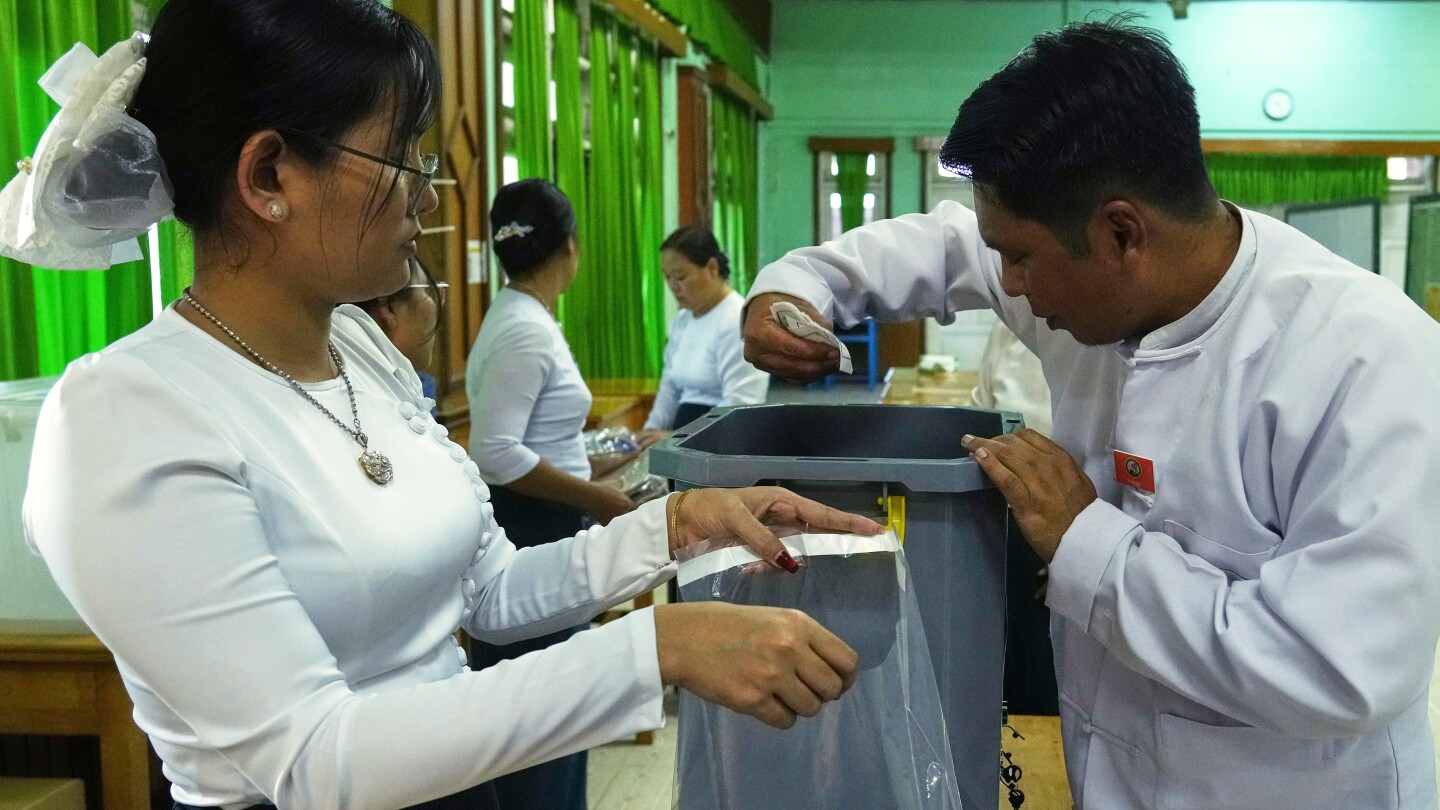
    BANGKOK — Myanmar’s military-aligned Union Solidarity and Development Party (USDP) has asserted a substantial victory in the initial phase of the country’s first general election since the 2021 military takeover, despite the absence of official confirmation from state election authorities.

    The controversial electoral process, conducted amid ongoing civil conflict, commenced on Sunday across 102 of Myanmar’s 330 townships. The remaining voting phases are scheduled for January 11 and January 25, with 65 townships excluded entirely due to security concerns.

    A senior USDP official, speaking anonymously to The Associated Press, claimed the party secured 88 of 102 contested lower house seats and approximately 85% of regional legislature positions in this initial round. The official further noted the party’s sweep of all constituencies in the capital Naypyitaw, a military and government stronghold.

    Myanmar’s political structure allocates 25% of parliamentary seats to the military automatically under the constitution, with the remaining 664 seats distributed through election. The party achieving a combined parliamentary majority holds the authority to select the president and form the new government.

    The election occurs against a backdrop of significant controversy. Human rights organizations and opposition groups have denounced the process as neither free nor fair, asserting that power will inevitably remain with military leader Senior General Min Aung Hlaing. The 2021 coup ousted the democratically elected government of Aung San Suu Kyi, whose National League for Democracy party was dissolved in 2023 after refusing to register under new military regulations.

    Voter eligibility has dropped approximately 35% since the 2020 election, with officials citing armed conflict and displacement as primary factors. Opposition groups have called for an electoral boycott, while state media reported attacks on polling stations in 11 townships during the voting period, resulting in several casualties.

    Final results are anticipated by late January, though it remains uncertain whether interim aggregate figures will be released publicly.

  • German prosecutors will drop investigation of Russian magnate Usmanov upon payment of $12M fine

    German prosecutors will drop investigation of Russian magnate Usmanov upon payment of $12M fine

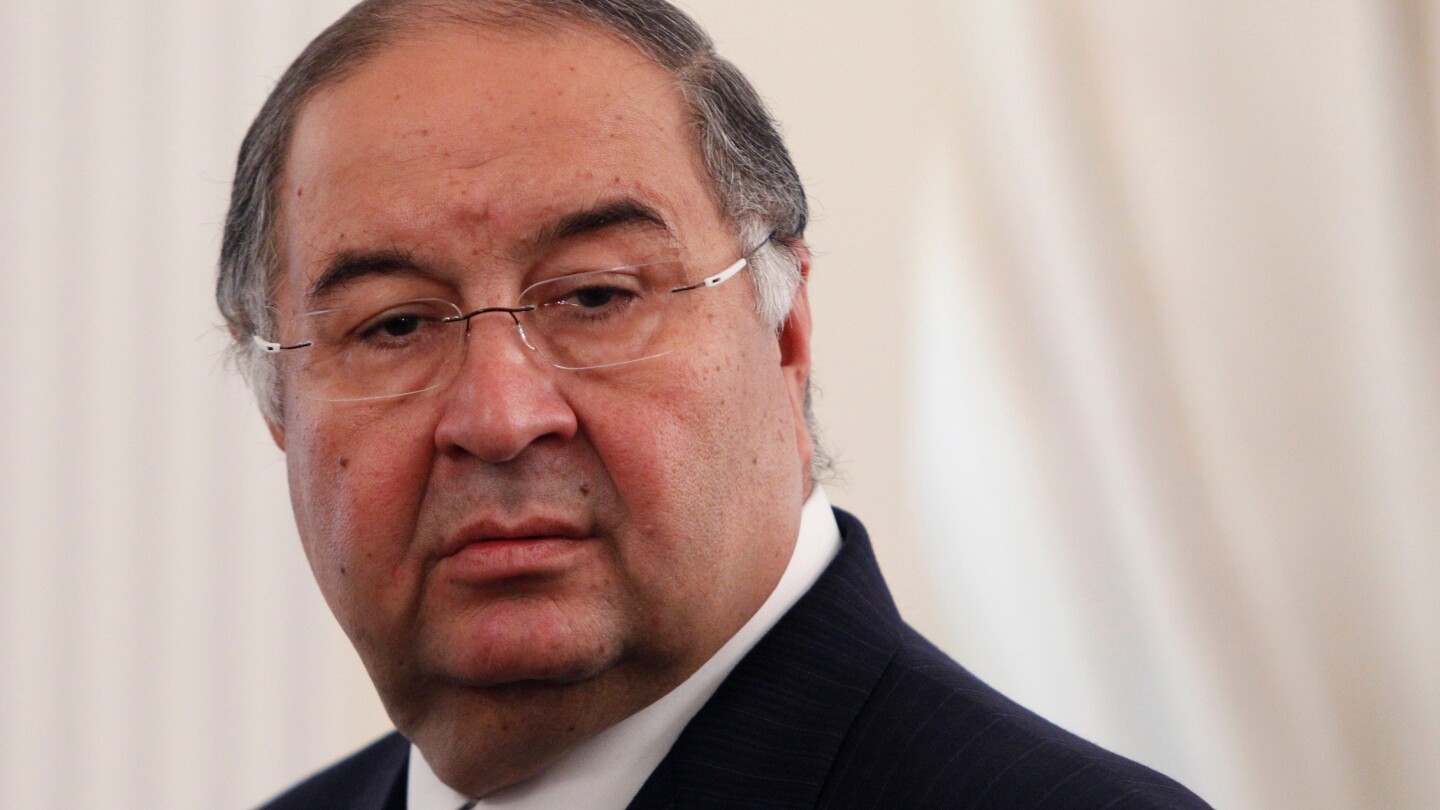
    German authorities have reached a settlement with Russian billionaire Alisher Usmanov, a prominent ally of President Vladimir Putin, concluding a high-profile investigation into alleged sanctions violations and money laundering. The Munich prosecutor’s office announced Tuesday that the case will be formally discontinued upon receipt of a €10 million (approximately $11.8 million) payment from the sanctioned oligarch.

    The investigation, which prompted extensive police raids across dozens of German properties connected to Usmanov three years ago, centered on allegations that the metals magnate circumvented EU sanctions imposed following Russia’s 2022 invasion of Ukraine. Prosecutors alleged that Usmanov orchestrated approximately €1.5 million in transactions through foreign-based companies to maintain two luxury properties in the Bavarian lakeside town of Rottach-Egern, located south of Munich.

    Additional accusations included failure to properly declare valuable assets to German authorities, including jewelry, fine art collections, and premium wines. Usmanov’s legal representatives had contested both the factual basis of these allegations and the jurisdictional applicability of EU regulations in this matter.

    The resolution follows the framework of German criminal procedure law, which permits termination of investigations through alternative settlements in certain circumstances. This development occurs against the backdrop of continued EU sanctions that have frozen substantial assets and funds connected to the Russian billionaire.

    Usmanov, who maintains presidency of the International Fencing Federation despite sanctions, continues to navigate the complex landscape of international restrictions targeting Putin’s inner circle. The case exemplifies the challenges Western nations face in enforcing sanctions against powerful Russian figures with global business interests.

  • European leaders to discuss US-led peace efforts as Russia-Ukraine tensions spike

    European leaders to discuss US-led peace efforts as Russia-Ukraine tensions spike

    European leaders initiated crucial virtual discussions on Tuesday to address U.S.-brokered peace initiatives aimed at resolving the protracted conflict between Russia and Ukraine. This high-level diplomatic engagement occurs against a backdrop of heightened tensions following Moscow’s allegations of a drone attack targeting President Vladimir Putin’s residence—claims vehemently denied by Ukrainian authorities.

    The emergency European conference, organized following preliminary talks in Berlin earlier this month, represents the first collective response since President Donald Trump’s Sunday meeting with Ukrainian President Volodymyr Zelenskyy at Mar-a-Lago. During those talks, Trump asserted that both nations were ‘closer than ever before’ to reaching a peace agreement, while acknowledging remaining obstacles.

    Simultaneously, Russian and Ukrainian officials have engaged in reciprocal accusations regarding alleged attack attempts on Putin’s Valdai residence northwest of Moscow. Russian authorities claimed Ukraine launched 91 long-range drones targeting the presidential compound shortly after Trump-Zelenskyy discussions concluded, though no substantive evidence has been presented.

    Ukrainian Foreign Minister Andrii Sybiha dismissed the allegations as baseless, stating Russia ‘still hasn’t provided any plausible evidence’ and emphasizing Moscow’s history of fabricated claims. President Zelenskyy characterized the accusations as ‘another lie’ designed to undermine peace negotiations.

    Kremlin spokesperson Dmitry Peskov countered that the alleged attack demonstrated Ukraine’s intention to ‘thwart President Trump’s efforts to promote peaceful resolution.’ The Institute for the Study of War observed that Russia has consistently sought to prolong negotiations while avoiding substantive concessions, potentially aiming to influence broader U.S.-Russia relations through these diplomatic channels.

  • Key dates in Taiwan’s history: A contested island’s evolution

    Key dates in Taiwan’s history: A contested island’s evolution

    Amidst recent live-fire military exercises conducted by China around Taiwan, featuring advanced aircraft, warships, and rocket launches, Beijing’s foreign ministry has reaffirmed its objective to achieve “complete reunification” with the island territory. Taipei continues to resist these sovereignty claims, maintaining that Taiwan has never existed under the Chinese Communist Party’s governance in its current constitutional framework.

    The island’s complex history reveals a tapestry of colonial influences and political transformations. During the 1600s, Dutch and Spanish colonizers vied for control of Formosa (as Taiwan was then known), establishing footholds while Indigenous populations and Han Chinese migrants inhabited the island. The Dutch East India Company established a southern base near contemporary Tainan, while Spanish forces constructed northern forts.

    In 1662, military leader Koxinga, loyal to China’s Ming dynasty, defeated the Dutch. By 1684, the Qing dynasty incorporated Taiwan into China’s Fujian province, later declaring it a standalone Chinese province under Han Chinese governance in 1885.

    Following Qing defeat in the Sino-Japanese War (1895), Emperor Guangxu ceded Taiwan and the Penghu Islands to Japan, initiating five decades of often harsh colonial rule. Japan’s WWII surrender in 1945 returned Taiwan to the Republic of China under Nationalist Party (KMT) control, even as civil war raged between Nationalists and Mao Zedong’s Communists.

    The Nationalists’ 1949 retreat to Taiwan established de facto self-rule as Mao founded the People’s Republic of China on the mainland. Over one million military personnel, officials, and civilians accompanied Chiang Kai-shek’s government to the island. The KMT maintained its claim as China’s legitimate government throughout its authoritarian rule under martial law (1949-1987), a period marked by political repression known as the White Terror.

    January 1979 witnessed a geopolitical watershed when the United States established formal relations with China, terminating official recognition of Taiwan through its “One China” policy. That April, however, the U.S. Congress passed the Taiwan Relations Act, creating frameworks for unofficial ties and committing to provide Taiwan with self-defense capabilities.

    The 1992 Consensus saw both sides acknowledging “one China” while permitting divergent interpretations. Taiwan’s democratic evolution accelerated with its first legislative elections (1992) and presidential election (1996), won by KMT’s Lee Teng-hui. China responded to Lee’s perceived separatist rhetoric with missile tests encircling Taiwan (1995-1996).

    The 2000 election of Democratic Progressive Party’s Chen Shui-bian marked Taiwan’s first peaceful power transfer, ending five decades of KMT rule. Recent tensions escalated dramatically following U.S. Speaker Nancy Pelosi’s 2022 Taiwan visit, prompting China’s largest-ever military drills around the island. Beijing has since maintained near-daily military presence near Taiwan, with December 2025 exercises responding to perceived provocations from Japan’s leadership and anticipated U.S. arms sales to Taipei.

  • Bangladesh ex-PM Khaleda Zia dies at 80

    Bangladesh ex-PM Khaleda Zia dies at 80

    Bangladesh’s political landscape was shaken on Tuesday by the passing of former Prime Minister Khaleda Zia at age 80. The Bangladesh Nationalist Party (BNP), which she led as chairperson, confirmed her death occurred at 6:00 AM local time following dawn prayers, marking the end of an era for one of the nation’s most influential political figures.

    Her demise comes at a critical juncture in Bangladeshi politics, just as the country prepares for general elections scheduled for February 2026. Despite significant health challenges and a recent hospitalization in late November, Zia had remained politically active, with party representatives submitting nomination papers on her behalf for three constituencies merely hours before her passing.

    The BNP statement memorialized Zia as a “national leader” and requested prayers for her departed soul. Interim leader Muhammad Yunus had previously characterized her as “a source of utmost inspiration for the nation” during her final days.

    Zia’s political career was marked by dramatic highs and lows, including imprisonment on corruption charges in 2018 under the government of her arch-rival Sheikh Hasina. Her release last year coincided with Hasina’s ousting from power following mass protests. Medical treatment complications further complicated her final years, as plans for specialized care in London were thwarted by her unstable condition.

    The political transition continues with her son, Tarique Rahman, recently returning from 17 years of self-imposed exile to assume leadership of the BNP. He is expected to lead the party into the upcoming elections and potentially assume the prime minister role should the BNP secure a majority.

    Prothom Alo, Bangladesh’s leading newspaper, noted that Zia had earned the reputation as the ‘uncompromising leader’ whose life exemplified the extreme challenges faced by political figures—including lawsuits, imprisonment, and persecution. Family members, including Rahman, were present at her bedside during her final moments.