分类: politics

  • Stripping Alaa Abd el-Fattah of citizenship would be a ‘dangerous’ precedent, rights groups warn

    Stripping Alaa Abd el-Fattah of citizenship would be a ‘dangerous’ precedent, rights groups warn

    A contentious political battle has emerged in the United Kingdom regarding the citizenship status of British-Egyptian activist Alaa Abd el-Fattah, with human rights organizations warning that proposed measures could establish a dangerous precedent for fundamental freedoms.

    The 44-year-old prominent figure of the 2011 Arab Spring uprising recently arrived in the UK following his release from Egyptian imprisonment, where he had spent most of the past decade after Abdel Fattah el-Sisi’s military takeover in 2013. His arrival, initially welcomed by Prime Minister Keir Starmer, quickly turned controversial when opposition politicians uncovered social media posts dating back to 2008 that they characterized as antisemitic and advocating violence.

    Reform UK leader Nigel Farage announced he had reported Abd el-Fattah to the Metropolitan Police’s counterterrorism unit, while Conservative Party leader Kemi Badenoch publicly advocated for stripping his citizenship through a Daily Mail column. Despite the activist’s comprehensive apology on Monday, in which he explained many posts were misinterpreted sarcasm or expressions of youthful anger during regional conflicts, demands for citizenship revocation persist.

    Legal organization Reprieve condemned the proposals as “alarming authoritarian overreach” that threatens rule of law principles. Deputy Chief Executive Dan Dolan emphasized that permitting politicians to strip citizenship based on social media content establishes a dangerous precedent that disproportionately targets non-white citizens with dual nationality.

    Abd el-Fattah’s complex history includes significant activism during Egypt’s democratic revolution, subsequent imprisonment under both Muslim Brotherhood and Sisi regimes, and recent removal from terrorism watchlists two months before his release. Human rights experts warn that forced return to Egypt would likely result in renewed persecution, arbitrary detention, or fabricated charges by Egyptian authorities.

    The case has become instrumentalized by both UK right-wing groups and pro-government Egyptian media, creating psychological distress for Abd el-Fattah’s family while potentially undermining his legal status in an increasingly unstable global environment. The Home Office has remained silent on whether deportation proceedings are being considered.
  • Saudi Arabia bombs UAE shipment in Yemen and calls out Emirati role

    Saudi Arabia bombs UAE shipment in Yemen and calls out Emirati role

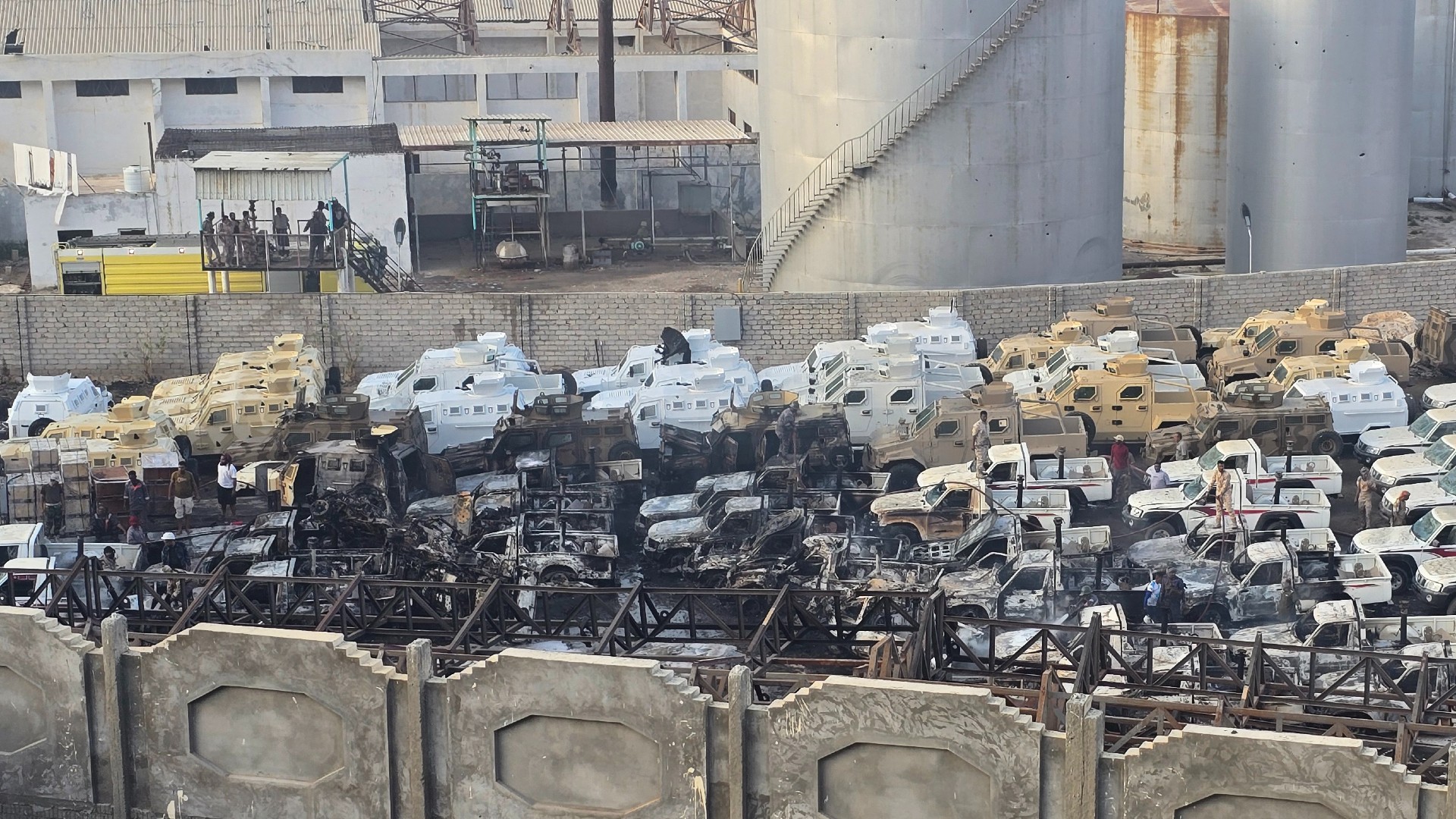
    In a significant escalation of tensions between Gulf allies, Saudi Arabia has conducted airstrikes targeting an alleged United Arab Emirates weapons shipment destined for southern Yemeni separatists. The Saudi military confirmed it destroyed weapons and combat vehicles unloaded from two vessels originating from Fujairah, a major Emirati port city.

    The operation occurred early Tuesday near the port of Mukalla, where authorities received an evacuation warning just minutes before the strike. Saudi officials stated the vessels had disabled tracking systems and were supplying the Southern Transitional Council (STC), a secessionist group that has recently made substantial territorial gains in southern Yemen. The Saudi statement emphasized these weapons “constituted an imminent threat” to regional security.

    Concurrently, Riyadh issued its strongest diplomatic rebuke yet against Abu Dhabi, directly accusing the UAE of “pressuring” STC forces to conduct military operations along Saudi Arabia’s southern border regions. The Saudi foreign ministry characterized these actions as “highly dangerous” and contrary to the founding principles of their coalition, which was established to support Yemen’s internationally recognized government.

    The statement marked an unprecedented public condemnation between the nominal allies, with Saudi Arabia declaring any threat to its national security “a red line” that would be met with decisive action. This development follows the STC’s recent seizure of extensive territory and the hoisting of South Yemen’s historic flag in captured areas.

    In response, Rashad al-Alimi, head of Yemen’s Presidential Leadership Council, canceled a joint defense agreement with the UAE and demanded the withdrawal of Emirati forces from Yemen within 24 hours. The strike represents the second alleged Saudi attack on STC positions in recent days, though previous incidents went unconfirmed by Riyadh.

  • Trump issues fresh warning to Hamas and Iran after talks with Netanyahu

    Trump issues fresh warning to Hamas and Iran after talks with Netanyahu

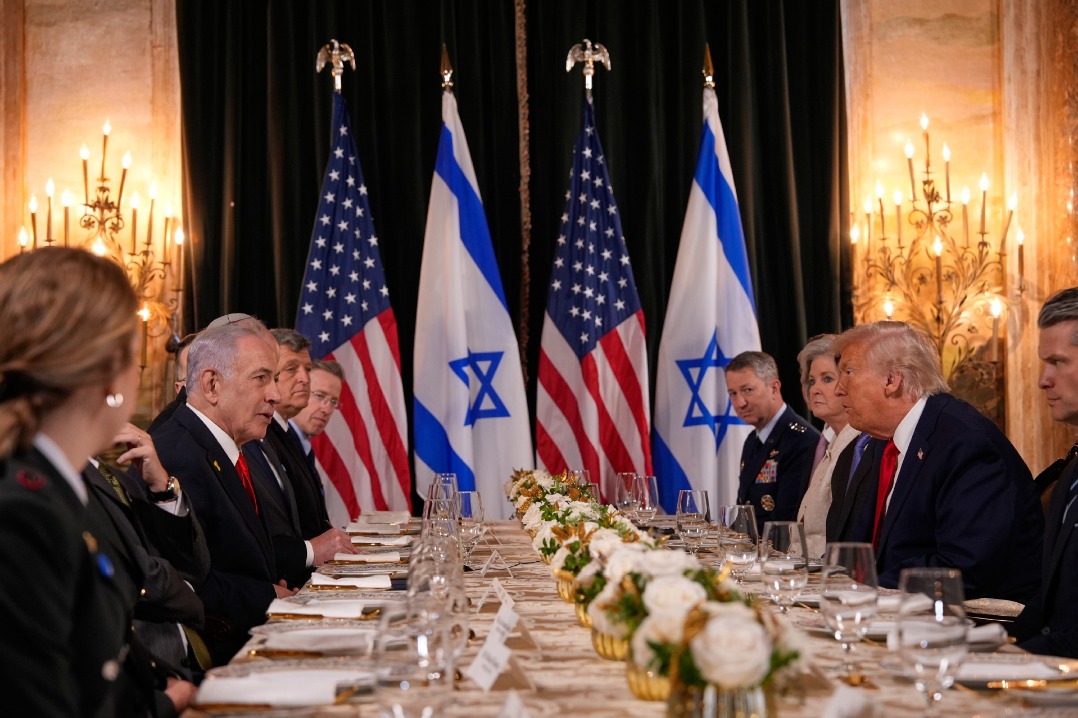
    In a significant diplomatic engagement at his Mar-a-Lago resort in Florida, former US President Donald Trump delivered forceful warnings to both Hamas and Iran during a joint media appearance with Israeli Prime Minister Benjamin Netanyahu on December 29. The meeting underscored the complex dynamics of Middle Eastern politics and the ongoing conflict in Gaza.

    Trump issued an uncompromising ultimatum to Hamas, demanding complete disarmament or facing severe consequences, which he dramatically characterized as ‘hell to pay.’ This强硬 stance comes amid stalled progress on the US-brokered Gaza ceasefire agreement, with recent developments suggesting Israel’s commitment to the peace process has been less than wholehearted.

    The former president maintained that Israel had fully complied with existing agreements, asserting they had ‘lived up to the plan, 100 percent.’ This declaration appears contradictory to reports from Gaza, where approximately 400 casualties have been recorded since the October ceasefire. The humanitarian situation remains dire, with Palestinians enduring extreme weather conditions including flooding and cold temperatures while facing critical shortages of essential supplies.

    According to UNRWA assessments, months of sustained conflict and mass displacement have forced Gaza’s population to survive amid crumbling infrastructure, with many sheltering in flimsy tents or makeshift arrangements. The recent Storm Byron, which struck the region in mid-December, exacerbated the crisis, causing structural collapses and damaging over 42,000 shelters, affecting at least 235,000 vulnerable individuals.

    Regional experts have interpreted the Trump-Netanyahu meeting as signaling a shift in US foreign policy approach. Abdolreza Alami of the Asia West East Centre noted that the engagement represented less a genuine diplomatic effort and more a return to ‘political blackmail’ tactics. He suggested Trump’s rhetoric indicates a transformation of America’s role from neutral mediator to active participant in the conflict.

    Regarding Iran, Trump expressed serious concerns about Tehran’s nuclear capabilities and ballistic missile program, threatening new preventive actions. He pledged unequivocal support for potential Israeli strikes against Iran, characterizing the missile program as an ‘existential threat’ that demanded a robust response.

    Analysts warn that this confrontational approach may prove counterproductive, potentially driving Tehran toward more advanced defensive strategies and ultimately undermining regional stability. Historical patterns suggest that pressure tactics against Iran typically result in hardened positions and accelerated weapons development rather than diplomatic concessions.

  • The ‘thorny’ issues that threaten to derail a Russia-Ukraine peace deal

    The ‘thorny’ issues that threaten to derail a Russia-Ukraine peace deal

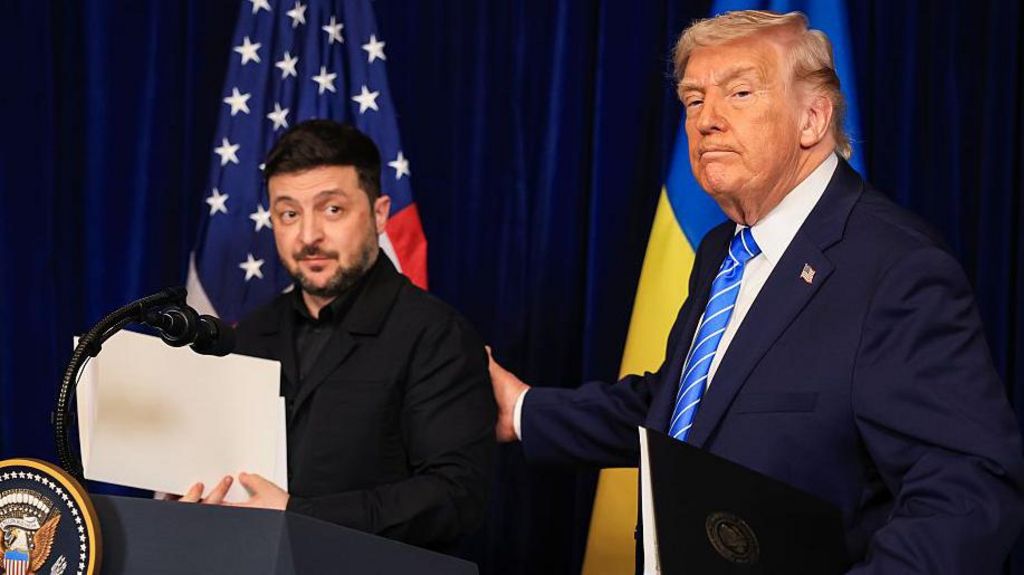
    As diplomatic efforts intensify to end nearly four years of full-scale conflict, Ukrainian President Volodymyr Zelensky has expressed profound skepticism regarding Russia’s commitment to genuine peace negotiations. Despite assertions from both Washington and Moscow that negotiations are approaching their final phase, fundamental disagreements over territorial control and nuclear facility management continue to impede progress.

    The central sticking points revolve around the disputed Donbas region and the occupied Zaporizhzhia Nuclear Power Plant. President Vladimir Putin maintains maximalist demands for complete control of Ukraine’s industrial east, including the strategic cities of Sloviansk and Kramatorsk. Zelensky has countered with a compromise proposal: establishing a demilitarized zone with mutual troop withdrawals, to be monitored by international forces. ‘We cannot simply withdraw—it violates our laws and abandons 300,000 Ukrainian citizens,’ Zelensky emphasized.

    Simultaneously, the fate of Europe’s largest nuclear facility remains contentious. The Zaporizhzhia plant, under Russian occupation since March 2022, requires substantial reactivation investment and demilitarization. While the United States has proposed trilateral management, Ukraine advocates for bilateral control with the U.S., implicitly allowing energy distribution to Russia. Moscow, however, insists through Rosatom chief Alexei Likachev that only Russian administration can guarantee operational safety.

    The trust deficit between nations remains profound. Zelensky openly declared, ‘I don’t trust Russians and I don’t trust Putin,’ directly contradicting former President Trump’s characterization of Putin’s intentions. Additional complications include security guarantees for Ukraine, potential Russian reparations from frozen European assets, and constitutional barriers regarding NATO membership.

    Zelensky insists any agreement must undergo a national referendum preceded by a 60-day ceasefire—a condition the Kremlin rejects as potentially prolonging hostilities. With analysts estimating a Russian conquest of Donetsk could take until 2027 at current rates, the urgency for resolution contrasts sharply with the complexity of outstanding issues.

  • Former ACFTU vice-chairwoman under investigation

    Former ACFTU vice-chairwoman under investigation

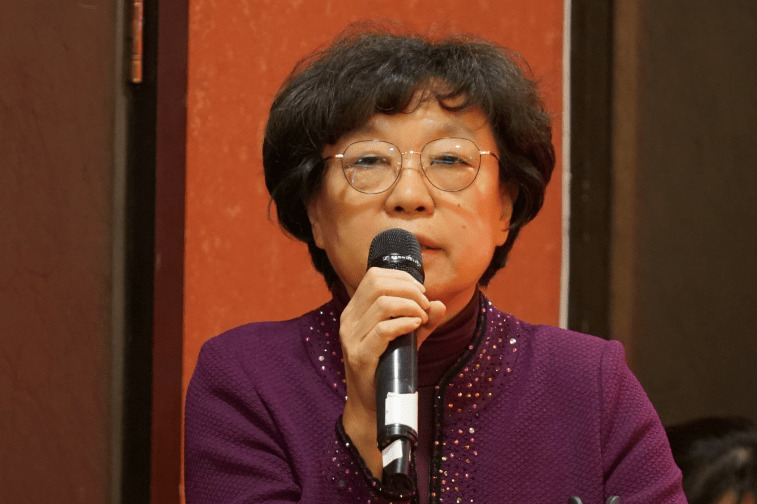
    Chinese anti-corruption authorities have launched a comprehensive investigation into Zhang Shiping, former Vice-Chairwoman of the All-China Federation of Trade Unions (ACFTU), for alleged serious breaches of Party discipline and national laws. The Central Commission for Discipline Inspection (CCDI) and National Supervisory Commission jointly announced the probe on Tuesday, December 30, 2025.

    Zhang, 71, a Beijing native with over five decades of Party membership since joining in 1973, previously held significant positions across multiple government and Party organizations. Her career trajectory shows extensive experience in women’s affairs and labor organizations, beginning with her early work at the CPC Xicheng district committee general office.

    From 1979 through 2008, Zhang served in various capacities at the All-China Women’s Federation (ACWF), ascending through leadership roles including deputy head of the publicity department and director of both urban and rural work departments. Her responsibilities expanded in 2003 when she assumed the position of Secretary of the ACWF Secretariat, concurrently taking helm of the China National Children’s Center in 2005.

    In a notable career transition in 2008, Zhang moved to the ACFTU where she occupied several high-ranking positions including vice-chairwoman, Secretariat secretary, and member of the Party Leadership Group. She maintained dual leadership roles by continuing as ACWF vice-chairwoman in 2011. Her most recent official capacity was as deputy director of the Committee on Social and Legal Affairs within the 12th National Committee of the Chinese People’s Political Consultative Conference, appointed in February 2014.

    The investigation represents the latest development in China’s ongoing anti-corruption campaign that has scrutinized officials across various government and Party entities. The announcement follows standard procedures for disciplinary reviews conducted by China’s top graft-busting agencies.

  • Iranian president calls on govt to listen to ‘legitimate demands’ of protesters

    Iranian president calls on govt to listen to ‘legitimate demands’ of protesters

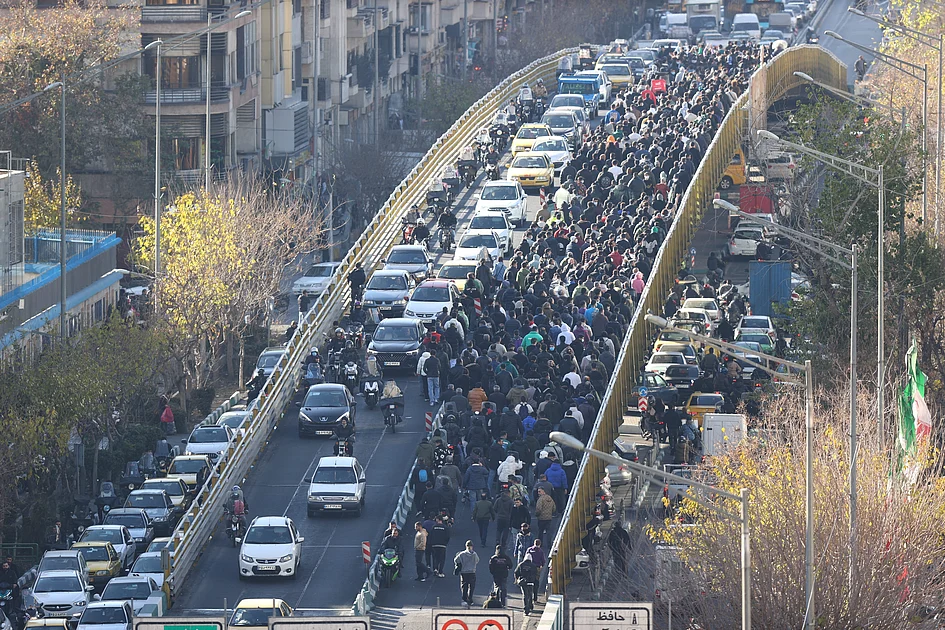
    Iranian President Masoud Pezeshkian has called upon his government to address the legitimate grievances of protesters demonstrating against severe economic hardship, as reported by state media on Tuesday. This appeal follows widespread shopkeeper demonstrations in Tehran that prompted temporary business closures across the capital.

    The unrest erupted after Iran’s national currency plummeted to unprecedented lows on unofficial markets, with the U.S. dollar reaching approximately 1.42 million rials—a drastic depreciation from 820,000 rials just one year earlier. While the currency experienced marginal recovery by Tuesday, the economic damage had already triggered significant public outcry.

    Visual documentation from Fars news agency indicated security forces deployed tear gas to disperse demonstrators, though central Tehran shops and cafes largely resumed operations by Tuesday under heightened police surveillance. Merchants expressed profound frustration over the government’s inadequate response to soaring import costs that have crippled retail businesses.

    An anonymous trader conveyed to Etemad newspaper: ‘Officials displayed no concern regarding how currency fluctuations devastate our livelihoods. With current exchange rates, we cannot even sell basic items like phone cases, yet authorities remain indifferent to our struggles.’

    President Pezeshkian, operating within Iran’s political structure where ultimate authority rests with Supreme Leader Ali Khamenei, communicated via social media: ‘I have instructed the interior minister to engage in dialogue with protest representatives to address their legitimate demands, enabling the government to resolve these issues responsibly.’

    Parallel to presidential appeals, parliamentary speaker Mohammad Bagher Ghalibaf emphasized the necessity of ‘implementing measures focused on enhancing purchasing power’ and addressing economic grievances through responsible dialogue.

    The economic turmoil prompted judicial intervention, with Chief Justice Gholamhossein Mohseni Ejei demanding ‘swift punishment for those responsible for currency fluctuations.’ Simultaneously, the government announced the appointment of former finance minister Abdolnasser Hemmati as central bank governor, replacing his predecessor amid the crisis.

    Iran’s economy faces compounded challenges including 52% annual inflation according to official statistics—though actual price increases for essentials likely exceed reported figures. The nation’s financial stability has been further undermined by reinstated international sanctions linked to its nuclear program, which Western nations and Israel allege pursues weapons development despite Tehran’s denials.

  • US federal agents investigate Minneapolis childcare centres

    US federal agents investigate Minneapolis childcare centres

    Federal authorities have initiated a sweeping investigation into Minnesota childcare facilities following explosive allegations made in a viral social media video. The probe, confirmed by Department of Homeland Security Secretary Kristi Noem, involves immigration agents conducting on-site operations in Minneapolis targeting potential fraud within childcare programs.

    The investigation stems from claims circulated by right-wing YouTuber Nick Shirley, whose video alleging Somali-operated centers were receiving public funding without providing actual services has garnered millions of views across platforms. The video specifically targeted nearly a dozen facilities, asserting they lacked both services and children during the creator’s visits.

    Minnesota officials have responded cautiously to the allegations. Tikki Brown, Commissioner of the state’s Department of Children, Youth, and Families, acknowledged the seriousness of fraud concerns while questioning some methods used in the video. State regulators confirmed the facilities had undergone regular inspections, with all but two maintaining active licenses and receiving visits within the past six months.

    Independent verification by CBS News found no immediate evidence supporting the fraud claims. Their analysis revealed that most centers mentioned remained operational, with only two having closed recently.

    The investigation occurs against a politically charged backdrop. President Donald Trump recently expressed opposition to Somali immigration, stating immigrants should ‘return to where they came from.’ Minnesota, home to America’s largest Somali community, has become a focal point in the administration’s broader immigration enforcement efforts.

    Democratic Governor Tim Walz welcomed legitimate fraud investigations but criticized what he characterized as ‘PR stunts’ targeting immigrant communities. The probe follows March’s conviction in a separate $250 million pandemic aid fraud case involving Minnesota’s Feeding our Future organization.

    FBI Director Kash Patel confirmed ongoing investigations into Minnesota fraud cases since the pandemic, suggesting the current probe might represent ‘the tip of a very large iceberg.’

  • Unbelievable: Japan PM Takaichi moves into ‘haunted’ official residence

    Unbelievable: Japan PM Takaichi moves into ‘haunted’ official residence

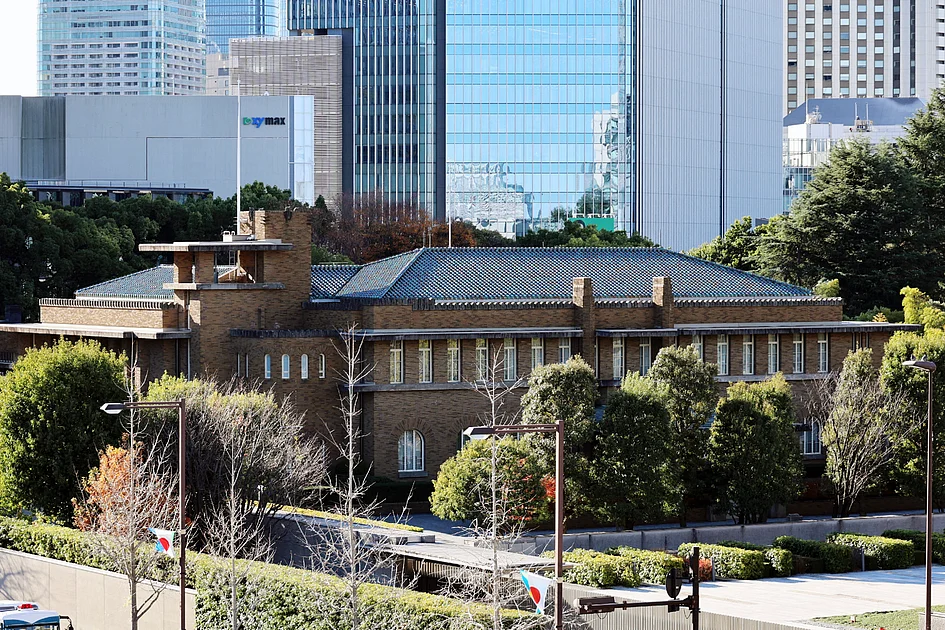
    Japanese Prime Minister Sanae Takaichi has commenced residence at the nation’s official prime ministerial mansion in central Tokyo, ending her two-month tenure of parliamentary accommodation. The relocation follows criticism regarding her extended commute duration during December’s seismic emergency.

    The historic stone-and-brick residence, inaugurated in 1929 and architecturally influenced by Frank Lloyd Wright’s demolished Imperial Hotel, carries a macabre reputation. The property was the backdrop for two attempted military coups during the 1930s, culminating in the assassination of several high-ranking officials including a sitting prime minister. Legends persist regarding supernatural manifestations of these historical figures roaming the hallways, with at least one visible bullet hole memorializing the turbulent era.

    Takaichi, who governs on a platform of intensive work ethic and reportedly sleeps merely two to four hours nightly, follows mixed precedents regarding the residence’s paranormal activity. Immediate predecessor Shigeru Ishiba occupied the renovated (2005) property without expressing apprehensions, while ex-Prime Minister Fumio Kishida reported undisturbed rest. Notably, former leaders Shinzo Abe (Takaichi’s political mentor) and Yoshihide Suga opted for alternative accommodations, leaving the residence vacant for nearly nine years until 2021.

  • Italy’s Parliament approves 2026 budget with deficit-cutting measures

    Italy’s Parliament approves 2026 budget with deficit-cutting measures

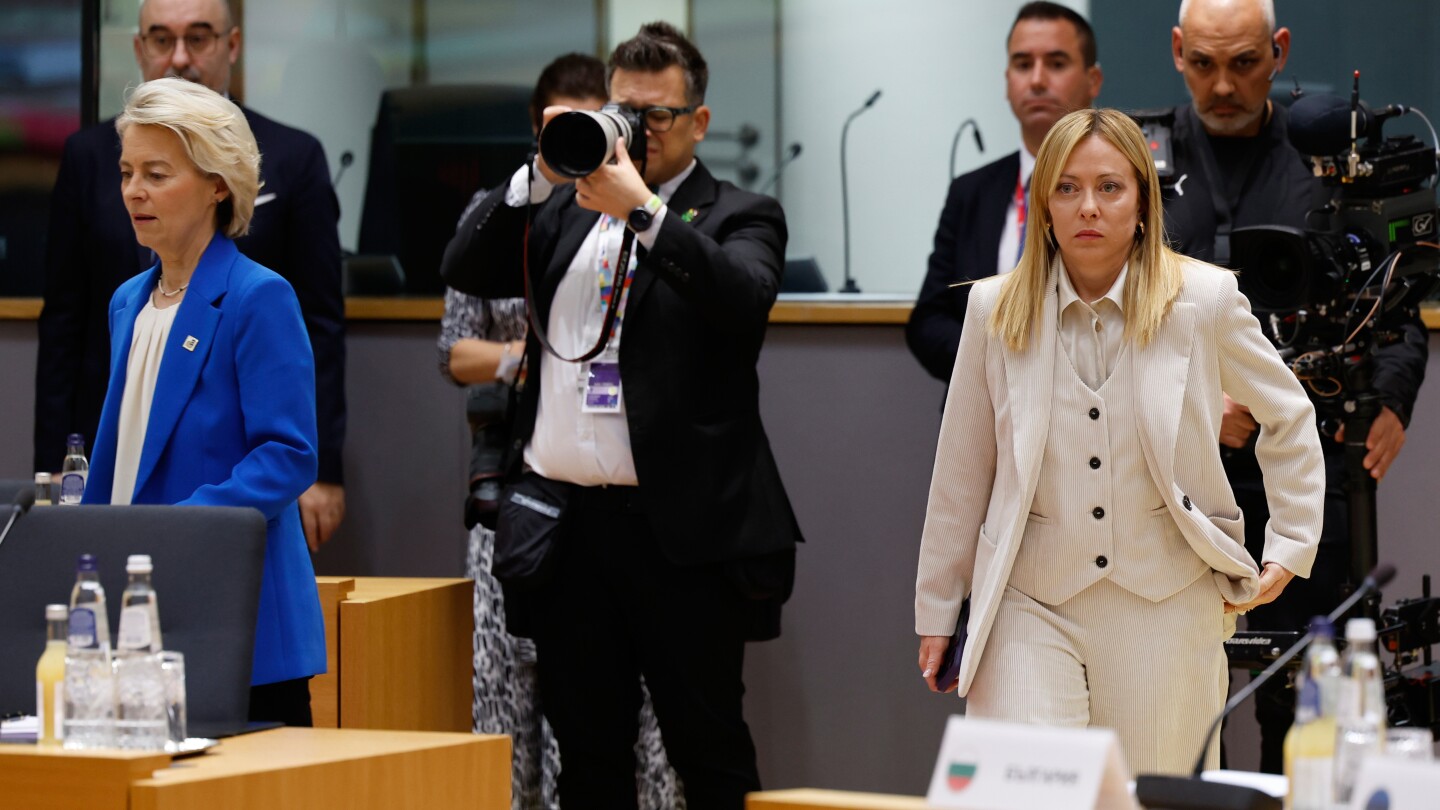
    ROME — The Italian Parliament formally endorsed the government’s 2026 budget legislation on Tuesday, implementing deficit-reduction measures aligned with European Union fiscal requirements. The €22 billion ($25.9 billion) economic package successfully cleared its final legislative hurdle in the lower house with a 216-126 vote, securing approval from Premier Giorgia Meloni’s conservative coalition government.

    The budgetary framework aims to compress Italy’s deficit to 2.8% of GDP in 2026, representing a reduction from the previously projected 3% threshold. This adjustment responds directly to EU mandates for strengthened fiscal discipline among member states. In a post-vote statement on social media platform X, Premier Meloni characterized the budget as “serious and responsible,” emphasizing its design to channel constrained resources toward supporting families, workforce development, business enterprises, and healthcare infrastructure amid challenging economic conditions.

    Nevertheless, the legislation has provoked substantial opposition criticism. Center-left political factions, particularly the Democratic Party led by Elly Schlein, condemned the measures as excessively austere and inadequate for addressing Italy’s deepening wage stagnation and elevated tax burdens. Schlein asserted the government’s approach fails to deliver meaningful relief for low-income households and workers grappling with persistent inflation.

    Notably, approximately one-quarter of the budget’s financing derives from increased taxation targeting financial institutions, including banks and insurance companies. This revenue strategy has drawn cautionary remarks from the European Central Bank, warning that additional banking levies might further constrict credit availability to Italian families and businesses already experiencing limited access to financing.

  • ROK President Lee Jae-myung to begin 4 day visit to China on Sunday

    ROK President Lee Jae-myung to begin 4 day visit to China on Sunday

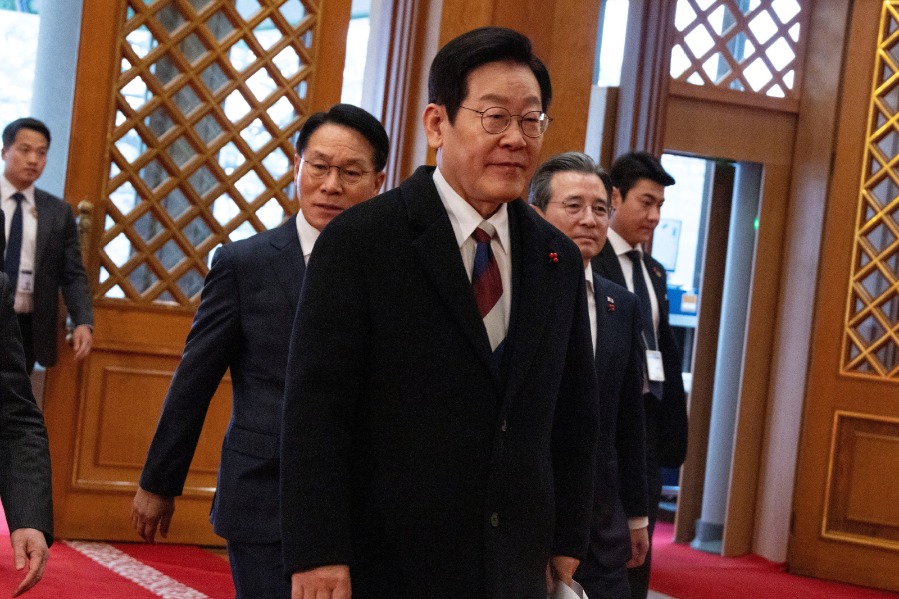
    South Korean President Lee Jae-myung is scheduled to commence a significant four-day state visit to China starting Sunday, as officially confirmed by China’s Foreign Ministry on Tuesday. The high-level diplomatic engagement marks a pivotal moment in Sino-Korean relations, with both nations poised to address critical bilateral and regional matters.

    The upcoming visit represents President Lee’s first major diplomatic overture to China since assuming office, underscoring the strategic importance both countries place on maintaining stable Northeast Asian relations. The timing of this state visit suggests potential discussions on economic cooperation, regional security dynamics, and multilateral collaboration within the evolving Asian geopolitical landscape.

    Diplomatic analysts anticipate the agenda will encompass trade relations, technological collaboration, and possibly coordination on North Korean denuclearization efforts. The four-day duration indicates substantial working sessions are planned, allowing for comprehensive dialogue between Chinese leadership and the South Korean delegation.

    This diplomatic mission occurs against the backdrop of shifting global economic patterns and increasing regional integration efforts. The visit follows recent economic forecasts suggesting widening disparities within Asia’s economic landscape, making bilateral cooperation increasingly crucial for regional stability.

    The state visit demonstrates both countries’ commitment to maintaining open communication channels despite complex international pressures and competing strategic interests. Observers will monitor the outcomes for potential impacts on regional trade architectures and security frameworks in Northeast Asia.