分类: politics

  • Venezuela’s ‘hour of freedom’ has arrived: Opposition leader Machado

    Venezuela’s ‘hour of freedom’ has arrived: Opposition leader Machado

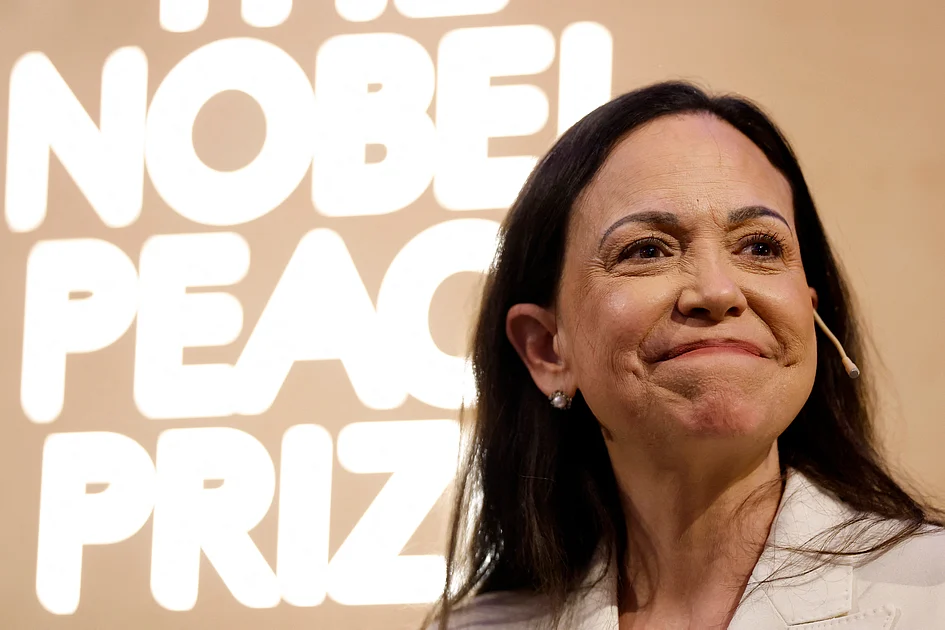
    Venezuelan opposition leader and Nobel Peace Prize laureate Maria Corina Machado has proclaimed the arrival of her nation’s ‘hour of freedom’ following a decisive US military operation targeting strongman Nicolas Maduro. The dramatic development marks a potential turning point in Venezuela’s prolonged political crisis.

    In a powerful statement issued Saturday, Machado declared that opposition candidate Edmundo Gonzalez Urrutia must immediately assume his constitutional presidential mandate. The opposition coalition maintains that Gonzalez Urrutia legitimately won the July 2024 election, despite Maduro’s disputed reelection which drove Machado into hiding for months.

    The political upheaval follows an early-morning US military strike on Caracas, prompting Machado’s triumphant social media announcement. Currently abroad at an undisclosed location after secretly traveling to Oslo in December to accept her Nobel Prize, Machado dedicated the honor to US President Donald Trump while endorsing American intervention in her homeland.

    Machado emphasized the critical need for vigilance and organization during what she termed the ‘Democratic Transition,’ stating: ‘Today we are ready to enforce our mandate and take power.’ She further demanded that Gonzalez Urrutia be ‘recognized as Commander in Chief of the National Armed Forces by all officers and soldiers.’

    The opposition leader had been barred from the 2024 presidential race by institutions loyal to Maduro, leading to Gonzalez Urrutia’s emergence as the consensus opposition candidate. While internationally praised for her democratic advocacy, Machado has faced criticism for her alignment with Trump’s administration.

    Gonzalez Urrutia echoed the historic significance of these developments, posting on social media platform X: ‘These are decisive hours, know that we are ready for the great operation of the reconstruction of our nation.’ The Nobel Committee had previously awarded Machado its peace prize specifically for ‘her struggle to achieve a just and peaceful transition from dictatorship to democracy.’
  • Trump says US will not forget about Monroe Doctrine anymore

    Trump says US will not forget about Monroe Doctrine anymore

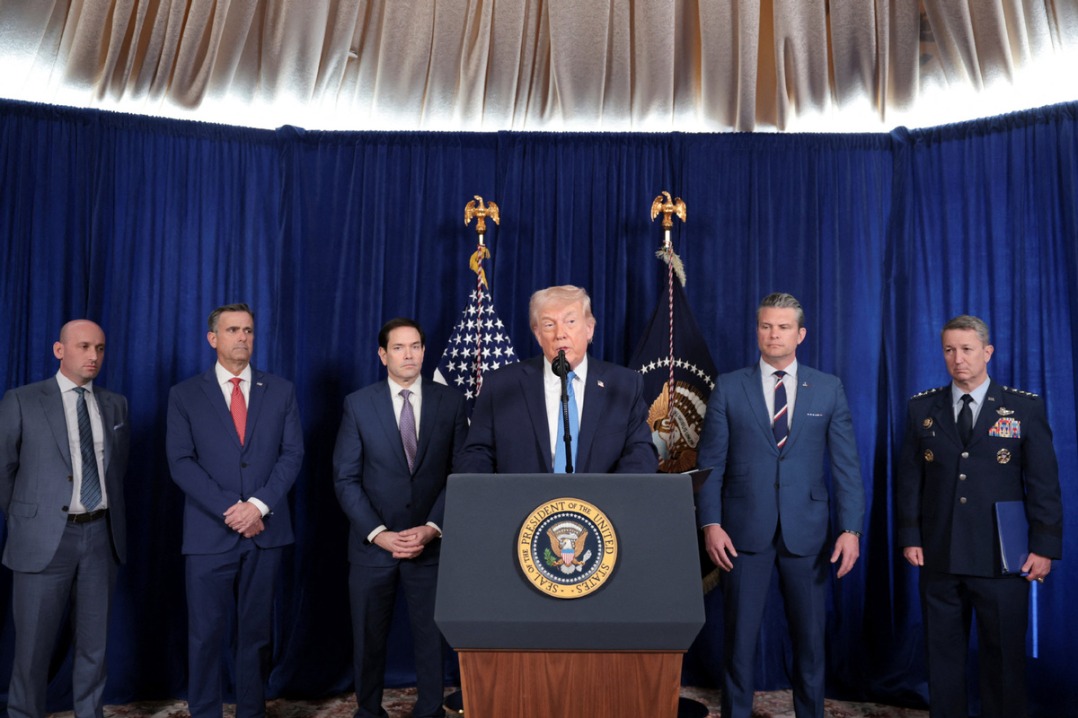
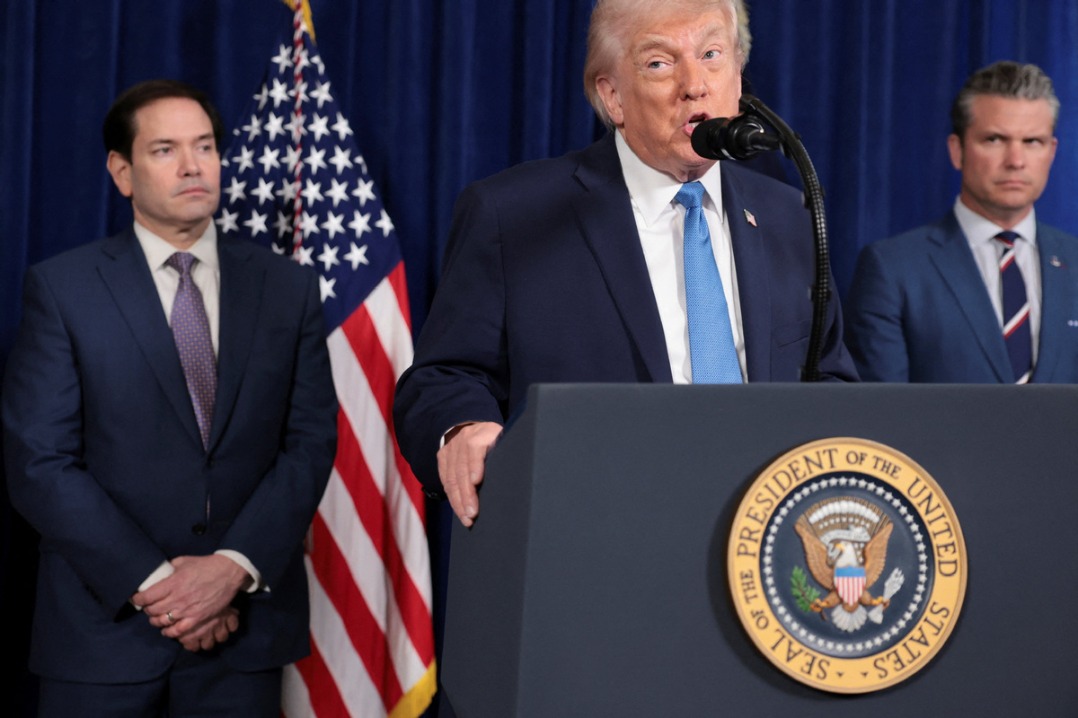
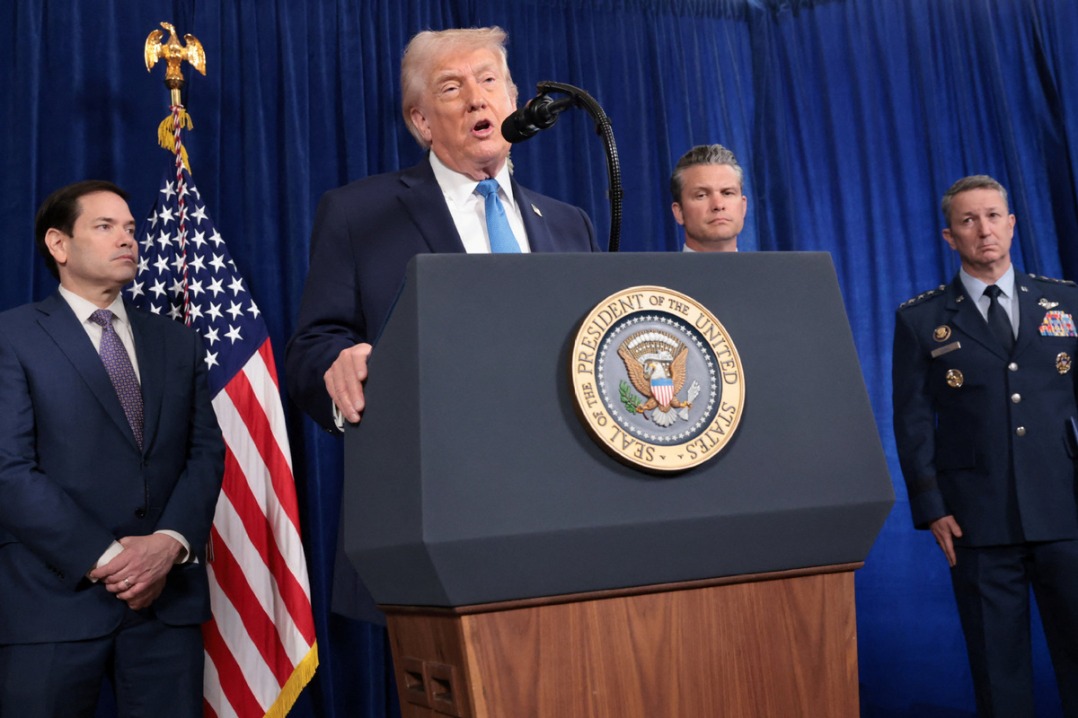
    In a significant foreign policy declaration from his Mar-a-Lago estate, President Donald Trump has emphatically reinstated the Monroe Doctrine as a cornerstone of American hemispheric policy. The announcement came during a press conference where Trump was flanked by key administration officials, including Secretary of Defense Pete Hegseth and Secretary of State Marco Rubio.

    The presidential address followed confirmed U.S. military operations against Venezuelan targets, resulting in the capture of President Nicolás Maduro and First Lady Cilia Flores. Trump characterized these actions as necessary measures to restore stability in the Western Hemisphere.

    ‘Our nation will no longer neglect the fundamental principles that have safeguarded our hemisphere for generations,’ Trump stated, referencing the 19th-century doctrine that established America’s sphere of influence in the Americas. ‘The Monroe Doctrine remains as relevant today as when it was first articulated, and this administration will vigorously uphold its principles.’

    The administration’s renewed commitment to this policy framework signals a potential shift in U.S. approach to regional affairs, emphasizing sovereign interests and strategic dominance in the Western Hemisphere. This development occurs against a backdrop of increasing geopolitical tensions and follows years of strained relations between Washington and several Latin American governments.

    Secretary Rubio reinforced the president’s message, indicating that the administration would pursue ‘all necessary diplomatic and strategic measures’ to protect American interests in the region. Defense Secretary Hegseth emphasized the military’s readiness to execute the president’s national security directives.

  • Trump says US oil companies would fix Venezuela’s infrastructure, ‘and start making money for the country’

    Trump says US oil companies would fix Venezuela’s infrastructure, ‘and start making money for the country’

    In a significant post-operation address from his Mar-a-Lago estate in Florida, former U.S. President Donald Trump outlined a prospective economic strategy for Venezuela following military actions that resulted in the capture of President Nicolás Maduro and First Lady Cilia Flores. Speaking alongside key administration figures including Secretary of Defense Pete Hegseth, Secretary of State Marco Rubio, and General Dan Caine, Chairman of the Joint Chiefs of Staff, Trump revealed his vision for Venezuela’s reconstruction.

    The central proposition involves deploying American petroleum corporations to rehabilitate Venezuela’s deteriorated energy infrastructure. Trump asserted that such collaboration would generate substantial revenue for the South American nation, stating that U.S. companies would ‘start making money for the country’ while addressing critical infrastructure deficiencies.

    This declaration comes amid a complex geopolitical landscape, with the January 3, 2026 military operation representing a dramatic escalation in longstanding tensions between Washington and Caracas. The proposal signals a potential shift from military intervention to economic partnership, suggesting an unconventional approach to foreign policy that blends corporate engagement with diplomatic objectives.

    The announcement has sparked immediate international attention, raising questions about resource sovereignty, the role of private corporations in national reconstruction, and the future of U.S.-Venezuela relations following the removal of Maduro’s administration.

  • ‘A long road ahead’: Venezuelans react to Maduro’s arrest with hope and worry

    ‘A long road ahead’: Venezuelans react to Maduro’s arrest with hope and worry

    Venezuela has been thrust into a period of profound uncertainty following the dramatic capture of President Nicolás Maduro by United States military forces. The operation, authorized by President Donald Trump and executed in Caracas early Saturday, represents a dramatic escalation in the longstanding tensions between the two nations.

    The immediate aftermath in the capital was a study in contrasts. While some citizens emerged to celebrate, expressing gratitude to the U.S. for removing a leader they view as illegitimate, staunch government loyalists mounted counter-protests. Caracas Mayor Carmen Meléndez decried the action as an outright ‘kidnapping,’ rallying supporters who demand Maduro’s immediate release.

    The U.S. justification for the unprecedented military incursion centers on accusations that Maduro presides over a ‘narco-terrorist’ regime. These claims, which Maduro has consistently denied, form the basis for his extradition to New York City to face formal drug trafficking and weapons charges. In the power vacuum, President Trump has declared the U.S. will temporarily administer the nation and manage its vast oil reserves until a permanent government can be established.

    Yet, beneath the surface of celebration for many, deep-seated fear and skepticism persist. Interviews with citizens reveal widespread apprehension about the future. Many, like a woman identified only as ‘Dina’ for her safety, express cautious hope for economic investment but profound distrust in U.S. political consistency. The threat of violence remains palpable; reports indicate armed pro-government paramilitary groups, known as colectivos, continue to patrol streets, intimidating citizens.

    The situation is further complicated by the enduring influence of powerful Maduro allies within the government structure, creating fears of internal instability. For the nearly eight million Venezuelans living in exile, Maduro’s capture is a watershed moment, though they recognize that healing the nation’s profound wounds—including addressing those who are missing, imprisoned, or dead—will be a long and arduous process.

  • ‘At last’: Venezuelans abroad celebrate Maduro ouster

    ‘At last’: Venezuelans abroad celebrate Maduro ouster

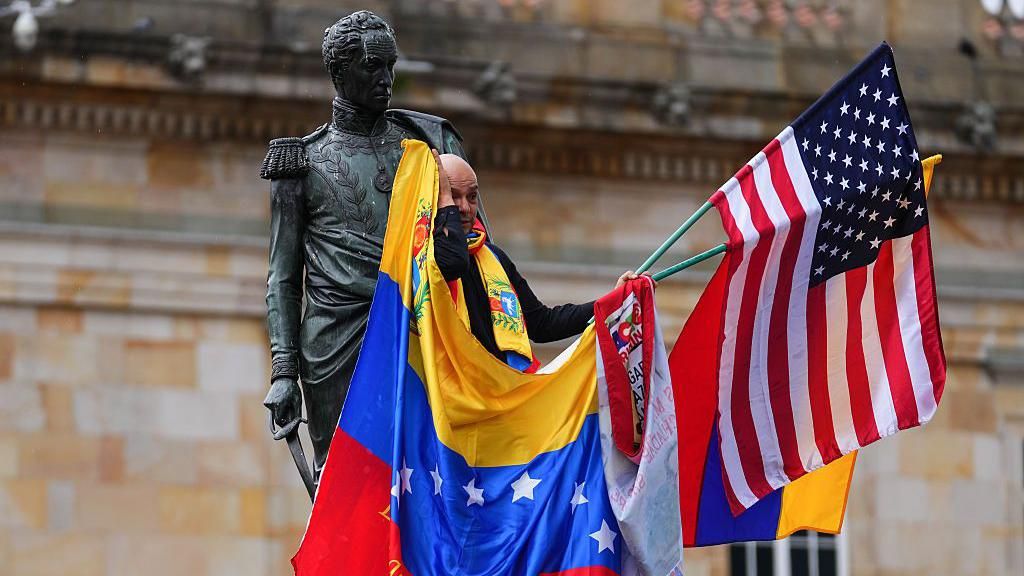
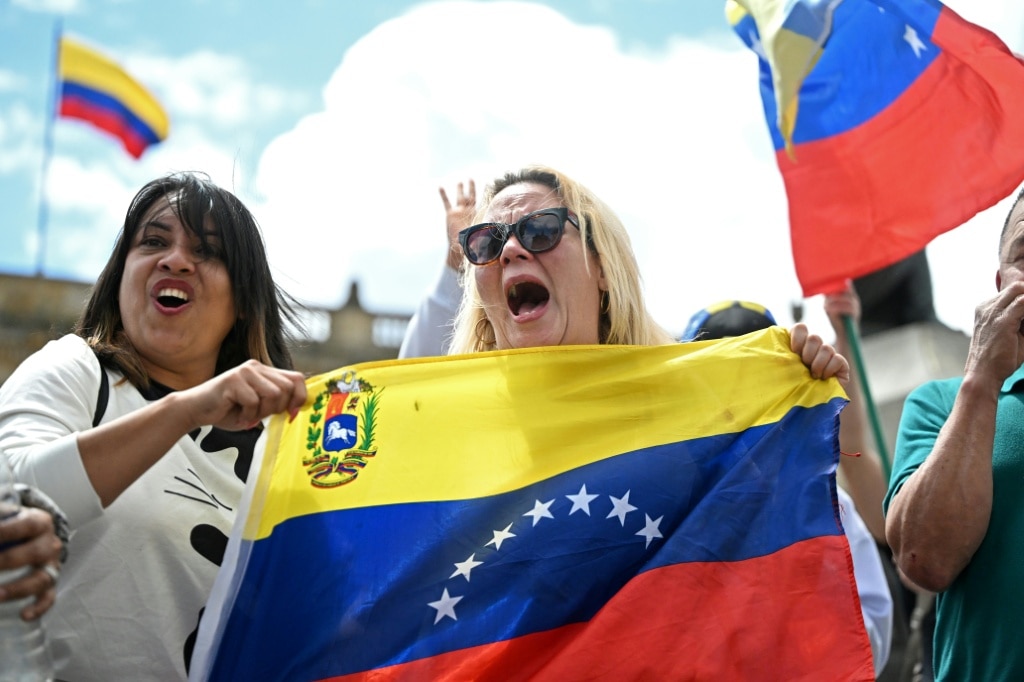
    Venezuelan expatriates across the globe erupted in emotional celebrations following the military capture of President Nicolás Maduro by United States forces. The operation, which resulted in Maduro’s extradition to New York to face drug trafficking charges, triggered massive gatherings from Santiago to Madrid as diasporic communities expressed overwhelming relief after years of economic hardship and political repression.

    In Santiago, Chile, thousands congregated in a vibrant sea of yellow, blue, and red national flags. Yurimar Rojas, a local street vendor, encapsulated the collective sentiment shouting over the cheering crowds, “At last we’ll be able to go back home!” This hope was echoed by Yasmery Gallardo, 61, who announced immediate plans to return after eight years abroad. The celebrations carried particular significance in Chile, where many Venezuelans face uncertainty under incoming far-right President José Antonio Kast’s proposed migrant deportation policies.

    Similar scenes unfolded in Miami where revelers chanted gratitude toward former US President Donald Trump, whom they credit for enabling the operation. Ana Gonzalez declared, “Today, the dreams of Venezuelans abroad came true,” while Anabela Ramos celebrated the culmination of a 27-year wait for political change.

    Madrid witnessed profound emotional displays as Pedro Marcano, 47, stated his intention to return home after 11 years, though he cautioned that clarity regarding Venezuela’s political future remained necessary. The gathering observed a moment of silence for a broadcast by opposition leader María Corina Machado, whose message of freedom moved many to tears despite US assertions questioning her capacity to lead.

    While most celebrations continued peacefully, dissenting voices emerged protesting American interventionism. Demonstrators gathered outside US embassies in Mexico City and Buenos Aires, waving anti-war banners and chanting slogans like “Out, Yankees, out!” arguing against perceived American imperialism and resource exploitation.

    The developments leave Venezuela’s political landscape in flux. While Vice President Delcy Rodríguez insisted Maduro remains the legitimate leader and promised to defend national sovereignty, the US administration has committed to overseeing transitional governance. For countless Venezuelans who fled economic collapse and humanitarian crisis, however, the events represent long-awaited justice and the potential for national healing.

  • Trump says ‘we are going to run the country’ until there is a transition

    Trump says ‘we are going to run the country’ until there is a transition

    In a significant address from his Mar-a-Lago estate in Palm Beach, Florida, former U.S. President Donald Trump declared his administration would continue to govern the nation pending an unspecified political transition. The statement was delivered during a high-profile press conference on January 3, 2026, attended by key defense and diplomatic officials including Secretary of Defense Pete Hegseth, Secretary of State Marco Rubio, and General Dan Caine, Chairman of the Joint Chiefs of Staff.

    The announcement followed confirmation of a targeted U.S. military operation in Venezuela that resulted in the capture of President Nicolás Maduro and First Lady Cilia Flores. While providing limited operational details, Trump characterized the action as a necessary measure for regional stability, flanked by his national security team in a show of unified command.

    The former president’s remarks regarding the domestic transition timeline drew immediate attention, with Trump emphasizing continuity of governance without clarifying the nature or timeframe of the anticipated transition. The presentation combined elements of national security briefing with political messaging, creating a complex narrative about both foreign intervention and domestic authority.

    International observers have noted the unusual nature of a former president claiming executive authority, while the presence of current cabinet members lent institutional credibility to the proceedings. The development occurs against a backdrop of ongoing geopolitical tensions and questions about the structure of U.S. governmental leadership.

  • Trump posted a photo of Maduro on board USS Iwo Jima

    Trump posted a photo of Maduro on board USS Iwo Jima

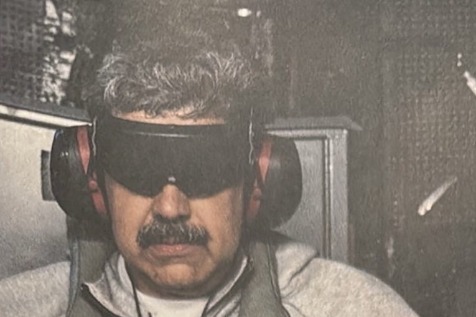
    In a development that has raised eyebrows in diplomatic circles, former U.S. President Donald Trump shared a photograph on his Truth Social platform purportedly showing Venezuelan leader Nicolás Maduro aboard the USS Iwo Jima. The amphibious assault vessel was reportedly operating in the Caribbean Sea on January 3, 2026, according to the social media post.

    The image, which appears to have been supplied by a third party, depicts Maduro in what Trump identified as being on board the American warship. The USS Iwo Jima represents one of the U.S. Navy’s significant maritime assets, typically deployed for power projection and crisis response operations throughout the Western Hemisphere.

    This unexpected visual disclosure comes amid historically strained relations between the United States and Venezuela. For years, Washington has maintained sanctions against Maduro’s government while recognizing opposition figures as legitimate leaders. The photograph’s publication through Trump’s preferred communication channel suggests either a significant shift in diplomatic positioning or a deliberate provocation in the complex geopolitical landscape of Latin American relations.

    The timing and circumstances surrounding the image remain unclear, including when it was taken and under what conditions the Venezuelan president might have been aboard the American vessel. Defense analysts are scrutinizing the possible implications for regional security dynamics and bilateral relations between the two nations.

  • South Korean president visits China following Beijing’s rising tensions with Japan over Taiwan

    South Korean president visits China following Beijing’s rising tensions with Japan over Taiwan

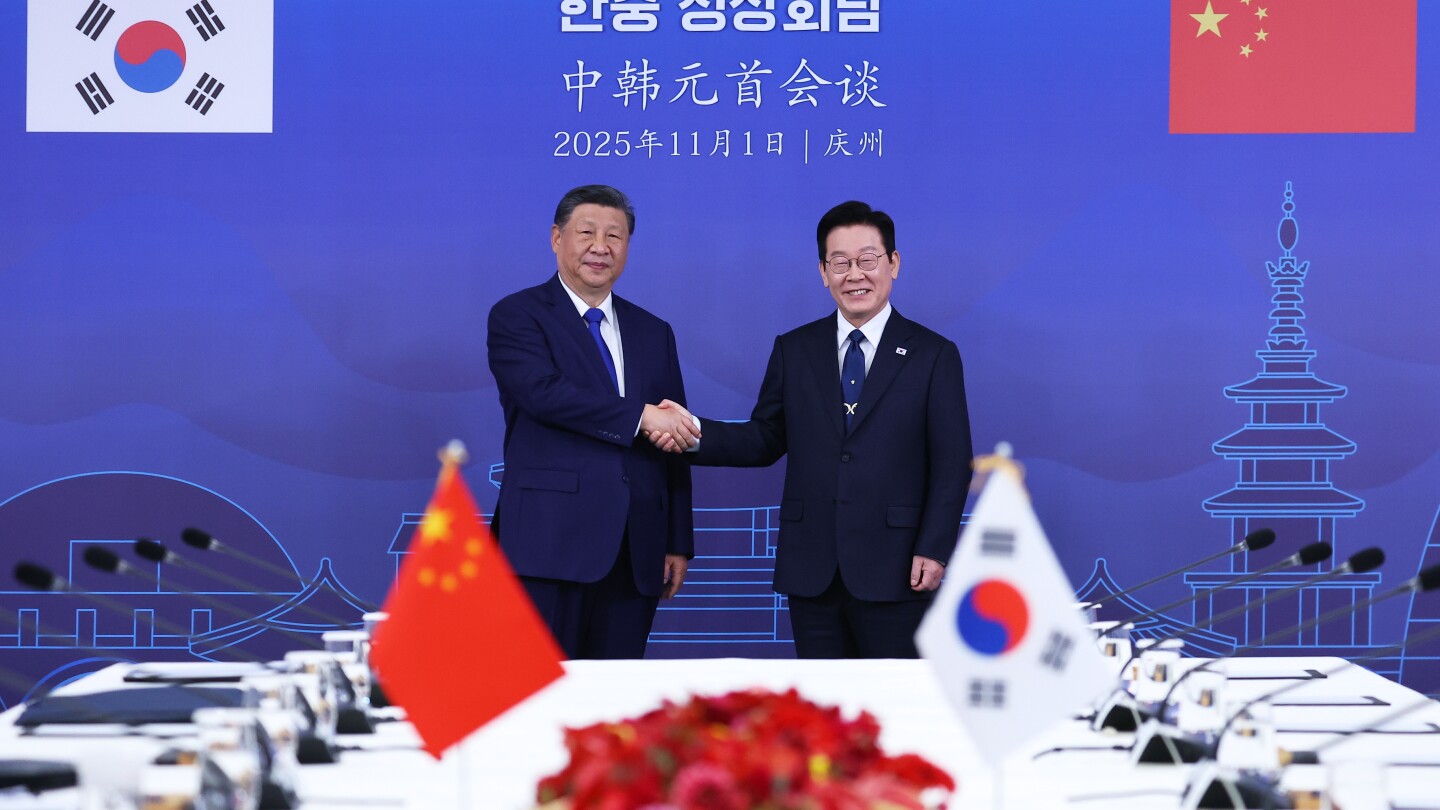
    South Korean President Lee Jae Myung commenced a pivotal four-day diplomatic mission to China on Sunday, marking his inaugural visit since assuming office in June. The carefully timed diplomatic engagement unfolds against a backdrop of escalating regional tensions, particularly concerning Taiwan and the Korean Peninsula.

    President Lee’s itinerary features a highly anticipated meeting with Chinese President Xi Jinping, representing their second bilateral summit within a two-month period. In pre-visit remarks broadcast through China’s state-owned CCTV network, President Lee articulated Seoul’s steadfast commitment to the “One-China” policy regarding Taiwan while characterizing President Xi as a “genuinely reliable neighbor.” The South Korean leader emphasized that robust bilateral relations must be founded upon mutual respect and understanding.

    The diplomatic overture occurs amidst complex geopolitical dynamics. Recent months have witnessed heightened military posturing, including China’s substantial military exercises around Taiwan and North Korea’s continued ballistic missile testing. President Lee’s administration seeks to navigate these challenges while maintaining strategic partnerships with both China and the United States.

    National Security Adviser Wi Sung-lac outlined the visit’s dual objectives: strengthening economic cooperation and addressing security concerns on the Korean Peninsula. South Korean officials will specifically request China’s constructive involvement in persuading North Korea to resume denuclearization talks and abandon its nuclear weapons program. The discussions will also explore tangible economic benefits for citizens of both nations.

    The visit follows December’s contentious U.S. arms sales to Taiwan, which prompted Chinese sanctions against American defense contractors. President Lee’s mission aims to transform historical misunderstandings into opportunities for elevated bilateral cooperation, potentially establishing a new framework for Northeast Asian security architecture.

  • UN chief deeply alarmed by escalation in Venezuela: spokesperson

    UN chief deeply alarmed by escalation in Venezuela: spokesperson

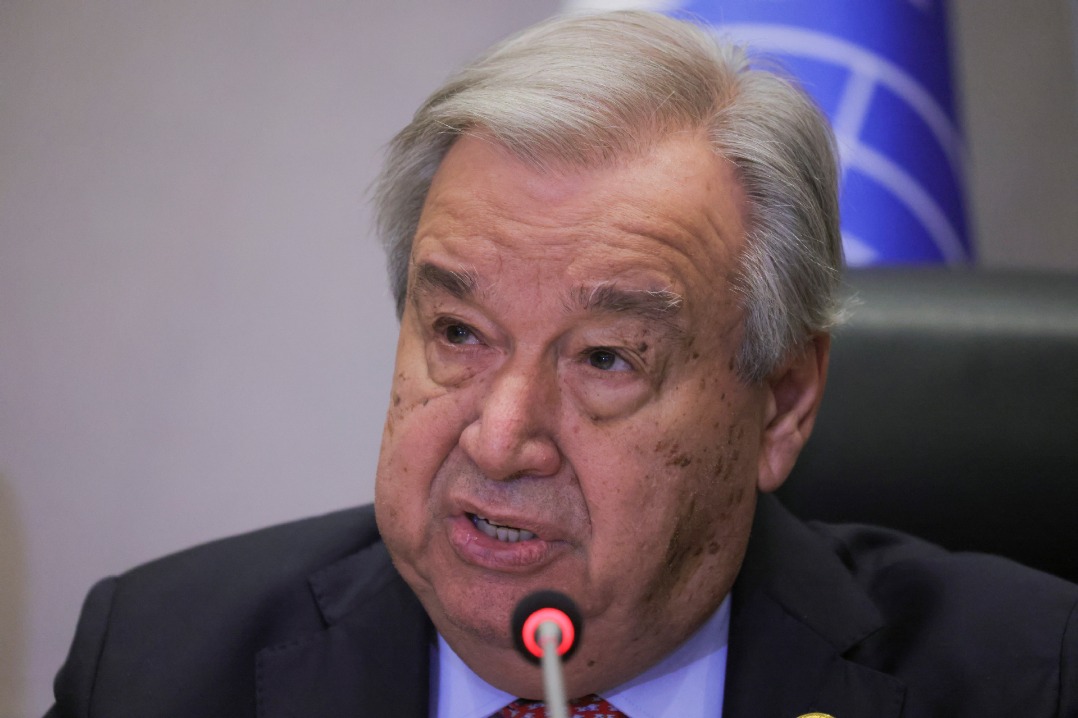
    United Nations Secretary-General Antonio Guterres has voiced profound alarm regarding the rapidly deteriorating situation in Venezuela, particularly following Saturday’s military intervention by United States forces. Through an official statement delivered by spokesperson Stephane Dujarric, the UN chief characterized these developments as establishing a “dangerous precedent” with potentially severe regional implications.

    Guterres emphasized the critical necessity for universal adherence to international legal frameworks, including the foundational principles outlined in the UN Charter. The Secretary-General’s statement highlighted his deep consternation that established international law protocols appear to have been disregarded during these recent escalations.

    Beyond expressing concern about the breach of international norms, the UN leadership has issued a direct appeal for all Venezuelan stakeholders to initiate comprehensive dialogue processes. This diplomatic engagement must occur with absolute respect for human rights protections and the fundamental tenets of the rule of law. The statement implicitly acknowledges the complex internal situation in Venezuela while maintaining that external military actions create worrying precedents that transcend the specific circumstances within the South American nation.

    The UN’s position reflects growing international apprehension about the potential for regional destabilization and the erosion of established international governance structures that have maintained global order since the Second World War.

  • Venezuela requests UN Security Council emergency meeting over US action

    Venezuela requests UN Security Council emergency meeting over US action

    Venezuela has formally requested an emergency session of the United Nations Security Council following confirmed US military operations within its territory. The nation’s permanent UN mission issued an official statement on January 3rd urging the Council president to convene immediately to address what Caracas describes as a violation of international law and national sovereignty.

    The diplomatic move comes amid heightened tensions as Venezuelan Vice-President Delcy Rodríguez appeared on national television to announce that the government has lost contact with President Nicolás Maduro and First Lady Cilia Flores. Rodríguez demanded proof of life for both leaders and accused US forces of causing civilian and military casualties during operations in Caracas and multiple states.

    US President Donald Trump previously confirmed the execution of a large-scale military strike targeting Venezuela, including the capture of President Maduro. Venezuelan authorities characterize the operation as an unlawful incursion that has disrupted regional peace and resulted in unnecessary loss of life. The request for UN intervention invokes the foundational principles of the UN Charter regarding national sovereignty and non-aggression.