分类: politics

  • Maduro arrives in US after stunning capture in operation that Trump says will let US ‘run’ Venezuela

    Maduro arrives in US after stunning capture in operation that Trump says will let US ‘run’ Venezuela

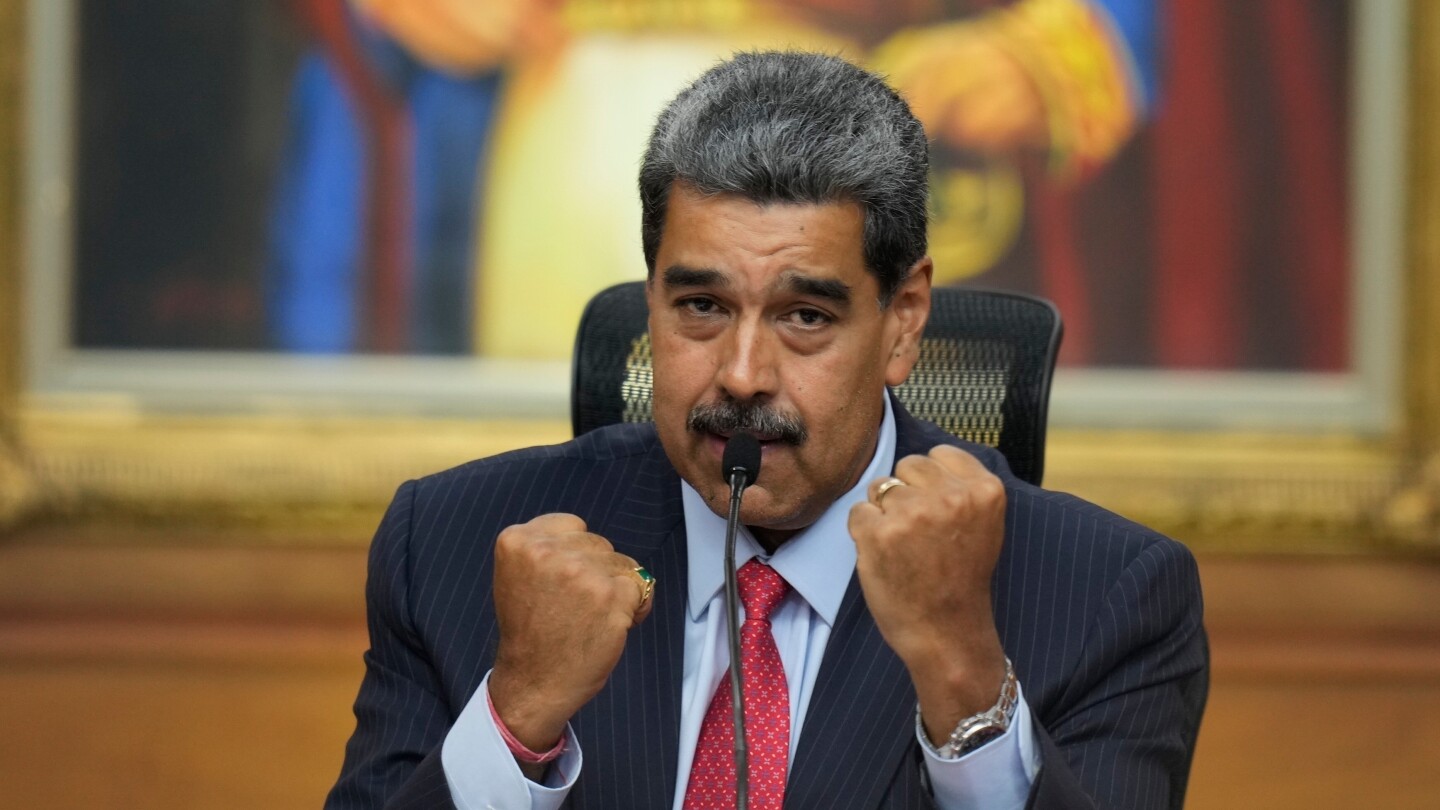
    In an unprecedented military operation conducted under darkness, former Venezuelan President Nicolás Maduro has been apprehended by U.S. forces and transported to New York to confront narco-terrorism conspiracy charges. The dramatic extraction from his Caracas military compound residence occurred early Saturday, marking the most assertive American action toward regime change since the 2003 Iraq invasion.

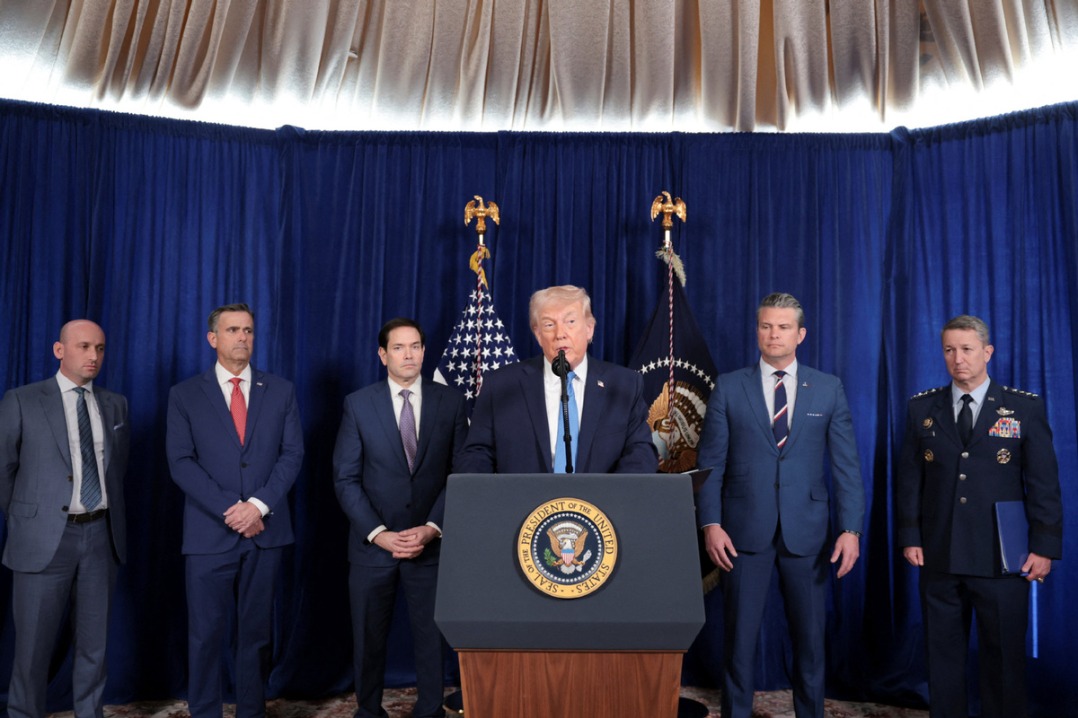
    President Donald Trump characterized the mission as “extremely successful” during a Mar-a-Lago press conference, outlining intentions for the U.S. to temporarily administer Venezuela while facilitating a “safe, proper and judicious transition.” Trump revealed plans to revitalize Venezuela’s crippled oil infrastructure and export substantial petroleum volumes to international markets.

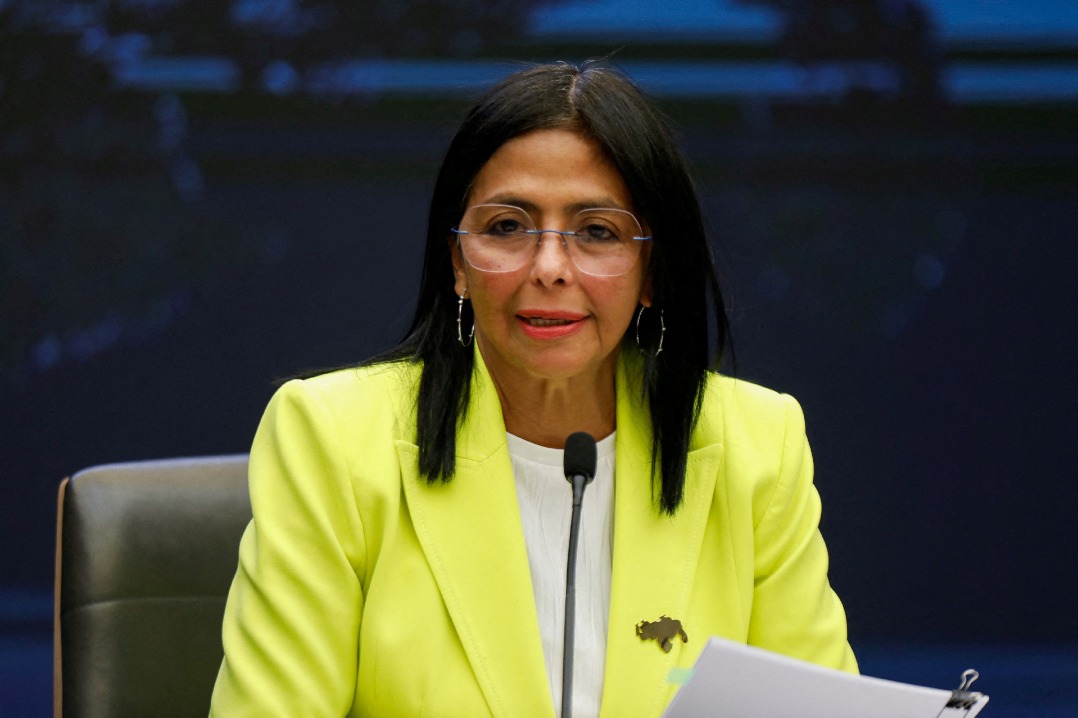
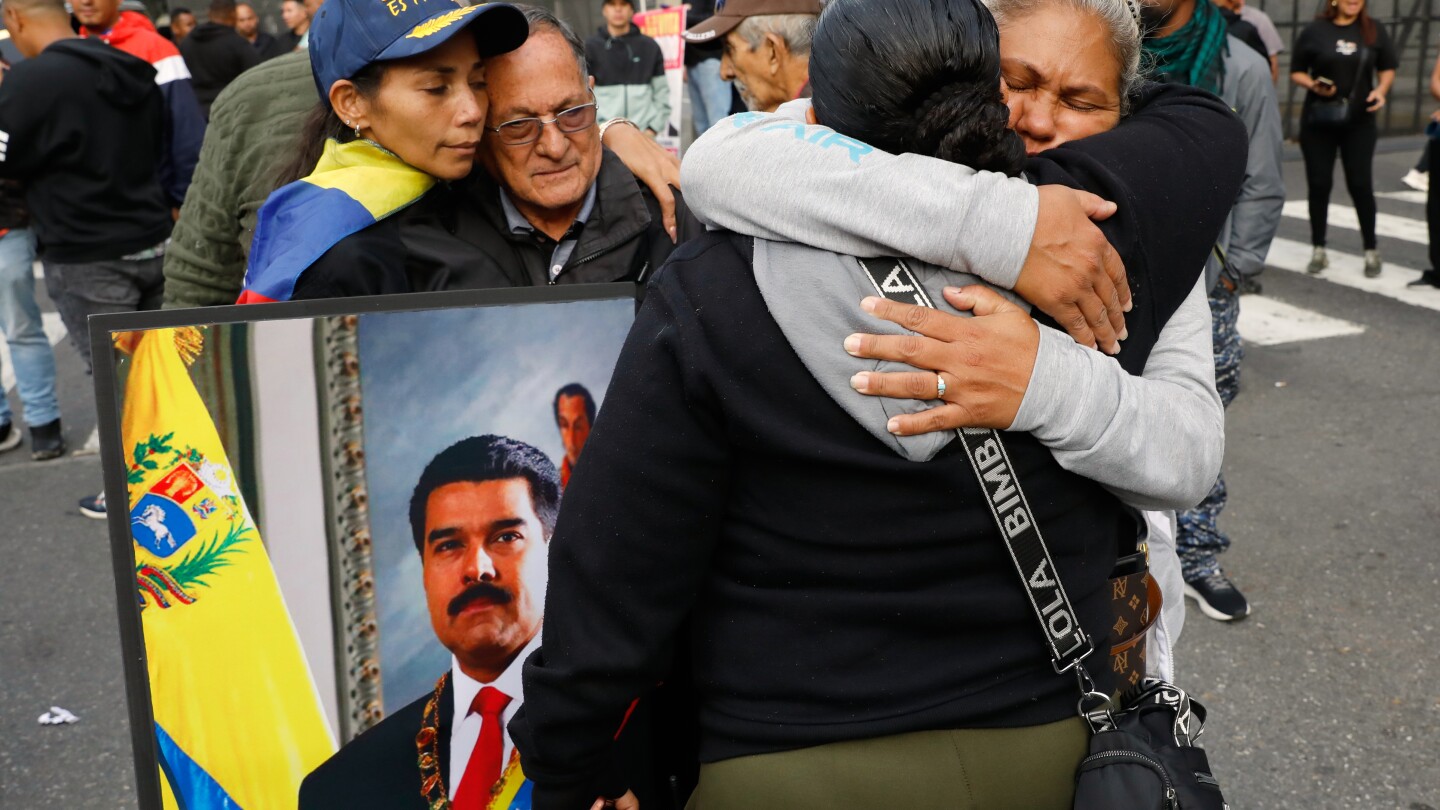
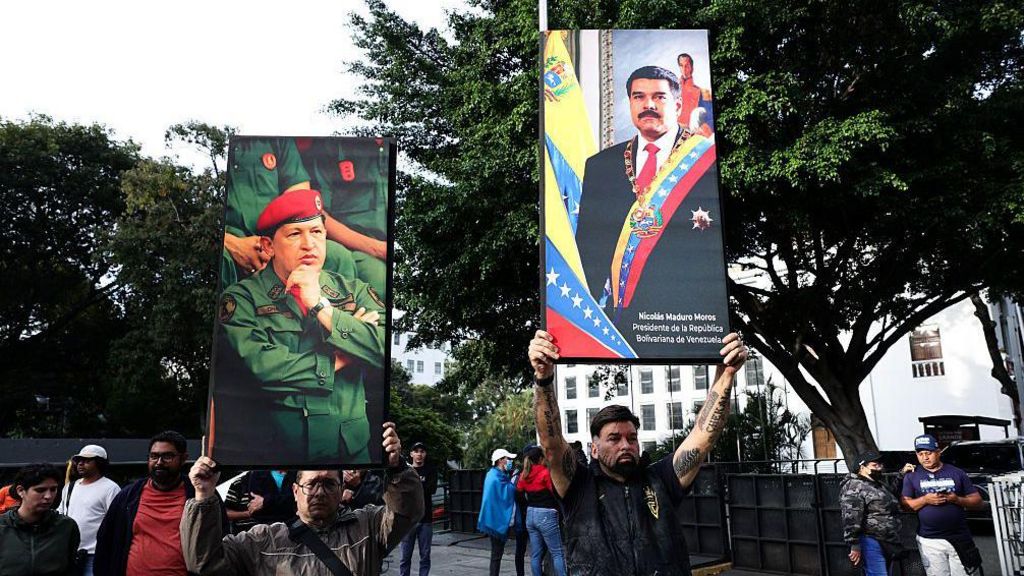
    The operation triggered immediate political upheaval within Venezuela. The nation’s high court designated Vice President Delcy Rodríguez as interim leader, though she emphatically refused to acknowledge this transition, asserting “There is only one president in Venezuela, and his name is Nicolás Maduro Moros.” Venezuelan state media condemned the extraction as an “imperialist attack,” prompting both pro-Maduro demonstrations and celebratory gatherings among opposing factions.

    Legal authorities internationally have raised profound concerns regarding the operation’s legitimacy. Questions emerged about potential violations of international law, particularly since Congress never authorized military force against Venezuela. The UN Security Council scheduled an emergency session to address the escalating situation following Colombia’s formal request.

    Casualties were reported on both sides during the operation, with Venezuelan officials confirming civilian and military fatalities, while U.S. forces sustained injuries without fatalities. The operation culminated years of escalating tension between the nations, including recent CIA drone strikes targeting alleged Venezuelan drug trafficking operations.

    The capture represents a critical juncture in Venezuela’s political trajectory, which has been dominated by Maduro’s party since Hugo Chávez’s 1999 election. Maduro’s controversial 2018 reelection was widely disputed by international observers and opposition groups who documented substantial evidence of electoral manipulation.
  • Captured Maduro, wife arrive in New York by plane

    Captured Maduro, wife arrive in New York by plane

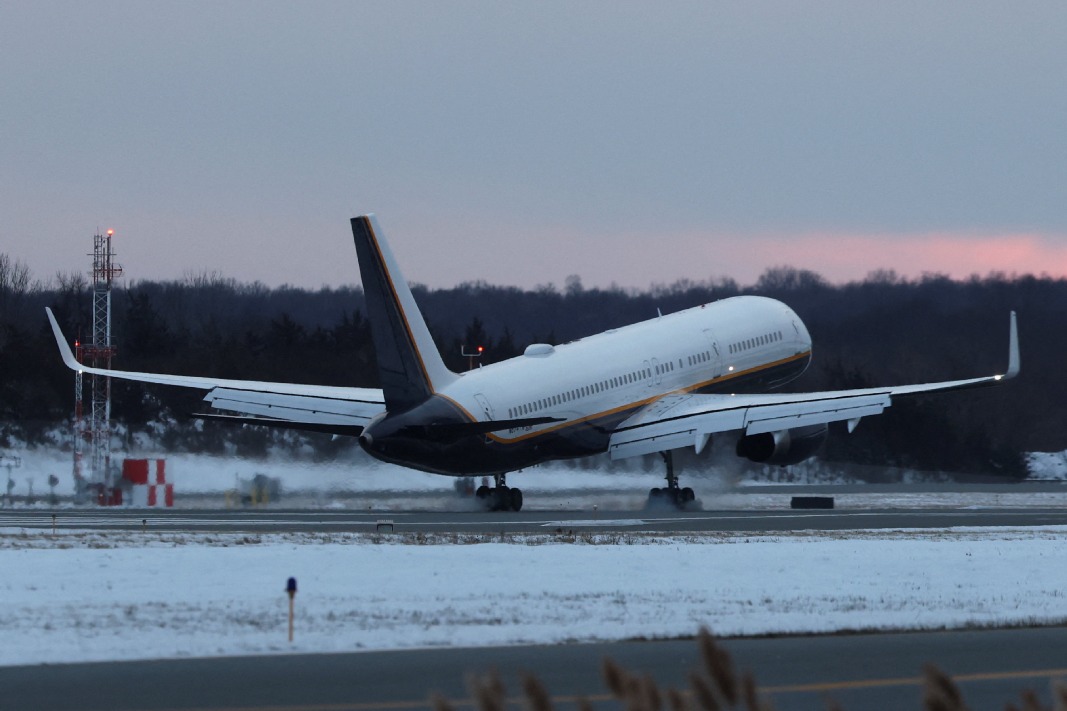
    Venezuelan President Nicolás Maduro and First Lady Cilia Flores have arrived at a military installation in New York following their apprehension during a significant military operation conducted by United States forces in Venezuela. The controversial capture occurred in the early hours of Saturday morning, marking a dramatic escalation in the ongoing political tensions between Washington and Caracas.

    According to verified reports from multiple media outlets, the presidential aircraft touched down at Stewart Air National Guard Base in Newburgh, New York, on January 3, 2026. The arrival precedes their scheduled appearance at the Manhattan federal court system, though specific charges remain undisclosed at this time.

    The Venezuelan government has responded with vehement opposition to the extraordinary military action. Vice-President Delcy Rodríguez, speaking during an emergency session of the National Defense Council broadcast nationally on state television, formally demanded the “immediate release” of both President Maduro and the First Lady. The broadcast emphasized the administration’s position that the capture represents a violation of international law and Venezuelan sovereignty.

    This development occurs against the backdrop of increasingly strained diplomatic relations between the United States and Venezuela, which have deteriorated significantly over recent years due to political differences, sanctions, and allegations of authoritarian governance. The military intervention to apprehend a sitting head of state establishes an unprecedented chapter in Western Hemisphere relations, with potential implications for international diplomacy norms.

    Security analysts suggest the operation likely required extensive planning and intelligence coordination, though official details regarding the execution remain classified. International observers are monitoring reactions from global powers and regional partners throughout Latin America, with many anticipating strong responses from nations traditionally aligned with Venezuela’s government.

  • ‘Deeply shocked’: World leaders react to US attack on Venezuela

    ‘Deeply shocked’: World leaders react to US attack on Venezuela

    International reactions have sharply diverged following the unprecedented U.S. military operation that resulted in the capture of Venezuelan President Nicolás Maduro and his wife on Saturday. The detained leader, now facing drug trafficking charges in New York, has become the focal point of a geopolitical storm that pits Western powers against traditional allies of Venezuela.

    President Donald Trump’s administration has asserted its intention to temporarily govern the South American nation, stating the U.S. will “run Venezuela until we can do a safe, proper and judicious transition.” This declaration has ignited fierce debate about sovereignty and international law.

    Traditional Western allies exhibited measured support for the operation. UK Prime Minister Keir Starmer notably declined to condemn the military action, stating his government would “shed no tears” for Maduro’s regime while emphasizing the need to establish all facts. The European Union, through top diplomat Kaja Kallas, reiterated its position that Maduro lacks legitimacy while calling for peaceful transition and respect for international law.

    Conversely, a coalition of nations including Russia, China, Iran, and numerous Latin American countries issued strong condemnations. Chinese officials expressed being “deeply shocked” by the use of force against a sovereign nation, while Russia characterized the operation as “an act of armed aggression.” Regional leaders including Brazil’s President Lula da Silva, Colombian President Gustavo Petro, and Chilean President Gabriel Boric uniformly denounced the intervention as a violation of international law that threatens regional stability.

    The United Nations expressed profound concern, with Secretary-General Antonio Guterres warning through a spokesperson that the operation sets a “dangerous precedent” by disregarding established international rules. Domestically, Senate Minority Leader Chuck Schumer criticized the action as reckless despite acknowledging Maduro’s illegitimate status.

    Amid the diplomatic turmoil, Venezuela’s Interior Minister Diosdado Cabello has urged citizens to remain calm and trust the country’s leadership and military, while opposition figures and some international leaders have begun discussing transition possibilities.

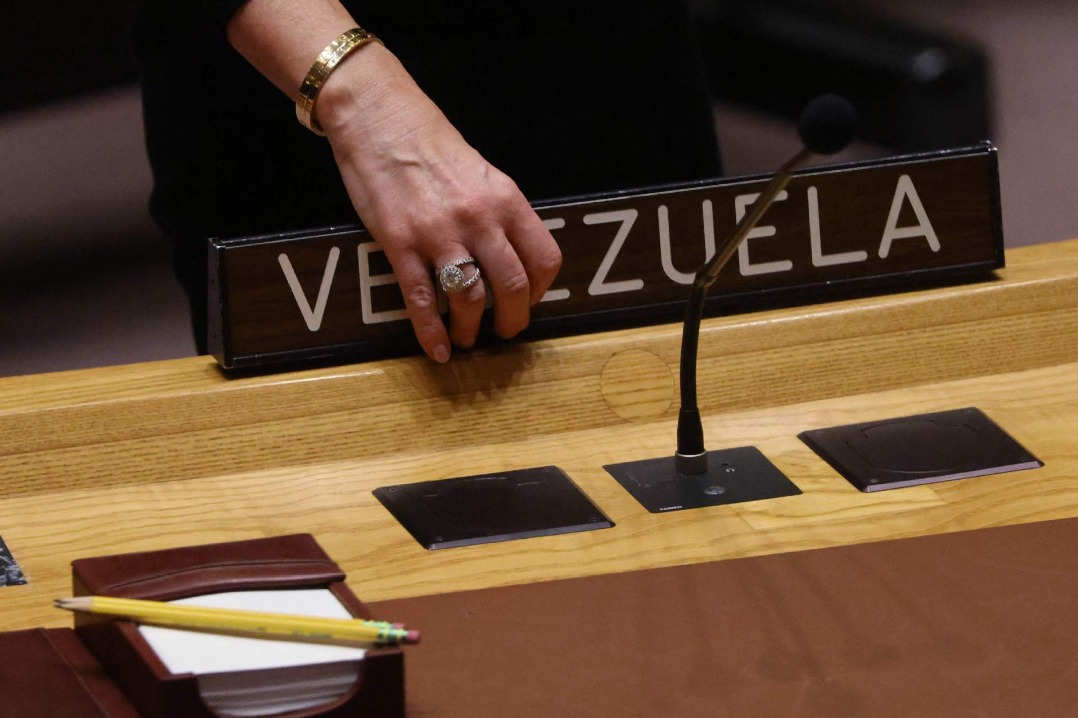
  • UN Security Council to hold emergency meeting on Venezuela on Monday

    UN Security Council to hold emergency meeting on Venezuela on Monday

    The United Nations Security Council has scheduled an urgent meeting for Monday morning to address the rapidly developing situation in Venezuela following a military operation conducted by the United States. According to an official statement from the council’s presidency, the emergency session will commence at 10:00 AM Eastern Time (1500 GMT) at UN headquarters in New York.

    Khadija Ahmed, spokesperson for the Somali Permanent Mission to the United Nations, confirmed the meeting arrangements. Somalia currently holds the rotating presidency of the Security Council for January 2026, placing the East African nation at the center of diplomatic efforts regarding this international crisis.

    The emergency session was prompted by Saturday’s dramatic developments in Caracas, where US forces successfully captured Venezuelan President Nicolás Maduro and his wife. This operation represents a significant escalation in the long-standing political confrontation between Washington and the Maduro administration, which the United States and several other nations have consistently refused to recognize as Venezuela’s legitimate government.

    The upcoming Security Council meeting is expected to feature heated debates among the fifteen member states, particularly between the United States and its allies and those nations that have maintained diplomatic relations with Maduro’s government. The discussion will likely focus on the legality of the military intervention, its implications for international norms regarding sovereignty, and the potential consequences for regional stability in Latin America.

    This extraordinary session marks one of the first major international diplomatic responses to the operation and could set the tone for how the global community addresses similar situations in the future. The outcome of Monday’s meeting may influence subsequent actions by regional organizations including the Organization of American States and could determine the political trajectory of Venezuela’s leadership crisis.

  • How cocaine and corruption led to the indictment of Maduro

    How cocaine and corruption led to the indictment of Maduro

    In a dramatic escalation of international legal pressure, Venezuelan President Nicolás Maduro and his wife Cilia Flores were apprehended during a surprise military operation in Venezuela early Saturday. The capture sets the stage for a landmark judicial proceeding in Manhattan federal court against the leader of the oil-rich South American nation.

    The U.S. Justice Department has unsealed a comprehensive indictment portraying Maduro’s government as a “corrupt, illegitimate regime” sustained by an elaborate drug-trafficking network that allegedly flooded American cities with thousands of tons of cocaine. The document charges Maduro with four serious offenses: narco-terrorism conspiracy, cocaine importation conspiracy, possession of machine guns and destructive devices, and conspiracy to possess such weapons.

    According to the indictment, Maduro systematically collaborated with “some of the most violent and prolific drug traffickers and narco-terrorists in the world,” including Mexico’s Sinaloa Cartel and the Tren de Aragua criminal organization. The Venezuelan government allegedly provided law enforcement protection and logistical support to cartels moving drugs throughout the region, resulting in approximately 250 tons of cocaine trafficked through Venezuela annually by 2020.

    The court documents further accuse Maduro and his wife of ordering kidnappings, beatings, and murders against those who interfered with their drug operations or owed them money. Flores faces additional allegations of accepting hundreds of thousands of dollars in bribes to facilitate meetings between drug traffickers and Venezuelan anti-drug officials.

    The operation to capture Maduro was characterized by U.S. officials as a “law enforcement function” conducted at the request of the Justice Department. Attorney General Pam Bondi declared that Maduro and his wife “will soon face the full wrath of American justice on American soil in American courts.” Maduro is currently being held at a federal detention facility in Brooklyn awaiting trial, with video evidence showing him smiling while escorted by DEA agents in New York.

    This prosecution builds upon earlier charges brought against Maduro in 2020 during the Trump administration, with the new indictment adding charges against his wife. The case represents one of the most significant attempts to prosecute a sitting head of state on U.S. soil for international drug trafficking offenses.

  • Trump says US will take temporary control of Venezuela

    Trump says US will take temporary control of Venezuela

    In a dramatic escalation of hemispheric tensions, President Donald Trump has announced the United States will establish temporary administrative control over Venezuela following a military operation that resulted in the capture of President Nicolás Maduro and his wife. The unprecedented declaration came during a press conference at Trump’s Mar-a-Lago resort in Florida on January 3, 2026, flanked by top defense and diplomatic officials.

    Trump asserted that American oversight would continue until a ‘safe, proper and judicious transition’ could be implemented, explicitly not ruling out the deployment of ground troops during this interim period. The president characterized the operation as remarkably successful, suggesting additional military action might be unnecessary while simultaneously warning of readiness to escalate if required.

    The administration’s financial justification drew immediate attention, with Trump claiming the intervention ‘won’t cost us a penny’ due to anticipated reimbursement from Venezuela’s substantial oil reserves. He further outlined plans for American energy companies to reconstruct the nation’s damaged infrastructure under US supervision.

    This unilateral action triggered swift international condemnation. United Nations Secretary-General António Guterres expressed deep alarm through spokesperson Stéphane Dujarric, warning the operation established ‘a dangerous precedent’ that violated fundamental principles of international law and the UN Charter.

    Global reactions mounted rapidly. Spain’s Prime Minister Pedro Sánchez declared his nation would not recognize an intervention that ‘violates international law and pushes the region toward uncertainty and belligerence.’ Venezuela and Colombia formally requested an emergency meeting of the UN Security Council, with Venezuelan Ambassador Samuel Moncada denouncing the operation as a ‘deadly and treacherous military attack’ against a peaceful nation.

    China voiced profound shock and strong condemnation, characterizing US actions as hegemonic acts that seriously violate international law and Venezuelan sovereignty. Russia demanded Maduro’s immediate release and urged Washington to reconsider its position, emphasizing dialogue as the proper mechanism for conflict resolution.

    France’s Foreign Minister Jean-Noël Barrot joined the criticism, stating that ‘no lasting political solution can be imposed from outside’ and that only sovereign people can determine their future. Legal experts from Chatham House reinforced these concerns, noting the operation collided with the UN Charter’s baseline prohibition on using force as national policy without either Security Council authorization or circumstances of self-defense against armed attack.

  • Myanmar’s military government releases more than 6,100 prisoners on independence anniversary

    Myanmar’s military government releases more than 6,100 prisoners on independence anniversary

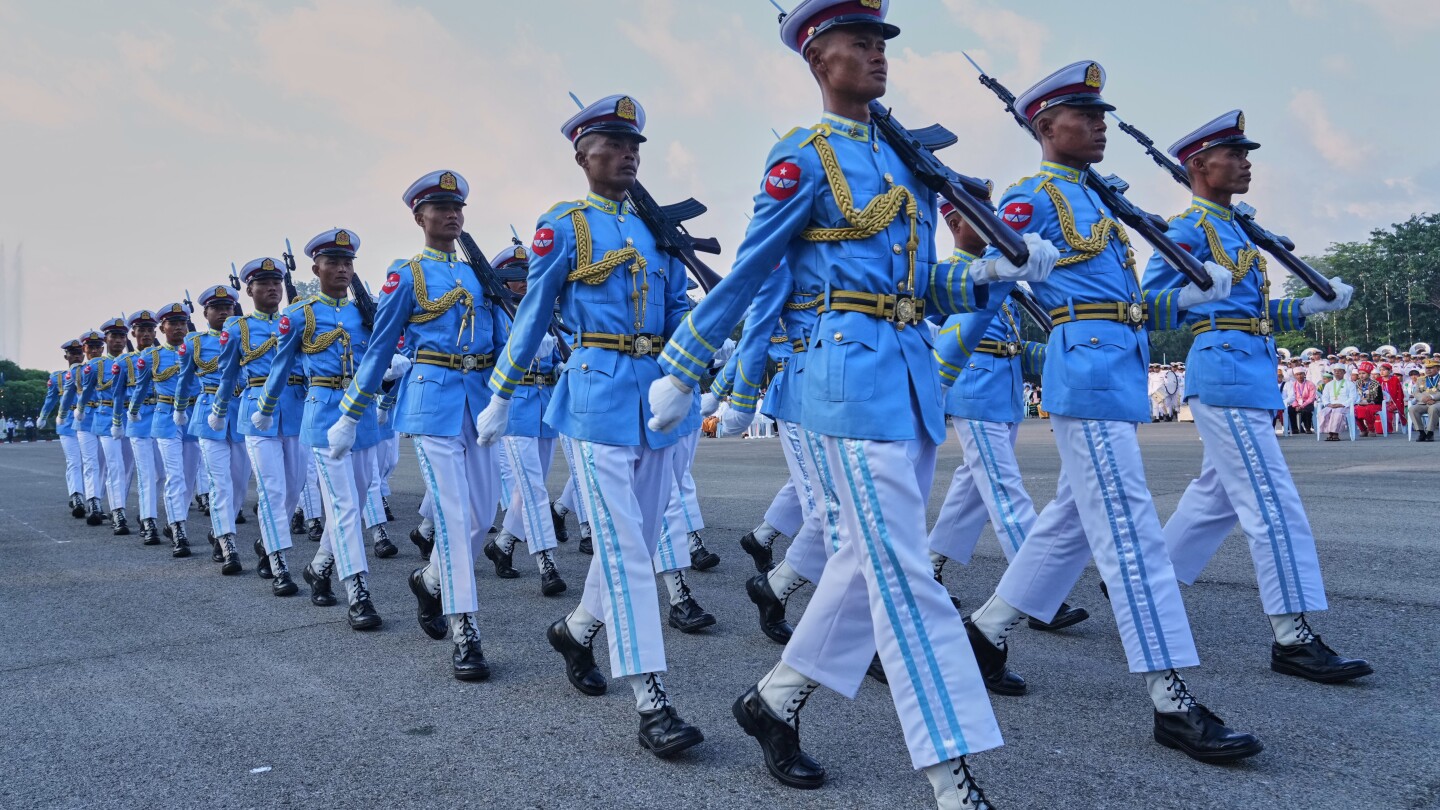
    BANGKOK — Myanmar’s military regime has authorized the release of over 6,100 prisoners while simultaneously reducing sentences for numerous others in observance of the nation’s 78th Independence Day anniversary. The mass clemency, announced through state-controlled broadcaster MRTV, was enacted under the directive of Senior General Min Aung Hlaing, the country’s current military leader.

    Despite the extensive prisoner release, authorities have not disclosed whether any political detainees were included in the amnesty. The move coincides with the military government’s ongoing three-stage electoral proceedings, which international critics have denounced as a calculated effort to manufacture legitimacy for the current regime.

    Official statements confirm that 52 foreign nationals will be deported following their release, though no comprehensive roster of freed individuals has been made public. The pardon excludes individuals convicted of severe criminal offenses including homicide and sexual assault, as well as those detained under various national security statutes.

    A stringent condition accompanies the releases: any re-offenders will be required to serve their original sentence remainder in addition to new penalties. Prisoner releases commenced Sunday and are anticipated to span several days for full implementation.

    At Yangon’s notorious Insein Prison—historically used for housing political dissidents—families gathered expectantly outside facility gates. However, there was no indication that the amnesty would include Nobel laureate Aung San Suu Kyi, who remains imprisoned under a 27-year sentence following what her supporters characterize as politically motivated prosecutions.

    According to data from the Assistance Association for Political Prisoners, an independent monitoring organization, Myanmar currently detains over 22,000 political prisoners as of last Tuesday. Many face charges of ‘incitement’—a broadly interpreted offense frequently employed against government critics, carrying penalties of up to three years imprisonment.

    The prisoner release occurs against the backdrop of intensifying armed resistance movements that emerged following the 2021 military coup, which abruptly terminated Myanmar’s brief democratic experiment.

  • Trump posts photo of handcuffed, blindfolded Venezuelan President Maduro

    Trump posts photo of handcuffed, blindfolded Venezuelan President Maduro

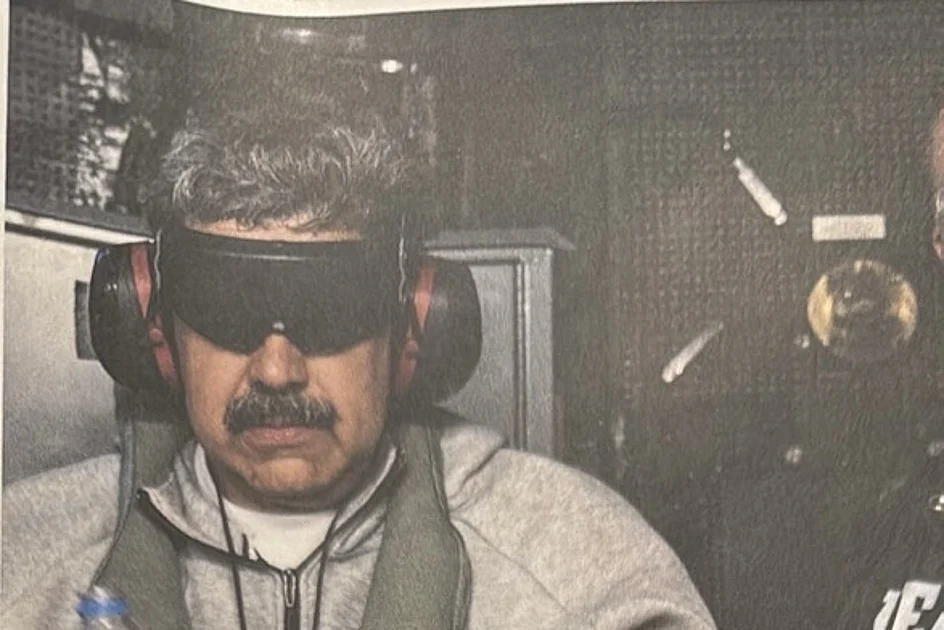
    In a highly provocative move, former U.S. President Donald Trump publicly shared an image depicting captured Venezuelan President Nicolás Maduro aboard the USS Iwo Jima. The photograph, disseminated via Trump’s Truth Social platform on Saturday, January 3, 2026, shows the detained leader blindfolded, wearing headphones and dark glasses, and dressed in casual sweats while holding a water bottle, with his hands apparently restrained.

    This digital disclosure occurred moments after Venezuelan Vice President Delcy Rodríguez formally demanded verifiable proof that Maduro and his wife remained alive following their capture during a U.S. military operation. The post preceded a scheduled press briefing by Trump, which commenced approximately thirty minutes behind its announced 8:00 PM UAE time slot.

    Earlier confirmations via Fox News interviews revealed that Maduro and First Lady Cilia Flores were indeed detained during overnight operations and are currently being transported to New York aboard the naval vessel. Attorney General Pam Bondi substantiated that the couple will face formal charges in the Southern District of New York upon arrival.

    Trump elaborated on the complexity of the capture operation, describing Maduro’s residence as a heavily fortified ‘fortress.’ In a revealing detail, he noted that U.S. forces constructed an exact replica of the Venezuelan presidential residence—complete with identical security features and vaults—to meticulously plan and execute the high-stakes mission.

  • Shock, disbelief in bombed Venezuelan port

    Shock, disbelief in bombed Venezuelan port

    Twelve hours following a clandestine United States military operation targeting Venezuelan leadership, the port city of La Guaira north of Caracas remained shrouded in smoke, its infrastructure scarred by precision airstrikes. The mission, designed to apprehend and extract President Nicolás Maduro from his stronghold, represents an unprecedented escalation in the protracted geopolitical standoff between Washington and Caracas.

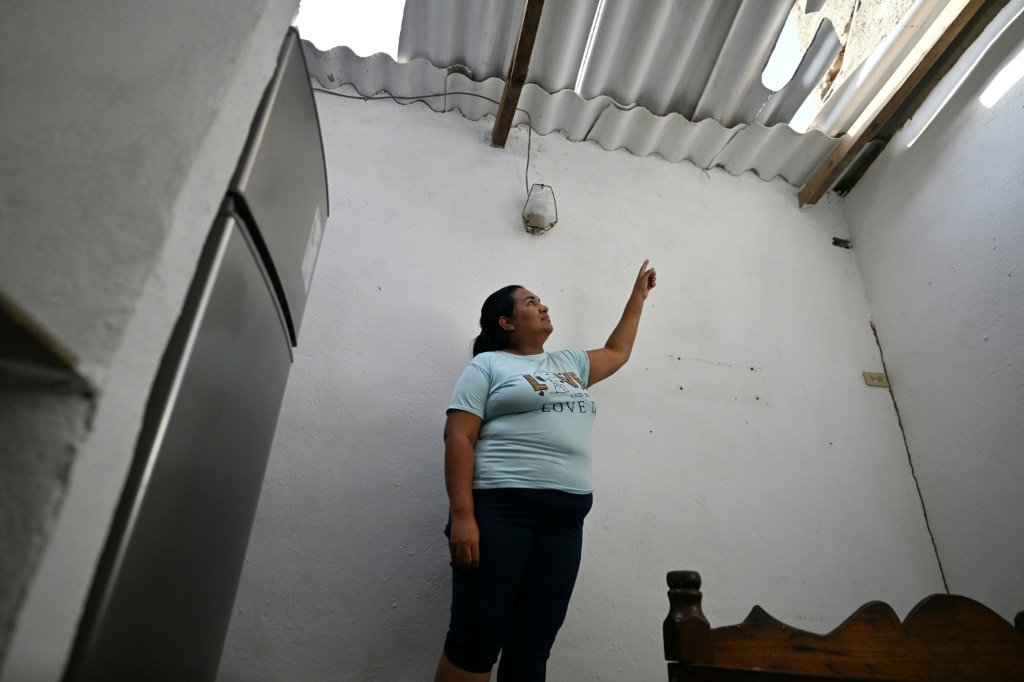
    Eyewitness accounts describe scenes of devastation and collective trauma. Alpidio Lovera, a 47-year-old resident, recounted the terrifying sequence of events: “First we saw the flash and then the explosion,” prompting him to flee with his pregnant wife to higher ground. The force of the strikes deformed shipping containers, blew out windows of public buildings, and ripped roofs from residential houses, though official reports noted no casualties in the area.

    The psychological impact on residents was profound. Linda Unamuno, 39, broke into sobs describing how the blast destroyed her roof, initially mistaking the attack for another natural disaster reminiscent of the catastrophic 1999 landslide that claimed thousands of lives. “I saw the fire from the airstrikes. It was traumatizing,” she stated, adding she “wished it on no-one.”

    While US President Donald Trump publicly confirmed Maduro’s capture with an image of the handcuffed and blindfolded leader aboard a US warship, skepticism persists among segments of the Venezuelan population. Pensioner Alirio Elista, 68, whose water tank was damaged in the strikes, dismissed the news as “fake” and criticized those celebrating the intervention. His weekly pension of under half a dollar “doesn’t pay for anything,” he complained, highlighting the desperate economic conditions that have plagued the country under Maduro’s rule.

    The operation culminates years of US sanctions and alleged coup plots against Maduro, whose administration presided over rampant inflation and critical shortages of fuel, medicine, and basic foodstuffs despite Venezuela possessing the world’s largest proven oil reserves. Trump’s vision of US oil companies revitalizing Venezuela’s crumbling infrastructure contrasts sharply with local expectations of a long recovery. As Elista predicted: “We’ll need at least 15 years to get back to where we were.”

  • Venezuelan political figures condemn US aggression

    Venezuelan political figures condemn US aggression

    Senior Venezuelan officials have issued forceful condemnations of what they characterize as an unprovoked US military aggression against sovereign territory. The coordinated statements emerged on Saturday following reported attacks on multiple locations including the capital Caracas and surrounding states.

    Vice President Delcy Rodriguez, appearing on state television, revealed that President Nicolas Maduro and First Lady Cilia Flores’ current whereabouts remain unknown, demanding immediate proof of life from US authorities. She confirmed significant casualties among both military personnel and civilians across Caracas, Miranda, Aragua and La Guaira regions following overnight operations.

    ‘The United States has violated international norms through this cowardly assault on our sleeping nation,’ Rodriguez stated. ‘No external force possesses the authority to impose its will upon the Venezuelan people or compromise our sovereign integrity.’

    Interior Minister Diosdado Cabello characterized the offensive as a ‘sneaky, vile attack’ targeting defenseless civilians, urging citizens to maintain composure despite provocations. ‘We must not yield to despair or facilitate the objectives of these invading terrorists,’ he emphasized during a national address.

    Attorney General Tarek William Saab accused the US government of bearing full responsibility for the safety of Maduro and his wife, labeling the operation as ‘imperial aggression against innocent civilian targets.’ He cautioned citizens against psychological warfare tactics while affirming that the president’s prior warnings about foreign intervention had materialized into ‘bloody reality.’

    The unified government response framed the incident as justification for Venezuela’s longstanding anti-imperialist stance, calling for international recognition of sovereignty violations. Officials repeatedly emphasized civilian casualties while urging population-wide vigilance against further provocations.